
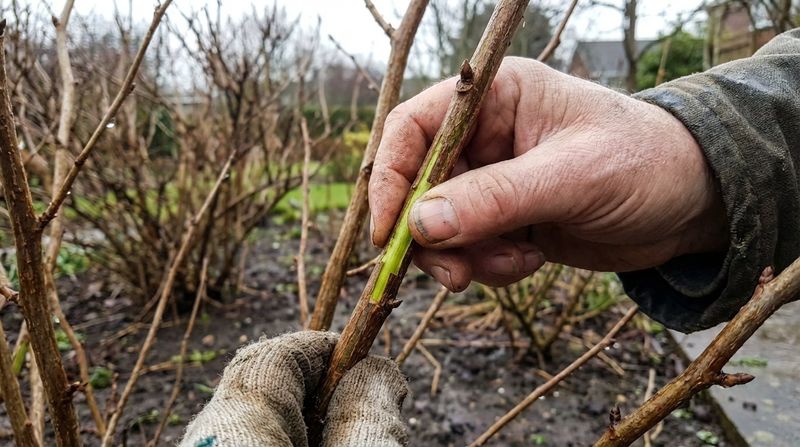
Your fig tree is supposed to be sleeping in the garage until spring, but sometimes it has other plans. A few warm days can trick it into pushing out buds and leaves weeks too soon.
That early start can leave tender growth weak, pale, and easy prey for a late freeze when you move it outside. Learning the warning signs, and a few simple ways to hit the snooze button, can save your tree a lot of stress.
1. Swelling Terminal Buds
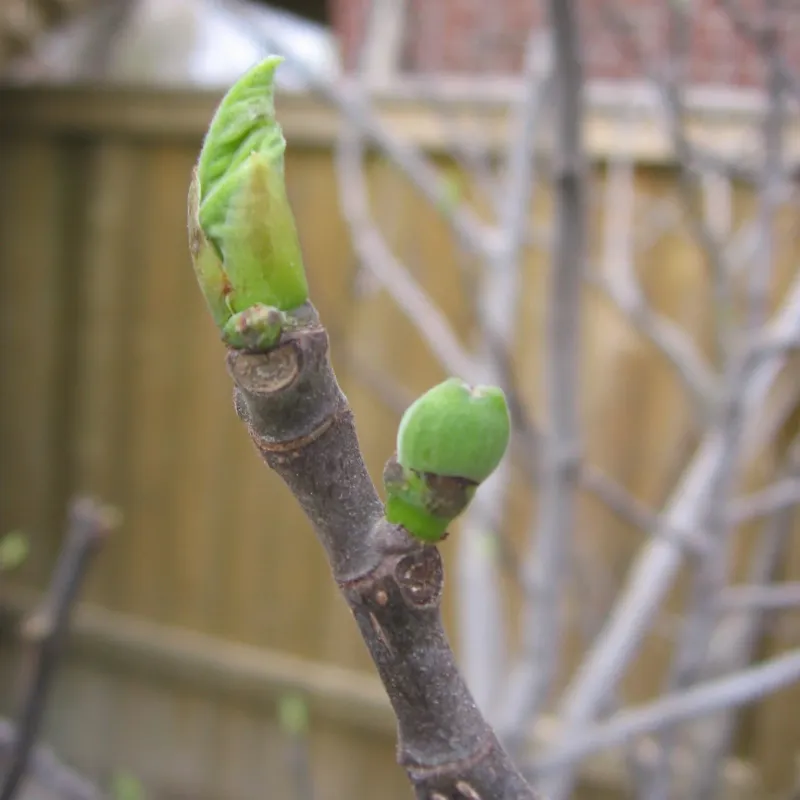
Run your thumb along the tip of a fig branch in January and you might feel something new. The pointed bud at the very end, called the terminal bud, starts to plump up like a tiny green cone when the tree is stirring.
In deep dormancy, that bud stays tight, dry, and brownish.
Once it swells and shows a hint of green at the base, your fig has read the room and decided spring is close. Garages often warm up on sunny afternoons, especially if they share a wall with the house.
Even a few days above 50 degrees can nudge those buds into motion.
Slowing things down starts with temperature. Aim to keep the space between 25 and 45 degrees, which keeps the tree sleepy without freezing the roots solid.
Moving the pot away from the heated house wall and closer to the garage door can drop the temperature several degrees.
A cheap min-max thermometer is your best friend here. It shows the warmest point of each day, which is usually what triggers the bud swell.
Check those buds weekly so you catch any change early, before it turns into full leaf growth that is much harder to reverse.
2. Tiny Leaves Unfurling
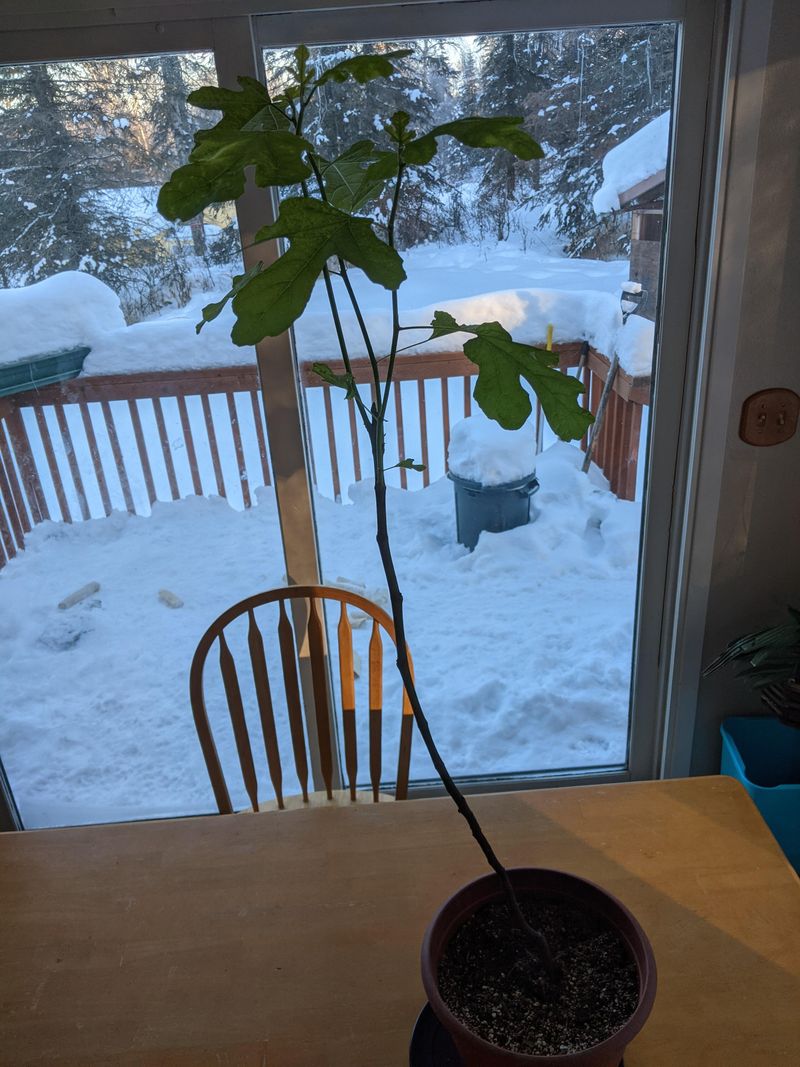
Few things look as cheerful, or as worrying, as baby fig leaves opening in February. They emerge crinkled and soft, like little green hands stretching after a nap.
Sadly, they are arriving to a party that has not started yet.
Leaves that open in a dark garage have no real sunlight to feed on. That means the tree burns through its stored energy to build them, and gets very little back in return.
You end up with a fig that is spending its savings early.
Here is the fix. First, drop the temperature as much as you safely can, since cooler air slows leaf growth to a crawl.
Second, cut the water back so the soil stays barely moist rather than damp.
Do not pull off the leaves in a panic. The tree has already invested in them, and stripping them forces it to try again with even fewer reserves.
Instead, let them sit while you cool things down.
If they keep growing anyway, you may need to give them some light, which is covered later in this list. For now, cool and dry is your quiet signal that the tree should go back to resting.
3. Long Pale Stretchy Shoots
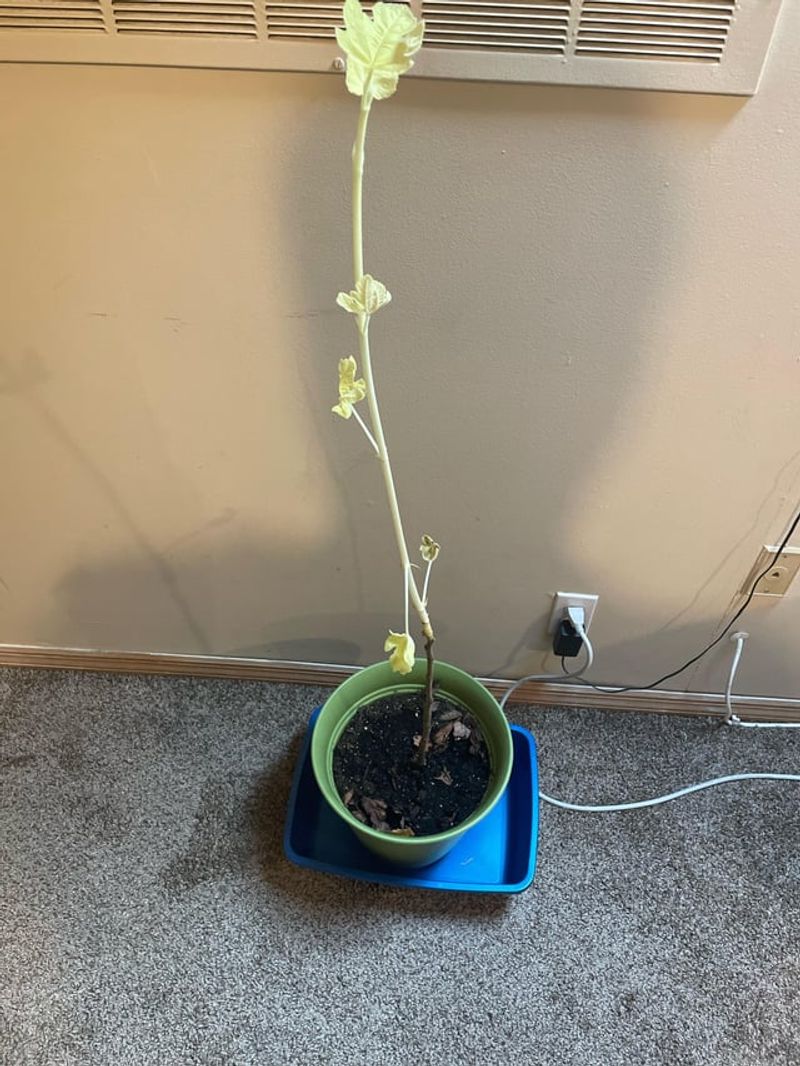
Picture a teenager who grew four inches over the summer and now looks all elbows. That is basically a fig shoot growing in the dark.
Gardeners call it etiolation, and it shows up as long, thin, pale stems with big gaps between the leaves.
These shoots are stretching in search of light that never comes. They are soft and floppy, and they often snap or wilt the moment they meet real spring sun and wind.
Worse, they rarely produce good fruit.
Once you see stretchy growth, you have two jobs. Cool the garage down to halt new shoots, and give the existing ones some light so they firm up.
A simple shop light or LED grow light hung a foot or two above the tree for 10 to 12 hours a day can work wonders.
Some growers simply prune these weak shoots back once the tree goes outside. Figs are tough and will push stronger replacement growth in real sunlight.
Snip just above a healthy bud with clean pruners.
Fun fact: fig trees have been grown in containers for centuries, and Italian immigrants famously wrapped and buried theirs in backyards to survive cold northern winters.
4. Embryo Figs Appearing on Branches
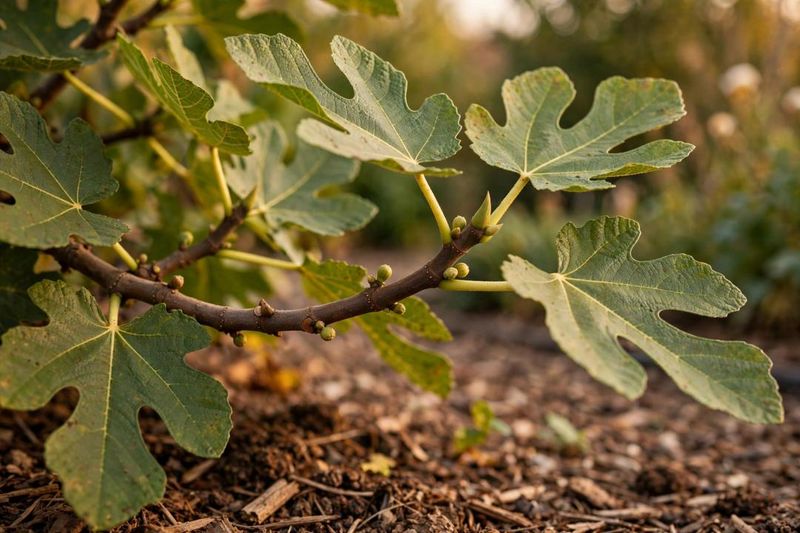
Spotting a tiny fig on a bare branch feels like finding a twenty-dollar bill in an old coat. Those little green bumps are often breba figs, the early crop that forms on last year’s wood.
Some varieties, like Desert King and Brown Turkey, are known for them.
Brebas forming in late winter are a clear sign the tree’s internal clock has started ticking. The trouble is, they need warmth and light to grow, and a dim garage offers neither for long.
Many will shrivel and drop if conditions do not improve.
To protect them, you can either slow everything down with cooler temperatures or commit to supporting the tree with light. Going halfway tends to cause the most fruit drop.
Pick a lane and stick with it.
If your goal is simply keeping the tree healthy, do not stress about losing a few brebas. The main crop that forms on new spring growth is usually larger and more reliable anyway.
Still, it is nice to save them when you can. Steady temperatures, gentle watering, and a bit of light give those tiny figs a fighting chance at becoming a sweet early summer treat.
5. Soil Drying Out Faster Than Usual

All winter, you water your fig maybe once a month and the soil barely changes. Then one week you notice the pot is bone dry after just a few days.
That shift is a quiet clue that the roots have woken up and started drinking.
Active roots pull water to feed swelling buds and new leaves. Warmer air in the garage also speeds up evaporation from the soil surface.
Together, those two forces turn a sleepy pot into a thirsty one.
It is tempting to respond by watering more, but that can actually fuel faster growth. A better approach is to give just enough water to keep the root ball from turning to dust.
Think damp sponge after it has been wrung out, not soggy mop.
Lift the pot or tip it slightly to judge its weight. A light pot means it is time for a small drink, while a heavy one can wait.
A wooden chopstick pushed into the soil also works, since it comes out dark and dirty when moisture is still there.
Keep an eye on this through late winter. Rapid drying paired with buds swelling almost always means your fig is jumping the gun.
6. Bark Turning Greener and Flexible
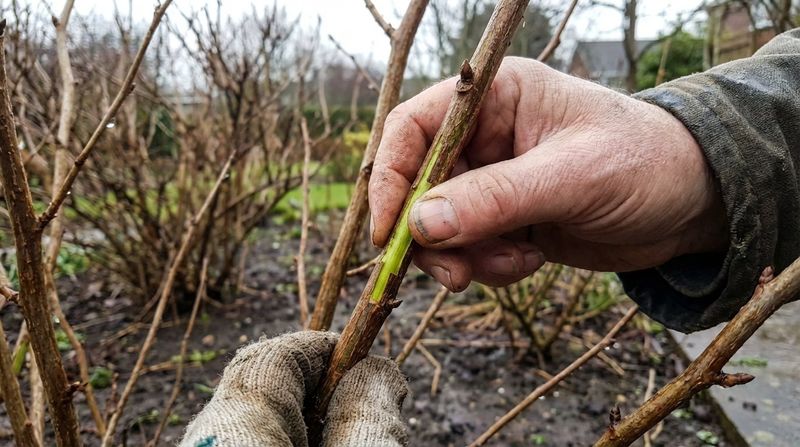
Try the scratch test. Gently scrape a small patch of bark with your fingernail on a young branch.
In deep winter, you will see a faint, dull green layer underneath.
When the tree is waking, that layer turns bright, juicy green and the branches feel more bendy than brittle. Sap is moving again, carrying stored sugars up toward the buds.
It is the botanical version of a morning coffee kicking in.
On its own, this is not a crisis. A healthy fig should have green living tissue all winter.
What matters is the change, so test the same branch every couple of weeks and compare.
If the tissue brightens and the branch loosens weeks before your last frost date, it is time to cool things down. Open the garage door for an hour on cold, dry days to let chilly air in.
A small fan can also help circulate cooler air around the pot.
Just avoid letting temperatures drop well below 20 degrees once sap is flowing. Active tissue is more tender than fully dormant wood.
Gradual cooling is safer than a sudden cold blast, which could damage branches that have already started stirring.
7. Garage Temperatures Creeping Above 50
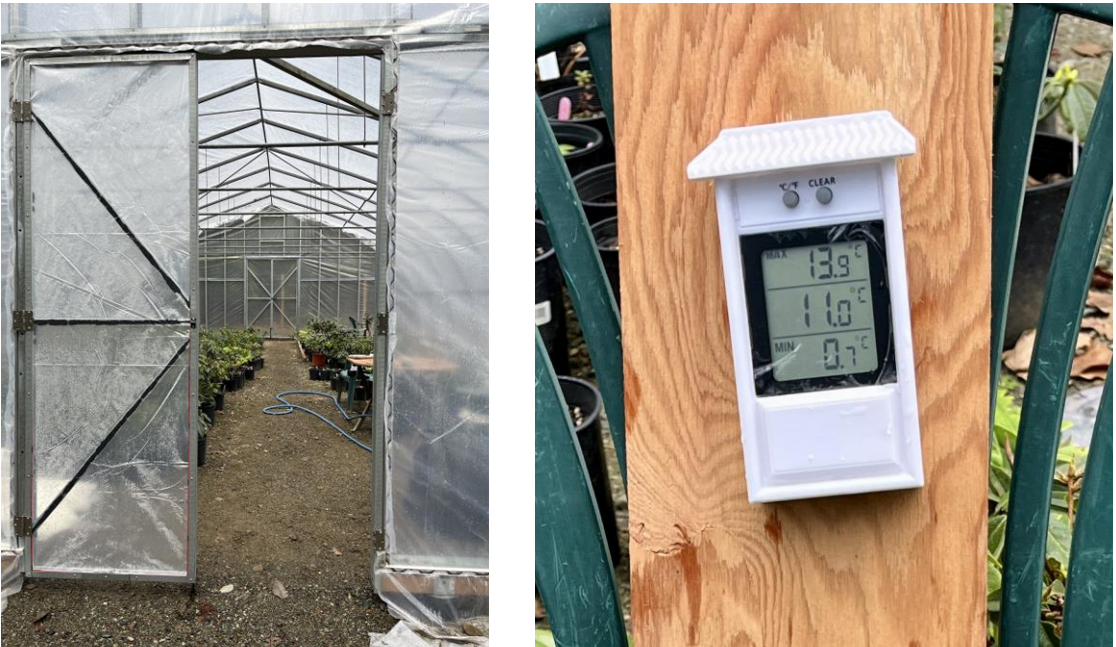
Sometimes the sign is not on the tree at all. It is on the thermometer.
If your garage regularly hits 50 degrees or higher, your fig is getting a strong wake-up message whether it shows it yet or not.
Figs track warmth over time, almost like counting days on a calendar. Once they collect enough warm hours, they assume winter is over.
Attached garages, sunny south-facing doors, and nearby furnaces or freezers can all push temperatures higher than you might expect.
Start by finding the heat sources. Chest freezers and water heaters give off steady warmth, so move the tree to the coolest corner, ideally along an outside wall.
Shade any windows with cardboard to block afternoon sun.
On cold nights, cracking the garage door a few inches can drop temps nicely. Just close it again before morning sun warms things up, and watch for curious critters sneaking in.
Another trick is to move the pot to an unheated shed, crawl space, or cool basement corner if the garage stays too warm. Many growers have success with spots that hover around 35 to 40 degrees.
Consistent chill is the single most powerful tool for keeping a fig asleep.
8. New Root Tips Poking Out the Drainage Holes
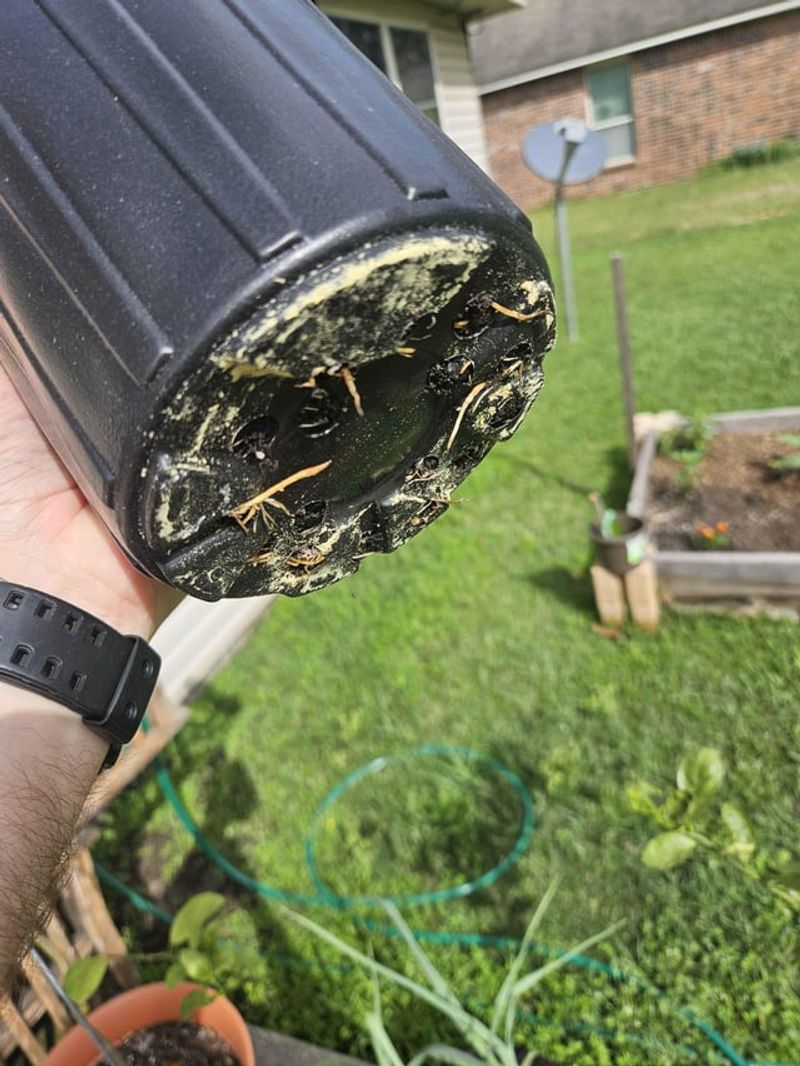
Tip the pot over and peek underneath. If you see crisp white root tips poking out of the drainage holes, your fig has quietly started its spring growth underground.
Roots often wake up before the branches do.
Fresh roots are a good sign of health, but in midwinter they mean the tree is mobilizing early. Those roots will soon start feeding top growth, and the leaves will follow.
Catching it now gives you a head start on slowing things down.
Root activity is driven mostly by soil temperature. Setting the pot directly on a cold concrete floor helps cool the roots, while a wooden pallet or foam pad does the opposite.
If the tree is already waking, place it on bare concrete to pull warmth away.
Resist the urge to repot right now. Disturbing active roots in winter adds stress and invites rot when the soil stays cool and damp.
Save repotting or root pruning for early spring, right before the tree heads outside.
A bit of patience goes a long way here. Cool roots and lean watering will usually stall that underground growth spurt until the calendar finally catches up.
9. Leaves Wilting or Yellowing in the Dark
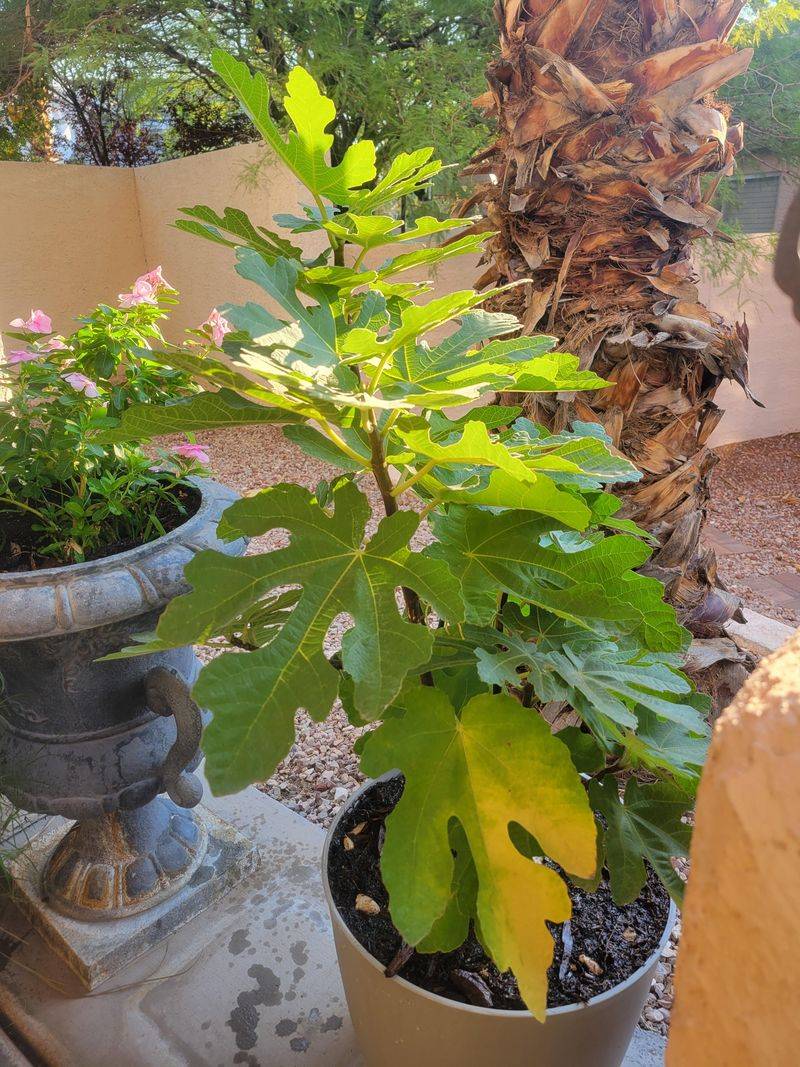
Here is a sad little scene many fig lovers know well. The new leaves that popped out last week now droop or turn yellow at the edges.
It feels like the tree is giving up, but it is really just running out of light.
Leaves need sunlight to make food. Without it, they become a drain instead of a benefit, and the tree begins pulling nutrients back out of them.
Yellowing is the visible result of that tug-of-war.
Overwatering can make the problem worse. Soggy soil in a cool garage invites root rot, and struggling roots cannot support leaves either.
So check the soil before reaching for the watering can.
If you want to save the growth, add light. A basic LED shop light set on a timer is affordable and effective.
Keep it close to the foliage, since light weakens quickly with distance.
If you would rather keep the tree dormant, let those yellow leaves fall naturally and keep conditions cool. The fig will not be harmed long term.
Buds further down the branches will push fresh, sturdier leaves once spring sunlight arrives for real.
10. Pests Showing Up on Fresh Growth
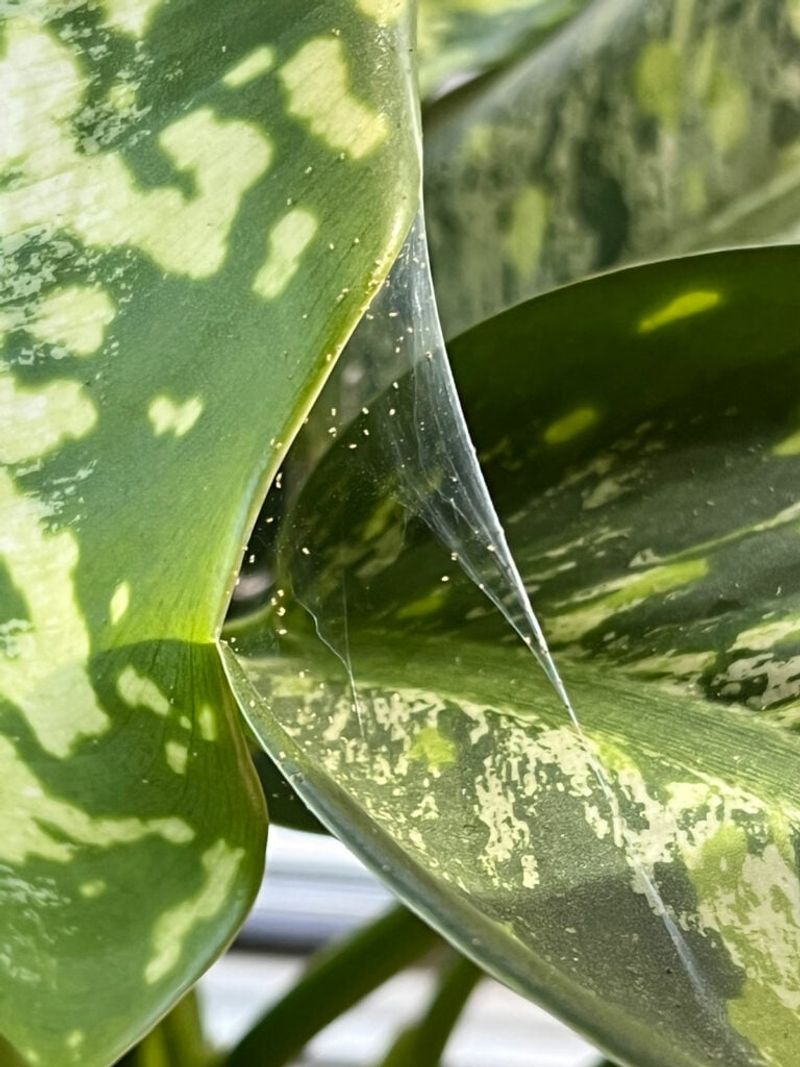
Bugs have an uncanny talent for finding new leaves. If you spot fine webbing, tiny moving specks, or sticky spots on fresh fig growth, spider mites or scale may have followed your tree’s early wake-up call.
Dormant wood offers pests very little to eat. Tender new shoots, on the other hand, are like a buffet.
Dry garage air also favors spider mites, which thrive in warm, low-humidity spaces.
Act quickly but gently. Wipe leaves with a damp cloth, or rinse the tree lightly with water if the garage has a drain.
Insecticidal soap or horticultural oil can handle bigger infestations, though always follow label directions and test on one leaf first.
Scale insects look like small brown bumps on stems. You can scrape them off with a fingernail or a cotton swab dipped in rubbing alcohol.
It is tedious, but very effective.
Pests are a side effect of the real issue, which is early growth. So pair your pest control with cooler temperatures to slow the buffet down.
A tree that goes back to resting gives bugs fewer reasons to hang around, and you fewer reasons to worry.
11. Sap Weeping From Pruning Cuts
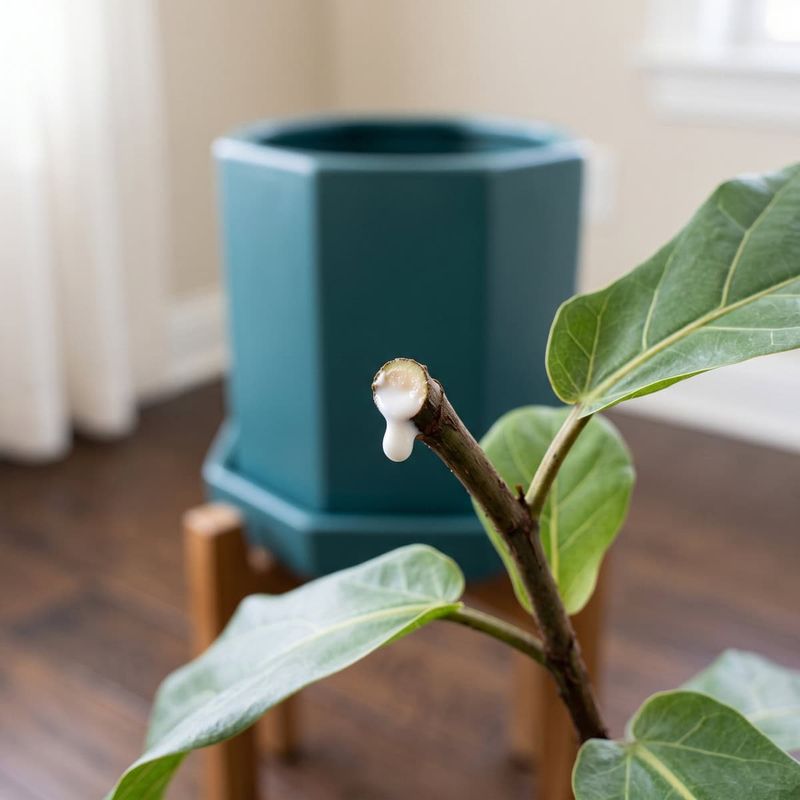
Snip a fig branch in midwinter and you will usually see very little happen. Snip it when the tree is waking, and milky white sap beads up almost immediately.
That latex is a sure sign the plumbing is running again.
Fig sap is famously sticky and can irritate skin, so wear gloves when pruning. Some people get a rash after touching it and then going into the sun.
Washing your hands right away is a smart habit.
Heavy sap flow tells you the timing for major pruning has passed for this season. Big cuts now can stress an awake tree.
Light trimming of dead or broken twigs is fine, but save shaping for after it settles into outdoor life.
Use this sign as a calendar check. If sap is flowing hard in January, your garage is too warm.
If it shows up in late March, that is pretty normal for many regions.
Either way, keep conditions cool and steady from here on. Fun bit of trivia: that same fig latex was once used in parts of the Mediterranean to curdle milk for making cheese.
12. Growth Racing Ahead of Your Last Frost Date
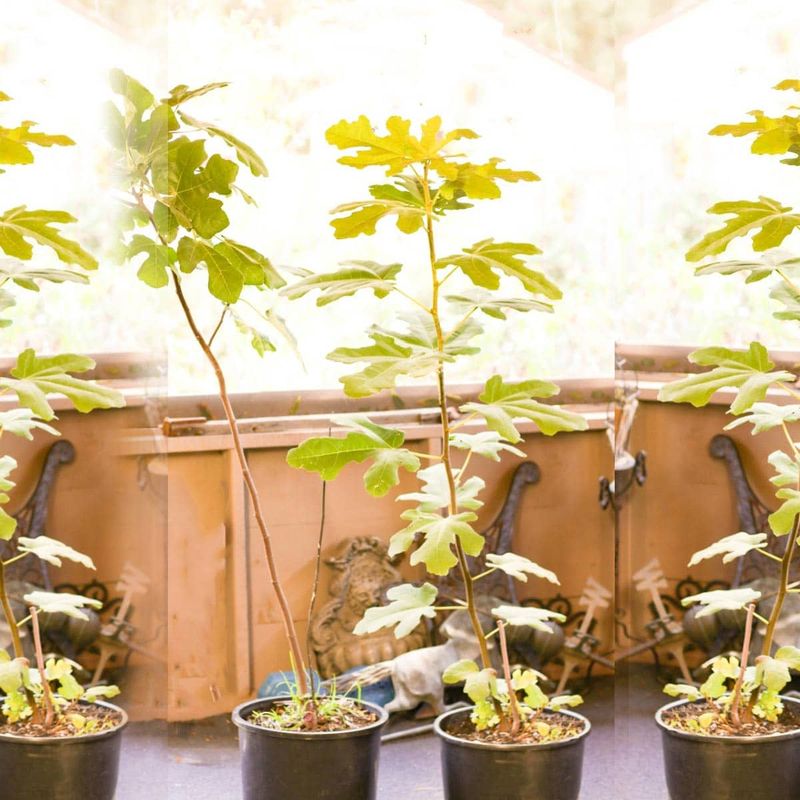
Check your calendar. If your fig is fully leafed out and your last frost date is still six weeks away, you have a timing problem.
This is the sign that pulls all the others together.
A tree in full leaf cannot simply go back to bed. At this stage, the goal shifts from slowing it down to keeping it healthy until it can safely go outside.
Light becomes your main concern.
Set up grow lights or carry the pot outside on mild days above 50 degrees, then wheel it back in at night. A plant dolly makes this daily shuffle much easier on your back.
Gradual sun exposure also hardens leaves so they do not scorch later.
Watch the forecast like a hawk. Even one night in the 20s can blacken soft fig leaves.
Old bedsheets or frost cloth can protect the tree if it gets caught outside unexpectedly.
Next fall, take notes on where the tree sat and how warm that spot got. Small changes, like a cooler corner or blocked window, can keep it dormant longer.
A well-timed wake-up gives you a stronger tree and a sweeter harvest come summer.