
When snow covers the ground, your backyard birds face two big problems: finding food and staying out of sight from hungry hawks. A feeder helps, but it can also turn your yard into an open buffet for a Cooper’s hawk watching from a nearby branch.
The right evergreen shrubs solve both problems at once, offering berries to eat and thick, leafy hiding spots close by. Plant a few of these and you will have a busier, safer bird yard from December through March.
1. American Holly
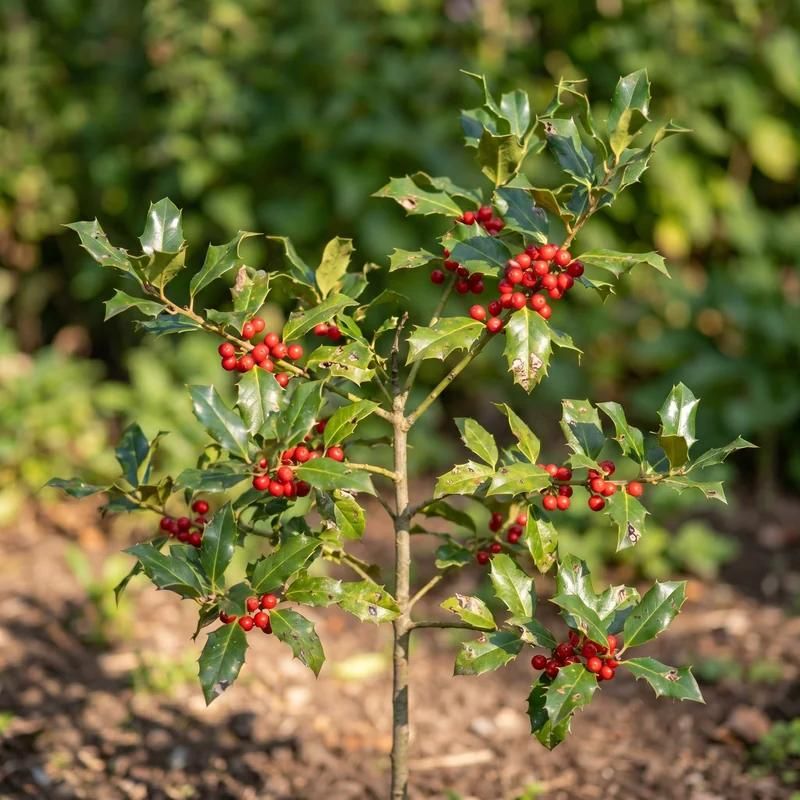
Picture a male cardinal tucked inside a holly bush, bright red against glossy green, while a hawk circles overhead and gives up. American holly makes that scene happen in yards from Massachusetts to Missouri.
Its stiff, spiny leaves work like a natural fence that larger predators simply will not push through.
The berries are the second gift. They often stay on the branches well into late winter because they soften and sweeten after a few hard freezes.
Mockingbirds, robins, cedar waxwings, and bluebirds all show up to feast once the fruit is ready.
One catch: holly plants are either male or female, and only the females make berries. You need at least one male within about 40 feet to get a good crop, so buy plants labeled by sex.
A ratio of one male for every three to five females works well.
Give holly full sun to part shade and slightly acidic, well-drained soil. It grows slowly at first, but patience pays off with a dense pyramid of shelter that lasts for decades.
Fun fact: early American colonists used holly branches to decorate homes because they were one of the few plants still green and berry-covered at Christmas.
2. Eastern Red Cedar
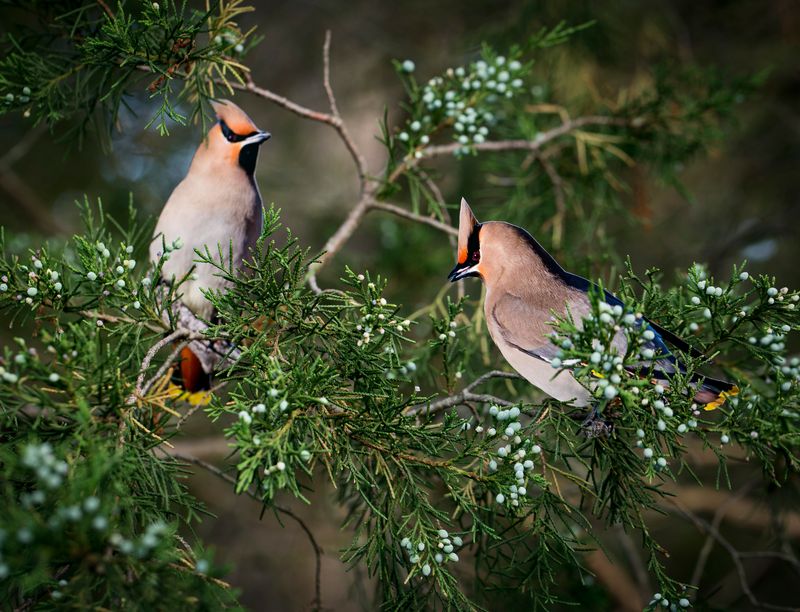
Cedar waxwings got their name for a reason. Watch a flock land on an eastern red cedar and strip it of its frosty blue berries in minutes, and you will understand the bond instantly.
Those berries are actually tiny cones, packed with fats and sugars that birds need on cold nights. More than 50 bird species eat them, including bluebirds, yellow-rumped warblers, and robins.
Like holly, only female plants carry fruit, so look for named female varieties at the nursery.
What really sets this juniper apart is its shape. The branches grow tight and scratchy all the way to the ground, creating a dark interior where sparrows and juncos can hide in seconds.
Many bird lovers plant one about 10 feet from a feeder so small birds have a quick escape route.
Eastern red cedar is about as tough as shrubs get. It handles drought, poor soil, heat, wind, and bitter cold across most of the country.
For smaller yards, compact cultivars stay shrub-sized instead of becoming 40-foot trees.
Just keep it away from apple trees if you can. Cedar hosts a rust disease that bounces between the two plants, causing orange spots on apple leaves.
3. Wax Myrtle
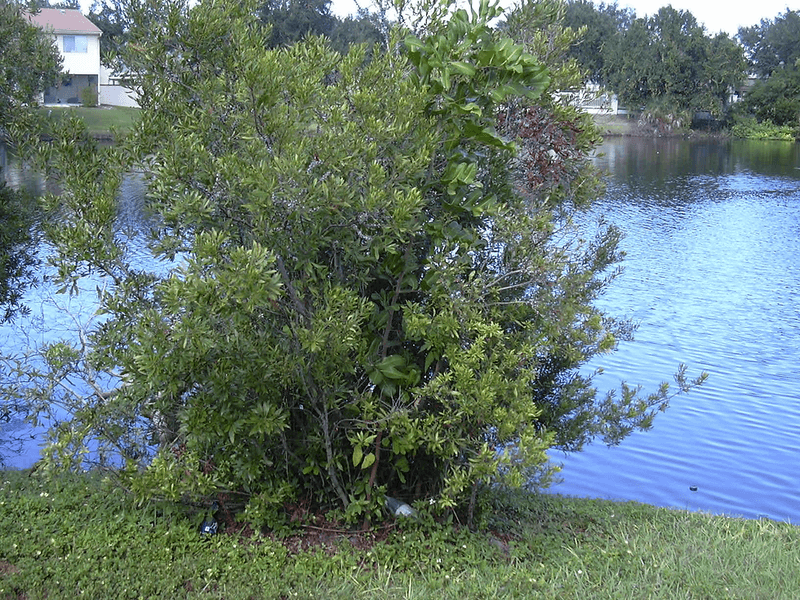
Here is a plant with a sneaky superpower. The tiny gray berries of wax myrtle are coated in wax that most birds cannot digest, but the yellow-rumped warbler can, and it practically lives on them all winter.
That special diet is why these warblers can stay much farther north in winter than their cousins. Tree swallows, bluebirds, catbirds, and chickadees also nibble the berries when other food runs short.
The fruit hangs on the stems for months, so the pantry stays stocked.
Wax myrtle grows fast and thick, often adding three feet a year. Its many stems create a crowded, leafy tangle that makes an excellent hedge or screen.
Small birds love the way they can dart deep inside and disappear.
The leaves smell spicy and fresh when you crush them. Early settlers boiled the berries to collect the wax for candles, which is why some people call it bayberry or candleberry.
It handles wet soil, sandy soil, and salty coastal air with ease. Gardeners in colder northern zones can grow its close relative, northern bayberry, which is semi-evergreen and just as popular with winter birds.
Female plants produce the berries, so plant a few together.
4. Inkberry Holly

Not every yard has room for a towering holly tree. Inkberry is the answer for tidy foundation beds, narrow side yards, and spots right under a window where you want to watch birds up close.
This native holly has smooth, small leaves with no prickles, so it is friendly to plant near walkways. Its round black berries ripen in fall and often hang on until spring.
They are not the first thing birds grab, which is actually a good thing, because they become a backup food source in late winter when everything else is gone.
The shrub usually tops out between four and eight feet. Its branches stay full and leafy from top to bottom, giving chickadees, wrens, and sparrows a cozy place to rest between feeder visits.
Inkberry loves moist, acidic soil and can handle some shade, which makes it handy for tricky damp corners. Some popular compact varieties, like Shamrock, stay neat with very little pruning.
A tip many people miss: those cute dwarf varieties are sometimes male, so they will not fruit. Check the label and include a female plant if berries matter to you.
Bees also adore the tiny spring flowers, so you get a bonus pollinator boost.
5. Pyracantha
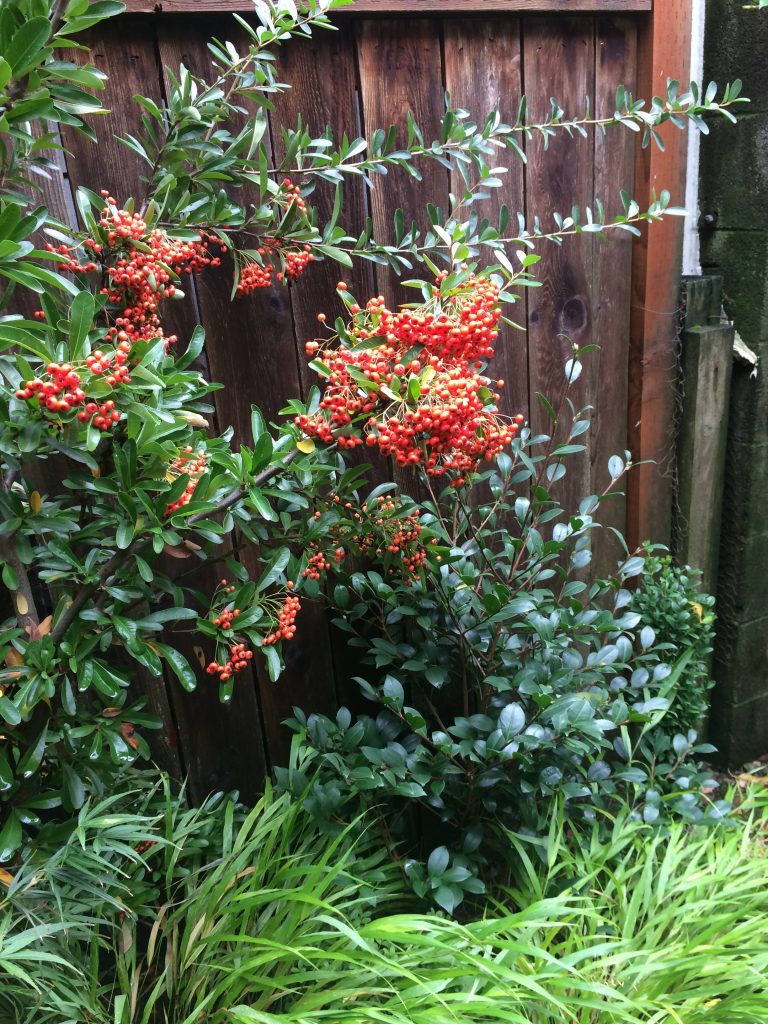
Ever seen a shrub that looks like it is on fire in January? Pyracantha, also called firethorn, explodes with orange, red, or yellow berries that glow against gray winter skies.
Robins, mockingbirds, and cedar waxwings go wild for these clusters. Sometimes birds eat fermented berries late in the season and act a little tipsy, which is funny to watch from the kitchen window.
The fruit is plentiful enough to feed a crowd for weeks.
Now for the hawk protection. Those long, sharp thorns are serious business, so a hawk diving in after a sparrow is taking a real risk.
Birds also build nests inside it in spring because cats and squirrels stay away.
Pyracantha is evergreen or semi-evergreen in most of the country and can be trained flat against a fence or wall. That makes it great for small yards that still want big impact.
Wear thick gloves when pruning, and plant it away from busy paths where kids play. In parts of the South and West it can spread into wild areas, so check whether it is considered invasive where you live before planting.
Choose disease-resistant varieties to avoid fire blight and scab.
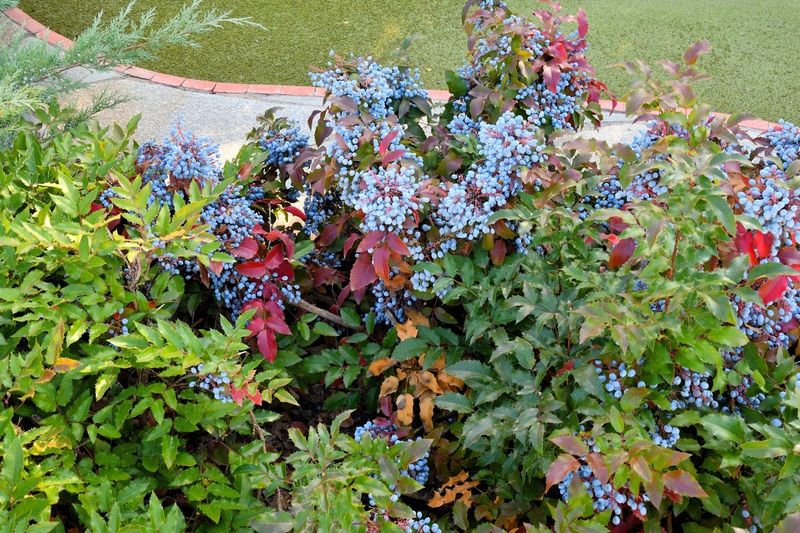
6. Oregon Grape Holly
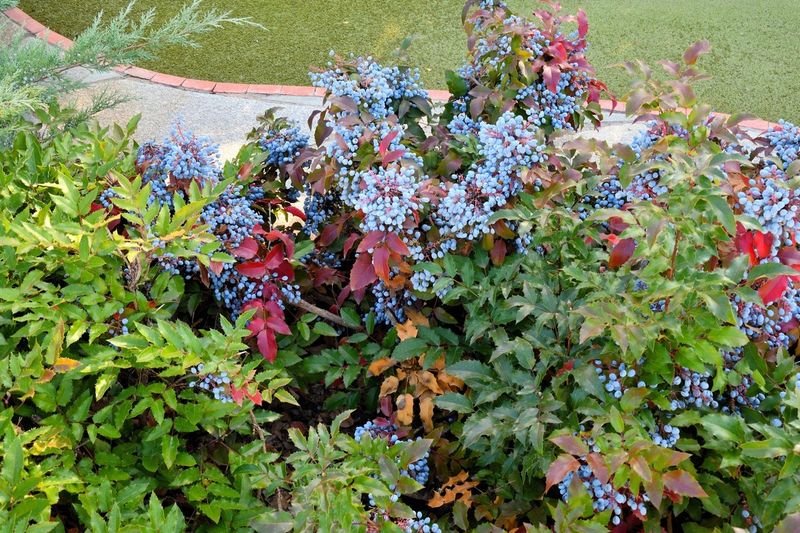
Shade gardeners, this one is for you. Oregon grape holly thrives under trees and along the north side of a house, places where many berry shrubs sulk.
Its leathery, spiny leaves look a lot like holly and often turn rich bronze or purple in cold weather. Bright yellow flowers appear in late winter, sometimes when snow is still around.
Those blooms feed early bees and even overwintering hummingbirds in milder regions.
By summer, clusters of dusty blue berries form, looking like tiny grapes. Birds such as robins, thrushes, and towhees snack on them, and some fruit lasts into the colder months.
Ground-feeding birds especially like the low, prickly cover it creates.
Native to the Pacific Northwest, it grows well across much of the country and handles dry shade once established. It spreads slowly by underground stems, forming a protective patch rather than a single bush.
A small grouping near your feeder gives birds safe places to land and hide.
Fun history bit: Lewis and Clark collected samples of this plant during their famous expedition. Today it is the state flower of Oregon.
Its berries are sour but edible, and people have long turned them into jelly.
7. Yaupon Holly
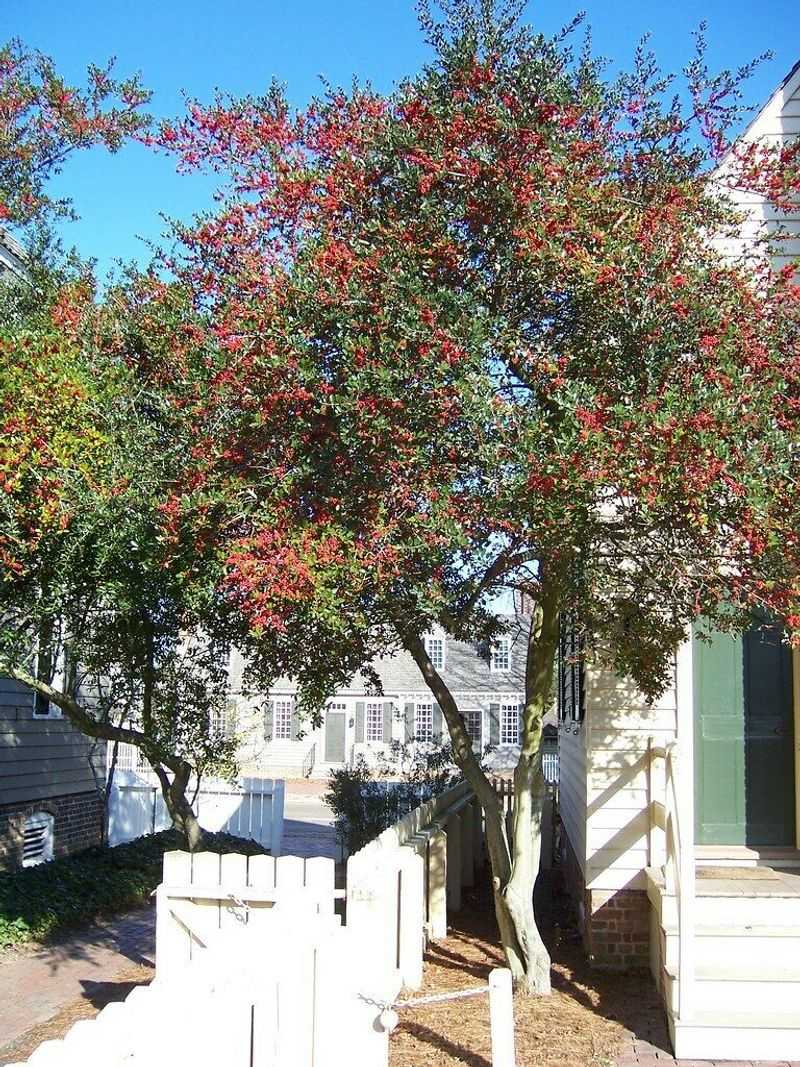
Some shrubs are picky. Yaupon holly is the opposite, shrugging off heat, drought, clay, sand, and salt spray while still covering itself in shiny red berries.
Those berries are small, which makes them perfect for bluebirds, cedar waxwings, mockingbirds, and robins. They ripen in fall and last through much of winter, giving birds a reliable meal when insects disappear.
A single mature plant can hold thousands of fruits.
Its tiny leaves grow on dense, twiggy branches, creating a thick screen with very few gaps. Small birds can slip in, but a hawk has a tough time following.
Because it takes pruning so well, you can shape it into a hedge, a small tree, or a rounded shrub.
Yaupon grows best in warmer zones, roughly 7 through 10, so northern gardeners may want inkberry instead. Weeping and dwarf forms are available for smaller spaces, though again, only female plants produce berries.
Here is a quirky fact. Yaupon is the only native North American plant with caffeine in its leaves, and Native Americans brewed it into a tea.
Its scientific name is a bit unfair, though, hinting it makes people sick, which is mostly a misunderstanding from long ago.