
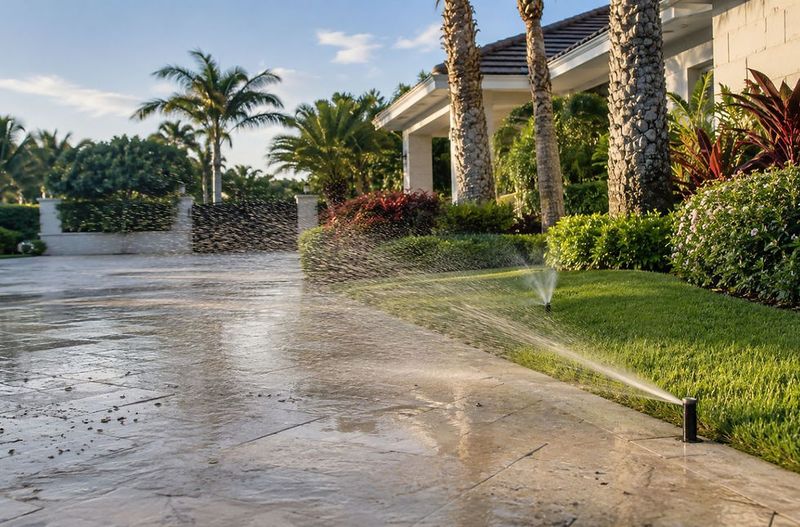
The law lets you ask your neighbor to fix the problem, check local irrigation and drainage rules, keep records, and take a claim to court if real damage continues. It does not make a neighbor responsible just because water reaches your yard.
What matters is where the water comes from, how often it comes, and what harm it causes. Knowing your real options can save you time, money, and a lot of bad feelings on the street.
First identify what is putting water in the yard
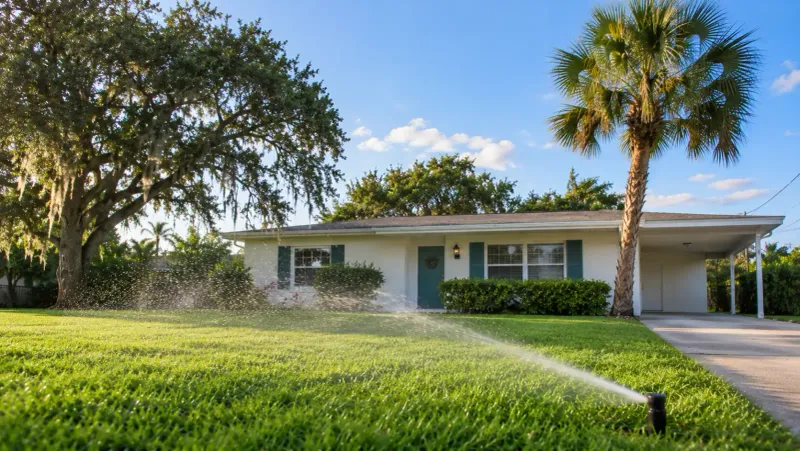
Before anyone talks about blame, figure out what kind of water you are dealing with. Three sources get mixed up all the time: rain that falls and flows downhill on its own, runoff that has been changed by grading, fill, or other improvements, and water a neighbor deliberately sprays through an irrigation system.
Each one raises different questions. Florida’s best-known surface-water decision, Westland Skating Center v.
Gus Machado Buick, deals with interference with surface waters. It does not set a universal rule for sprinkler overspray, so it cannot be treated as the final word on every wet-yard fight.
Watch the timing and the path. Water that appears only when the neighbor’s zone runs, on a dry day, points toward irrigation.
Water that shows up after a storm and follows a new slope or filled-in low spot points toward altered runoff. Soggy ground after heavy rain may simply be nature at work.
A wet lawn alone does not prove a claim, and neither does water crossing a property line. Florida courts look at the facts, and a Florida appellate opinion on neighbor nuisance claims shows that reasonableness depends on the evidence.
This article is general guidance, not advice about your specific property.
Florida weighs altered runoff by reasonableness
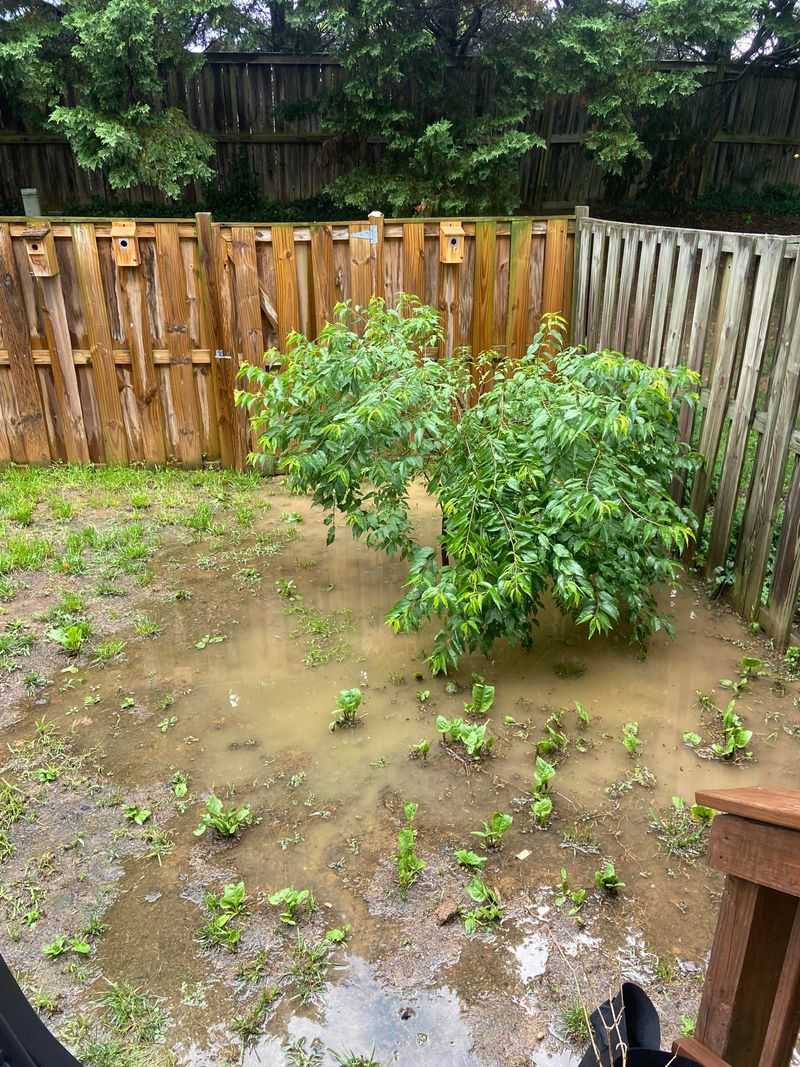
Florida does not hand the win to either side in a surface-water dispute. A lower property may have to accept some natural flow, since water on land in its natural state tends to run downhill.
But when improvements cause harm, the Florida Supreme Court uses a fact-specific reasonable-use analysis, as explained in the Westland decision.
That means the uphill owner is not always liable, and the downhill owner does not have to swallow anything that comes along. Conduct on both sides can matter, including what each owner did to the land and how each responded to the problem.
A serious example is Heritage 5, LLC v. Estrada.
A neighbor filled a drainage ditch, which disrupted a drainage scheme and damaged a nursery. The appellate court sent the case back for damages and an injunction.
Treat that case as an example of a serious dispute, not a promise. A damp flower bed after a few watering cycles is a very different situation from a plant nursery losing stock to a blocked ditch.
Having a similar story does not mean a court will order either remedy for your yard.
Local irrigation rules may shape the next step
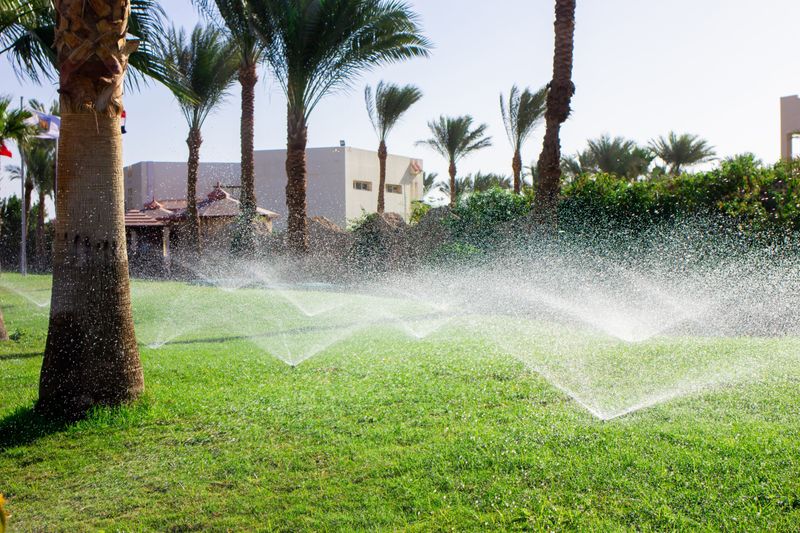
Many people assume a state law forbids overspray. It does not say that.
Florida Statutes section 373.62 requires moisture-responsive technology on automatic landscape irrigation systems, such as rain or soil moisture sensors. It is not a statewide rule that every sprinkler must keep all water on its owner’s property.
Local rules may add more. Cities and counties can have irrigation, water-conservation, drainage, and code-enforcement rules, so look at the ones for the place where your home actually sits.
Lake County, for example, says its irrigation rules are enforced outside city limits and directs residents inside municipalities to contact their city. Do not assume a county rule applies inside a city.
Good irrigation habits can also give you a useful talking point. UF/IFAS guidance says irrigation should not continue past the point of runoff, and homeowners can use catch cans to see how much water a zone applies.
Those are sound practices, but they are not legal rulings. They can help a neighbor fix a wasteful zone without deciding who is responsible in your particular dispute.
A calm request and a dated record can clarify the problem
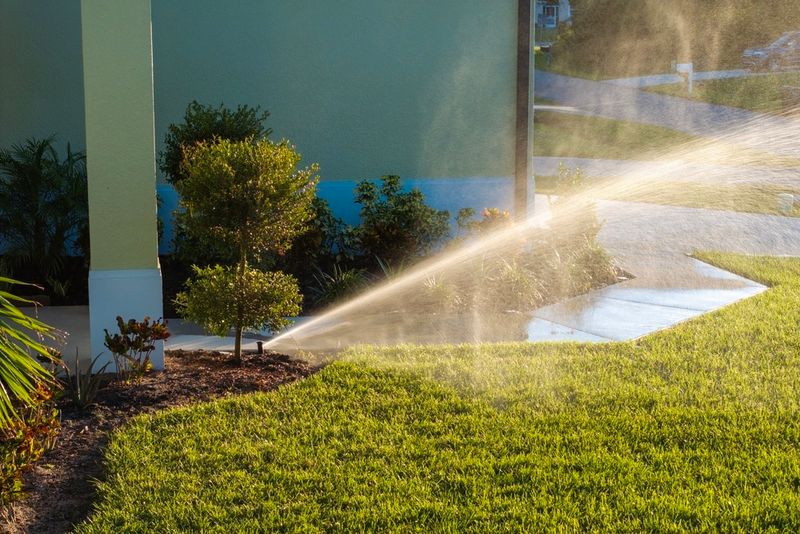
Start with a friendly, specific ask. Many neighbors have no idea a head is tilted, a controller is set too long, or a zone runs during rain.
Invite them to inspect or adjust the sprinkler head, the controller, or the watering duration, and offer to show them where the water lands.
While you wait, build a simple record. Take dated photos or video of the water path and the resulting conditions.
Keep notes that separate irrigation events from rainy days, including times and how long the water runs.
Save receipts or written estimates for any damage, such as dead plants, replaced mulch, or soil repair.
Records like these clarify the facts, which is often enough to settle things in a conversation. They can also support a later discussion or claim.
As Westland and a Florida nuisance opinion show, outcomes depend on the facts and the evidence. Good notes cannot guarantee liability or a court result.
Do not send the water back or interfere with the system
Frustration can tempt people to take matters into their own hands. Please don’t.
Stay off the neighbor’s property, and do not damage, turn off, or adjust their equipment without permission.
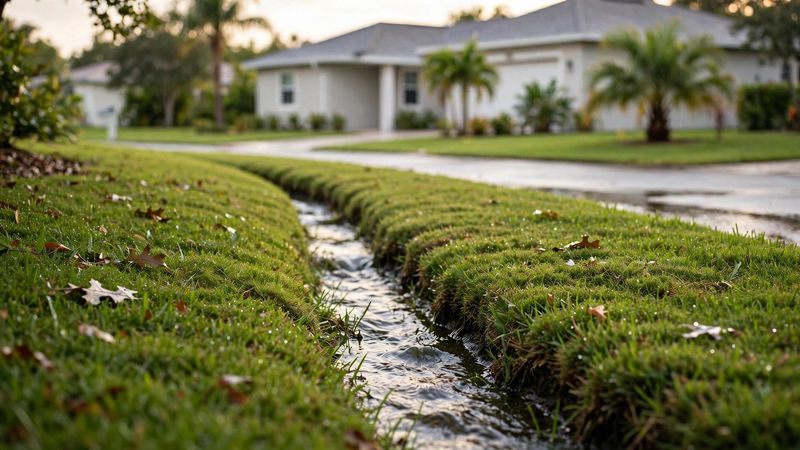
Resist the urge to block a swale, build a berm, or otherwise push water back toward the neighbor’s yard. Drainage changes can create brand new harm, including flooding on a third property or on your own.
Florida’s surface-water approach in Westland looks at the reasonableness of what both owners did, so a retaliatory fix could turn a neighbor’s problem into yours.
If you think drainage work is needed on your own lot, check local requirements and site conditions first. Swales and drainage easements are often part of a larger system, and some areas have permit or community rules.
A quick call to your city or county office, or advice from a licensed professional, is cheap compared with fixing a mistake.
Recurring damage may justify professional advice
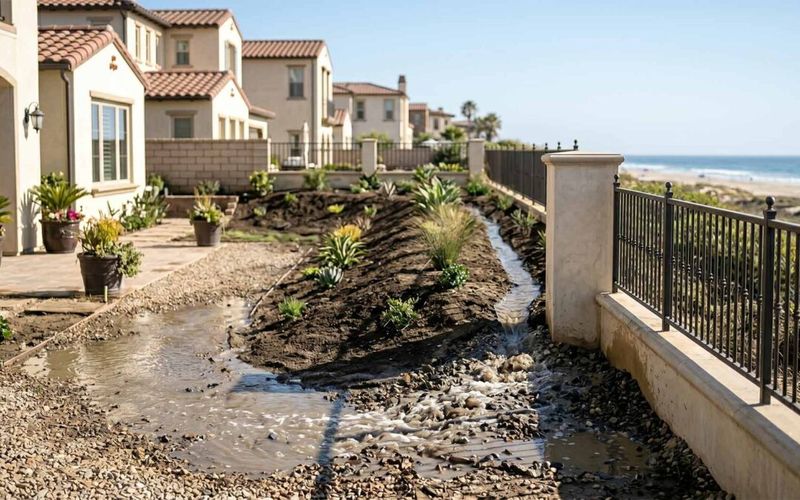
If you have asked politely, checked the local rules, and the water keeps coming, it may be time for outside help. The clearest signs are significant, recurring, documented harm that the neighbor has not addressed, such as drowned landscaping, eroded soil, or damage near a foundation.
Nuisance and surface-water disputes turn on facts and evidence. A Florida appellate opinion on neighbor nuisance claims describes reasonableness in that fact-dependent way, so what you can show matters a great deal.
Cases can illustrate what is possible in serious disputes. In Heritage 5, the court remanded for damages and an injunction after a filled drainage ditch harmed a nursery.
That outcome is not something every owner can expect, and the Westland rule on surface-water disputes still asks about both sides’ conduct.
A Florida attorney can review your records and your property’s drainage and tell you what applies to your situation. Talk to one before asking a court for an order or changing any drainage yourself.
Small claims has a dollar limit, not a guaranteed sprinkler fix

Small claims can be a practical path for a modest loss, but it has limits. Under the Florida Small Claims Rules, qualifying county-court actions are those seeking money or property valued at no more than $8,000, not counting costs, interest, and attorney fees.
A case begins with a statement of claim.
That fits a request for the cost of replacing damaged plants or repairing a landscaped bed. It is a different thing from asking a judge to make a neighbor re-aim or shut off sprinklers.
The rules do say they can apply to a money-or-property claim even when equitable relief is coupled with it. That is not a promise that small claims will issue a sprinkler-fix order.
Whether any such request fits depends on the claim and the circumstances, which is a good question for an attorney.
Before filing, check current local procedures and costs with the appropriate county clerk. Florida Courts Help offers general information on small claims to get you started.
Start with the water’s source and choose a proportionate response
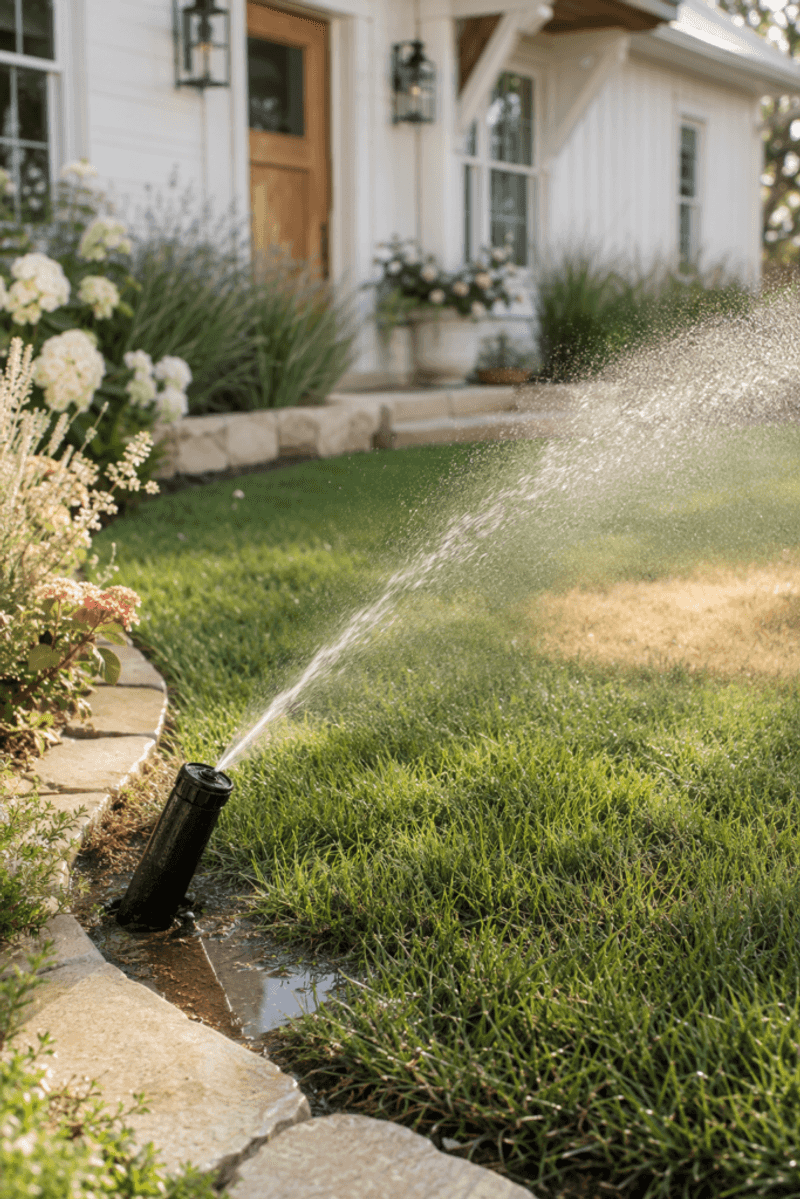
Work in order. Figure out whether you have rain, altered runoff, or irrigation.
Record what happens and when, then ask your neighbor to adjust the system, and check the rules for the city or county where you live.
If serious damage continues, get legal advice before going further. Neither a wet yard nor water crossing a property line decides liability, as Westland shows, and section 373.62 is not a blanket overspray ban.
A money claim must fit within the small claims limits.
Most soggy-yard problems are solved with a sprinkler timer, not a courtroom.