
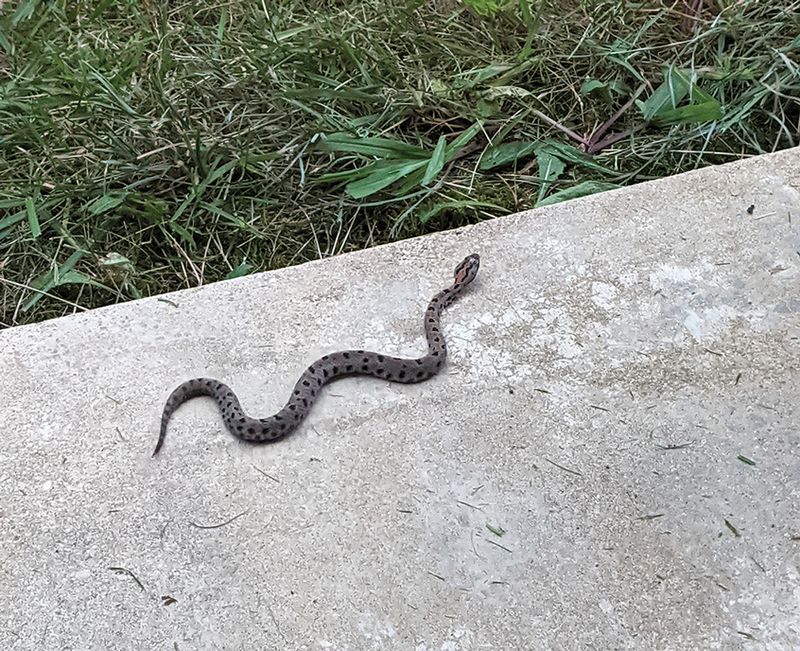
A pygmy rattlesnake bite while you weed your Florida garden can happen in a second, and what you do in the next minute matters. These small, well-hidden snakes live in many Florida neighborhoods, and a bite is venomous and painful even though adults rarely face life-threatening danger.
The right steps are simple: move away, call 911, and stay still until help arrives. Knowing them now can keep panic from taking over later.
A camouflaged snake can be hard to spot in a garden
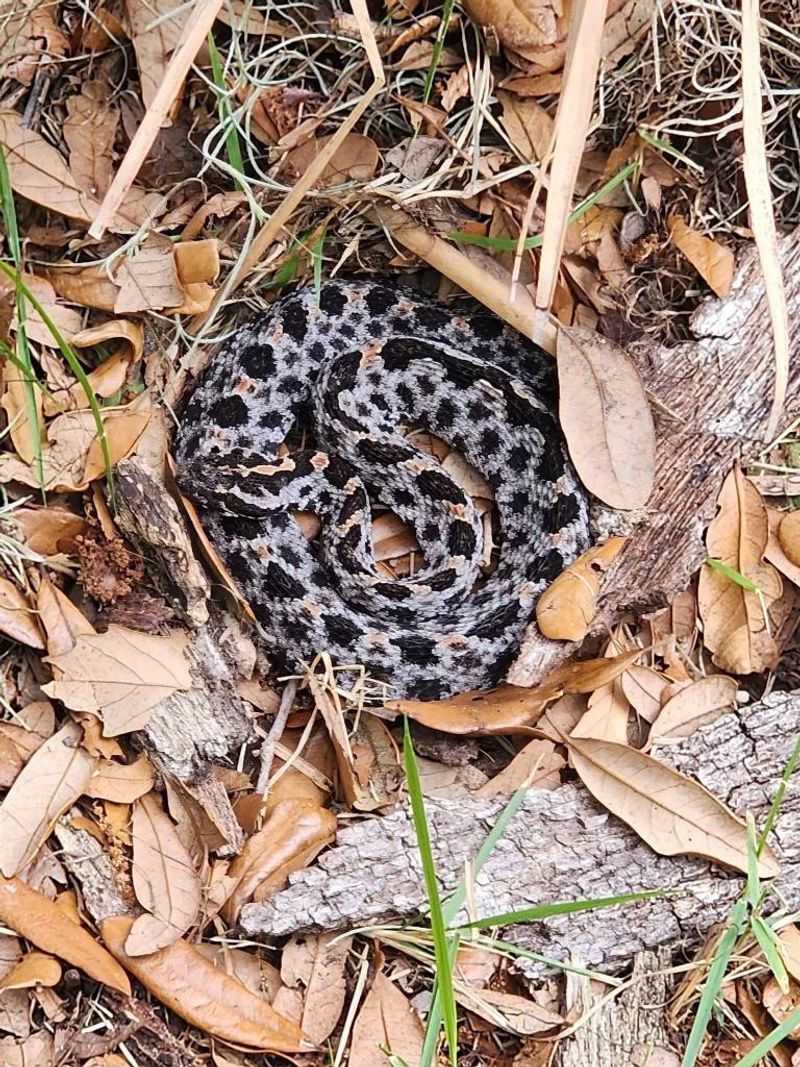
Picture a quiet afternoon, a handful of weeds in your glove, and a snake you never saw. That scene is plausible, but it is an illustration, not a measured or common event.
Most garden afternoons pass with no snake at all.
Still, the possibility is real. According to the Florida Museum of Natural History, pygmy rattlesnakes live throughout Florida except the Keys, and they can turn up in suburban neighborhoods near suitable habitat.
Think of mulch beds, overgrown edges, leaf litter, and brushy corners of a yard.
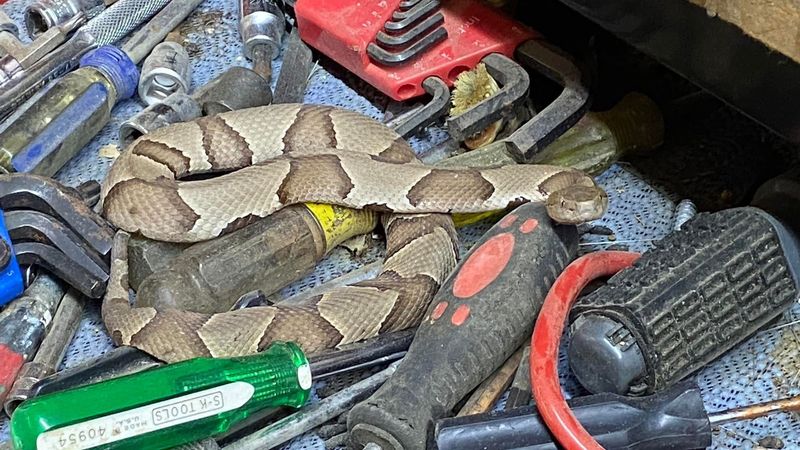
These snakes are small and rely on camouflage. Their coloring blends with soil, leaves, and dead plant material, so a person can come very close without noticing.
Their rattle is tiny too, and it may sound like a faint, insect-like buzz that is easy to miss over a mower or a radio.
That matters because UF/IFAS Extension guidance on snakes in residential areas stresses careful identification of the snakes found around homes. A faint rattle, or no rattle at all, does not rule out danger.
Neither does a confident guess from a neighbor about what kind of snake it was.
Pygmy rattlesnakes are not chasing anyone. A bite is better understood as a defensive strike after accidental close contact, such as a hand reaching into cover or a foot coming down too near.
Even so, a small size is no reason to shrug off a bite. The venom is real, the pain can be significant, and a suspected bite calls for prompt medical care, which is where the next section picks up.
What to do immediately after a suspected bite
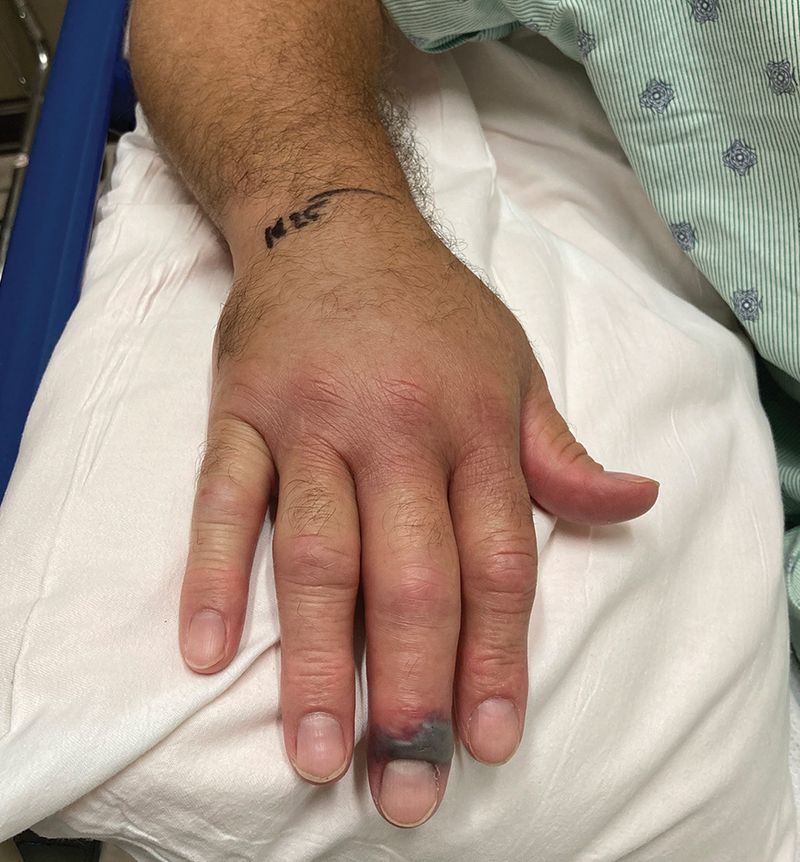
Step one is distance. Move away from the snake, calmly and without hurrying back to look at it, so there is no second encounter.
Then call 911 right away.
Do not wait to see whether swelling shows up. Do not wait for someone to confirm what kind of snake it was.
Current AHA and Red Cross first aid guidelines call for activating emergency services for a venomous or possibly venomous snakebite and getting prompt medical attention.
Driving yourself is not a substitute for calling. Dispatchers can send help, give instructions, and alert the hospital.
Put the phone on speaker so your hands stay free to help.
While you wait, keep the person calm and as still as possible. Fear and movement both raise the heart rate, so a quiet voice and a place to sit or lie down help more than frantic activity.
Sit with them and keep talking.
Adults are generally not expected to face life-threatening effects from a pygmy rattlesnake bite, but that is not a reason to relax. The Florida Museum describes the bite as venomous and painful and says it warrants immediate medical care.
Children and small pets may face greater concern, so act even faster if the person bitten is a child or if a dog or cat was the one that was bitten.
The goal here is a clear sequence, not a deadline. Move away, call, stay still, and let trained responders take over.
Keep the person still while help is coming
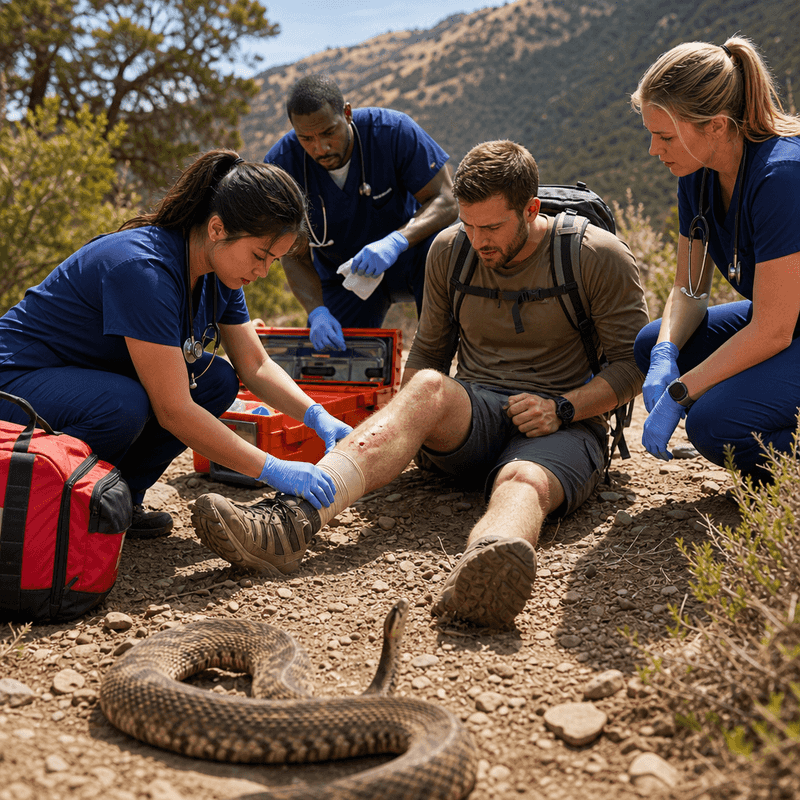
Once the call is made, the waiting begins, and how that time is spent counts. The aim is to limit exertion.
Have the person sit or lie down in a safe spot away from where the snake was last seen.
Keep the bitten arm or leg still. The American Red Cross advises keeping the limb lower than the heart, so rest a bitten hand at their side or a bitten leg on the ground or a low support.
Avoid walking unless it is truly necessary, such as moving out of the snake’s reach.
Rings, watches, bracelets, and tight sleeves or shoes can become a problem if the area swells. AHA and Red Cross guidelines recommend removing these from the bitten limb before swelling makes that difficult.
Do it gently and quickly.
A few notes on perspective. Positioning and jewelry removal are interim steps.
They are not reasons to hold off on the 911 call, and they should never delay transport once help arrives. Skip elaborate splints or homemade supports too, since they take time and add little.
Reassurance helps more than most people expect. Speak in a steady voice, tell the person that help is on the way, and ask them to breathe slowly.
If a child is the patient, a familiar adult lap or blanket on the ground can keep them quiet.
Watch for changes and report them to the dispatcher, such as spreading swelling, dizziness, or trouble breathing.
Clean and cover the bite only if it will not delay care
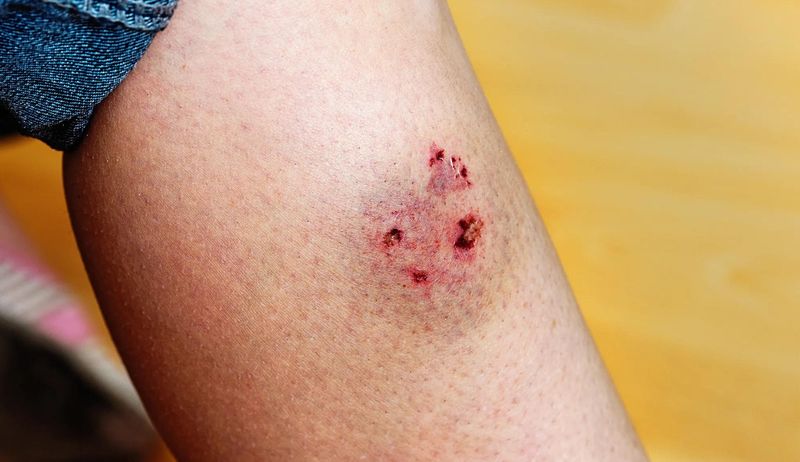
Wound care is a side task here. If, and only if, it does not slow anything down, wash the bite with soap and water and cover it loosely with a clean, dry dressing.
That is the advice from the American Red Cross. If water or a dressing is not close, skip it and focus on getting help.
A clean, dry dressing is not a tight wrap. It simply keeps the area clean.
Nothing about it should squeeze the limb.
A photo can help medical staff, but only if someone can safely take it from a distance. NIOSH guidance for outdoor workers advises against approaching, capturing, or killing the snake, since that is how more bites happen.
If a photo is not easy, leave it.
Always call 911 first. If EMS is not readily available, arrange for another person to drive the patient to an emergency department, and the patient should not drive.
NIOSH notes that transport should begin after first aid in that situation, and the AHA and Red Cross guidelines back prompt medical attention.
Florida Poison Control, at 1-800-222-1222, can offer expert guidance. Treat it as an extra resource.
According to Florida Poison Control, snakebites often need immediate medical care, so the hotline never replaces 911 or an emergency exam.
If another adult is present, split the jobs. One person stays with the patient, and one handles calls or the car.
Avoid ice, cutting, suction, and pressure bandages
Old movies left behind a pile of snakebite myths, and several can do real harm. Do not put ice on the bite.
Do not cut the wound, and do not try to suck out venom.
Skip tourniquets as well. The AHA and Red Cross guidelines identify these steps as harmful or of no proven benefit for North American snakebites.
They also waste minutes that belong to getting help.
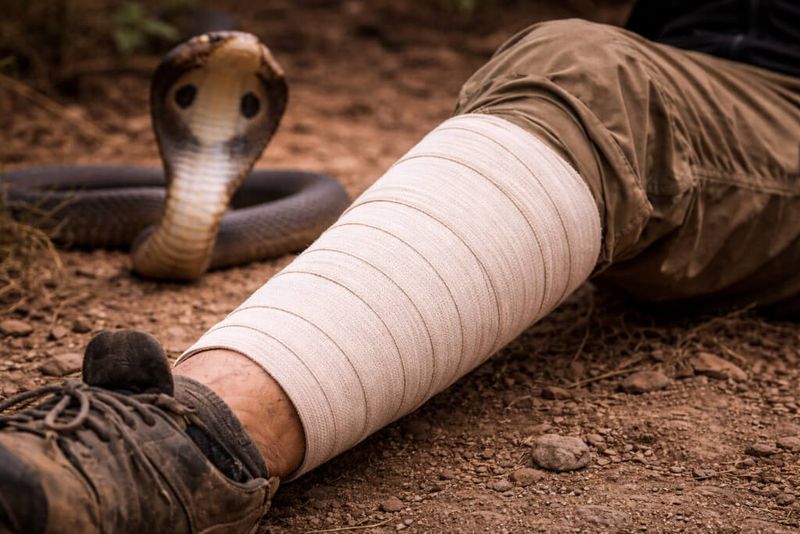
Pressure-immobilization bandages deserve a special mention, because they are used for some snakebites in other parts of the world. The American Red Cross explains that they are not appropriate for a pit-viper bite such as a rattlesnake bite.
A pygmy rattlesnake is a pit viper, so a tight wrap is the wrong tool.
Here is the difference in plain terms. A clean, dry dressing is a loose covering that protects the skin, and it is fine if it does not delay care.
A pressure-immobilization bandage is a snug, firm wrap, often with a splint, meant to hold venom in place, and it should be avoided.
Also leave out alcohol, home remedies, and pain pills you are unsure about. Let the medical team decide what is safe.
When in doubt, ask yourself one question: does this step get the person to care sooner? If not, set it aside, keep the person still, and keep watching the road for the ambulance.
Use care around places where snakes can hide
After the emergency steps comes the quiet work of prevention. Most of it comes down to seeing before reaching.
Snakes use cover, and so do the weeds you pull.
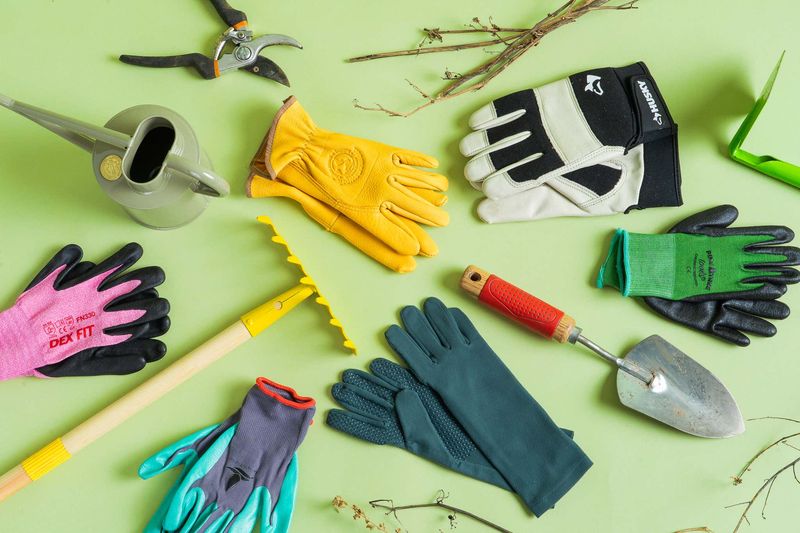
Wear thick boots and gloves when you work near beds, brush, and woodpiles. UF/IFAS Gardening Solutions recommends this gear and extra caution in places where snakes can hide.
Long pants help too.
Do not reach blindly into thick plantings, leaf piles, stacked pots, or the dark gap under a bench. Use a rake, hoe, or long-handled tool to move debris first, and look before you put a hand or foot down.
Good light helps, so a headlamp is handy at dawn or dusk.
The CDC Yellow Book also points to protective clothing and awareness of where you place your hands and feet as ways to lower the chance of an envenomation.
Keep the yard tidy where you can. Trim back overgrown edges, clear clutter, and keep walkways open so you can see what is ahead.
Tell children to leave snakes alone and come get an adult instead.
Be honest about what these habits do. They can reduce your exposure, but they are not a guarantee against a bite.
That is why the emergency plan is worth knowing even if you never need it.
Remember the emergency steps
If a bite happens, think of four moves: step away from the snake, call 911, keep the person still, and get prompt medical care. The AHA and Red Cross guidelines support that order.
Naming the snake or trying home treatments comes after, if at all.
A garden is meant to be a calm place, and a little preparation keeps it that way. The best first aid kit for this moment is a charged phone and a clear head.