
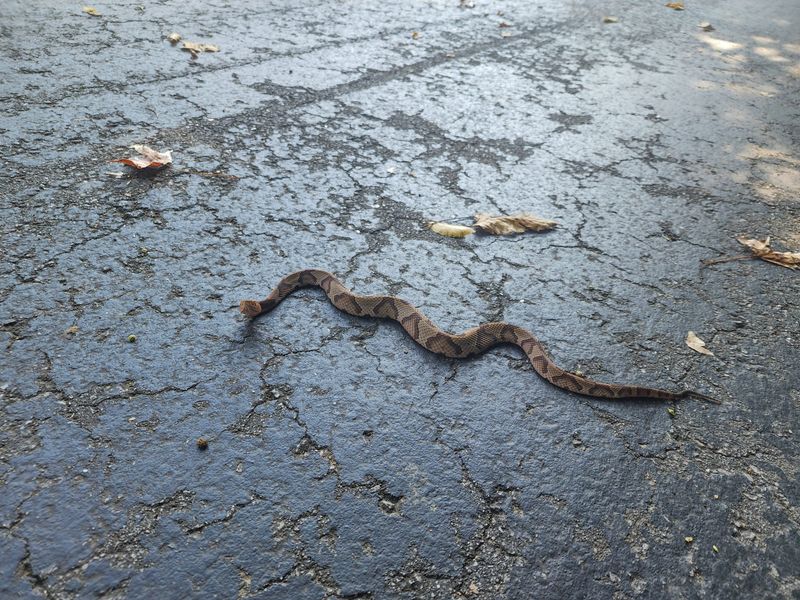
A sunny, mild afternoon after Thanksgiving can bring a copperhead out to soak up some warmth, even when most of us think snake season is over. That matters because late-fall yard cleanup has you moving leaves, logs, and stones right where a snake might be resting.
A warm day makes activity possible, but it does not promise a sighting. Here is how to work smart, stay calm, and know what to do if you meet one.
Warmth can permit activity, but it cannot predict a sighting
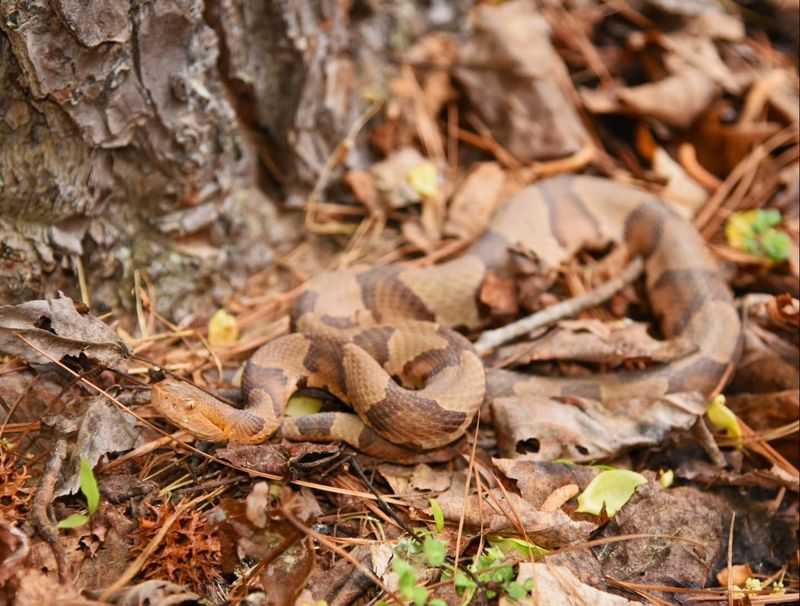
Snakes cannot make their own body heat, so they rely on the environment. Copperheads are ectothermic, and the NC Wildlife copperhead profile describes them using cover that also gets some sun, where they can bask.
A mild, sunny spell in late fall can make that kind of basking possible.
The word that matters there is possible. A North Carolina study of snakebites treated in emergency departments found results consistent with copperheads being more active during the warmest parts of the day in spring and fall.
That fits with a warm fall afternoon allowing some activity.
It does not mean the day after Thanksgiving brings a predictable wave of snakes into yards. The study did not record the time of most bites, and the authors could not work out the circumstances for most of them.
So it cannot tell you that a certain afternoon will produce a sighting at your house.
Think of warmth as a door that may be open, not a schedule. Many warm days will pass with no snake in sight.
Still, a sunny day is a good reminder to treat concealed spots with care while you work, and NC Wildlife notes that cool-day snakes can be slow to get out of your way.
Where copperheads may find cover and sun
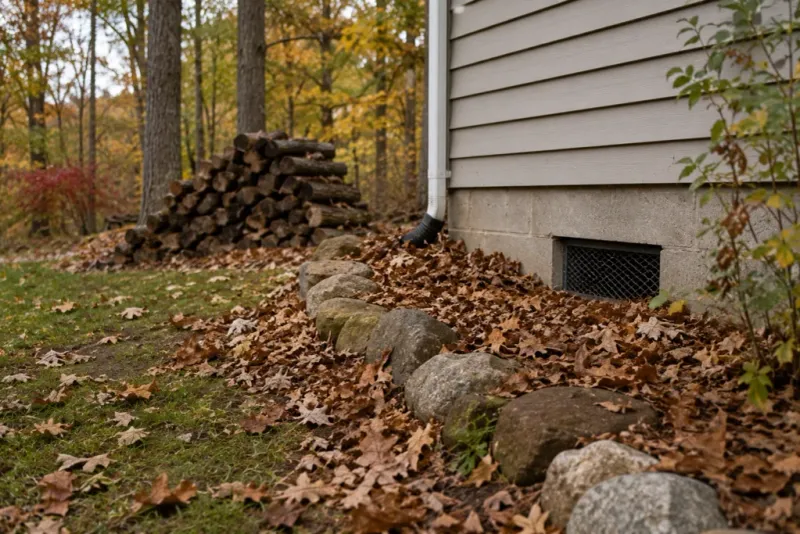
Copperheads live all across North Carolina and are most often linked with woodlands. NC Wildlife lists places where cover and sun come together, such as woodland edges, rocky south-facing slopes, and ivy thickets.
It also names sawdust piles, slab piles, trash dumps, and run-down buildings.
A North Carolina reference database, Reptiles of North Carolina, adds that copperheads may be found under or near logs, rocks, and manmade cover. In the hottest months they tend to be active at dusk or at night, so they are not tied to a single time of day all year.
Walk your property and think in terms of cover. A woodland edge behind the shed, a stack of old boards, or a pile of rocks gives a snake shelter and often a sunny spot nearby.
What about leaf piles, steps, and stone walls? The sources do not name them as proven seasonal hotspots.
If they offer cover, such as gaps, crevices, or a deep tangle of leaves, treat them as places to check cautiously, not as places where a snake is sure to be.
Check before reaching into yard debris
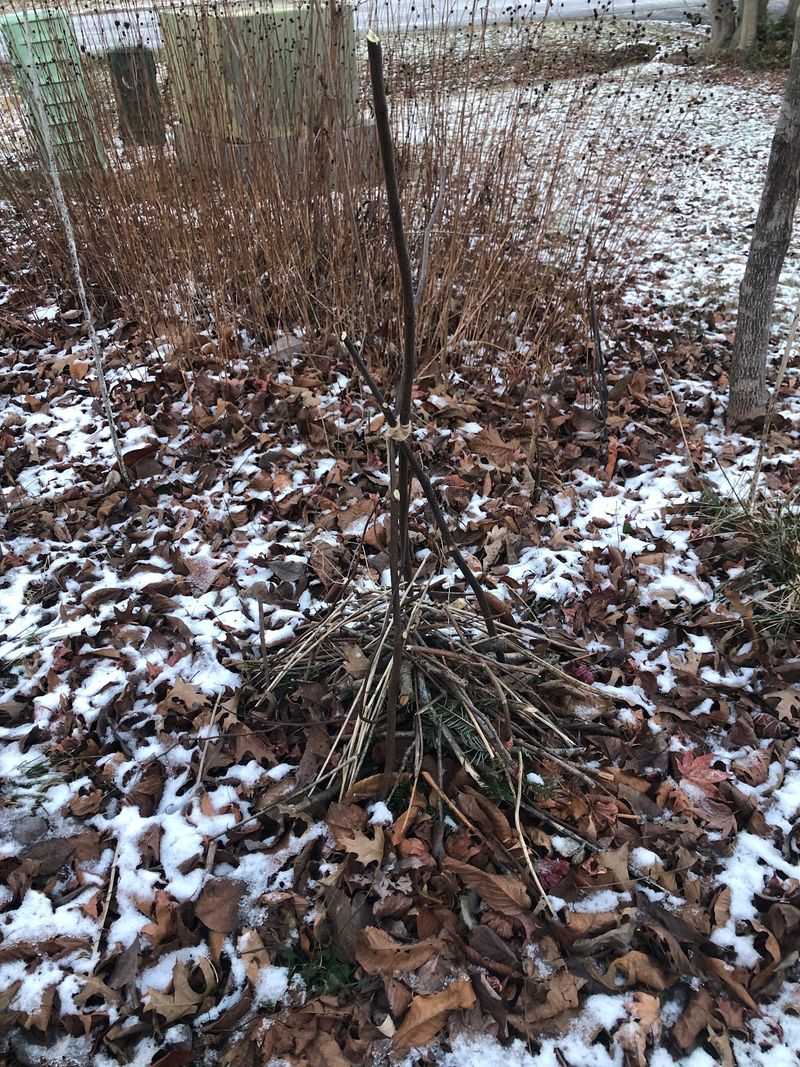
Cleanup does not attract snakes, but it does put your hands and feet near hiding places. Leaves, brush, logs, and rocks can hide a snake that you never see until you are close.
The risk comes from not being able to see what is underneath.
A simple habit helps most: look first, then reach. Use a rake, a long-handled tool, or a stick to move leaves and brush before your hands go in.
NC State Extension’s guidance on pit vipers supports being careful around the places these snakes shelter.
Wear sturdy boots and long pants, and put on thick gloves for debris work. Do not flip rocks or logs with bare hands, and never step over a log without checking the far side.
Good light and a slow pace make a real difference.
Copperheads blend in well with leaf litter, so a quick glance is not enough. Poison Control notes that copperheads are venomous, which is reason enough to take your time.
Check the spots NC Wildlife describes as typical cover, such as woodpiles, old boards, and rocky edges, before you start pulling things apart.
If you see a snake, give it space
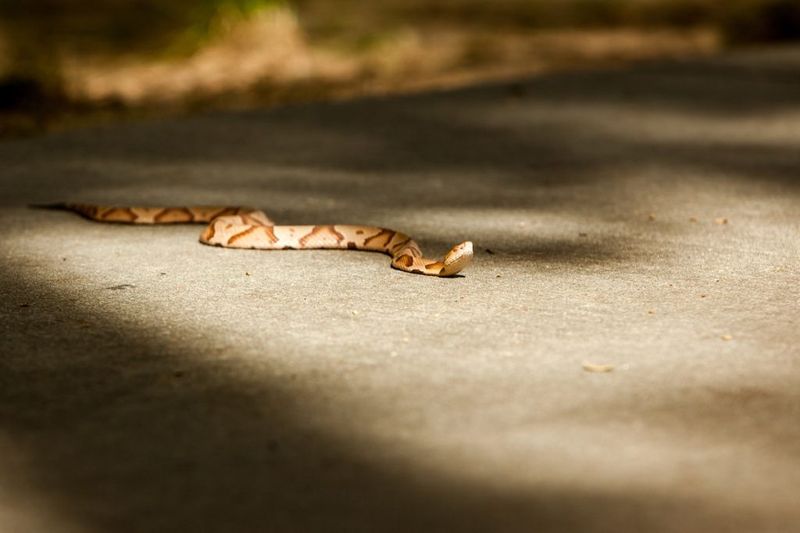
Stop where you are, step back, and leave the snake alone. Do not try to grab it, kill it, or carry it somewhere else.
Most bites happen when people mess with a snake, and room is the safest gift you can give.
Call children inside or well away, and bring pets in on a leash. NC State Extension recommends leaving these snakes alone.
Often the snake will simply move on by itself once it feels the coast is clear.
If it is lying where it has to be moved, such as a path you must use, NC Wildlife says you can gently spray it with a garden hose from a safe distance. The water encourages it to leave without you getting close.
Do not expect the state to haul it away. NC Wildlife’s guidance on preventing conflicts with snakes explains how to live alongside them, and the agency does not send staff to trap and remove snakes.
Keep an eye on where it goes, and hold off on the work in that area until it has gone.
A suspected bite needs immediate medical attention
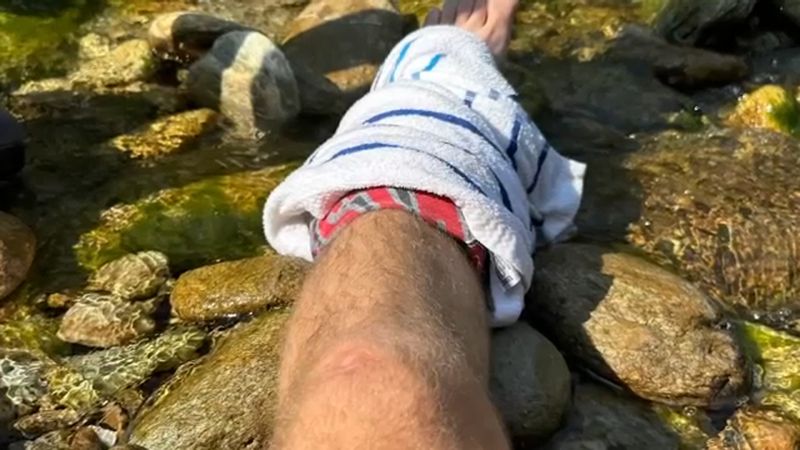
Copperheads are venomous, so any suspected bite needs immediate medical attention. Call 911 or get to an emergency room right away.
Do not wait to see how it feels first.
While help is on the way, stay as calm as you can and limit activity, since moving around can be unhelpful. Take off rings, watches, and tight clothing near the bite in case of swelling.
Poison Control’s copperhead guidance covers these steps.
Skip the old myths. Do not use a tourniquet, do not put ice on the bite, do not cut the wound, and do not try suction.
Poison Control also lists 1-800-222-1222 for poison-center advice, and you can call it while arranging care.
Symptoms and outcomes vary from person to person. NC Wildlife says bites are not considered life-threatening, but they still call for prompt medical assessment, and not every bite injects the same amount of venom.
A bite that seems mild at first is not a reason to wait, and NC State Extension also stresses getting care.
What winter sheltering and state risk can tell you
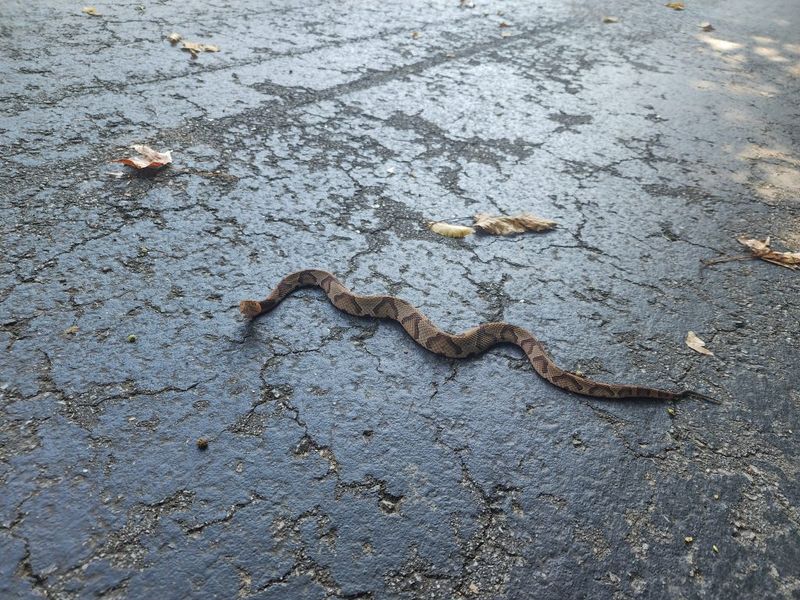
Copperheads spend the coldest months in sheltered spots. NC Wildlife describes overwintering sites below the frost line.
Yet the agency also notes that on cool days snakes may lack the energy to retreat quickly. So think neither of nonstop sleep nor of regular winter wandering.
Copperheads live statewide, but that does not make every yard equally risky. The state bite study found the highest bite rate in the Coastal Plain.
That is a regional pattern, not a risk estimate for your own lot, which depends on woods, rocks, and debris nearby.
The takeaway is practical. Check covered spots carefully, look before you reach, and stay calm if you spot a snake.
If someone is bitten, get medical help right away.
A snake in November is a surprise, not a signal, so a little care goes a long way.