
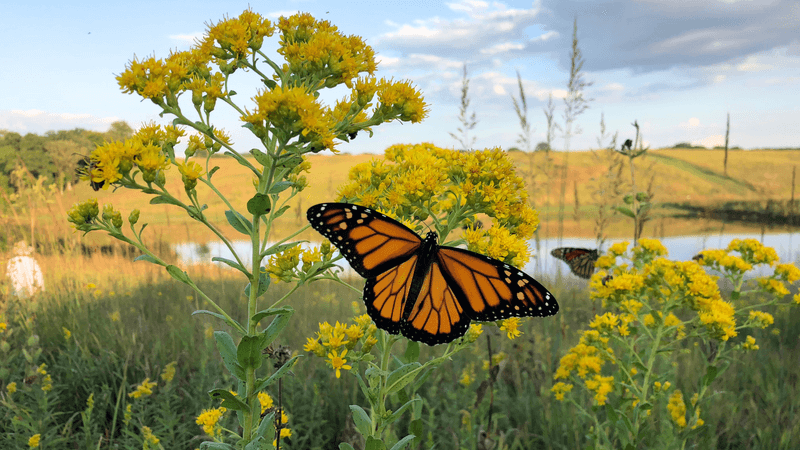
Wrinkleleaf goldenrod is a North Carolina native perennial you can plant this fall so it may offer nectar to migrating monarchs next fall. Its yellow flower clusters open late in the season, right when monarchs are passing through the state.
A little planning now, like checking your soil and your sunlight, can set up a bloom that adult monarchs might use. Here is how to get started without expecting too much.
Planting season comes before migration season
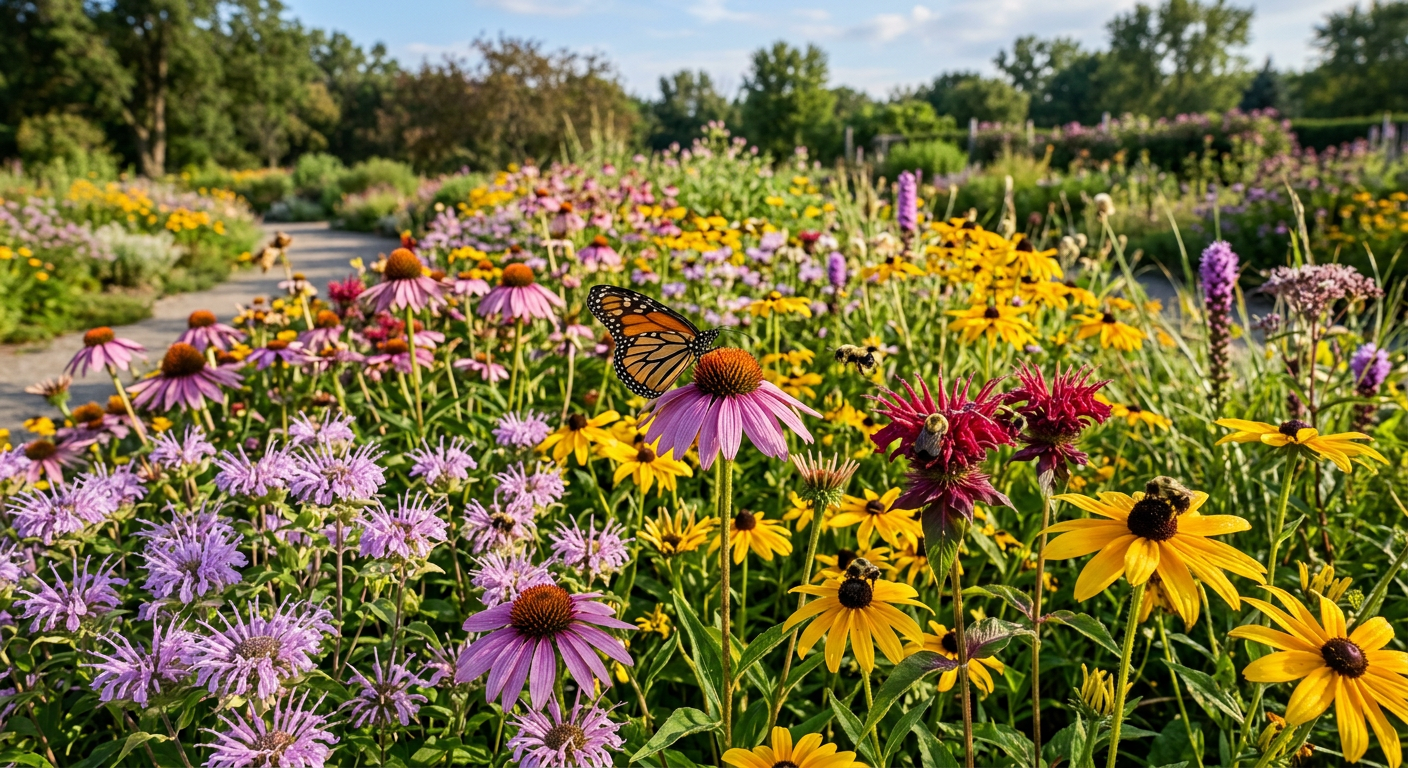
Here is the idea in a nutshell: a perennial planted this fall could be blooming during next fall’s monarch migration, if it settles in and flowers. That is a real possibility, but it is not a promise.
Think of it as setting a table well ahead of time and hoping guests show up.
The timing lines up better than you might expect. According to North Carolina Parks butterfly records, monarchs may be especially noticeable in the state from August through October, and adults sip nectar from asters and other flowers.
Those are the weeks when a late bloomer in your yard could matter most.
Planting comes first, though. N.C.
Cooperative Extension points to October and November as a fall planting window for hardy perennials. That window gives roots a head start before the heat of summer arrives.
Still, the calendar is only a guide. Before you buy anything, check that the soil is workable, meaning it is not frozen solid or sitting in standing water.
Also make sure suitable nursery stock is actually available where you shop. If either piece is missing, waiting is better than forcing a planting.
Even a well-timed planting cannot guarantee flowers by next fall. Some plants take a while to settle in, and monarchs will not visit every yard.
What you can do is give the plant a fair shot and let the rest happen on its own schedule.
Wrinkleleaf goldenrod can offer late-season nectar
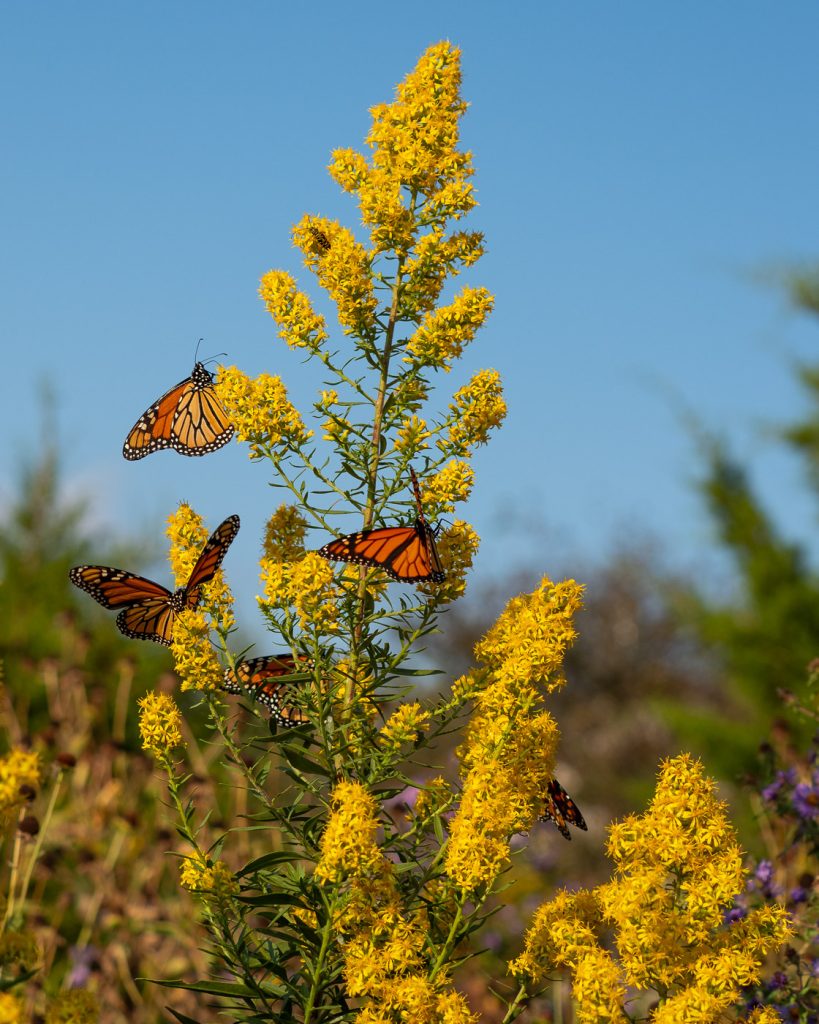
Not every goldenrod is the same plant, so let’s get specific. Wrinkleleaf goldenrod, known to botanists as Solidago rugosa, is a perennial native to North Carolina.
NC State Extension’s plant profile lists it in the Coastal Plain, the Piedmont, and the mountains.
The plant earns its common name from its leaves, which look puckered and veined, almost like crinkled paper. In late summer into fall, it sends up arching stems topped with small yellow flowers.
That bloom period is what makes it interesting for people thinking about migrating monarchs.
Adult monarchs need fuel for a long trip, and they get it by drinking nectar from many kinds of flowers. A goldenrod covered in blooms could be one of the options they find.
The word could matters here, because monarchs choose their stops on their own, and no plant can promise a visit.
Nectar is also only half the monarch story. Milkweed is the plant that feeds monarch caterpillars, and goldenrod does not take its place.
Wrinkleleaf goldenrod is best thought of as a snack bar for traveling adults rather than a nursery for young ones.
If you have ever seen goldenrod blamed for sneezing, you can set that aside. The airborne pollen commonly tied to fall hay fever comes from ragweed, which blooms around the same time.
Goldenrod pollen is heavy and sticky, built to be carried by insects.
Check whether the site suits this goldenrod
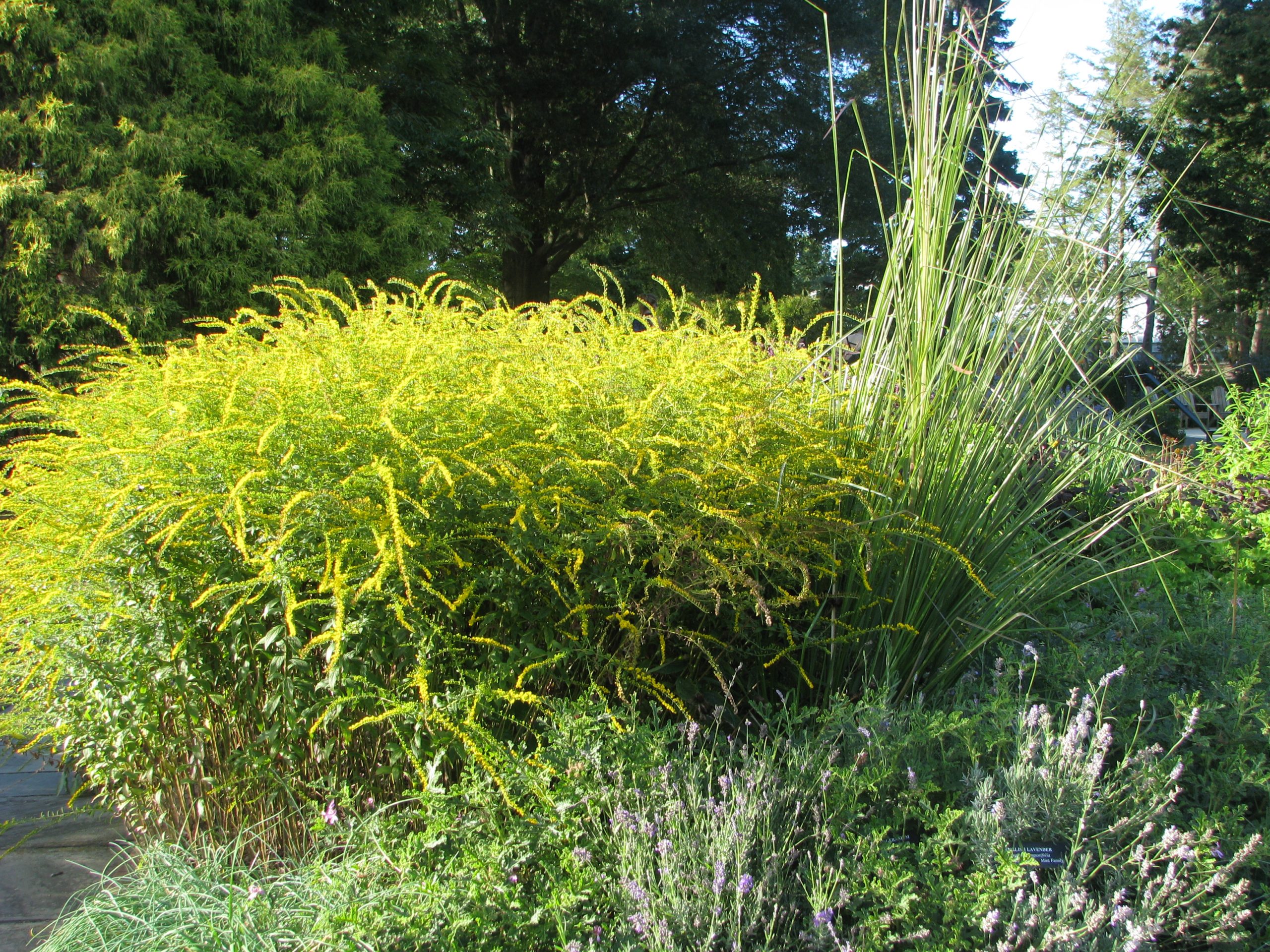
Before you buy a plant, spend a few minutes studying your yard. Wrinkleleaf goldenrod prefers full sun to light shade and moist-to-wet soil, according to its NC State Extension profile.
That makes it a better fit for a low spot, a rain garden edge, or a damp border than for a baked, dry slope.
Being native to all three regions of the state does not mean it suits every yard in them. A sunny bed of dry sandy soil in the Coastal Plain or a hot clay hillside in the Piedmont may not give it what it needs.
If your site runs dry, a different locally native, fall-blooming plant may be the smarter pick.
A simple test helps. After a good rain, watch the spot for a day or two and note how long the soil stays damp.
Also track how many hours of direct sun it gets. Those two notes will tell you more than any plant tag.
Goldenrod is also a whole group of plants, not one interchangeable choice. NC State’s goldenrod overview warns that some goldenrods spread aggressively.
Species differ in height, habit, and site needs.
So read the label carefully and confirm that the plant is the species you intended. Give it room to spread, and avoid tucking it right next to a small, delicate neighbor.
A little space now saves a lot of pulling later.
Choose planting conditions over a calendar deadline
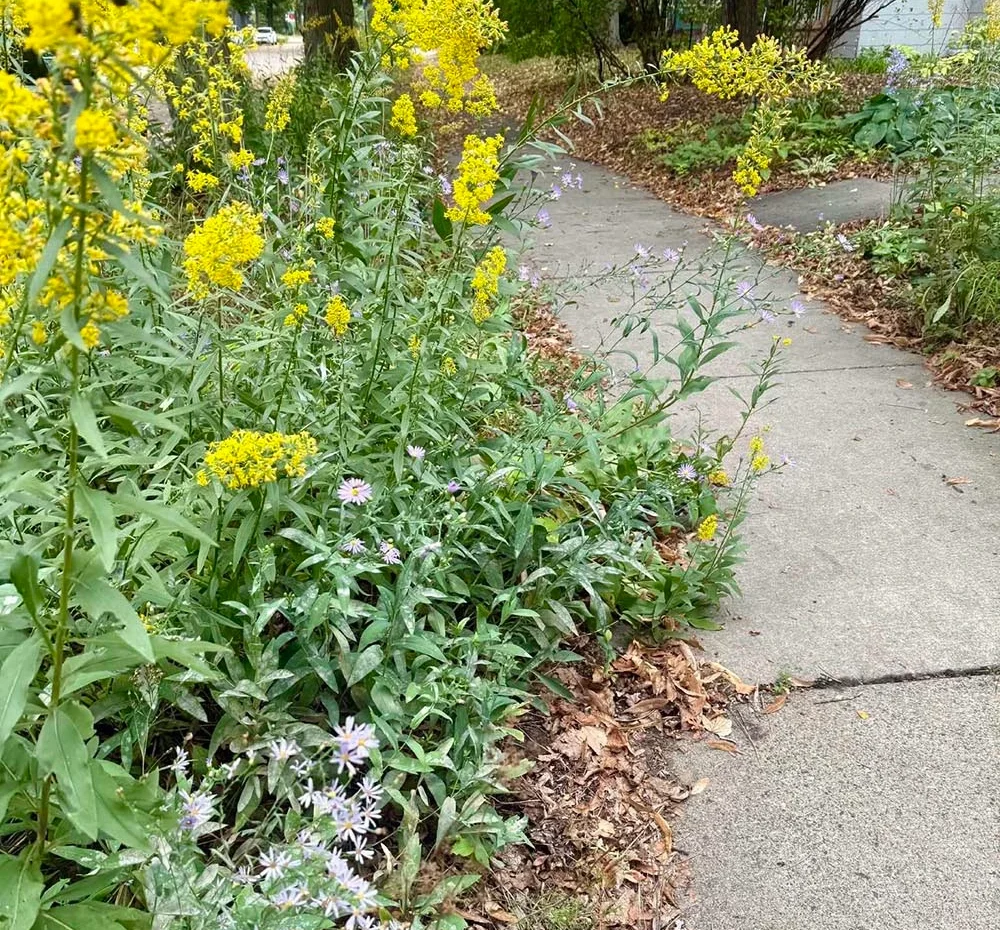
Gardeners love deadlines, but plants do not read calendars. Fall is a planting window for hardy perennials, not a hard cutoff.
What matters more is what your ground and your garden center look like right now.
Start with the soil. If you can work a trowel in without hitting frozen clumps, and the bed is not waterlogged from a stretch of heavy rain, you are in good shape.
If the ground is locked up, waiting for a milder week is perfectly fine, and early spring is another reasonable option.
Next, look at the stock itself. The NC State Extension Gardener Handbook recommends buying native plants from reputable nurseries.
Look for healthy, nursery-grown plants that are labeled with the correct species, and ask the staff to confirm that you are getting Solidago rugosa.
That advice also means leaving wild plants where they are. Digging goldenrod from a roadside or field can damage natural areas, and the plant may not be the species you think it is.
Wild plants often struggle after being moved, too.
The N.C. Cooperative Extension fall planting guidance describes October and November as a good time to put hardy perennials in the ground.
Treat that as a helpful range, not a guarantee of flowers next year. If conditions are right, plant.
If not, there is no shame in waiting.
Water the plant while it establishes

One reason gardeners like fall planting is that roots can grow before summer heat shows up. Cooler air and warm soil let a new perennial spend its energy underground.
By the time next summer arrives, the plant has had months to settle in.
That head start still needs some help from you. According to NC State Extension Gardener Handbook, new native plants need water while they establish.
Supplemental irrigation may be needed in hot, dry periods.
In practice, that means checking the soil with your finger every few days. If the top inch or two feels dry, give the plant a slow, deep soaking.
If the soil is still damp from rain, skip it. Wrinkleleaf goldenrod likes moisture, so a dry spell is the time to pay closest attention.
A layer of mulch around the plant, kept a little back from the stems, can slow evaporation and keep the soil cooler. Fall leaves can work well for this job.
Just do not bury the crown of the plant.
Keep the goal modest. Water helps the plant get established, and that is the job it does.
It does not guarantee a bloom next fall or a visit from monarchs. It simply gives the goldenrod a fair chance to grow strong.
The N.C. Cooperative Extension fall planting advice fits well here: plant in the right window, then follow through with care as the plant gets going.
Monarch habitat needs more than one nectar plant
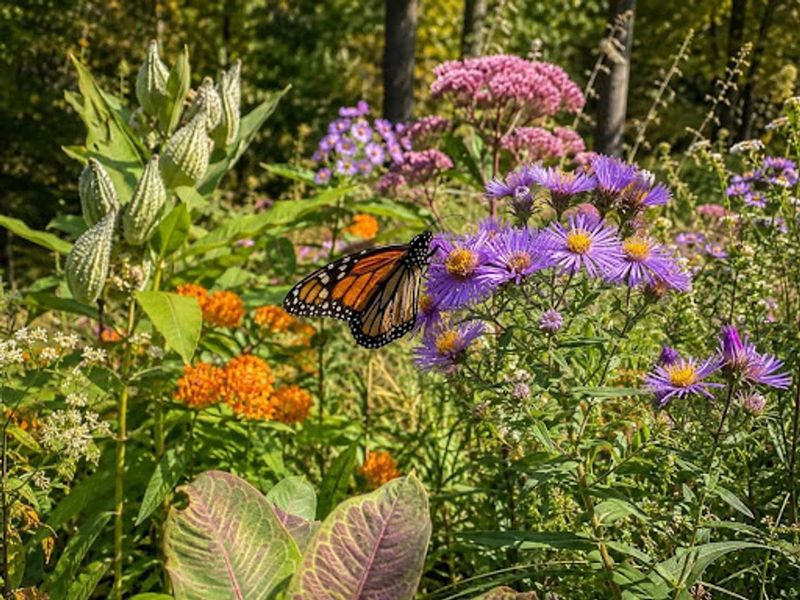
A single goldenrod is a nice start, but monarchs live a bigger life than one plant can cover. Adult monarchs sip nectar from many kinds of flowers.
Caterpillars, on the other hand, eat milkweed, and nothing else fills that role.
That difference shapes how you think about your yard. According to Monarch Joint Venture habitat guidance, a garden meant to support monarchs across their life cycle needs more than one nectar perennial.
Milkweed for caterpillars and a mix of nectar flowers for adults work together.
Goldenrod should not be called a caterpillar host plant. It feeds adults that stop by for nectar, while milkweed feeds the young.
If you want both, plan for both.
You do not need to turn your whole yard into a meadow. Even a small bed with a few kinds of native flowers, chosen to bloom at different times, gives visiting insects more to work with.
Spreading blooms across spring, summer, and fall keeps the pantry stocked for longer.
One firm rule applies here: keep insecticides out of and away from pollinator habitat. The Monarch Joint Venture advises against using them in or around these plantings.
Sprays meant for one pest can harm caterpillars, bees, and butterflies that happen to be nearby.
If pests become a problem, try hand-picking or simply tolerate a few chewed leaves. A little damage is often a sign that the garden is doing its job.
Treat next fall’s bloom as an opportunity
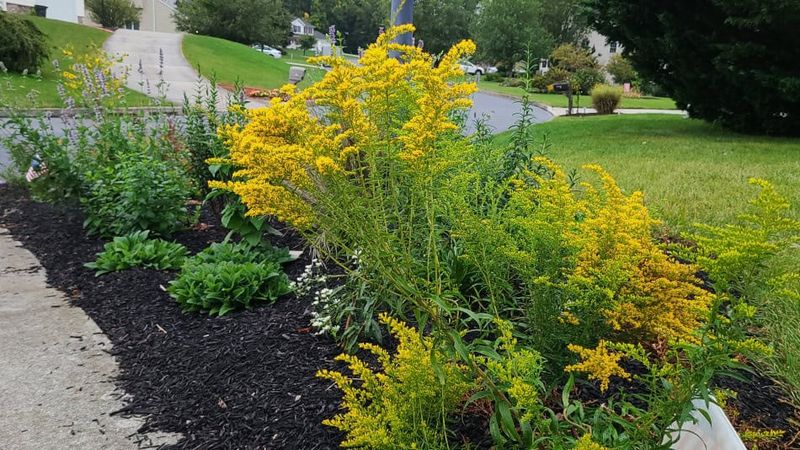
Check that your site is sunny to lightly shaded and moist, plant only when the soil and nursery stock cooperate, and water as the roots settle in. Do those things, and wrinkleleaf goldenrod could be a late-season nectar source by next fall.
The migration window may bring monarchs through the state, and the fall planting window is open now.
Whether blooms and butterflies show up is out of your hands. The planting is the part you can do.
If a monarch lands on those yellow flowers next fall, you will have earned the sight.