
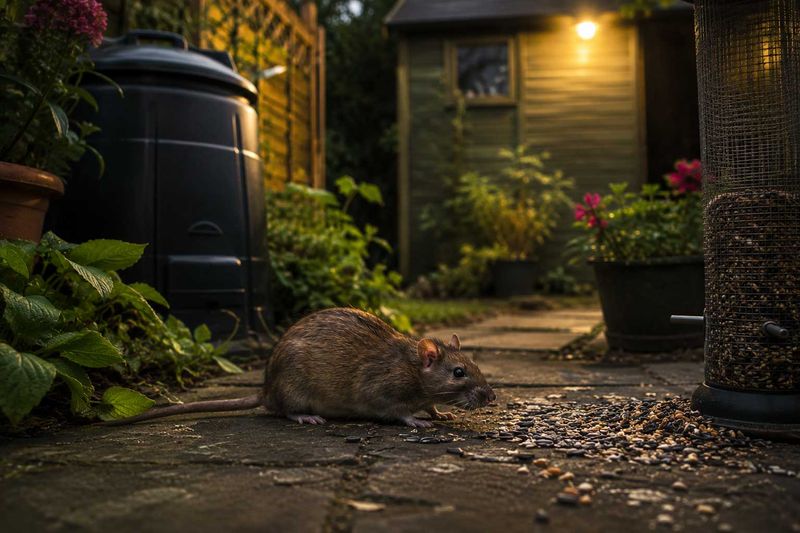
Fallen apples and spilled birdseed give rats an easy meal, and a feeder station can turn into a nightly buffet when that food piles up. Winter may make the draw stronger, since other food gets harder to find.
You can keep feeding birds and still make your yard a lot less useful to rodents. Here is how to clean up, store seed, and check the rest of your property.
Food can draw rats without explaining their arrival
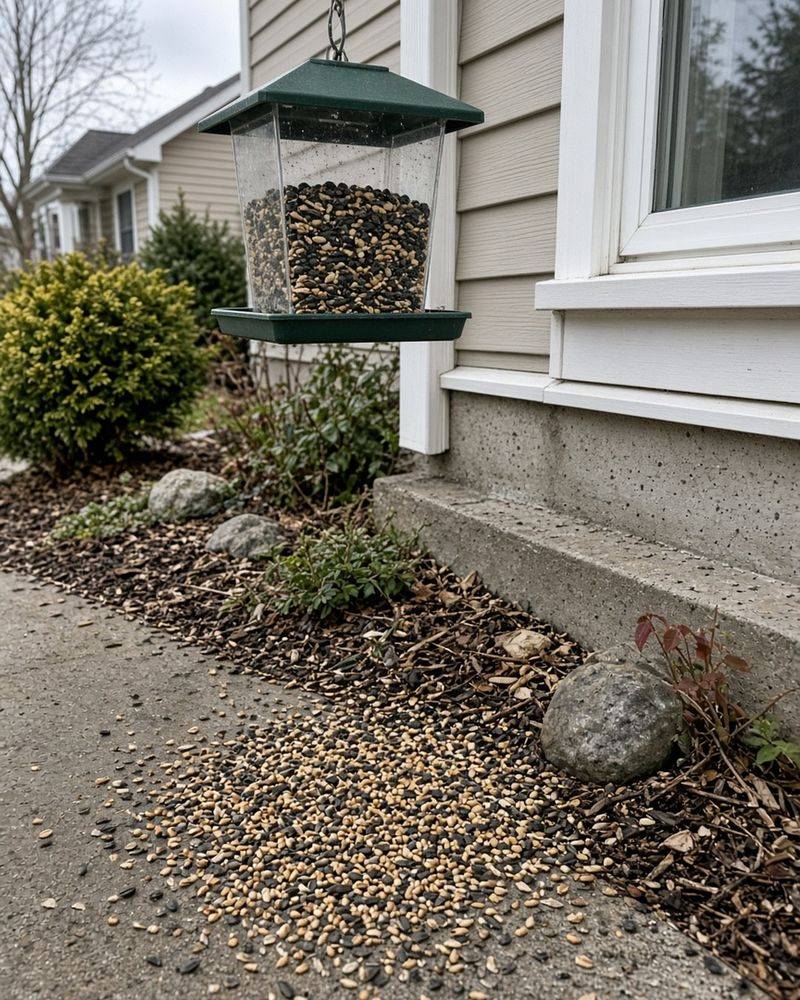
Spilled birdseed and fallen fruit are easy, accessible food for rats, so clearing them away is a sensible part of cutting down food around a feeder. King County Public Health lists birdseed among common backyard rat foods and warns that seed spilled from feeders can attract them.
Food can attract or concentrate rat activity. It does not prove why rats showed up in your particular yard.
The winter idea comes from a study of brown rats at game-bird feeders on English farms. Researchers found more rat activity close to full feeders, and they suggested cold, wet weather may cut other food and make feeders more appealing.
That is a possibility raised in a farm setting, not proof about a U.S. backyard.
Backyard feeders look different. A study of feeders in Ithaca, New York reported significant increases in squirrels and raccoons, but its abstract did not report a significant rat finding.
Rats may also be finding garbage, compost, or pet food, as UC IPM notes.
Pick up fallen fruit and garden debris
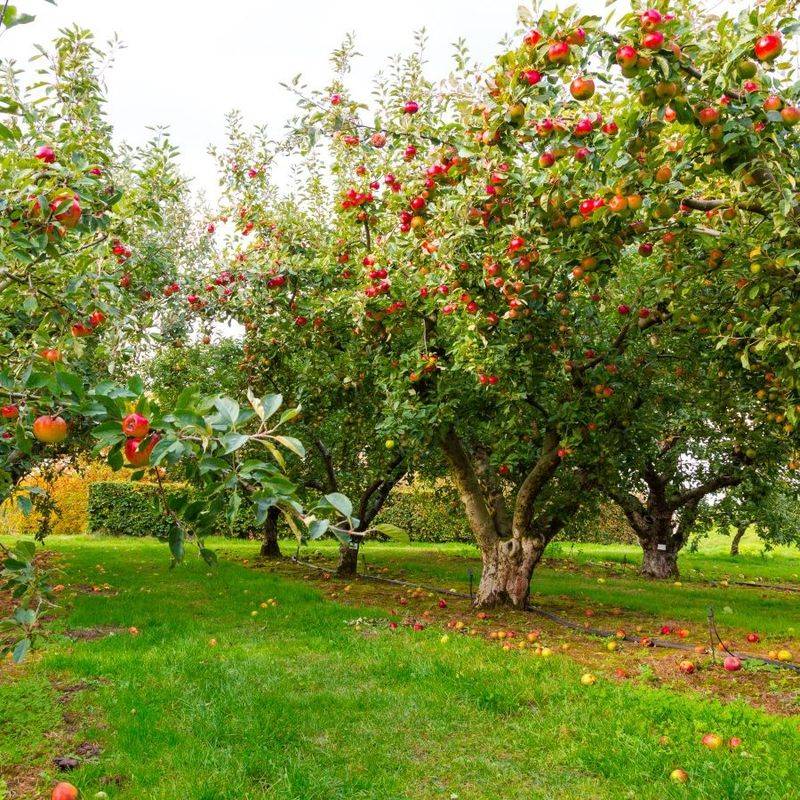
Windfalls are easy to ignore until they turn soft and brown. Walk under your fruit trees every few days and drop the apples, pears, or plums into a bucket.
Tuck the fruit into a securely closed bin or a lidded municipal compost cart rather than an open pile.
UC IPM recommends removing fallen fruit and garden debris as part of managing rats. Roof rats in particular favor fruit, while Norway rats eat a wide mix of foods.
Do not forget old tomatoes, nuts, and leftover vegetables in the garden beds.
A quick sweep through the yard will not settle an infestation, and apples alone rarely explain rat activity. Think of this chore as one piece of the puzzle.
Doing it regularly matters more than doing it perfectly once.
Reduce seed left beneath the feeder
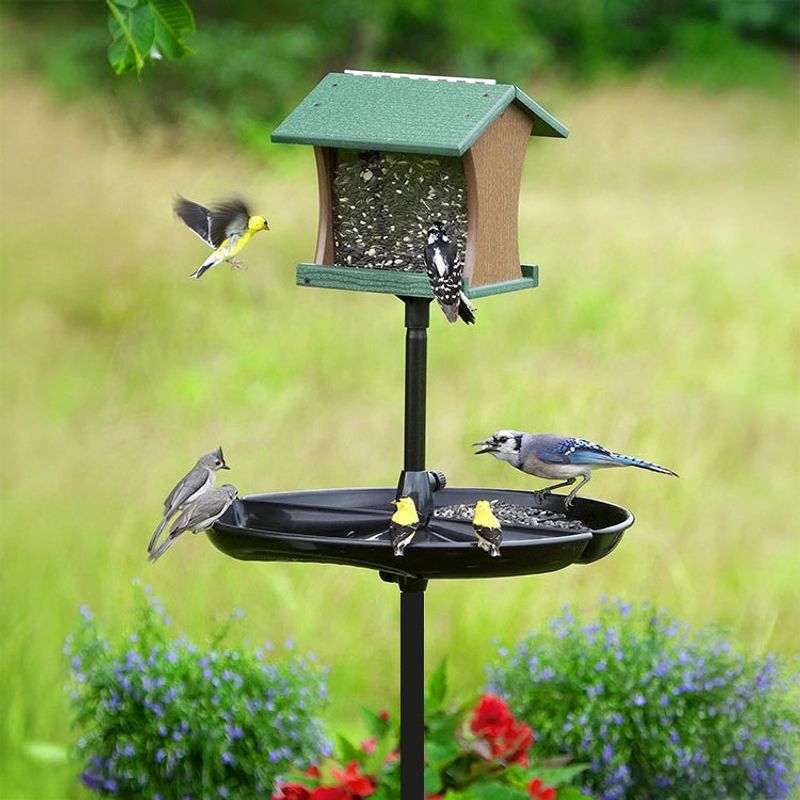
Most seed on the ground got there because birds flick it out while hunting for their favorites. Fill feeders only partway, and offer about what birds may eat in a day.
King County advises not leaving seed out overnight.
A feeder designed to limit spills, or a tray that catches falling seed, can cut down the mess. Rake or scoop whatever lands below on a regular schedule.
OSU Extension suggests moving feeders periodically or cleaning beneath them.
None of these designs is rat-proof. They reduce the amount of food within reach, and that is the goal.
Mixed seed with lots of filler tends to get tossed aside, so you may notice less waste with simpler blends.
Make stored seed harder for rodents to reach
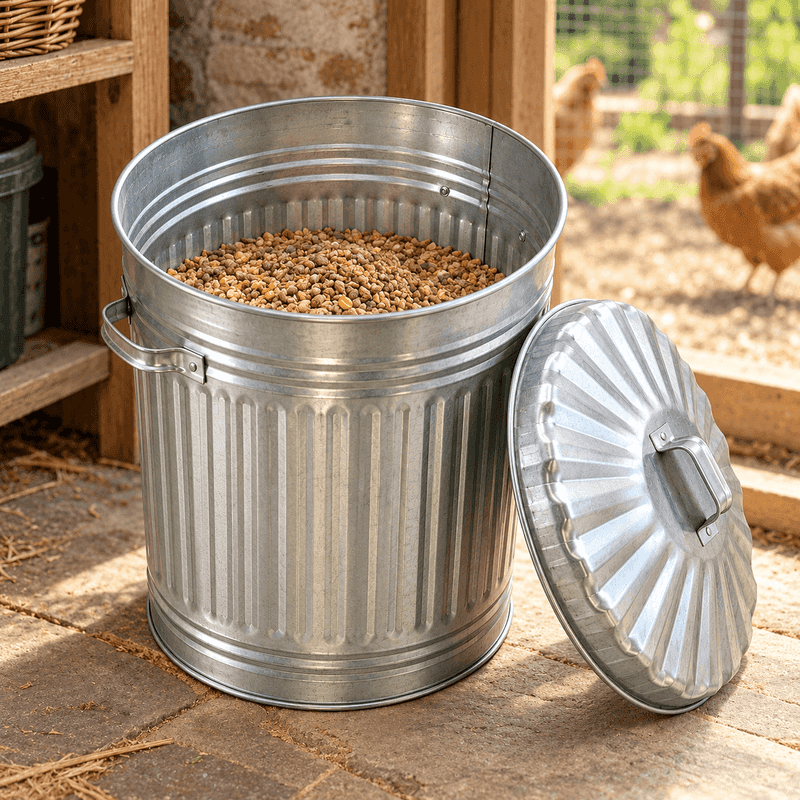
A paper bag of seed in a shed is an open invitation. Move bulk birdseed into a tightly closed, rodent-resistant container, which makes it harder to get at.
No container guarantees rodents cannot reach the seed, so check the lid and corners now and then.
King County specifically recommends metal storage for birdseed. The CDC also advises tight-lidded containers for grains and animal feed.
A galvanized can with a snug lid is a common choice.
Look beyond the seed too. Garbage cans need lids that close, and chicken feed, pet food, and other animal feed belong in sealed containers.
Bring pet bowls in at night if you can.
Address other food, shelter, and entry points
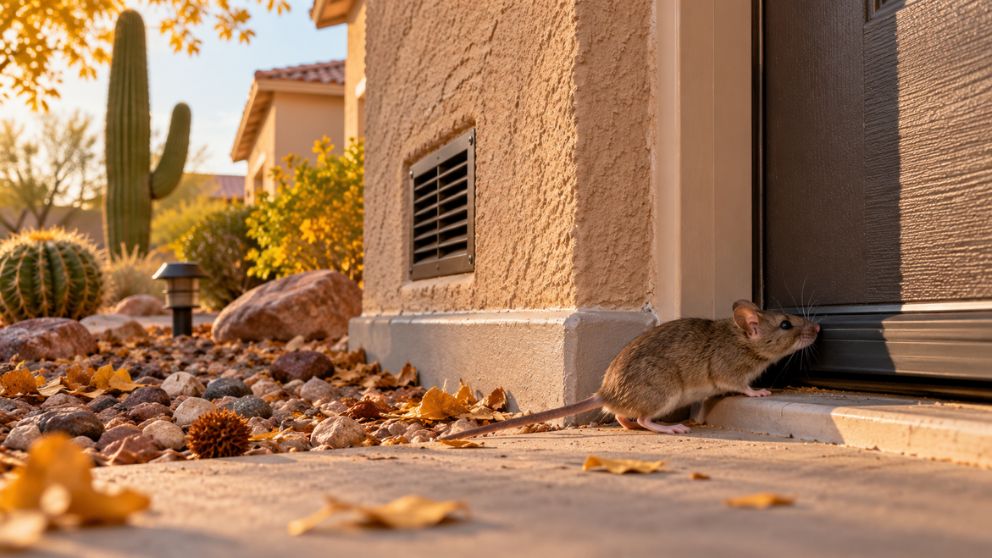
If rats can still find dinner, a warm hiding spot, or a way indoors, a tidy feeder area may not change much. Walk the property and look for pet food, open compost, unsecured trash, and standing water.
Overgrown ivy, woodpiles, and clutter stacked against walls give rats places to nest.
The CDC recommends cleaning up outdoor food sources and keeping feeders away from the house. UC IPM also suggests reducing dense cover and sealing openings in buildings.
Check the foundation, vents, garage door edges, and spots where pipes enter. Small gaps matter.
These steps lower the conditions that support rats, but they cannot promise the rats will leave. If you see signs of a real infestation, a pest professional can help.
Clean feeders and handle droppings safely
Feeder hygiene is about bird health, not rat control. OSU Extension advises cleaning feeders twice a month, or weekly when they get heavy use, and keeping seed dry.
If you see sick or dead birds, the CDC recommends taking the feeder down for two weeks.
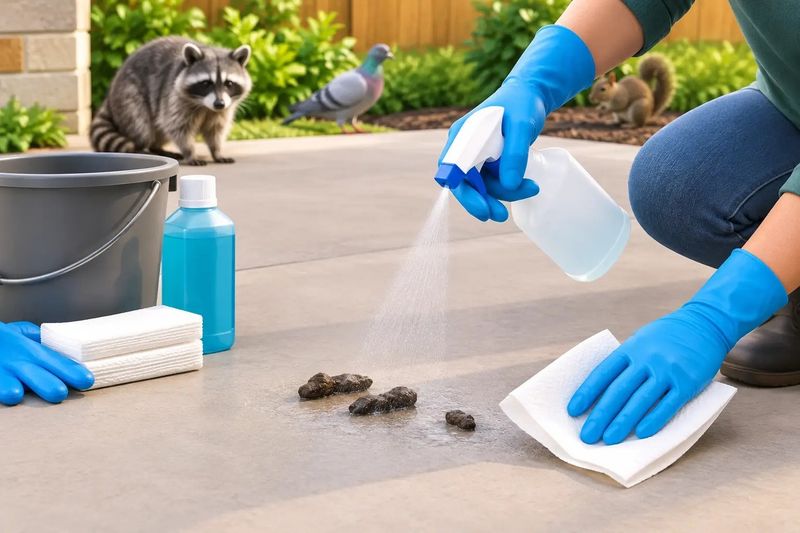
Rat droppings or urine call for a different routine. Put on rubber or plastic gloves, wet the material with disinfectant, and wipe it up.
CDC cleanup guidance warns that dry cleanup can send contaminated particles into the air.
So do not sweep or vacuum droppings dry. Seal the used paper towels in a bag before throwing them out, then wash your hands well.
Keep birds fed while reducing leftover food
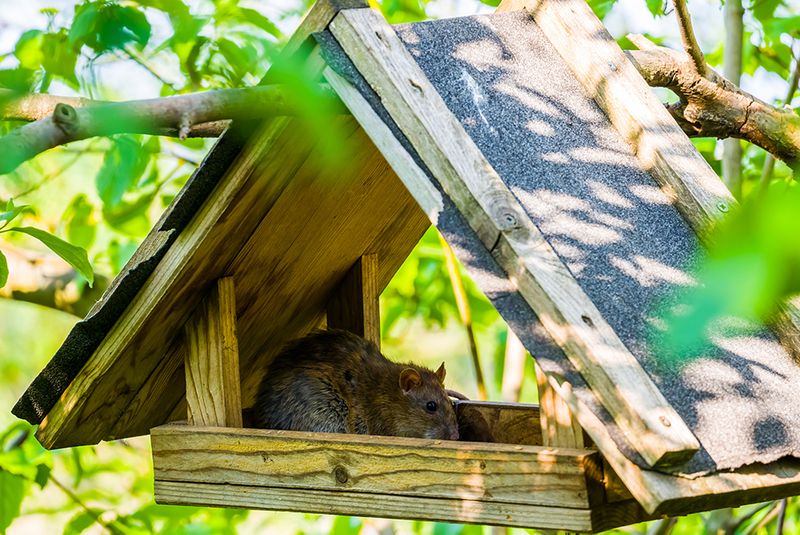
You do not have to give up your birds. Keep feeding, but make fruit, spilled seed, and stored feed harder to get, and look at cover and building gaps too.
Feeders can draw squirrels and raccoons as well, as the Ithaca study found, and King County offers more placement tips.
These habits cut accessible food, but they cannot tell you why rats arrived or promise they will go. For a stubborn problem, UC IPM covers more options.
A clean yard is a quieter yard, even if it is never a guarantee.