
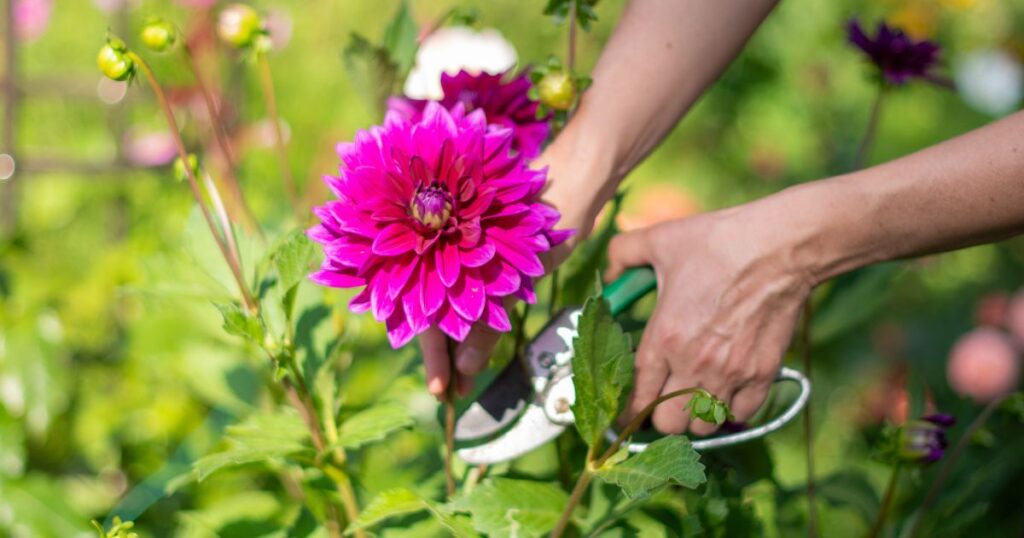
As autumn leaves begin to fall, it’s time to consider which perennials to cut back to ensure a lush and healthy garden next spring.
Cutting back certain perennials not only tidies up your garden but also helps prevent diseases and encourages robust growth when the warmer seasons return. This guide will provide you with 30 essential perennials that require trimming this fall.
1. Hostas

Hostas are a gardener’s favorite due to their lush foliage. In fall, as their leaves yellow, cut them back to the ground to prevent slugs and other pests over winter.
2. Daylilies

By autumn, Daylilies often look ragged. Cutting them back after blooming ensures tidy beds and reduces chances of disease.
3. Peonies

Peonies should be cut back in the fall to prevent powdery mildew. Trim the stems to the ground and remove any foliage.
4. Bee Balm

Bee Balm is susceptible to mildew, so cut it back in the fall and remove any debris to promote healthy growth.
5. Phlox

Cutting back Phlox in the fall helps prevent mildew and encourages fresh growth in spring. Trim stems to the ground.
6. Black-Eyed Susan

These vibrant flowers should be cut back in fall to tidy up the garden and prevent self-seeding everywhere.
7. Shasta Daisy

Shasta Daisies benefit from a good fall trim to help them store energy for a robust springtime bloom.
8. Catmint

Cutting back Catmint in fall prevents it from becoming leggy and encourages a fuller plant next year.
9. Yarrow

Yarrow can be trimmed back in fall to remove spent blooms and keep the plant tidy and healthy.
10. Sedum

While some leave Sedum for winter interest, cutting them back in fall can prevent mildew and pests.
11. Coreopsis

Coreopsis should be cut back in fall to encourage dense growth and vibrant blooms in spring.
12. Cranesbill Geranium

Cranesbill Geraniums can be cut back in fall to tidy up and to encourage fresh, vigorous growth in spring.
13. Astilbe

Astilbe flowers and foliage turn brown in fall and should be cut back to prevent rot.
14. Baptisia

Baptisia’s foliage turns black in fall. Cutting it back helps maintain garden aesthetics and plant health.
15. Japanese Anemone

Cutting back Japanese Anemones in fall helps control their spread and prepares them for winter.
16. Hollyhocks

Hollyhocks are prone to rust, so cutting them back in fall and removing debris helps prevent this.
17. Lupines

Lupines can be cut back after they finish blooming to prevent diseases and keep garden tidy.
18. Columbine

Cut back Columbine in fall to prevent self-seeding and to maintain garden order.
19. Bleeding Heart

When Bleeding Heart starts to yellow in fall, cut it back to the ground to prepare for dormancy.
20. Brunnera

Brunnera foliage can be cut back in fall to prevent winter rot and encourage fresh spring growth.
21. Heuchera

Heuchera foliage may become tattered in fall. Cutting it back helps to maintain its vibrant appearance.
22. Jacob’s Ladder

Cut back Jacob’s Ladder in fall to tidy up and allow for a vigorous spring growth.
23. Rudbeckia Laciniata (Cutleaf Coneflower)
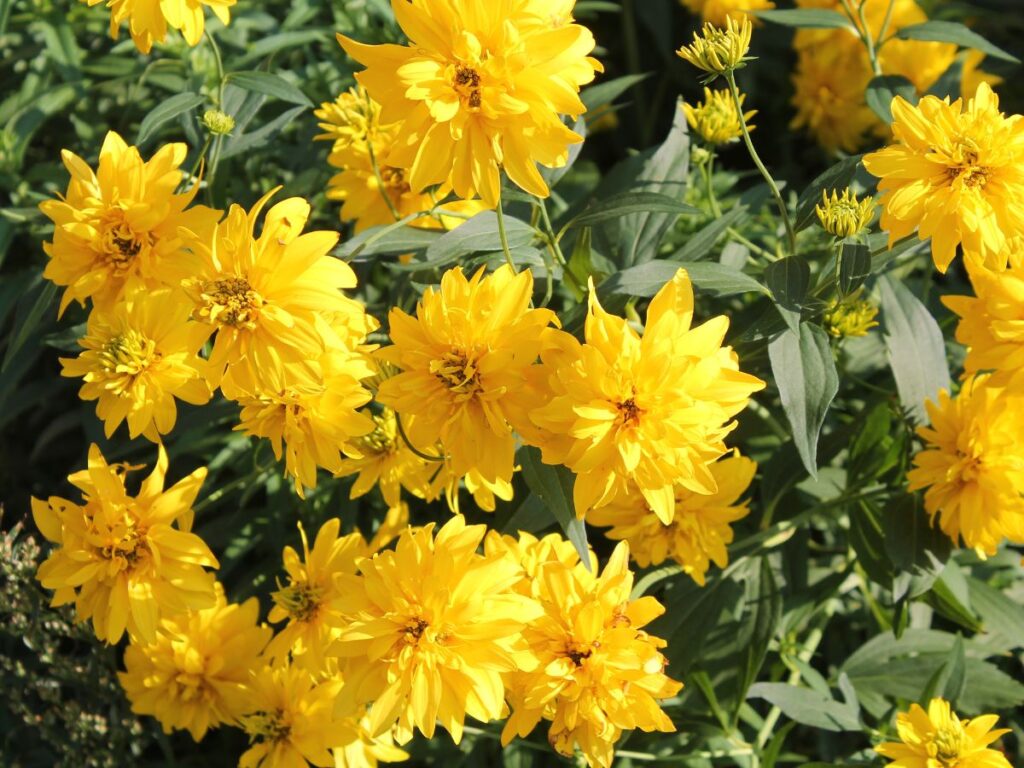
This tall perennial should be cut back in fall to prevent it from becoming too leggy and to reduce the risk of mildew or pests. Trim it to ground level after its yellow flowers fade.
24. Ligularia

Ligularia should be cut back in fall to prevent pests and diseases from overwintering.
25. Monkshood

Monkshood can be dangerous, so wear gloves when cutting it back in fall to prevent accidental contact.
26. Penstemon

Cutting back Penstemon in fall encourages bushier growth and more blooms in the next season.
27. Veronica (Speedwell)
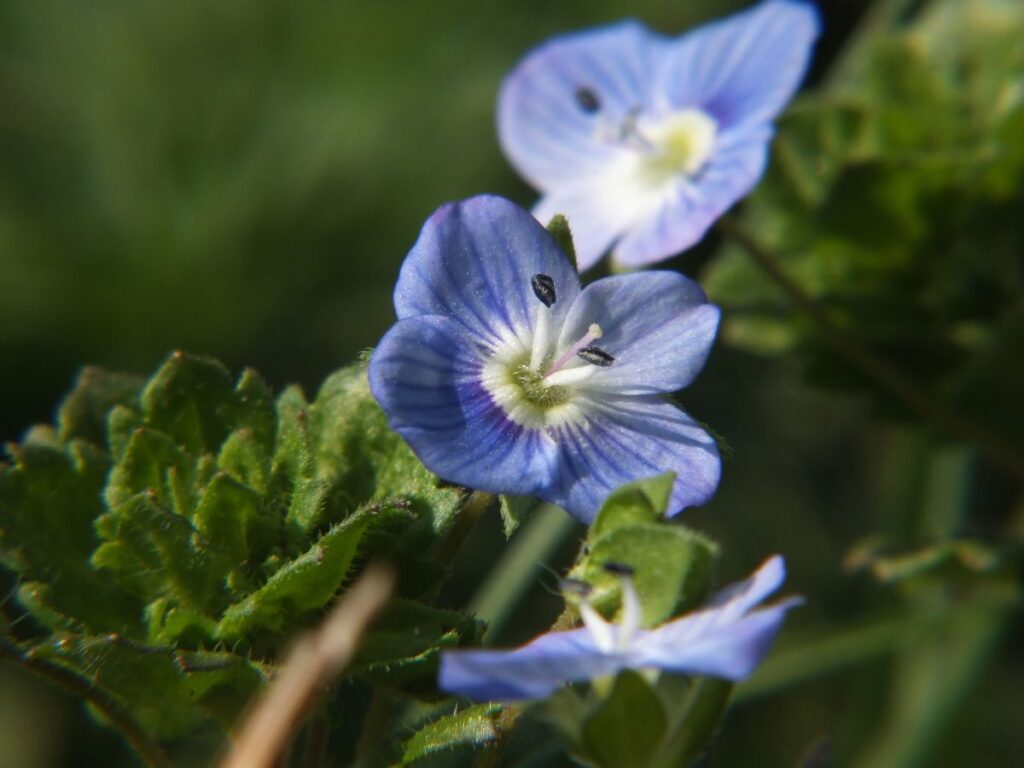
Cutting back Veronica in the fall helps tidy up the plant and reduces the risk of pests and diseases overwintering. Trim it down to ground level after the blooms fade.
28. Russian Sage

Russian Sage can be cut back to ensure dense growth. Leave a few inches of stem above ground.
29. Stokes’ Aster

Stokes’ Aster is a stunning perennial with long-lasting blooms, but its foliage can become tattered as fall progresses. Cutting it back in autumn not only tidies up your garden but also ensures the plant conserves energy for vibrant growth and blooms in spring. Trim the stems down to ground level to prepare it for dormancy.
30. Gaillardia (Blanket Flower)

Gaillardia benefits from a fall trim to encourage healthier regrowth in spring. Cut back the stems to a few inches above the ground once the blooms have finished.
By adding these to your fall pruning routine, you’ll set the stage for a vibrant and tidy garden next year.