
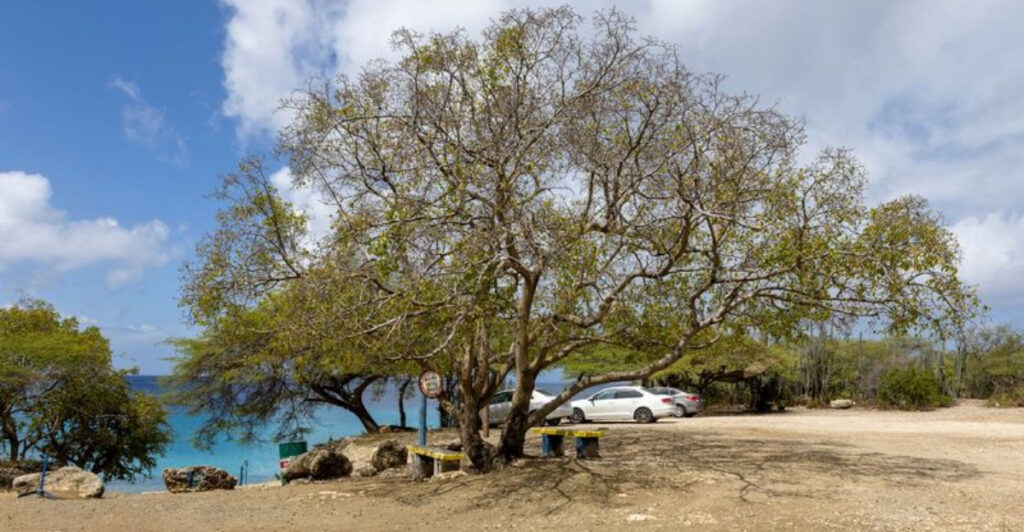
Deceptively beautiful and incredibly deadly, the Manchineel tree has earned a fearsome nickname: “the tree of death.”
But there’s more to this tropical menace than just its toxic bite. From its blistering sap to its role in history and medicine, the Manchineel is a fascinating mix of beauty, danger, and ecological importance.
In this deep dive, we’ll reveal 10 little-known facts about this deadly plant, shedding light on its hidden dangers and unexpected contributions. Get ready to explore one of nature’s most intriguing paradoxes.
1. Scientific Curiosity
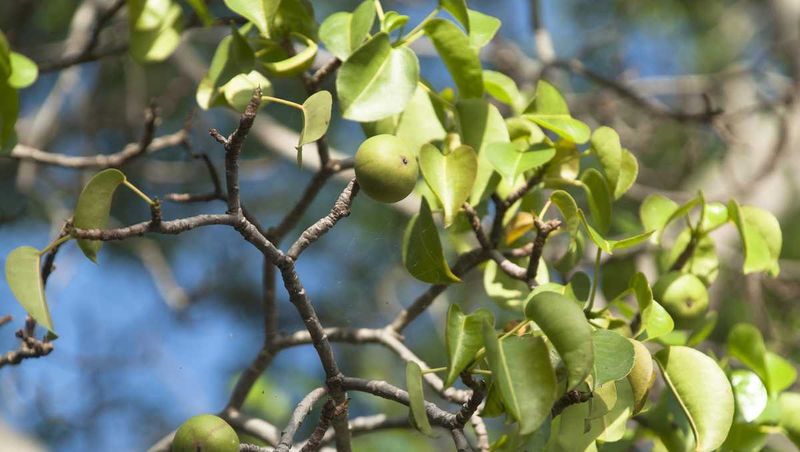
The Manchineel tree has drawn the interest of scientists for decades due to its potent chemical makeup. Researchers have studied its toxins to better understand plant-based defense mechanisms and explore potential pharmaceutical applications.
Its primary toxin, phorbol, is of particular interest in cancer research and dermatological studies. Although working with such a dangerous plant poses challenges, it also opens doors to discoveries in biochemistry and toxicology.
Scientific curiosity around the Manchineel tree showcases how even the deadliest organisms can spark breakthroughs in medicine and science.
2. Warning Systems and Signage
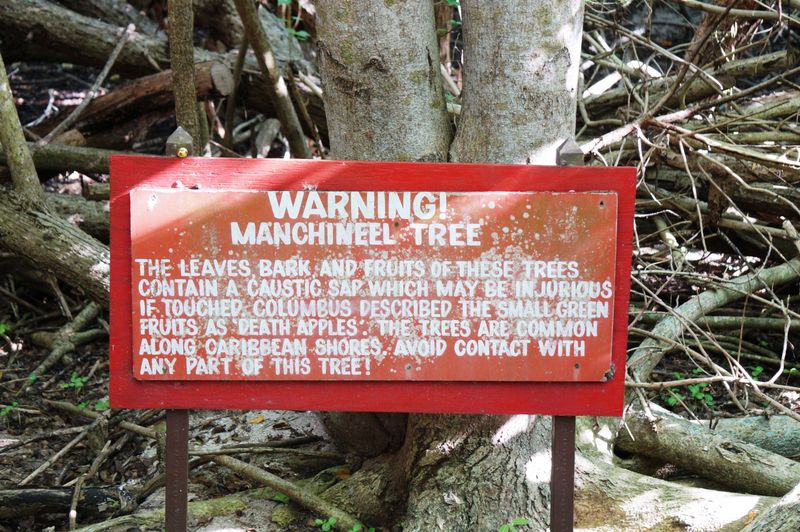
In areas where the Manchineel tree grows, local governments and environmental agencies often install warning signs to prevent accidental exposure. These signs typically mark the tree with red paint or provide written warnings to keep people at a safe distance.
Educational campaigns are also implemented in tourist-heavy regions to raise awareness about the tree’s dangers. Some coastal parks include it in guided tours to teach visitors about local flora.
This proactive approach reflects the importance of public education in mitigating natural risks while promoting safe exploration of the outdoors.
3. Relationship with Wildlife
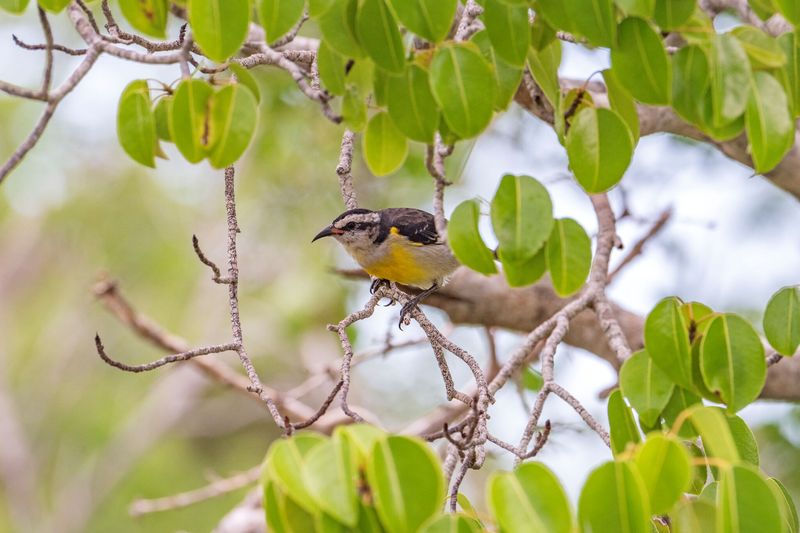
Interestingly, certain wildlife species have adapted to live with the Manchineel tree. Some birds, like the black-spined iguana and local nesting species, perch safely among its branches without being affected by its toxins.
Land crabs and insects may also use the tree’s base for shelter, benefiting from the protection its toxicity offers from predators.
This unusual relationship highlights nature’s resilience and adaptability, reminding us that even the most dangerous elements of the natural world have a role to play in sustaining life.
4. Tourism and Cautionary Tales
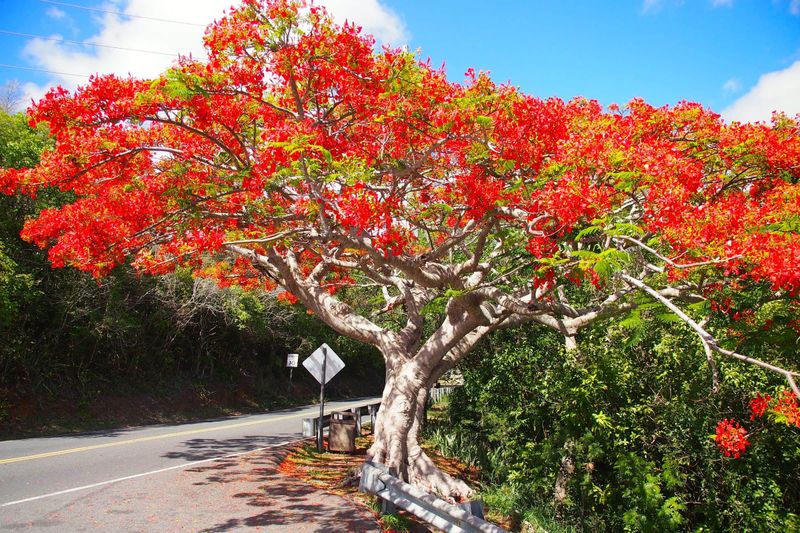
The mystique of the Manchineel tree has turned it into an unusual tourist attraction in parts of the Caribbean and Florida. Curious travelers often seek it out after hearing tales of its lethality, turning danger into a point of fascination.
Tour guides and park officials use these encounters as teachable moments, blending storytelling with safety briefings. These cautionary tales not only enhance the visitor experience but also instill a lasting respect for nature’s hidden dangers.
In this way, the Manchineel tree continues to captivate and educate, proving that fear and fascination often go hand in hand.
5. Ecological Role
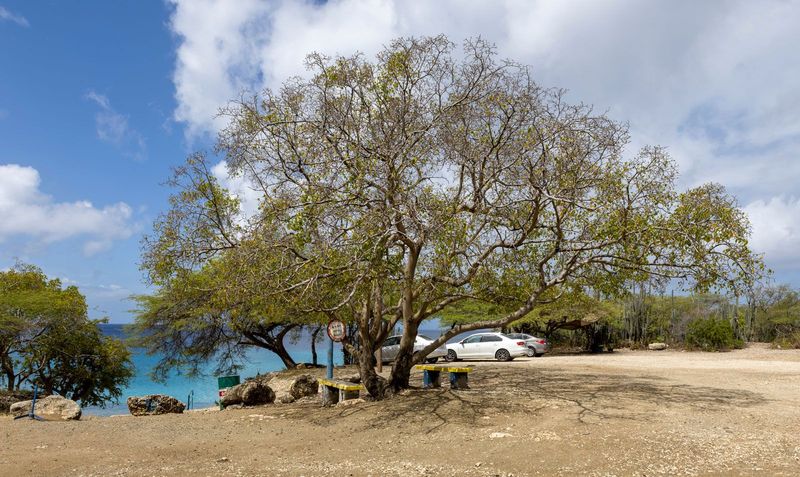
The Manchineel tree plays a vital role in its ecosystem despite its hazardous nature. Found in coastal areas, it acts as a natural windbreaker and helps prevent erosion, stabilizing sandy environments. Its dense foliage provides shelter for various species, contributing to the biodiversity of its habitat.
While its toxic properties pose a threat to humans, they also offer a form of protection against overgrazing by animals, helping maintain ecological balance.
This tree’s presence highlights the complex interactions within ecosystems and the importance of each species in maintaining environmental health.
6. Medicinal Uses
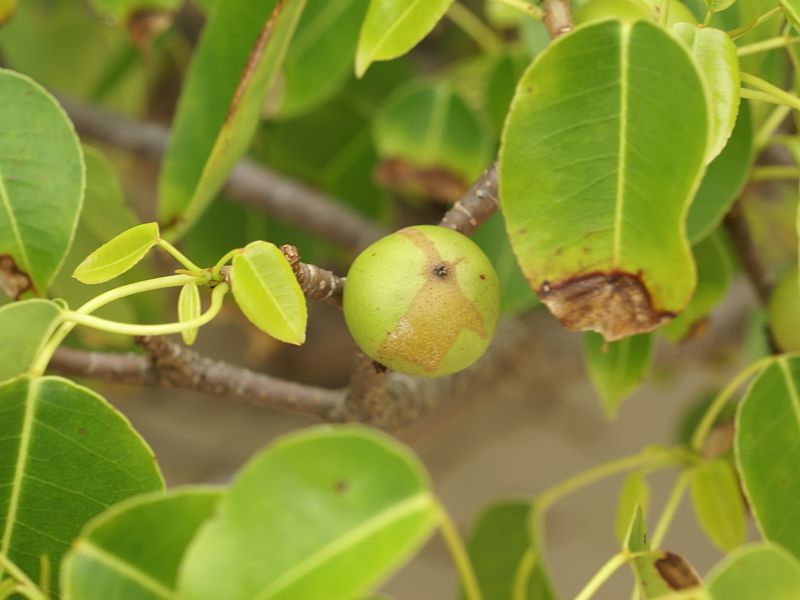
Despite its deadly reputation, the Manchineel tree has been used medicinally by indigenous peoples for centuries. The tree’s toxic compounds, when carefully extracted and processed, have been utilized for treating various ailments.
Traditional healers, well-versed in its handling, have tapped into its potential for pain relief and anti-inflammatory purposes.
However, the danger involved in procuring these medicinal extracts cannot be overstated, necessitating expert knowledge and caution.
This dual nature of the Manchineel tree underscores the delicate balance between danger and healing found in nature, showcasing its paradoxical role in traditional medicine.
7. Survival Guide
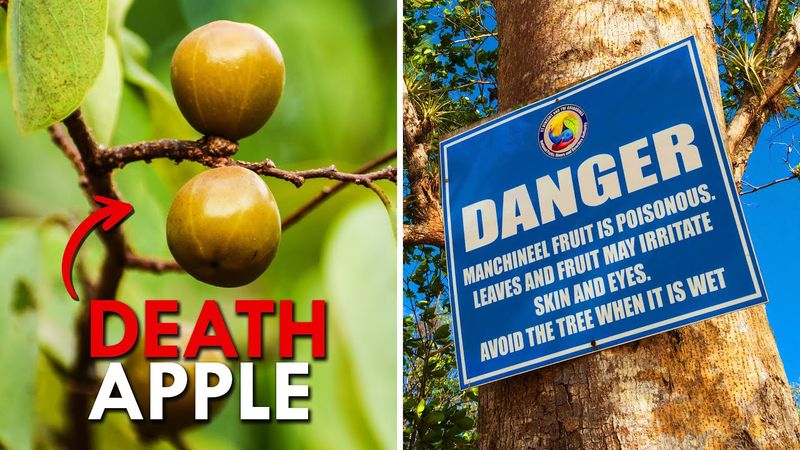
Avoiding the Manchineel tree is crucial for personal safety. Recognizing this tree can prevent unfortunate encounters.
Key features include its glossy, green leaves and small, apple-like fruits. Experts advise steering clear of it, especially during rain, as water can carry its toxic sap.
Always look for warning signs, often placed by local authorities in areas where the tree grows. Knowledge and awareness are essential tools for ensuring safety around this deadly plant.
By understanding its appearance and the dangers it poses, individuals can enjoy nature without falling victim to its hidden threats.
8. Historic Significance
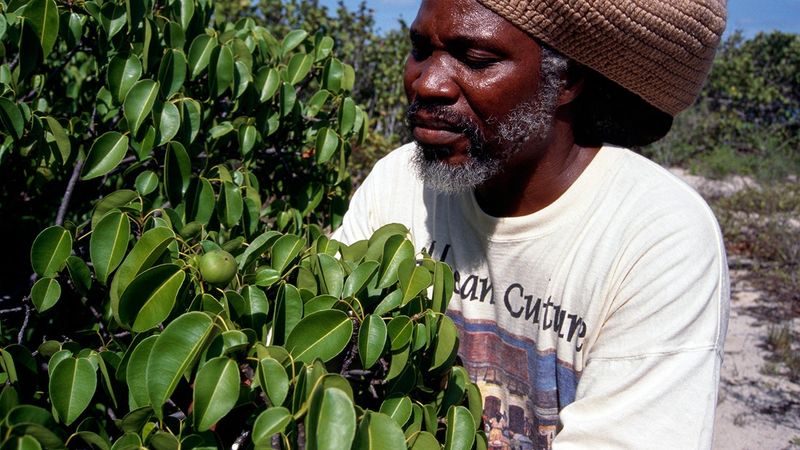
The Manchineel tree holds a significant place in history, particularly for early explorers and settlers. Known to indigenous peoples for its poisonous properties, it was often used strategically to ward off enemies.
When European explorers arrived, they quickly learned to heed the warnings about this perilous tree.
Historical records recount tales of unknowing sailors seeking shade under its branches, only to suffer from its toxic sap.
Despite its deadly nature, the Manchineel tree also symbolizes the rich and complex history of human interaction with nature, illustrating the importance of respecting and understanding the environment.
9. Legal Protection

Ironically, the Manchineel tree is protected by law in many regions due to its ecological importance. Despite its dangers, efforts to conserve this species underline its role in maintaining environmental stability.
Legal protections ensure that the tree is preserved, preventing its removal unless absolutely necessary.
These protections reflect a broader understanding of the interconnectedness of life and the need to preserve even the most perilous species for the sake of biodiversity. The Manchineel tree serves as a powerful reminder of the intricate balance between human safety and ecological conservation.
10. Cultural References
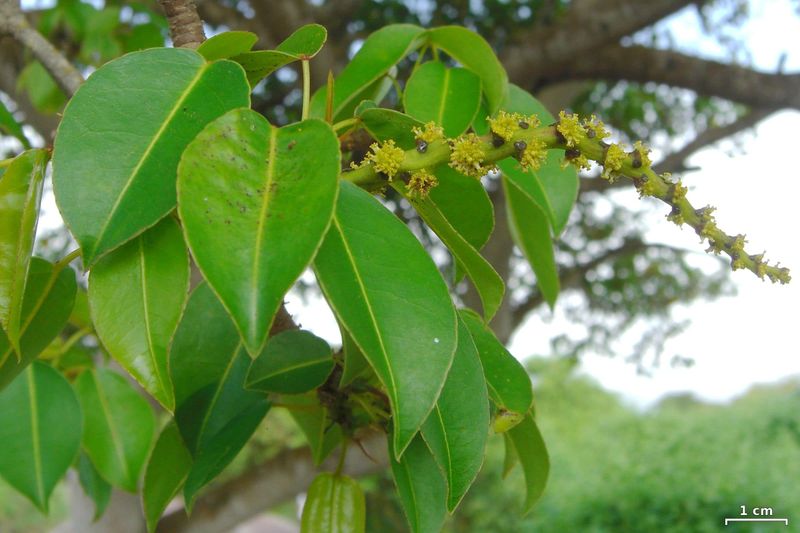
The Manchineel tree has captured the imagination of writers and artists, often symbolizing danger and deceit in literature and folklore. Its notorious reputation has inspired tales of caution, serving as a metaphor for hidden threats.
In stories, the tree is frequently portrayed as a test of wits and survival, challenging characters to recognize and avoid its peril.
These cultural references not only entertain but also educate, embedding lessons of caution and respect for nature within captivating narratives. The Manchineel’s ominous legacy continues to thrive in the realm of storytelling, highlighting its enduring impact on human culture.