
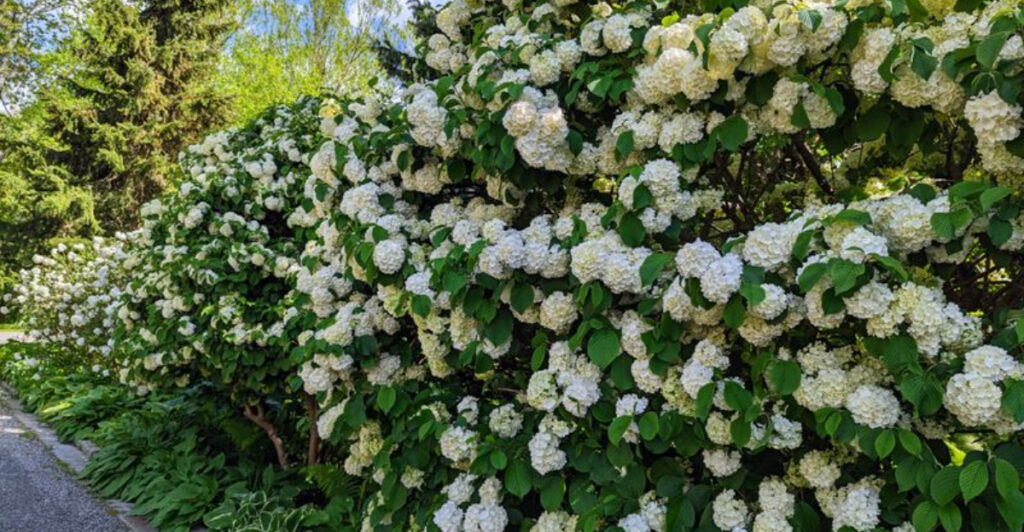
Bare-root shrubs offer a versatile and cost-effective way to enhance your garden. These dormant plants, sold without soil around their roots, are perfect for early planting and establishing strong roots quickly.
Here are 20 exceptional shrubs you should consider buying bare-root to bring vibrant life and color to your landscape.
1. Forsythia
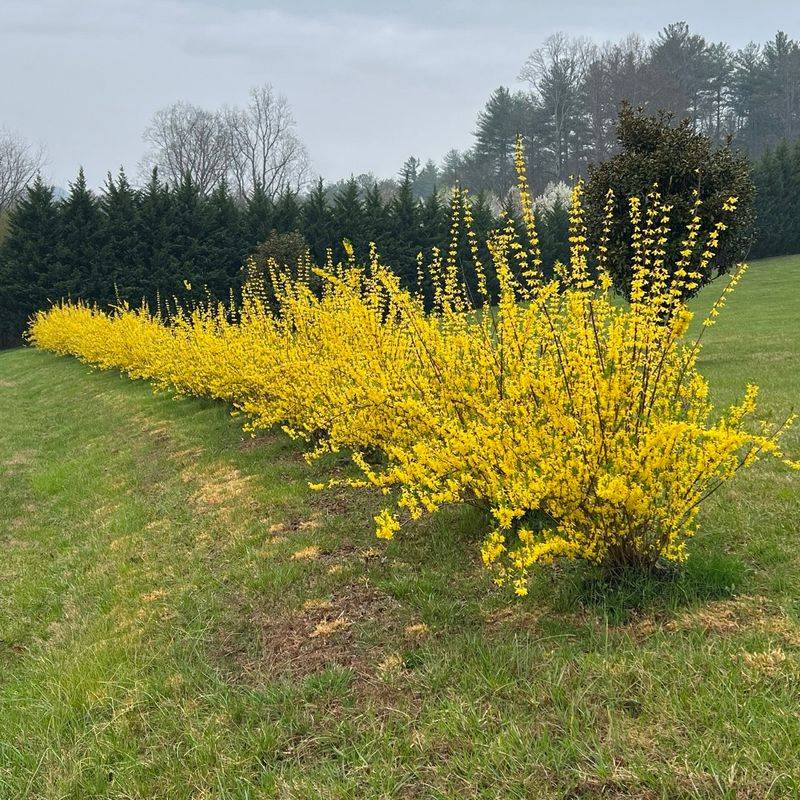
Forsythia is a herald of spring with its bright yellow flowers that emerge even before the leaves. This hardy shrub thrives in a variety of soil types and is remarkably low-maintenance. Plant forsythia in a sunny location for the best blooms.
Regular pruning encourages more flowers and maintains its shape. Forsythia’s ability to tolerate urban environments makes it a favorite in city gardens.
Its vibrant color is a great way to mark the end of winter. Consider using it as a lively hedge or a standalone plant to create a focal point in your garden.
2. Lilac
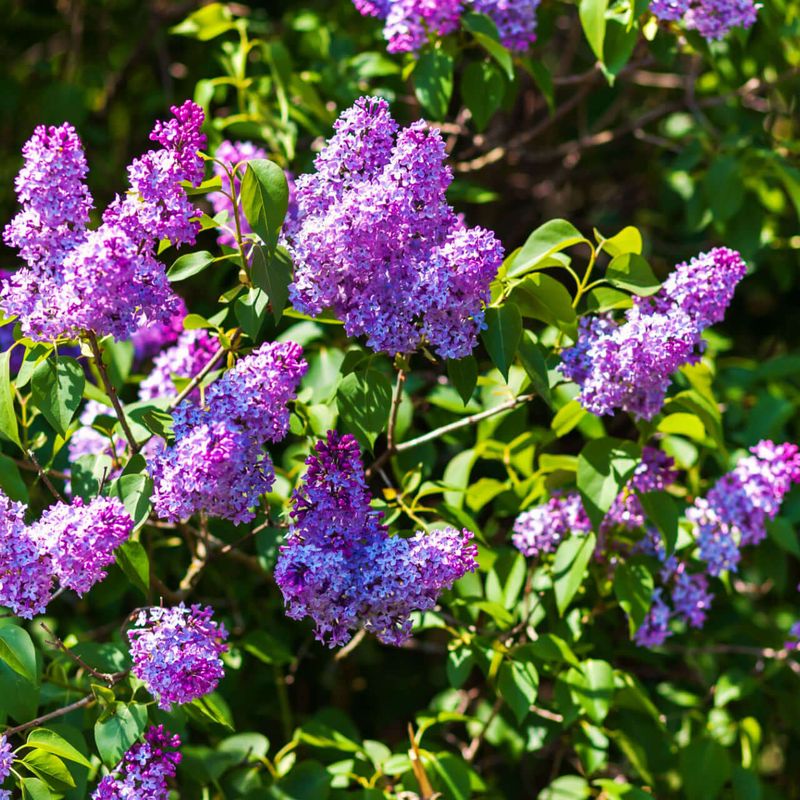
Lilacs are celebrated for their enchanting fragrance and beautiful, pastel blooms. As bare-root plants, they transplant easily and establish quickly. Plant them in well-drained soil with plenty of sunlight.
Lilacs prefer slightly alkaline soil, so testing your garden’s pH can be beneficial. After blooming, prune to maintain their shape and encourage new growth. Lilacs add an old-world charm to any garden, attracting butterflies and providing excellent cut flowers.
Whether used as a hedge or a standalone specimen, their delightful scent and stunning flowers make them a perennial favorite.
3. Hydrangea
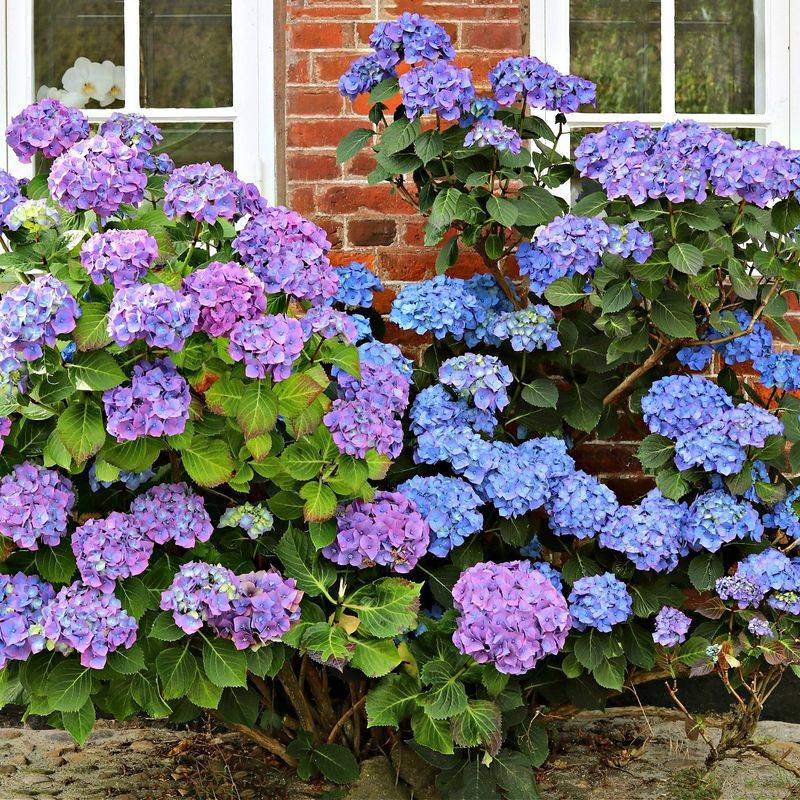
Hydrangeas are renowned for their lush, eye-catching blooms, which come in several colors including blue, pink, and white. These versatile shrubs are perfect for bare-root planting and adapt well to various garden conditions.
Ensure they have moist, well-drained soil and partial shade. Regular watering and mulching help maintain their health and vigor. Hydrangeas can serve as a striking border plant or a captivating focal point in your garden.
Their flowers can be used fresh or dried in floral arrangements, making them a valuable addition to any landscape.
4. Spirea
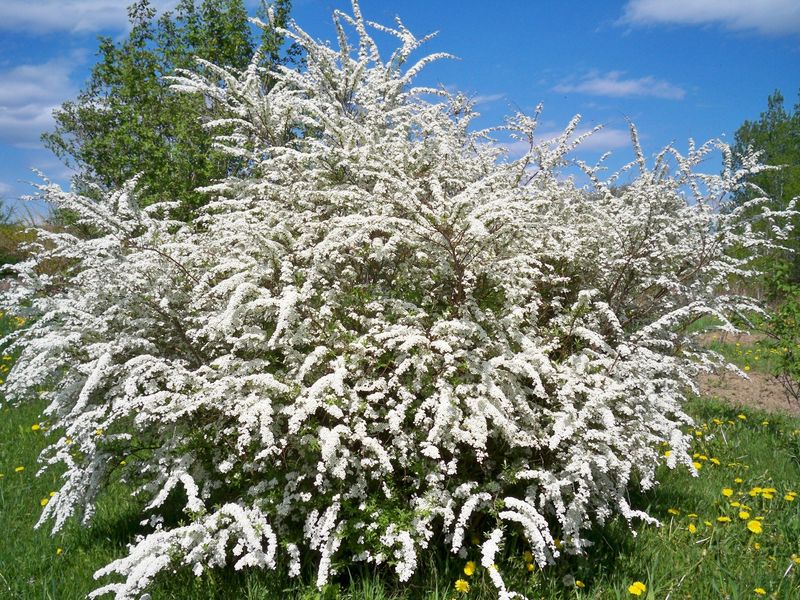
Spirea is a low-maintenance shrub known for its beautiful clusters of small flowers and attractive foliage. This hardy plant thrives in full sun and well-drained soil.
Once established, it requires minimal care, though deadheading spent blooms can encourage more flowers. Spirea’s compact size makes it ideal for borders and mass plantings.
Its ability to withstand various weather conditions adds to its appeal. With a long blooming season, spirea can provide continuous color and interest in your garden. Consider it for a carefree addition that brings beauty without demanding constant attention.
5. Weigela
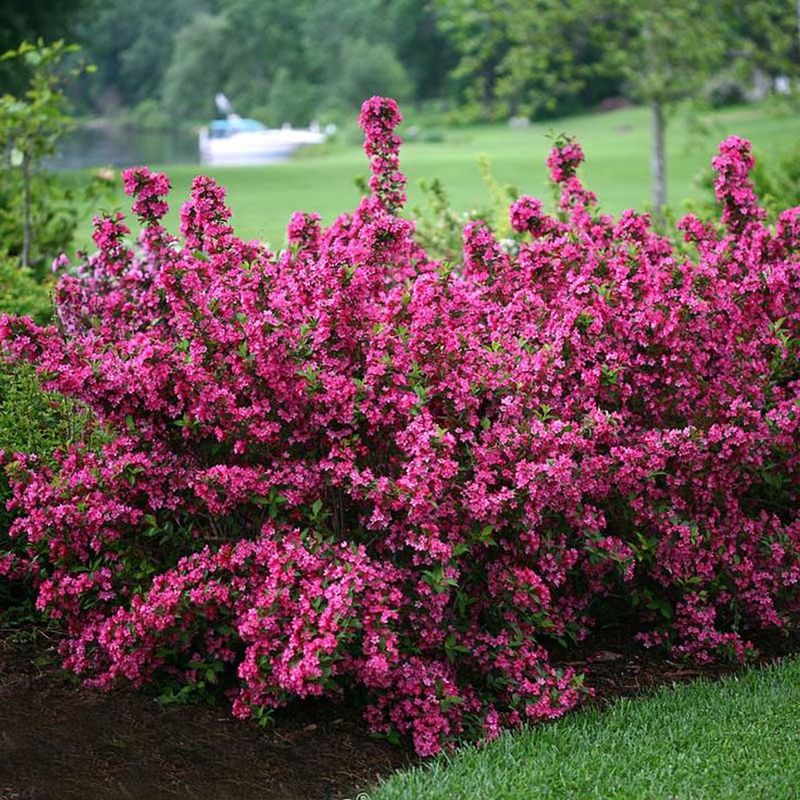
Weigela is prized for its stunning spring and summer blooms, which attract hummingbirds and butterflies. As a bare-root plant, it establishes quickly in a sunny spot with well-drained soil.
Regular pruning after flowering helps maintain its shape and encourages more blooms. Weigela is an adaptable shrub that can tolerate a range of soil conditions, making it ideal for many gardens.
Its vibrant flowers and arching branches add a romantic feel to any landscape. Use it as a border plant or in a mixed shrub garden for an eye-catching display of color.
6. Butterfly Bush (Buddleja)
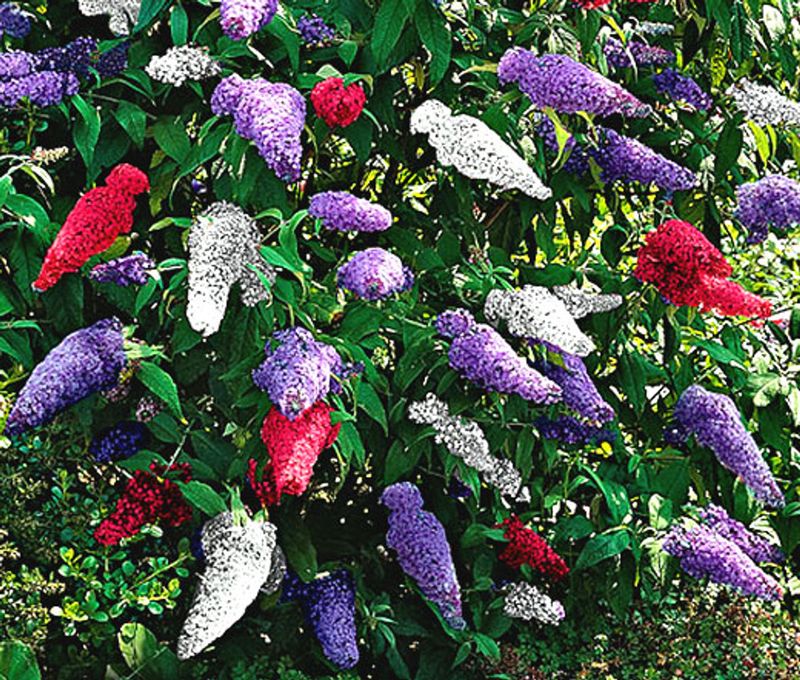
Butterfly Bush, or Buddleja, is a favorite among gardeners for its fragrant, colorful flowers that attract pollinators. When planted bare-root, it quickly establishes in sunny, well-drained locations.
Regular pruning encourages vigorous growth and prolific blooming. This shrub is known for its long, cone-shaped flower clusters that come in shades of purple, pink, and white. It’s perfect for attracting butterflies and hummingbirds to your garden.
Butterfly Bush blooms from summer to fall, providing a continuous display of color. It’s a great choice for borders, hedges, or as a standalone specimen.
7. Rose of Sharon
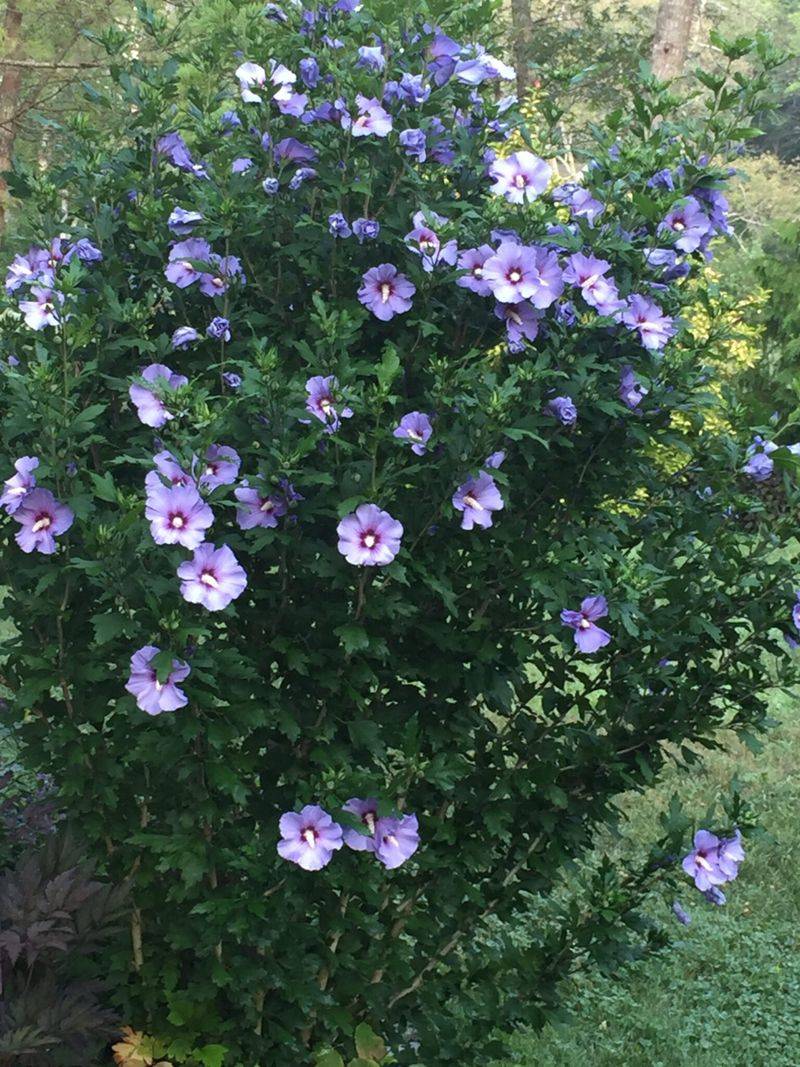
Rose of Sharon is a resilient shrub that offers stunning late-summer blooms. Its flowers come in shades of white, pink, and purple, adding beauty when other plants have finished blooming.
Plant it in a sunny location with well-drained soil for best results. This hardy shrub is drought-tolerant once established and requires minimal care. Prune in early spring to control size and shape.
Rose of Sharon can be used as a hedge, screen, or specimen plant. Its long flowering season and diverse color options make it a valuable addition to any garden.
8. Viburnum
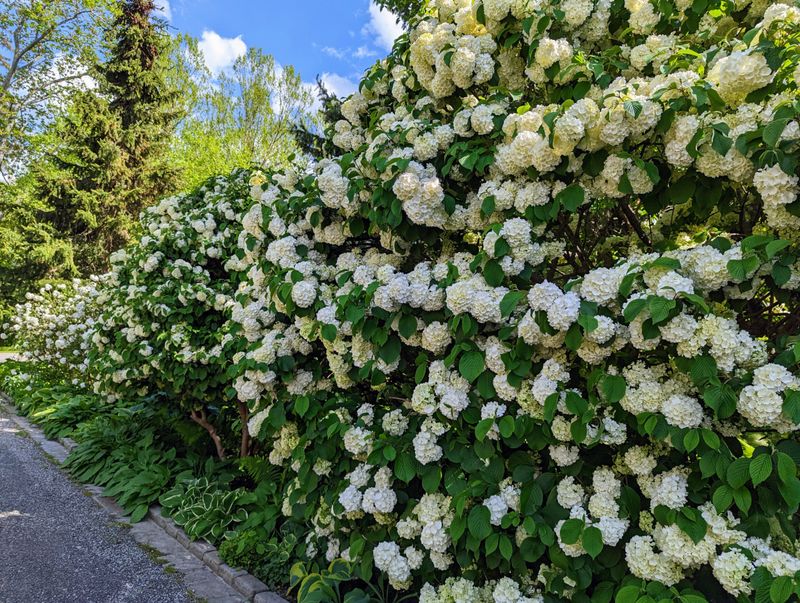
Viburnum is an attractive shrub offering a delightful combination of flowers and colorful berries. As a bare-root option, it establishes well in a range of soil conditions. Plant in full sun to partial shade for optimal growth.
Viburnums are known for their clusters of white or pink flowers followed by vibrant berries. These berries not only add visual interest but also attract birds. Viburnum can serve as a hedge, screen, or standalone plant.
With its multi-seasonal appeal, including beautiful fall foliage, it’s a versatile choice for enhancing your garden.
9. Mock Orange (Philadelphus)
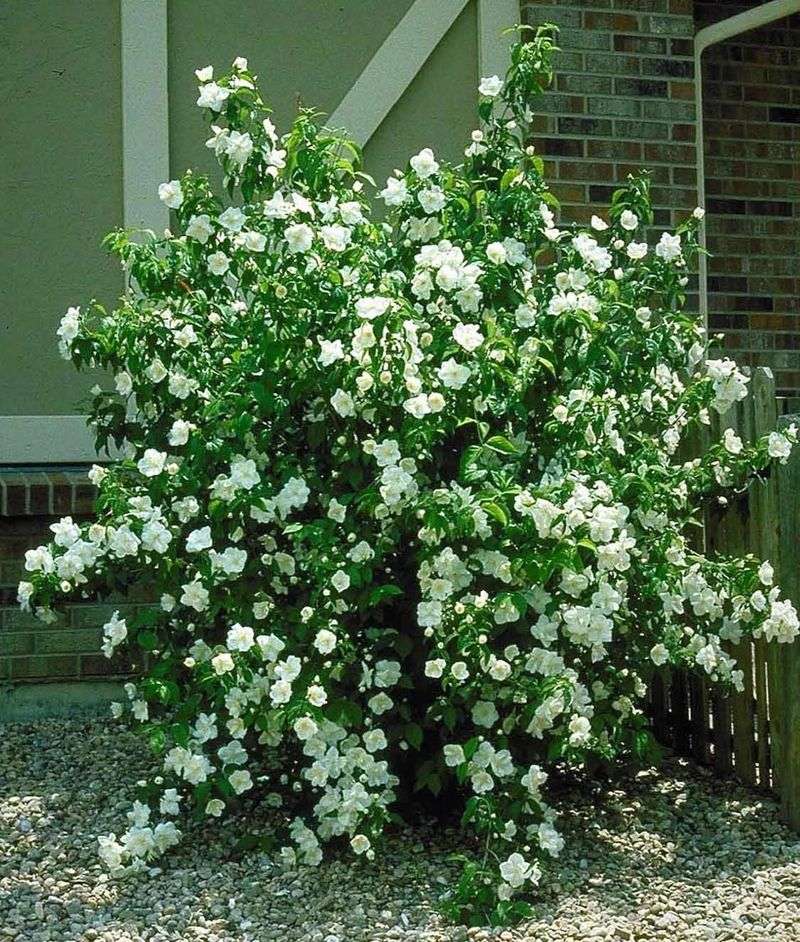
Mock Orange is a charming shrub known for its citrus-scented white flowers. As a bare-root plant, it establishes easily in well-drained soil and full sun to partial shade. Regular pruning after flowering keeps it tidy and encourages more blooms.
Mock Orange makes an excellent hedge or standalone plant, adding fragrance and beauty to your landscape. Its graceful habit and sweet scent create an inviting atmosphere in any garden.
This shrub is ideal for borders and can also be used to create a fragrant pathway. Its blooms are a delightful addition to floral arrangements.
10. Abelia
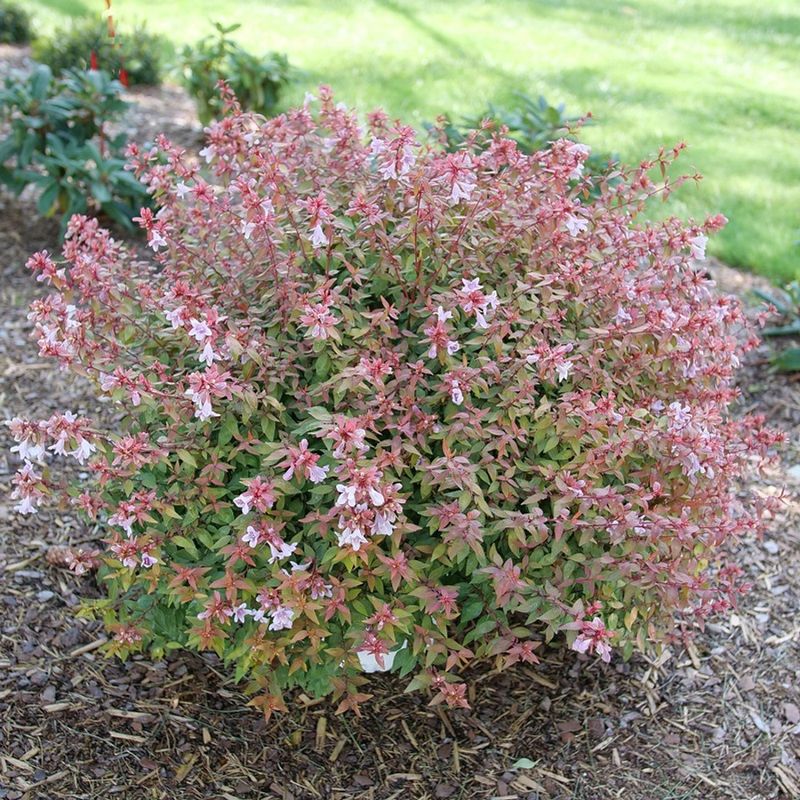
Abelia is a versatile shrub featuring semi-evergreen foliage and delicate, tubular flowers. It thrives as a bare-root plant in sunny to partially shaded areas. Abelias are drought-tolerant once established and require minimal maintenance.
Their flowers attract pollinators, making them a beneficial addition to any garden. Regular pruning helps maintain their shape and promotes new growth. Abelia can be used as a low hedge or border plant, providing year-round interest.
Its colorful leaves and continuous blooms bring vibrant life to your landscape, making it a delightful choice for gardeners seeking both beauty and resilience.
11. Flowering Quince (Chaenomeles)
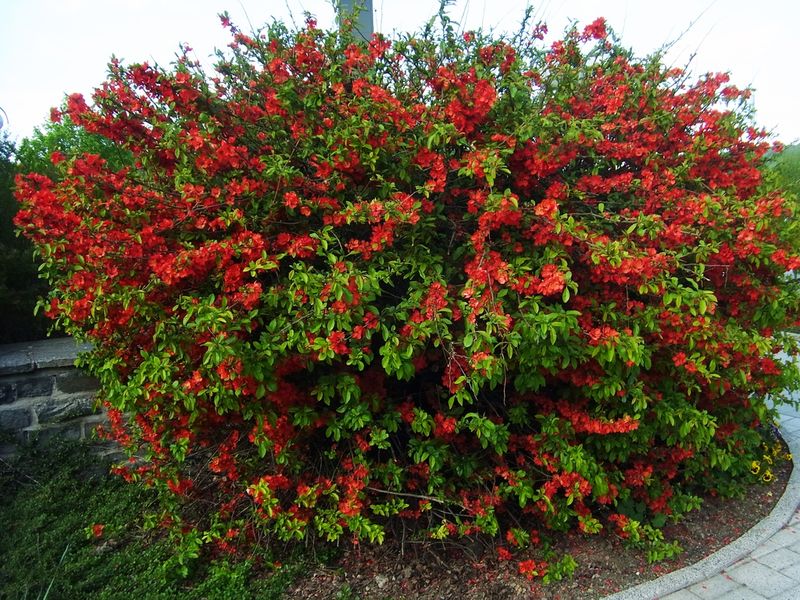
Flowering Quince is a striking shrub with vibrant red and orange blossoms that appear in early spring. It’s well-suited for bare-root planting, establishing quickly in well-drained soil and full sun.
This hardy plant is drought-tolerant and can thrive in a variety of conditions. Pruning after flowering helps maintain its shape. Flowering Quince’s thorny branches make it an excellent choice for a security hedge.
Its early blooms provide a splash of color when few plants are in flower. Consider it for a unique, eye-catching addition that also offers practical benefits in your garden.
12. Ninebark (Physocarpus)
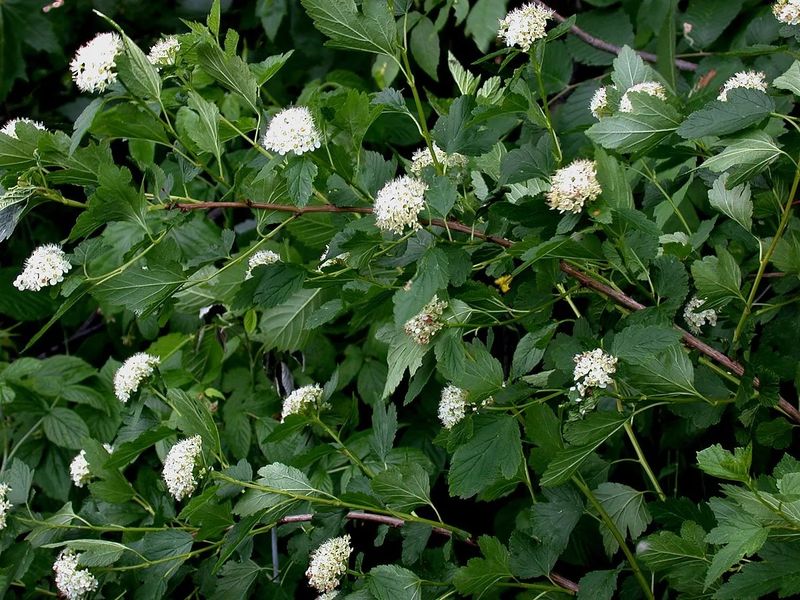
Ninebark is a hardy shrub valued for its attractive peeling bark and clusters of flowers. As a bare-root plant, it establishes readily in a range of soil types. Plant Ninebark in full sun to partial shade for the best performance.
It offers striking visual interest with its dark purple foliage and exfoliating bark, which adds texture to the garden. Regular pruning maintains its shape and encourages more blooms.
Ninebark is perfect for borders, hedges, or as a standalone specimen. Its ornamental qualities and adaptability make it a favored choice among gardeners seeking a unique, low-maintenance plant.
13. Potentilla
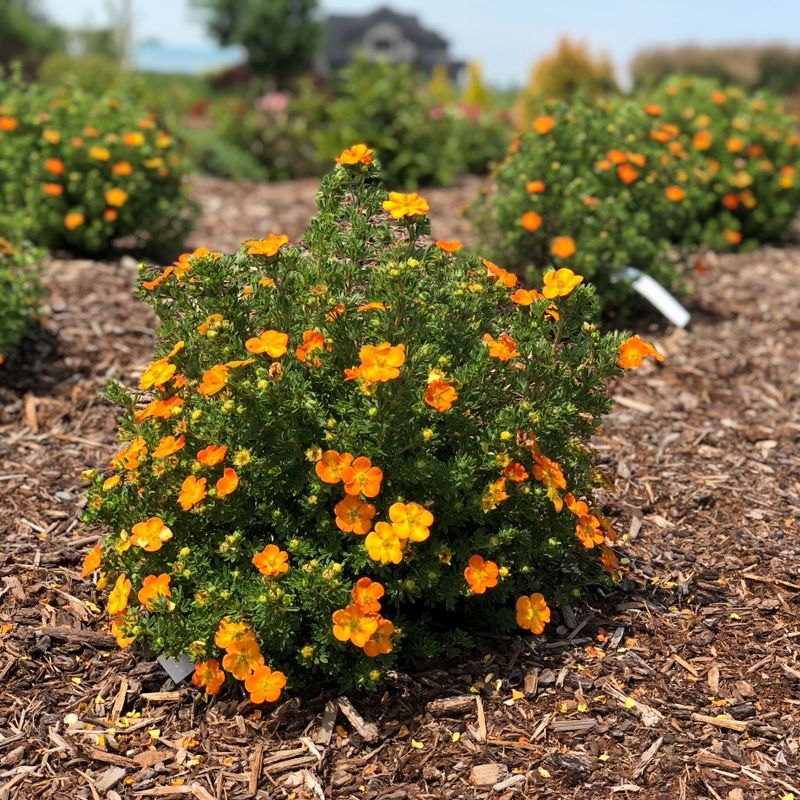
Potentilla is a reliable bloomer known for its bright, cheerful flowers. This hardy shrub thrives in a variety of conditions and is well-suited for bare-root planting. Ensure Potentilla is placed in full sun to encourage prolific blooming.
Its flowers come in shades of yellow, pink, and white, providing a consistent splash of color throughout the growing season. Potentilla is drought-tolerant and requires minimal maintenance, making it ideal for low-water gardens.
Use it as a border plant, in mass plantings, or as a standalone feature. Its vibrant blooms and ease of care make it a popular choice.
14. Redtwig Dogwood (Cornus sericea)
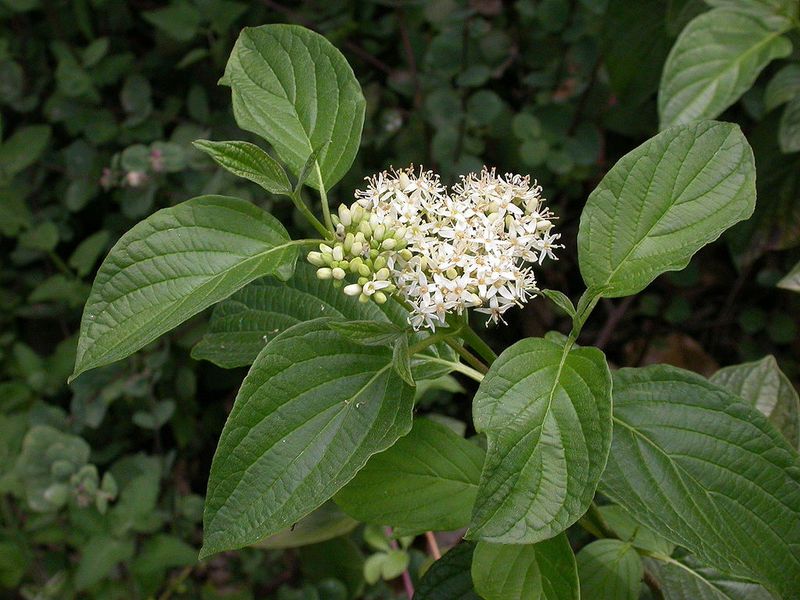
Redtwig Dogwood, or Cornus sericea, is celebrated for its vivid red stems that provide striking winter interest. As a bare-root shrub, it establishes well in moist, well-drained soils. Plant in full sun to partial shade for the best color.
Regular pruning encourages new growth, which enhances the vibrant stem color. This shrub is perfect for adding contrast to a garden during the colder months. Redtwig Dogwood can be used in borders, mass plantings, or as a specimen plant.
Its multiseasonal interest includes spring flowers and attractive berries, making it a valuable garden addition.
15. Black Chokeberry (Aronia melanocarpa)
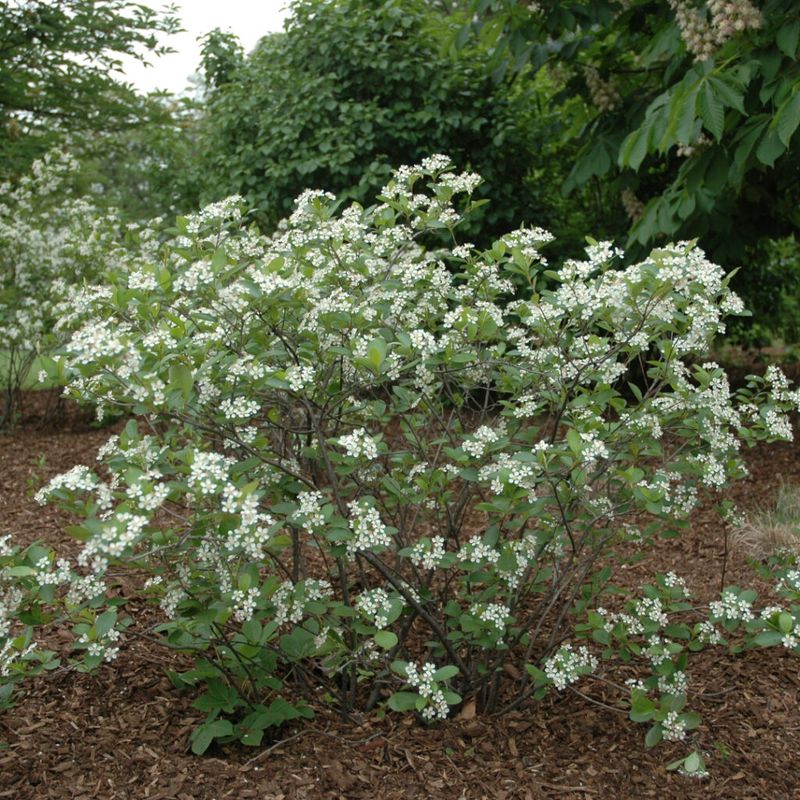
Black Chokeberry is noted for its striking fall color and edible berries. This resilient shrub is ideal for bare-root planting, adapting well to a variety of soil types. It prefers full sun to partial shade.
Black Chokeberry produces white spring flowers, followed by dark purple berries that are high in antioxidants. These berries can be used in jellies and jams. In fall, the foliage turns vibrant shades of red and orange, adding seasonal interest.
Use Black Chokeberry in hedges, borders, or mixed plantings. Its combination of ornamental and practical qualities makes it a versatile choice.
16. Japanese Barberry (Berberis thunbergii)
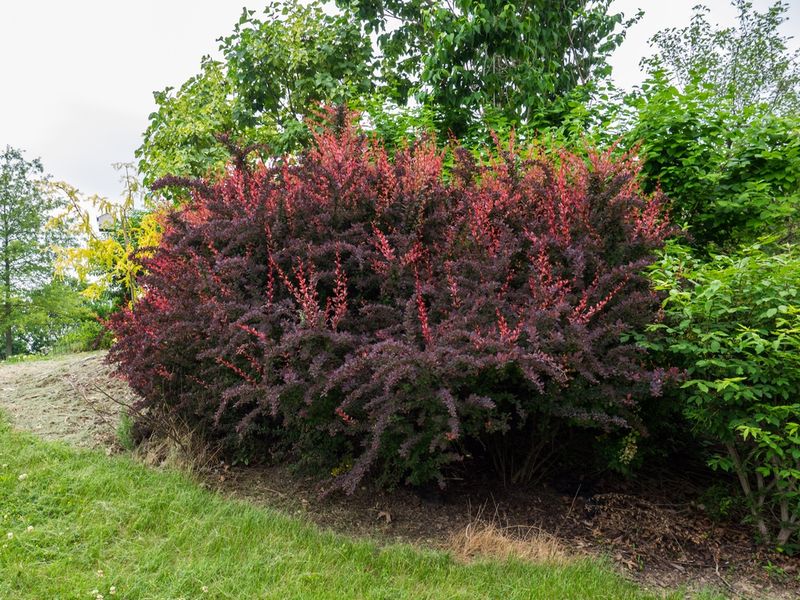
Japanese Barberry offers colorful foliage and is adaptable to various garden settings. As a bare-root shrub, it quickly establishes in well-drained soils with full sun to partial shade.
Known for its dense, thorny branches, it makes an excellent security or privacy hedge. The foliage varies from green to vibrant reds and oranges, providing year-round interest. Small, bright berries add to its visual appeal and attract birds.
Regular pruning helps maintain its shape and encourages new growth. Japanese Barberry is a versatile addition, suitable for hedges, borders, or as a striking, standalone plant.
17. Beautyberry (Callicarpa)
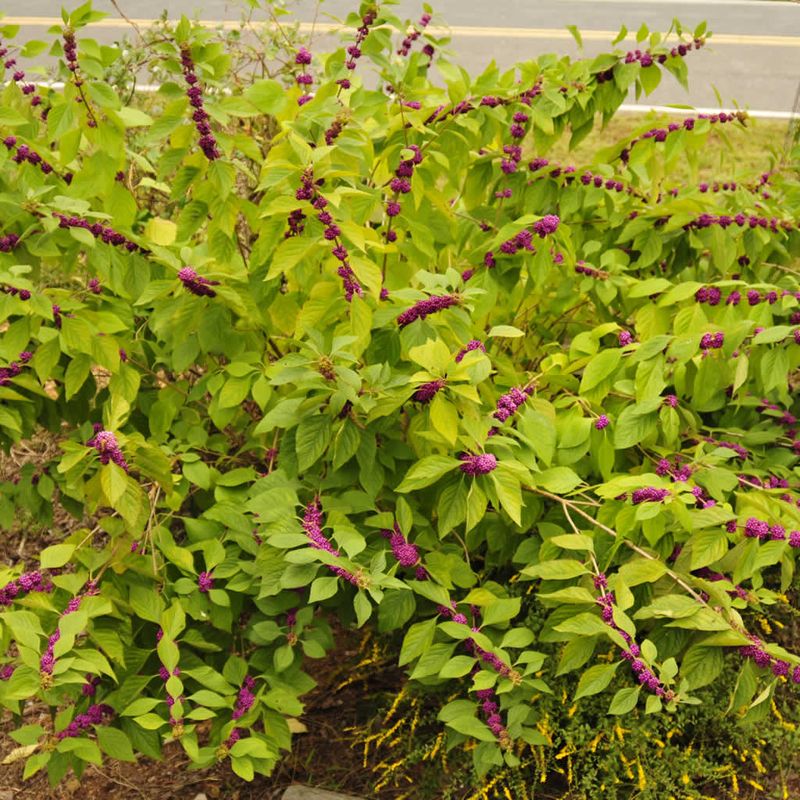
Beautyberry is renowned for its vibrant clusters of purple berries that create a unique, eye-catching display. As a bare-root plant, it establishes well in average, well-drained soil with full sun to partial shade.
The berries appear in late summer and remain into fall, providing visual interest and food for birds. Beautyberry’s arching branches and bright berries make it an attractive addition to any landscape.
Regular pruning after flowering helps maintain its shape. Consider using it in borders, mass plantings, or as a focal point. Its striking appearance and adaptability make it a garden favorite.
18. Elderberry (Sambucus)
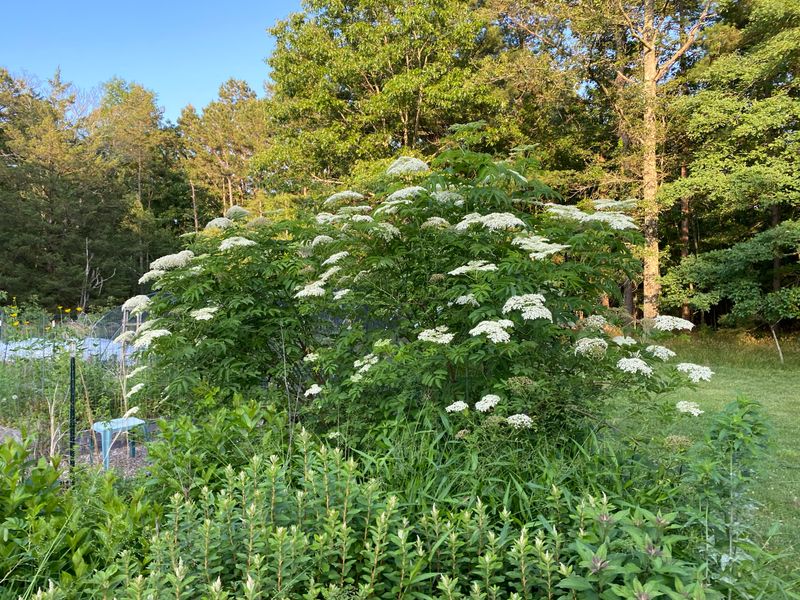
Elderberry is often grown for both its ornamental qualities and edible berries. As a bare-root shrub, it establishes easily in well-drained soil and full sun to partial shade.
Elderberry produces clusters of small white flowers in spring, followed by dark purple berries. These berries are rich in nutrients and can be used in wines, syrups, and jams. Regular pruning promotes healthy growth and fruit production.
Elderberry’s lush foliage and multiple uses make it a valuable addition to any garden. Use it in hedges, borders, or as a standalone plant to enjoy its beauty and bounty.
19. Serviceberry (Amelanchier)
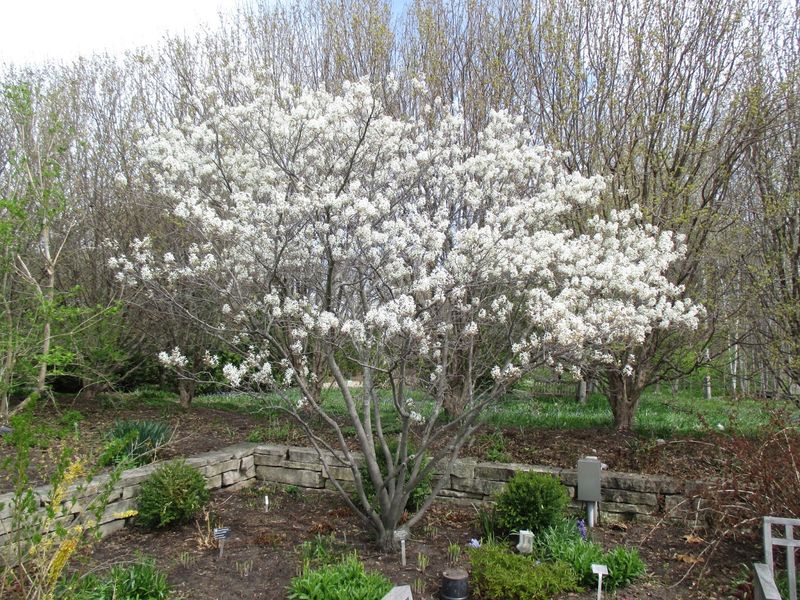
Serviceberry offers delicate spring flowers, summer berries, and brilliant fall foliage, providing multi-seasonal interest. As a bare-root plant, it quickly establishes in well-drained soil and full sun to partial shade.
Serviceberries are edible and enjoyed by both humans and wildlife. This shrub’s attractive flowers and vibrant autumn colors make it a versatile choice for any garden.
Regular pruning helps maintain its shape and encourages more blooms. Use Serviceberry as a hedge, in borders, or as a specimen plant. Its combination of beauty and utility ensures that it remains a favorite among gardeners.
20. Yew (Taxus, shrub varieties)
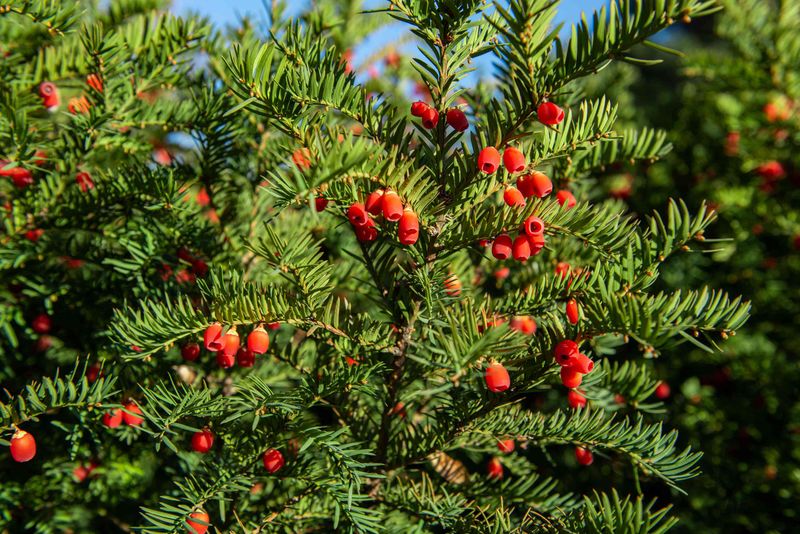
Yew is a classic evergreen choice, ideal for hedges or specimen plantings. As a bare-root shrub, it establishes well in well-drained soils and tolerates a range of light conditions.
Yews are known for their dense, dark green foliage and slow growth, making them easy to maintain. Regular pruning helps shape yews into formal hedges or topiaries.
Their adaptability and timeless appeal make yews a popular choice for traditional and contemporary gardens alike. Use them in formal landscapes or as a backdrop for colorful blooms. Their year-round greenery adds structure and elegance to any garden.