 Complete Gardening
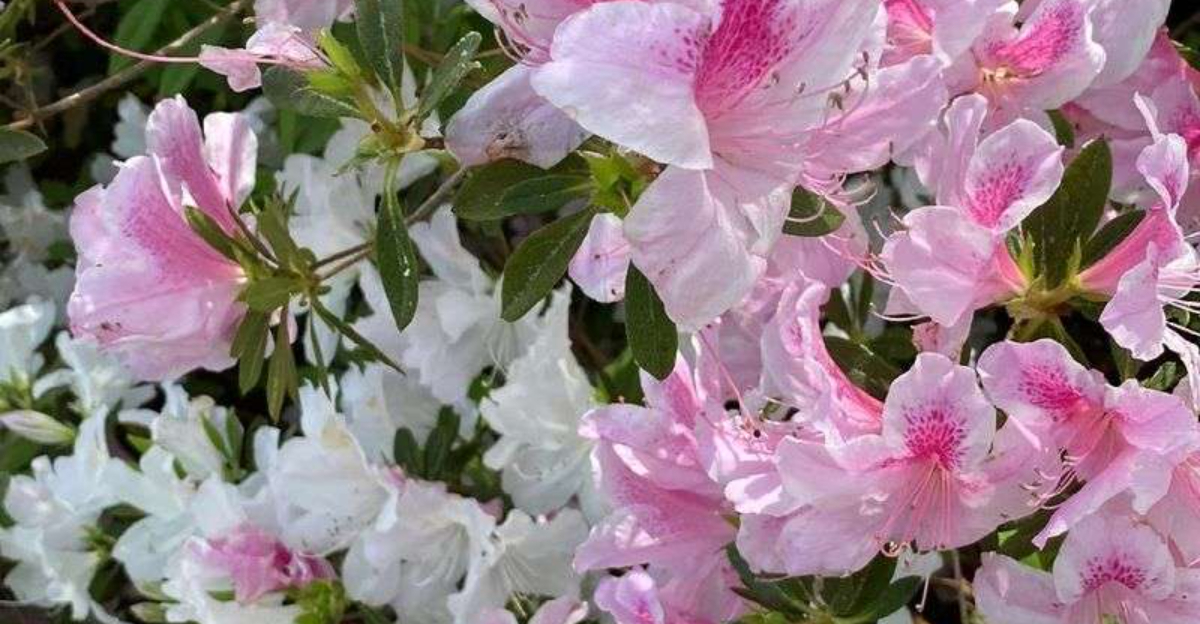
Spring is a season of renewal and rebirth, and what better way to celebrate Easter than with the vibrant blooms that symbolize this joyous occasion? Flowers have long held symbolic meanings, and during Easter, they embody themes of purity, hope, and new beginnings.
From the quintessential Easter lily to the delicate snowdrop, each flower tells a story of its own. Join us as we explore twelve blooms that grace the season with beauty and meaning, each bringing a unique touch to Easter celebrations and the welcoming of spring.
1. Easter Lilies
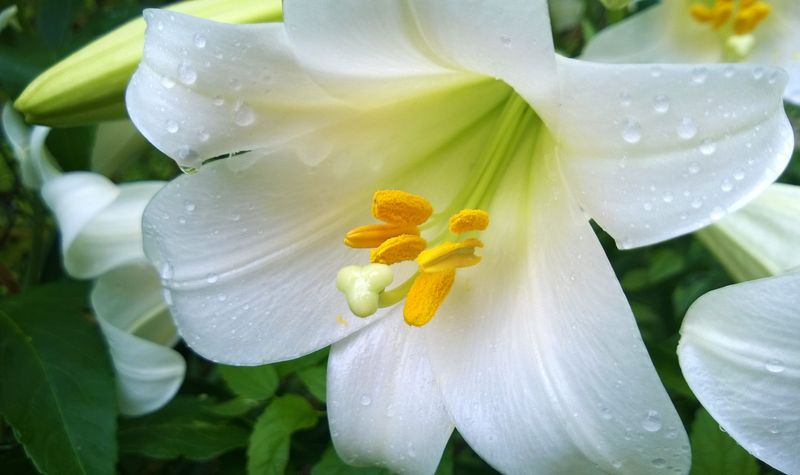
Easter Lilies are iconic blooms associated with the celebration of Easter. Their pure white petals symbolize purity, hope, and renewal, making them a favorite choice for decorating churches and homes during this season.
These lilies are often used to represent the resurrection of Jesus Christ, embodying the essence of rebirth. As they bloom in early spring, they signal the end of winter and the beginning of new life.
The sight of these elegant flowers serves as a reminder of the joy and promise that Easter brings. Their fragrance adds a touch of serenity to any setting.
2. Daffodils
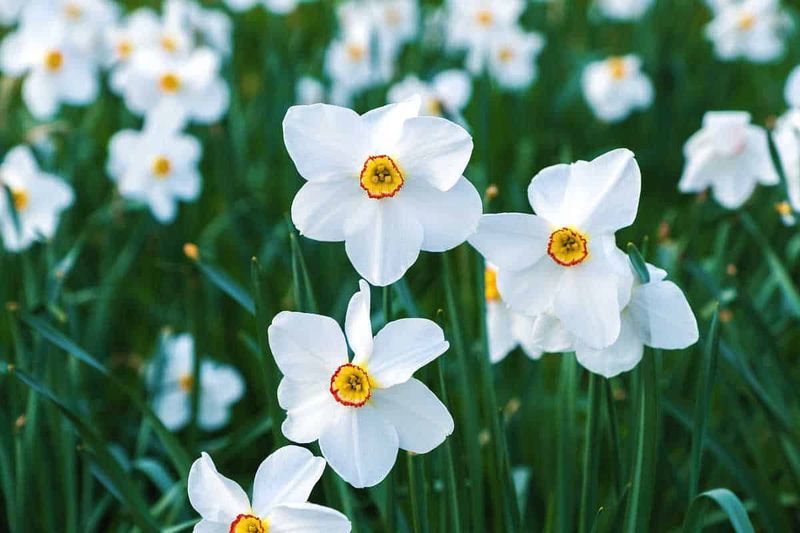
Daffodils, with their sunny yellow petals, are among the first flowers to bloom in spring, heralding the season of renewal. Their vibrant hues are symbolic of new beginnings and joyful resurrection, making them a fitting emblem for Easter celebrations.
These cheerful blooms are often associated with the idea of hope and optimism, brightening up gardens and homes alike. As the chill of winter fades, daffodils burst forth with energy and life, offering a visual promise of warmth and growth.
Their presence is a testament to the resilience and beauty of nature’s cycle.
3. Tulips
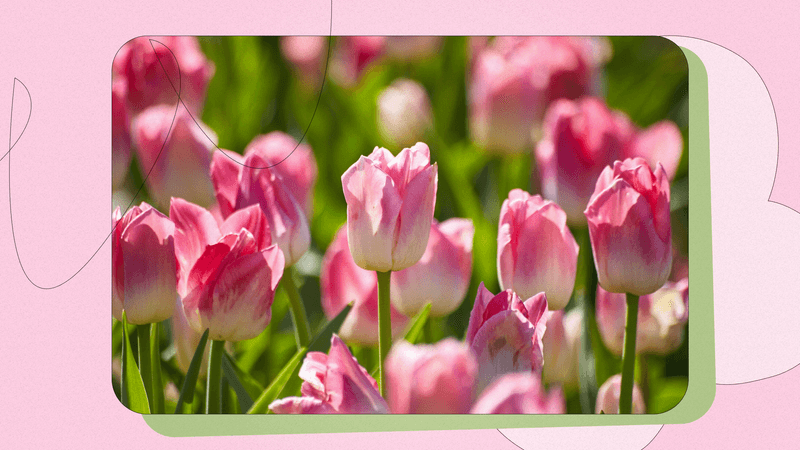
Tulips are cherished for their vibrant colors and elegant shape, symbolizing perfect love and the renewal of spring. These versatile flowers bloom in various hues, each carrying its unique meaning.
During Easter, they are a popular choice for adding a splash of color to celebrations, embodying the joy and freshness of the season. Whether in gardens or bouquets, tulips bring a sense of vitality and elegance.
Their simple yet striking appearance serves as a reminder of the beauty that can emerge after the cold winter months. They inspire feelings of hope and happiness.
4. Hyacinths
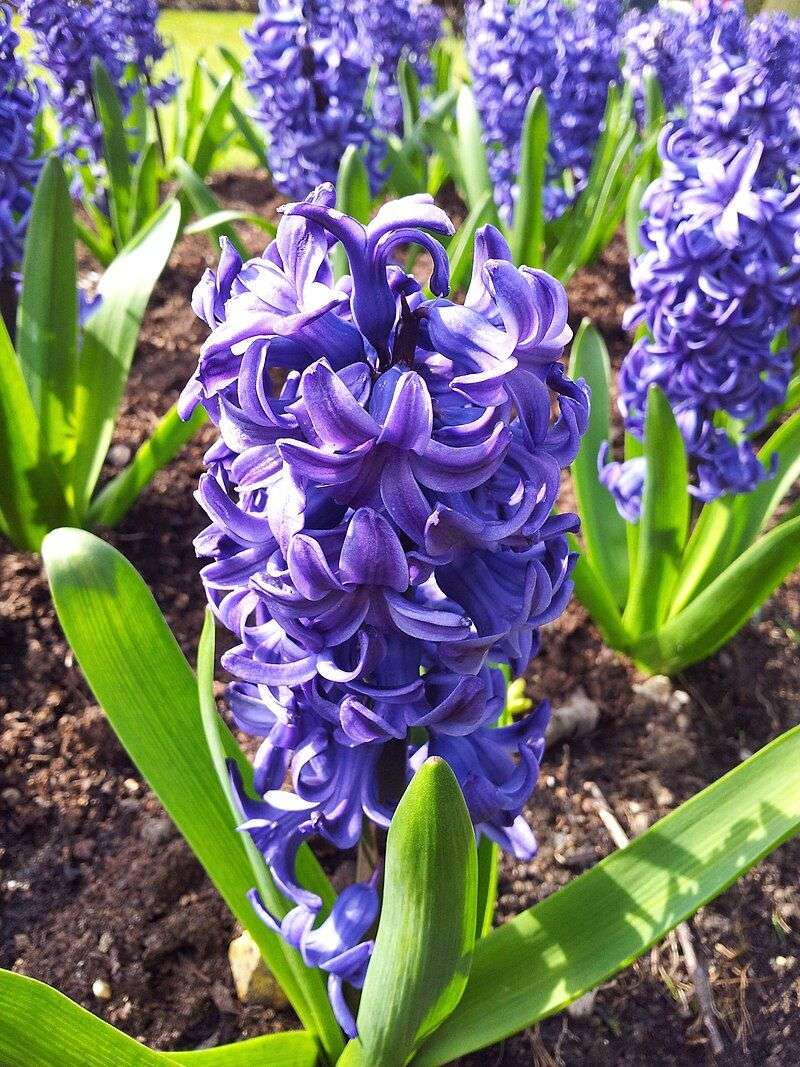
Hyacinths are known for their intoxicating fragrance and vibrant colors, symbolizing constancy and sincerity. Often used in Easter decor, these flowers herald the start of spring with their lush blooms and sweet scent.
Hyacinths come in various shades, each with its charm and meaning, making them a versatile addition to homes during the season. Their presence is a gentle reminder of the enduring beauty and promise of new beginnings.
As they fill the air with their delightful fragrance, they invite feelings of warmth and contentment, enhancing the spirit of Easter celebrations.
5. Lily of the Valley
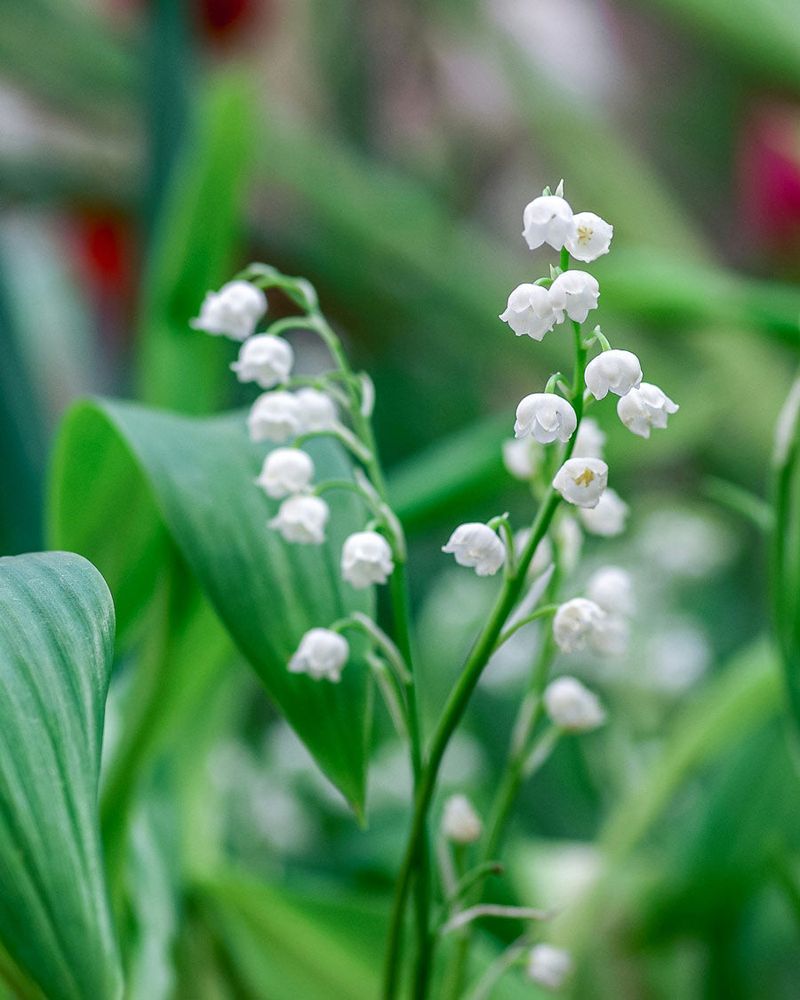
Lily of the Valley is a delicate flower known for its beautiful bell-shaped blooms and sweet scent. It symbolizes humility, purity, and the return of happiness, making it a perfect flower for Easter celebrations.
Often found in shaded areas, this flower thrives in cool, moist environments, adding a touch of elegance and grace wherever it grows. Its small, white blossoms are a powerful emblem of renewal and joy, resonating with the themes of rebirth associated with Easter.
The fragrance of Lily of the Valley brings a serene and soothing atmosphere to any space.
6. Azaleas
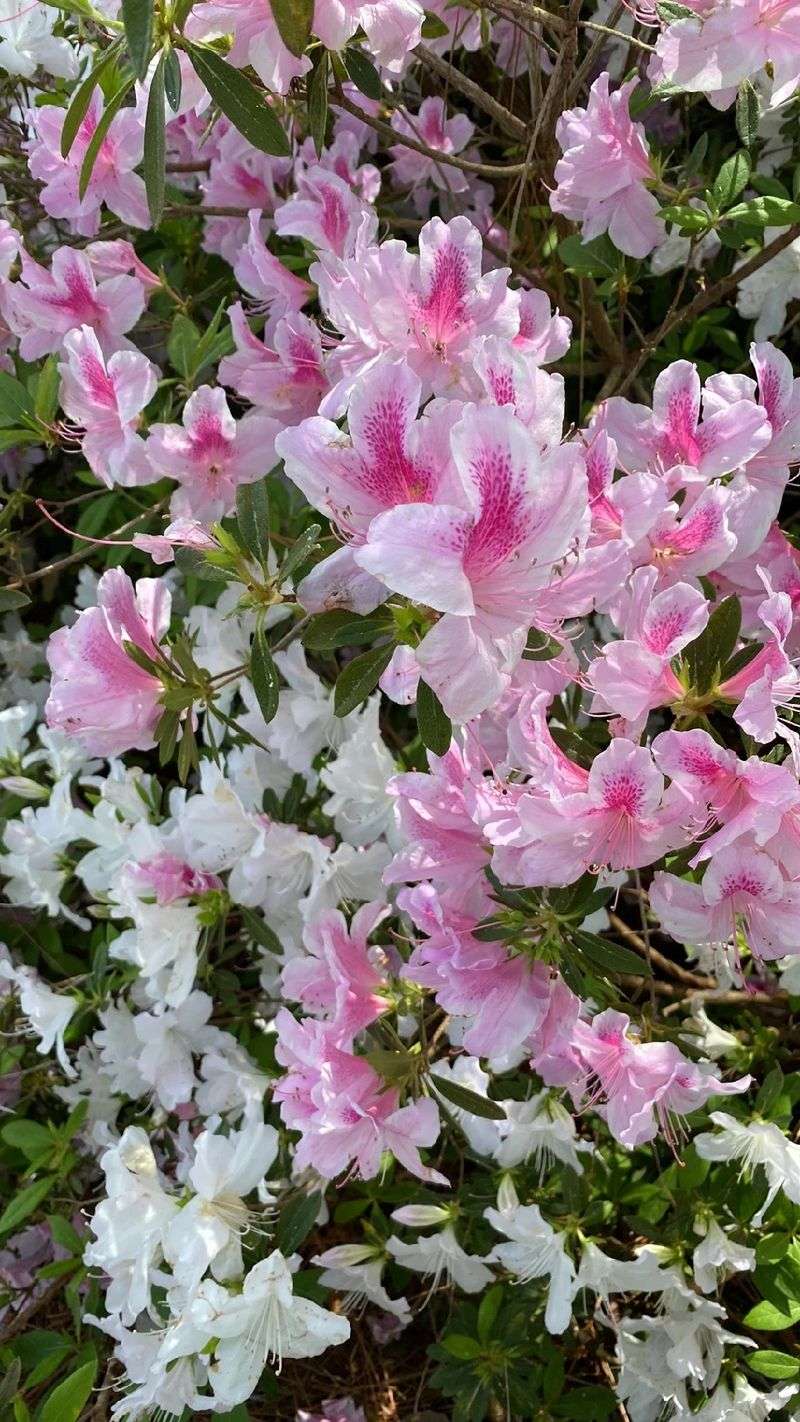
Azaleas are known for their stunning, vibrant blooms that often appear around Easter. They represent abundance and femininity, adding a touch of elegance to gardens and homes alike.
These flowers come in various shades of pink, red, and white, each contributing to the festive spirit of the season. Azaleas are celebrated for their ability to thrive in diverse environments, symbolizing resilience and beauty.
As they burst into color, they remind us of the joy and hope that spring brings. Their lush petals and rich hues make them a captivating centerpiece in any floral arrangement.
7. Gerbera Daisies
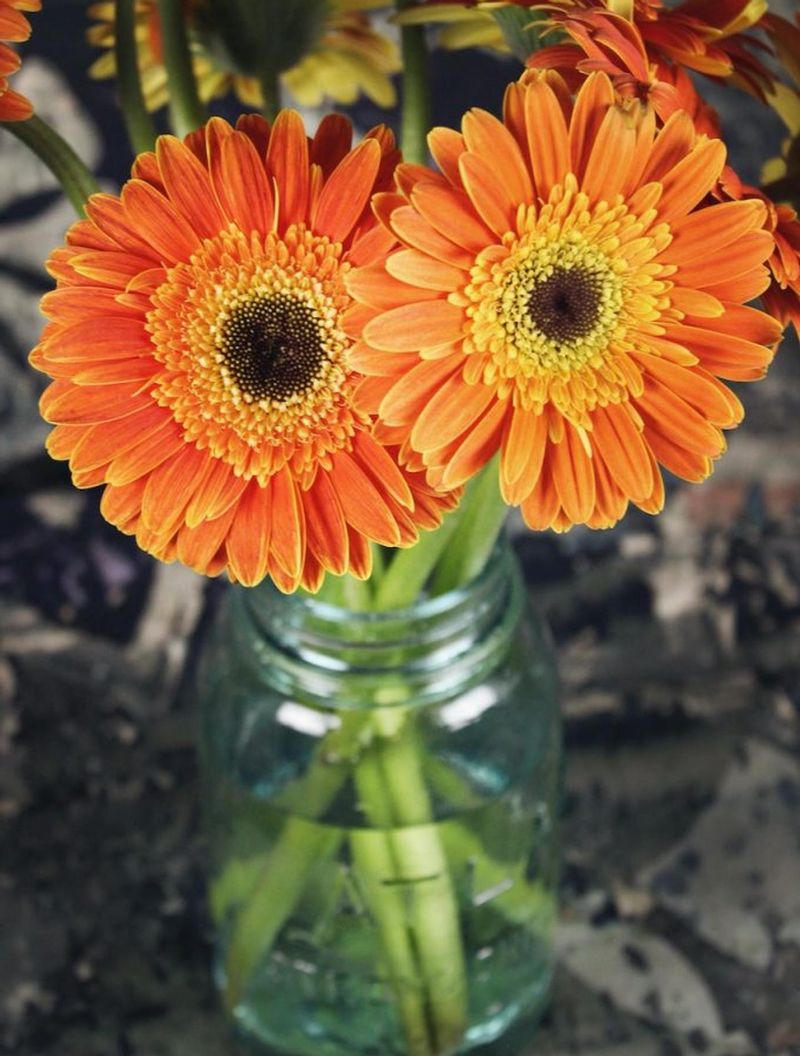
Gerbera Daisies are cherished for their large, bright blooms and cheerful demeanor. These flowers symbolize optimism and cheerfulness, making them a popular choice for Easter decorations.
Their vibrant colors range from sunny yellows to bold pinks, each offering a unique expression of joy. Gerberas are often used to brighten up spaces, bringing a sense of warmth and happiness to any setting.
As symbols of positivity and life, they inspire feelings of joy and enthusiasm, perfectly aligning with the themes of renewal and rebirth that Easter represents. Their presence is a celebration in itself.
8. Pansies
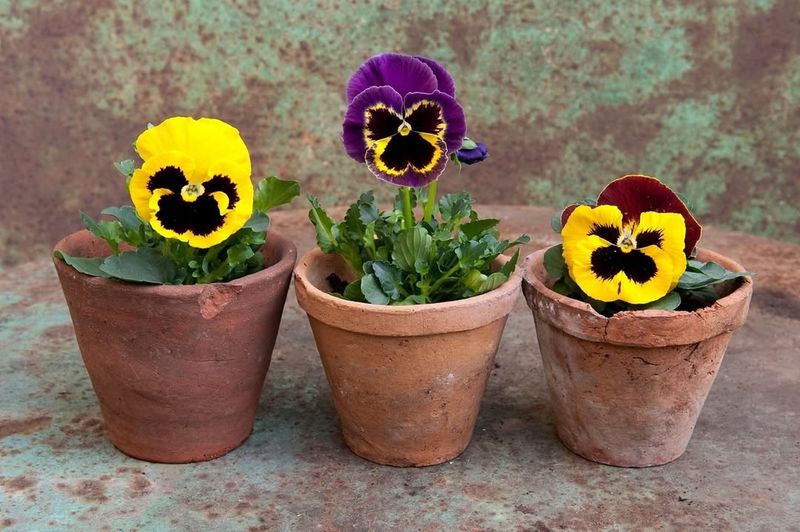
Pansies are cool-weather favorites known for their distinctive ‘faces’ and vibrant colors. These flowers symbolize thoughts of love, remembrance, and compassion, making them a thoughtful addition to Easter celebrations.
Pansies are resilient, blooming early in spring and enduring cooler temperatures, embodying the strength and endurance of love. Their rich hues and unique patterns add a whimsical touch to gardens and arrangements, bringing color and life to the early spring landscape.
As symbols of thoughtful reflection, they invite us to appreciate the beauty and meaning of the season.
9. Crocuses
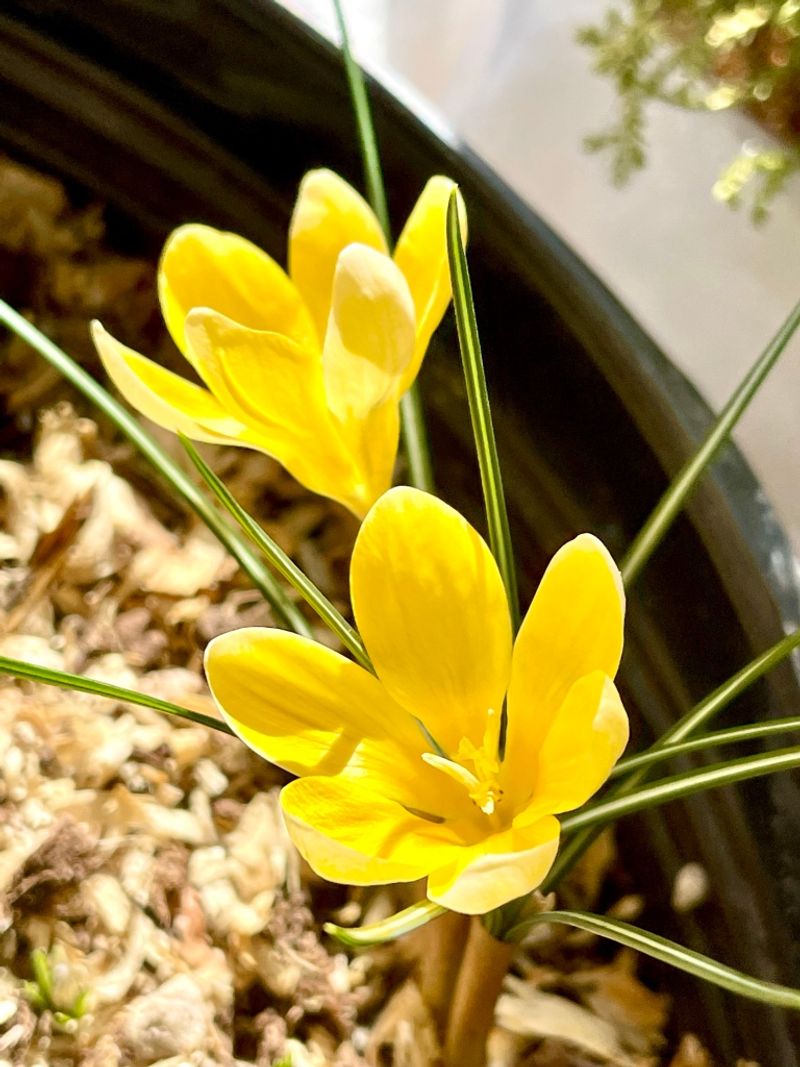
Crocuses are among the first flowers to emerge as winter retreats, symbolizing new beginnings and youthful joy. Their bright petals push through the last remnants of snow, offering a vivid display of color and life.
These hardy blooms are a testament to the resilience and renewal of nature, heralding the arrival of spring with their cheerful presence. Crocuses bring hope and warmth after the cold, encouraging us to embrace the vibrancy and potential of the new season.
As they break through the winter landscape, they remind us of the perpetual cycle of life and rebirth.
10. Primroses
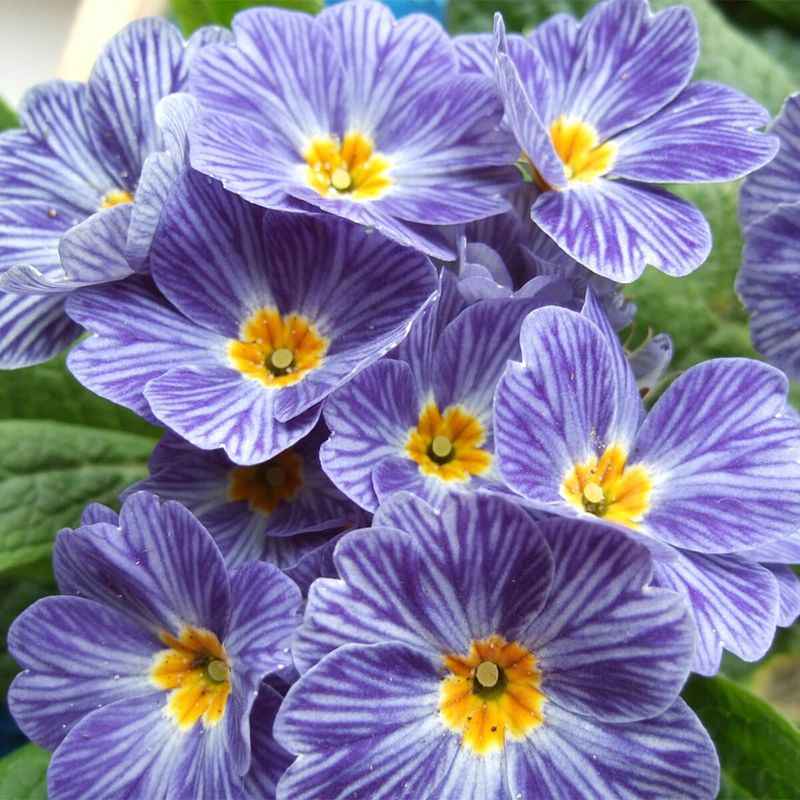
Primroses are aptly named from the Latin primus, meaning ‘first,’ as they are one of the earliest flowers to bloom in spring. These flowers symbolize renewal and fresh starts, perfectly aligning with the themes of Easter.
Primroses come in a variety of colors, each bringing its charm and character to gardens. Their early bloom and vibrant hues are a celebration of the end of winter’s slumber and the awakening of nature.
As symbols of hope and new beginnings, primroses inspire a sense of wonder and anticipation for the beauty that the season holds.
11. Hellebores (Lenten Roses)
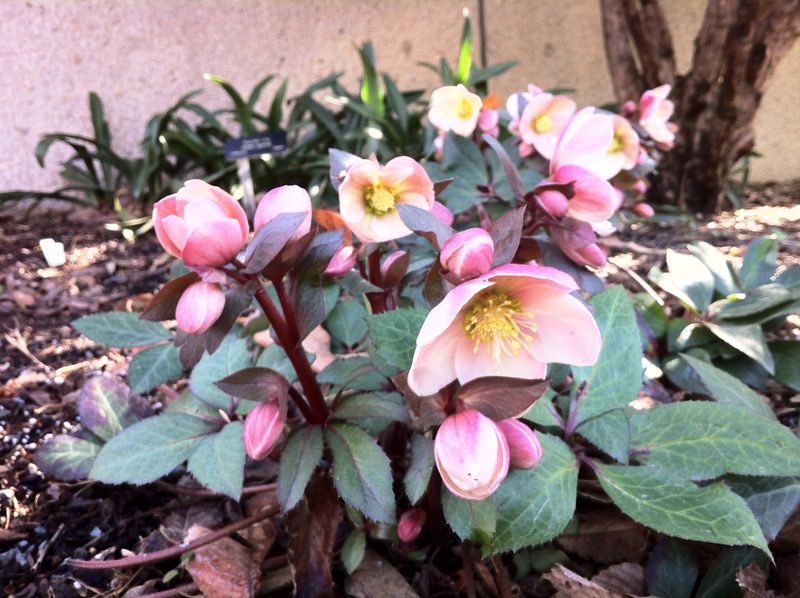
Hellebores, often referred to as Lenten Roses, bloom around the Lenten season, making them a meaningful addition to Easter celebrations. These flowers symbolize rebirth and enduring hope, with their hardy nature and delicate beauty.
Hellebores thrive in shaded areas, adding elegance and charm to gardens and arrangements. Their unique blooms come in soft, muted colors that complement the awakening landscape of spring.
As they bloom in the early months of the year, hellebores remind us of the resilience and renewal that Easter embodies, offering hope and beauty in every petal.
12. Snowdrops
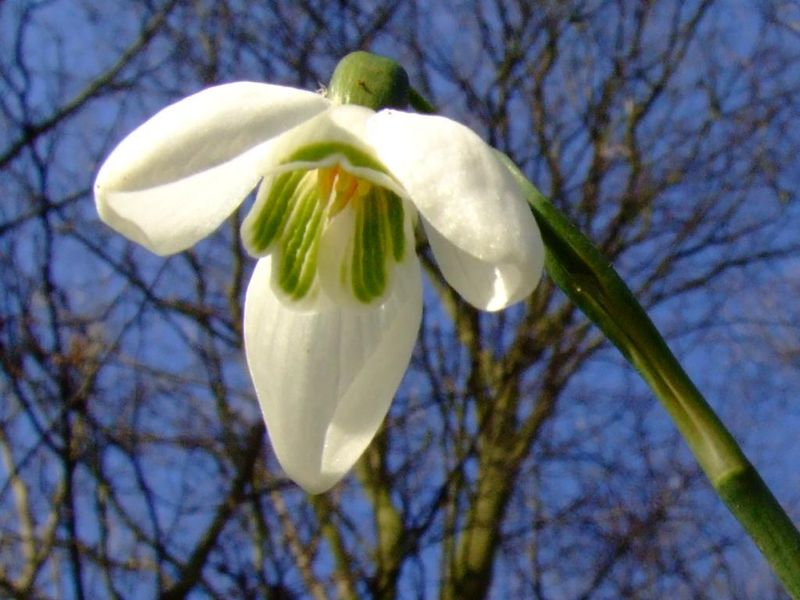
Snowdrops are delicate flowers known for their ability to break through the last snows of winter, symbolizing hope, purity, and consolation. These small, white blooms are often seen as harbingers of spring, bringing a promise of warmth and growth.
Despite their fragile appearance, snowdrops are resilient, thriving in the cold and reminding us of the enduring strength of nature. Their gentle presence in gardens and natural settings invites feelings of peace and serenity.
As symbols of new beginnings, snowdrops inspire us to look forward to the brighter days that lie ahead.