 Complete Gardening
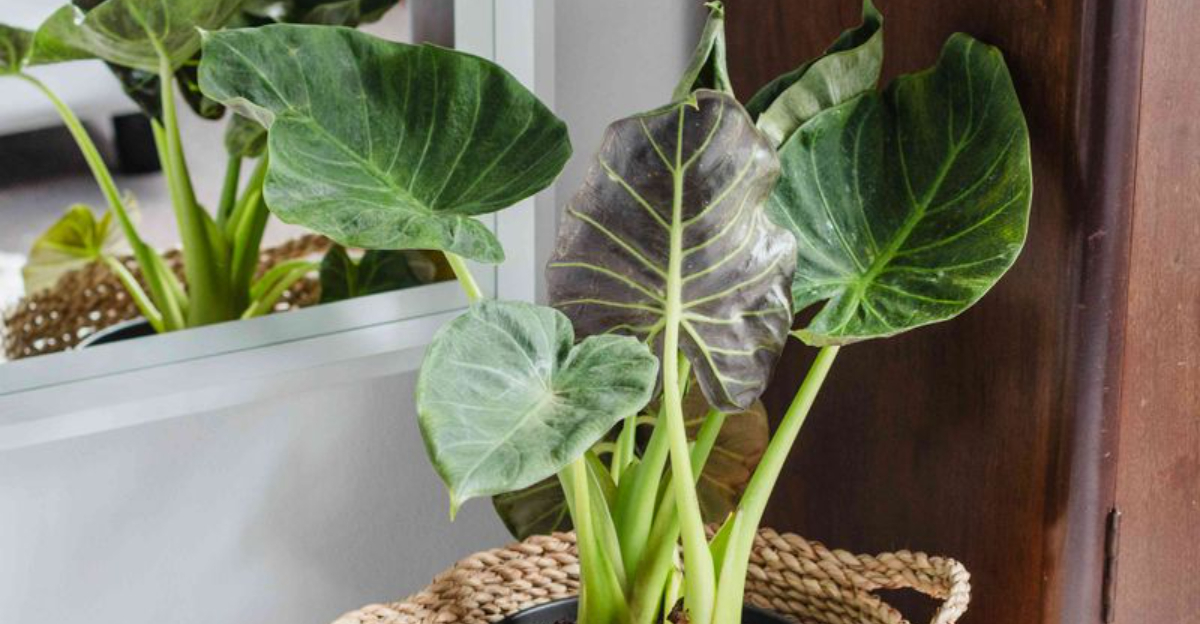
Many houseplants thrive in the cozy corners of our homes, where indirect sunlight and humidity mimic their natural habitats. However, placing certain houseplants in direct sunlight can lead to disastrous results.
Sunlight can scorch delicate leaves, cause dehydration, and ultimately lead to plant failure. In this guide, we’ll explore 16 houseplants that should steer clear of the sun’s harsh rays.
By understanding their needs, you can create an indoor oasis that allows each plant to flourish in its ideal environment.
1. Peace Lily
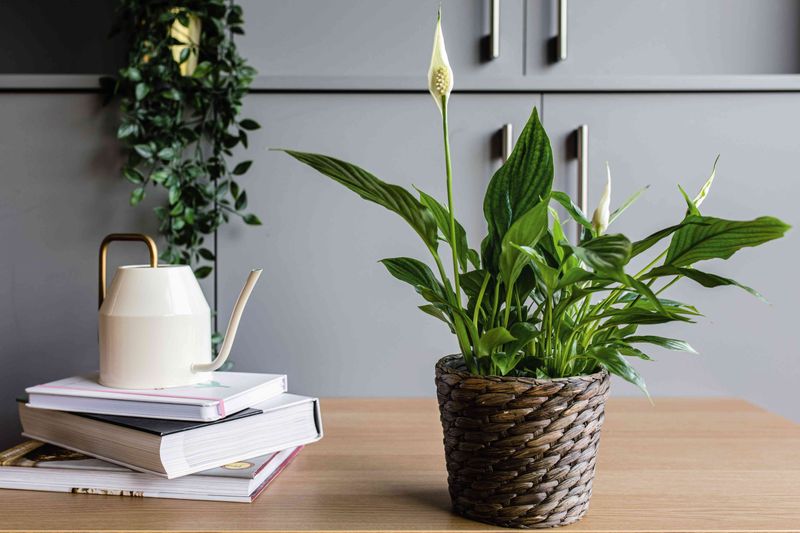
The peace lily is known for its striking white blooms and glossy leaves. However, direct sunlight can be its downfall. Sunlight can scorch the leaves, turning them brown and crispy.
The peace lily prefers low to moderate light, thriving in shaded areas of your home. When placed in indirect light, it maintains its lush appearance.
For optimal growth, keep the soil consistently moist and ensure good drainage. Overexposure to the sun can lead to dehydration, so watering is crucial. Remember, a peace lily’s beauty truly shines in low-light conditions.
2. Calathea
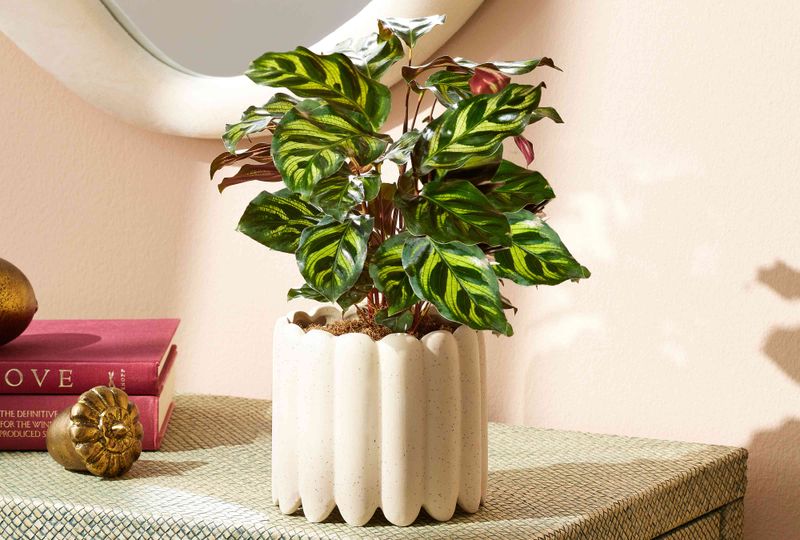
Calatheas are admired for their stunning leaf patterns and vibrant colors. These plants detest direct sunlight, which can fade their intricate designs. Instead, they flourish in areas with filtered light. Bright sun exposure can cause the leaves to curl and brown at the edges.
To keep your calathea thriving, place it in a location with indirect light and maintain high humidity levels. Regular misting can help replicate its natural rainforest environment. With the right care, your calathea will be a show-stopping addition to any room.
3. Philodendron
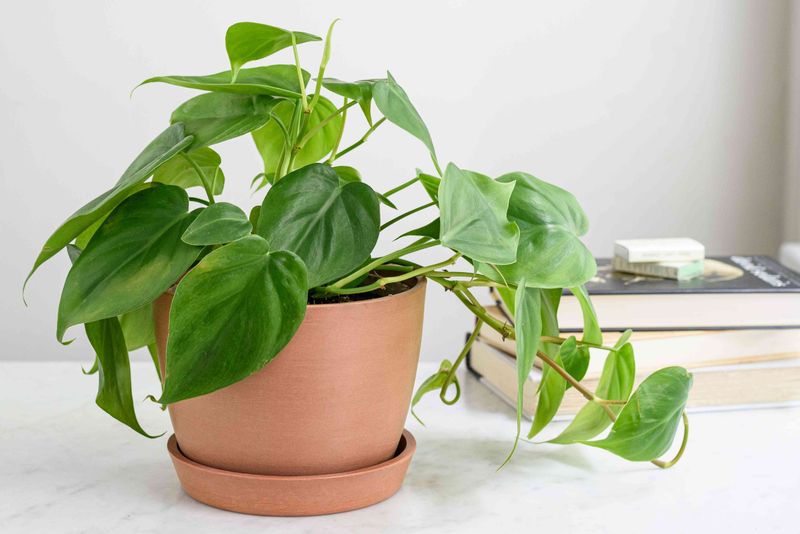
Philodendrons are popular for their heart-shaped leaves and easygoing nature. While they can adapt to various light conditions, direct sunlight can be damaging.
Sun exposure may lead to scorched leaves and stunted growth. Instead, they thrive in bright, indirect light.
Ensure your philodendron receives adequate moisture, but avoid waterlogging. Allow the top inch of soil to dry out between waterings. With the right balance, this plant will grow vigorously and enhance your indoor garden.
4. Boston Fern
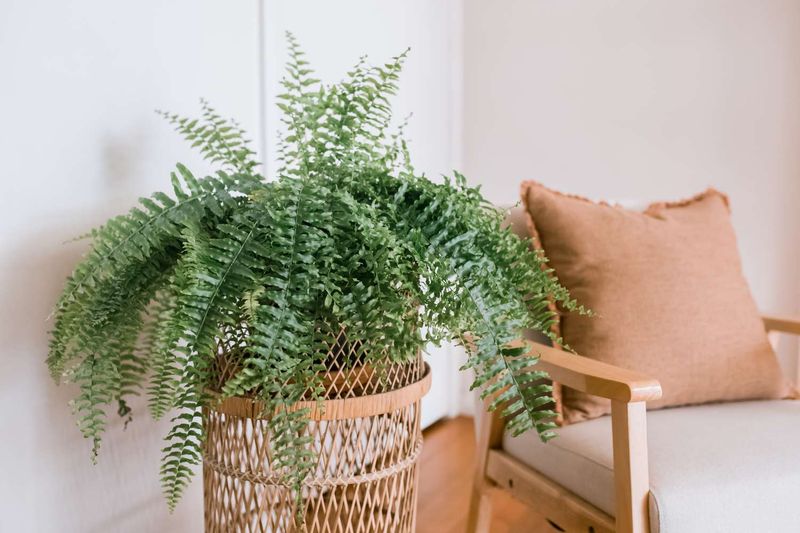
Boston ferns are known for their feathery fronds and elegant appearance. These ferns are sensitive to light and humidity levels. Direct sunlight can scorch their fronds, while low humidity can lead to drying. They are happiest in shaded, humid spaces, such as bathrooms.
Regular misting and consistent watering are vital for keeping boston ferns healthy. Placing them in indirect light will ensure they maintain their lush green color and fullness. With proper care, they make a beautiful and resilient addition to any home.
5. Snake Plant
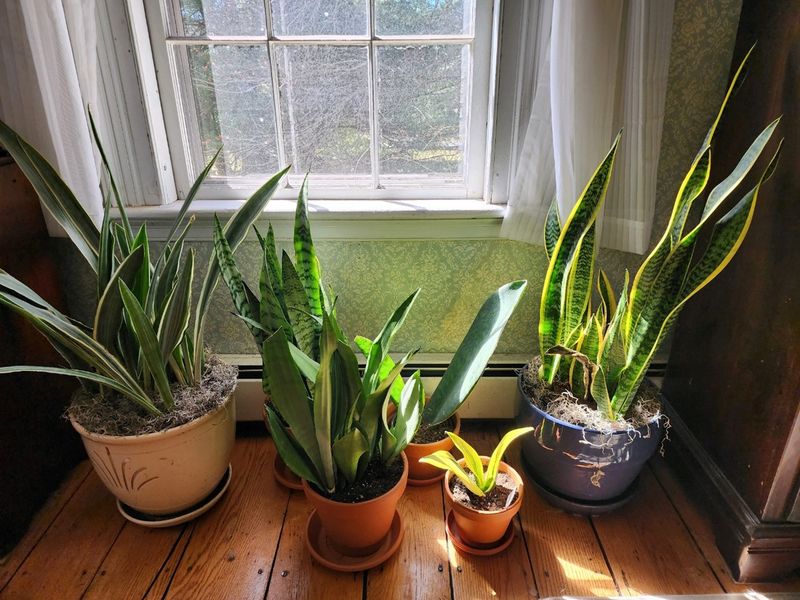
The snake plant, or Sansevieria, is admired for its striking upright leaves. Though easy to care for, it prefers indirect sunlight.
Direct exposure can cause fading and yellowing of the leaves. This resilient plant thrives in lower light conditions, making it ideal for offices or shaded rooms.
Allow the soil to dry completely between waterings, as overwatering can be detrimental. With minimal care and attention to its lighting needs, the snake plant can be a hardy and stylish addition to your indoor space.
6. Maidenhair Fern
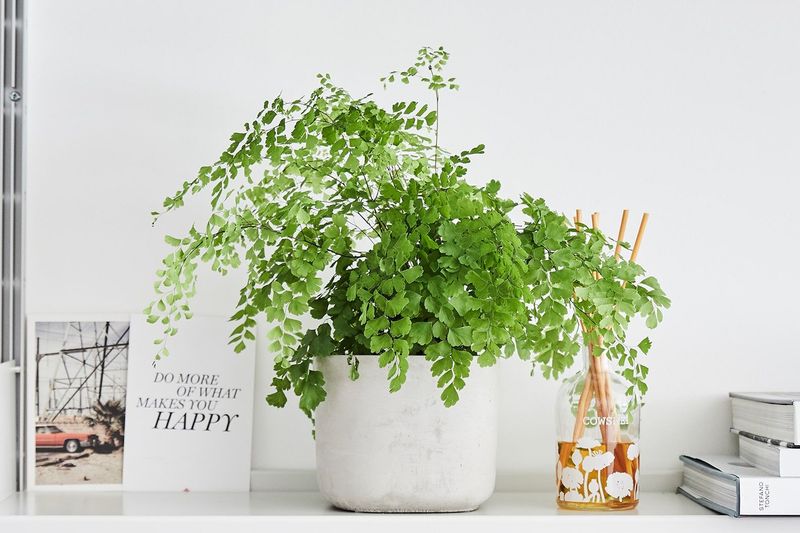
Maidenhair ferns are cherished for their delicate, lace-like fronds. However, these ferns are sensitive to direct sunlight, which can scorch their leaves. They flourish in environments with filtered light and high humidity, such as bathrooms or kitchens.
Consistent soil moisture is crucial for their health. Regular misting and avoiding direct sun exposure will help maintain their delicate beauty. With the right conditions, maidenhair ferns add an elegant touch to any space, embodying tranquility and grace.
7. Chinese Evergreen
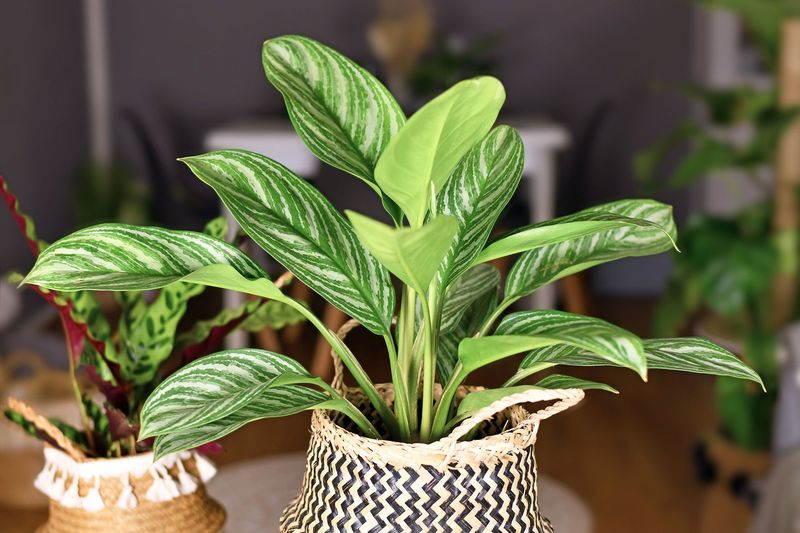
Chinese evergreens are beloved for their colorful foliage and ease of care. However, direct sunlight can cause leaf discoloration and browning. These plants thrive in low to moderate light conditions, making them perfect for offices or shaded areas.
Regular watering is essential, but avoid waterlogging the soil. By keeping the plant in indirect light and maintaining consistent moisture, Chinese evergreens will reward you with vibrant, healthy growth.
Their adaptability and stunning appearance make them a favorite among houseplant enthusiasts.
8. Begonia
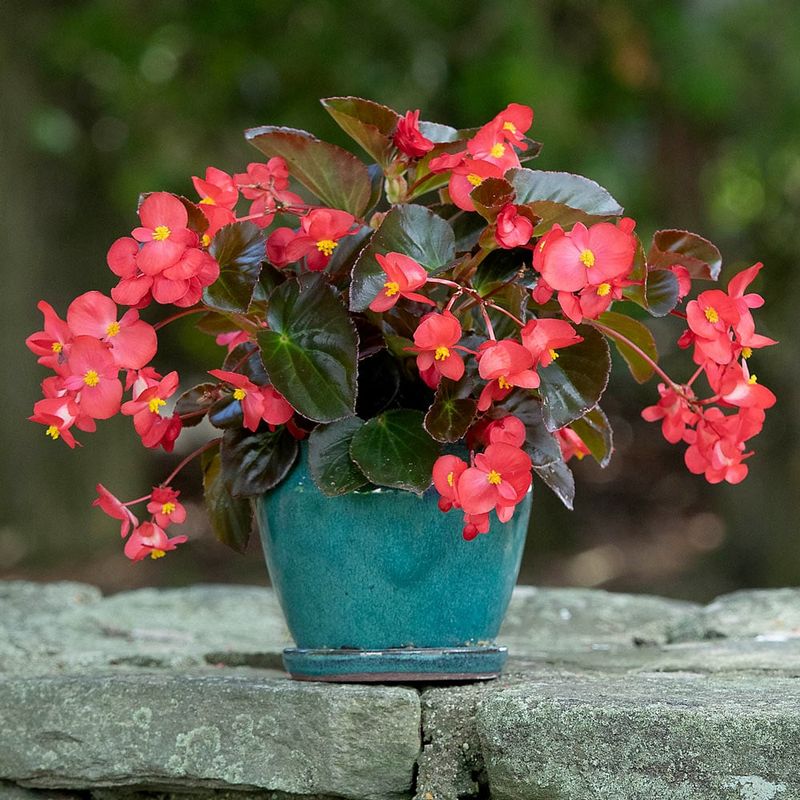
Begonias are admired for their vibrant blooms and unique foliage. However, direct sunlight can be detrimental, causing leaf burn and reducing flower production. They thrive in areas with bright, indirect light and high humidity.
To ensure healthy growth, water them regularly, but allow the topsoil to dry out between waterings.
Keeping them away from direct sunlight will help preserve their vivid colors and promote lush flowering. With the right care, begonias add a splash of color and charm to any indoor space.
9. Pothos
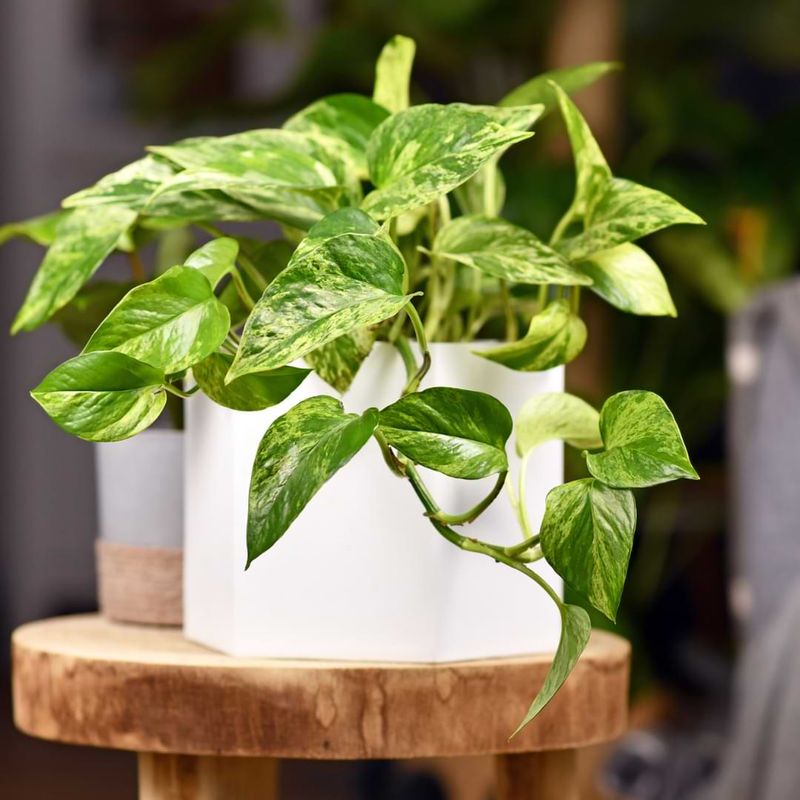
Pothos are versatile and loved for their trailing vines and heart-shaped leaves. While they’re adaptable, direct sunlight can cause leaf burn and fading. Instead, they thrive in indirect light, making them perfect for hanging baskets or shelves.
Allow the soil to dry slightly between waterings to prevent root rot. By providing the right light conditions, pothos will continue to trail beautifully, adding a touch of greenery to any room.
Their easygoing nature and vibrant growth make them ideal for both beginners and experienced plant lovers.
10. Fittonia
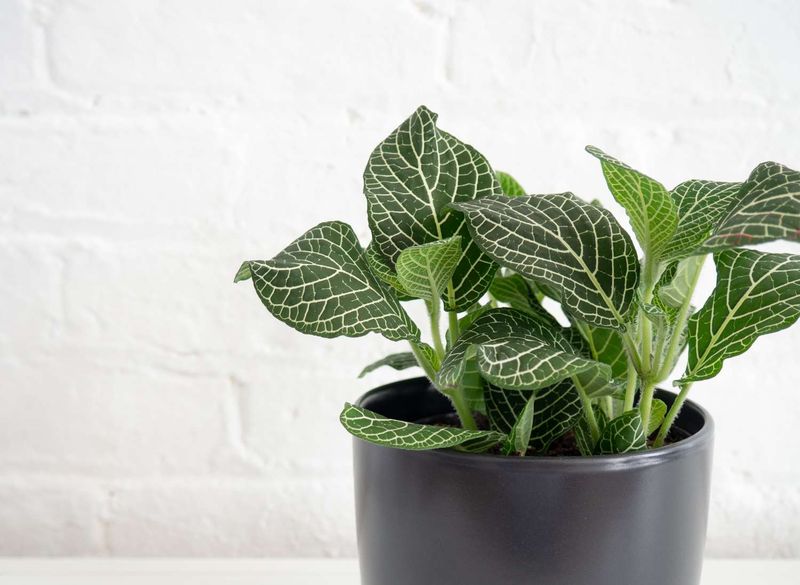
Fittonias, known as nerve plants, are celebrated for their vivid leaf patterns and colors. However, they dislike direct sunlight, which can cause leaf browning and fading. These plants thrive in humid environments with filtered light, such as terrariums.
Ensure consistent moisture, but avoid waterlogging. Regular misting can help maintain humidity levels. With proper care, fittonias will flourish, adding a burst of color and texture to your indoor garden.
Their vibrant appearance and unique patterning make them a captivating choice for plant enthusiasts.
11. Dracaena
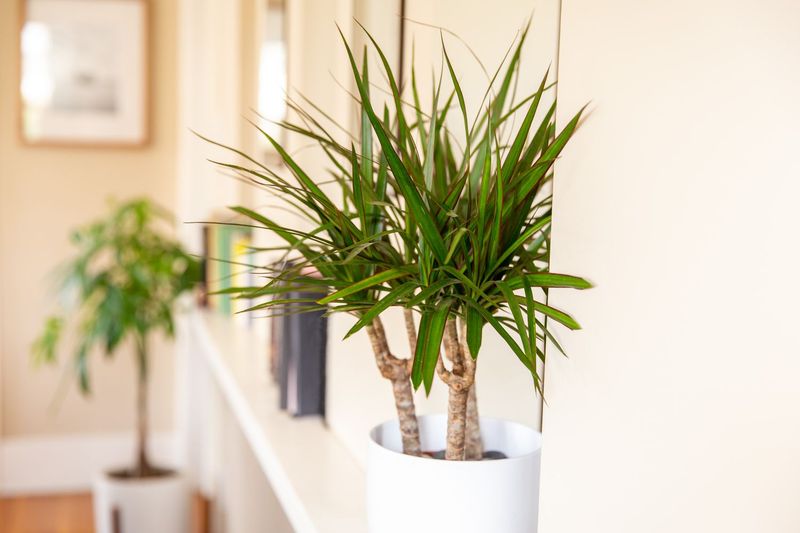
Dracaenas are popular for their striking foliage and hardy nature. However, direct sunlight can cause leaf discoloration and scorching. They prefer bright, indirect light and can tolerate low light conditions. This makes them ideal for offices or living rooms.
Ensure the soil dries out slightly between waterings to prevent root rot. By providing the right light and moisture levels, dracaenas will grow healthily and enhance your indoor space with their unique charm.
Their adaptability and striking appearance make them a favorite among plant enthusiasts.
12. ZZ Plant
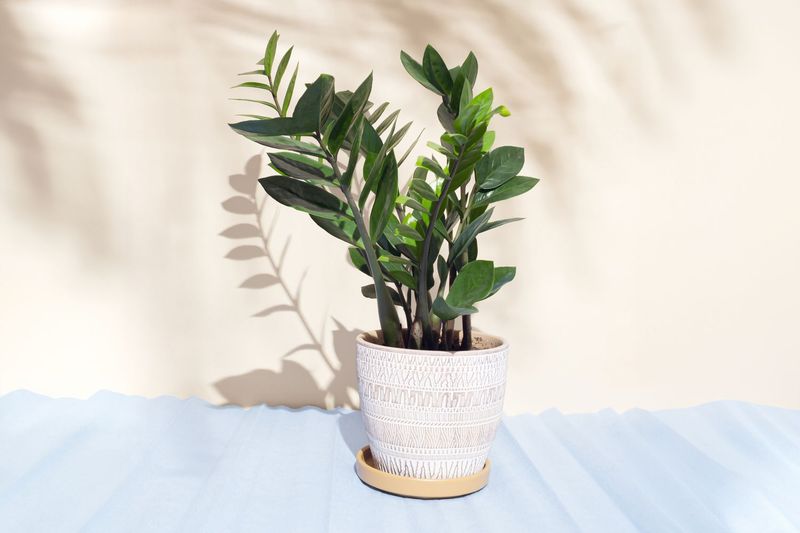
ZZ plants are beloved for their low-maintenance nature and glossy leaves. While they can adapt to various light conditions, direct sunlight can cause leaf burn and yellowing. They thrive in low to moderate light, making them perfect for offices or darker corners.
Allow the soil to dry out completely between waterings, as they are drought-tolerant plants. With minimal care and attention to their lighting needs, ZZ plants can add a touch of elegance and resilience to any indoor space. Their adaptability makes them ideal for busy individuals.
13. Alocasia
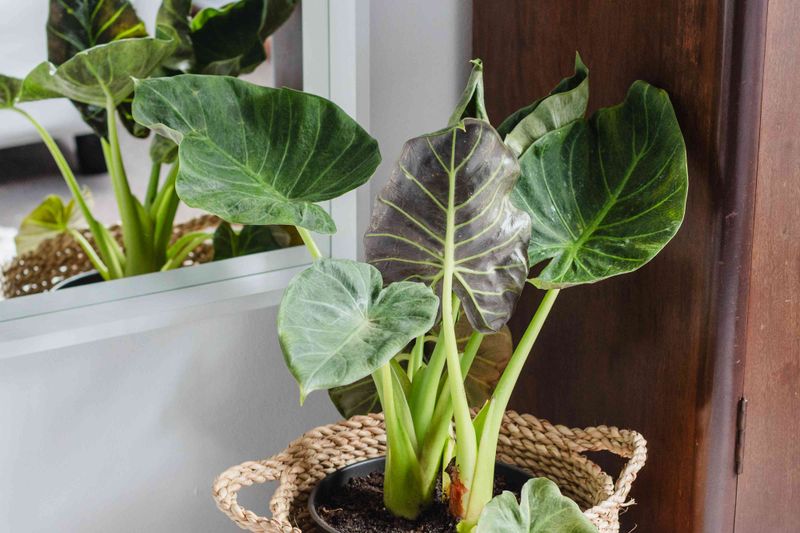
Alocasia plants, with their dramatic foliage and unique appearance, prefer environments with diffused light. Direct sunlight can scorch their large leaves, causing browning and wilting. They thrive in high humidity, making them suitable for bathrooms or kitchens.
Ensure consistent soil moisture, but avoid waterlogging. Regular misting can help maintain humidity levels. With the right care, alocasia plants can be a striking addition to your indoor garden, capturing attention with their bold shape and texture. Their exotic beauty adds a touch of elegance to any space.
14. Spider Plant
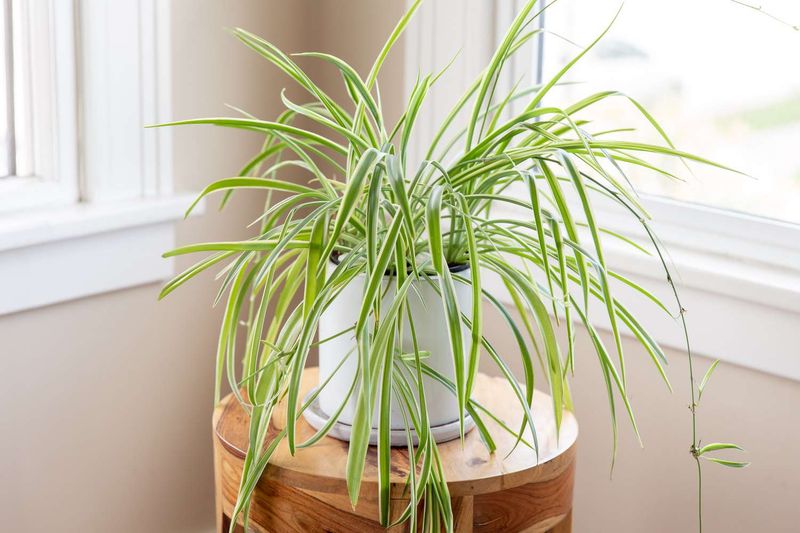
Spider plants are loved for their arching leaves and baby offshoots. While they can tolerate some light, direct sunlight can cause leaf burn and browning. They thrive in bright, indirect light, making them perfect for hanging baskets near windows.
Regular watering and occasional misting will keep them healthy. Allow the soil to dry slightly between waterings.
With the right conditions, spider plants will flourish and produce charming offshoots, adding a playful touch to any room. Their easygoing nature and unique appearance make them a popular choice for plant lovers.
15. Fiddle Leaf Fig
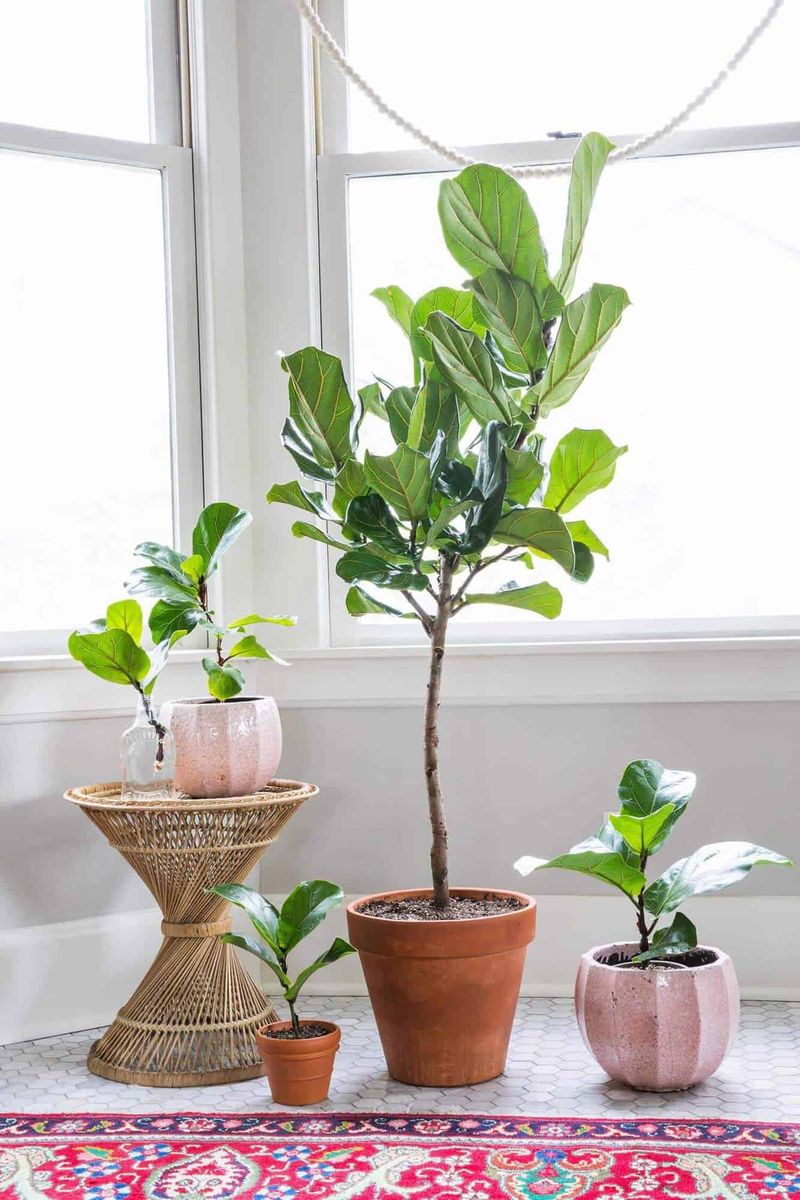
Fiddle leaf figs are known for their large, glossy leaves and dramatic presence. However, direct sunlight can cause leaf burn and browning edges. They thrive in bright, indirect light, making them perfect for well-lit rooms.
Ensure regular watering, but avoid waterlogging the soil. Allow the top inch of soil to dry out between waterings.
With the right care, fiddle leaf figs can grow into stunning indoor trees, adding a touch of elegance and sophistication to any space. Their bold appearance makes them a favorite among interior designers.
16. Anthurium
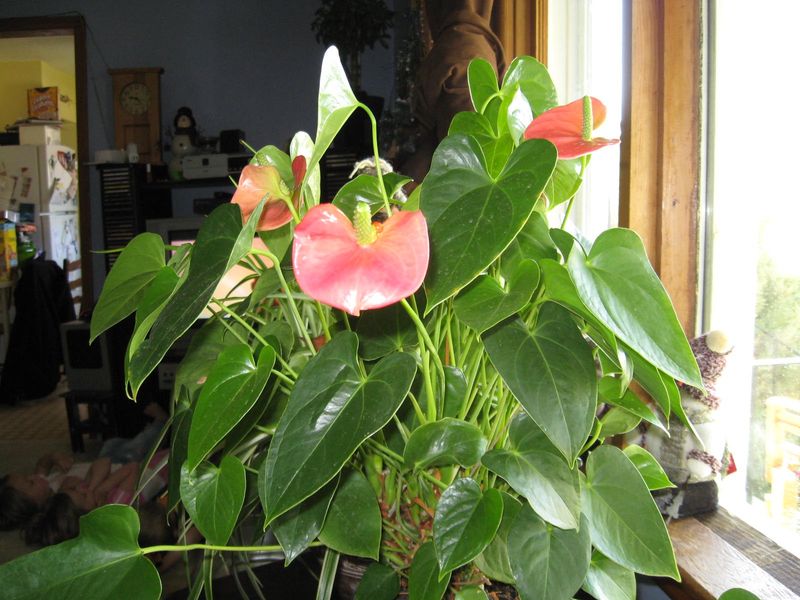
Anthuriums are admired for their striking blooms and heart-shaped leaves. However, direct sunlight can be harmful, leading to leaf burn and faded color. They thrive in bright, indirect light and high humidity.
Watering regularly and maintaining humidity will help keep anthuriums healthy and vibrant. Avoid letting the soil dry out completely.
With proper care, these plants will reward you with stunning red blooms, adding a tropical flair to your indoor space. Their exotic appearance and striking colors make them a captivating addition to any home.