 Complete Gardening
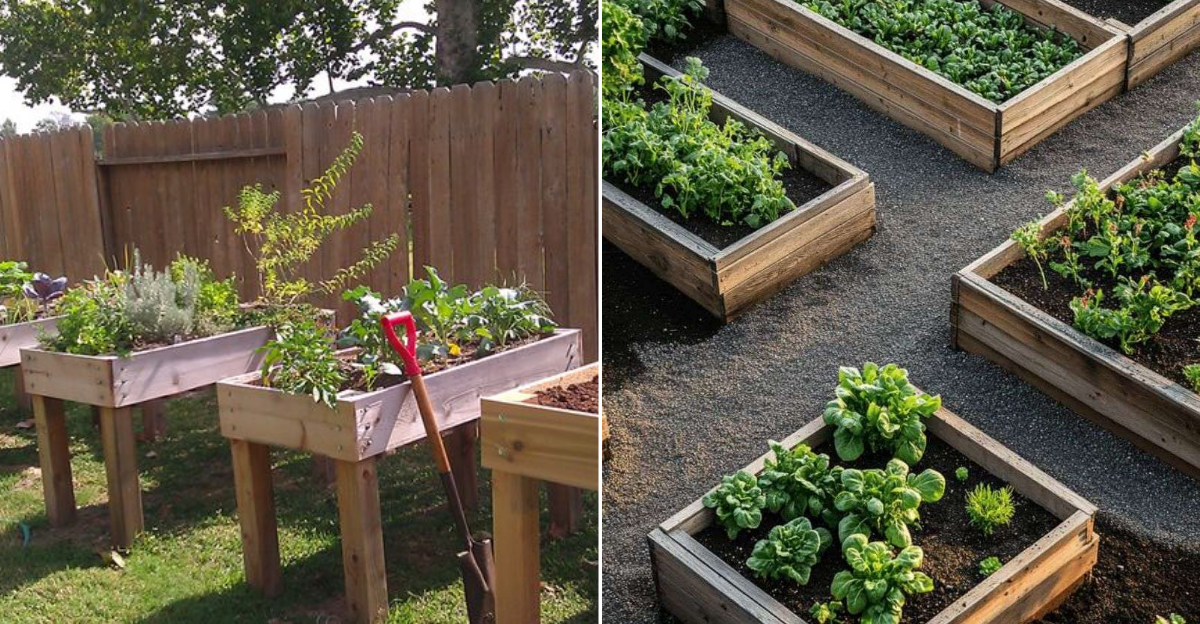
Designing a garden can be an exciting journey filled with creativity and innovation. However, not all ideas lead to success.
Understanding common pitfalls and brilliant solutions in raised bed layouts can make a significant difference in your gardening experience. From layout mishaps to ingenious designs, let’s explore what works and what doesn’t.
1. Single Straight Row Beds with No Paths
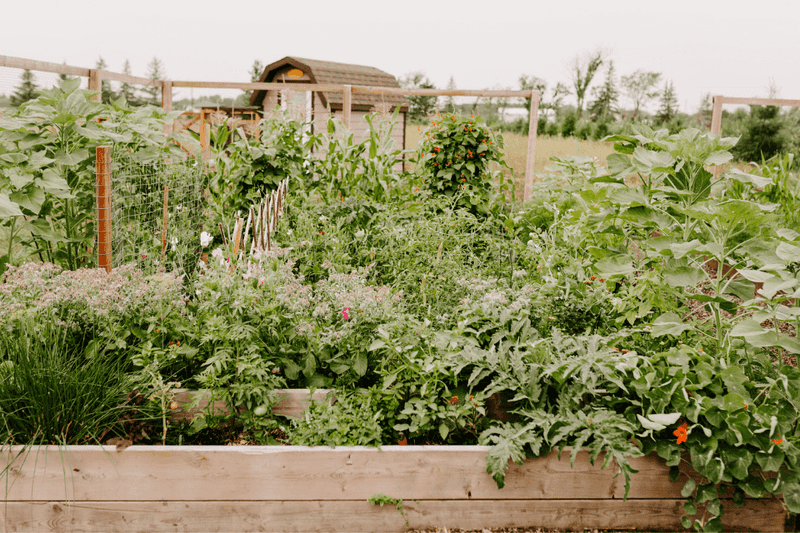
Imagine a garden where every step feels like a chore. Single straight row beds without paths might seem efficient, but they lead to compacted soil as you traverse them. Navigating becomes a balancing act, and your plants suffer from lack of aeration.
Without designated walkways, maintenance becomes a hassle. Tools scattered here and there, and the soil gets compacted with every step.
This layout may look simple, but simplicity is deceptive. Providing paths ensures you and your plants have the freedom to thrive. Think twice before adopting this seemingly efficient, yet flawed design.
2. Beds Too Wide to Reach the Middle
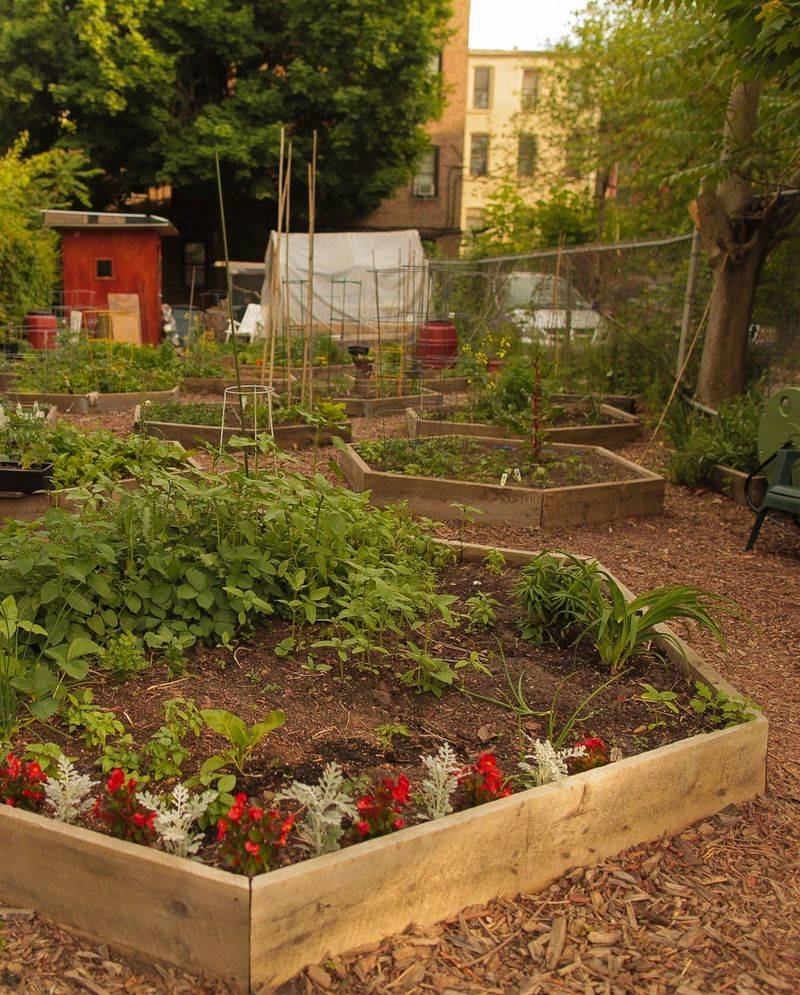
It’s a scene every gardener dreads: reaching for the middle of a broad bed, only to feel a twinge in the back. Wide beds force awkward stretches or, worse, stepping into the soil.
This design choice may look grand, but it compromises your plant care. Roots get compacted, and your back pays the price.
Gardening should be therapeutic, not a workout. Keep bed width manageable to ensure ease of access. Let ergonomics lead your design and spare yourself unnecessary discomfort. Your plants, and your spine, will thank you for this thoughtful approach.
3. Beds Placed Without Considering Sunlight
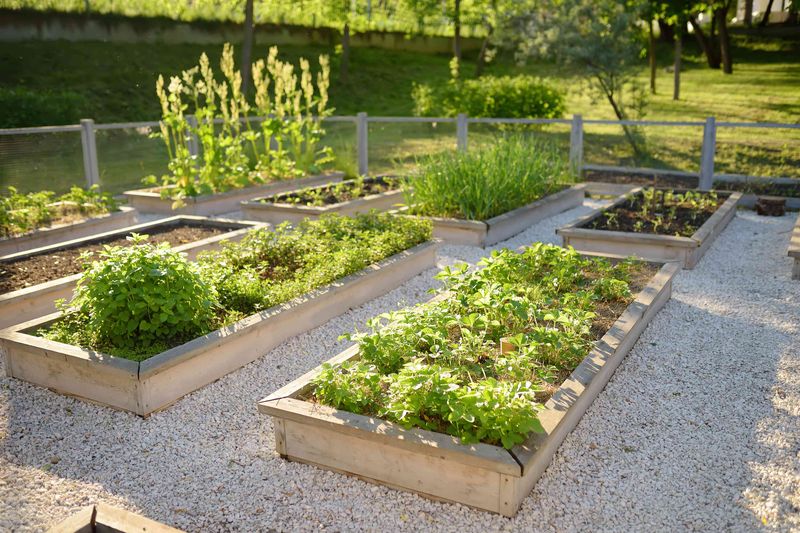
Sunlight is the lifeblood for plants, yet some gardeners overlook its vital role when placing beds. Tall crops casting shadows over their shorter companions lead to poor yields and stunted growth.
Ignoring sunlight patterns in your garden results in a lopsided, struggling ecosystem. The wrong placement can turn a flourishing garden into an unproductive plot.
Design with intention and watch your garden thrive. Plan for sunlight, ensuring every plant gets its share. Balance is key, not just in aesthetics, but in nurturing life. Your garden’s success lies in strategic sun placement.
4. No Clear Access Paths Between Beds
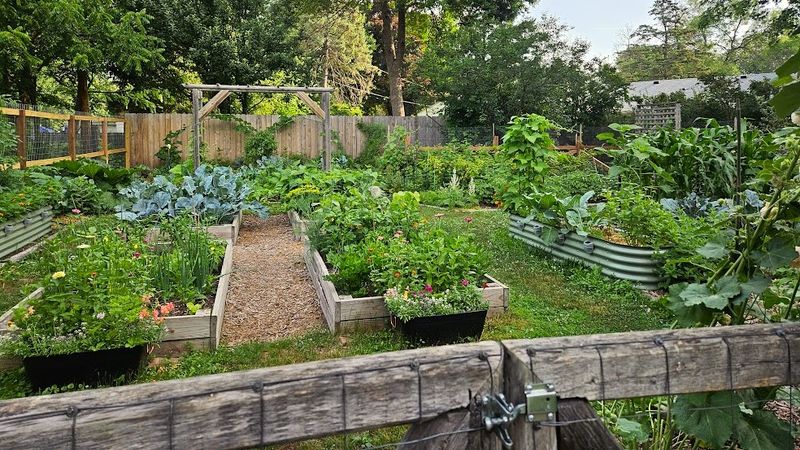
Picture a garden where you constantly tiptoe through the chaos. Without defined paths, your garden becomes a maze of confusion and trampling. Weeds flourish, making navigation with tools a daily battle.
Clear paths are your garden’s lifeline, offering a structure that guides and protects. Without them, maintenance turns cumbersome, and plants often bear the brunt.
Create paths that invite exploration and ease. Let your garden breathe and flow with well-thought-out access. The difference is palpable, transforming a cluttered space into a harmonious haven. Simplicity and order pave the way for thriving greens.
5. Scattered, Random Placement
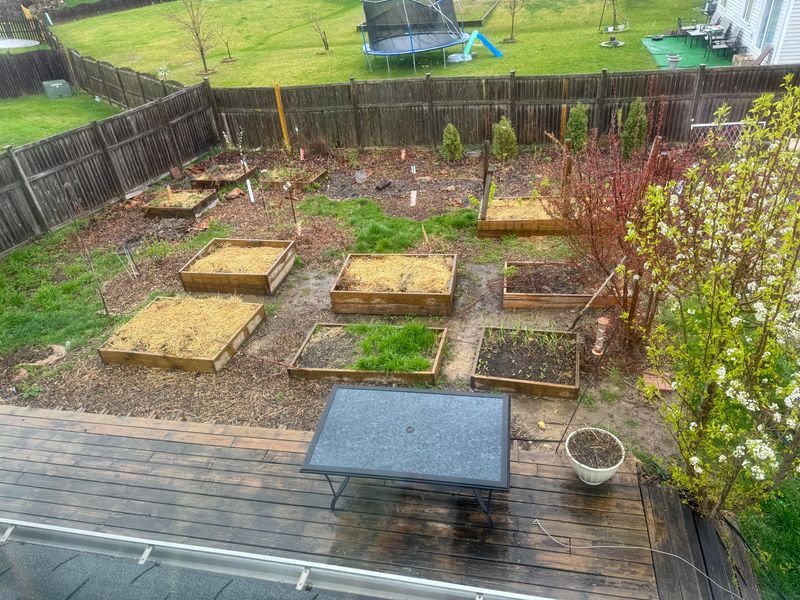
Random placement of beds turns your garden into a jigsaw puzzle without a picture. This haphazard layout wastes space and disrupts irrigation, leaving plants parched or drowned.
A thoughtful design enhances functionality. Randomness only breeds inefficiency, leading to uneven growth and a lack of cohesion.
Embrace a systematic approach to your garden layout. It maximizes space and supports efficient watering and companion planting. A well-organized garden reflects careful planning and intention, fostering a sense of harmony and productivity. Let order guide your design for a flourishing, beautiful garden.
6. Beds Built on Uneven or Sloped Ground (Without Adjustments)
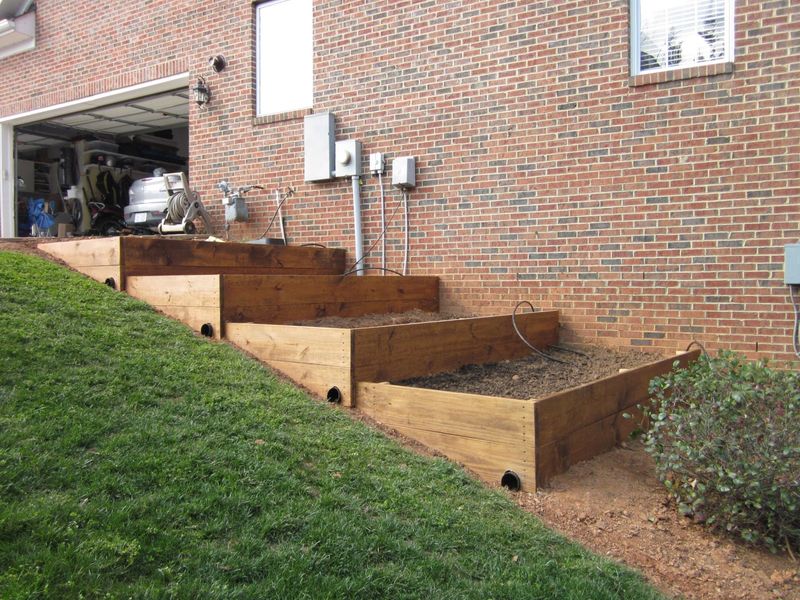
Gardening on sloped ground without adjustments is an invitation for disaster. Water runoff erodes soil, depriving your plants of nutrients and making watering inconsistent.
This oversight creates a frustrating gardening experience as plants struggle to adapt to the uneven conditions. Your efforts in planting are undermined by the unbalanced terrain.
Level the playing field by adjusting beds to the slope. This ensures even water distribution and prevents soil erosion. Embrace the natural contours with strategic planning, transforming challenges into opportunities for growth. Your garden will thrive with this mindful approach.
7. Overcrowding Beds Too Close Together
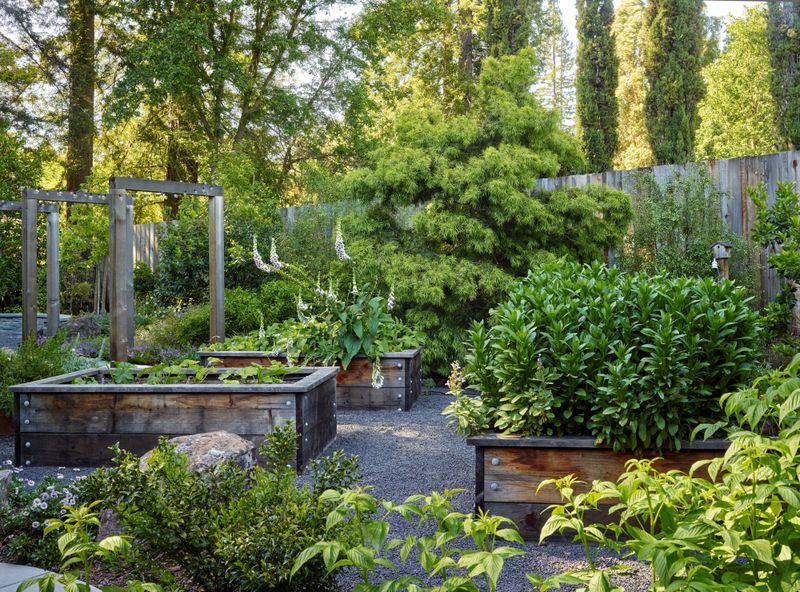
A garden packed with beds may seem efficient, but it quickly becomes claustrophobic. Overcrowding restricts air circulation, inviting diseases and reducing plant vigor.
Initial aesthetics deceive as plants fight for space and resources, leaving little room for tools or even a stroll. The garden’s charm fades amidst the chaos.
Prioritize space in your design. Allow air to flow and plants to breathe. Create a garden that’s as functional as it is pleasing. Space is as vital as sunlight or water, fostering a thriving, lively environment. Your garden deserves room to flourish.
8. Inflexible Bed Sizes That Don’t Fit Your Space
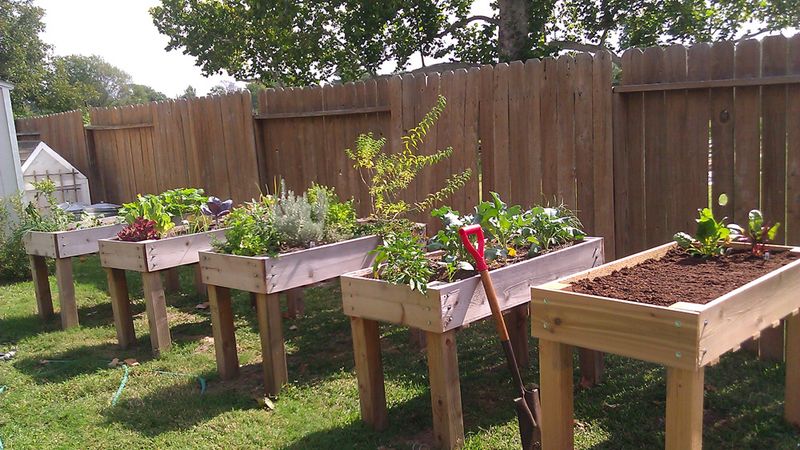
Pre-built beds can be tempting, yet their rigidity often clashes with your unique space. Inflexible sizes waste valuable gardening area, limiting creative potential.
Every garden is different, and customization is key. Shoe-horning beds into spaces makes for awkward layouts and reduced functionality.
Embrace adaptability in your garden design. Customize beds to fit your vision and space, unlocking your garden’s potential. Functionality and aesthetics blend when beds are tailored. Your garden becomes a testament to creativity and clever design, maximizing every inch of space.
9. No Central Focal Point or Flow
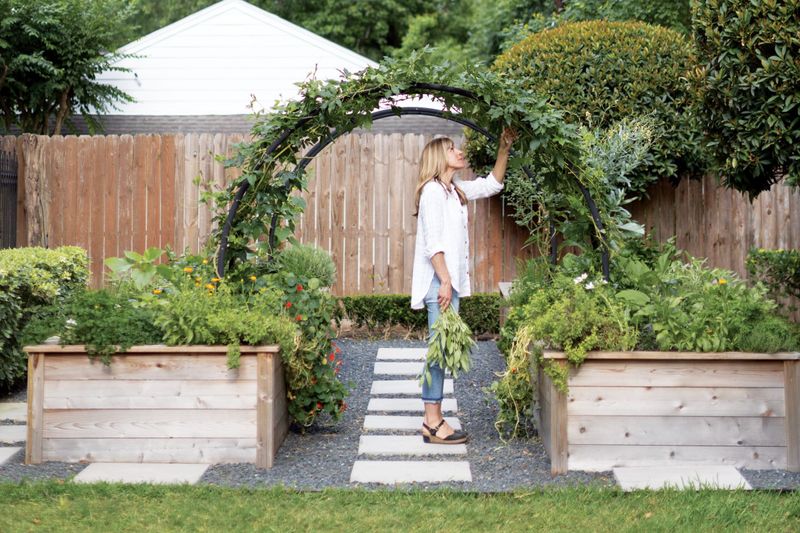
A garden without a focal point is like a story without a plot. It feels disjointed, lacking cohesion and flow. Plants are scattered, creating a sense of chaos rather than calm beauty.
Without a guiding feature, gardens feel less inviting and more like a collection of random elements. Visitors and gardeners alike struggle to find harmony.
Craft a central feature or theme to draw the eye and guide the experience. Whether a sculpture, a tree, or a water feature, let it anchor your design. Your garden becomes a narrative, where every plant and path has purpose.
10. Placing Beds Against Fences or Walls Without Clearance
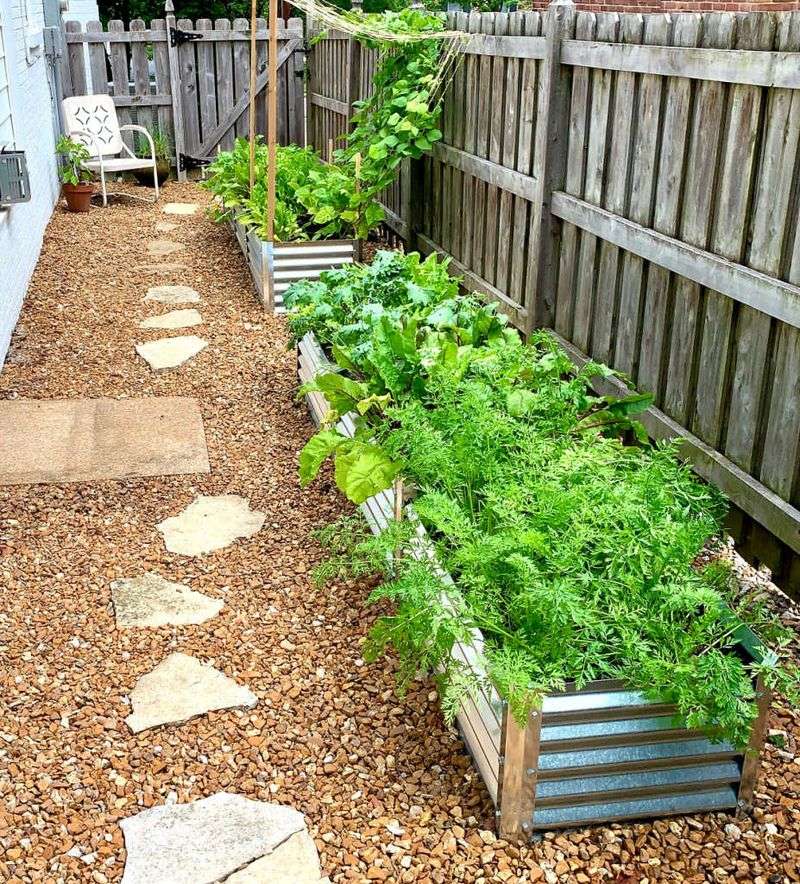
Placing beds flush against fences or walls restricts access, complicating maintenance and harvests. This oversight limits your ability to care for plants, turning simple tasks into challenges.
Imagine squeezing into tight spaces, struggling to reach ripe produce. Such designs hinder more than they help, stifling garden potential.
Ensure clearance behind beds for easy reach and airflow. This thoughtful spacing encourages healthier plants and eases your gardening routine. Your garden becomes accessible, efficient, and a joy to work in. Let space and functionality guide your design choices.
1. U-Shaped Layout
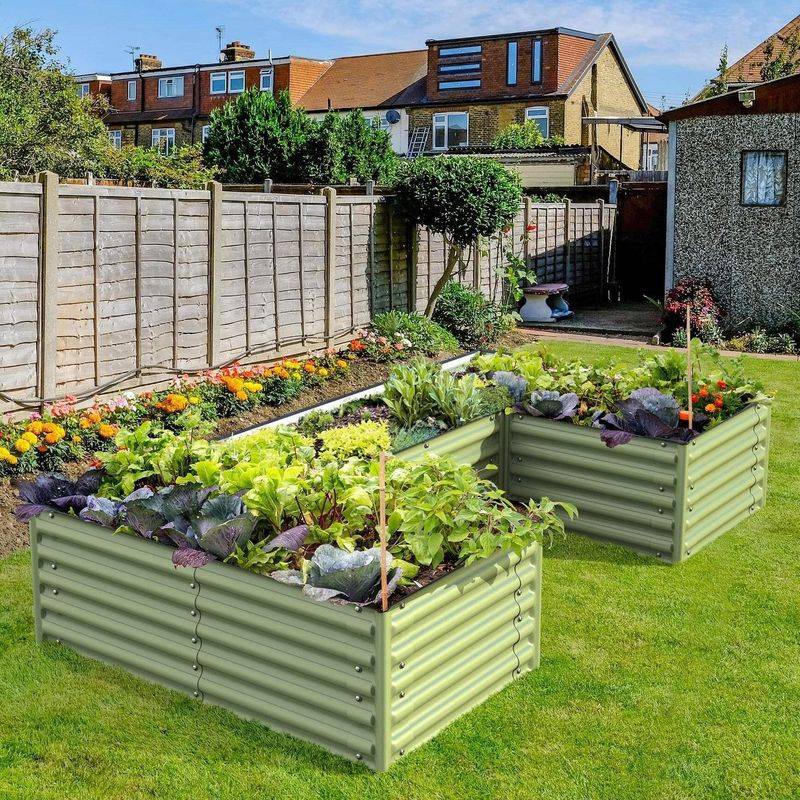
Imagine a garden that wraps around you like a gentle embrace. The U-shaped layout brings every plant within arm’s reach, transforming small spaces into efficient havens.
This design maximizes accessibility, allowing gardeners to tend to plants with ease. It harmonizes functionality with aesthetics, creating a welcoming and productive environment.
Perfect for compact areas, the U-shaped layout marries beauty and utility. It’s a testament to clever design, where every inch is thoughtfully utilized. Your garden becomes a sanctuary of growth and nurture, providing joy and satisfaction at every turn.
2. Keyhole Garden Layout
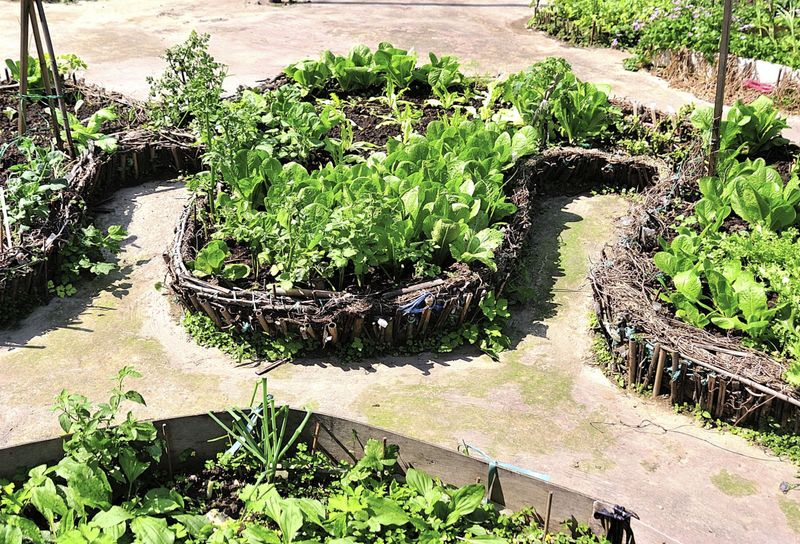
Step into innovation with the keyhole garden layout. This circular design features a central access point and compost basket, creating a self-sustaining and compact ecosystem.
It’s an efficient marvel where waste becomes nourishment, and space is optimized for productivity. The keyhole design supports diverse planting in a small footprint.
Perfect for sustainability enthusiasts, it offers an eco-friendly solution. The circular shape is both functional and visually appealing, transforming gardens into thriving microcosms. Embrace this ingenious layout for a garden that nurtures both plants and planet.
3. Grid or Block Layout with Mulched Paths
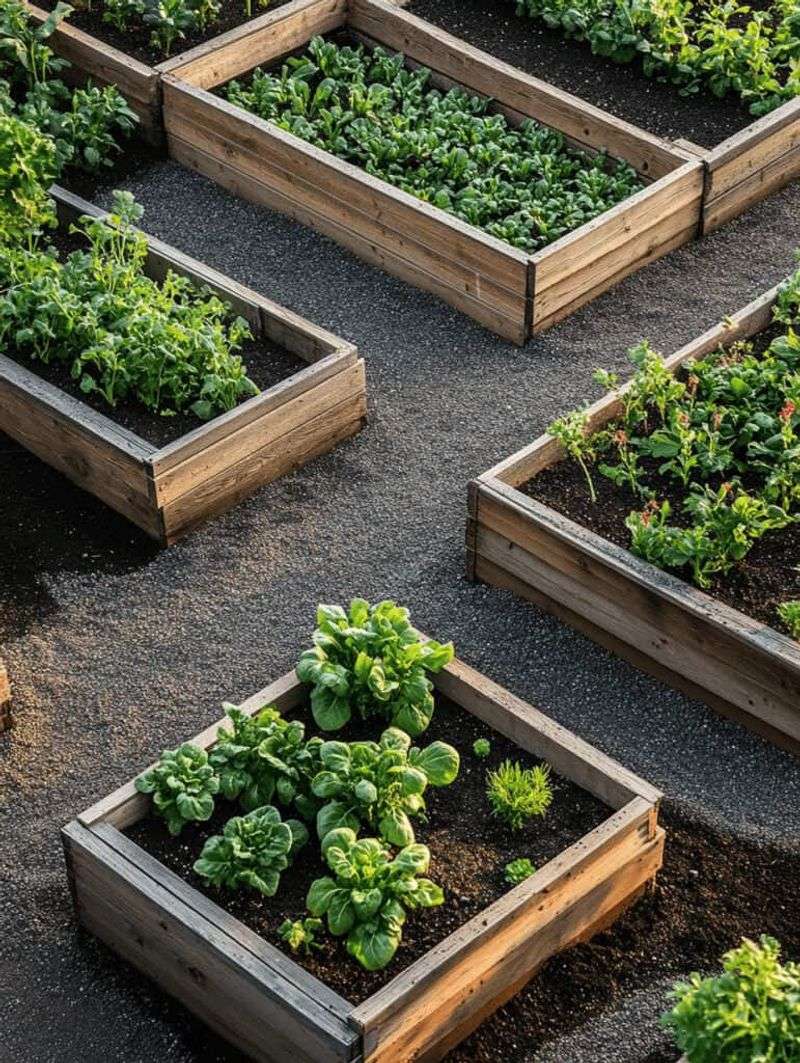
Welcome to the world of order with a grid or block layout. Defined mulched paths lead the way, enhancing organization and efficiency. This design ensures every plant has its place, promoting healthy growth and easy navigation.
Crop rotation becomes a breeze, and maintenance is simplified in this orderly arrangement. The visual appeal of clean lines and structured paths is undeniable.
Transform your garden into a model of precision and productivity. Let the grid design guide your gardening journey, offering a harmonious blend of beauty and function.
4. L-Shaped Corner Beds
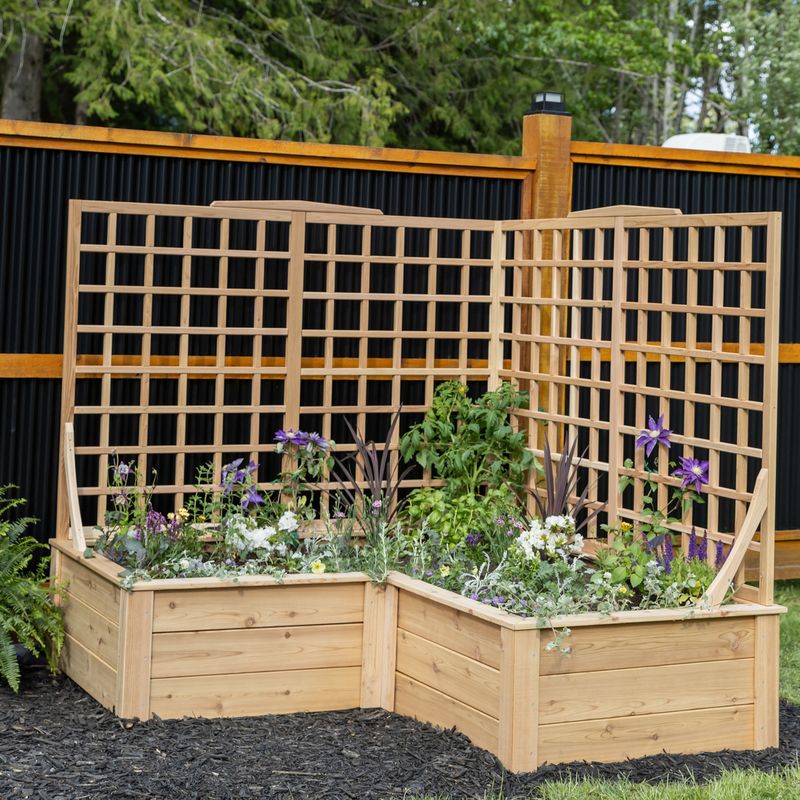
Transform awkward corners into opportunities with L-shaped corner beds. These beds snugly fit into spaces often overlooked, making them perfect for wrapping around patios or sheds.
This design utilizes space efficiently, turning potential dead zones into flourishing areas of growth. It adds a unique visual dimension to garden layouts.
Embrace the versatility of the L-shape for a garden that maximizes every nook and cranny. Your space becomes a testament to innovation and creativity, proving that no corner is too small for beauty and productivity.
5. Horseshoe Layout
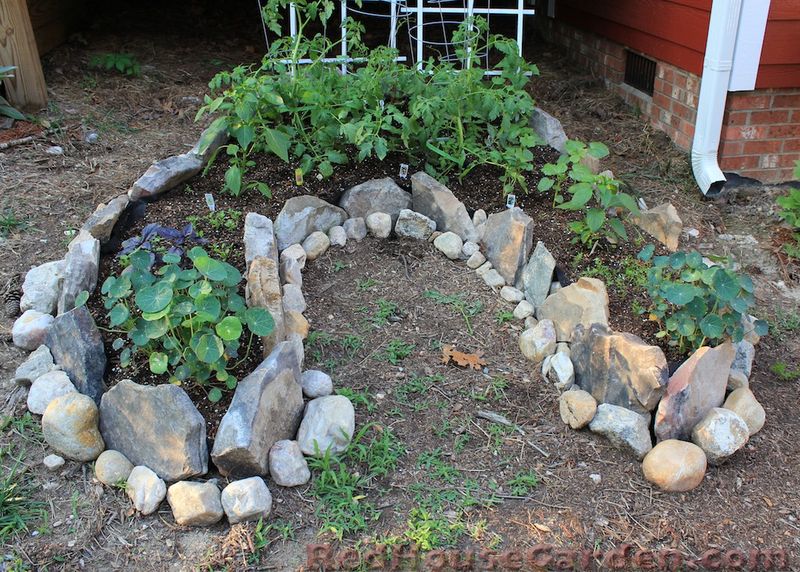
Imagine a garden that welcomes you with open arms. The horseshoe layout combines accessibility with visual charm, making it a focal point in any setting.
This design offers an inviting pathway into the heart of your garden, where beauty meets function. Ideal for friendly gatherings or serene solitude, it transforms spaces into destinations.
Experience the blend of form and function with the horseshoe layout. It’s a design that encourages exploration and engagement, perfect for those who see gardens as living art. Your garden becomes both a retreat and a masterpiece.
6. 4-Bed Rotational Layout (North-South Orientation)
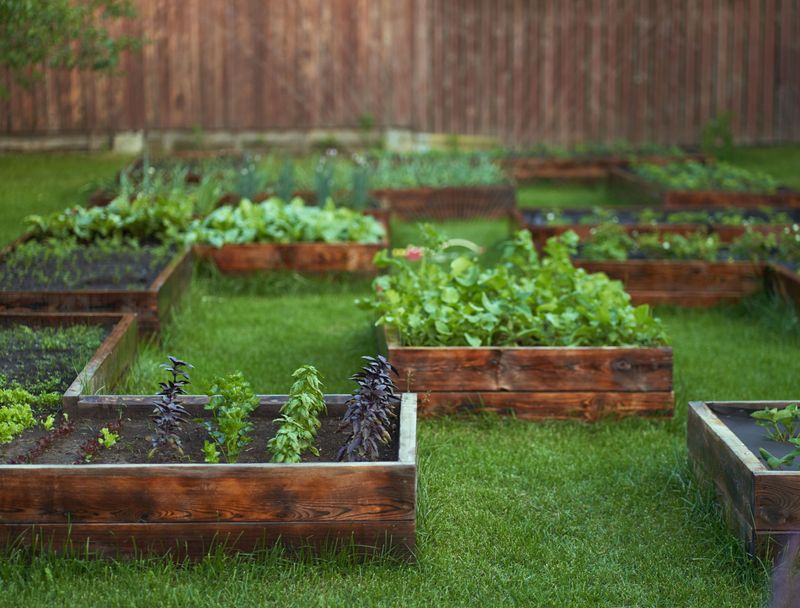
Strategize with the 4-bed rotational layout, a design that harmonizes sun exposure and crop rotation. Aligned north-south, it ensures each bed receives consistent sunlight, fostering robust growth.
This thoughtful design supports sustainable gardening practices, enhancing productivity year-round. It’s perfect for gardeners keen on maximizing yields and maintaining soil health.
Let the rotational concept guide your garden’s success. It’s a testament to strategic planning and long-term vision, promising a vibrant, sustainable garden. Align your beds with nature’s rhythms and watch your garden flourish.
7. Vertical or Tiered Raised Beds
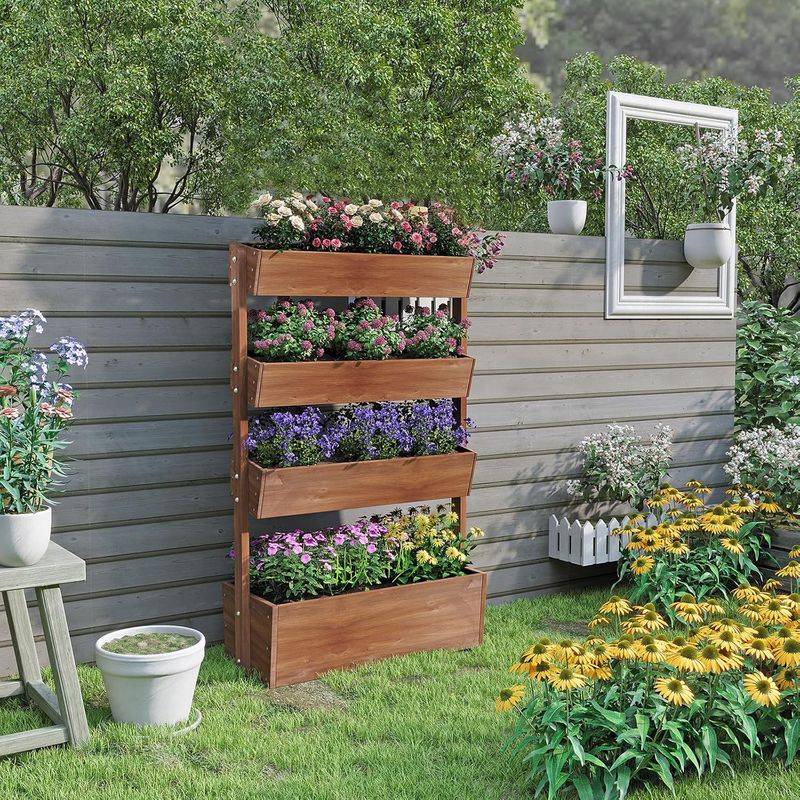
Urban gardening meets innovation with vertical or tiered raised beds. Perfect for patios or small yards, this design makes the most of vertical space.
Enjoy the lush greenery at eye level, where aesthetics meet practicality. These beds allow for diverse planting in compact areas, turning limited space into abundant gardens.
Discover the joy of towering beauty with vertical beds that reach for the sky. They redefine gardening possibilities, offering a fresh perspective and new heights of creativity. Your patio becomes a verdant oasis of flourishing life.
8. Modular, Movable Bed Systems
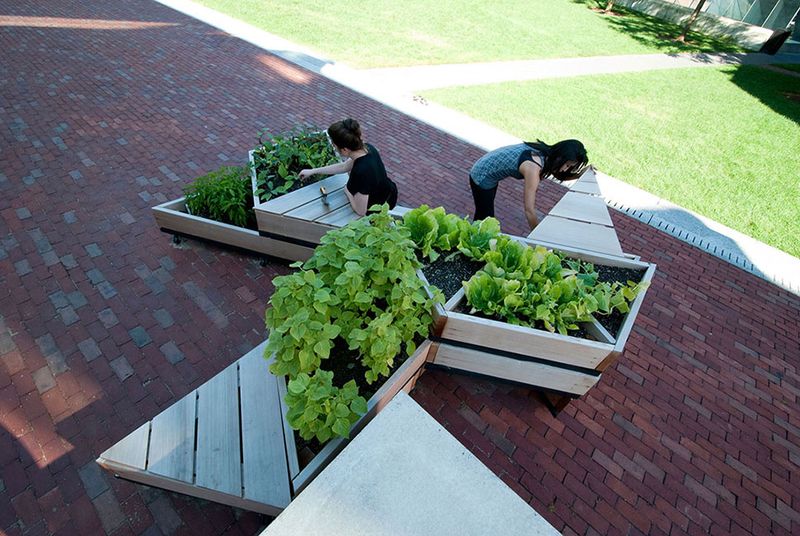
Welcome to the future of flexibility with modular, movable bed systems. These lightweight frames can be rearranged seasonally, adapting to changing needs and creative impulses.
Gardening becomes a dynamic experience, where you redesign with ease and excitement. Embrace the freedom to experiment with layouts, optimizing space and function.
Your garden evolves along with your vision, offering endless possibilities. Movable beds are the ultimate in adaptability, turning gardening into a playful, ever-changing adventure. Let your creativity run wild and watch your garden transform with every new idea.
9. Symmetrical Layout with Central Gathering Area
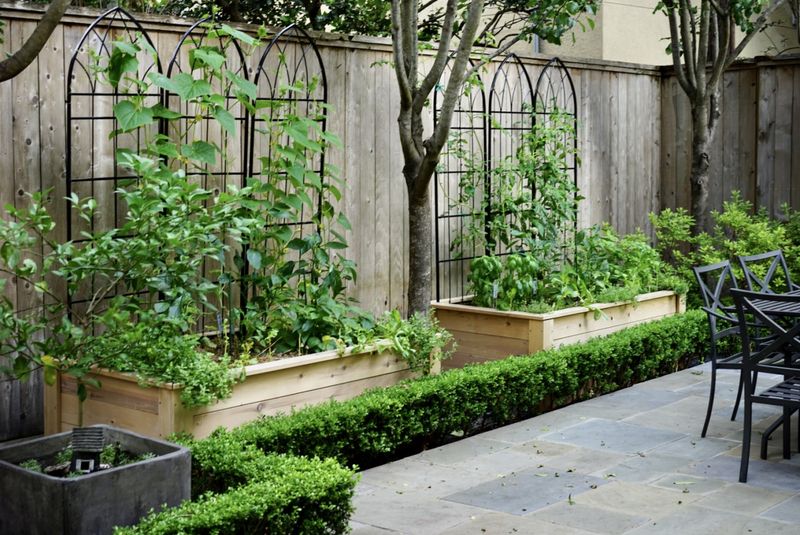
Step into a world where gardens become gathering grounds. A symmetrical layout with a central area invites conversation and connection, blending beauty with purpose.
This design offers a balanced visual appeal, providing both structure and space for relaxation. It’s ideal for family gardens or social events, where plants and people thrive together.
Experience the harmony of symmetry and community. Your garden becomes a living space, where nature and nurture coexist beautifully. Craft a garden that’s not just grown, but truly lived in, offering joy and serenity.