
Explore the enchanting world of birds whose songs fill our gardens and woods with symphonic beauty. From the mimicry of the Northern Mockingbird to the flute-like notes of the Wood Thrush, each bird brings a unique melody to nature’s choir.
These avian songsters offer not just music, but a glimpse into the vibrant ecosystems they inhabit. Join us on this melodious journey to discover 15 of the most captivating bird songs that nature has to offer.
1. Northern Mockingbird
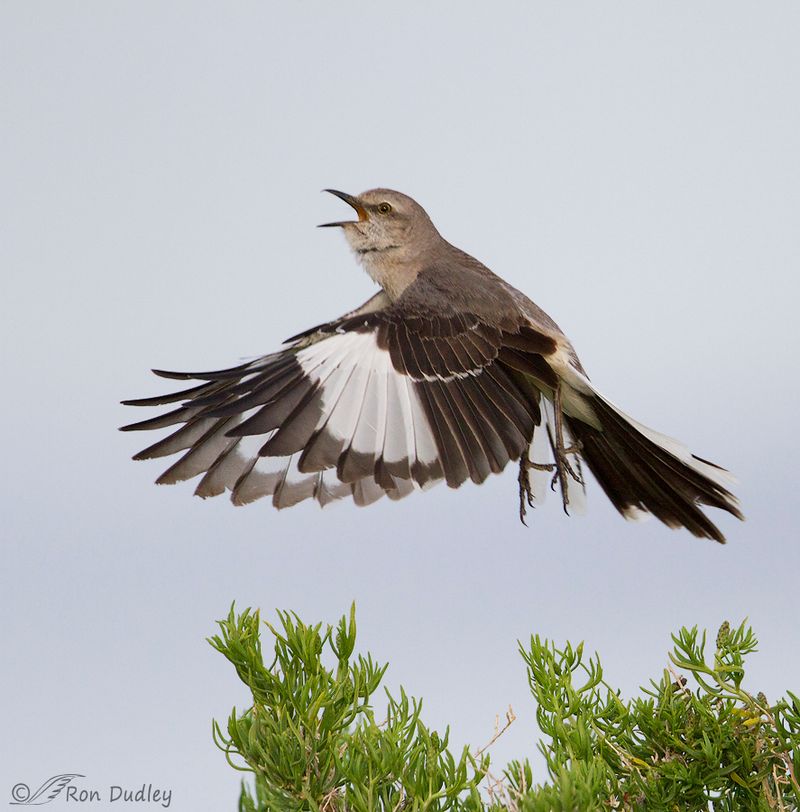
Renowned for its astonishing ability to imitate the sounds of other birds and even mechanical noises, the Northern Mockingbird is a virtuoso of the avian world. These birds can string together medleys comprising up to 200 different tunes, captivating listeners with their diverse repertoire.
Unlike many birds, the Mockingbird performs throughout the night, especially under the light of a full moon, adding a nocturnal charm to its performance. These songsters are a common sight across the U.S., particularly in the South, where they often serenade neighborhoods with their versatile vocalizations.
2. American Robin
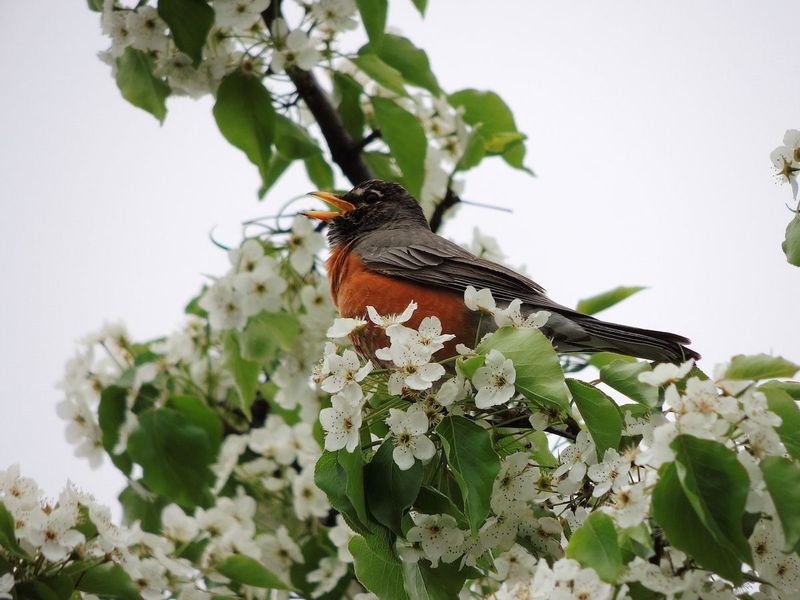
With a song that embodies the spirit of spring, the American Robin’s cheerful melody is a morning staple in gardens and parks nationwide. This bird’s “cheerily-cheer-up” tune is both melodious and inviting, signaling the arrival of warmer days.
Robins are not just heralds of spring but are also gardeners’ friends, often seen hopping around in search of worms. Their vibrant orange breasts add a splash of color as they forage, making them a delightful presence for bird watchers and nature lovers alike.
3. Song Sparrow
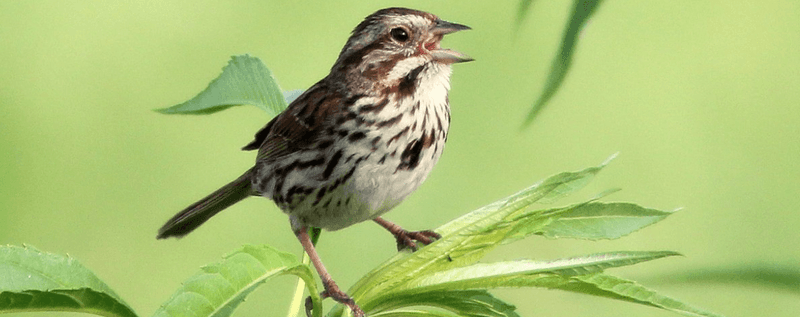
The Song Sparrow, with its rich mix of trills and buzzes, is a familiar voice in the American landscape. Each individual sparrow has its own unique version of the song, creating a tapestry of sounds that vary from region to region.
Often found in shrubs and low branches, these sparrows are versatile songsters, adapting their tunes to their surroundings. Their melodic contributions to nature’s symphony make them a beloved bird among both amateur and experienced birdwatchers.
4. Eastern Bluebird
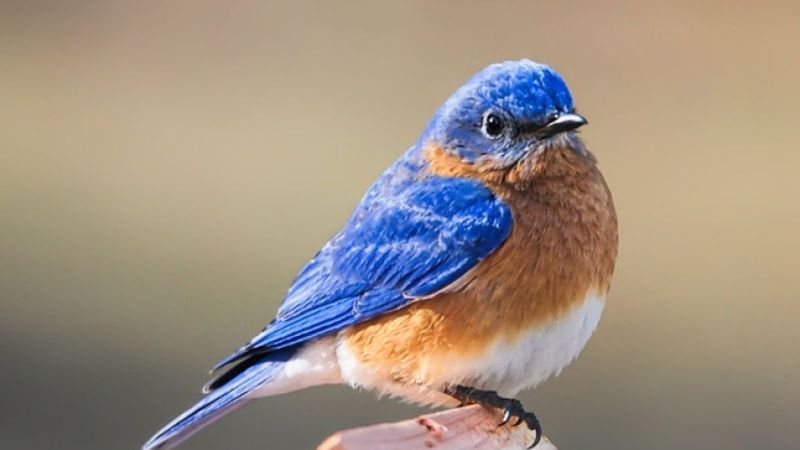
The Eastern Bluebird’s gentle warbles are like a soft whisper of joy, resonating sweetly through meadows and open fields. These small thrushes are often seen flitting near nest boxes, their bright blue plumage contrasting beautifully with the greenery around.
As symbols of happiness and prosperity, bluebirds bring a sense of peace and contentment to those who listen to their harmonious calls. Their presence is a welcome addition to any garden or backyard, offering both visual and auditory delight.
5. Wood Thrush
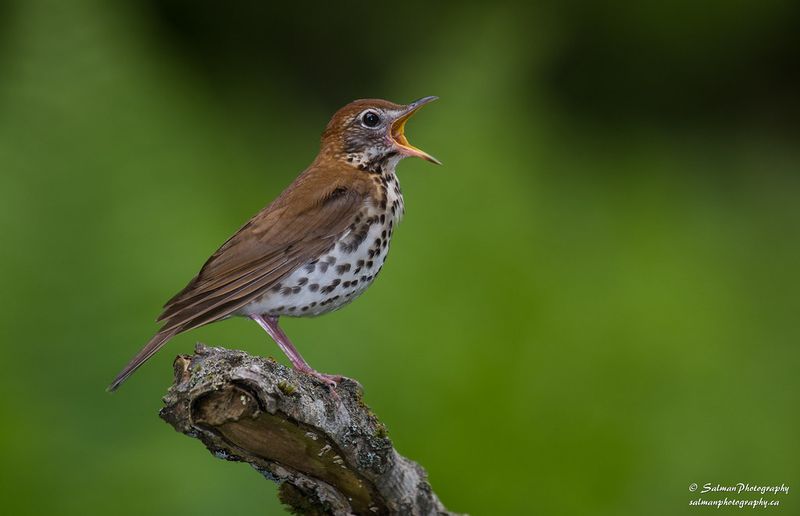
The Wood Thrush’s flute-like notes are a hauntingly beautiful addition to the forest soundscape. Revered for its ethereal and melancholic song, this bird enchants listeners with its serene, echoing calls that seem to float through the trees.
Found in Eastern forests, the Wood Thrush prefers quiet, shaded areas where its song can resonate without interruption. Its music is not just a display of beauty but also an important communication tool, marking territory and attracting mates.
6. Carolina Wren
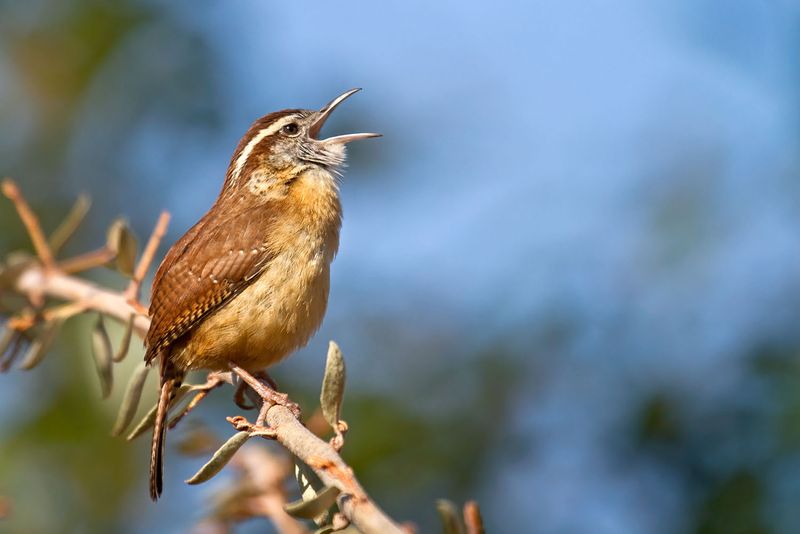
Though small in size, the Carolina Wren packs a punch with its surprisingly loud and bold “tea-kettle, tea-kettle, tea-kettle” tune. These energetic birds are often seen flitting around porches and woodpiles in the Southeast and Eastern U.S., their bright songs an uplifting presence in any environment.
Known for their curiosity and liveliness, Carolina Wrens add a cheerful energy to gardens, engaging both the ear and the eye with their spirited performances.
7. Hermit Thrush
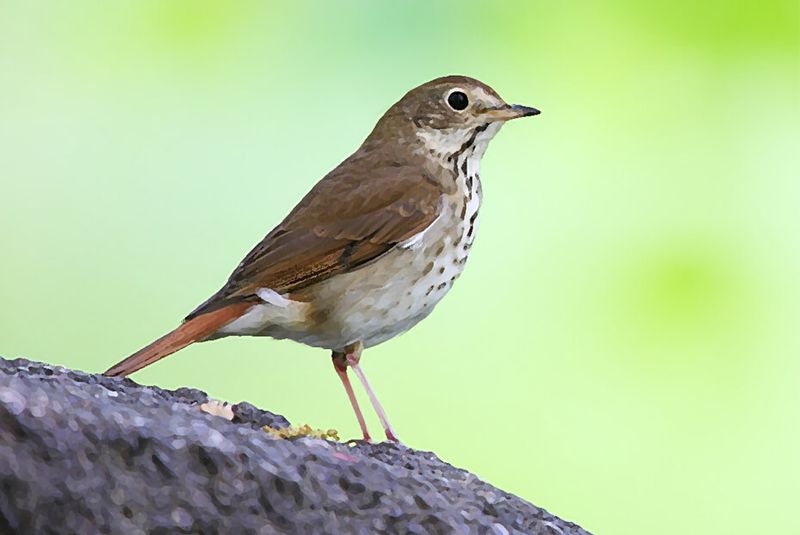
With its clear, bell-like phrases, the Hermit Thrush delivers one of the most enchanting songs in North America. This bird’s spiritual and reverent melodies resonate through the woods, offering a tranquil and meditative experience for those who pause to listen.
Found in wooded areas across the North and West, the Hermit Thrush’s song is a soothing antidote to the hustle and bustle of everyday life, inviting contemplative moments of peace and reflection.
8. Western Meadowlark
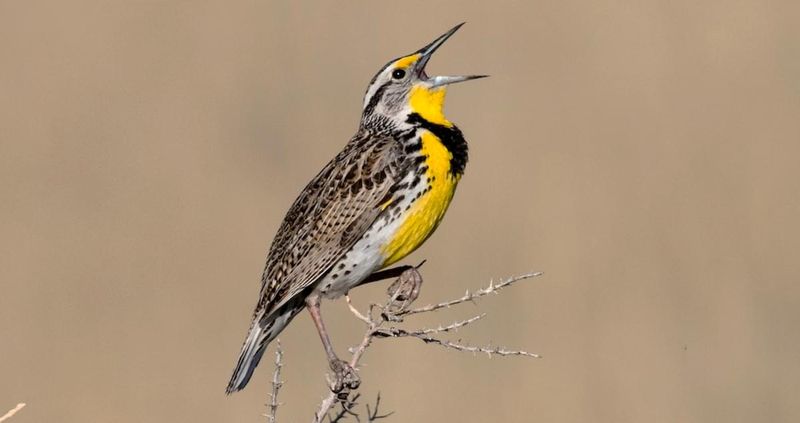
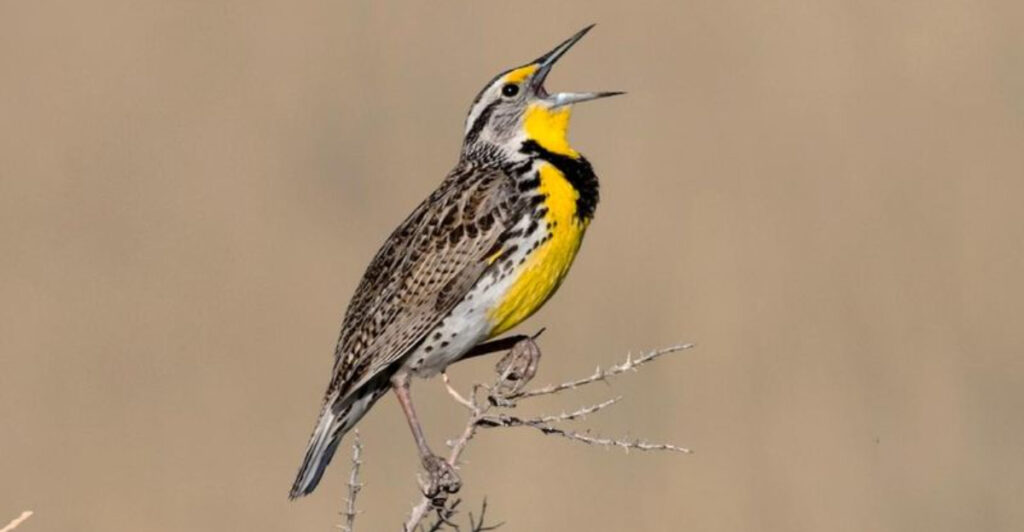
The Western Meadowlark’s song is a rich, flute-like melody that dances across the open grasslands of the Midwest and Western U.S. Known for its vibrant gurgling tones, this bird’s song carries effortlessly over vast distances, uniting the landscape with its joyful refrain.
Meadowlarks are not only gifted singers but also visually striking with their bright yellow underparts and distinctive black ‘V’ on the chest. Their presence in the fields is a reminder of the natural beauty and harmony inherent in wide-open spaces.
9. Northern Cardinal
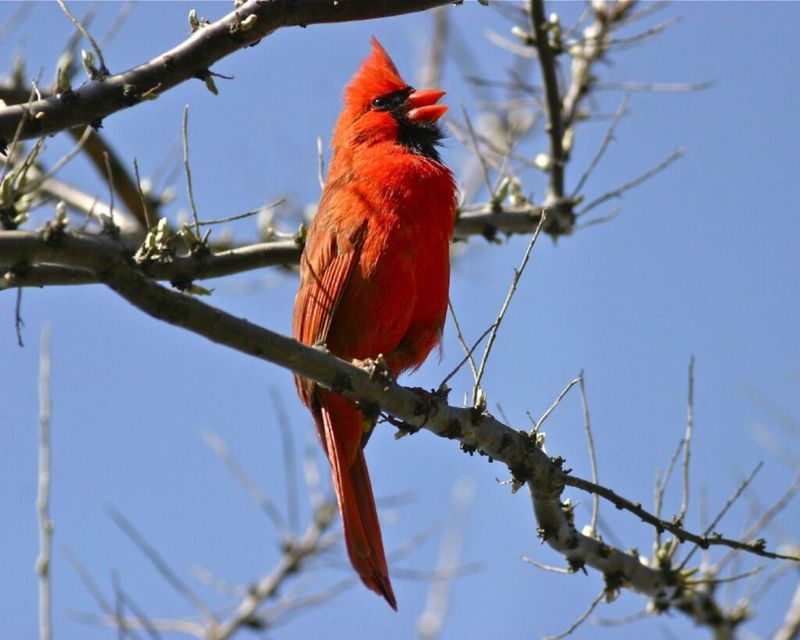
The Northern Cardinal’s whistled tunes are as striking as its vivid red feathers. Known for songs like “cheer-cheer-cheer” or “birdie-birdie-birdie,” these birds add both visual and auditory elegance to gardens across the Eastern U.S.
Their bright presence in winter landscapes, when many other birds remain silent, offers a cheerful contrast to the drab hues of the season. Cardinals are year-round residents, their melodies a constant and comforting sound in many backyards.
10. House Finch
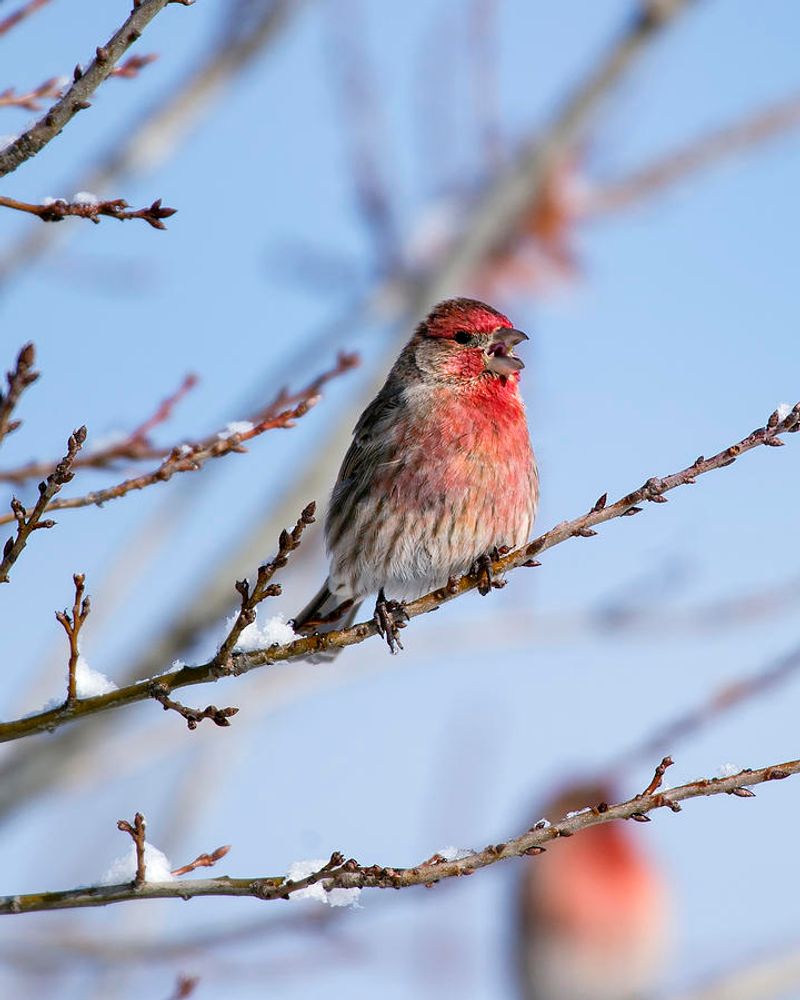
With its cheerful, warbling song, the House Finch brings a lively energy to suburban and urban landscapes across the U.S. These adaptable birds are often seen perched on rooftops or telephone wires, their bright melodies cutting through the urban noise.
Males, with their striking red plumage, use song to attract mates and establish territory, filling the air with joyful and intricate tunes. House Finches are a delightful addition to any neighborhood, their songs a constant reminder of nature’s resilience in the city.
11. Indigo Bunting
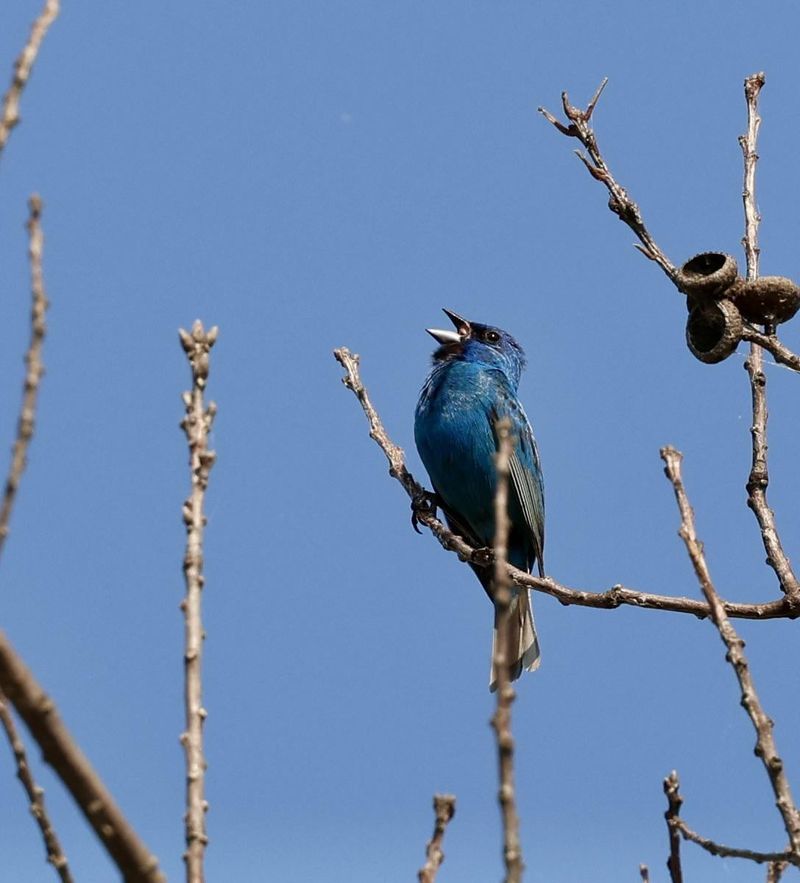
The Indigo Bunting’s high-pitched, rapid notes are like a sparkling cascade of sound, enchanting those lucky enough to hear its song. Often found along fields and brushy edges in the Eastern and Southern U.S., these birds add a vibrant splash of blue to their surroundings.
Their songs, as dazzling as their plumage, create a lively backdrop to their habitats, inviting listeners to pause and appreciate the natural world. Indigo Buntings are migratory, their melodies a seasonal treat as they travel.
12. White-throated Sparrow
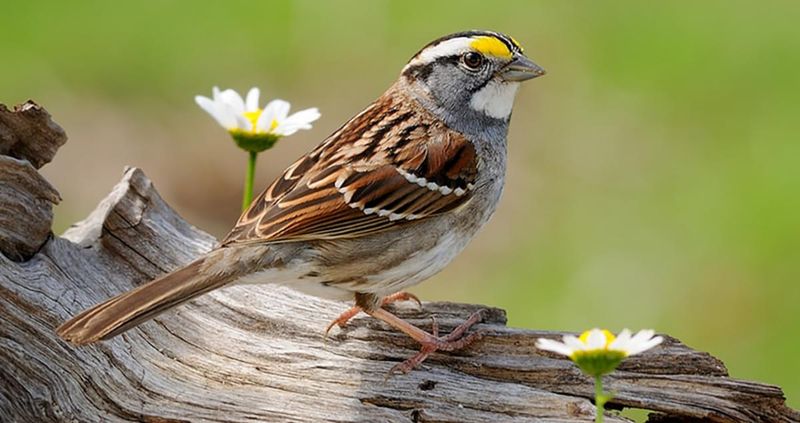
Known for its distinctive “Old Sam Peabody, Peabody, Peabody” phrase, the White-throated Sparrow’s song is both melodic and slightly wistful. These sparrows are a familiar presence in northern forests and are often heard during migration across much of the U.S.
Their simple yet evocative tunes bring a touch of nostalgia to the listener, reminding us of the changing seasons and the beauty of nature’s cycles. In winter, their clear calls provide a welcome sound amidst the quiet.
13. Baltimore Oriole
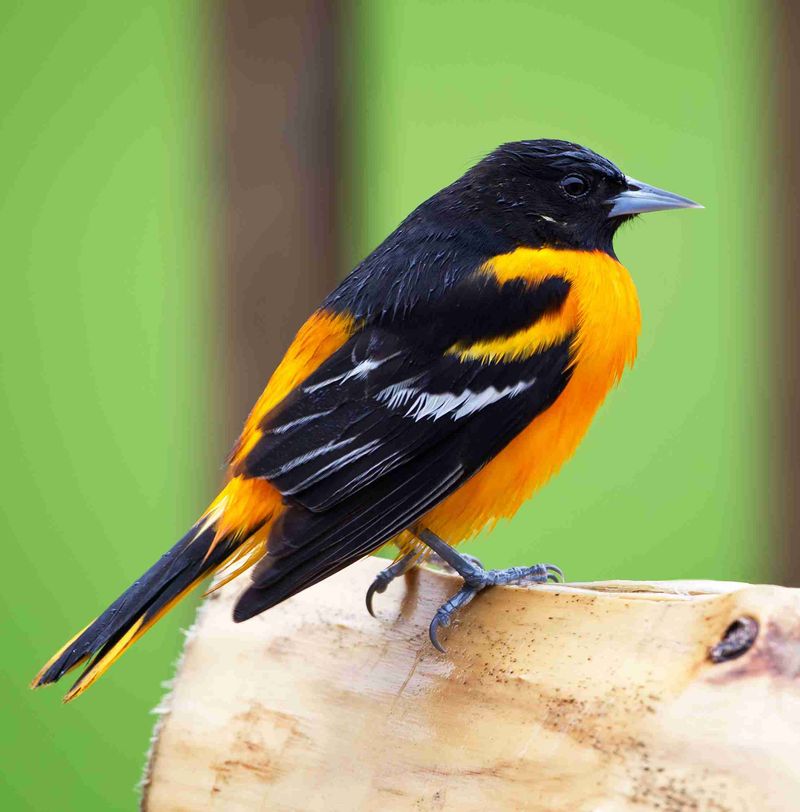
The Baltimore Oriole’s clear, flute-like whistles add a tropical flair to the Eastern U.S. gardens they frequent. Known for their striking orange and black plumage, these birds often make their presence known with their joyous calls, especially in areas rich with fruit-bearing trees.
Orioles are a vibrant symbol of summer, their melodies an uplifting part of the warm-season soundscape. Their nests, intricate hanging structures, are as impressive as their vocal talents, showcasing the birds’ skill and adaptability.
14. Tufted Titmouse
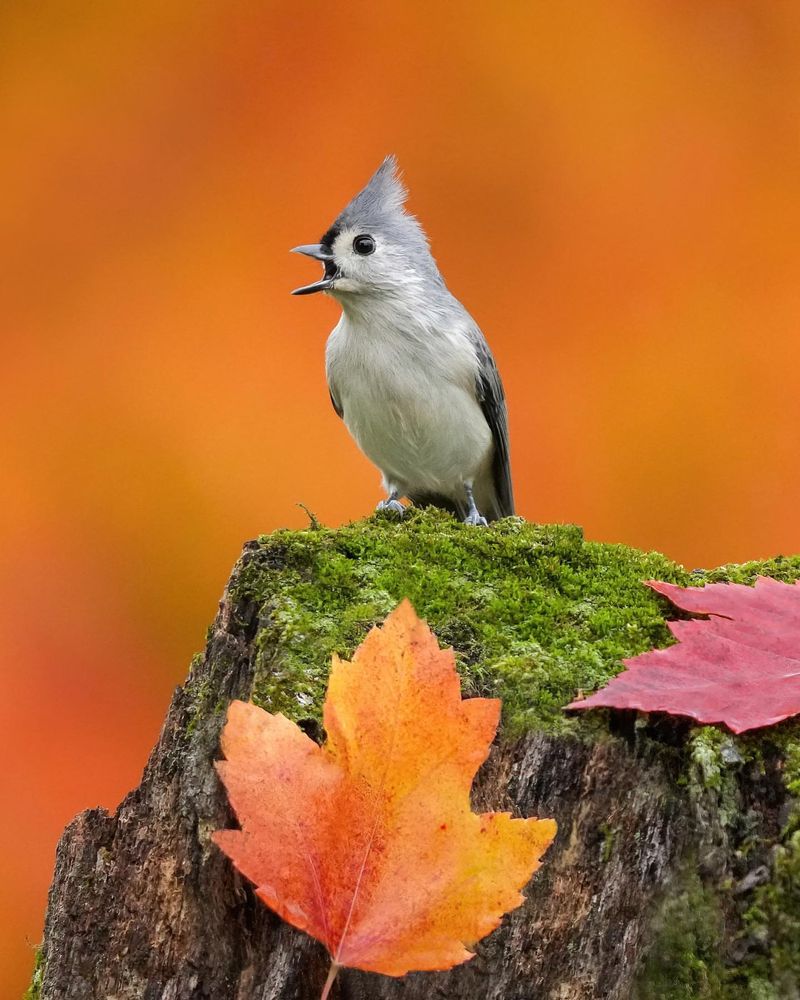
The Tufted Titmouse’s fast “peter-peter-peter” whistle is full of personality and charm, adding a lively note to wooded areas in the Eastern U.S. These small, gray birds with distinct crests are often found near feeders, where their curious and social nature shines through.
Their songs are as peppy as their demeanor, making them a favorite among birdwatchers. The Tufted Titmouse’s engaging presence and distinctive song contribute to its reputation as a delightful and entertaining member of the avian community.
15. Brown Thrasher
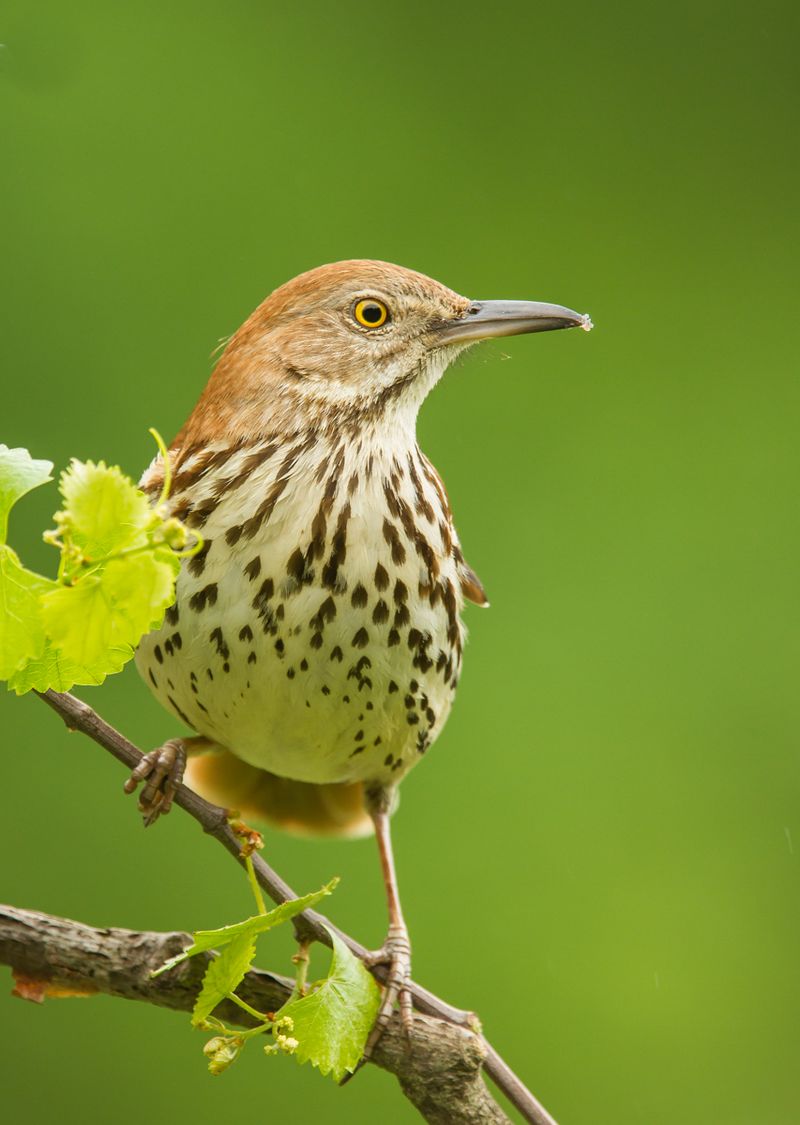
The Brown Thrasher is a master mimic, capable of singing over 1,000 different song variations, often in bold double phrases. Found in Southern and Eastern gardens, these birds are known for their remarkable vocal range and ability to imitate other birds’ songs as well as various sounds from their environment.
Their performances are both intricate and captivating, ensuring they are always a standout presence in any landscape. Brown Thrashers are not only talented singers but also play an essential role in controlling garden pests.