 Complete Gardening
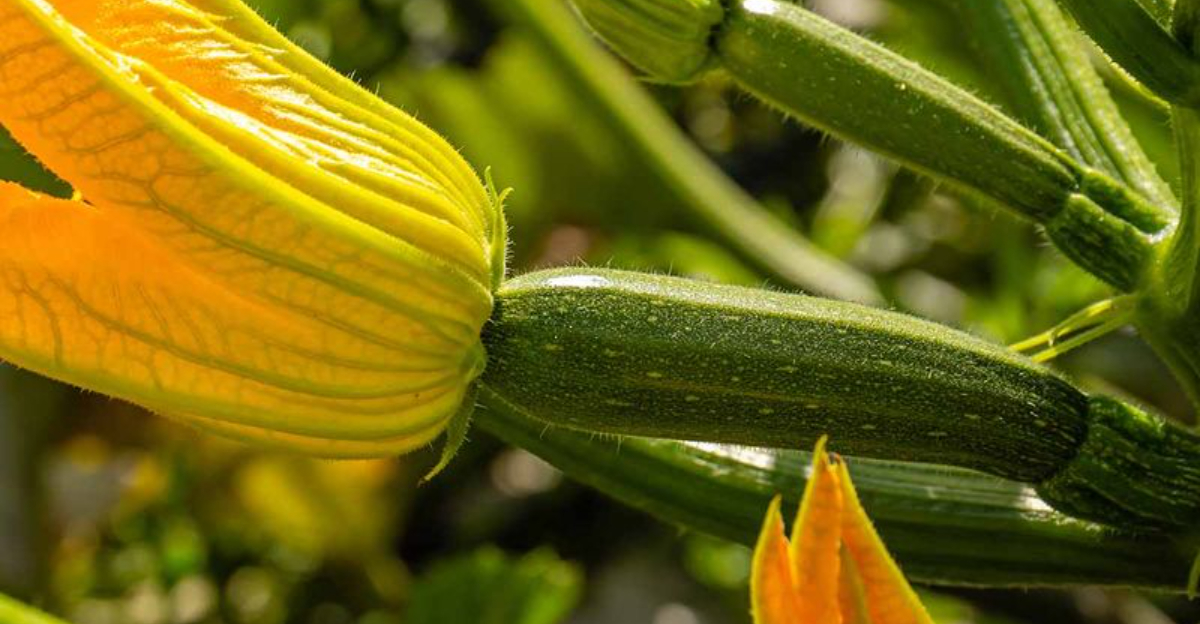
Growing monster zucchini is an art that combines the right feeding schedule with key gardening techniques. This guide reveals the secrets to nurturing these giant vegetables through timed fertilization and common pitfalls to avoid.
From prepping the soil to knowing when and how to fertilize, these tips will help you cultivate zucchinis that impress. Remember, understanding the needs of your plants and how to feed them can make all the difference.
Dive into these seven essential tips to unlock the potential of your zucchini garden this season.
1. Start With the Soil
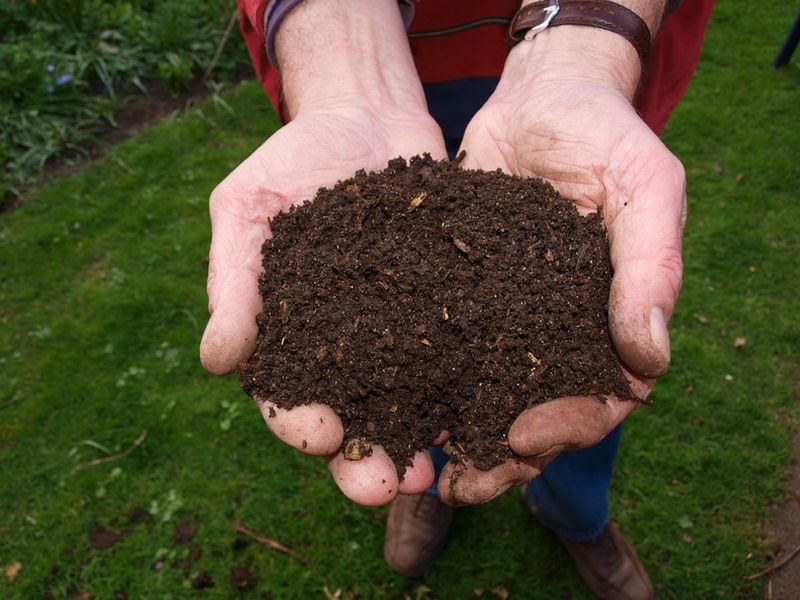
The foundation of monster zucchini lies in the soil. Enriched with a balanced slow-release fertilizer like 10-10-10 or composted manure, the soil sets the stage for growth. Why start here? Zucchini are voracious feeders, demanding a nutrient-rich beginning to thrive.
Picture yourself gently working the fertilizer into the soil, the earthy scent filling the air. Visualize dark, fertile ground ready to nurture life. This initial step is crucial, providing a solid nutrient base before germination begins. It’s a gardener’s secret to ensuring healthy, vigorous plants from the very start.
2. Fertilize at Planting Time
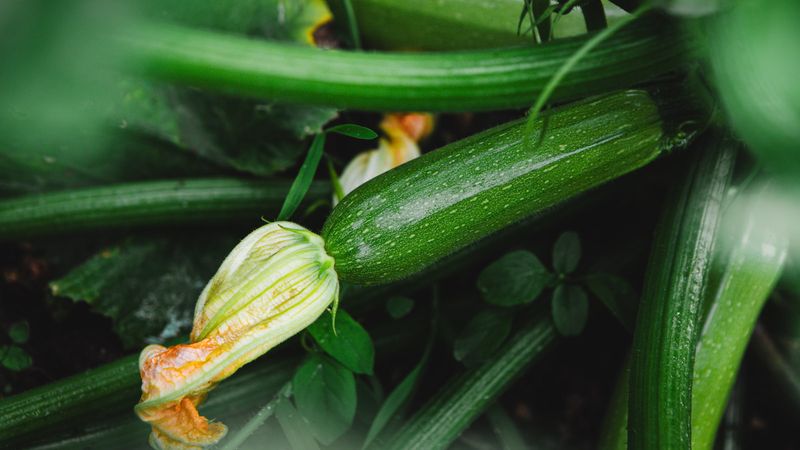
Timing is everything when planting zucchini. As you place seeds or seedlings into the soil, mix in a phosphorus-rich starter fertilizer like 10-20-10 directly into the planting hole or furrow. This small step makes a big impact.
Imagine your plants eagerly absorbing the nutrients, their roots stretching wide and deep. Phosphorus is the magic mineral that fuels robust root development, setting the foundation for future growth. This early boost can make all the difference, ensuring your zucchini plants have the strength they need to flourish.
3. First Feeding – When Leaves Appear
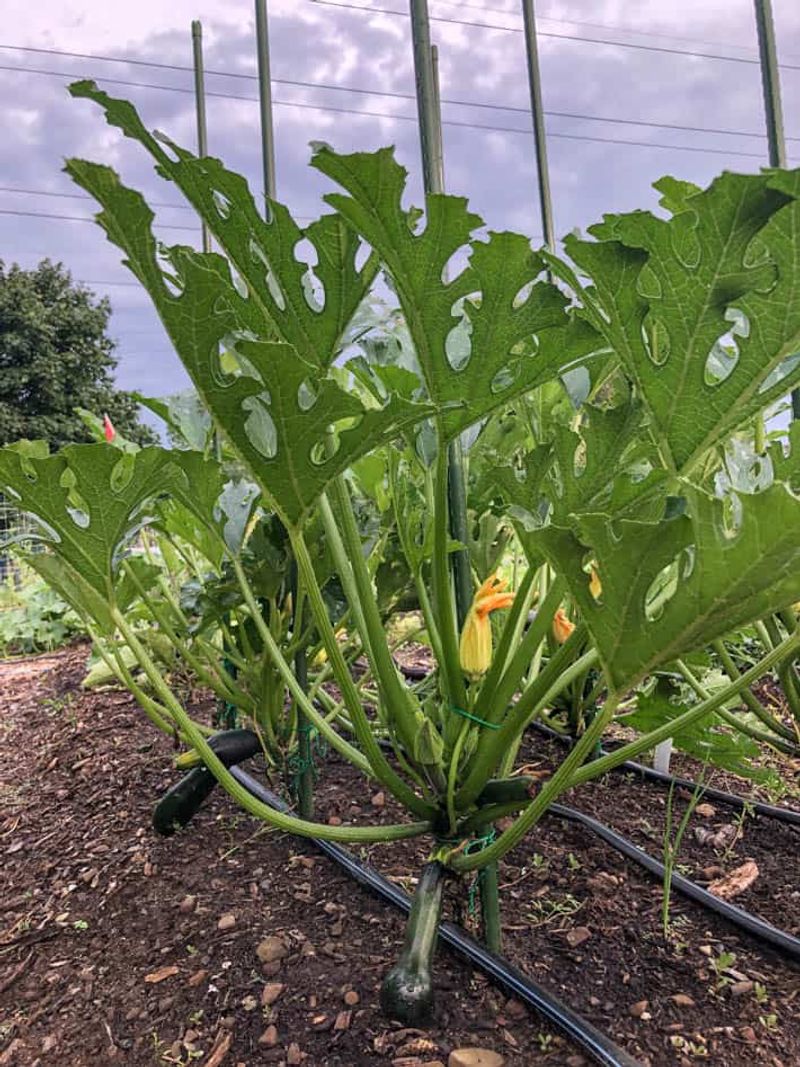
When your zucchini plants show 2–3 true leaves, it’s time for their first nutrient boost. A nitrogen-rich fertilizer, like fish emulsion or blood meal, is ideal at this stage.
Envision the vibrant green of the leaves, their edges glistening in the morning dew. Nitrogen supports lush, leafy growth, a vital precursor to flower and fruit production. As you apply the fertilizer, feel the anticipation of watching your plants grow stronger and healthier. This feeding ensures they have the vitality needed for the season ahead.
4. Second Feeding – Just Before Flowering
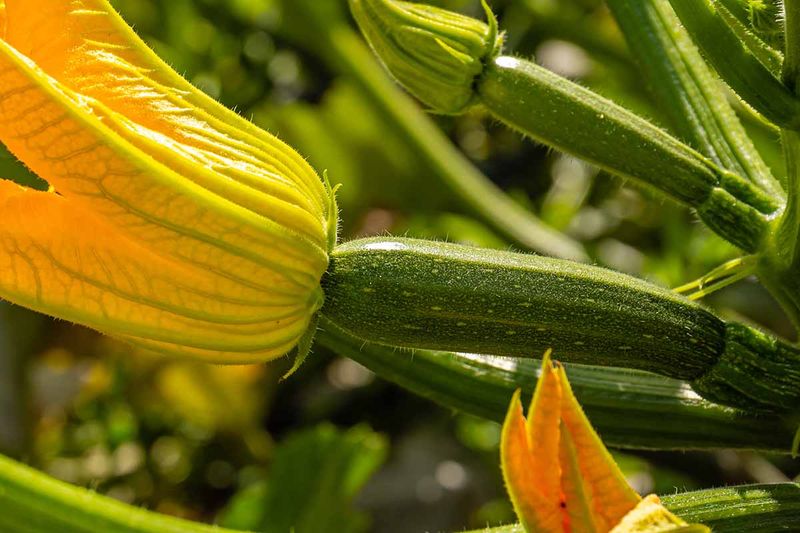
As flower buds emerge, the need for potassium becomes paramount. Switching to a balanced or potassium-heavy fertilizer like 5-10-10 before flowering supports strong blooms and future fruit development.
Picture the nascent buds, ready to burst into life. Potassium is the secret ingredient that encourages this transformation. Applying it at the right time can make your zucchini plants flourish with flowers, paving the way for abundant fruit. This feeding is a key step in the journey from plant to harvest.
5. Third Feeding – When Fruits Begin to Form
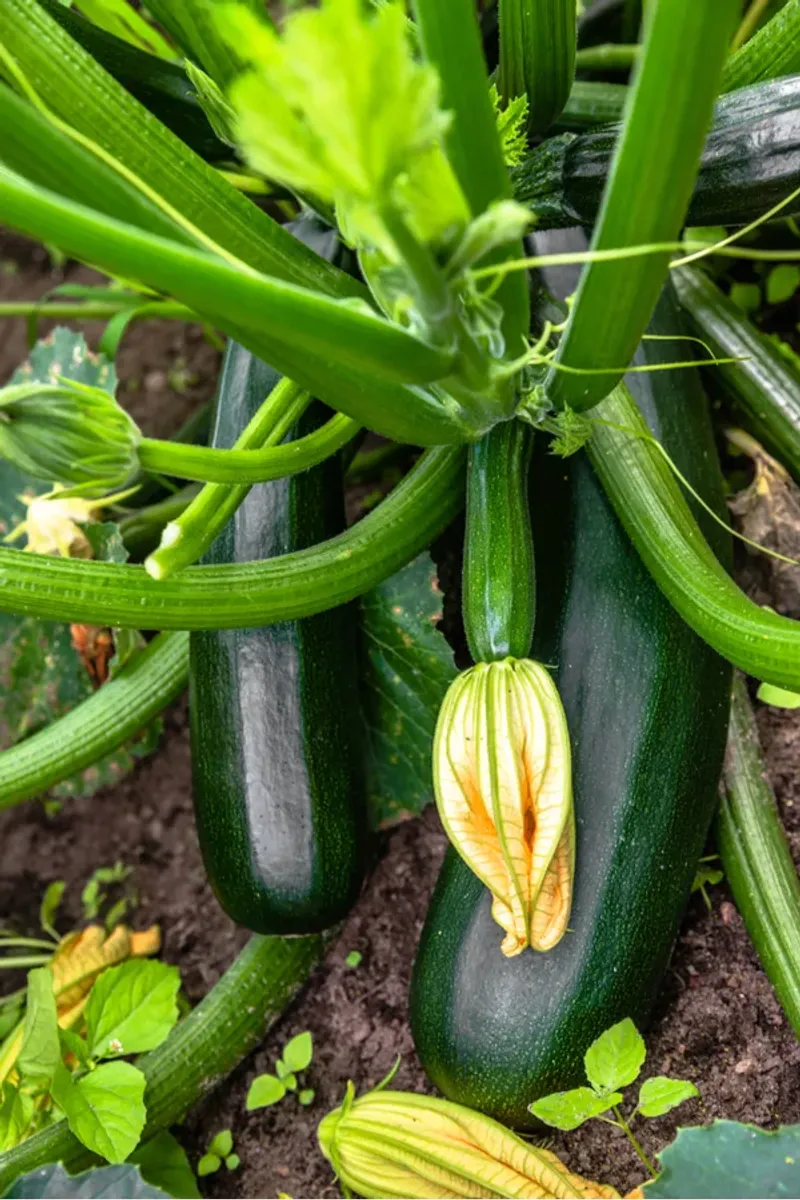
Once baby zucchinis appear, it’s time for another round of feeding. A balanced fertilizer or liquid compost tea boosts the fruit size and flavor while preventing nutrient depletion.
Imagine the tiny zucchinis, nestled among the lush leaves, growing larger each day. This feeding helps them reach their full potential, ensuring they’re not just big, but delicious too. By investing in this stage, you’re not only enhancing their growth but also fortifying their taste, promising a bountiful and tasty harvest.
6. Feed Every 2–3 Weeks During Harvest Season
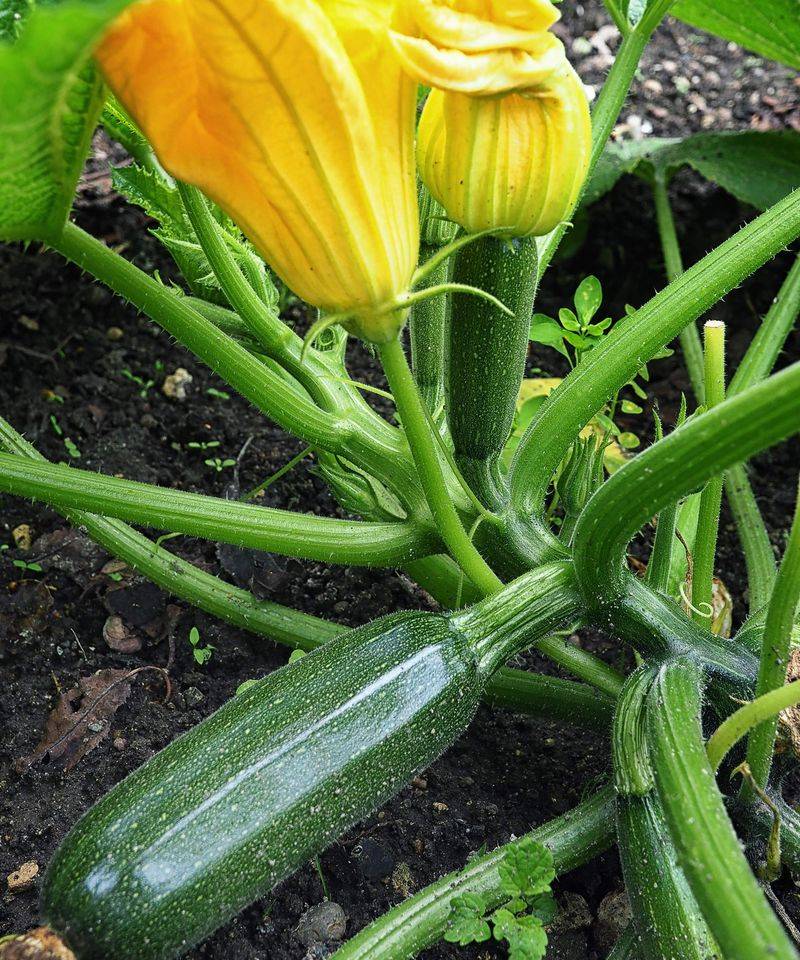
Consistency is king during the harvest season. Feeding your zucchini every 2–3 weeks with organic liquid fertilizers or side-dressing with compost keeps them productive.
Picture the steady rhythm of your routine, each feeding nourishing and energizing your plants. This regular attention ensures they have the continuous energy required to keep growing and producing. By maintaining this schedule, you’re supporting relentless growth, turning your garden into a zucchini powerhouse throughout the season.
7. What NOT to Do – Avoid Over-Fertilization
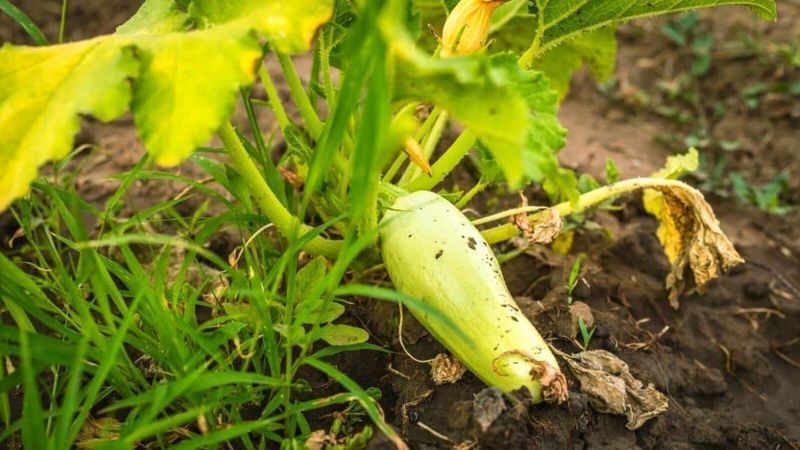
Over-fertilization, especially with nitrogen, can lead to lush leaves but scant zucchinis. It’s an easy trap for eager gardeners to fall into, but it’s avoidable.
Picture the dense canopy of leaves overshadowing the garden, the zucchinis struggling beneath. To avoid this, water before fertilizing to prevent root burn, ensuring nutrients are absorbed efficiently. This cautionary tip not only saves your plants but also enhances the quality of your harvest. Remember, moderation and timing are your best allies in nurturing monster zucchini.