
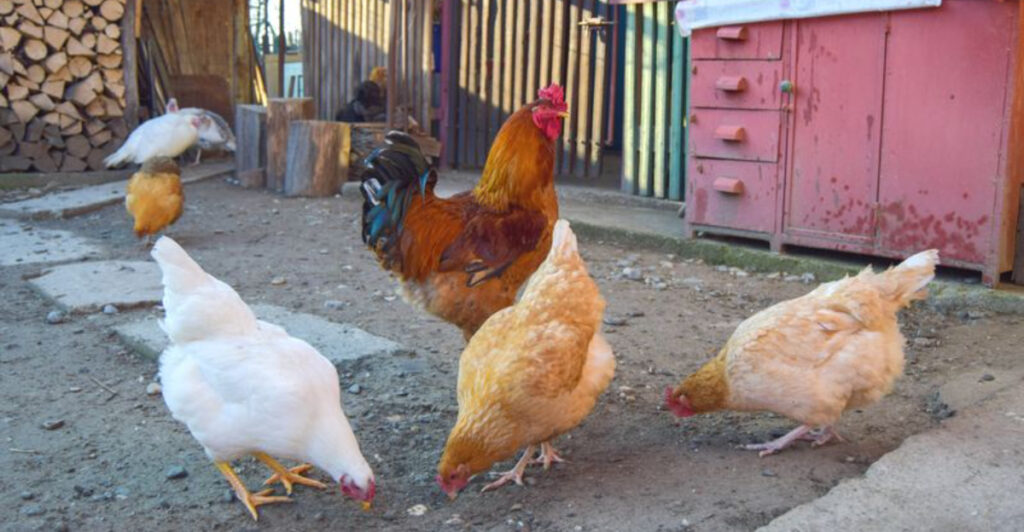
Raising chickens in your backyard might sound like a charming hobby, but it comes with its own set of unexpected challenges. While these feathered friends can provide fresh eggs and natural pest control, they also bring potential risks that could surprise even seasoned enthusiasts.
From health concerns to neighborhood disputes, understanding these issues can help you create a safer environment for both your flock and your family.
Below, we explore 17 surprising dangers of keeping chickens right in your own backyard, offering insights and tips to manage these challenges effectively.
1. Salmonella Risk
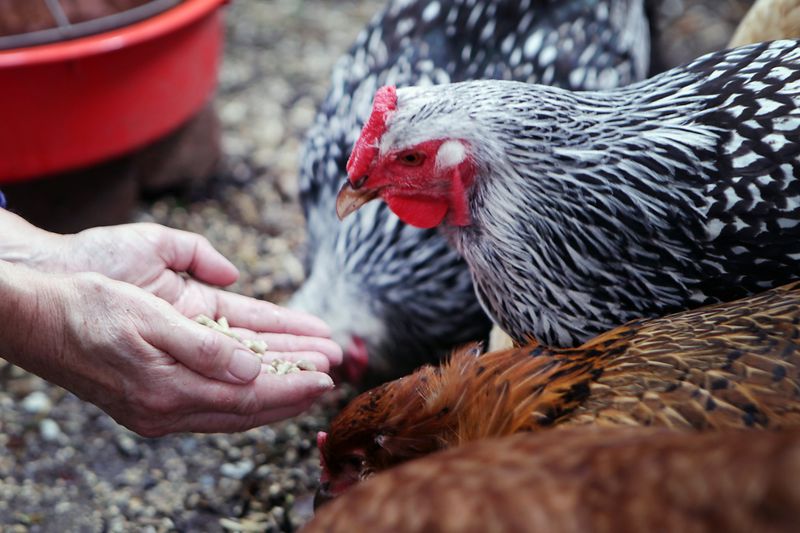
Salmonella infection is a significant risk when raising chickens. Kids especially love to play with these feathered friends, but it’s crucial to ensure everyone washes their hands thoroughly after handling chickens or their equipment. This risk isn’t limited to directly touching the birds. Contaminated surfaces, chicken poop, or even their feathers can harbor the bacteria. Creating a habit of cleanliness can help reduce this risk. Using proper hand sanitizers and cleaning routines keeps the family safe from potential illness. Encouraging kids to play safely around chickens is as essential as teaching them any other safety rules.
2. Noise Complaints
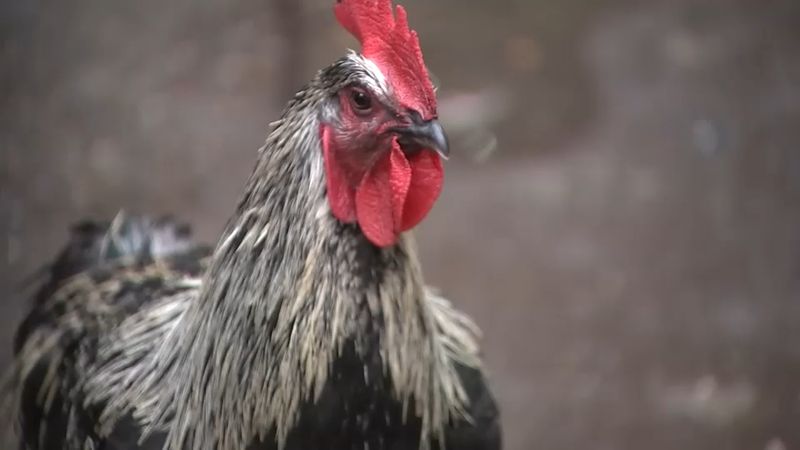
Roosters crowing at the break of dawn are picturesque, but they can be a source of discord with neighbors. While hens are quieter, introducing a rooster can quickly escalate noise levels. If you live close to others, consider the potential for noise complaints. Some communities have ordinances on allowable noise levels, and violating these can lead to fines or mandatory removal of your flock. Creating a good relationship with surrounding neighbors can help prevent conflicts. Discussing your plans to raise chickens and getting feedback might keep the peace while you enjoy your backyard farming venture.
3. Predators
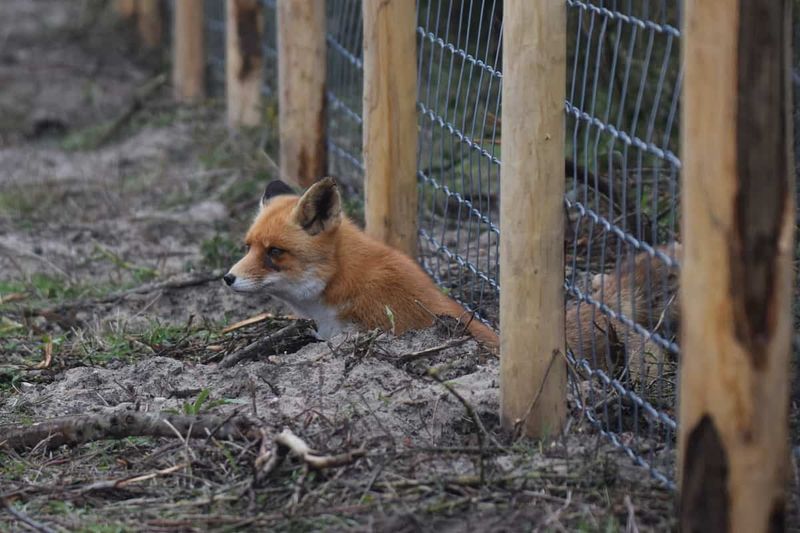
Backyard chickens can attract predators like foxes, raccoons, and hawks. These natural predators view your chickens as an easy meal. Secure coops with strong wire mesh and locks can deter most intruders. Consider your property’s layout and think like a predator when designing your chicken’s habitat to spot potential weaknesses. Installing motion detectors and cameras can alert you to any nighttime visitors. Understanding local wildlife and their habits can help you anticipate potential threats. A well-protected coop not only keeps your chickens safe but also gives you peace of mind knowing your flock is secure.
4. Zoning Laws
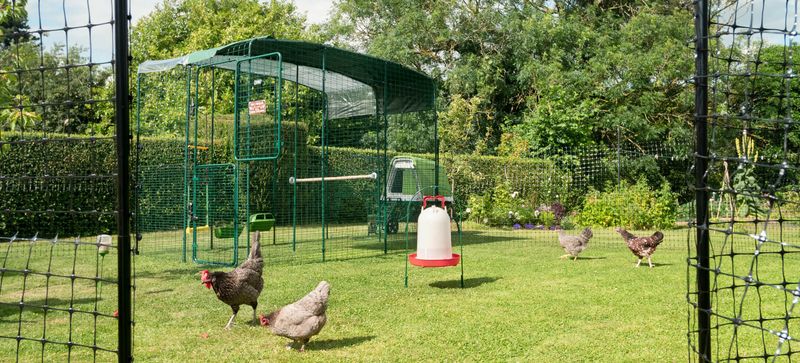
Before starting your backyard chicken adventure, check local zoning laws. Many municipalities have regulations on the number of chickens you can own or prohibit them altogether. Ignoring these laws can result in fines or the forced removal of your beloved birds. If chickens are allowed, there might be restrictions on coop size, location, or required permits. Being informed helps avoid unnecessary legal troubles and ensures a smooth experience. Contact your local government to clarify these rules. Understanding your rights and responsibilities helps you comply with local laws and keeps your chicken-raising efforts legally sound.
5. Health Issues in Chickens
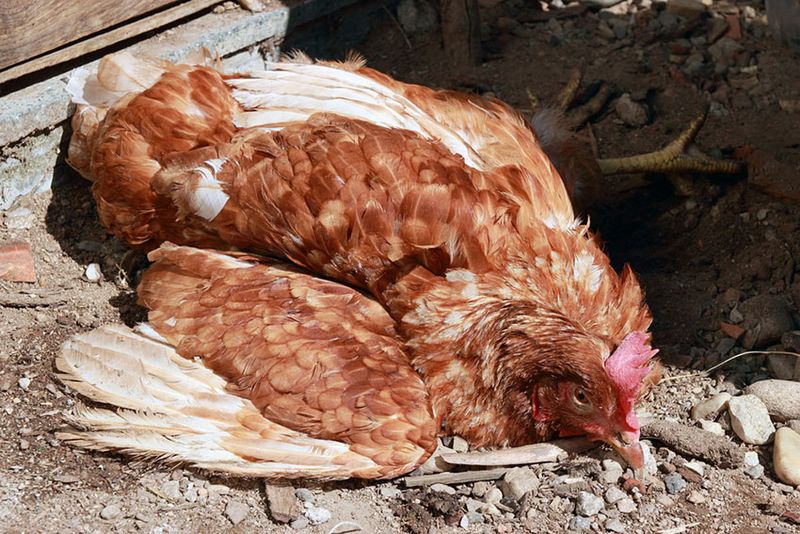
Chickens, like any other pet, can fall sick. Common ailments include mites, respiratory infections, and egg-binding. Recognizing the signs early is crucial for effective treatment. Regular health checks help catch issues before they escalate. Providing a clean and well-ventilated coop reduces the risk of disease transmission. Consulting with a vet experienced in poultry can provide tailored advice for managing your flock’s health. Emphasizing prevention through diet and cleanliness can minimize health risks. Healthy chickens lay more eggs and live longer, contributing positively to your backyard farming experience.
6. Pests and Parasites
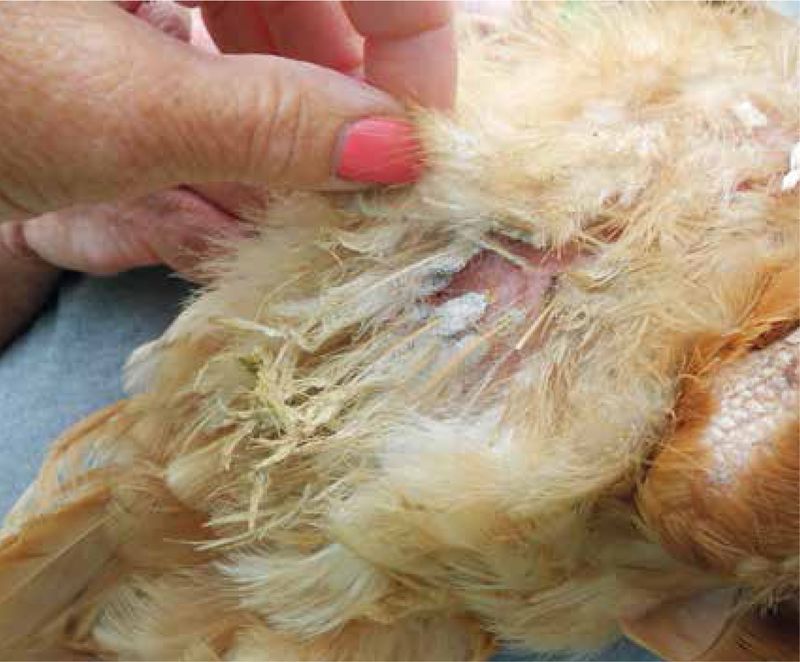
Chickens can attract pests like mites, fleas, and lice, which can spread to other animals or even humans. Regular cleaning of the coop and providing dust baths for the chickens can help control these nuisances. Integrated pest management strategies can minimize infestations. Using natural remedies like diatomaceous earth might be effective in controlling pests without harming the birds. Monitoring the chickens for signs of irritation or feather loss can identify infestations early. Keeping the living area sanitary is vital for preventing these unwelcome visitors from affecting your flock’s well-being.
7. Nutritional Deficiencies
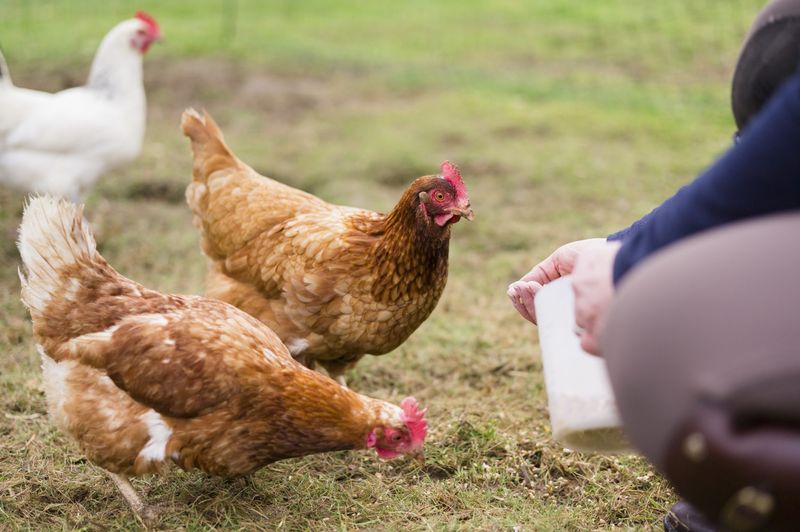
Ensuring chickens receive a balanced diet is essential for their health and egg production. They need a mix of grains, greens, and protein. Poor nutrition can lead to weak eggshells, reduced laying, and other health issues. Supplementing their feed with kitchen scraps and commercial poultry feed can balance their diet. Observing your chickens’ eating habits can help spot deficiencies early. Tailoring their diet to seasonal changes ensures they get the nutrients needed year-round. Providing a varied diet keeps your chickens productive and happy, contributing positively to your backyard farming venture.
8. Escape Artists
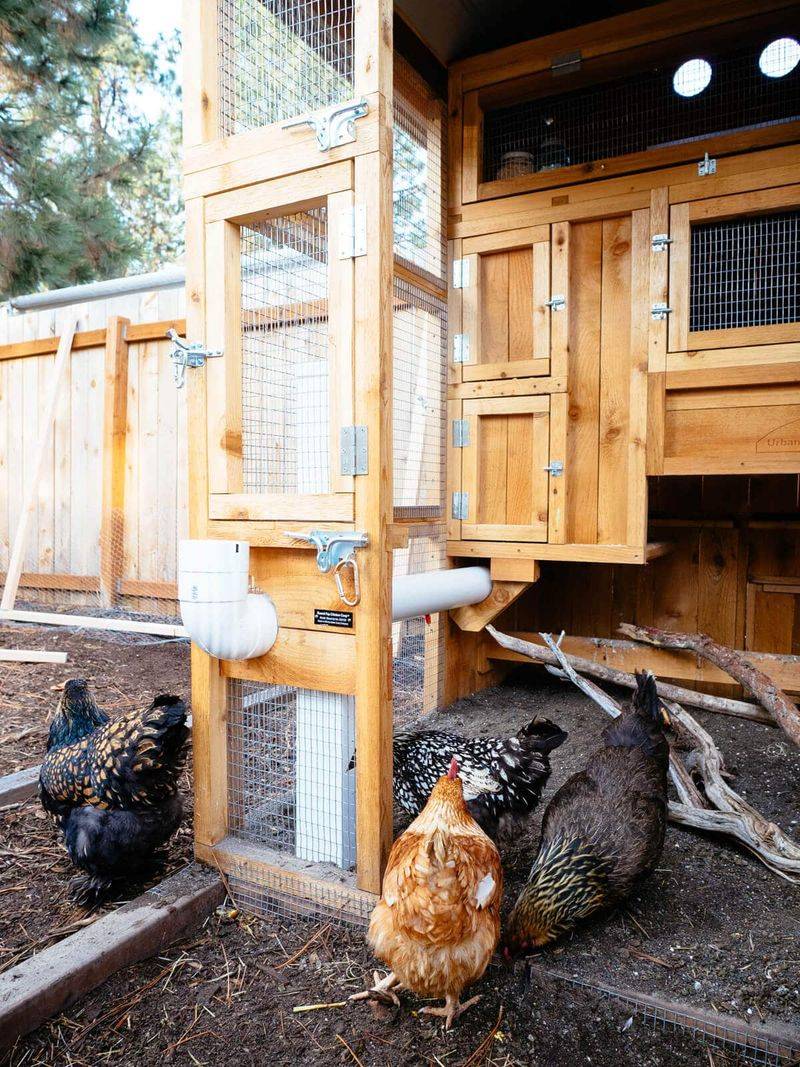
Chickens are notorious for finding ways to escape. A loose chicken can wander into unsafe areas or get lost. It’s important to secure the coop and fencing properly. Regularly inspecting for weak spots in fences and gates can prevent escapes. Training your chickens to come when called can help in quickly rounding them up. A secure and well-maintained enclosure gives your flock freedom to roam safely without risking their safety or your peace of mind. Keeping your chickens contained ensures they stay safe and prevents any unexpected adventures.
9. Odor Control
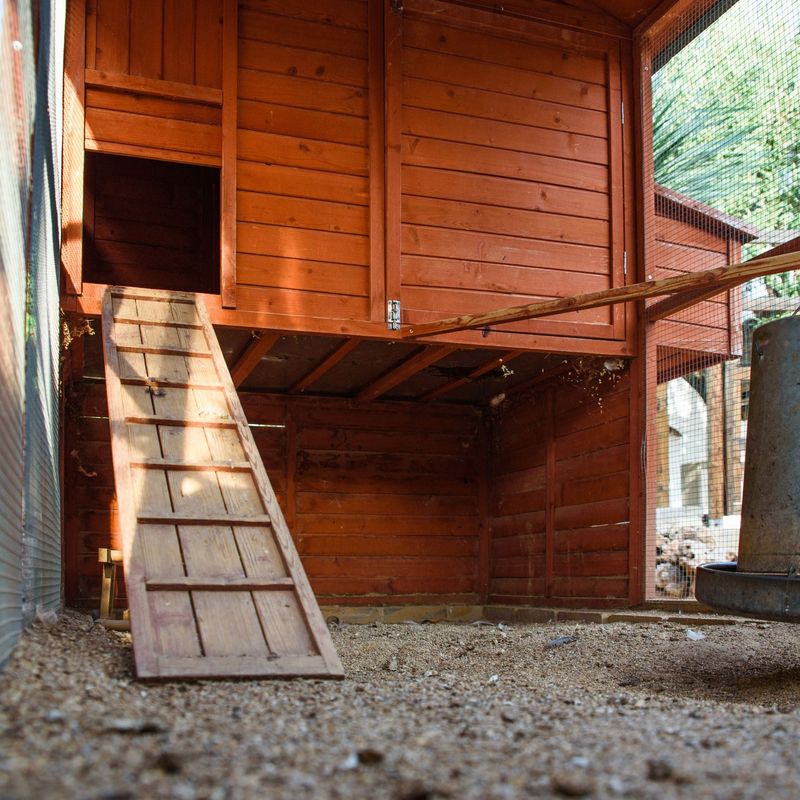
Chicken coops can develop unpleasant odors if not maintained properly. These smells can be potent and drift to neighboring properties, causing complaints. Regular cleaning and proper ventilation are key to controlling odors. Using materials like straw or wood shavings can help absorb waste and reduce smells. Composting chicken waste in a designated area can turn a potential nuisance into a useful resource for fertilizing gardens. Managing odor effectively keeps your neighbors happy and your backyard a pleasant place for everyone to enjoy.
10. Avian Diseases
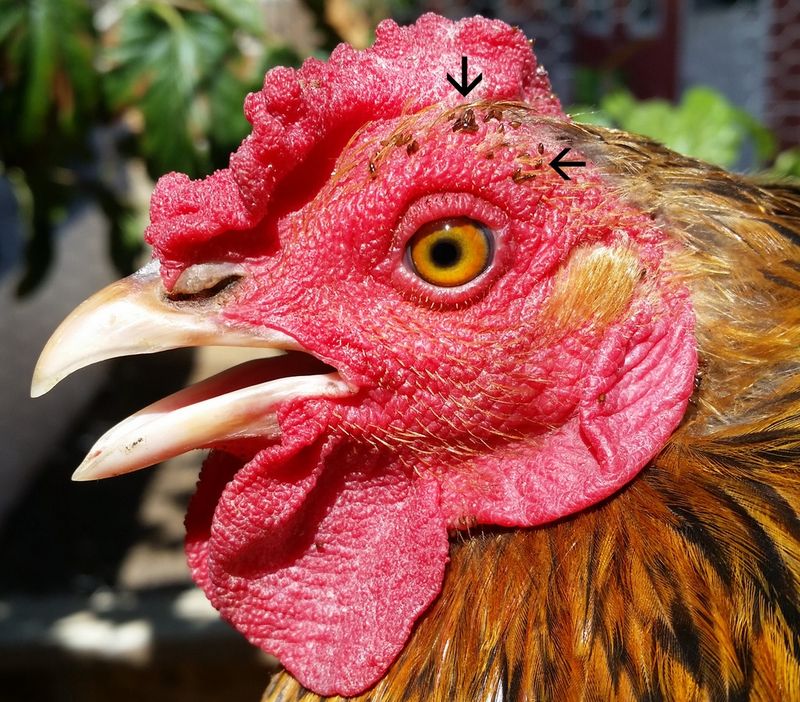
Chickens can contract avian diseases that might spread to other birds or even humans. Biosecurity measures, such as quarantining new birds and minimizing contact with wild birds, are essential. Regular health monitoring and vaccination can prevent outbreaks. Understanding the symptoms of common avian diseases helps in early detection and treatment. Keeping the coop clean and using disinfectants can limit disease transmission. Educating yourself about avian health equips you to manage these risks proactively, safeguarding your flock and family.
11. Aggression and Pecking Order
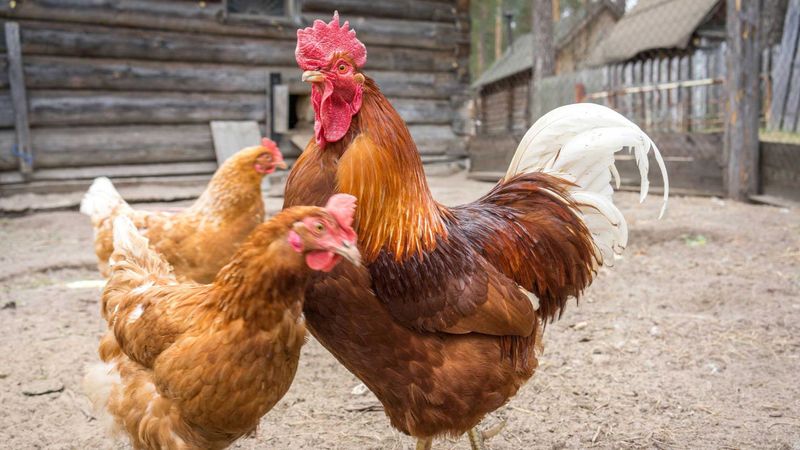
Chickens naturally develop a pecking order, which can sometimes lead to aggression. This behavior is a normal part of their social structure but can lead to injuries. Providing enough space and resources like food and water helps minimize conflicts. Monitoring interactions among the flock can identify overly aggressive individuals. Intervening by separating the aggressor or providing distractions can ease tensions. Understanding chicken behavior helps in managing the flock dynamics effectively, ensuring a harmonious backyard environment. A peaceful flock is more productive and enjoyable to raise.
12. Cost of Raising Chickens
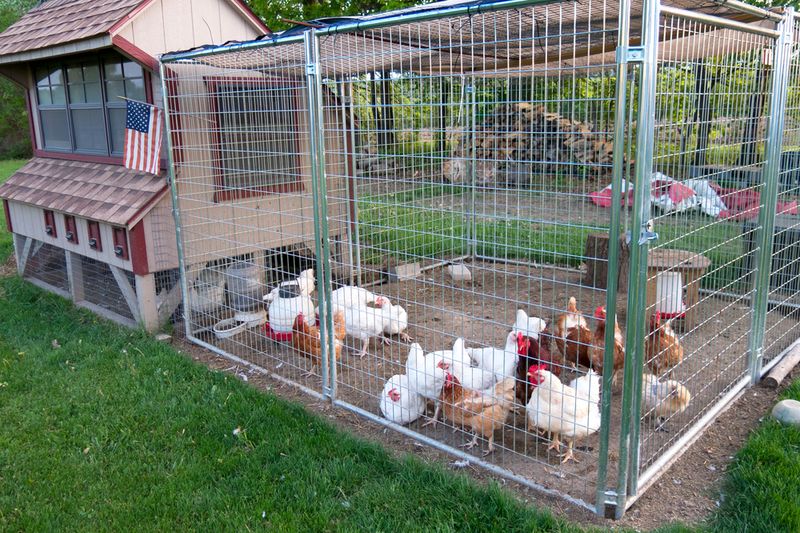
Raising chickens can be surprisingly costly. Initial setup costs for a coop, fencing, and feed can add up. Ongoing expenses include feed, bedding, and potential veterinary care. Calculating these costs beforehand helps avoid financial surprises. Budgeting for seasonal changes, like heating in winter or cooling in summer, ensures the flock’s comfort. Considering these factors helps in making informed decisions about backyard chicken farming. While the rewards of fresh eggs and entertainment are great, understanding the financial commitment is essential for a sustainable chicken-raising endeavor.
13. Neighbor Relations
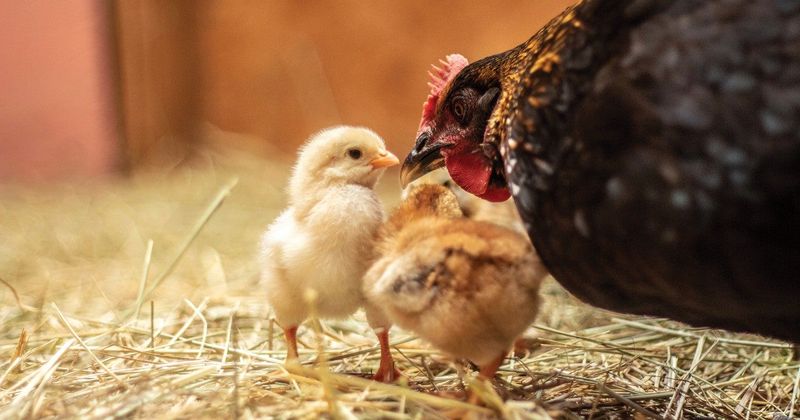
Good relationships with neighbors are crucial when keeping chickens. The noise, smells, and potential pests can lead to conflicts. Open communication about your chicken-raising plans can help mitigate issues. Sharing eggs or inviting neighbors to see the chickens can foster goodwill. Addressing concerns promptly shows your commitment to being a responsible chicken owner. Building positive relationships ensures a supportive community, making your backyard farming venture more pleasant and successful for everyone involved.
14. Weather Challenges
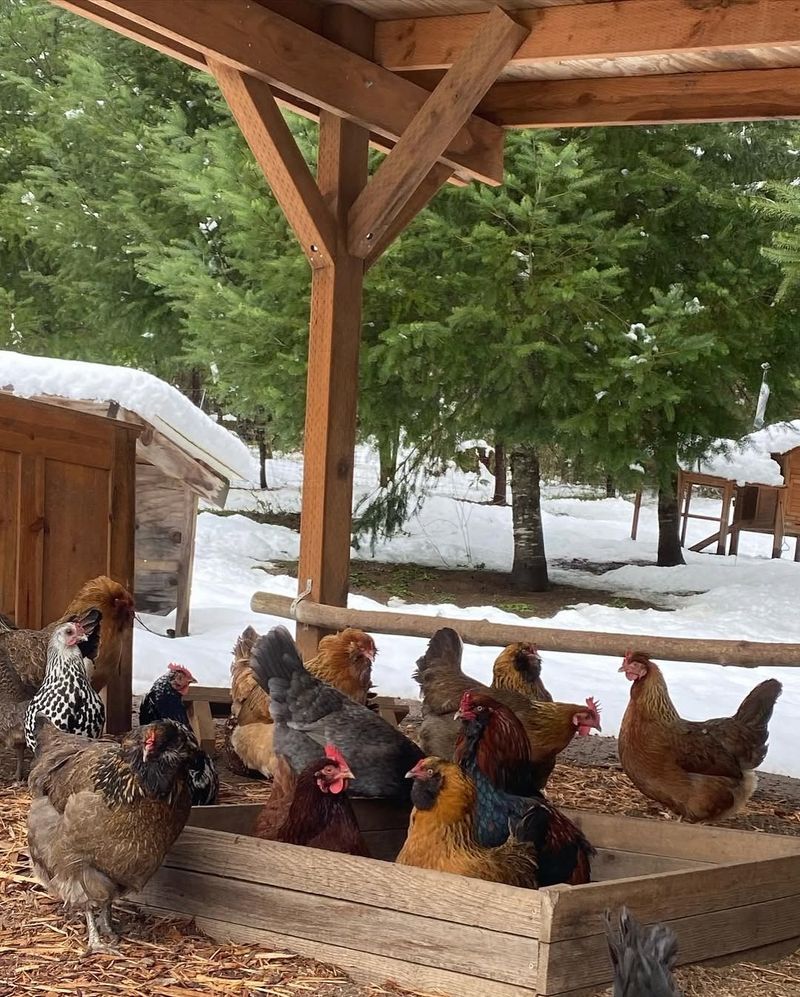
Weather can pose challenges to backyard chicken raising. Extreme temperatures, rain, or snow require adjustments to the coop and care routine. Insulating the coop and providing heat sources in winter or shade in summer ensures the flock’s comfort. Monitoring weather forecasts helps in planning protective measures. Recognizing signs of weather stress in chickens allows for timely intervention. Preparing for seasonal changes keeps your flock healthy and ensures they continue to thrive regardless of weather conditions.
15. Legal Liability
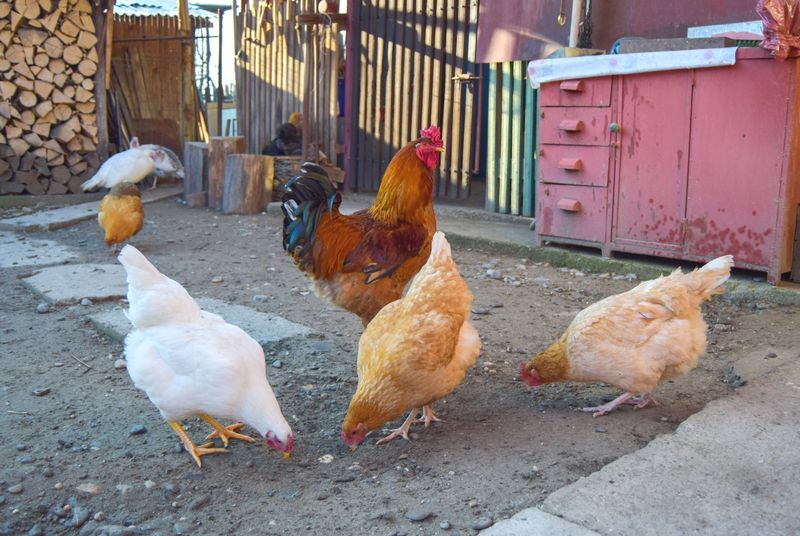
Owning chickens can expose you to legal liabilities, especially if your flock causes damage or injuries. Understanding your homeowner’s insurance policy can clarify coverage details. Ensuring your chickens are well-contained reduces risks of them wandering off and causing trouble. Consulting with legal experts can provide guidance on liability and coverage. Being proactive in managing these aspects helps protect your interests and provides peace of mind. By maintaining good practices, you can enjoy raising chickens without unexpected legal concerns.
16. Unexpected Roosters
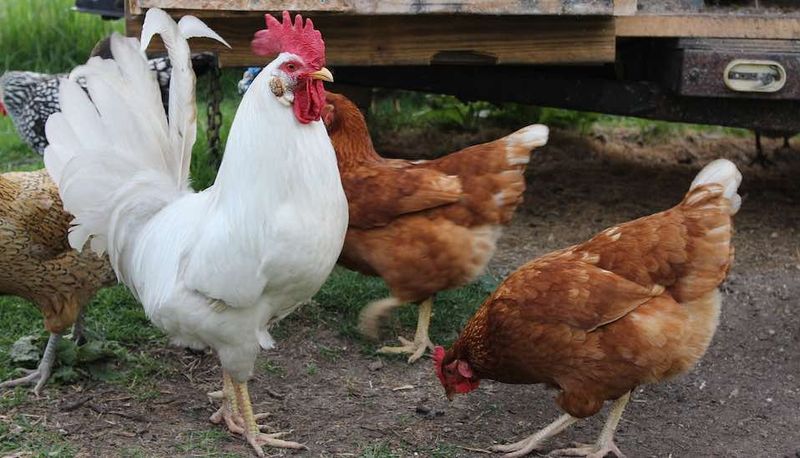
Sometimes, what you think is a hen turns out to be a rooster. This can bring unexpected challenges, especially in areas where roosters are not allowed. Roosters can be noisy and aggressive, leading to potential conflicts with neighbors. Planning for such surprises by having contingency plans in place prevents stress. Discussing with local farmers or chicken enthusiasts might provide solutions or rehoming options. Embracing the unexpected is part of the chicken-raising adventure, and being prepared ensures a smooth experience even with surprises.
17. Chicken Math
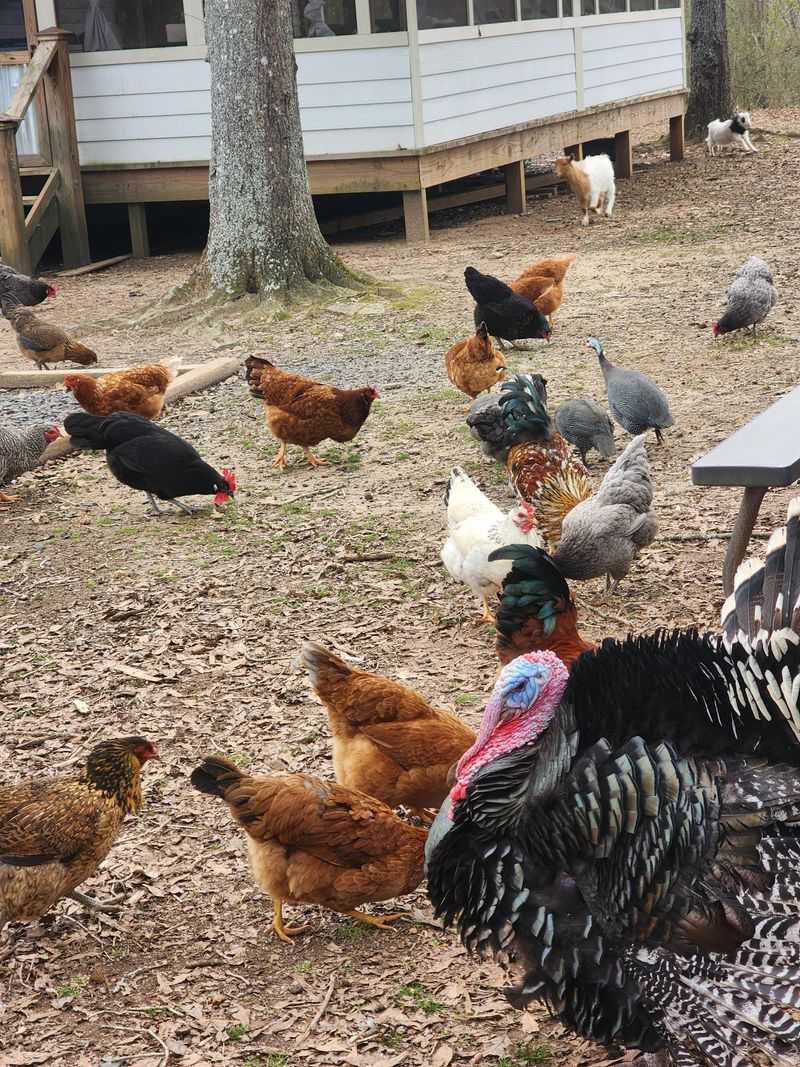
Chicken enthusiasts often joke about “chicken math,” where a small flock quickly grows larger than intended. It’s easy to get carried away with new breeds or hatching chicks. Planning your flock size and sticking to it helps avoid overcrowding. Adequate space and resources are essential for the well-being of your flock. Being mindful of your capacity ensures your chickens remain healthy and happy. Managing flock size prevents stress on your chickens and resources, making your backyard farming efforts more sustainable and enjoyable.