
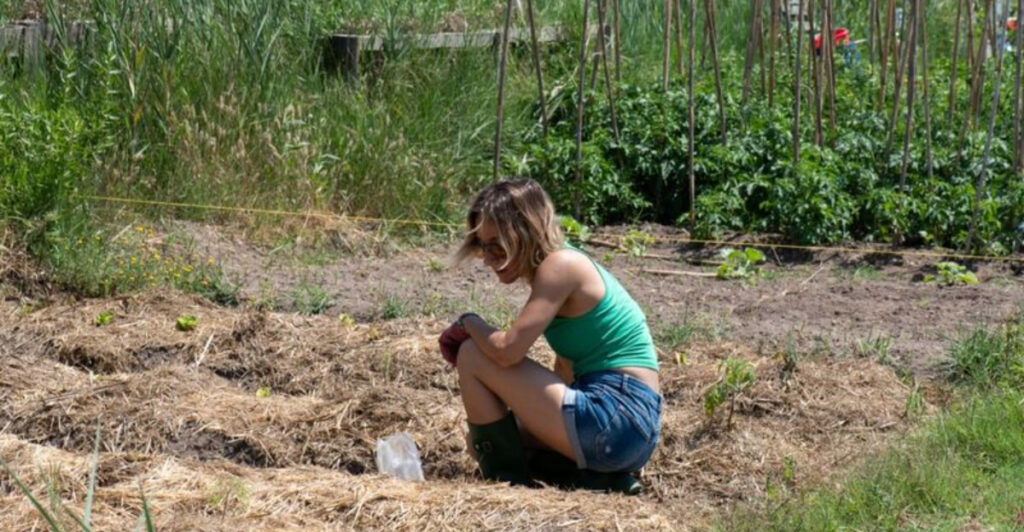
Gardeners often find themselves in a bind when they become overly ambitious with their planting. While a lush garden is every gardener’s dream, planting too much can lead to a host of challenges. From battling pests to struggling with soil exhaustion, the joy of gardening can quickly turn into a daunting task. This article explores the 15 problems you may encounter when you plant too much and offers practical solutions to manage and prevent these issues, ensuring your garden remains a source of joy rather than stress.
1. Overcrowded Plants = Weak Growth
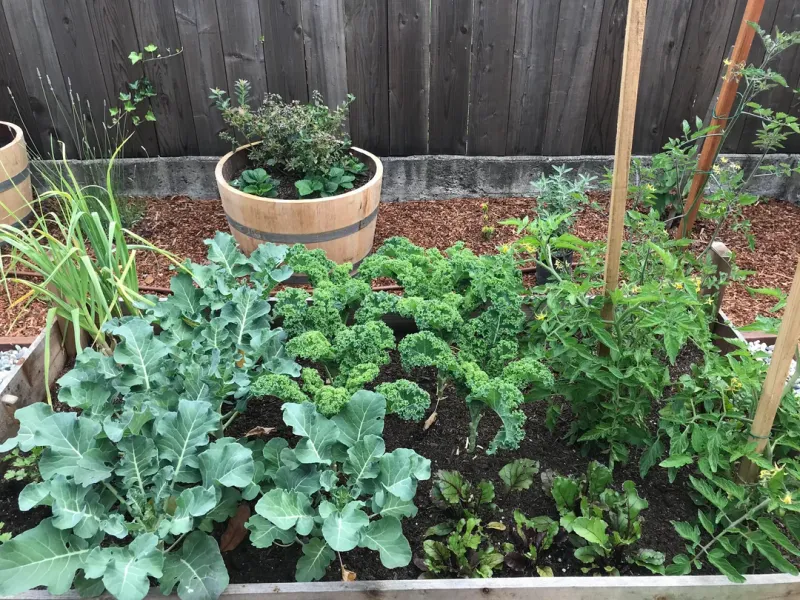
Overcrowding in the garden can stifle growth, as plants compete for essential resources. Imagine a garden where leaves overlap, blocking sunlight—a scene reminiscent of an overbooked concert, where everyone vies for the spotlight. The lack of proper spacing weakens plants, preventing them from achieving their full potential.
To combat this, adhere strictly to spacing guidelines. Ruthlessly thinning seedlings may seem harsh, but it’s a necessary step. This practice ensures that each plant receives adequate light, water, and nutrients. A well-spaced garden not only flourishes but also rewards the gardener with healthier yields.
2. Pest & Disease Explosions

Dense foliage creates a haven for pests and diseases, much like a bustling city for uninvited guests. Aphids, mold, and mildew thrive in such conditions, turning your vibrant garden into a battleground. The challenge intensifies as these invaders multiply, threatening the health and vigor of your plants.
To mitigate this, enhance airflow by pruning densely packed areas. Companion planting can also serve as a natural deterrent. Swiftly removing infected plants is crucial to halt the spread of disease. A vigilant eye ensures that your garden remains a sanctuary rather than a pest haven.
3. Weeds Taking Over

Weeds are the stealthy intruders of the gardening world, creeping in unnoticed until they dominate the landscape. An overplanted garden makes it even harder to detect these invaders.
The secret to keeping weeds at bay is mulch—a gardener’s best friend. Mulching heavily smothers weeds before they gain a foothold. Early and frequent weeding is equally important, ensuring your plants have the space to thrive. By committing to these practices, you can maintain a garden where your crops, not weeds, flourish.
4. Watering Becomes a Nightmare
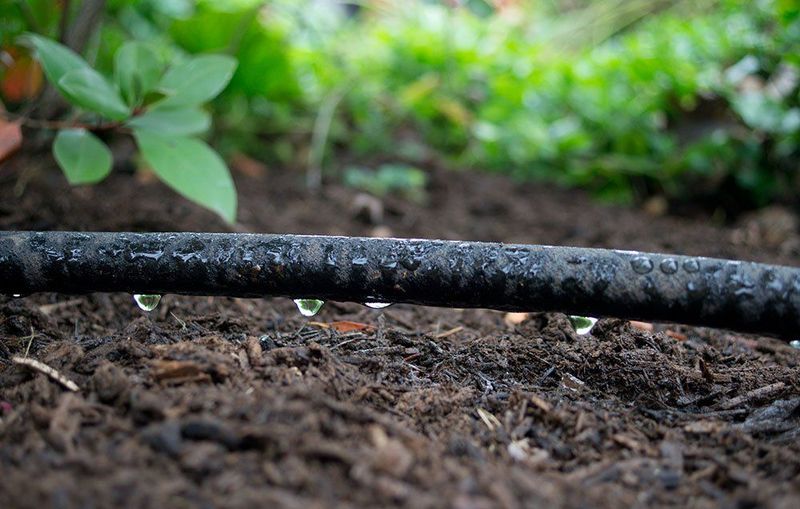
Watering an overplanted garden can feel like a juggling act, with some plants drowning and others crying out for moisture. This uneven distribution can stress plants, leading to a lackluster garden.
Precision is key. Implementing drip irrigation or soaker hoses ensures water reaches every plant’s roots evenly. These tools provide a consistent supply, reducing the risk of under or over-watering. By adopting these methods, your garden’s thirst is quenched efficiently, turning the nightmare of watering into a dream of lush growth.
5. Soil Exhaustion

Imagine running a marathon without refueling—plants face similar exhaustion in nutrient-depleted soil. Overplanting accelerates nutrient depletion, leaving soil barren and plants unable to thrive.
Revitalizing the soil is essential. Rotating crops helps prevent nutrient loss, while compost and fertilizers replenish essential elements. By nurturing the soil, you provide a robust foundation for future growth. With these strategies, your garden can rise from the brink of exhaustion to a vibrant, productive space.
6. Harvest Overload (Then Waste)

Harvest time should be a celebration, not a burden. Yet, an overabundance of produce, like zucchinis and tomatoes, can turn joy into stress. The surplus becomes a dilemma, with neighbors becoming unwilling recipients of your bounty.
Staggering your plantings is a clever solution, ensuring a continuous but manageable harvest. For the excess, preserving methods like canning and freezing extend the bounty’s life. These techniques transform potential waste into a pantry stocked with garden goodness.
7. No Room to Walk or Work
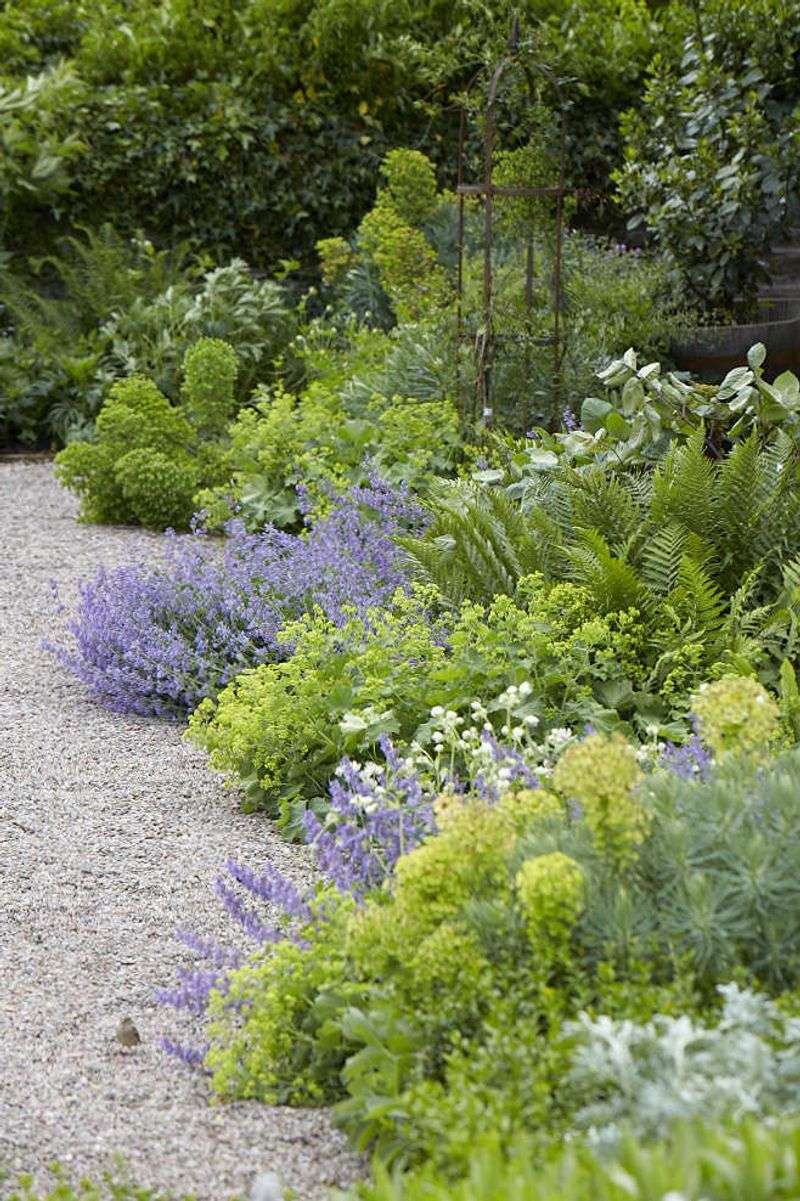
A garden should be a sanctuary, not a maze. Overplanting creates a tangled web of foliage, leaving no room to maneuver. This labyrinthine layout complicates harvesting and maintenance, turning simple tasks into a chore.
Designing clear paths—at least 18 inches wide—between beds restores order to the chaos. These walkways allow for easy access and prevent accidental plant damage. By planning thoughtfully, your garden becomes a serene escape, where work is a pleasure, not an obstacle course.
8. Shade Wars
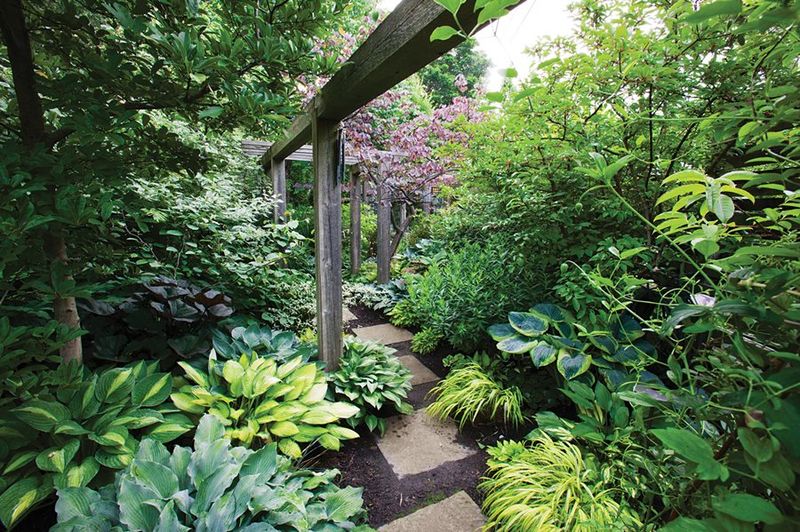
Tall plants, like corn and sunflowers, can cast a shadow both literally and figuratively over smaller neighbors. These giants hog the sunlight, leaving others in the dark.
Strategic planting is the solution. Positioning taller plants on the north side ensures all receive adequate light. This thoughtful arrangement not only balances sun exposure but also fosters harmony in the garden. By playing with height and light, you create a symphony of growth where every plant thrives in its spotlight.
9. Pollinators Can’t Keep Up

Pollinators are the unsung heroes of any garden, yet too many blossoms can overwhelm even the busiest bee. When flowers are abundant, some are inevitably neglected, leading to disappointing fruit sets.
The key is moderation. Focusing on fewer but more pollinator-friendly varieties ensures a more effective pollination process. This balance attracts and retains pollinators, resulting in fruitful endeavors. A garden thoughtfully planted becomes a bustling hub of activity, where every blossom has its chance to shine.
10. Root Competition Underground

Beneath the surface, a silent battle rages as roots compete for limited resources. This underground competition is particularly fierce among heavy feeders like tomatoes and corn.
Avoid planting these rivals too closely to prevent nutrient depletion. Giving each plant ample space to stretch its roots allows them to access the nutrients they need. This foresight fosters robust growth above ground, where the hidden struggles of roots translate into visible vitality.
11. You Run Out of Time to Maintain
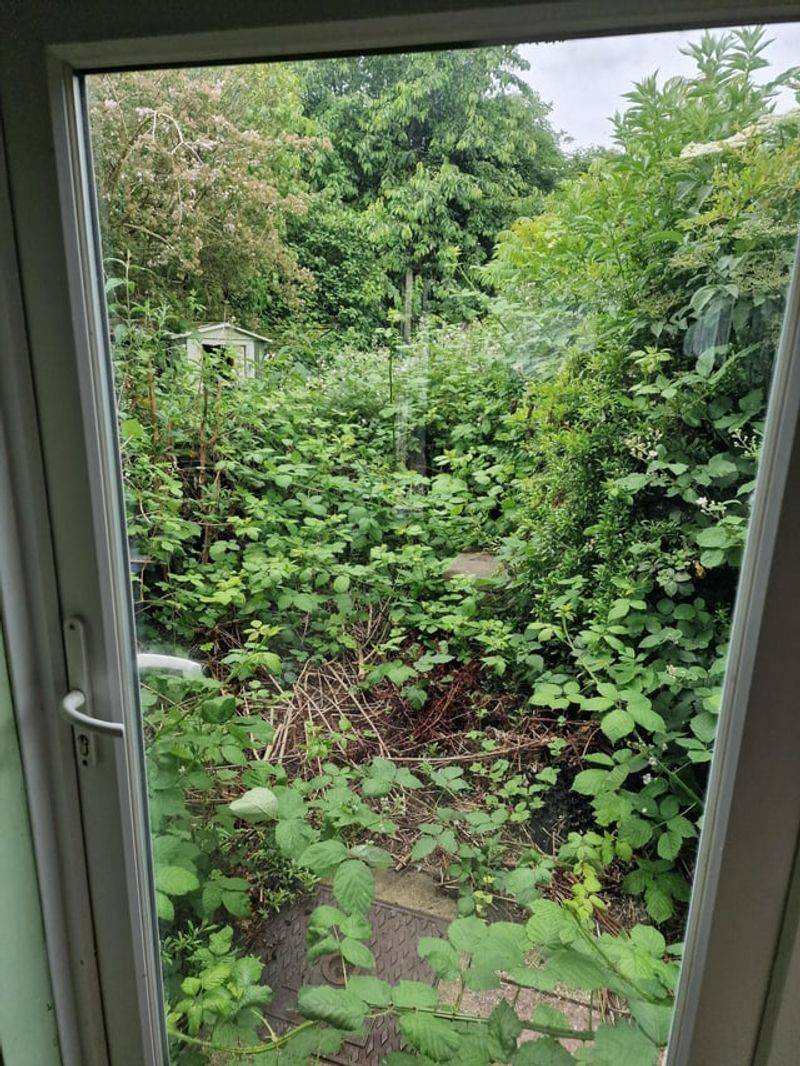
Gardening can become a full-time job when an ambitious planting plan exceeds available time. Weeding, pruning, and pest control demand constant attention, leaving the gardener overwhelmed.
Starting small and expanding only as manageable ensures gardening remains a joyful hobby rather than a burdensome chore. Prioritizing tasks and focusing on essential maintenance helps maintain balance. By keeping ambitions in check, time spent in the garden becomes a treasured respite, not a race against the clock.
12. Uncontrolled Spreaders Take Over
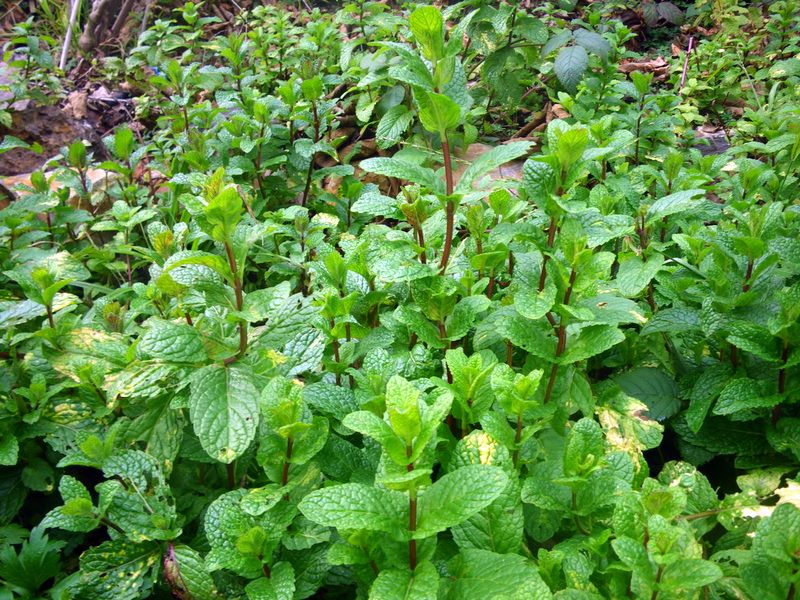
Some plants are notorious for spreading, like mint and raspberries. These aggressive growers can quickly overtake a garden, leaving little room for other plants.
Containing these spreaders in pots or bordered beds can stop their invasion. This method allows you to enjoy their benefits without sacrificing space. A controlled environment turns potential chaos into a well-managed garden, where every plant knows its place.
13. Soil Compaction from Overworking
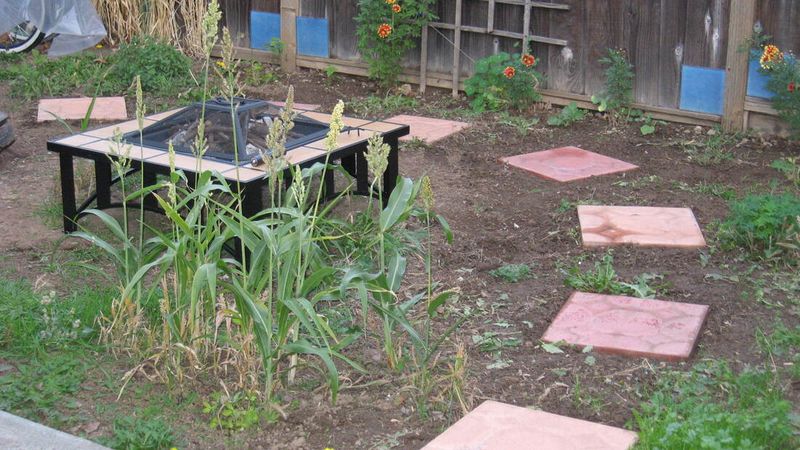
Constantly stepping near plants compacts the soil, crushing roots and hindering growth. This often-overlooked issue can lead to poor soil health and stunted plants.
Raised beds or designated stepping stones can prevent soil compaction, preserving the delicate structure necessary for root development. These solutions create a garden where pathways protect rather than harm, ensuring a thriving ecosystem. By treading lightly, you foster an environment where growth is unhindered.
14. Missed Early Pest/Disease Signs
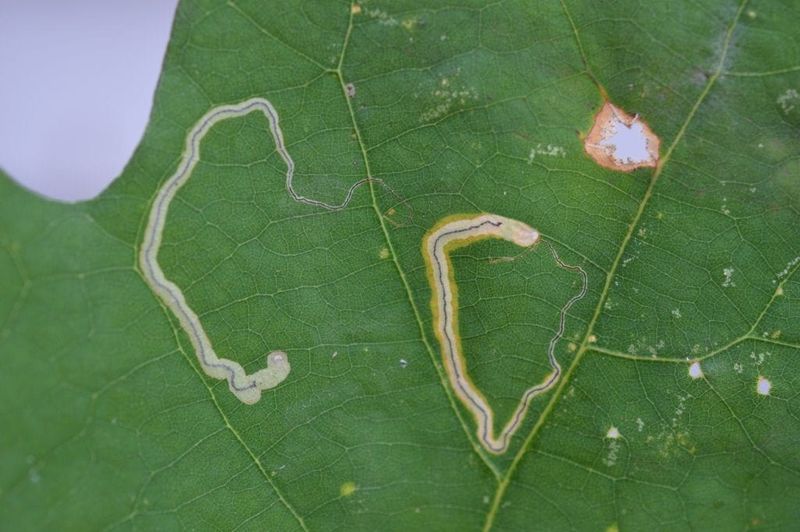
With a large garden, spotting early signs of pests or diseases can be daunting. This oversight often leads to problems escalating beyond control.
Daily inspections, especially of leaf undersides, are vital. Catching issues early means dealing with them swiftly, preventing widespread damage. Vigilance is your greatest ally, turning potential disasters into minor hiccups. By keeping a watchful eye, your garden remains a picture of health and vitality.
15. Gardening Burnout
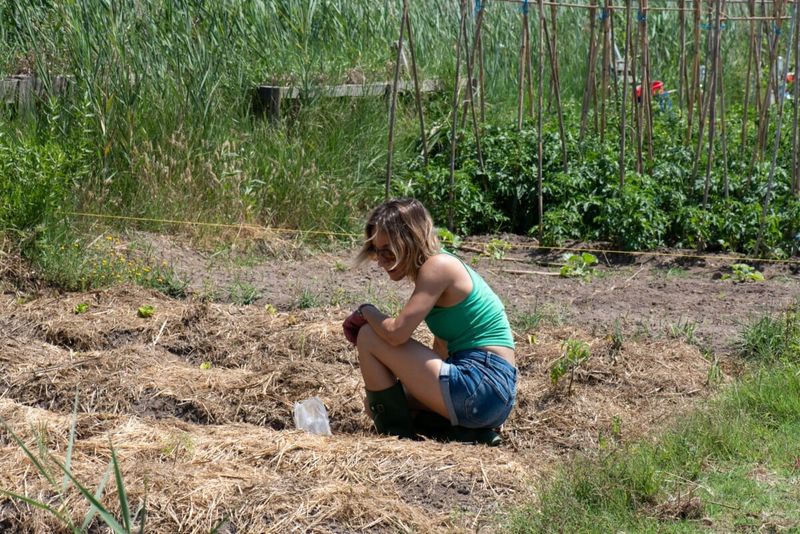
Gardening should nurture the soul, not drain it. Yet, too much of a good thing can lead to burnout, where the joy of planting turns into a dreaded chore.
Scaling back the following season and focusing on what you truly love rekindles the passion. Simplifying tasks and setting realistic goals transforms gardening back into a fulfilling hobby. By prioritizing enjoyment over ambition, the garden becomes a place of relaxation and satisfaction.