
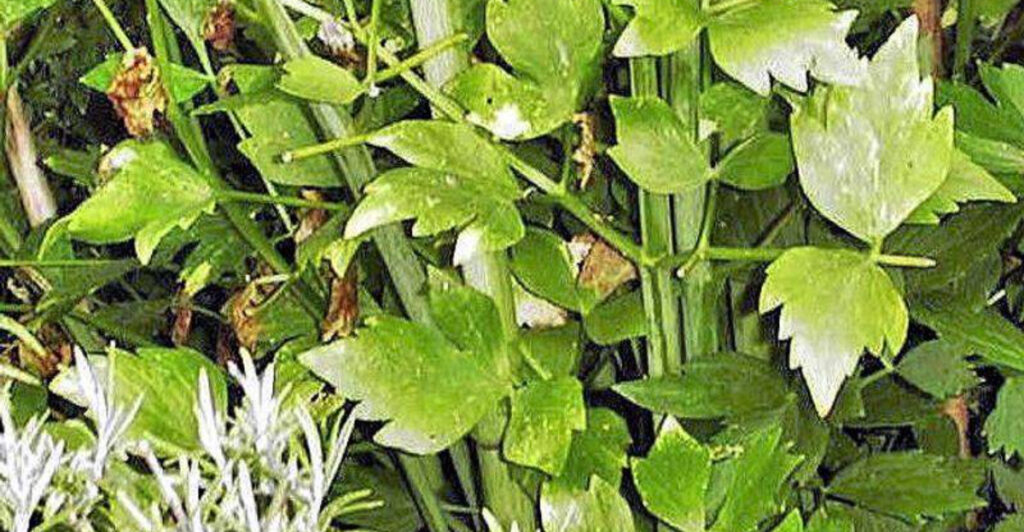
Long before modern supermarkets filled with uniform produce, medieval gardens burst with unusual vegetables we rarely see today. These forgotten crops weren’t just food—they were medicine, preserved for winter survival, and represented agricultural wisdom passed through generations. Rediscovering these heritage vegetables could revolutionize our modern food system by adding diversity, nutrition, and sustainability to our plates.
1. Skirret: The Sweet Medieval Parsnip

Once a staple in medieval feasts, skirret produces sweet, starchy roots that taste like a cross between parsnip and carrot with hints of vanilla. King Henry IV had special gardens dedicated to growing this perennial vegetable.
The plant forms clusters of pencil-thin white roots that medieval cooks would boil, roast or add to pies. Unlike modern vegetables requiring annual replanting, skirret returns year after year with minimal care, making it perfect for today’s low-maintenance gardening.
2. Scorzonera: The Black Oyster Root

Medieval farmers treasured scorzonera for its unusual black skin hiding creamy white flesh with an oyster-like flavor. This root vegetable could stay in the ground through winter freezes, providing fresh food when nothing else would grow.
Reaching up to three feet long, scorzonera was believed to treat snake bites and plague symptoms. The entire plant proved useful—roots for eating, leaves for salads, and yellow flowers for decoration. Many medieval doctors prescribed it for purifying blood and strengthening the heart.
3. Good King Henry: The Medieval Spinach
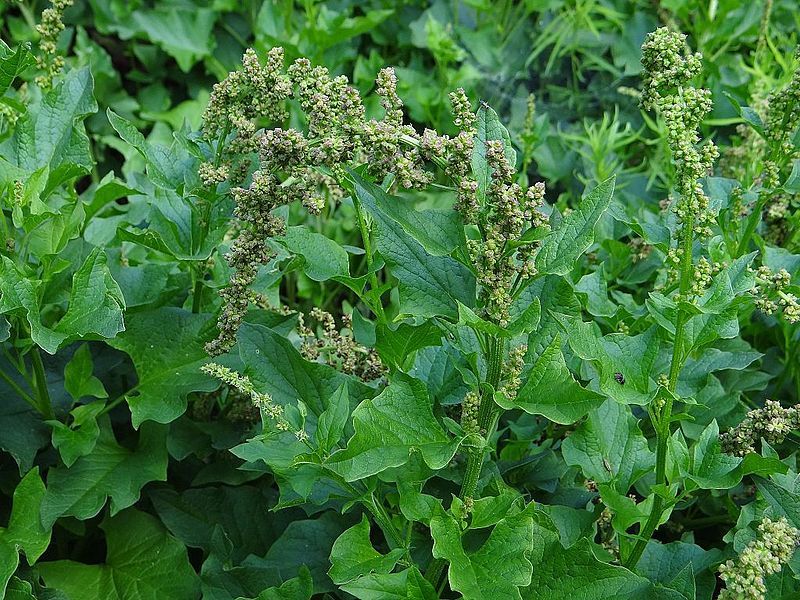
Named after a benevolent German king, this leafy perennial served as medieval spinach before actual spinach arrived in Europe. Peasants planted it near their back doors for easy harvest during cooking.
The arrow-shaped leaves emerge early in spring when fresh greens were scarce. Medieval cooks prepared young shoots like asparagus, mature leaves like spinach, and used the flowers in soups.
Unlike modern greens requiring constant replanting, Good King Henry faithfully returns each spring without human intervention.
4. Cardoon: The Medieval Artichoke Celery

Resembling giant celery with dramatic silvery-blue leaves, cardoon was a medieval delicacy that has nearly vanished from our tables. Monastery gardens particularly favored this architectural plant that grows up to six feet tall.
Medieval farmers would blanch cardoon by wrapping the stalks in burlap to decrease bitterness before harvesting. The stems were then braised, fried, or added to stews, providing a delicate artichoke flavor.
Beyond food, cardoon flowers produced enzymes used in cheese-making throughout the Middle Ages.
5. Alexanders: Rome’s Ancient Celery

Roman legions carried alexanders seeds throughout medieval Europe, planting this herb-vegetable wherever they conquered. The entire plant—leaves, stems, roots, flowers and black seeds—found its way into medieval kitchens.
Growing wild along coastal areas, alexanders has a unique flavor profile combining celery, parsley and myrrh. Medieval physicians prescribed it for stomach ailments and as a spring tonic after winter’s preserved foods.
Hardy and self-seeding, this forgotten vegetable thrived with zero cultivation for centuries.
6. Medlars: The Medieval Patience Fruit

Shakespeare called them crude names while Chaucer celebrated them in poetry—medlars were medieval status fruits that required patience. Looking like russet apples with an open bottom, medlars couldn’t be eaten until they had “bletted” (partially rotted) after the first frost.
The strange ripening process turns the hard, tannic flesh into a cinnamon-apple custard perfect for medieval desserts. Monastery orchards particularly valued medlar trees for their ornamental blossoms, fall foliage, and winter fruit.
Medieval doctors prescribed medlar preserves for digestive issues.
7. Salsify: The Oyster Plant

Medieval monks cultivated white salsify in monastery gardens, valuing its oyster-flavored roots that could remain in the ground all winter. The plant produces edible purple flowers resembling dandelions before developing its long, parsnip-like roots.
Medieval cooks would scrape and boil the roots, then serve them with butter and herbs. The young shoots were also harvested in spring as a delicacy.
Considered both food and medicine, salsify was prescribed for purifying the blood and treating respiratory conditions throughout the Middle Ages.
8. Lovage: The Medieval MSG

Standing tall in medieval kitchen gardens, lovage served as the all-purpose flavor enhancer before modern bouillon cubes. This perennial herb-vegetable grows up to six feet tall with celery-like leaves and a powerful flavor that medieval cooks used to enliven bland winter foods.
The hollow stems were candied as sweet treats, while seeds flavored bread and cheese. Roots were eaten as vegetables or brewed into medicinal tea.
Medieval physicians prescribed lovage for everything from digestive troubles to joint pain, making it essential in monastery physic gardens.
9. Rocket: The Medieval Aphrodisiac
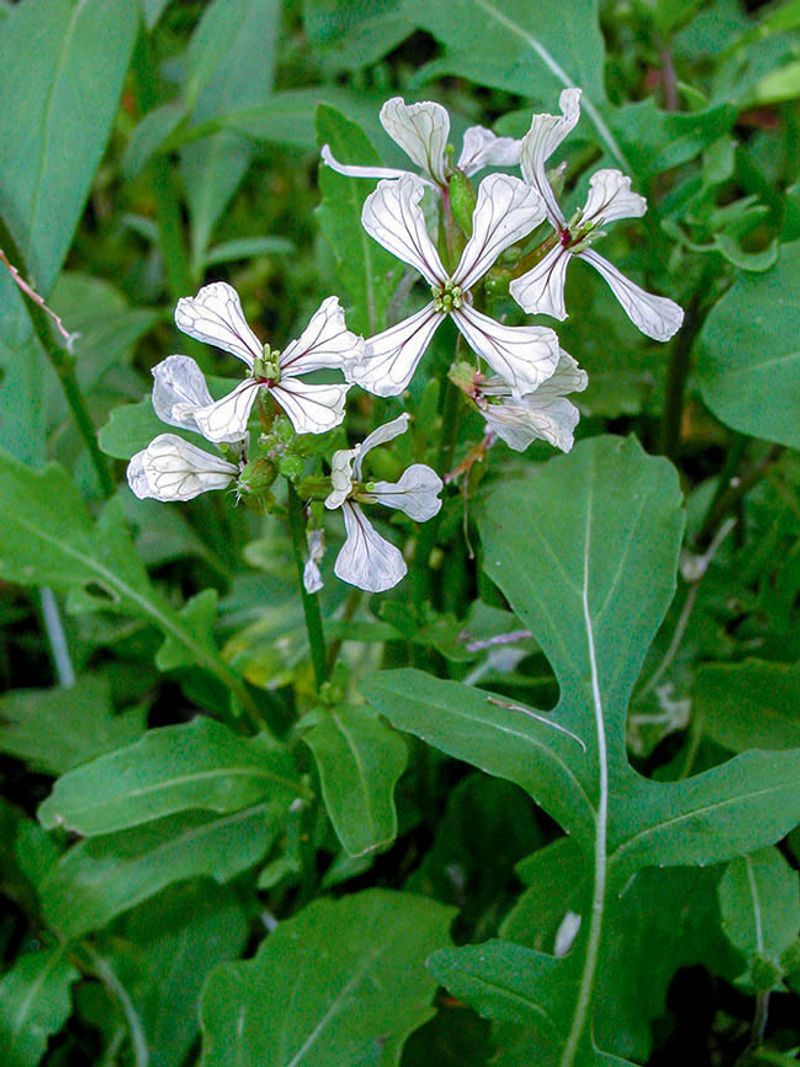
Before becoming trendy as “arugula,” rocket leaves spiced up medieval meals with their peppery kick. Monastery gardens often grew rocket separately from other plants because of its reputation as a powerful aphrodisiac—a quality that made church officials suspicious of its effects.
Medieval farmers valued rocket for its rapid growth and ability to self-seed. The Romans had introduced it throughout Europe, where it flourished in poor soils.
Beyond salads, rocket seeds were pressed for lamp oil and medicinal treatments for digestive problems.
10. Lamb’s Quarters: The Medieval Superfood
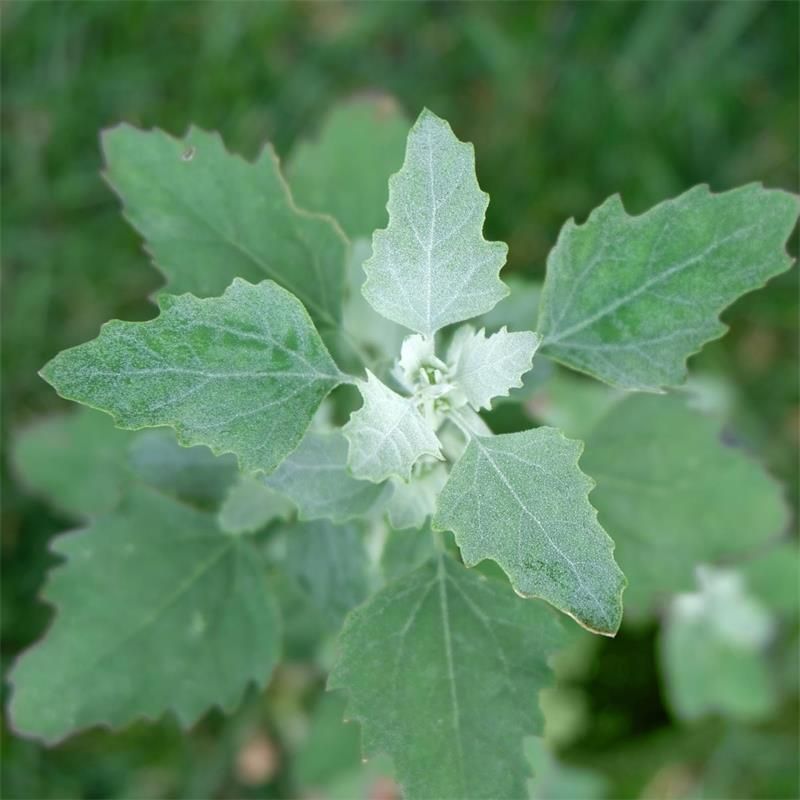
Considered a common weed today, lamb’s quarters was actively cultivated in medieval gardens for its nutrient-dense leaves containing more iron, protein, and vitamins than modern spinach. The plant’s dusty, silver-blue leaves were instantly recognizable to hungry medieval foragers.
Nothing went to waste—young shoots were eaten raw, mature leaves cooked like spinach, and tiny black seeds ground into flour for emergency bread during famines.
Medieval wisdom recognized this plant’s survival value, as it thrives without care and produces thousands of seeds per plant.
11. Orache: The Mountain Spinach
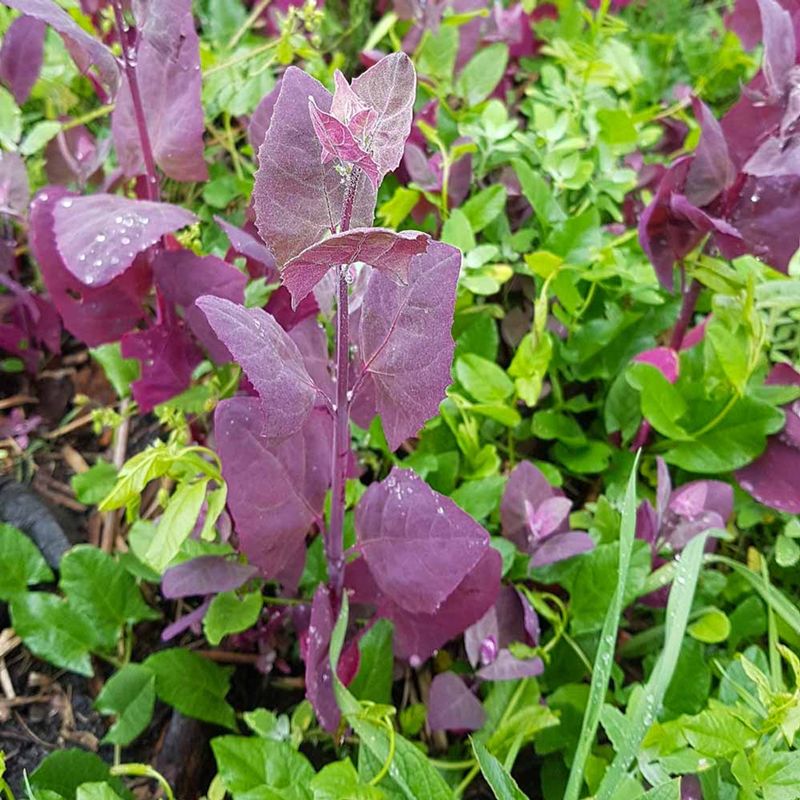
With stunning purple-red or golden leaves, orache added color to medieval gardens long before decorative plants were common. This salt-tolerant relative of spinach thrived in coastal gardens, providing essential minerals to medieval diets.
Faster growing than spinach and more heat-resistant, orache fed families throughout summer when other greens had bolted. The seeds were ground into porridge during lean times.
Medieval illuminated manuscripts often feature orache’s distinctive colored leaves in their decorative borders, showing its cultural importance beyond mere food.
12. Bistort: The Easter Ledge Pudding Plant
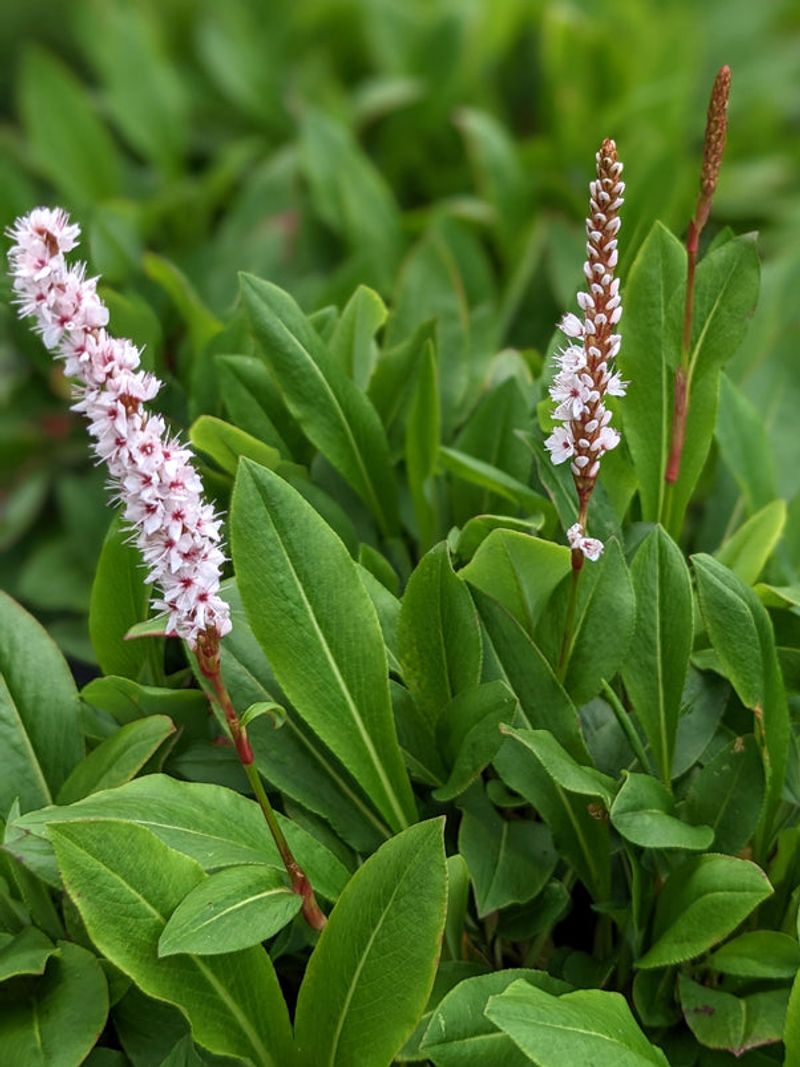
Bistort leaves formed the base of traditional Easter Ledge pudding, a medieval celebration dish marking winter’s end. The young leaves were boiled, chopped and mixed with barley, eggs, and wild herbs to create a communal feast.
The plant’s pink flower spikes added beauty to medieval gardens, while its tannic roots treated dysentery and wounds on the battlefield. Medieval farmers noticed bistort thrived in damp meadows, often planting it in areas too wet for other crops.
Its name comes from “twice twisted,” describing its serpentine roots.
13. Angelica: The Holy Ghost Plant
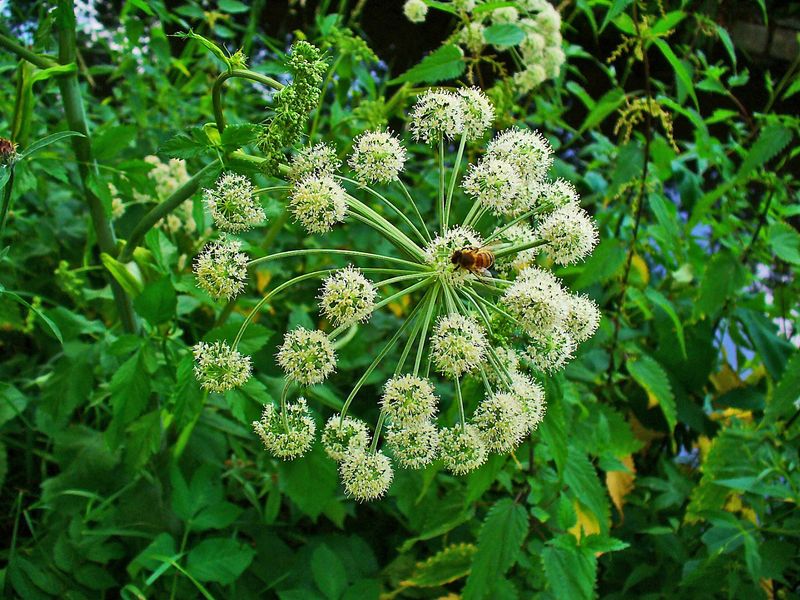
Legend claims angelica bloomed on the feast day of Michael the Archangel, giving this imposing plant its name and reputation as protection against evil. Growing up to eight feet tall with dramatic hollow stems and umbrella-like flower heads, angelica dominated medieval physic gardens.
Every part found use—roots and seeds in medicines, stems candied as confections, and leaves as vegetables. During plague outbreaks, people carried angelica roots as protective talismans.
Medieval brewers added the aromatic leaves to beer recipes before hops became standard.
14. Hyssop: The Purification Herb-Vegetable
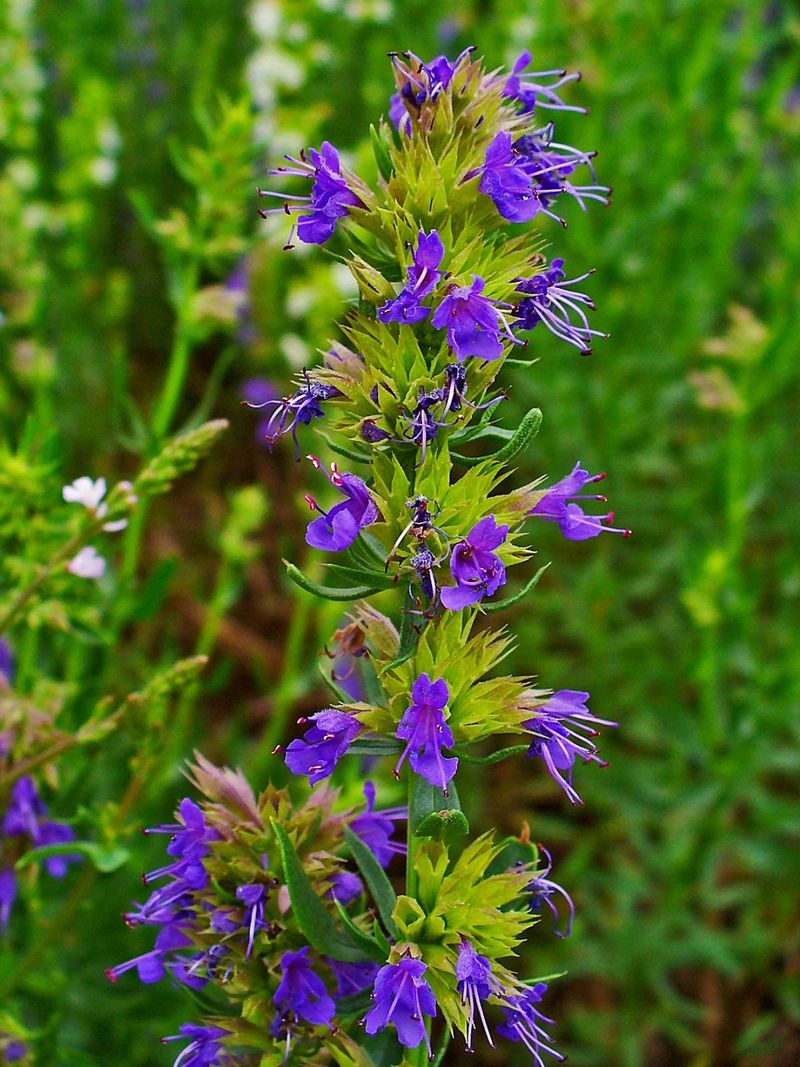
Straddling the line between vegetable and herb, hyssop created beautiful edible hedges in medieval knot gardens with its blue flower spikes and aromatic leaves. Monastery cooks added young leaves to soups and salads for their minty-sage flavor.
Medieval religious ceremonies used hyssop bundles for ritual purification, sprinkling holy water on worshippers. The plant’s strong scent was believed to cleanse air of disease miasmas during plague times.
Beekeepers planted hyssop near hives, as its nectar produces distinctively flavored honey still sought after today.
15. Samphire: The Sea Asparagus

Shakespeare mentioned samphire gathering as a dangerous profession in King Lear—medieval foragers risked treacherous cliffs to harvest this coastal vegetable. The succulent stems contain natural salt, making them valuable in medieval kitchens before salt was easily accessible.
Preserved in vinegar or salt, samphire provided crucial vitamins during winter months. Coastal monasteries cultivated it in special salt-water beds.
Beyond food, medieval doctors prescribed samphire for digestive complaints and to dissolve kidney stones, believing its habitat near purifying sea water enhanced its medicinal properties.