 Complete Gardening
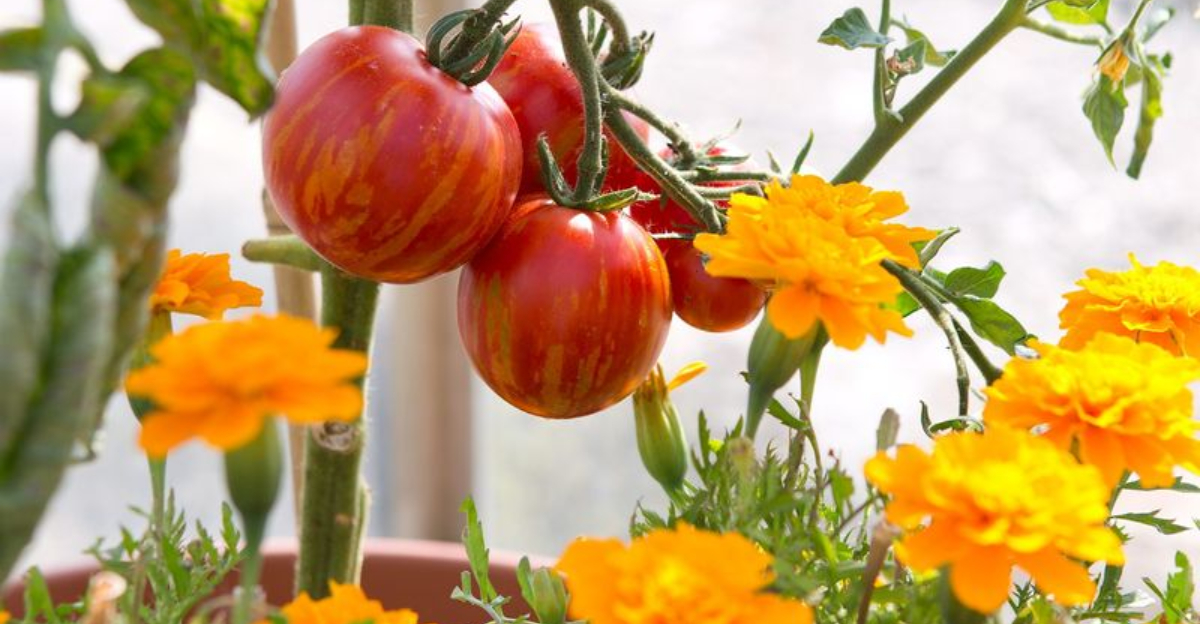
Growing monster vegetables requires more than just sunlight and water. It’s a blend of science, timing, and a bit of gardening magic. Whether you’re aiming to impress at the county fair or just want a backyard that’s the envy of the neighborhood, these tips will help you cultivate colossal crops. Dive into the world of giant pumpkins, towering corn, and oversized zucchinis with these seven essential tricks.
1. Soil Preparation Mastery
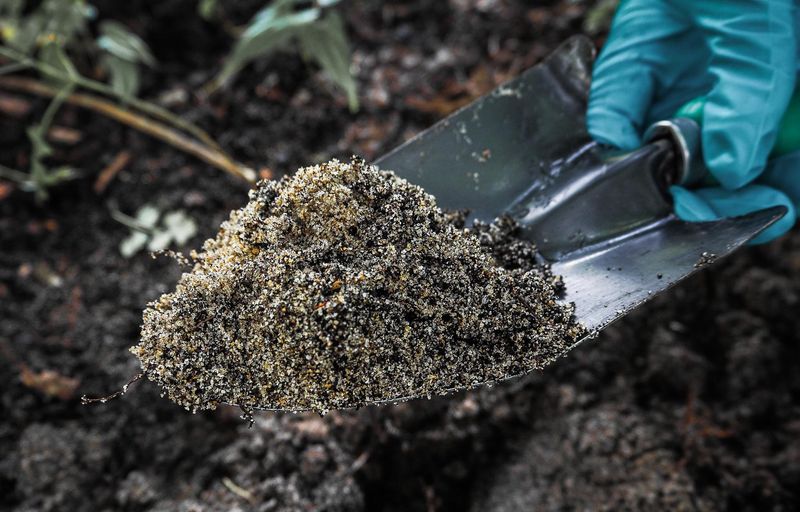
The foundation of any giant vegetable lies beneath the surface. A gardener’s first task is mastering soil preparation. Rich, nutrient-dense soil feeds the monstrous appetites of growing veggies. Start by incorporating organic matter like compost to improve soil structure and fertility. Test the soil’s pH, ensuring it falls between 6 and 7 for most vegetables. This range promotes optimal nutrient absorption, which is crucial for growth. Mix in well-rotted manure to boost nitrogen levels, essential for leafy growth. By tending to the soil with care, gardeners set the stage for veggies that defy expectations.
2. Selecting the Right Seeds
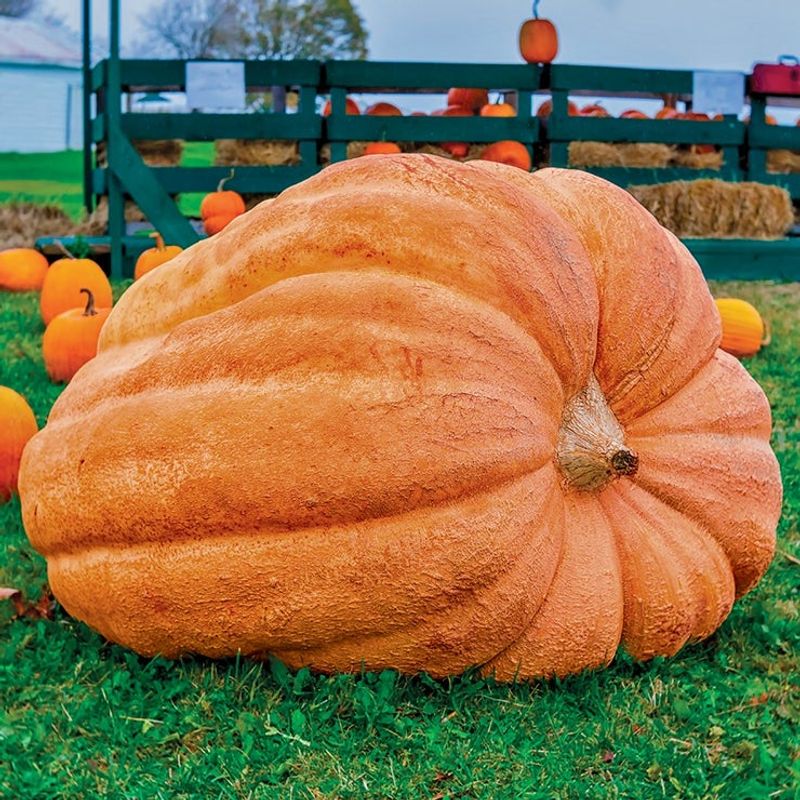
Not all seeds are created equal when it comes to growing giants. Choosing the right variety is a crucial step in your gardening journey. Look for seeds specifically bred for size, like Atlantic Giant pumpkins or Mammoth sunflowers. These varieties carry the genetic potential to reach impressive dimensions. When browsing catalogs or online stores, seek out reputable suppliers who specialize in giant vegetable seeds. By dedicating time to select seeds with proven potential, gardeners lay the groundwork for success. It all starts with choosing the right foundation for growth.
3. Watering with Precision
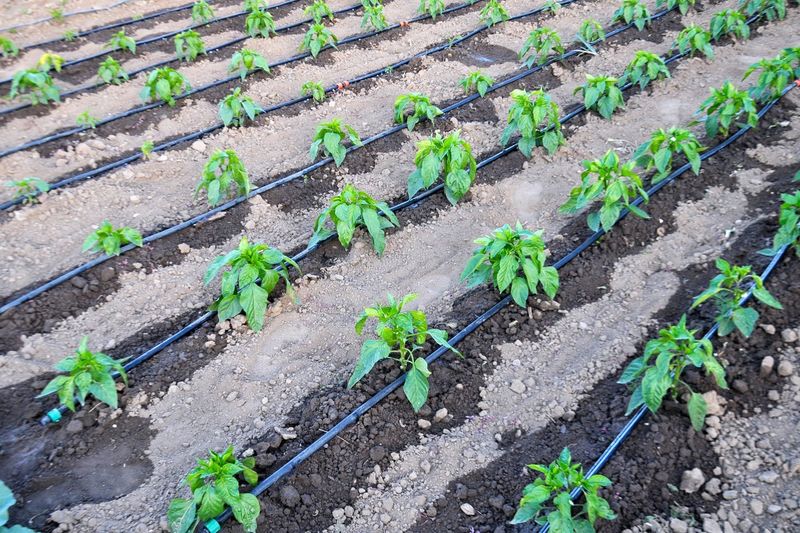
Watering is an art form, especially when aiming for giant veggies. Precision is key; too little and growth stalls, too much and roots drown. Install a drip irrigation system to deliver consistent moisture without oversaturating. Pay attention to weather conditions and adjust watering schedules accordingly. Giant vegetables often require more water than their smaller counterparts, particularly during hot spells. Mulching helps retain moisture and keeps roots cool. By mastering the balance of hydration, gardeners can foster an environment where vegetables grow to their full potential, reaching monstrous sizes.
4. Feeding for Size
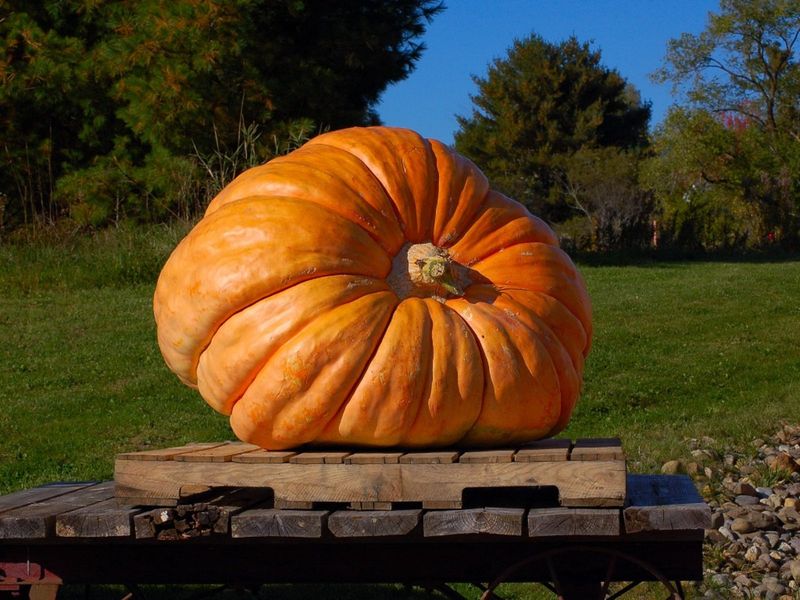
Feeding your vegetables is like fueling a race car; it requires the right blend at the right time. Specialized fertilizers can supercharge growth, providing essential nutrients that promote size. Opt for balanced fertilizers rich in potassium and phosphorus, vital for blooming and fruiting. Apply fertilizers regularly, but be wary of overfeeding, which can burn plants. Incorporate slow-release formulas to maintain steady nutrient levels. By understanding and implementing a strategic feeding schedule, gardeners can unlock the secret to producing vegetables of incredible proportions, ready to astonish and impress.
5. Pruning for Perfection
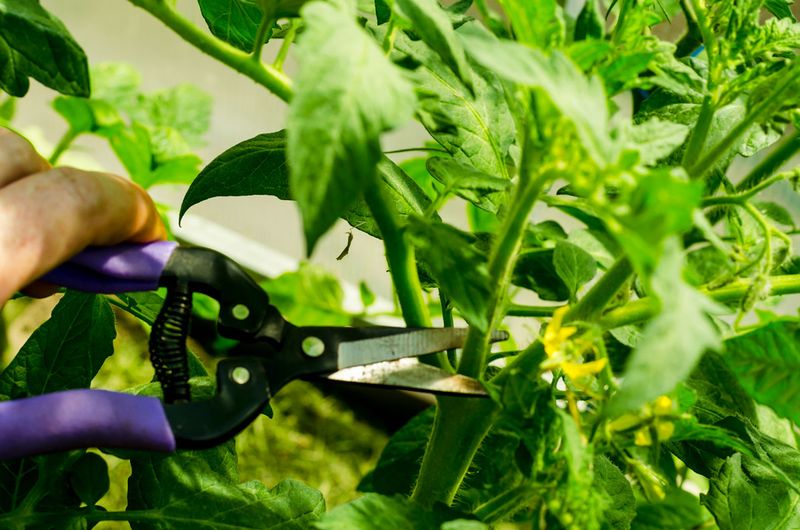
Selective pruning is akin to sculpting; it shapes how a plant grows and directs energy where it’s needed most. Remove excess leaves and lateral shoots to channel energy into the fruit. This practice encourages larger, healthier produce. Regular pruning also improves air circulation, reducing the risk of disease. Focus on removing damaged or yellowing leaves that can sap the plant’s vitality. By mastering the art of pruning, gardeners can guide their crops to develop fewer, but substantially larger fruits, making pruning an essential skill for those aiming for monstrous vegetables.
6. Timing Your Planting
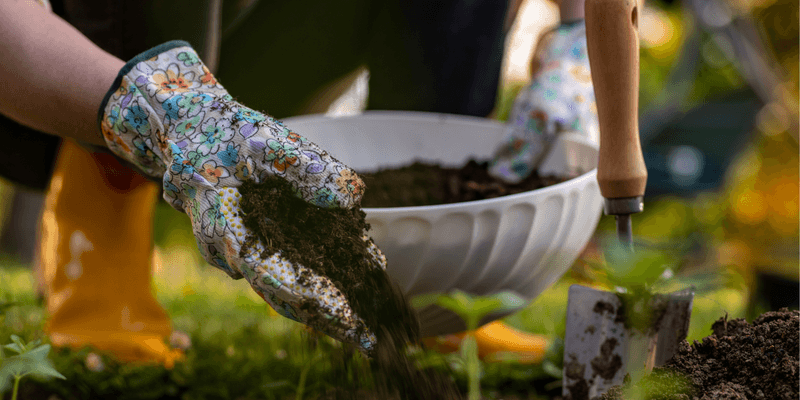
Timing is everything in the world of giant vegetables. Plant too early, and frost may damage young plants; too late, and growing seasons cut short potential. Research the optimal planting times for your specific region and vegetable type. Use a calendar to plan sowing dates and stagger plantings for a steady harvest. Early planting often gives vegetables a head start, essential for maximizing size. By synchronizing planting times with nature’s rhythms, gardeners can harness the full growing season, allowing vegetables to reach their peak potential in size and flavor.
7. Protecting from Pests
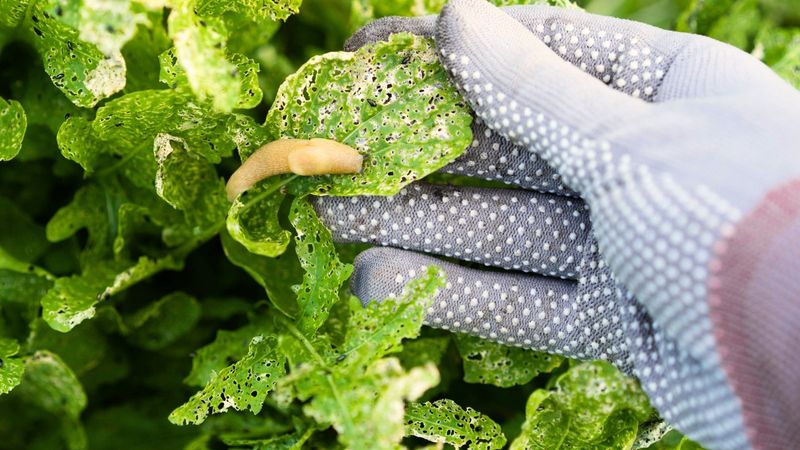
No garden is immune to pests, but a vigilant eye can make the difference between success and disaster. Regular inspections help catch issues early before they escalate. Employ organic pest control methods, such as neem oil or companion planting, to keep harmful insects at bay. Barrier methods like row covers also safeguard young plants. It’s essential to identify and respond to pest threats promptly, ensuring your vegetables have the best chance to grow unhindered. By maintaining a pest-free environment, gardeners can cultivate vegetables that are not only large but also healthy.
8. Companion Planting Strategies
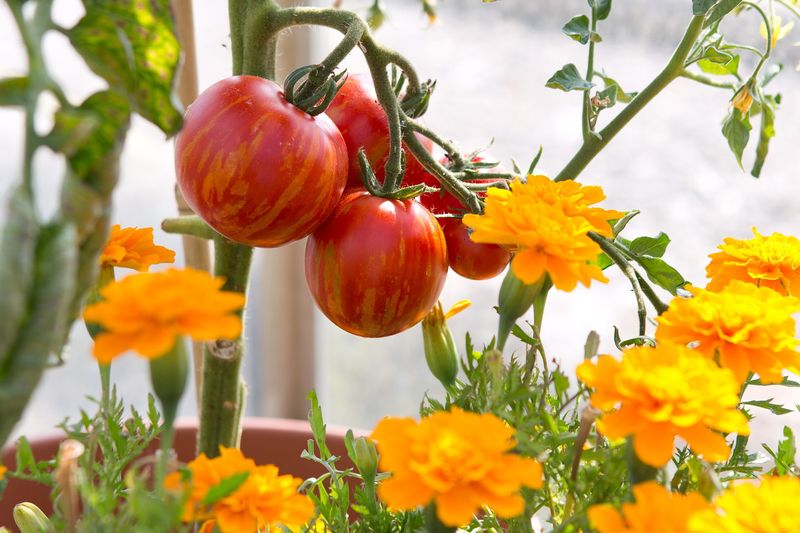
Planting marigolds alongside your vegetables not only adds beauty but also keeps pests away. This age-old practice protects your crops, ensuring they grow without hindrance.
The vibrant flowers attract beneficial insects while repelling harmful ones. Companion planting maximizes space and increases yield, offering a natural defense system for your garden.
Imagine a lush landscape where marigolds and tomatoes thrive together. It’s a picture of harmony, where nature dictates balance. Through strategic planting, your veggies gain strength and resilience, setting the stage for a bountiful harvest.
9. Mulching Mastery
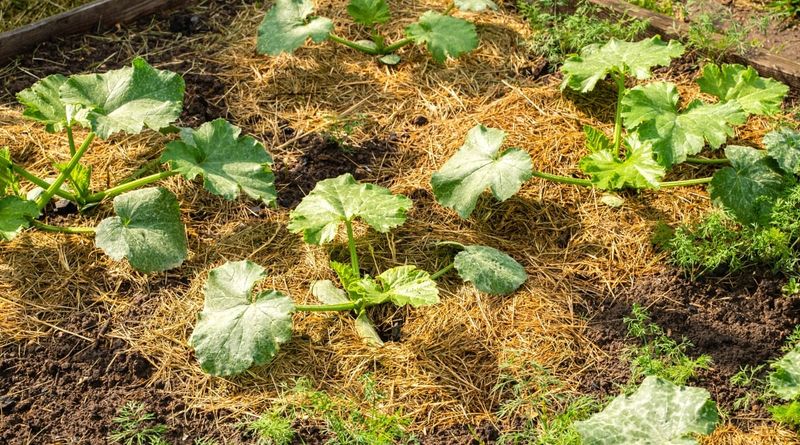
Mulching is more than just covering soil; it’s a vital technique for monster veggies. Straw, wood chips, or leaves trap moisture and regulate temperature.
This minimizes stress on plants, promoting steady growth. A well-mulched garden teems with life, as beneficial organisms thrive. The barrier also reduces weeds, allowing vegetables to bask in full glory.
Envision a garden blanketed with mulch, where zucchini plants flourish without competition. It’s a scene of tranquility, where every plant gets its chance to shine. Mulching is the unsung hero in the quest for gigantic veggies.
10. Crop Rotation Magic
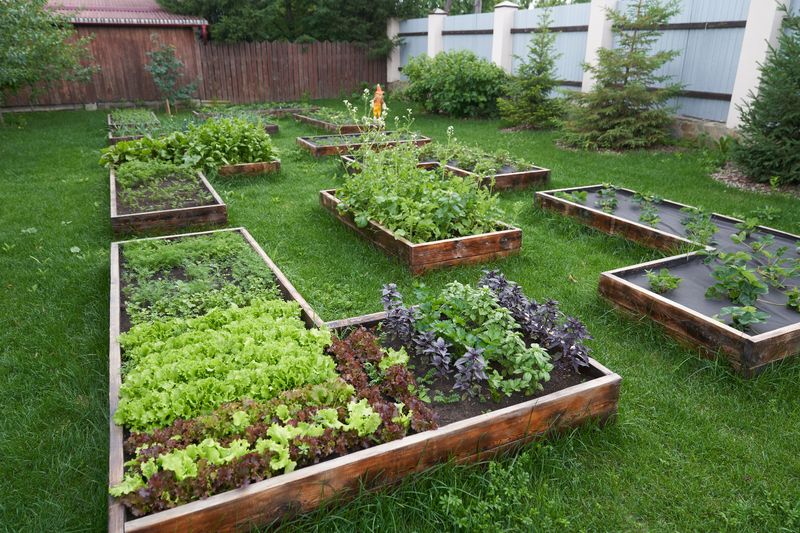
Crop rotation isn’t just for farmers; it’s a gardener’s secret weapon for healthy veggies. By rotating crops, you prevent soil depletion and break pest cycles.
This practice rejuvenates the earth, ensuring nutrient-rich soil for your plants. It’s a symphony of change, where each plant plays its part in the garden’s rhythm.
Picture a plot where carrots, beans, and lettuce take turns growing. The land thrives, free from monotony, bursting with life. Crop rotation is a timeless strategy, offering a fresh start each season for your veggies.
11. Sunlight Optimization Techniques
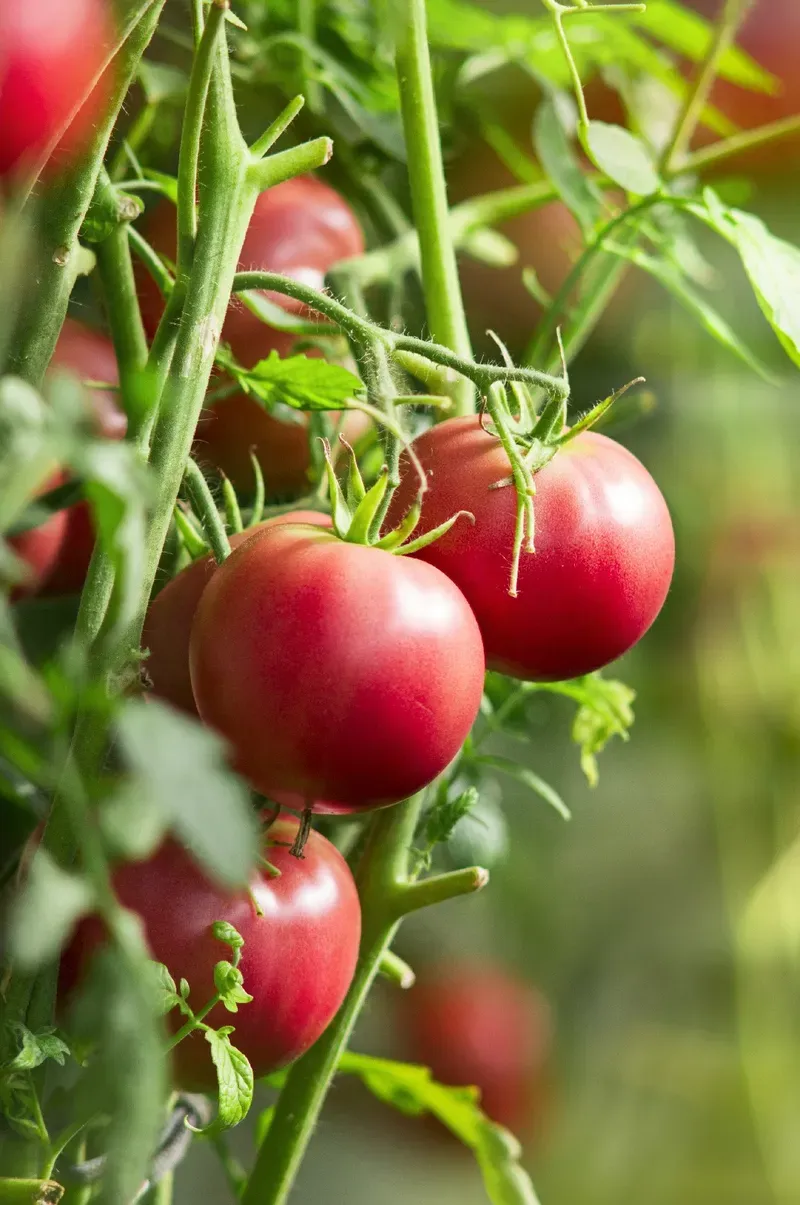
Harnessing the sun’s power is key to growing large veggies. By optimizing sunlight exposure, you encourage robust growth. Positioning plants in sun-drenched areas can make all the difference.
Reflective materials amplify available light, ensuring even lower leaves receive sunshine. It’s an art of angles, a dance with light.
Visualize a garden where tomatoes bask in enhanced sunlight, their leaves shimmering. Each plant reaches its full potential, thriving under nature’s spotlight. Sunlight optimization transforms ordinary gardens into arenas of growth and vitality.
12. Windbreak Wonders
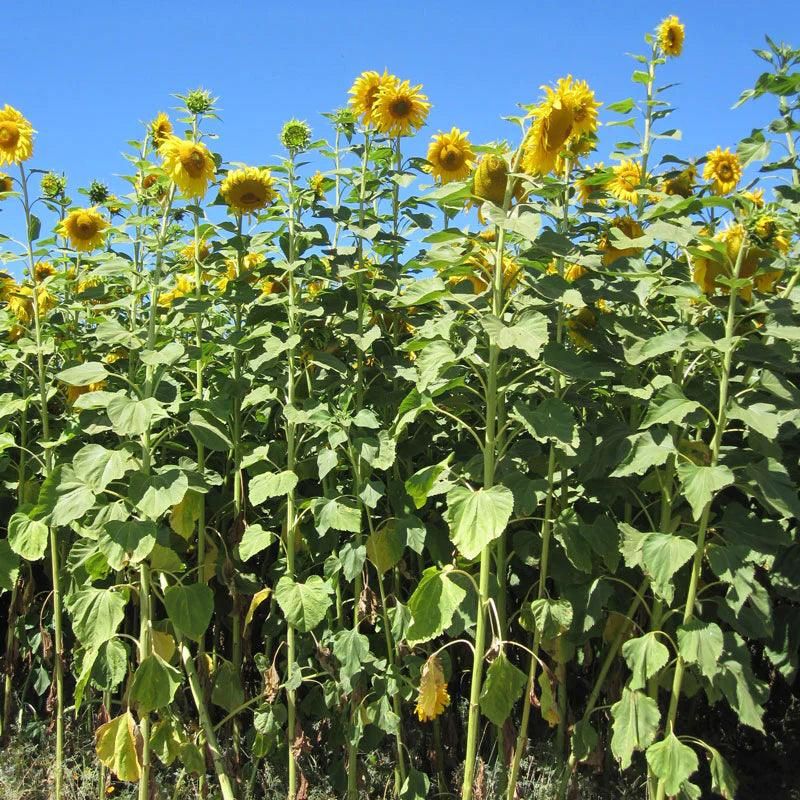
Wind can be both friend and foe in gardening. Creating windbreaks shields plants from harsh gusts, allowing them to grow undisturbed. Sunflowers and hedges make excellent natural barriers.
These plant guardians stand tall, offering shelter and enhancing the garden’s microclimate. The tranquility they provide fosters growth.
Imagine a garden where veggies stand firm against the wind, protected by a sunflower wall. The atmosphere is serene, a haven where plants flourish. Windbreaks are unsung champions, ensuring your veggies grow to monstrous proportions.
13. Beneficial Insect Alliances
14. Mirroring Nature’s Cycles
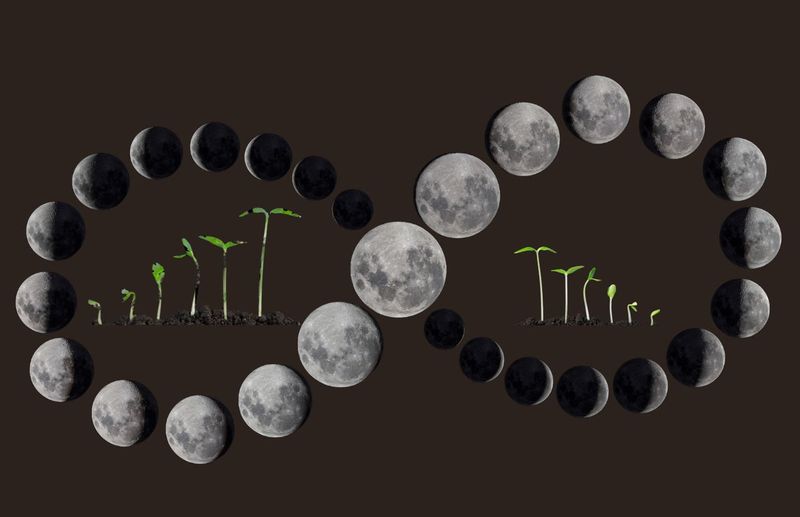
Consider the rhythm of nature. Mimicking natural cycles can boost vegetable growth significantly. Try syncing your gardening practices with the lunar calendar. Observing moon phases not only influences tides but impacts plant development too. During a new moon, it’s prime time for planting. The gravitational pull encourages seed germination and root growth.
Alternatively, consider using seasonal shifts. By planting your vegetables in harmony with the seasonal changes, you encourage resilience and robust growth. This approach fosters a more natural development, linked with the plant’s inherent rhythms. Today’s gardeners swear by these celestial influences for monster-sized veggies.
15. Harnessing Vibrational Energy

How about using sound to supercharge your veggies? Some gardeners are experimenting with vibrational frequencies, claiming it enhances plant growth. Playing classical music or using sound waves can stimulate plant cells, promoting larger growth.
Additionally, using tools like tuning forks or sound bowls provide direct vibrational energy. This might sound unconventional but gardeners report impressive results. By embracing vibrational energy, your vegetables could grow larger and more robust, achieving that monster size you’re after. With an open mind, your garden might just turn into a symphony of growth and abundance.