 Complete Gardening
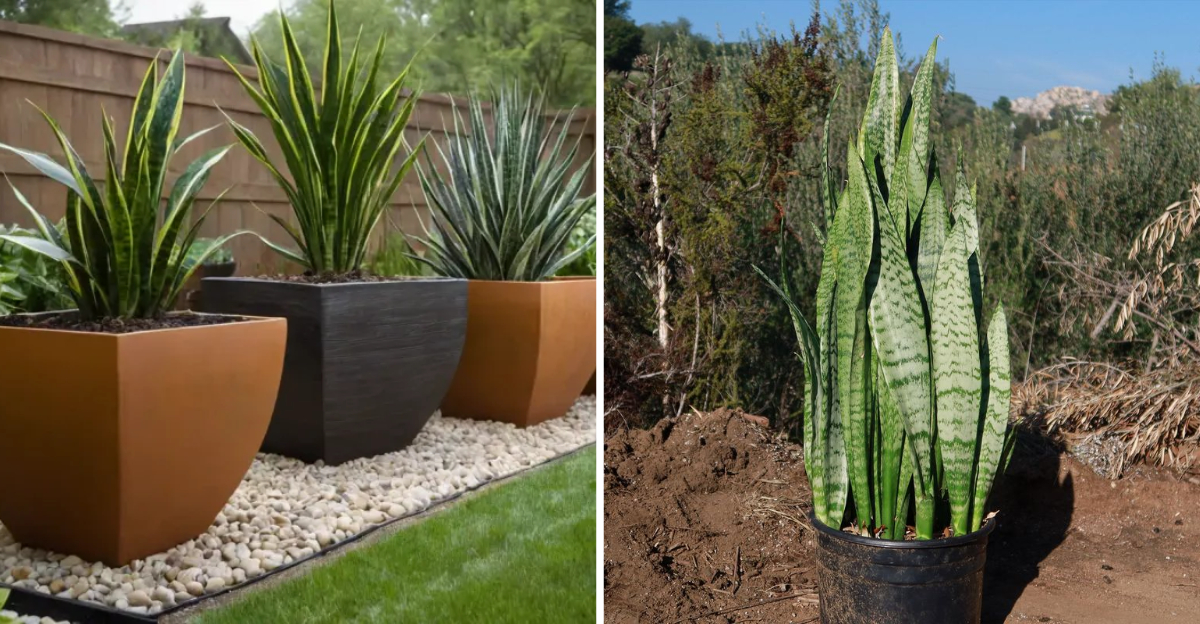
Planting a snake plant outdoors can lead to intriguing results. Known for their resilience indoors, these hardy plants may behave uniquely when exposed to the elements. From surprising growth patterns to fascinating interactions with wildlife, discover the unexpected changes that occur when a snake plant leaves the confines of a pot and embraces the great outdoors.
1. Weather Resilience
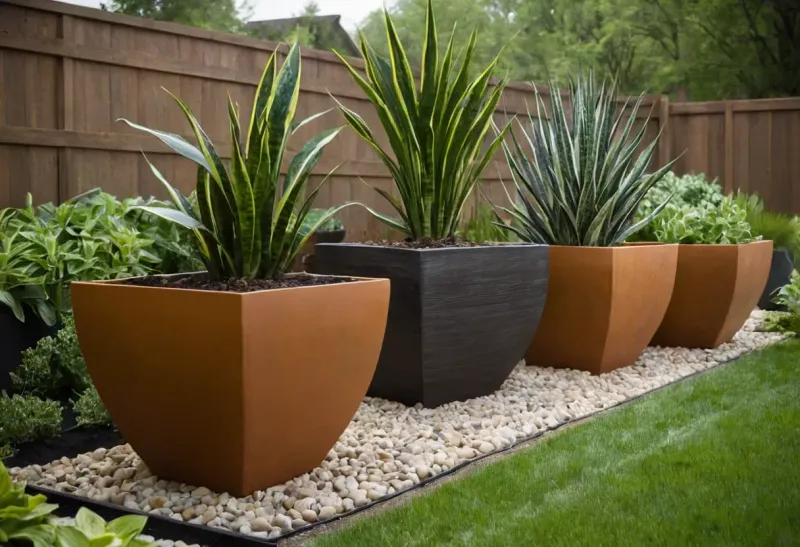
The snake plant, known for its tenacity, often surprises with its resilience to outdoor weather conditions. Its sturdy leaves withstand wind and rain, maintaining their upright stance.
In areas with mild climates, the snake plant can thrive outdoors year-round. However, in colder regions, precautions might be necessary to protect it from frost.
This hardy nature makes it a perfect candidate for those wanting a low-maintenance outdoor plant that can endure diverse climates. Its ability to adapt to nature’s challenges is truly remarkable and inspiring.
2. Wildlife Interaction
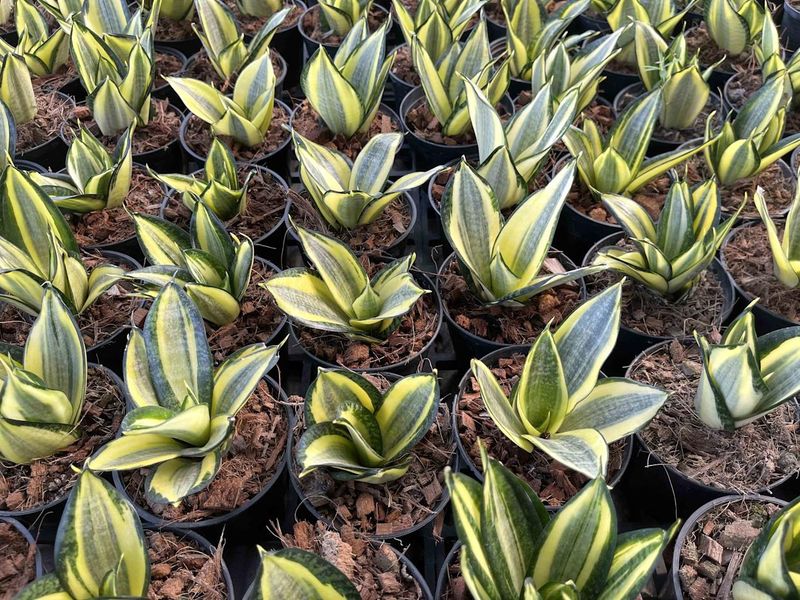
Curiously, a snake plant planted outdoors may play host to a variety of wildlife. The tall, erect leaves can attract butterflies and bees, adding a lively dimension to your garden.
These creatures are drawn to the plant, seeking shelter or exploring the garden’s ecosystem. Their presence creates a more dynamic, bustling environment that contrasts with the serene nature of indoor plants.
Such interactions highlight the plant’s role in the broader ecosystem, making it not just a decoration but an integral part of outdoor life.
3. Soil and Nutrient Variation
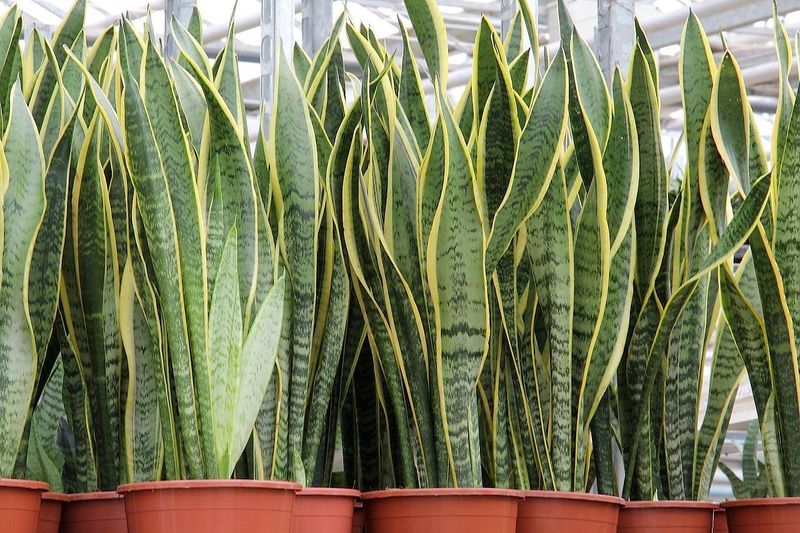
Outdoor planting exposes the snake plant to a diverse range of soil conditions. Unlike a pot’s limited soil, garden soil offers varied nutrients that can enhance the plant’s growth.
You might discover earthworms and organic matter enriching the soil, providing natural nourishment. This diverse environment supports healthier roots and more vigorous growth.
Such exposure illustrates the plant’s ability to adapt and thrive in new conditions. The snake plant’s roots will spread widely, absorbing the richness provided by the garden’s natural ecosystem.
4. Enhanced Air Quality

Did you know? Planting snake plants outdoors can improve garden air quality. Known for their ability to filter toxins, these plants continue this role outside.
With more leaves exposed to the air, their air-purifying efficiency increases. This makes them not only an aesthetic addition but also a functional one, enhancing outdoor spaces’ ambiance.
Their presence leads to cleaner, fresher air, benefiting the surrounding environment. The snake plant thus transforms outdoor areas into healthier, more pleasant places to relax and breathe easily.
5. Expansion Potential
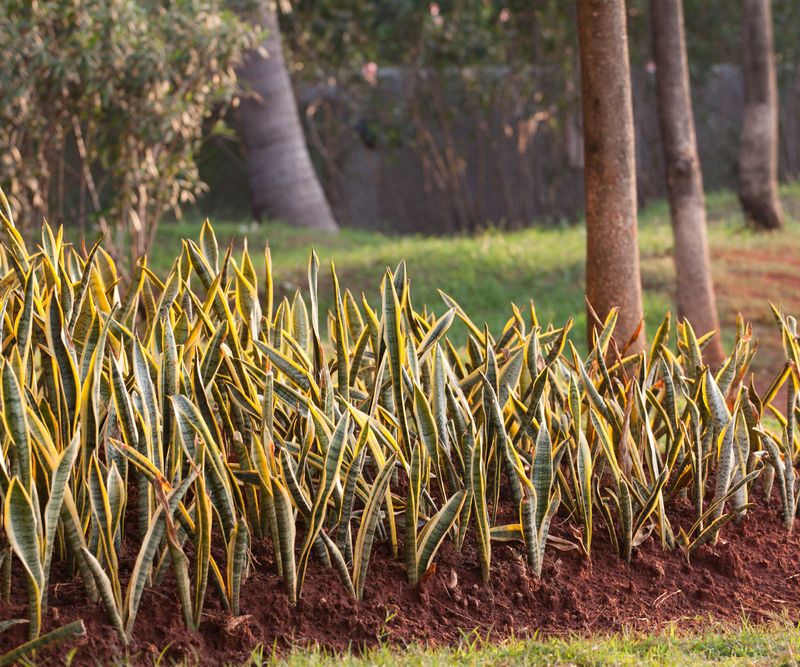
Ever wondered how far a snake plant could spread if given the space? Outdoors, they can expand their reach with remarkable vigor.
A single snake plant can grow into a sprawling collection, colonizing the garden with its striking vertical leaves. The plant’s rhizomes underground are the secret to its expansion prowess.
These hardy plants thrive on neglect, making them perfect for those who lack a green thumb. However, keep an eye on their growth, as they might overtake other plants if left unchecked. Snake plants offer a low-maintenance, visually appealing solution for garden lovers.
6. Temperature Adaptation
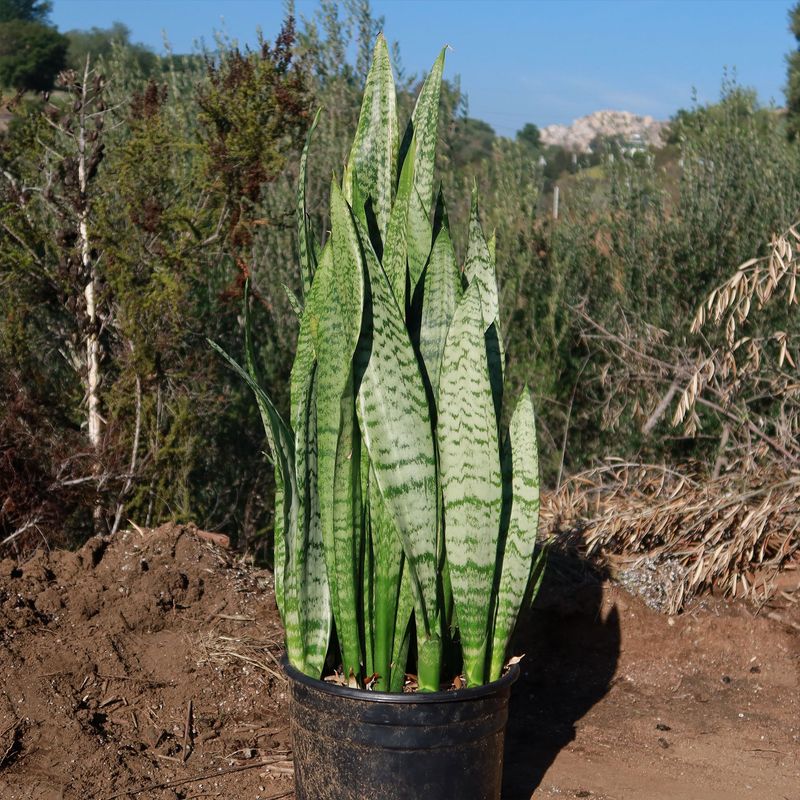
Can snake plants handle the great outdoors? Absolutely. Their resilience to temperature fluctuations is truly astonishing.
From scorching heat to chilly breezes, snake plants endure a wide range of conditions. Their thick, fleshy leaves help retain moisture, enabling them to survive in unpredictable climates.
While frost may damage them, they typically bounce back with ease when temperatures rise. Whether you’re in a sunny locale or a cooler region, snake plants adapt, thriving in various environments. Their ability to withstand such diverse conditions makes them a favorite for outdoor enthusiasts.
7. Flowering Surprise
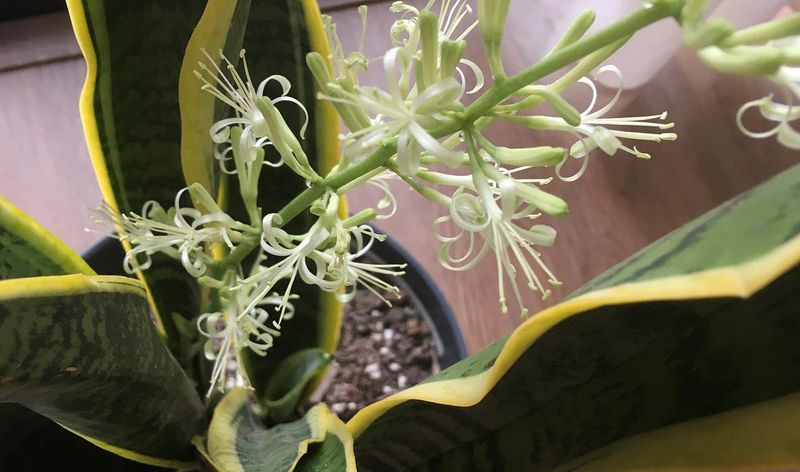
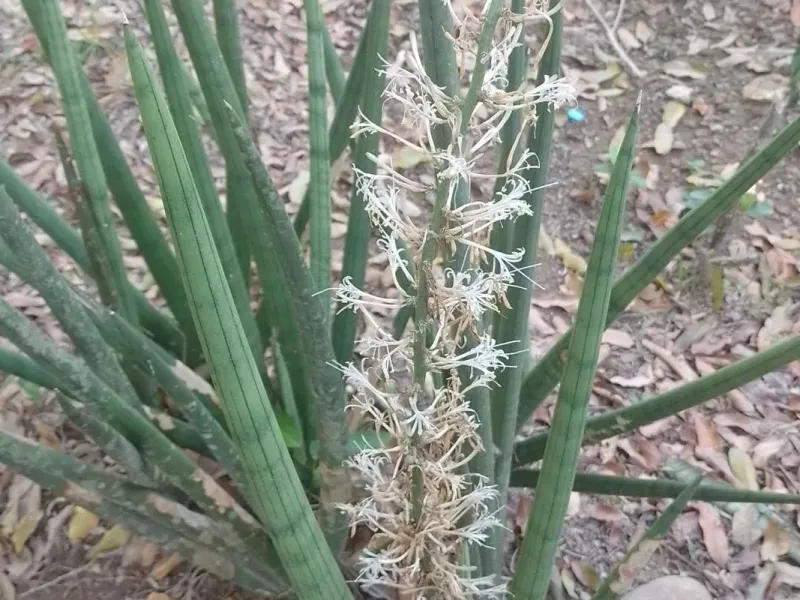
Did you know snake plants can bloom? Outdoors, they occasionally surprise gardeners with delicate, fragrant flowers.
These blooms, though rare, add a mystical charm to the garden. Resembling lilies, their white or cream blossoms emerge unexpectedly, adding an element of surprise.
The fragrance is subtle yet enchanting, often drawing curious onlookers to appreciate this rare event. While not all snake plants will flower, those that do bring joy and wonder to any outdoor space. Witnessing a snake plant in bloom is a special treat for plant enthusiasts.
8. Natural Pest Resistance
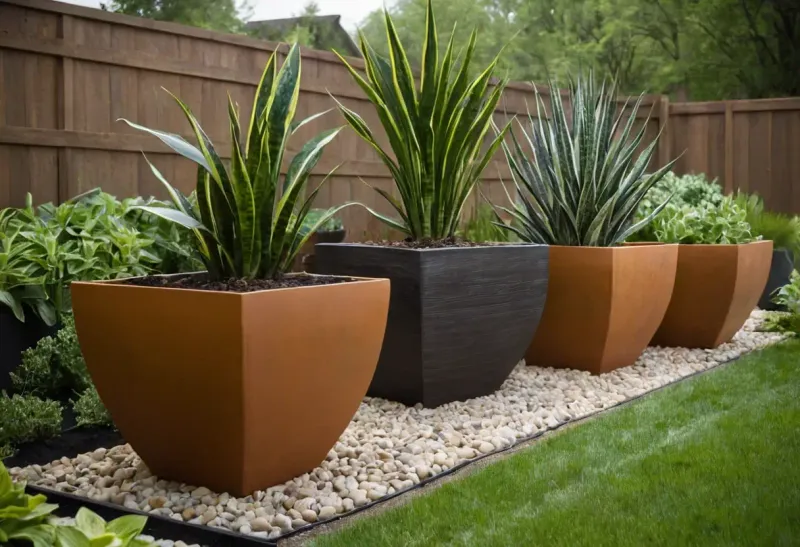
Pests can be a gardener’s nightmare, but snake plants have a secret weapon. Their leaves contain compounds that deter many common garden pests.
This natural pest resistance reduces the need for chemical pesticides, making them an eco-friendly choice. Aphids and mites often steer clear, leaving snake plants to thrive without interference.
In addition to being low-maintenance, this makes snake plants an attractive option for organic gardening. By choosing snake plants, gardeners can enjoy a healthier garden environment while reducing their ecological footprint. Their pest resistance is a true asset outdoors.
9. Water Efficiency
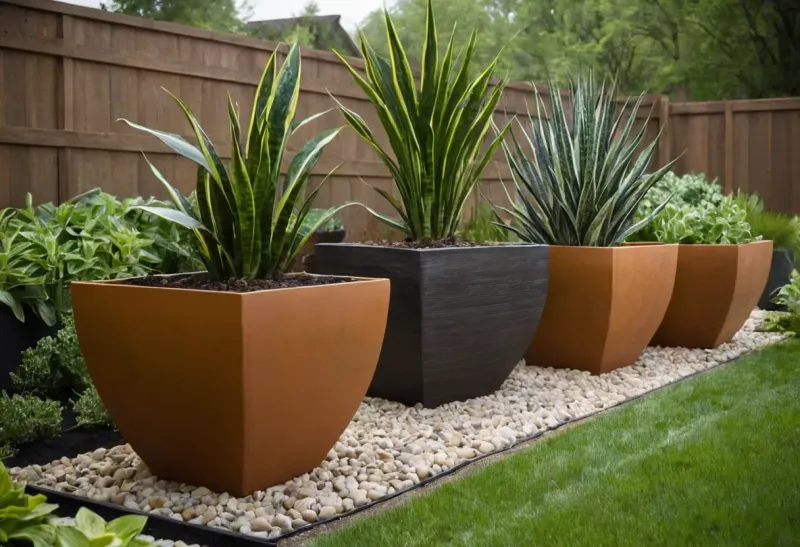
Watering can be a challenge, but not for snake plants. They excel in conserving water, making them ideal for arid gardens.
Their succulent-like leaves store moisture, allowing them to endure dry spells with ease. This water efficiency is not just beneficial for the plant, but also for resource-conscious gardeners.
Snake plants require minimal irrigation, thriving in conditions where other plants might struggle. Their ability to survive drought-like conditions makes them a sustainable choice for outdoor planting, offering beauty without excessive water usage.
10. Non-Invasive Beauty
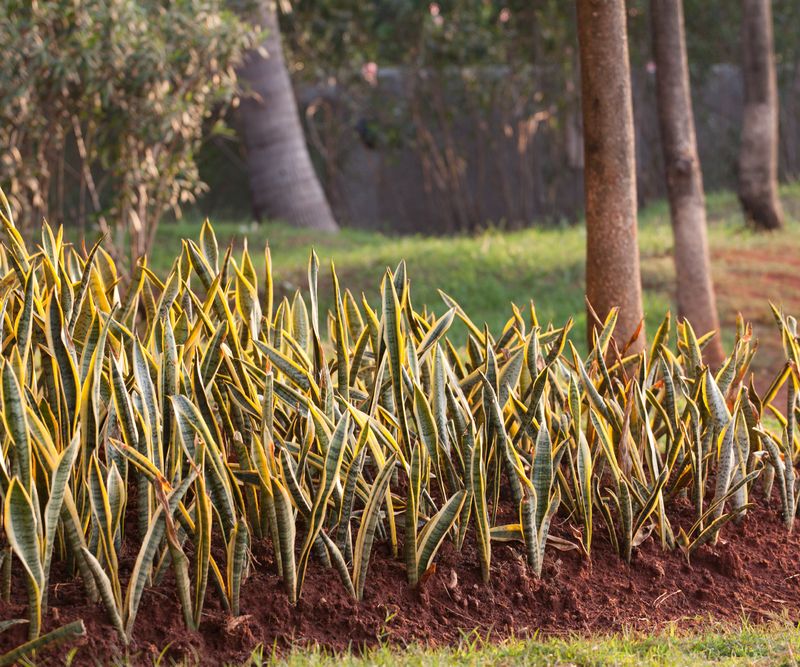
Concerned about invasive plants? Snake plants offer beauty without becoming a garden bully.
Unlike some aggressive species, snake plants are relatively easy to manage. Their growth can be controlled with regular maintenance, keeping them contained to specific garden areas.
This non-invasive quality makes them suitable for gardens of all sizes. Snake plants provide striking visual interest with their upright leaves, without overwhelming other plants. With proper care, they coexist peacefully, offering elegance and structure to outdoor spaces.
11. Enhancing Privacy
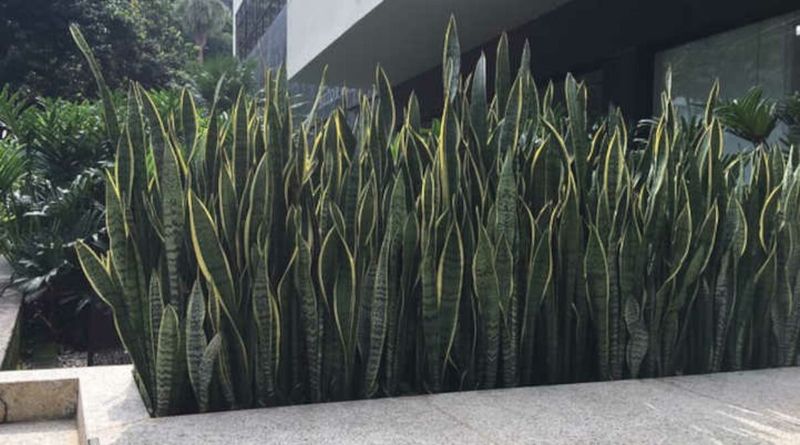
Privacy is a precious commodity in gardens, and snake plants offer a unique solution. Their tall, upright leaves can form natural screens.
By planting them strategically, you can create secluded spots for relaxation. Snake plants grow densely, providing an effective barrier without the need for fences.
This living privacy screen can be an attractive alternative to traditional options. It also encourages biodiversity, as birds and insects find refuge among the leaves. With snake plants, you can enjoy a serene outdoor sanctuary, shielded from prying eyes.
12. Drought Survival
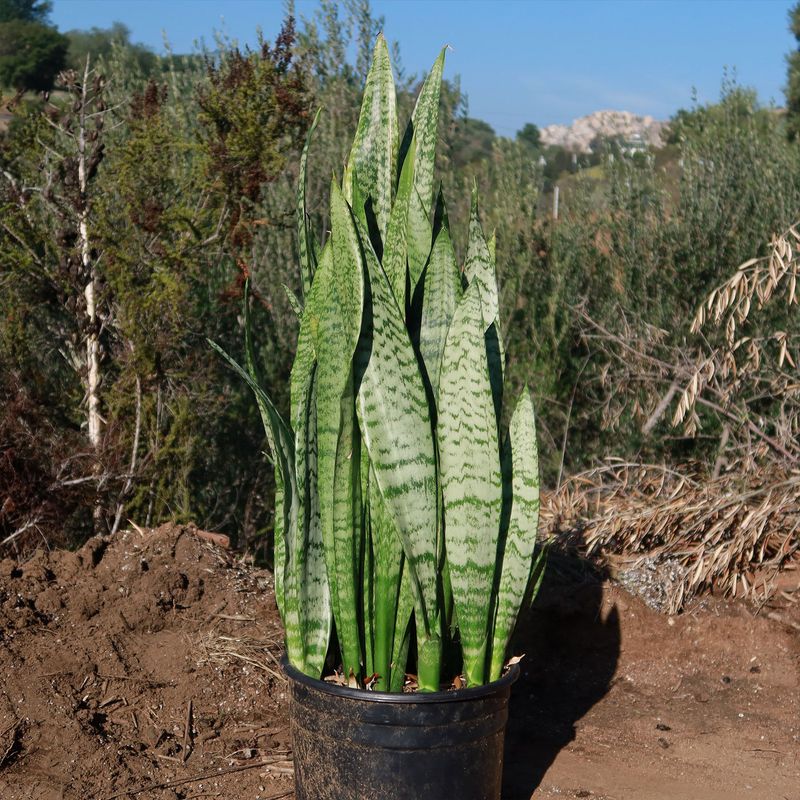
In regions prone to drought, snake plants are a gardener’s ally. Their innate ability to store water makes them drought survivors.
During dry periods, their thick leaves retain moisture, sustaining the plant when water is scarce. This resilience reduces the need for frequent watering, saving time and resources.
Their drought tolerance also means they maintain their lush appearance even in challenging conditions. Snake plants bring greenery and life to areas where other plants might wilt, adding vibrancy to drought-stricken gardens.
13. Visual Texture
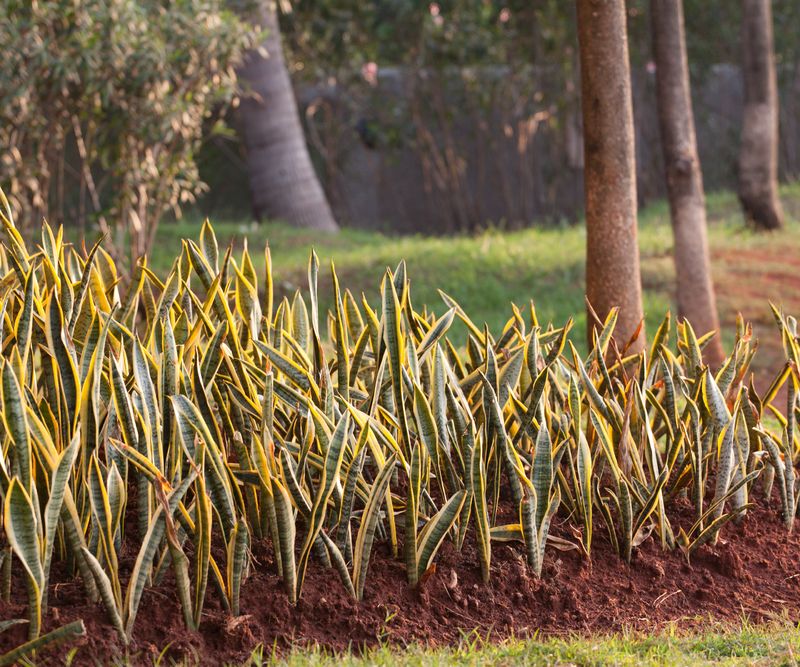
Snake plants are not just about utility; they offer aesthetic appeal as well. Their unique leaf patterns add texture to gardens.
With shades ranging from deep green to variegated stripes, they provide visual contrast among other plants. This diversity in appearance enhances garden design.
Whether used as a focal point or a complementary feature, snake plants captivate with their striking foliage. Their architectural form adds a touch of modern elegance to outdoor spaces, making them a popular choice for landscape architects and gardeners alike.
14. Seasonal Changes
Did you ever notice how a snake plant’s appearance changes with the seasons? Outside, these plants offer a dynamic visual experience.
In sunny months, their leaves may become more vibrant, reflecting the intensity of the environment. As seasons shift, subtle changes in hue and vigor are observed.
This seasonal adaptation adds interest to gardens, ensuring they never become static. By planting snake plants, gardeners can enjoy a living artwork that evolves throughout the year, providing continual beauty and intrigue.
15. Easy Propagation
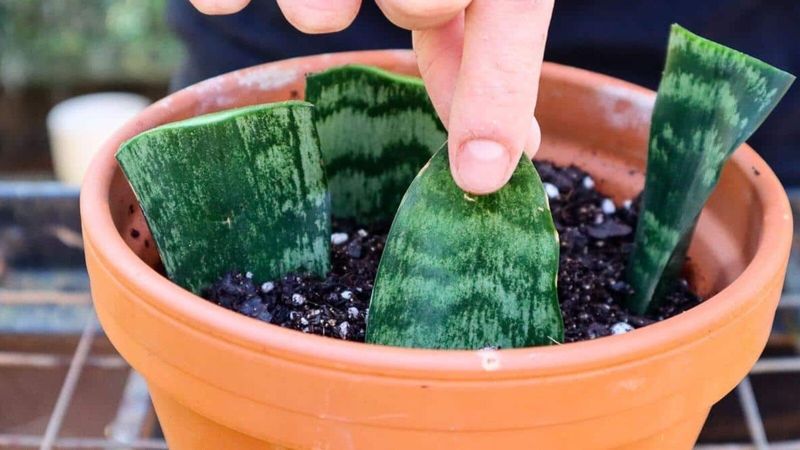
Got a green thumb? Snake plants make propagation a breeze. Outdoors, expanding your collection is simple and rewarding.
By cutting a leaf and planting it in soil, new growth emerges. This method allows gardeners to multiply plants with minimal effort.
The satisfaction of watching new plants take root is immense. Snake plants’ straightforward propagation makes them a favorite for enthusiasts looking to share their love of gardening. Whether gifting to friends or filling a garden, propagation is a joyful process that enriches any outdoor space.