 Complete Gardening
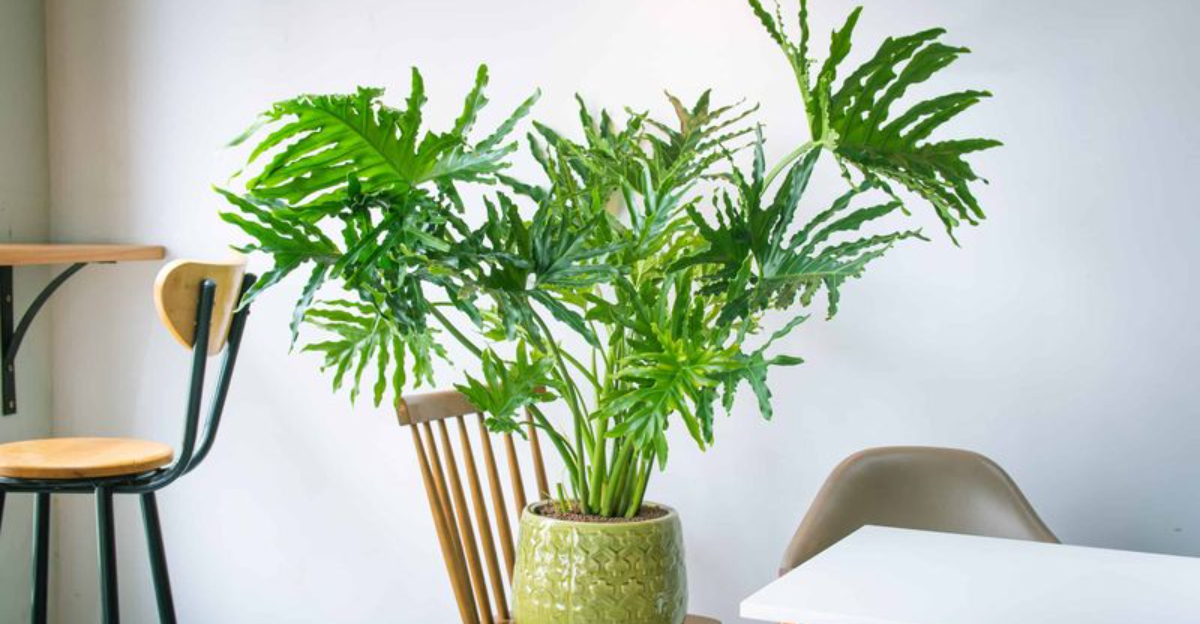
Formaldehyde, a common indoor air pollutant, can be mitigated by specific houseplants. These plants not only purify the air but also add a touch of greenery to any space. Here are 15 plants known for their formaldehyde-fighting prowess, along with tips on how to keep them thriving.
1. Snake Plant (Sansevieria/Dracaena trifasciata)
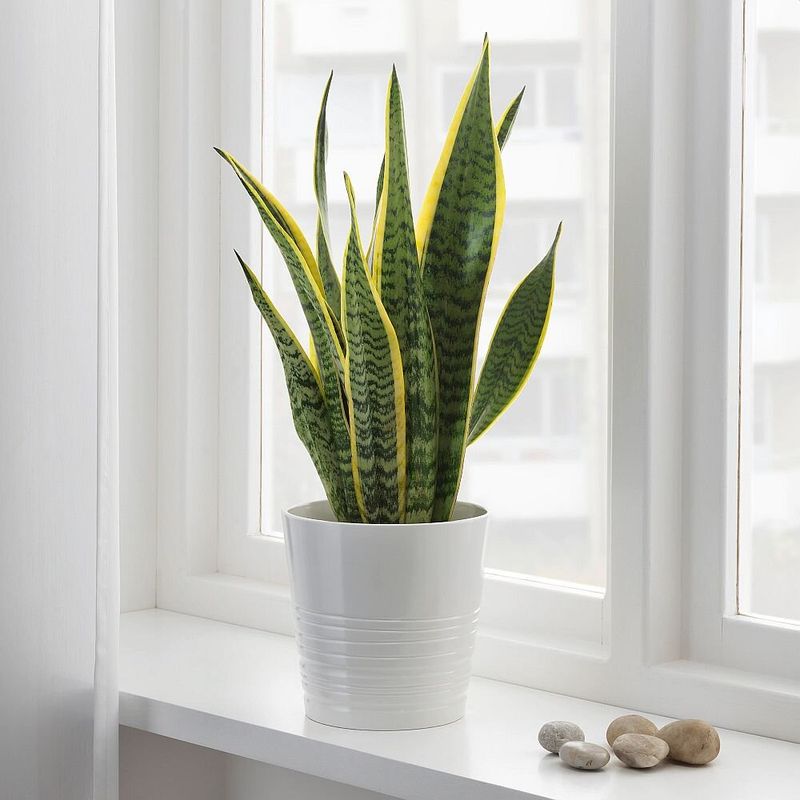
Known for its hardy nature, the Snake Plant is a top choice for fighting toxins like formaldehyde. Its sleek, sword-like leaves not only enhance aesthetics but also improve air quality. Ideal for those with a busy lifestyle, it demands little attention. Place it in a low-light corner and water sparingly – only when the soil is completely dry. This resilience makes it a favorite among urban dwellers. Did you know? It’s often called ‘Mother-in-law’s tongue’ for its sharp appearance! Perfect for modern interiors, this plant is both a guardian of health and a decorative delight.
2. Spider Plant (Chlorophytum comosum)
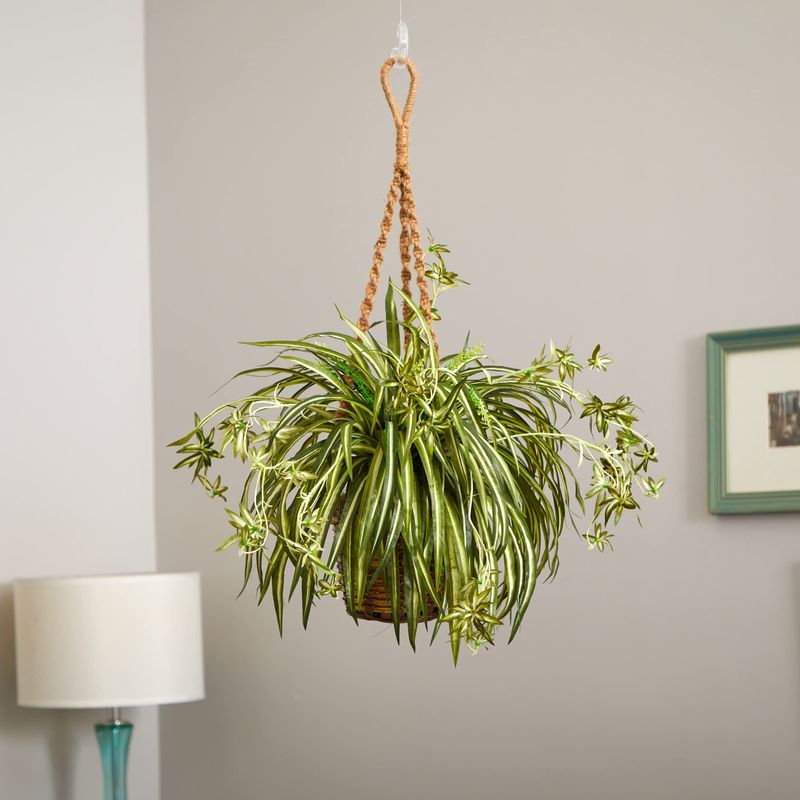
The Spider Plant’s charming cascade of lush, green leaves makes it a beloved houseplant. Not only does it act as a natural air purifier, but it’s also incredibly pet-friendly and easy to propagate. Little “pups” or offshoots can be replanted to expand your greenery. Thriving best in bright, indirect light, this plant is a cheerful addition to any home. Keep the soil slightly moist to ensure its happiness. Fun fact: It’s one of NASA’s top air-purifying plants! Its playful, trailing leaves bring a lively energy to kitchens and living rooms alike.
3. Peace Lily (Spathiphyllum)
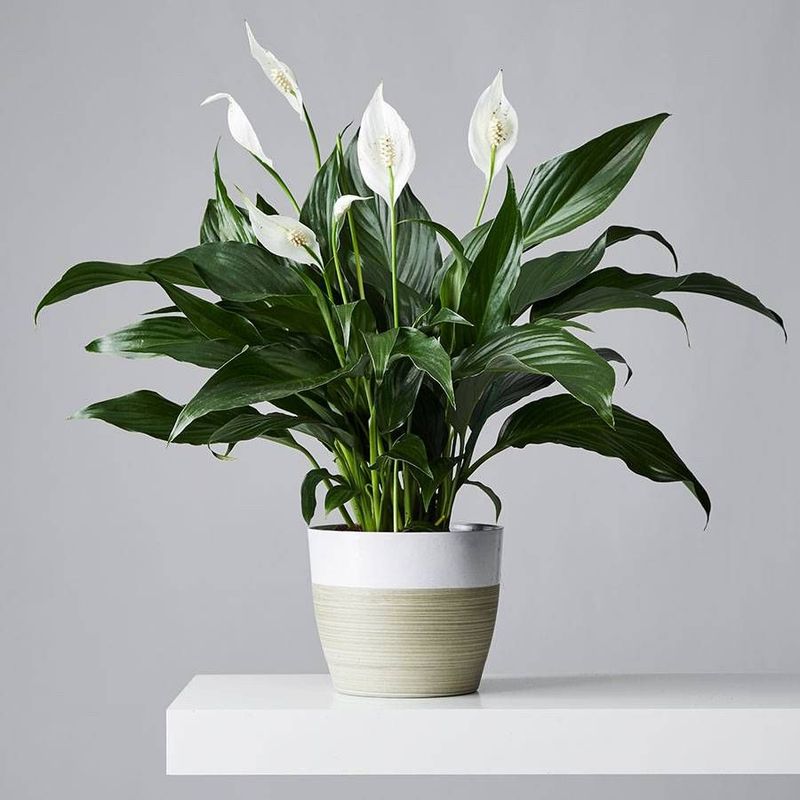
The Peace Lily is both graceful and functional, known for its elegant white blooms and air-purifying capabilities. It efficiently removes pollutants like formaldehyde and ammonia from the air. With its ability to thrive in low-light conditions, it’s perfect for dim corners. Maintaining its beauty is simple: keep the soil moist and gently wipe the leaves to keep them dust-free. Did you know? The Peace Lily is often associated with tranquility and purity. Its presence in a room not only cleans the air but also adds a sense of calm.
4. Boston Fern (Nephrolepis exaltata)
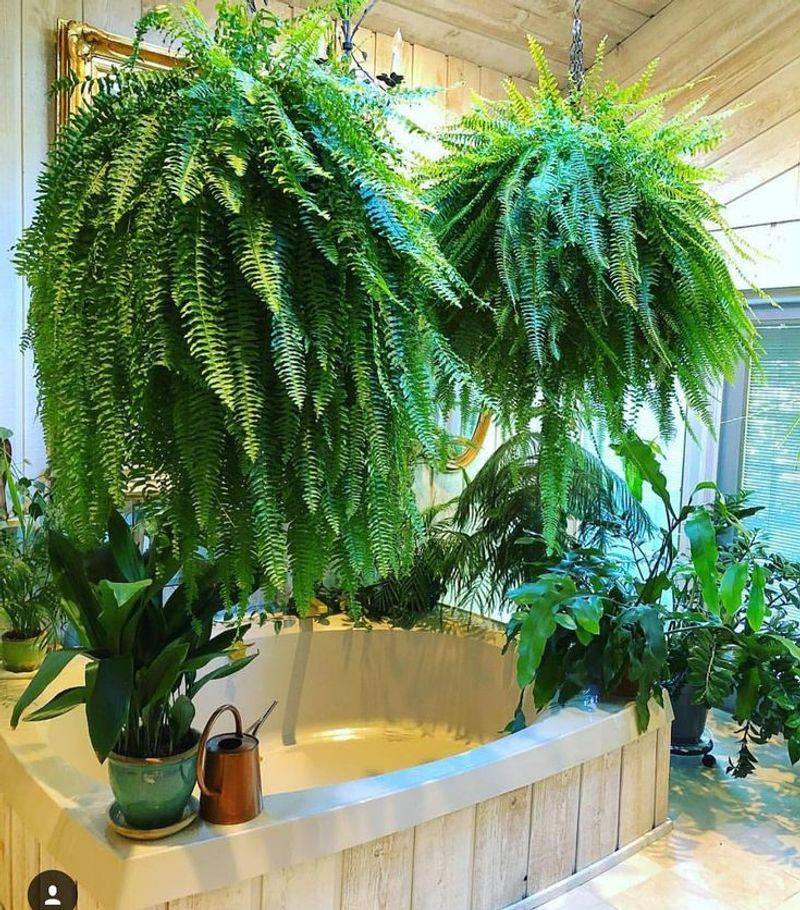
The Boston Fern’s lush, feathery fronds are not just decorative; they also act as natural humidifiers. Renowned for their ability to combat formaldehyde and xylene, these ferns thrive in moist environments. Regular misting and high humidity are key to their care. Place them in bathrooms or kitchens for optimal growth. Fun story: In the Victorian era, Boston Ferns were a staple in parlors for their air-cleansing properties. Their rich foliage brings a touch of classic elegance to modern homes. Regular attention ensures they remain vibrant and healthy.
5. Bamboo Palm (Chamaedorea seifrizii)
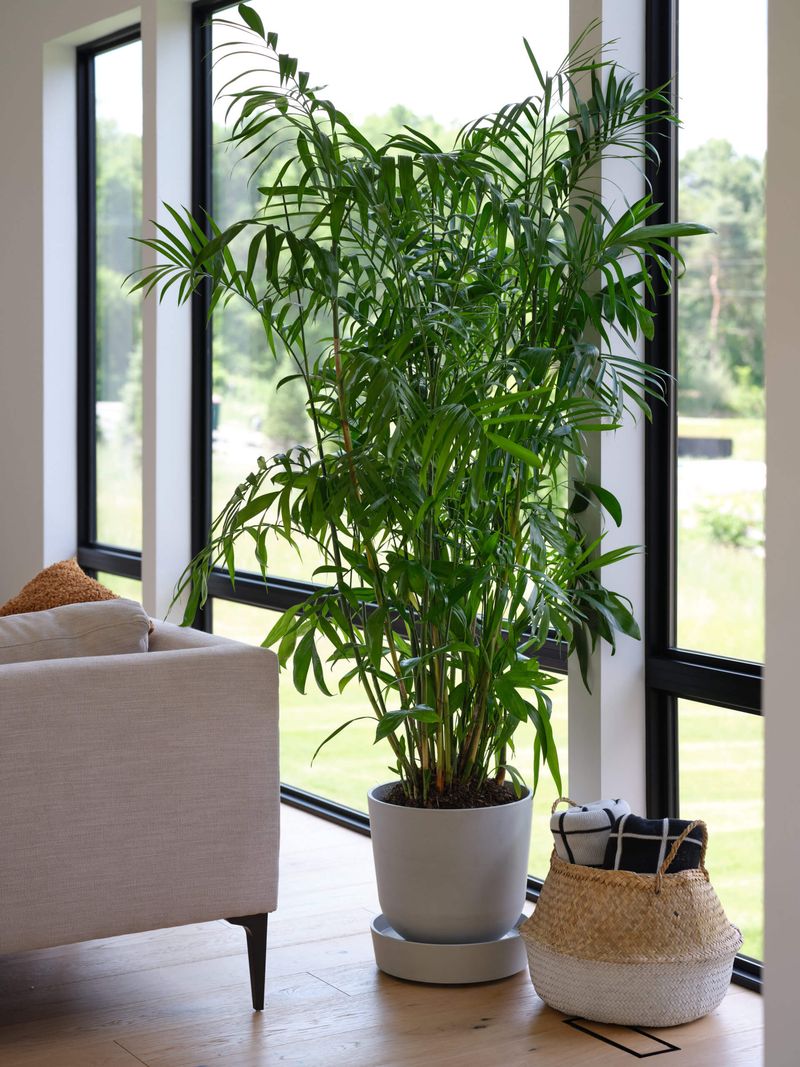
With its towering fronds, the Bamboo Palm adds a tropical flair to any space. It’s incredibly effective at removing formaldehyde, benzene, and chloroform from the air. Pet owners can rejoice, as this palm is non-toxic to animals. For best results, position it in bright but indirect sunlight. A weekly watering schedule keeps it thriving. Fun tidbit: The Bamboo Palm is often used in landscapes for its lush appearance. Its presence in a room offers both height and texture, making it a versatile choice for interior decorators seeking a fresh, airy atmosphere.
6. Golden Pothos (Epipremnum aureum)
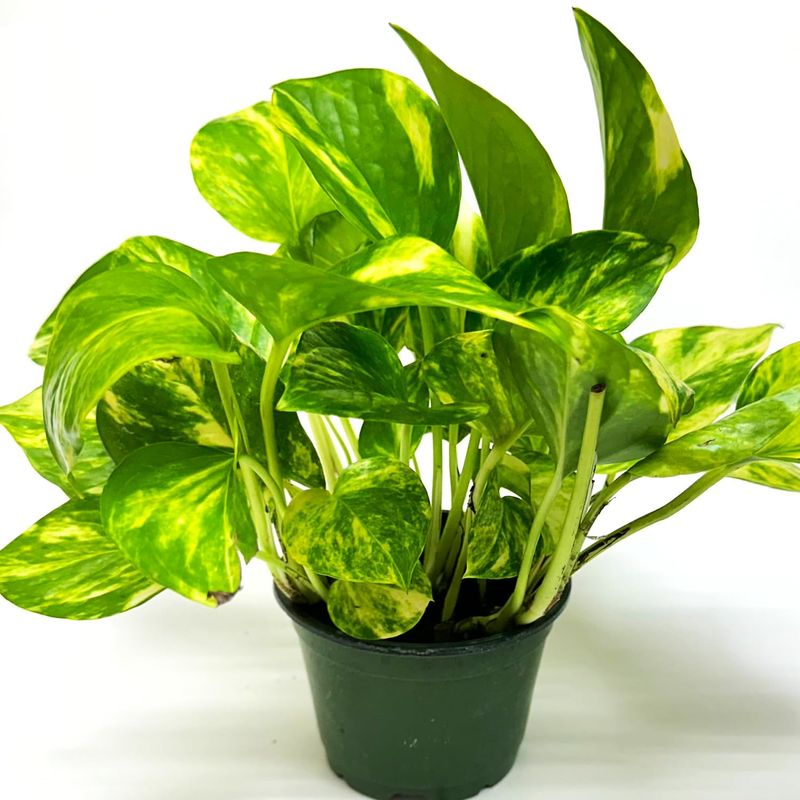
Often dubbed the “Devil’s Ivy,” the Golden Pothos is a robust and fast-growing plant, perfect for those new to indoor gardening. Its heart-shaped, golden-green leaves are known for their air-purifying prowess, tackling toxins like formaldehyde. Whether draping from a shelf or climbing a trellis, it adapts beautifully to various environments. Keep it trimmed to encourage bushy growth, and place it in bright, indirect sunlight for vibrancy. This adaptable plant is a staple in many homes for its ability to thrive on neglect, making it an easy-care option for busy individuals.
7. Aloe Vera (Aloe barbadensis)
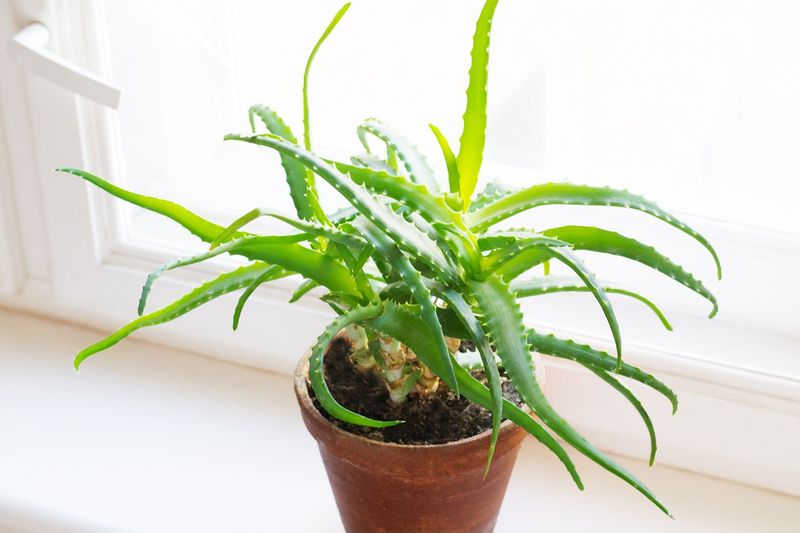
Aloe Vera is more than just a healing plant; it’s a powerful air purifier too. Its thick, fleshy leaves absorb formaldehyde and benzene efficiently. Known for its medicinal properties, it’s a staple in homes seeking natural remedies. Ensure it receives plenty of bright light and water deeply but infrequently. Fun fact: Aloe Vera gel is a common ingredient in skincare. Its presence on a windowsill not only beautifies but also stands ready to soothe burns. This plant is a perfect blend of utility and aesthetics, ideal for sunny spots in the house.
8. English Ivy (Hedera helix)
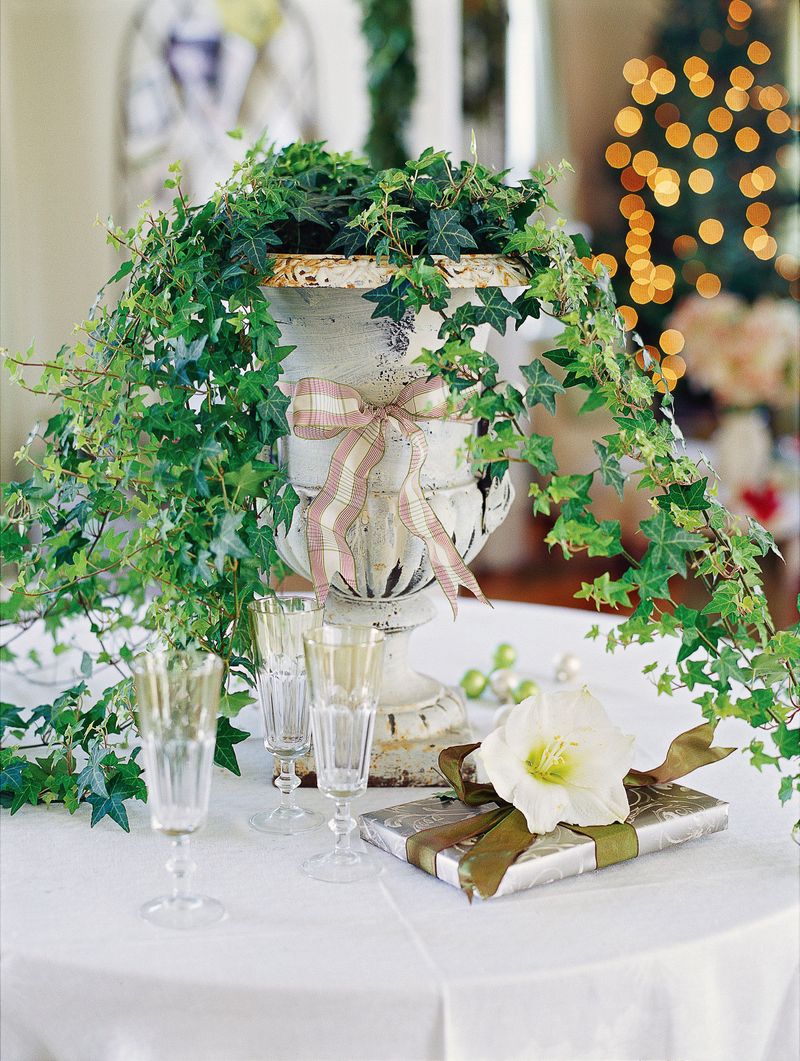
English Ivy is a classic favorite, beloved for its ability to quickly purify air and eliminate mold spores. Its trailing vines add a touch of romance to any room, especially when cascading from shelves or hanging baskets. Although it’s adept at cleansing the air, caution is needed around pets as it’s toxic if ingested. It thrives best in indirect light and prefers slightly dry conditions. A staple in traditional home decor, English Ivy blends nostalgia with functionality. Its timeless beauty and effective purification make it a cherished choice for plant enthusiasts.
9. Rubber Plant (Ficus elastica)
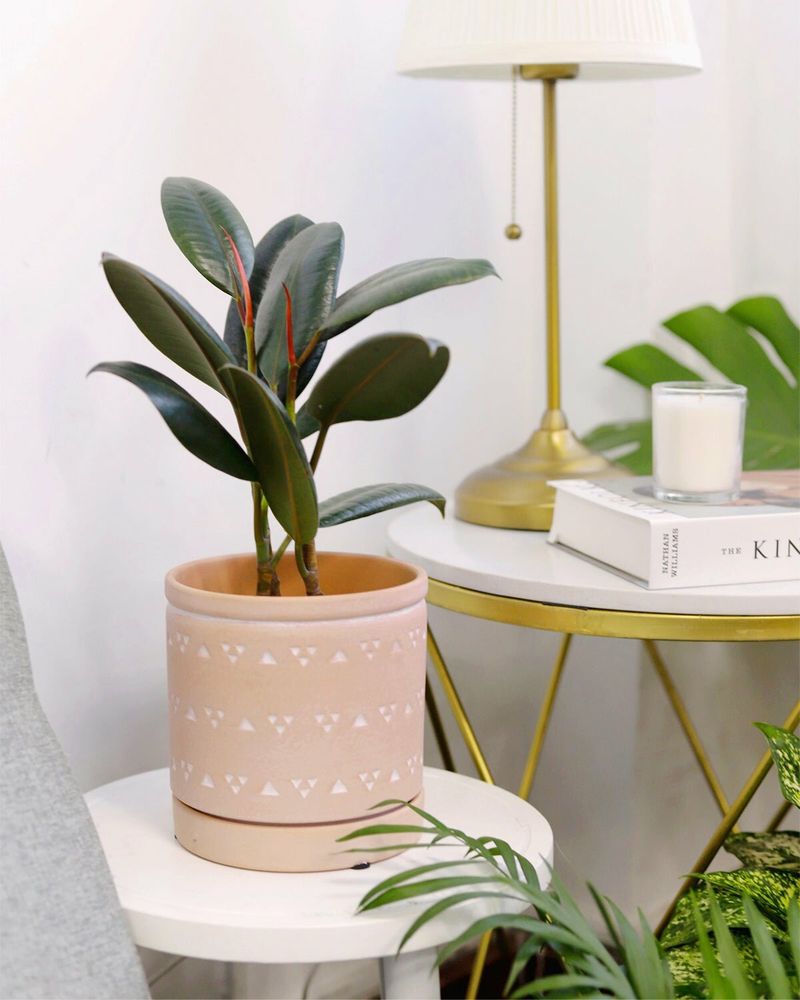
The Rubber Plant is celebrated for its bold, glossy leaves and impressive size. It’s a powerhouse in removing formaldehyde from the air, making it a top choice for improving indoor air quality. Its robust nature allows it to thrive with minimal attention. To boost photosynthesis, regularly wipe its leaves. Originally from South Asia, this plant adds a touch of exoticism to homes and offices. Its presence is not just beneficial for health but also makes a statement with its grandeur. Ideal for those wishing to combine aesthetics with air purification.
10. Dracaena (Dracaena marginata or fragrans)
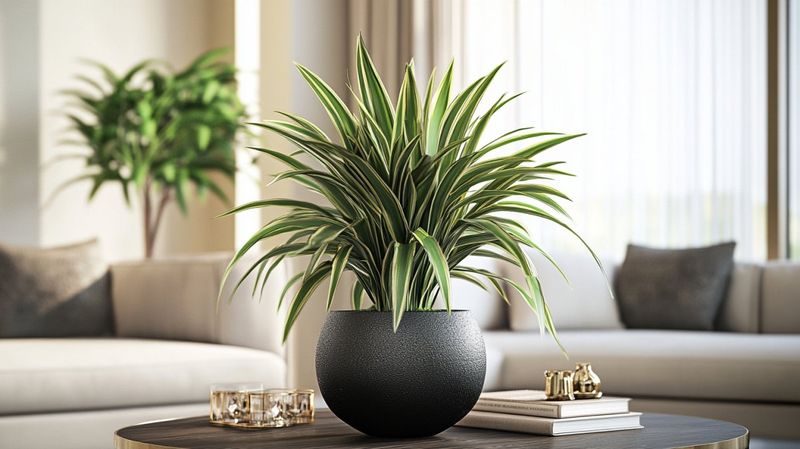
Dracaena, with its striking appearance, is a versatile plant that fits well in various settings. Its ability to remove toxins like formaldehyde and benzene makes it invaluable for indoor spaces. Available in a variety of sizes, it can be a statement piece or a subtle addition to decor. To ensure its health, avoid fluoride in water, opting for filtered water instead. This plant’s exotic flair adds a modern touch to interiors. Its care requirements are minimal, making it an excellent choice for city dwellers seeking both beauty and air quality enhancement.
11. Chinese Evergreen (Aglaonema)
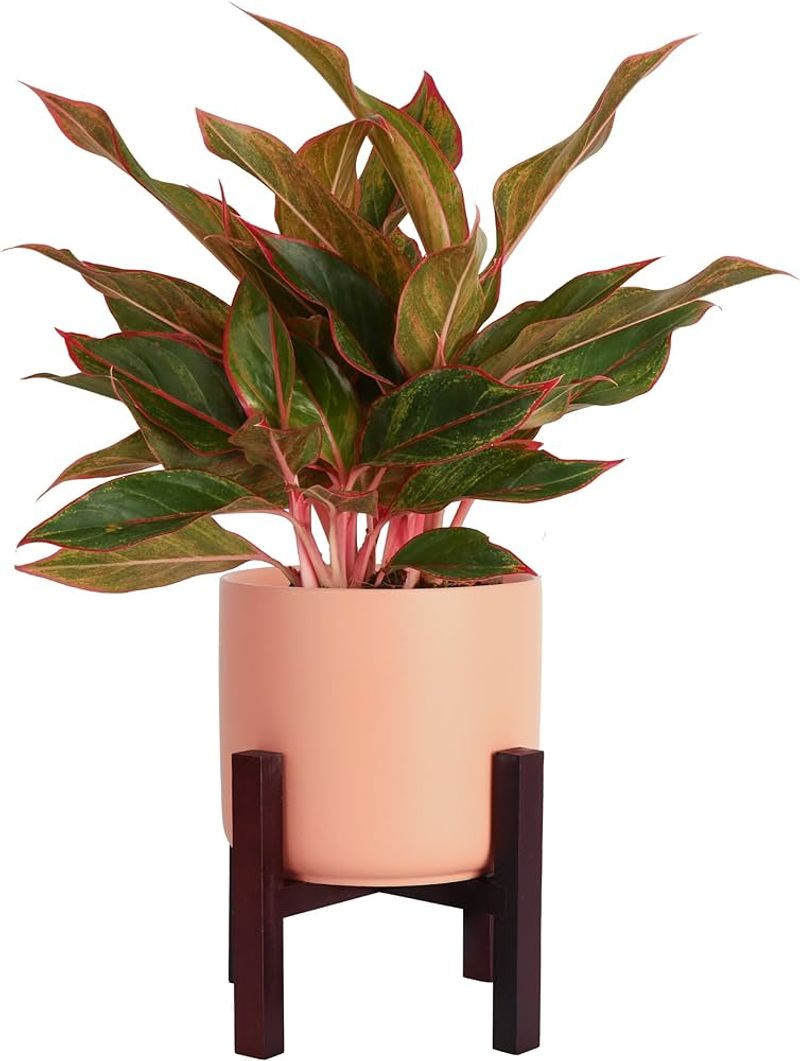
The Chinese Evergreen is celebrated for its resilience and vibrant foliage. With a knack for thriving in low-light settings and purifying the air, it’s a popular choice for apartment dwellers. Its colorful leaves add a splash of beauty to any room. Keep it away from drafts for optimal health. Fun fact: In its native Southeast Asia, it’s considered a lucky plant. Its adaptability and charm make it a beloved indoor companion. This plant is perfect for those who appreciate both form and function, offering a touch of nature in urban environments.
12. Philodendron (Heartleaf or Selloum)
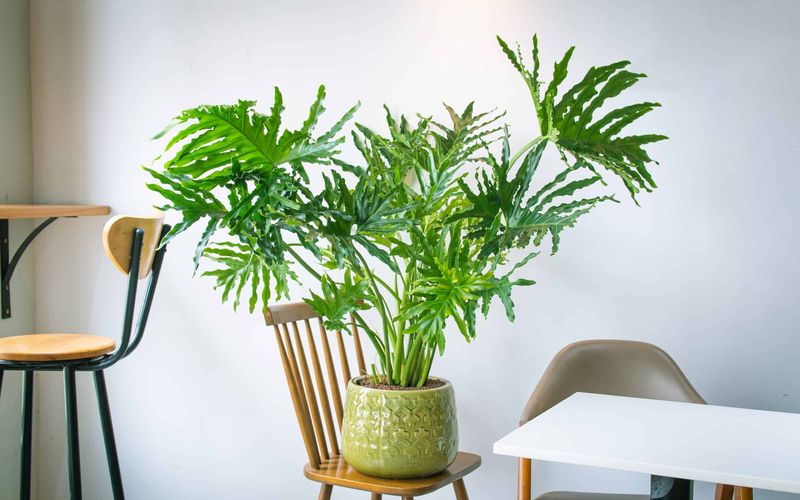
Philodendrons, with their lush, green foliage, are a staple in many homes and offices. Known for their fast-growing nature, they efficiently remove formaldehyde from the air. Their versatility allows them to adapt to various decor styles, from bohemian to modern. Allow the soil to dry between waterings for optimal health. Historically, philodendrons have been favored for their easy care and aesthetic appeal. Their presence adds a touch of green elegance to any space. Whether as hanging plants or potted centerpieces, they’re a favorite for enhancing indoor environments.
13. Areca Palm (Dypsis lutescens)
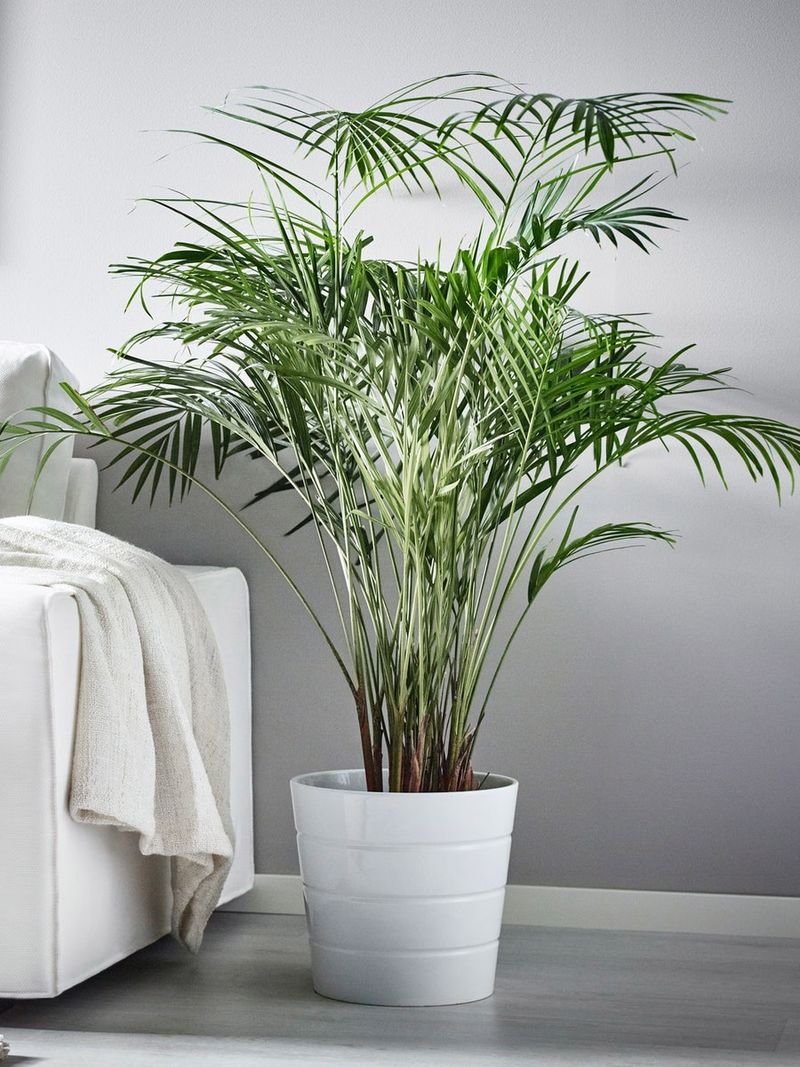
The Areca Palm stands out with its graceful arching fronds and vibrant green color. It’s not only a visual delight but also a proficient air purifier, tackling toxins like formaldehyde and toluene. Its tropical vibe makes it a favorite for creating a refreshing indoor atmosphere. Place it in bright, indirect light for best results. Fun tidbit: The Areca Palm is often used in feng shui for its positive energy. This plant is ideal for those looking to bring a slice of the tropics into their homes while enhancing air quality.
14. Gerbera Daisy (Gerbera jamesonii)
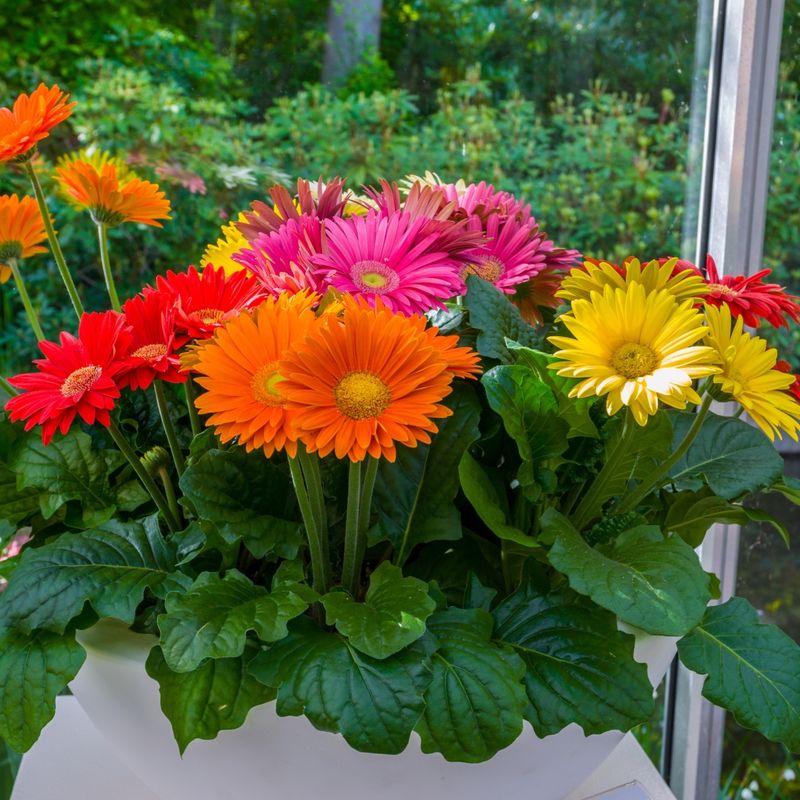
Gerbera Daisies, with their vivid blooms, are not just visually captivating but also excellent air purifiers. They efficiently remove formaldehyde and benzene from the air, bringing a burst of color and life to any room. These daisies thrive in full sun and prefer watering at the soil level to avoid leaf spotting. Known for boosting mood, they’re a cheerful addition to any space. Originating from South Africa, they’re often used in bouquets for their bright appearance. Gerbera Daisies combine beauty with functionality, making them a delightful choice for plant enthusiasts.
15. Weeping Fig (Ficus benjamina)
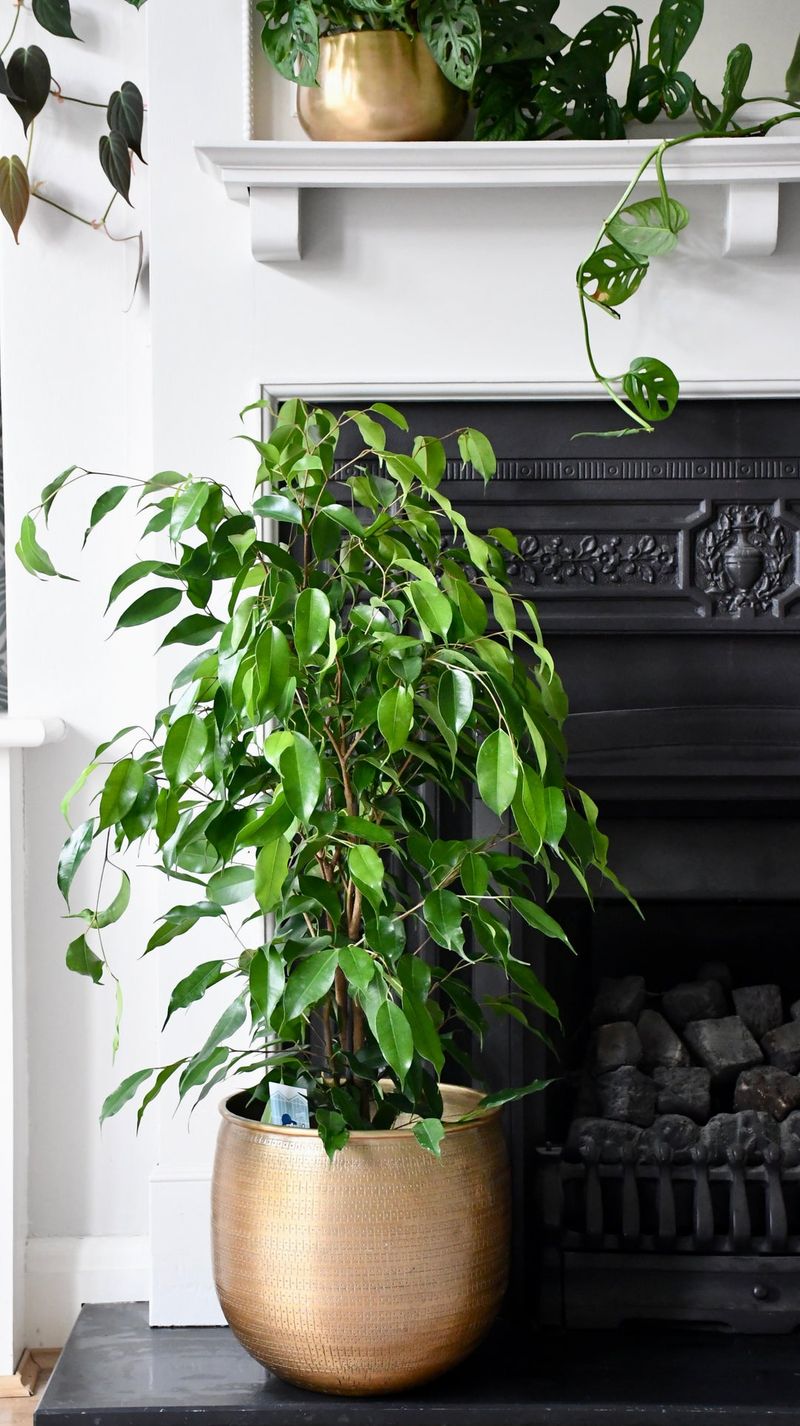
The Weeping Fig, with its elegant, arching branches, is a sophisticated choice for any interior. Known for its air-purifying abilities, it effectively removes formaldehyde and toluene. This plant requires a stable environment, as it is sensitive to changes in light and location. Fun fact: The Weeping Fig is often featured in feng shui for its serene presence. Its graceful foliage adds a touch of class wherever it resides. Perfect for those seeking a blend of elegance and practicality, it remains a timeless favorite in interior design.