 Complete Gardening
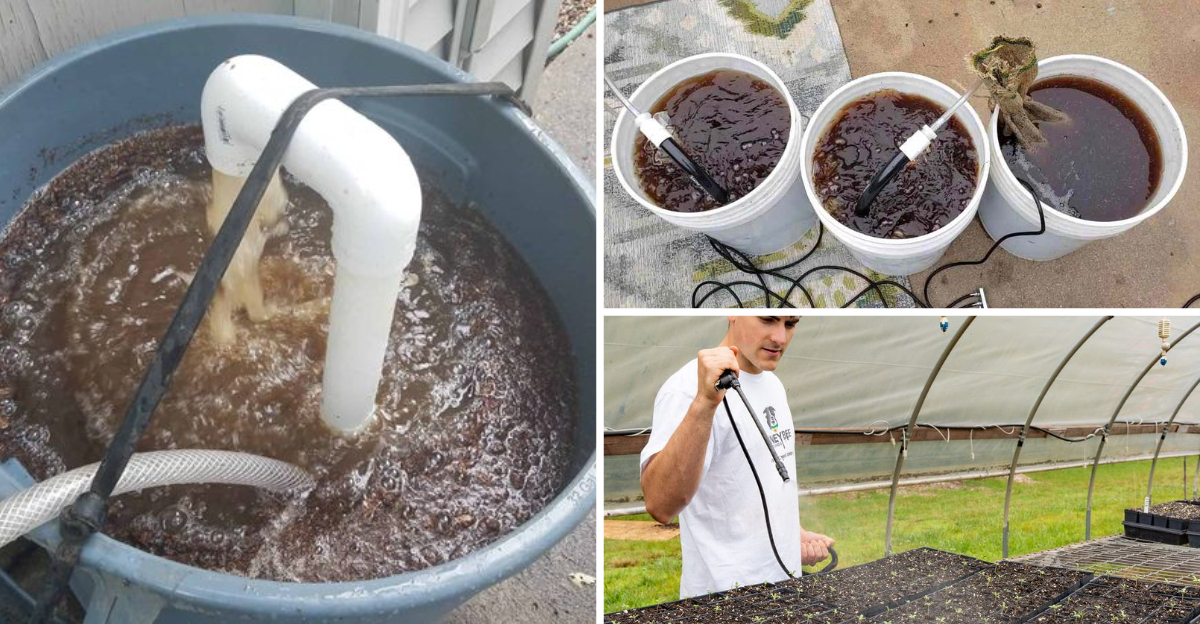
Compost tea is a powerful elixir that nurtures your plants and revitalizes your garden soil. By harnessing the natural power of compost, this liquid fertilizer provides essential nutrients and beneficial microbes to plants, improving their growth and health. In this blog, we explore the fascinating world of compost tea, guiding you through its preparation, application, and the incredible benefits it offers to your garden.
The Art of Brewing Compost Tea
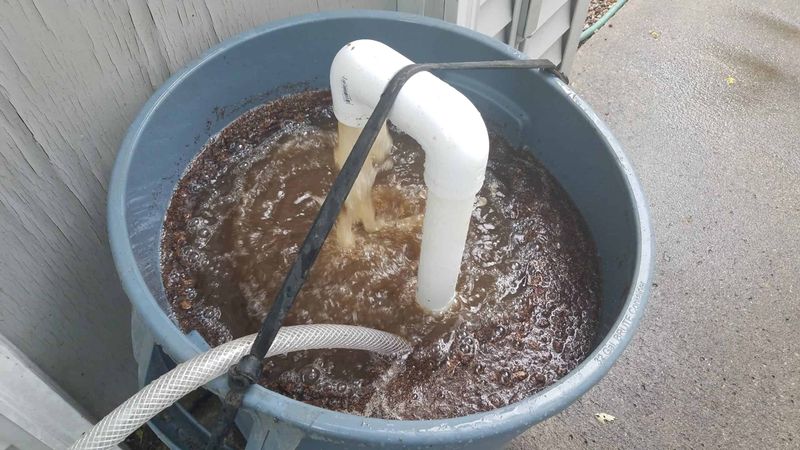
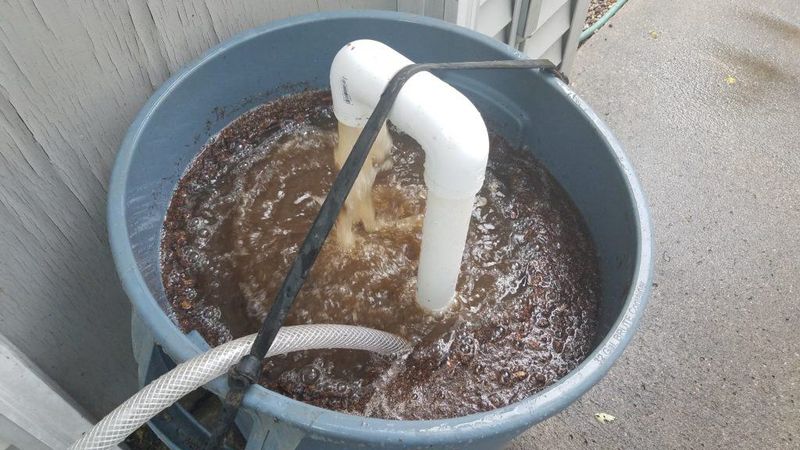
Brewing compost tea resembles crafting a fine wine, balancing art and science. The process begins by soaking quality compost in water, allowing beneficial microbes to multiply.
Monitoring temperature and aeration ensures optimal conditions for microbial growth. Within days, the compost transforms into a nutrient-rich liquid.
Respecting the craft, gardeners may experiment with additives like molasses to enhance microbial activity. The secret lies in patience and attention, as each brewing cycle reveals unique microbial compositions, delivering tailored benefits to your plants.
Nutrient-Rich Benefits
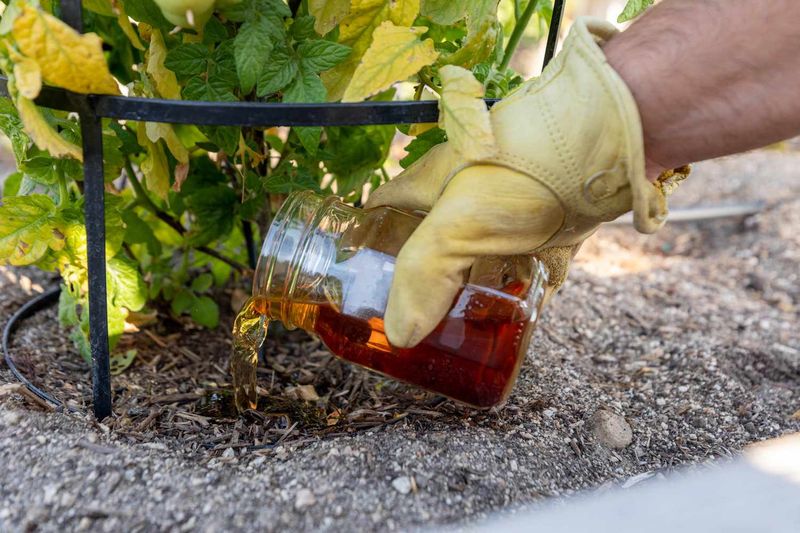
Compost tea delivers a nutrient boost that transforms ordinary soil into a fertile wonderland. Rich in nitrogen, phosphorus, and potassium, it enhances plant growth and resilience.
Beyond basic nutrition, this elixir fosters beneficial soil organisms, creating a thriving ecosystem. Fungi, bacteria, and protozoa work in harmony, promoting root health and nutrient uptake.
The result is a garden teeming with life, where plants face fewer diseases and pests. Those who embrace compost tea witness their gardens flourish, thanks to its nutrient-rich embrace.
Simple Steps for Beginners

For newcomers, brewing compost tea may seem daunting, but simplicity is key. Start with a bucket, some compost, and non-chlorinated water.
Stirring the mixture daily encourages aeration and microbial activity, with visible changes in color and aroma as proof of progress.
Experimentation is encouraged: try different compost sources or brewing times. This approachable venture offers beginners a hands-on introduction to sustainable gardening, cultivating curiosity and confidence. Soon, even novices will create a mighty brew to invigorate their gardens.
Environmental Impact and Sustainability
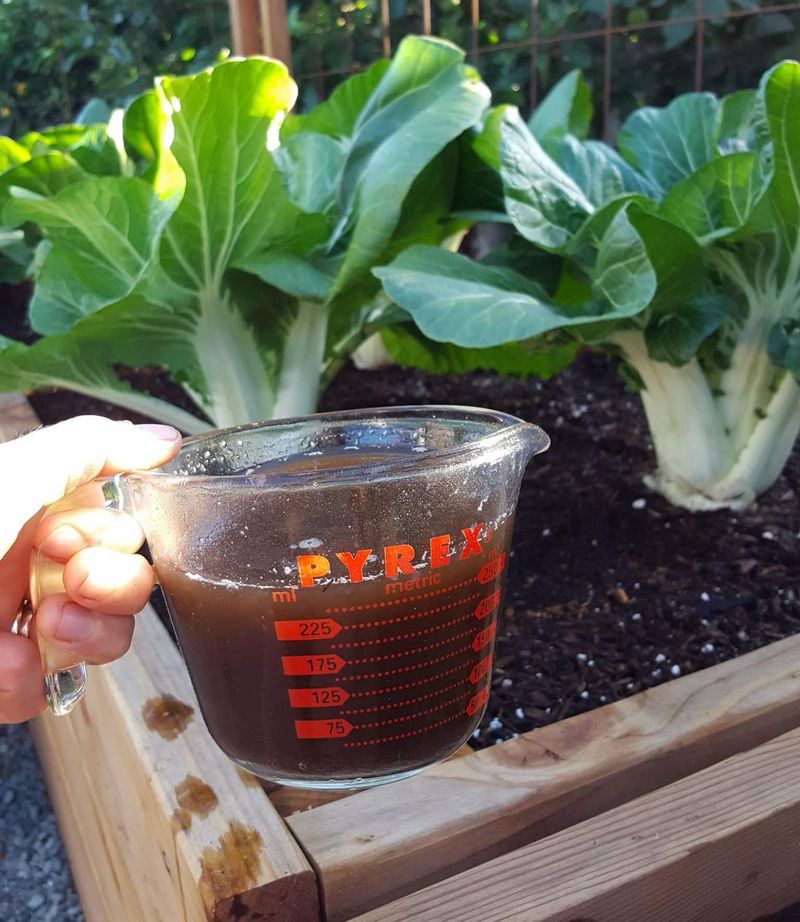
Beyond its garden benefits, compost tea champions sustainability. By recycling organic waste into a powerful fertilizer, it reduces landfill contributions and greenhouse gas emissions.
This eco-friendly practice aligns with nature’s cycles, enriching the soil without synthetic chemicals. Communities embracing compost tea become stewards of the environment, fostering biodiversity and resilience.
Gardeners find purpose in contributing to a larger movement, where each brew supports the planet’s health. This practice embodies a sustainable future, where gardening harmonizes with nature’s rhythms.
Advanced Techniques and Innovations
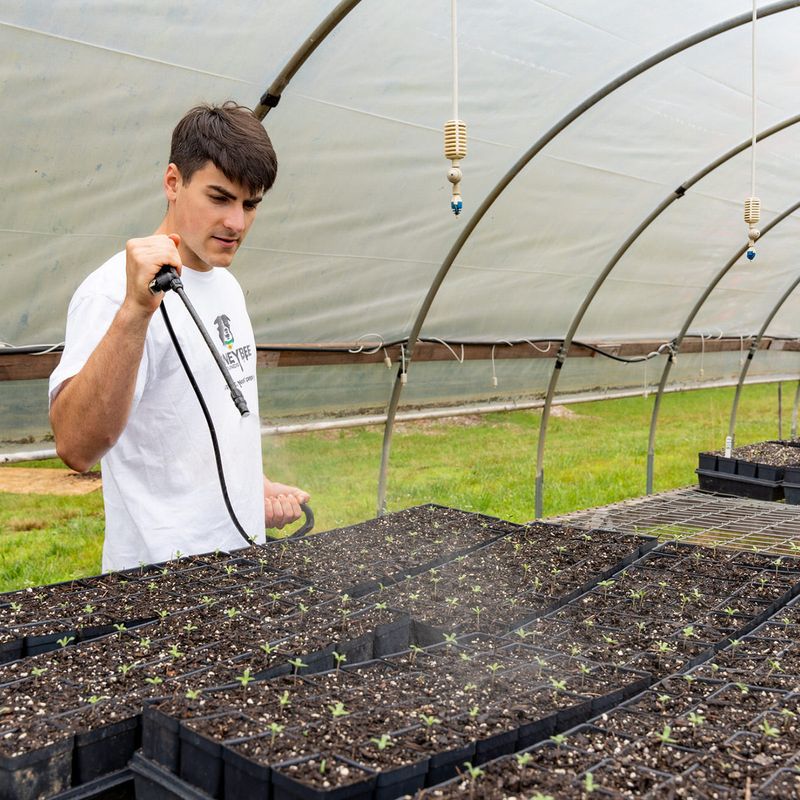
For seasoned gardeners, compost tea offers endless opportunities for innovation. Advanced techniques like vortex brewing increase oxygenation, maximizing microbial activity.
Incorporating biochar or specific microbial strains tailors brews to target pests or diseases. Experimentation extends to automated systems, ensuring consistency and efficiency.
These innovations push boundaries, fostering creativity among gardening enthusiasts. The evolution of compost tea reflects the dynamic nature of gardening, where tradition meets technology, unlocking new potentials for plant vitality and resilience.
The History of Compost Tea
Compost tea’s roots stretch back centuries, with evidence of its use in ancient civilizations. From European gardens to Asian rice paddies, this natural elixir has nourished plants for generations.
With its ability to boost plant health, compost tea has stood the test of time. Historical records suggest that gardeners have long recognized its benefits, using it to enhance soil vitality.
This connection to the past adds a layer of depth to its current resurgence. It’s not merely a trend; it’s a time-honored tradition that continues to thrive in modern horticulture.
Compost Tea Kits
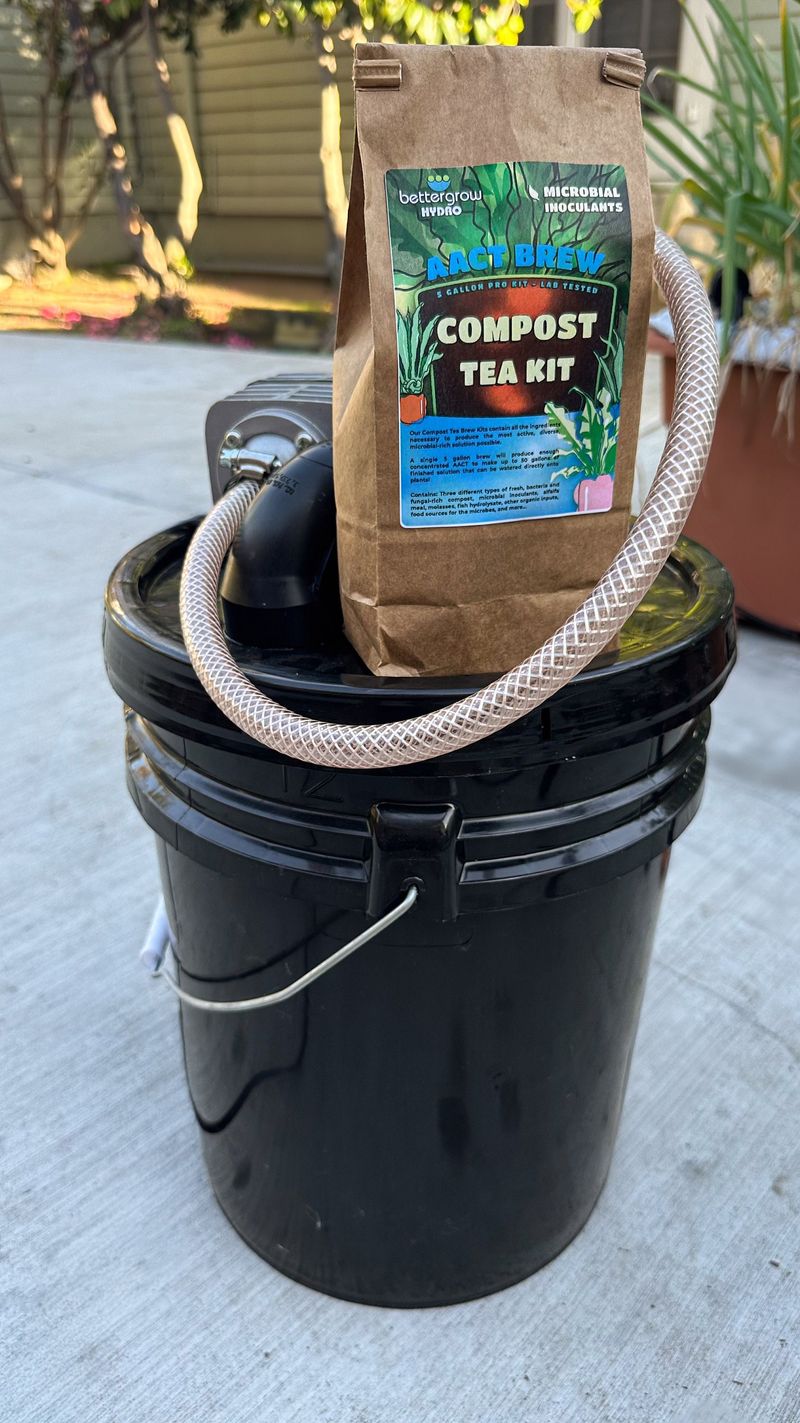
Modern gardening has witnessed a surge in compost tea kits, allowing enthusiasts to brew their own nutrient-rich tea at home. These kits come with everything needed to get started, from aeration systems to brewing bags.
By providing a convenient way to produce healthy compost tea, these kits have democratized the process. Whether you’re a novice or seasoned gardener, a compost tea kit can simplify the brewing journey.
Each kit offers an exciting opportunity to explore new brewing techniques, making the ancient practice accessible to all.
Innovative Brewing Techniques
In the world of compost tea, innovation continues to thrive. Researchers are constantly discovering new brewing techniques that enhance the effectiveness of this natural fertilizer. From adjusting aeration levels to experimenting with different compost types, the possibilities are endless.
These cutting-edge methods offer a fresh perspective on an age-old practice. By embracing scientific advancements, gardeners can optimize their compost tea production.
The fusion of tradition and technology in compost tea brewing opens exciting doors for modern horticulture.
Compost Tea and Pest Control
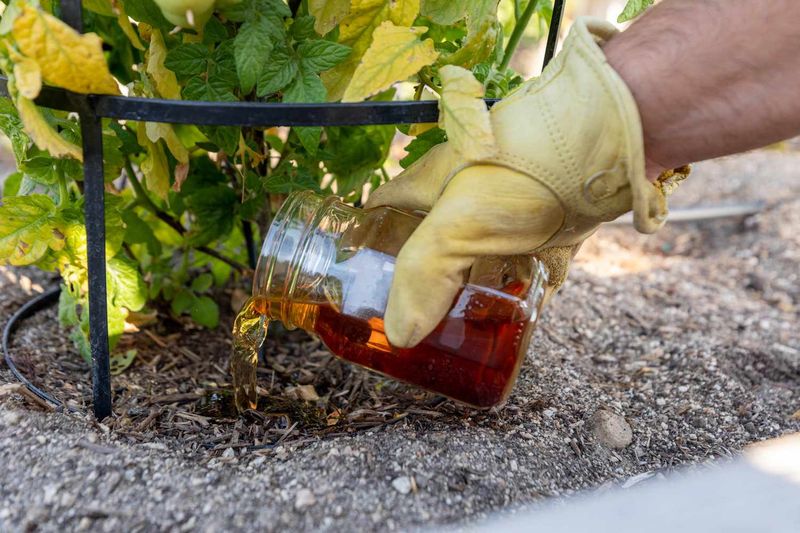
Beyond nourishing plants, compost tea serves as a natural pest deterrent. Gardeners have discovered its efficacy in repelling common pests such as aphids and caterpillars.
Its natural compounds create an environment that’s inhospitable to these unwanted visitors. The ability to protect plants without harmful chemicals is a significant advantage.
This eco-friendly approach to pest control highlights compost tea’s multifaceted benefits, further reinforcing its importance in sustainable gardening practices.
DIY Compost Tea Brewers
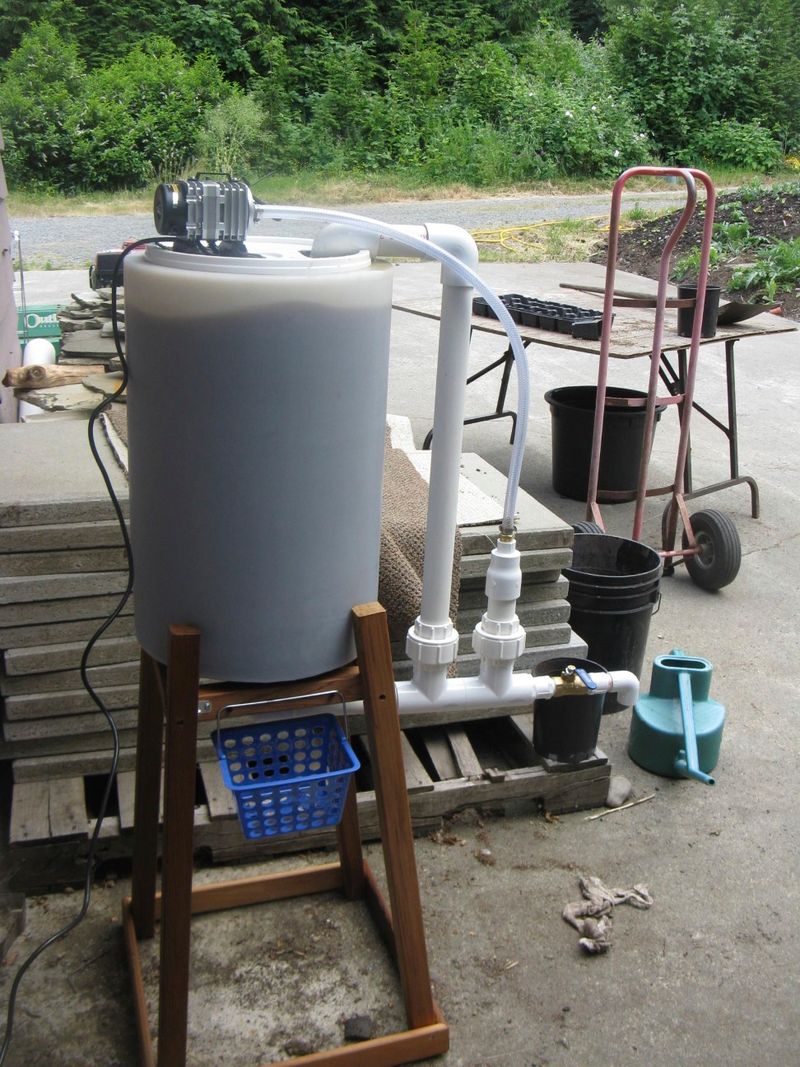
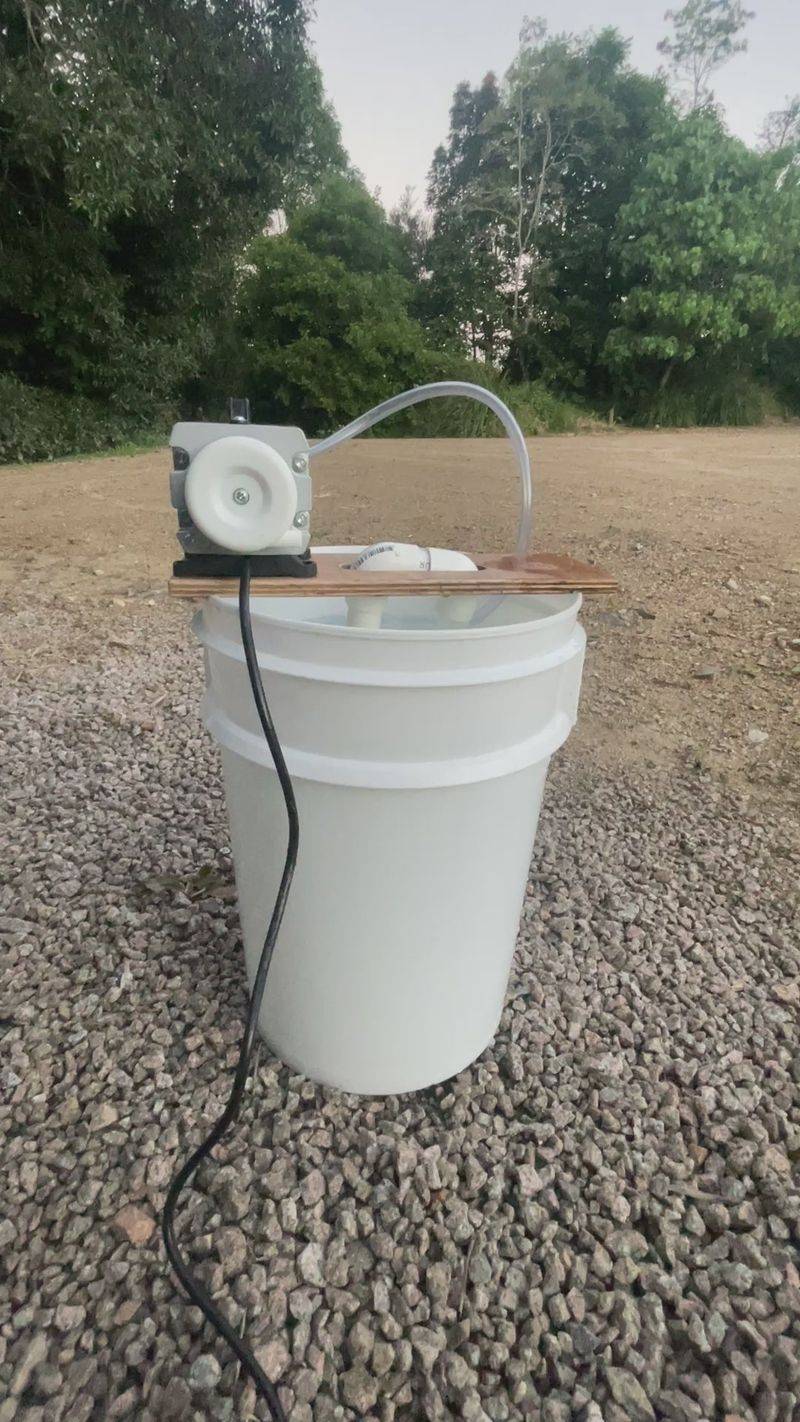
The DIY spirit thrives in the world of compost tea with numerous options for creating homemade brewers. Using simple household items, gardeners can craft efficient brewers that rival commercial products.
This hands-on approach fosters creativity and self-sufficiency, allowing gardeners to tailor their brewing systems to specific needs.
Whether it’s a modified bucket or a repurposed aquarium pump, the possibilities are limited only by imagination. DIY compost tea brewers offer an engaging, personalized gardening experience.
Compost Tea Varieties
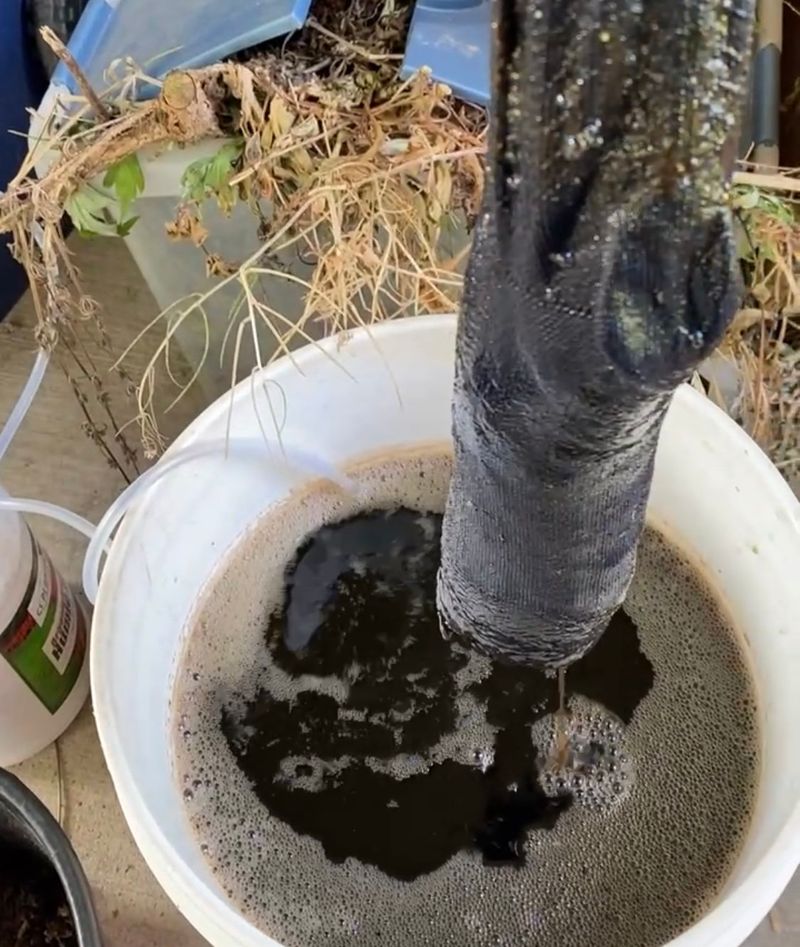
Diverse compost tea varieties cater to different gardening needs. From leaf mold to vermicompost, each type offers unique benefits tailored to specific plants.
Gardeners can experiment with various compost bases to create customized teas that address particular soil deficiencies.
This variety highlights compost tea’s adaptability, allowing gardeners to fine-tune their approach. By understanding the nuances of each type, they can maximize the positive impact on their gardens.
The Science Behind Compost Tea
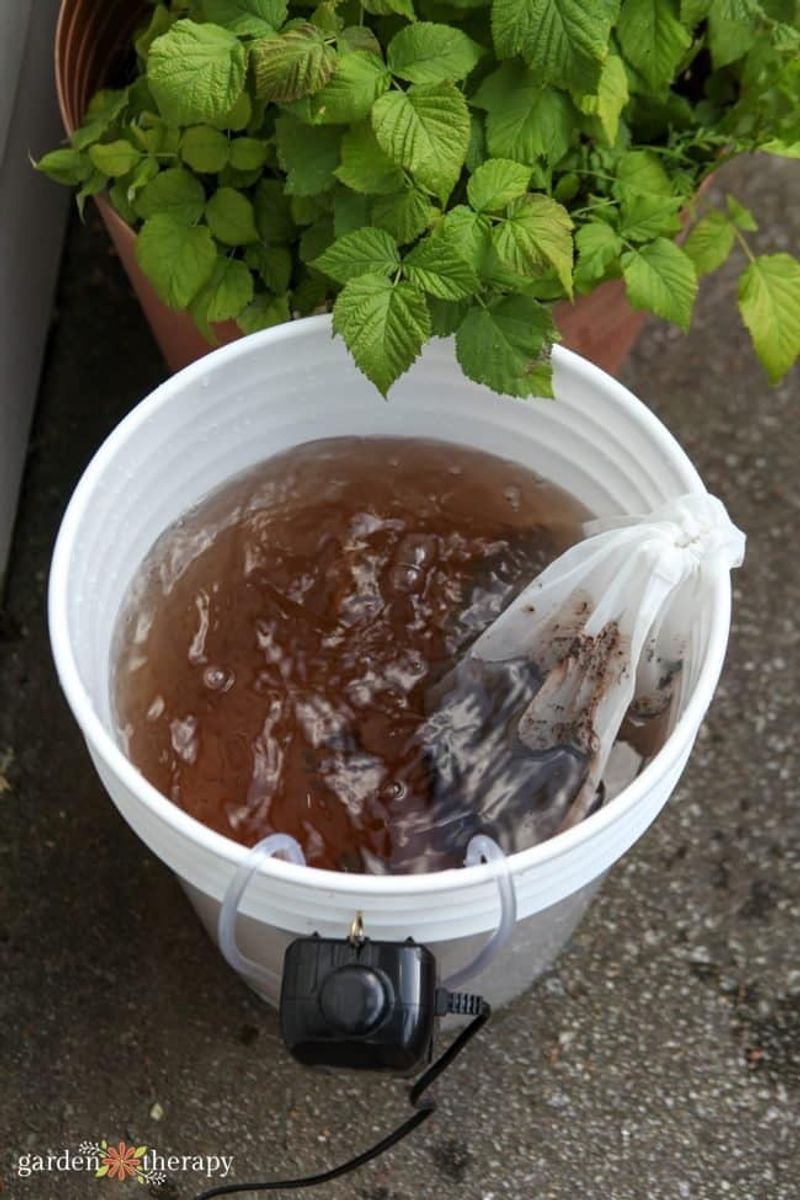
The science of compost tea is a fascinating blend of microbiology and chemistry. At its core, compost tea is teeming with beneficial microbes like bacteria and fungi that enhance soil fertility.
These microorganisms play a vital role in nutrient cycling, helping plants absorb essential nutrients more efficiently.
Understanding the microbial processes behind compost tea adds a layer of appreciation for its effectiveness. It’s not just a nutrient solution but a living brew that supports a thriving garden ecosystem.
Urban Compost Tea Gardens
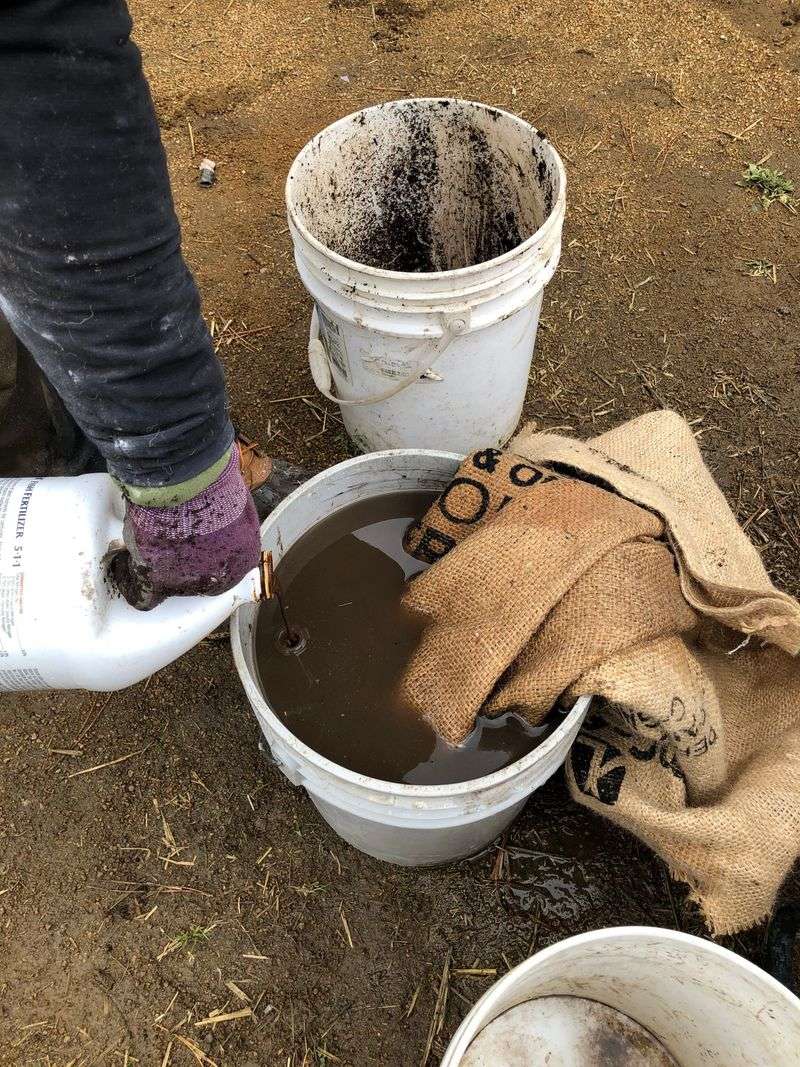
Urban gardening is on the rise, and compost tea plays a vital role in this trend. Rooftop gardens and balcony planters benefit immensely from the concentrated nutrients of compost tea.
In compact urban spaces, this liquid fertilizer maximizes plant growth without the need for extensive soil amendments.
Urban gardeners find compost tea an indispensable tool, turning concrete jungles into green oases. It symbolizes the fusion of sustainable practices with modern urban living.
Compost Tea Workshops
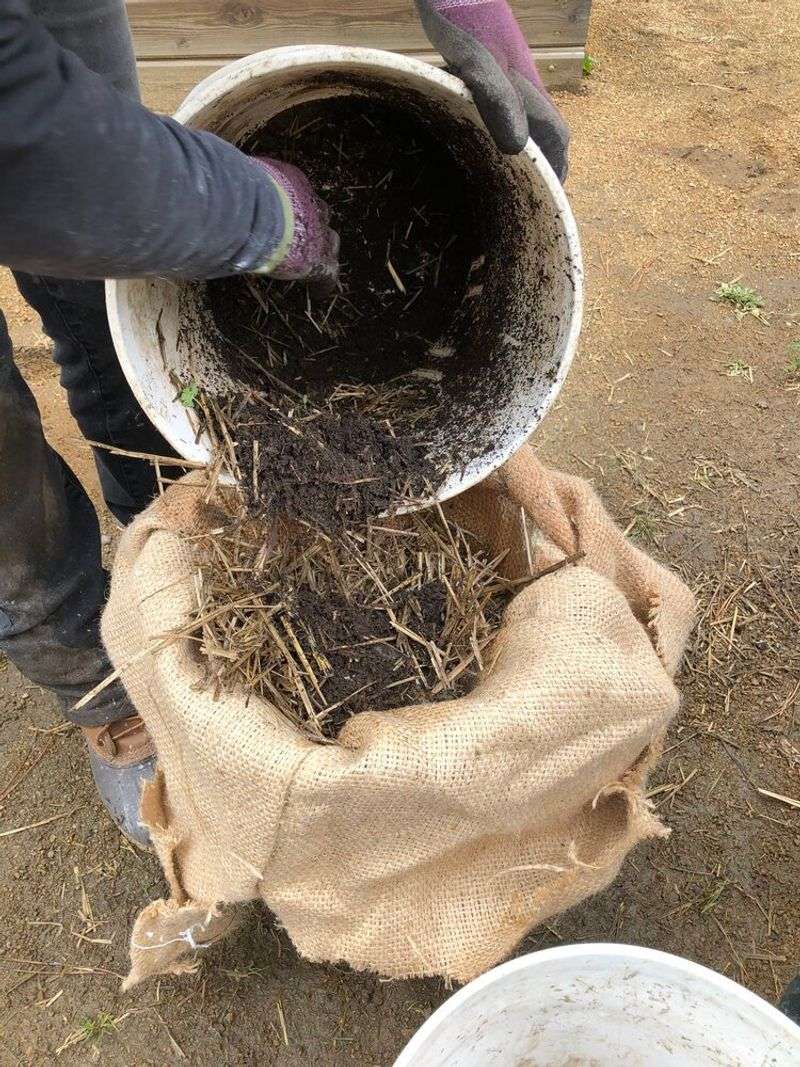
Community workshops focused on compost tea are sprouting up everywhere, bringing enthusiasts together to learn and share. These gatherings provide hands-on experiences, guided by experts who demystify the brewing process.
Participants leave with newfound skills and inspiration, ready to apply compost tea techniques in their gardens.
These workshops foster a sense of community and collaboration, highlighting the shared passion for sustainable gardening practices.
Compost Tea and Soil Health
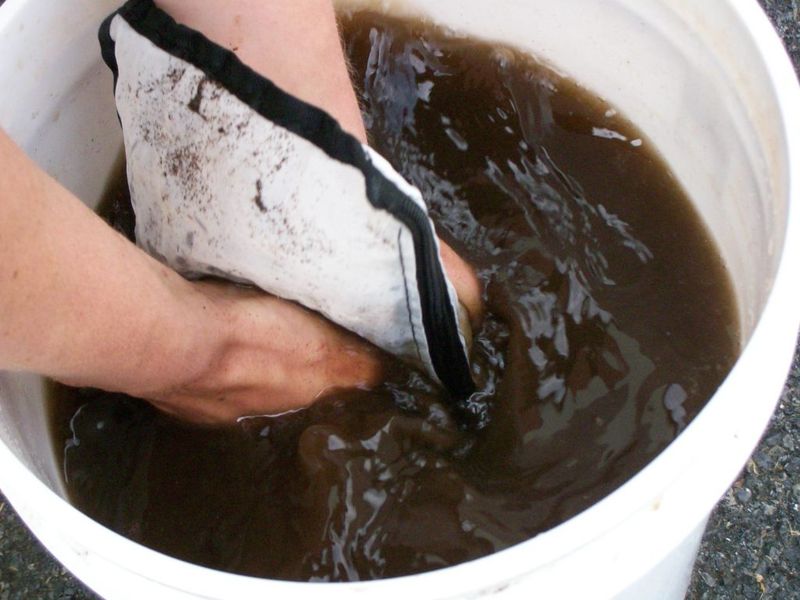
Compost tea is more than a plant tonic; it’s a soil rejuvenator. The application of compost tea promotes beneficial microbial activity in the soil, enhancing its structure and fertility.
By improving soil health, compost tea supports robust plant growth, leading to healthier yields.
This focus on soil vitality underscores the holistic benefits of compost tea, proving its worth in both garden and agricultural applications.
Compost Tea in Hydroponics
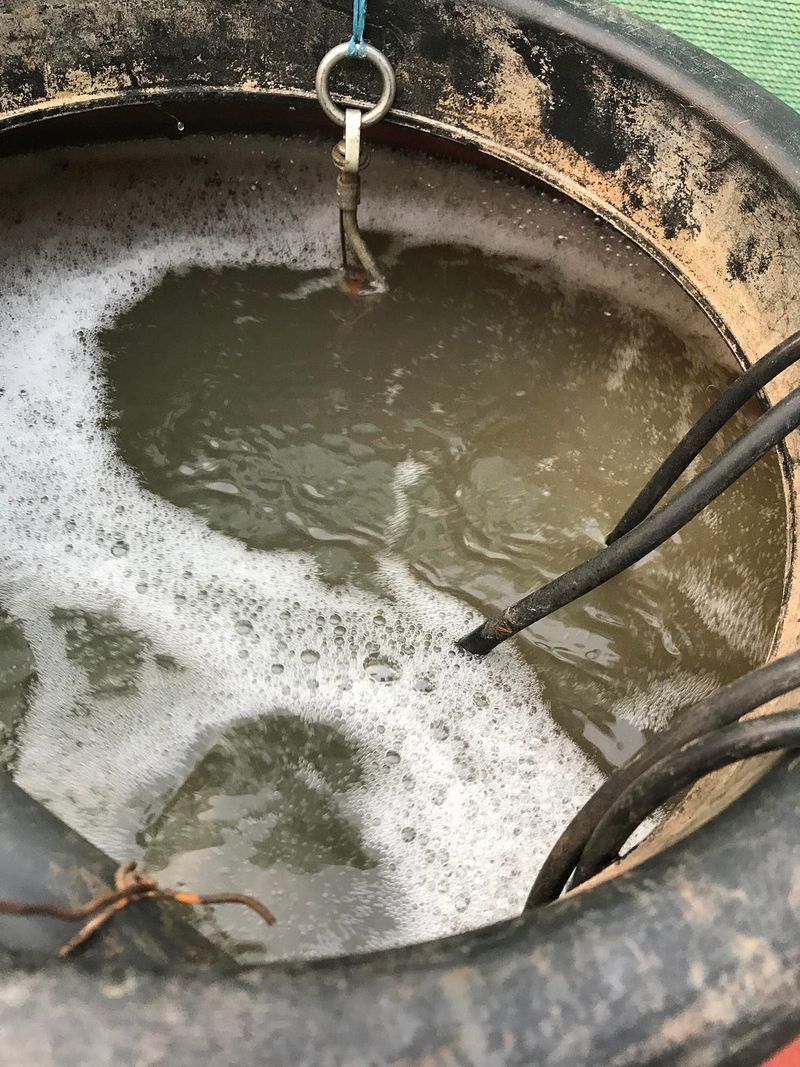
In the realm of hydroponics, compost tea finds a unique application. Gardeners are integrating it into nutrient solutions, providing a natural boost to plant growth without soil.
This incorporation of compost tea introduces beneficial microbes into hydroponic systems, enhancing nutrient availability and plant vitality.
Hydroponic enthusiasts view compost tea as a bridge between traditional and modern growing methods, blending nature with technology for optimal results.
Compost Tea Community
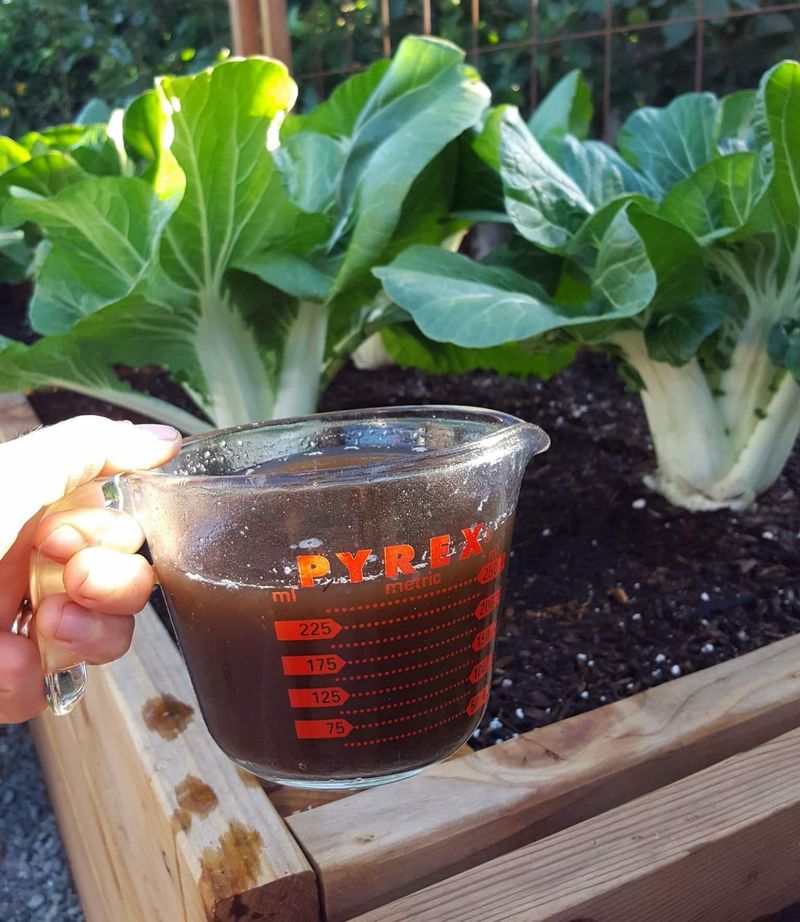
Online communities focusing on compost tea have emerged, connecting enthusiasts from all corners of the globe. These digital platforms allow gardeners to share tips, recipes, and success stories.
The exchange of ideas fosters a global network of knowledge and support, with members learning from each other’s experiences.
This virtual camaraderie reflects the universal appeal of compost tea, uniting individuals in their pursuit of greener, more sustainable practices.