
Vines are nature’s climbers, adept at transforming bare walls and fences into lush, green canvases. Whether you’re looking to add a touch of green to an urban space or create a natural privacy screen, training your vines to grow upwards is both an art and a science. In this guide, we explore seven key steps to help your vines thrive and create beautiful vertical gardens.
1. Choosing the Right Vine
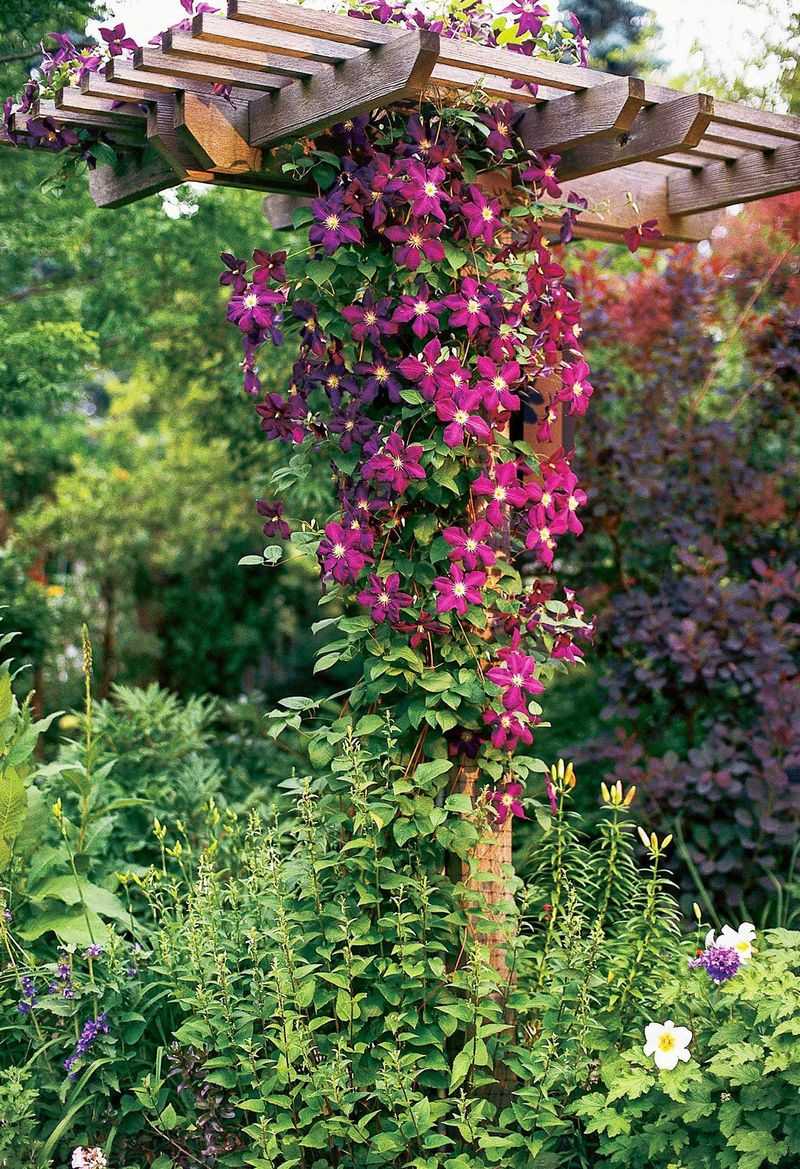
Selecting the right vine is crucial for success. Each vine variety brings its own personality to a space. Some thrive in sunlight, while others prefer shade. Consider your wall or fence’s exposure to sunlight before choosing. Remember, flowering vines like clematis add color, while ivy offers evergreen coverage.
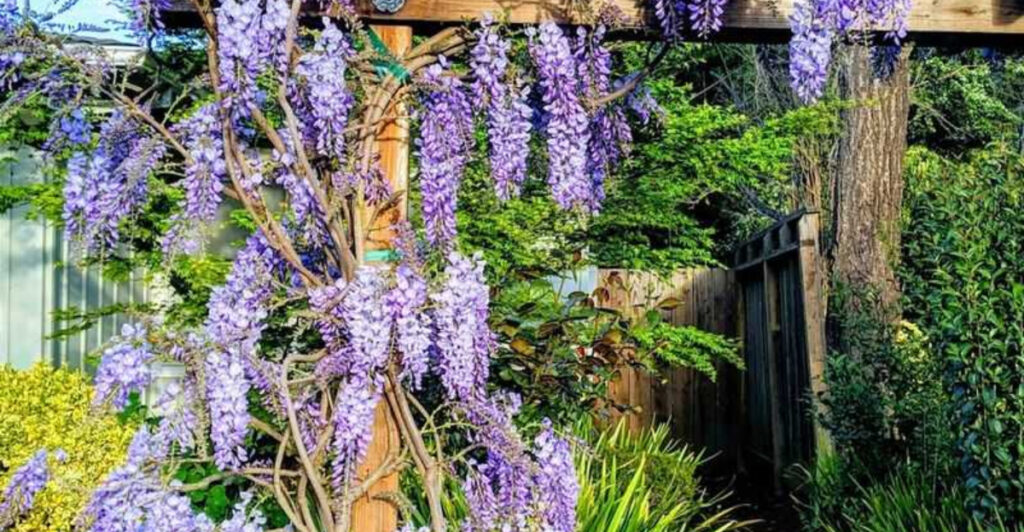
Did you know? Wisteria, with its cascading blooms, can take years before it starts flowering but is worth the wait. Choose a vine that suits your patience level and garden style.
2. Preparing the Wall or Fence
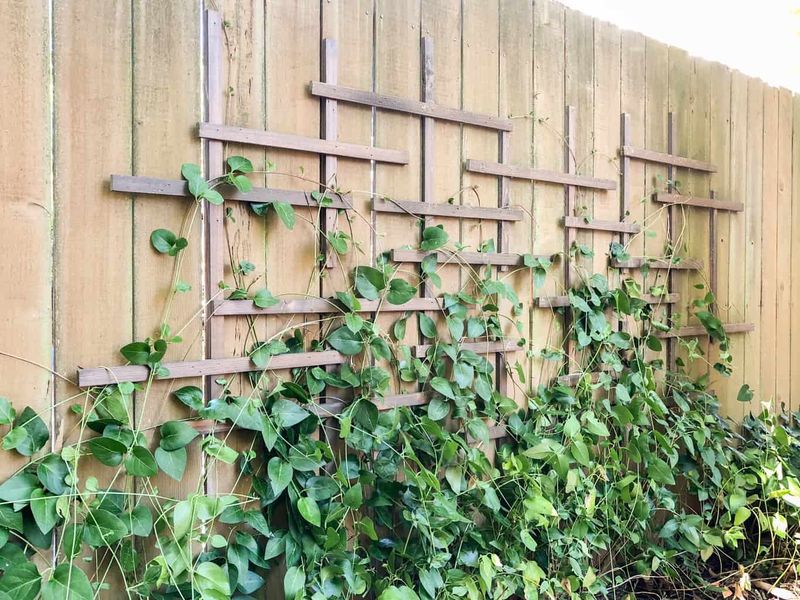
Proper preparation of the wall or fence ensures the vine has a strong base. Begin by cleaning the surface to remove dirt and debris. Next, install a trellis or lattice for support. These structures guide the vine’s growth upward rather than outward.
Consider using materials like metal or wood that blend with your garden’s aesthetic. Support structures should be secured firmly, as mature vines can become quite heavy over time.
3. Planting with Care
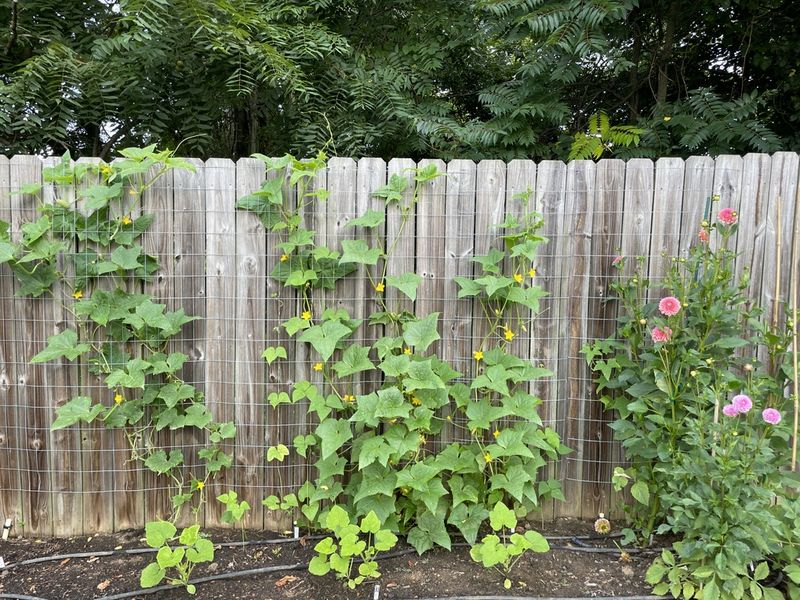
Planting vines requires thoughtful placement. Dig a hole twice the size of the root ball and incorporate compost to enrich the soil. Space each plant according to its growth potential. This ensures each vine has room to establish itself.
Water thoroughly after planting to help roots settle. Fun fact: Some vines, like the trumpet vine, can attract hummingbirds, adding life to your garden.
4. Guiding Initial Growth
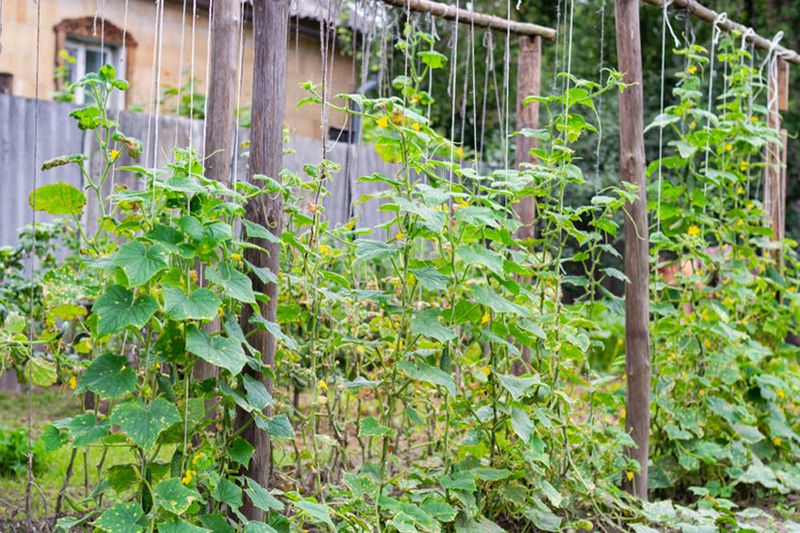
The early stages of growth are vital for vine training. Gently tie young shoots to the support structure using soft, biodegradable ties. This encourages vines to grow in the desired direction.
Avoid pulling or forcing vines, as this can damage tender shoots. Regularly check ties to ensure they aren’t constricting growth.
5. Regular Pruning and Maintenance
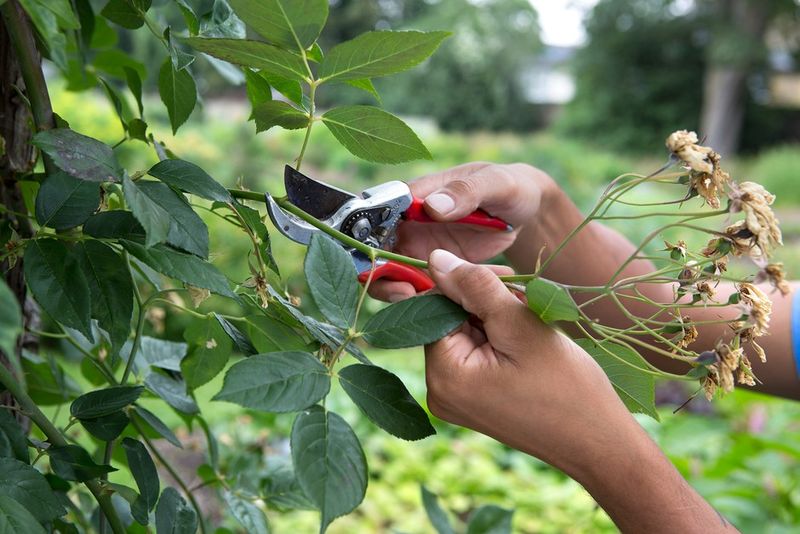
Pruning helps maintain the shape and health of your vines. Remove dead or damaged stems, and trim back excessive growth to promote airflow. This reduces the risk of disease and encourages robust growth.
It’s essential to understand each vine’s specific pruning needs, as improper pruning can hinder flowering. A well-maintained vine will reward you with lush foliage and blooms.
6. Monitoring for Pests and Diseases
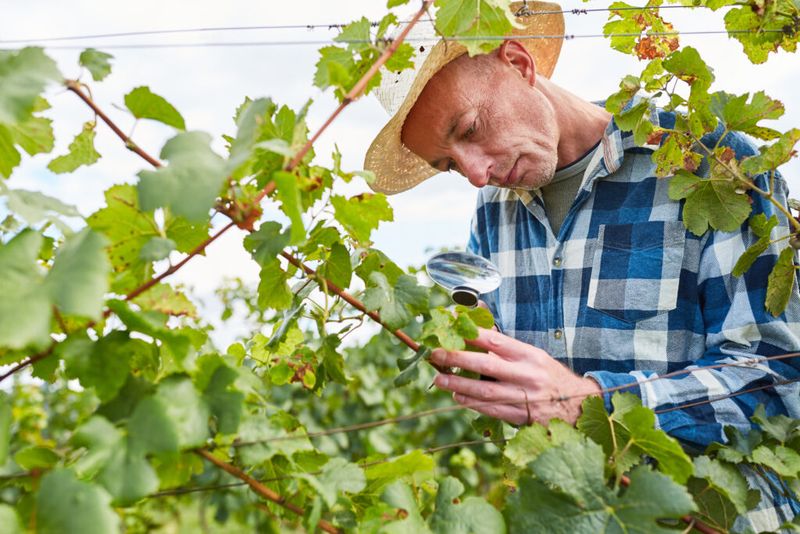
Vigilance is key to healthy vines. Regularly inspect for pests like aphids or powdery mildew. Early detection prevents infestations from spreading.
Use natural remedies or appropriate pesticides as necessary. Keep foliage dry, as wet leaves can encourage fungal growth. Healthy vines are more resilient against pests, reducing the need for chemical interventions.
7. Seasonal Adjustments
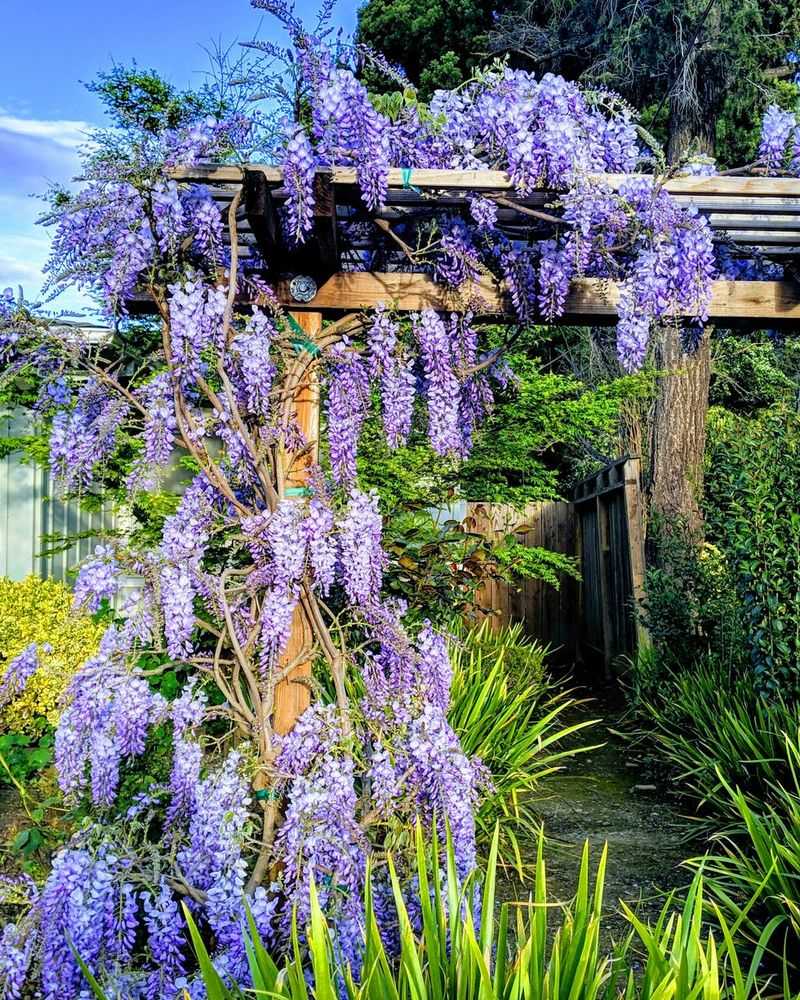
Adaptations with the seasons enhance vine vitality. In spring, fertilize to boost growth. During summer, ensure consistent watering. Fall is ideal for cleaning up and reinforcing supports before winter’s chill.
Did you know? Some vines, like Virginia creeper, display stunning autumn colors, adding seasonal interest to your garden. Proper seasonal care ensures vines continue to thrive year after year.
8. Harnessing Natural Tendencies
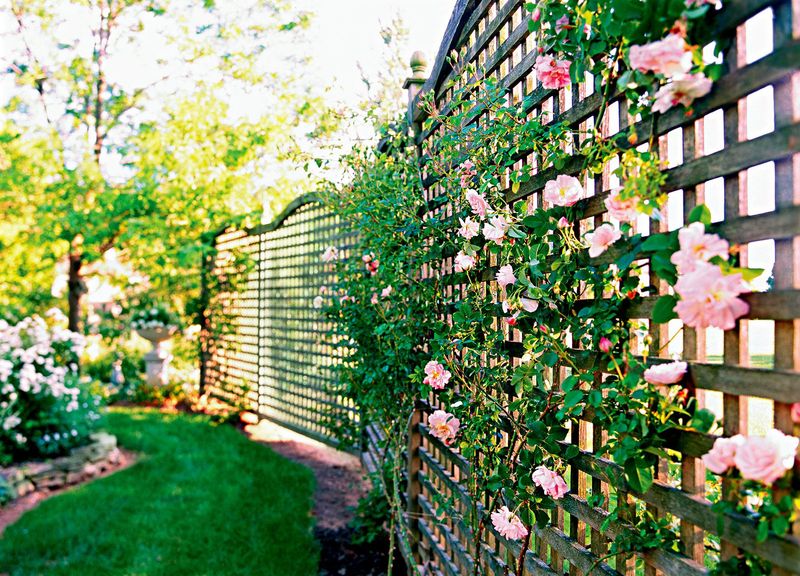
Vines have an innate desire to climb. Embrace this trait! By observing which direction the vine naturally leans, you can strategically place supports. This minimizes stress on the plant and aligns with its growth habits.
Consider experimenting with different types of supports. Bamboo poles or rustic trellises can complement the aesthetic of your garden while offering sturdy climbing structures. This approach not only highlights the vine’s natural elegance but also encourages healthy development.
Understanding vine behavior allows gardeners to create a visually appealing environment, seamlessly blending structure and nature.
9. Incorporating Artistic Structures
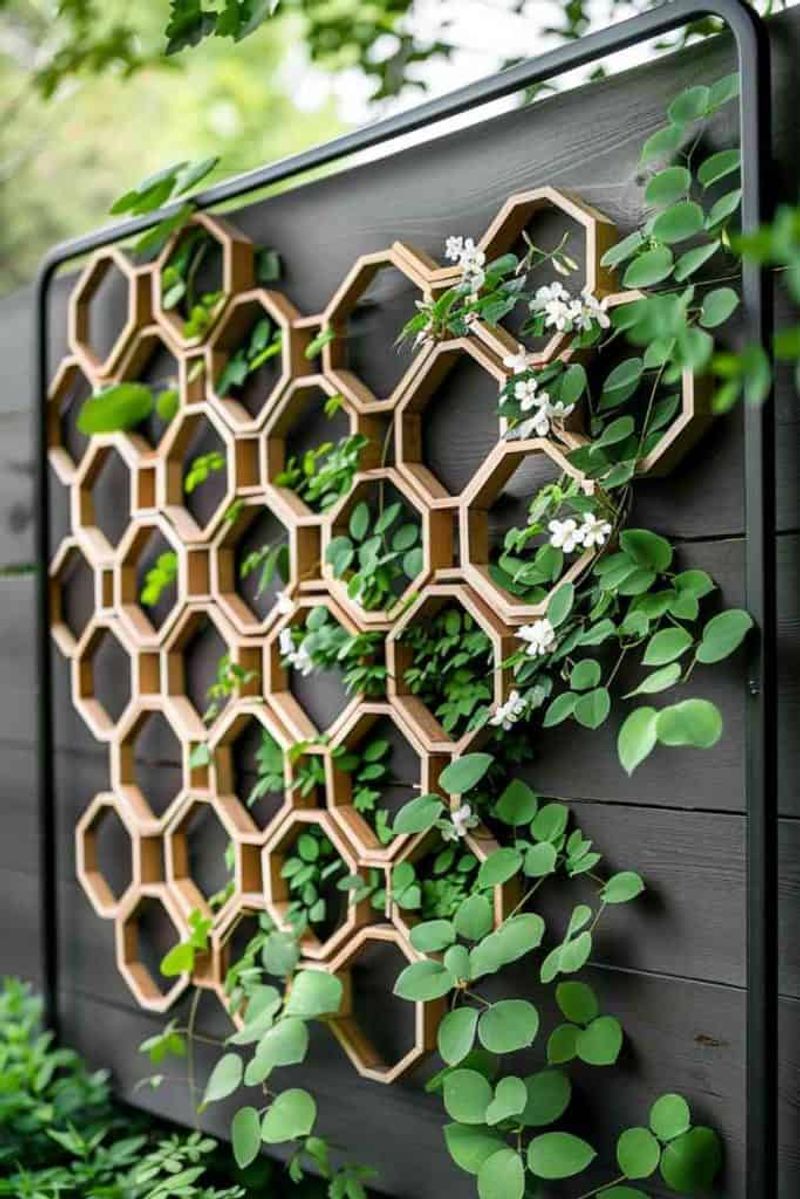
Imagine turning your garden into a canvas. By introducing artistic structures like lattices or wire sculptures, you add visual interest beyond the greenery itself.
These structures serve dual purposes: as a guide for your vines and as a statement piece. Choose designs that resonate with your style, whether they be geometric or abstract.
This blend of art and nature fosters a unique ambiance. Not only do the vines gain a pathway to grow, but they also transform the garden into a living art installation.
10. Utilizing Companion Planting
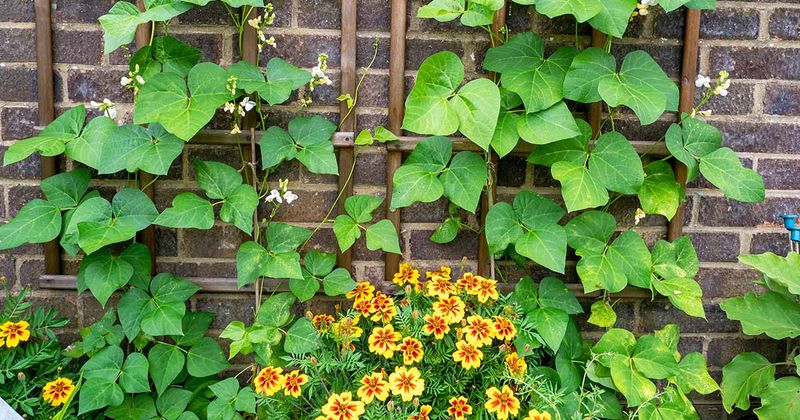
Companion planting can enhance vine growth. Surround your climbing plants with companions that provide shade or repel pests.
For instance, marigolds deter harmful insects while adding a splash of color. This practice fosters a symbiotic relationship, enriching the soil and promoting vine health.
The combination of vines and companions creates a harmonious ecosystem. It’s a holistic approach that boosts resilience and adds visual depth, turning your garden into a lush, interconnected sanctuary.
11. Incorporating Vertical Gardens
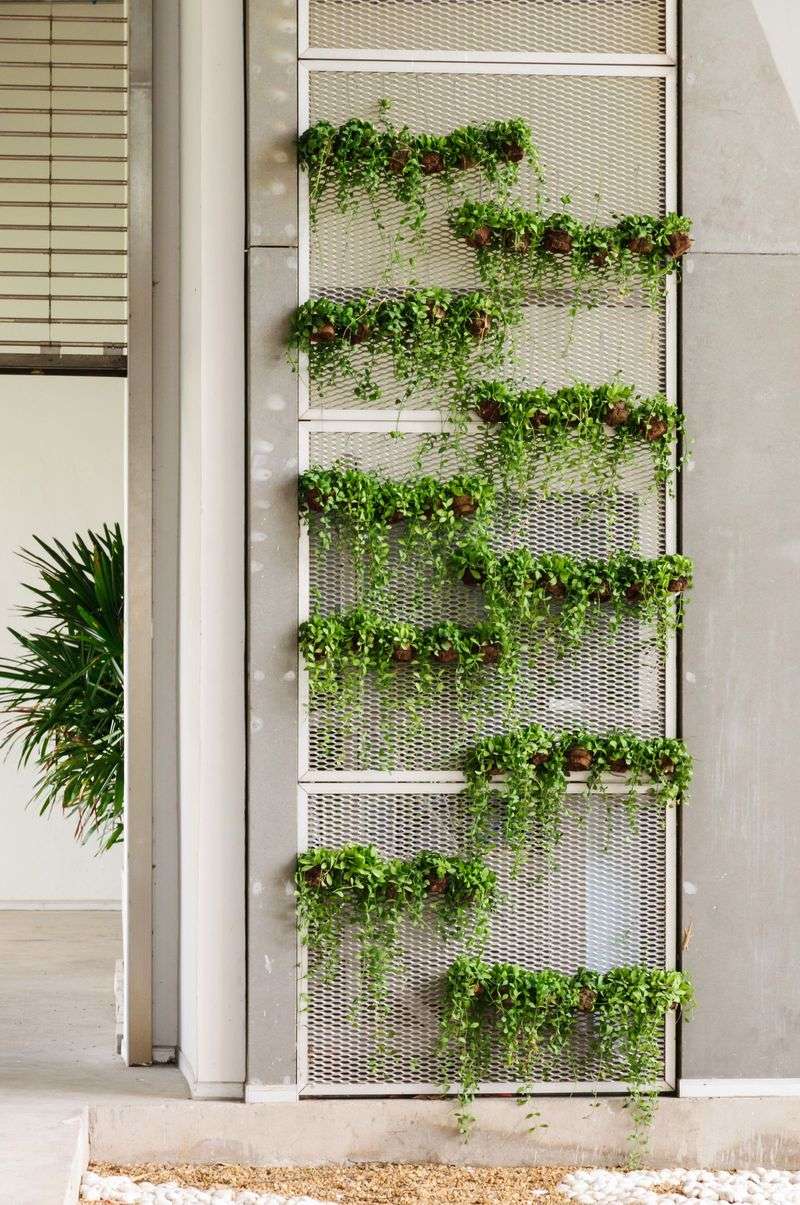
Vertical gardens offer a modern twist on traditional vine training. By installing a vertical planter or wall system, you can optimize space while adding greenery.
This method is perfect for urban environments where ground space is limited. The vertical arrangement encourages efficient growth, allowing vines to flourish upwards.
Such installations not only maximize aesthetic appeal but also contribute to air purification and temperature regulation. Embrace this innovative strategy to bring vibrant life to confined spaces, merging convenience with nature.
12. Emphasizing Eco-Friendly Materials
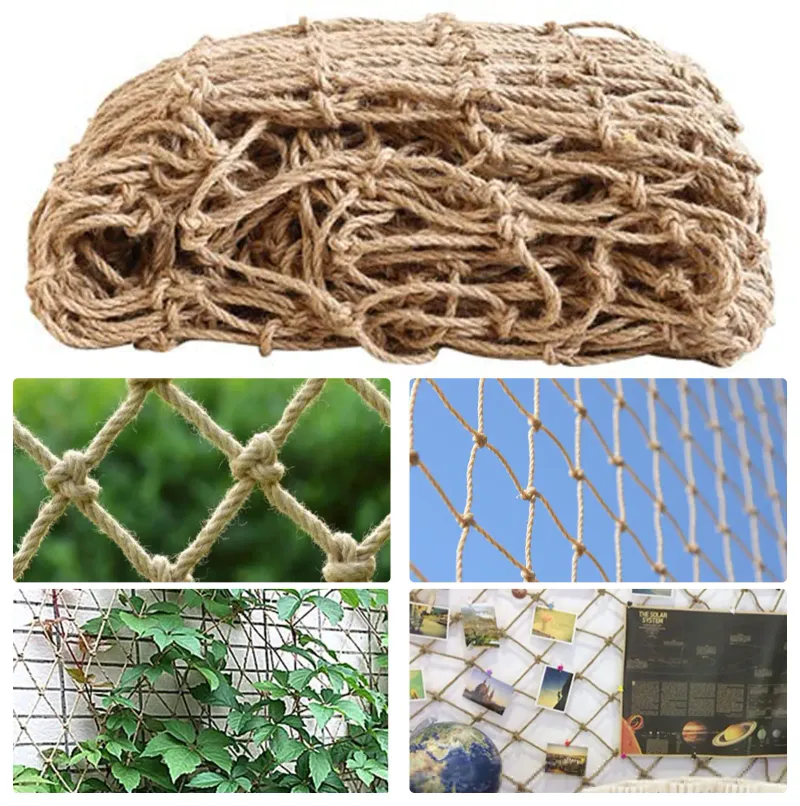
Eco-conscious gardening is gaining traction. Opt for sustainable materials when constructing vine supports. Reclaimed wood or recycled metal can offer durability and an earthy charm.
These choices reduce environmental impact and help promote a sustainable gardening ethos. By prioritizing eco-friendly materials, you create a garden that is both beautiful and responsible.
This practice not only supports the environment but also inspires others to adopt greener methods. Celebrate nature’s beauty while treading lightly upon it, crafting a garden that echoes sustainability.
13. Experimenting with Textures and Colors
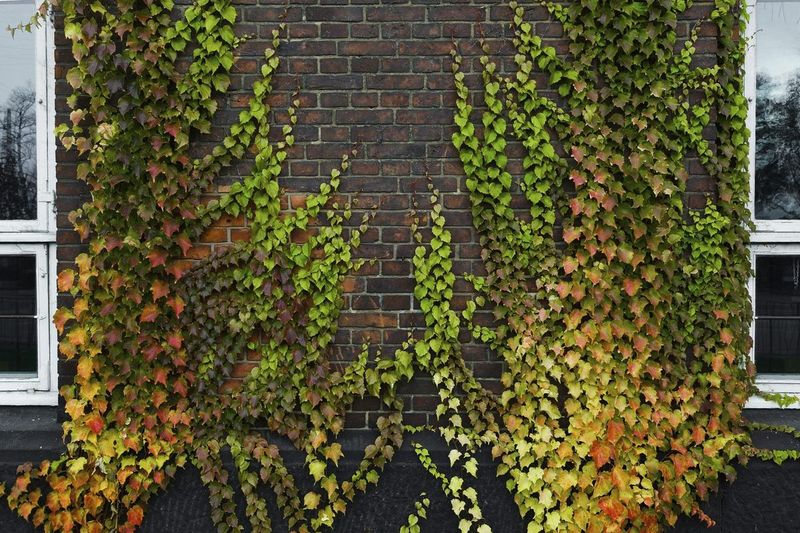
Vines are versatile in pairing with various textures and hues. Experiment by combining different vine species with varied leaf shapes against diverse backdrops.
A brick wall contrasts nicely with lush vine foliage, while colorful flowers add dimension. This interplay creates a dynamic visual experience, captivating the eye.
Through thoughtful selection, your garden becomes a tapestry of textures and colors. This approach transforms ordinary walls into extraordinary displays, inviting admiration and showcasing nature’s artistic potential.
14. Creating Habitat for Wildlife
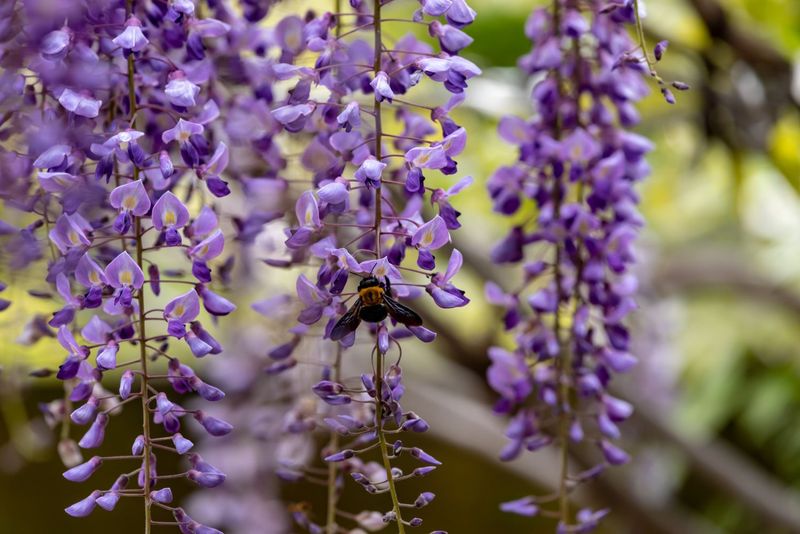
Vines can be more than decorative; they can host vibrant wildlife communities. By planting native species, you provide food and shelter for birds, bees, and butterflies.
These creatures support pollination and pest control, enhancing garden vitality. The sight of fluttering wings and cheerful chirps enriches the ambiance.
Creating a habitat fosters biodiversity and connects your garden to the broader ecosystem. It’s a rewarding experience, knowing your vine training supports both flora and fauna, contributing to a healthier planet.
15. Integrating Seasonal Interest
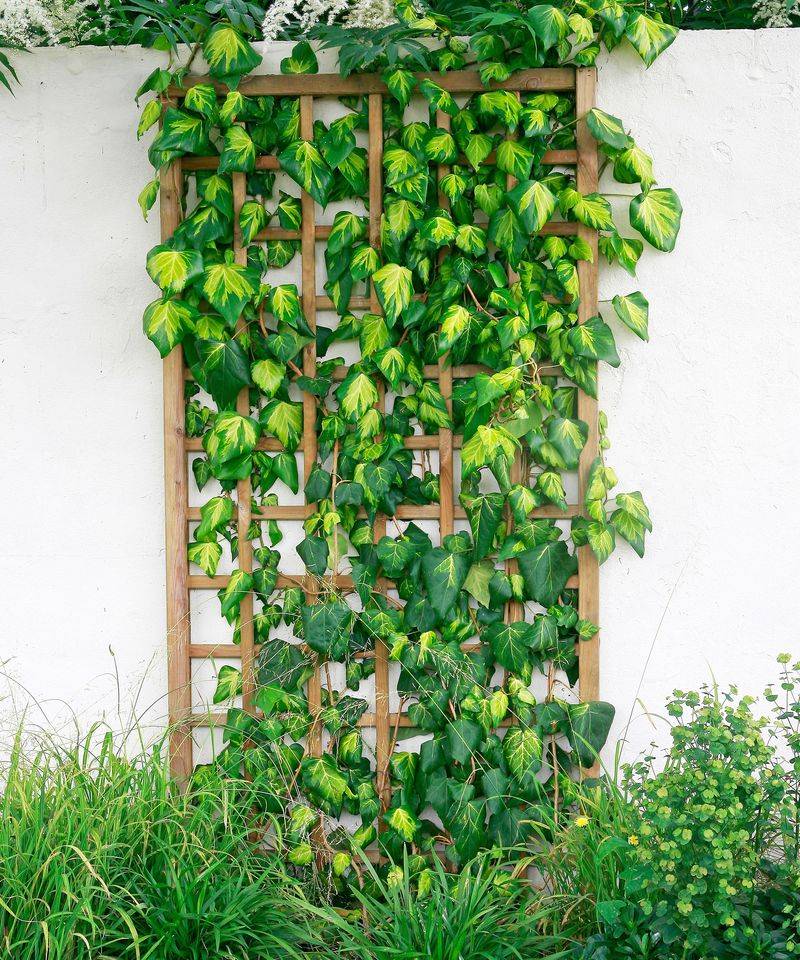
Design your vine garden with the seasons in mind. Select species that offer visual interest year-round, such as vibrant autumn hues or winter berries.
This ensures your garden remains engaging no matter the time of year. Seasonal changes bring dynamic beauty, as vines adapt and showcase different aspects.
By planning for all seasons, you create a living tapestry that continuously evolves. It keeps the garden fresh and captivating, drawing attention and admiration throughout the year.
16. Focusing on Innovative Training Techniques
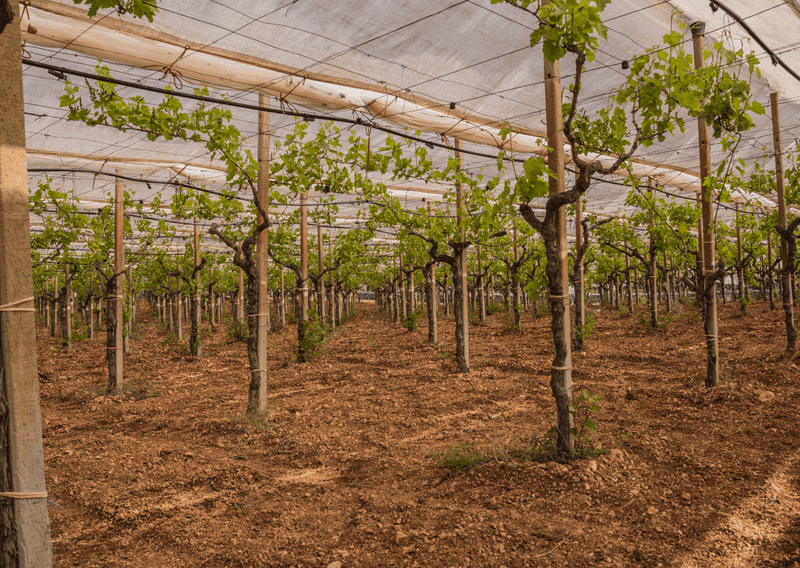
Think outside the traditional methods of vine training. Employ unique techniques like espalier or topiary to shape your plants creatively.
These methods enhance both form and function, guiding vines in aesthetically pleasing patterns. Such approaches require patience, but the results offer unparalleled beauty.
Innovation in vine training leads to personalized garden spaces. By experimenting with new ideas, you craft an environment that reflects your creativity and passion for gardening, setting your garden apart as a unique masterpiece.