 Complete Gardening
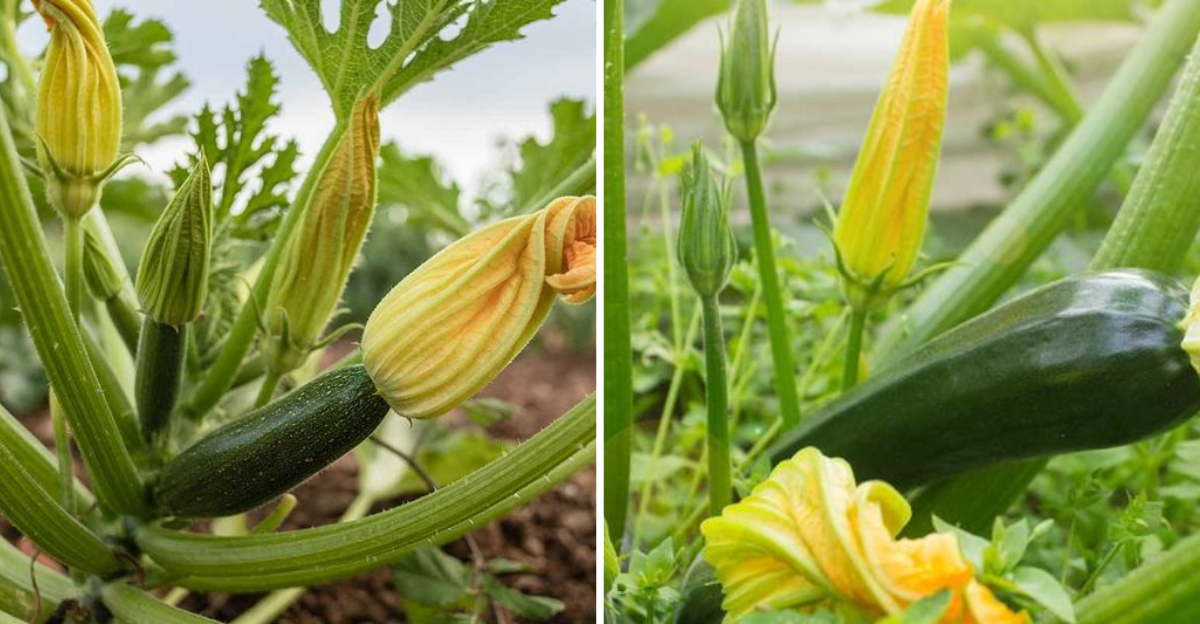
Cultivating zucchini requires careful attention to fertilization to ensure robust growth and bountiful harvests. Zucchini plants are heavy feeders and thrive when provided with the right nutrients at key growth stages. Understanding when and how to fertilize can make a substantial difference in the plant’s productivity.
1. Early Growth Stage
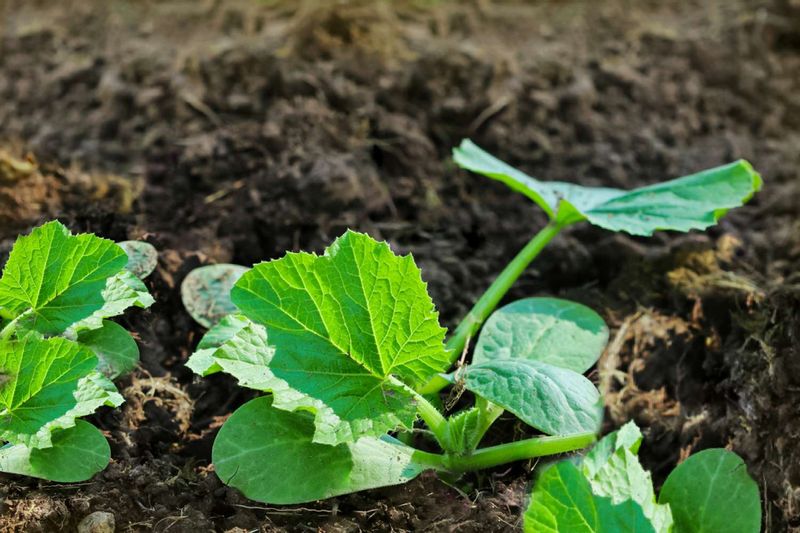
Zucchini seedlings sprout with eager determination, needing a gentle nudge to flourish. The early growth stage demands a balanced fertilizer rich in nitrogen to support leaf development. Apply a 10-10-10 fertilizer when true leaves appear, ensuring the soil remains moist.
Curiously, did you know that zucchini, while thought to be a vegetable, is actually a fruit? As the plant grows, monitoring nutrient levels ensures a strong foundation.
Without proper nutrition, young plants may falter. Observing these needs early on guarantees a healthy, resilient plant ready for the next growth phase.
2. Pre-Flowering Phase
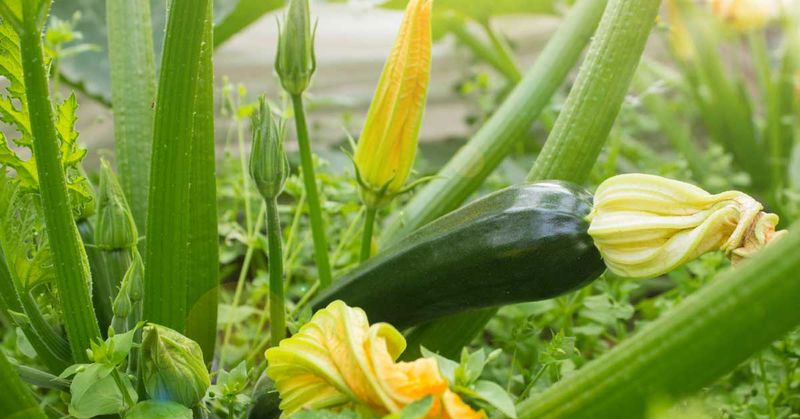
As zucchini plants approach the pre-flowering phase, anticipation builds. This is the time to switch to a low-nitrogen, high-phosphorus fertilizer. Phosphorus encourages blooming, a crucial step for fruiting.
Apply a 5-10-10 fertilizer before any flowers appear. This aids in setting the stage for abundant blossoms. During this stage, the plant needs consistent care and attention.
Did you know that zucchini flowers are edible and considered a delicacy in some cuisines? Proper fertilization now promises a delightful floral and fruit display soon.
3. Flowering Stage
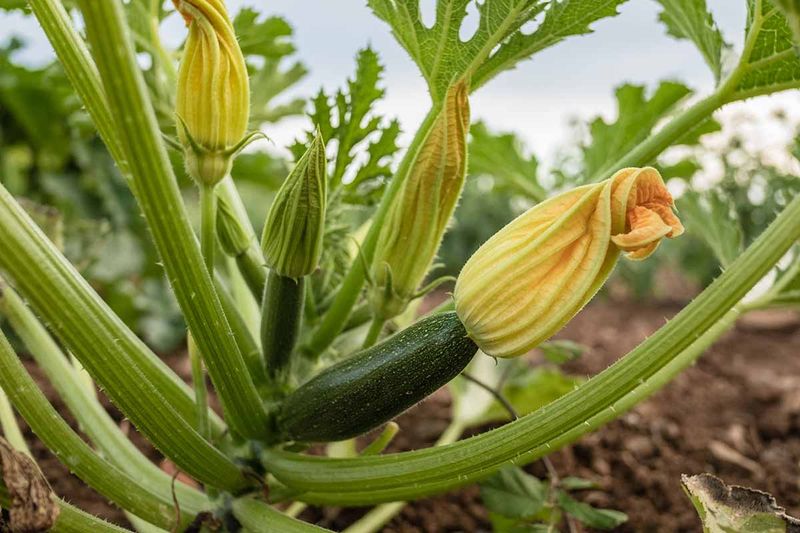
The flowering stage of zucchini is a captivating sight, buzzing with life. At this time, the environmental balance is key. Fertilize with a 5-15-10 mix to foster fruit development and enhance blooming.
A fun fact: zucchinis grow incredibly fast after pollination, sometimes appearing overnight. Ensuring adequate fertilization during flowering helps sustain this rapid growth.
In this dance of nature, bees play a vital role in pollination, ensuring your garden’s bounty. Keep the blossoms healthy with the right nutrients, and watch your zucchini flourish.
4. Fruit Development Phase
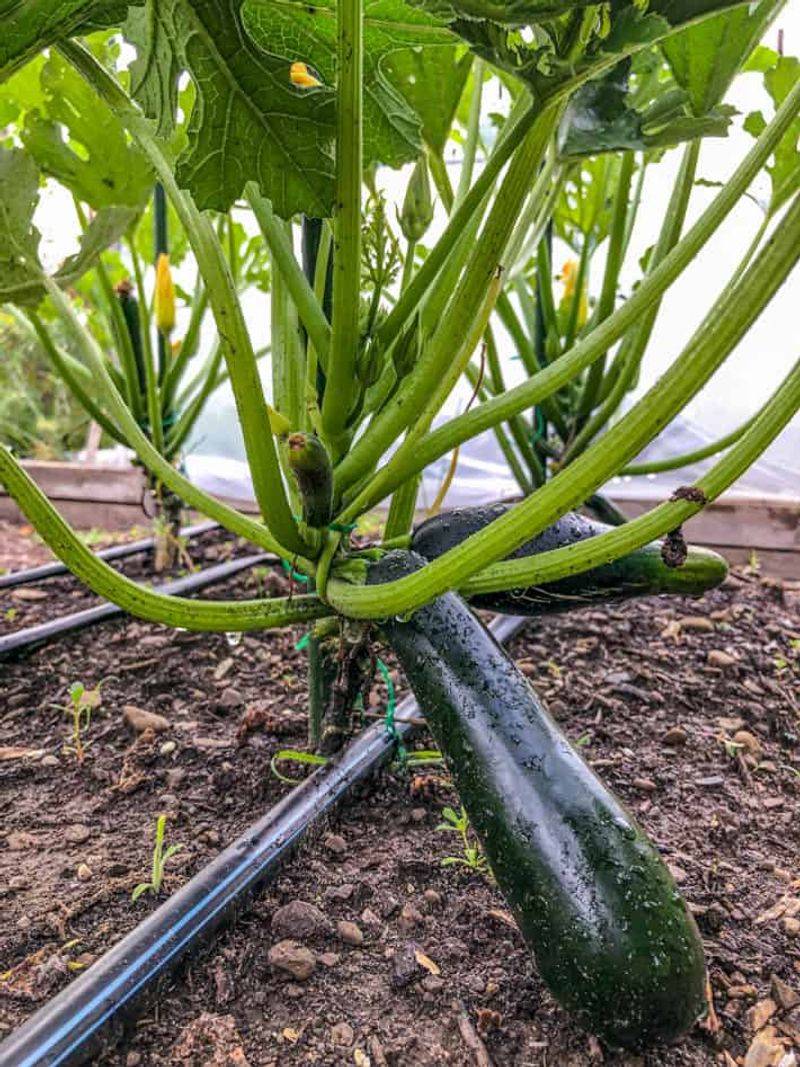
Excitement peaks as the fruit development phase begins. The zucchini plant’s energy focuses on growing plump, nutritious fruits. During this phase, a balanced 10-10-10 fertilizer supports both fruit and leaf health.
Zucchinis grow best when the soil consistently receives nutrients and stays well-drained. Ever wonder why zucchini plants seem to grow at an astonishing rate? It’s the nutrient absorption.
Regular feeding ensures the plant doesn’t deplete the soil. As fruits swell, providing consistent nutrition ensures they reach their full potential without compromising quality.
5. Post-Harvest Care
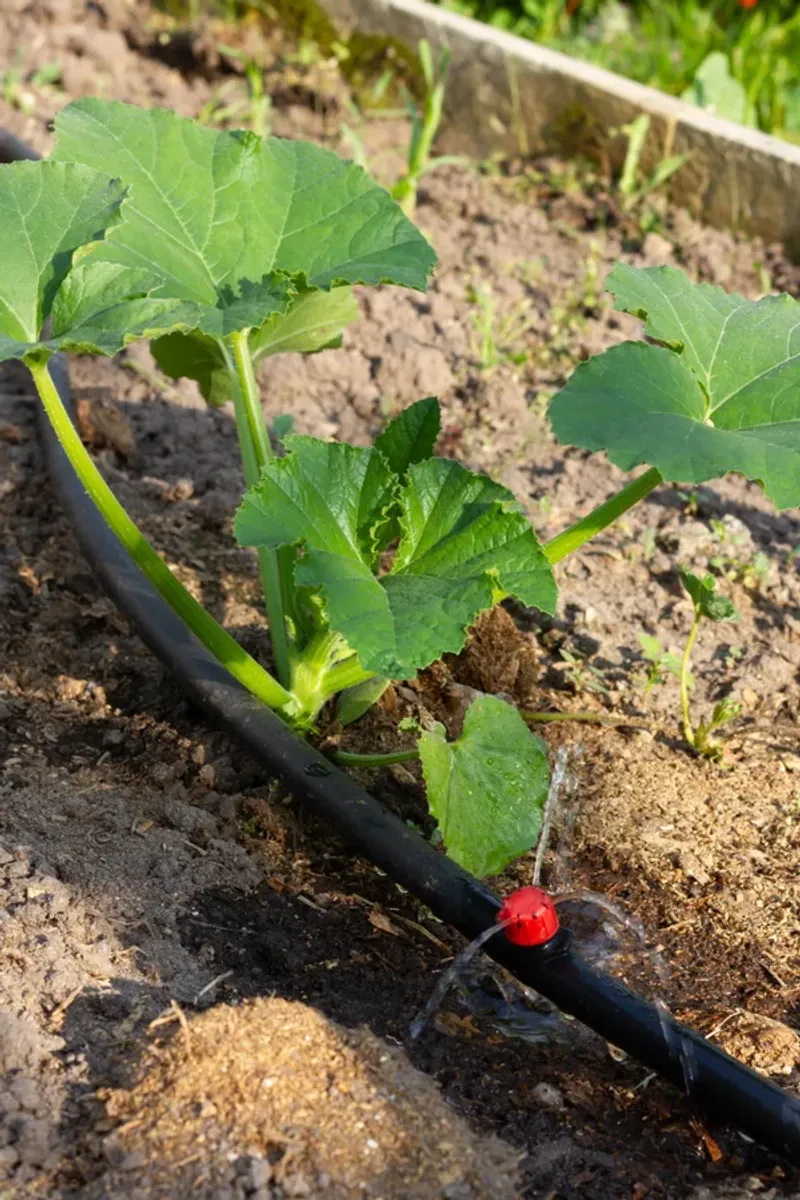
After a rewarding harvest, the care of zucchini plants continues. Post-harvest, it’s essential to replenish the soil. Applying organic matter or compost restores nutrients and prepares the earth for the next planting cycle.
Interestingly, zucchini plants can continue producing even after an initial harvest if well-nourished. Monitor the soil’s health and ensure it remains vibrant.
By rotating crops and allowing for soil recovery, gardeners maintain sustainable practices. This dedication to post-harvest care enriches the earth, promising future bounties.
6. Early Morning Fertilization
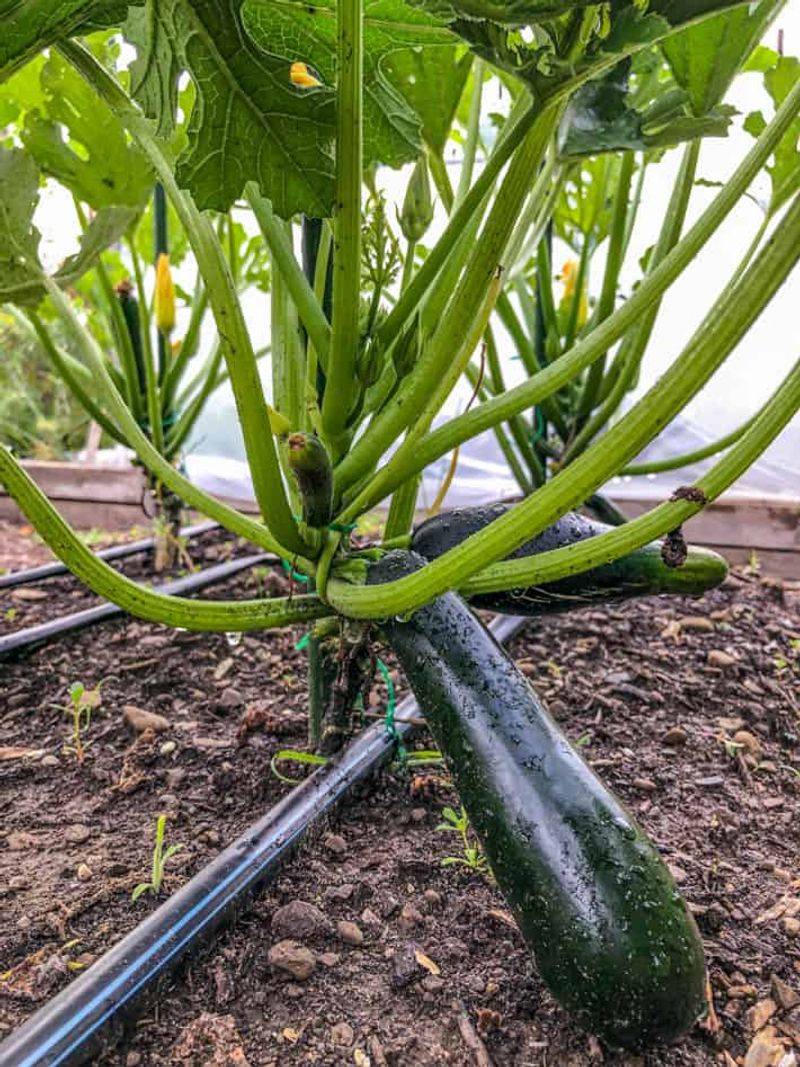
Morning breathes life into the garden, and for zucchini, it’s an optimal time to fertilize. The cool temperatures allow the plant to absorb nutrients efficiently. Begin with a balanced fertilizer as the sun gently rises. This practice helps in minimizing nutrient loss due to evaporation.
Fertilizing in the morning can also reduce the risk of burning the plant leaves. Plants are naturally more receptive to nutrients early in the day. This is a serene routine that nurtures both plant and gardener.
Ensure the soil is moist to aid nutrient uptake, enriching your harvest.
7. Pre-Rain Application
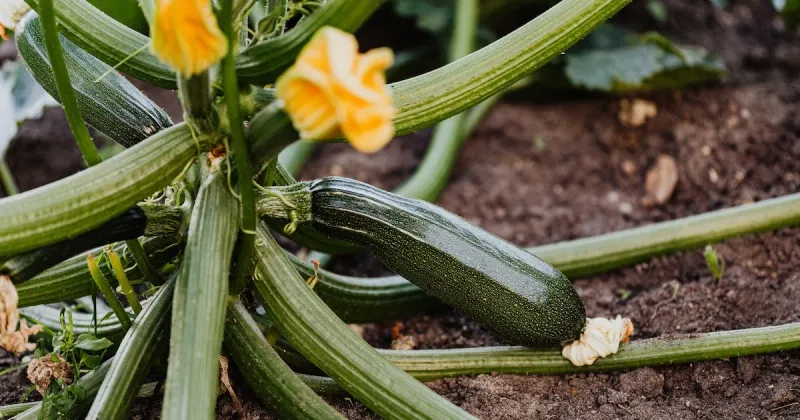
Rain is nature’s way of delivering nourishment, and timing your fertilization before a shower can work wonders. The impending rain will help the nutrients penetrate deeply into the soil. This natural watering process reduces the effort needed for manual irrigation.
Ensure that the fertilizer is well-suited for a rain-soaked environment to avoid runoff. The anticipation of rain should be met with excitement, as it partners with your efforts for a bountiful harvest.
A synchronized approach with weather patterns enhances the health and yield of your zucchini.
8. During a Growth Spurt
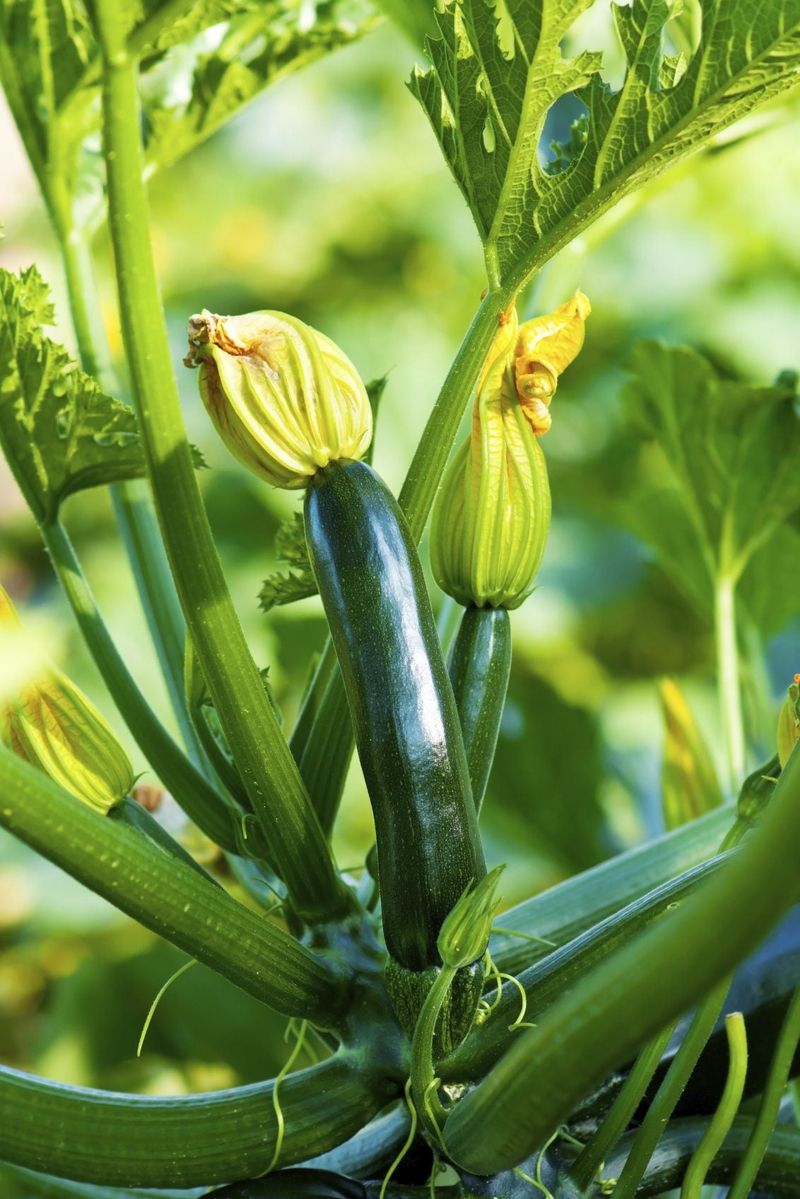
Growth spurts mark exciting times in a plant’s life, demanding extra nourishment. Fertilizing during these periods ensures zucchini plants receive the boost they require. Observing the plants closely helps identify these spurts typically marked by rapid leaf and stem growth.
Using nutrient-rich compost or organic fertilizers can be particularly beneficial. These provide a steady release of essential nutrients.
Timing your efforts with these natural growth phases ensures that your zucchini plants develop robustly, leading to a healthier and more productive yield.
9. After Heavy Rain
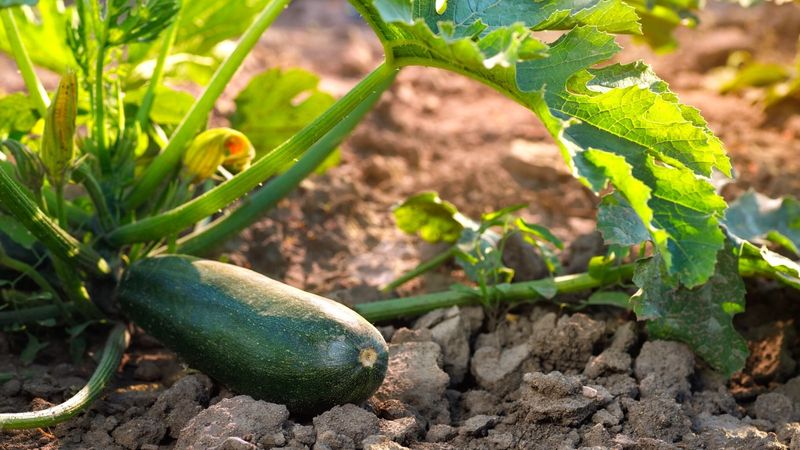
Heavy rains can leach nutrients from the soil, leaving your zucchini in need of a nutritional boost. Post-rain fertilization replenishes lost nutrients and supports recovery. Use a balanced water-soluble fertilizer to quickly restore nutrient levels.
It’s a chance to fortify the plant’s defenses against any stress caused by the deluge. Ensuring rapid nutrient uptake will promote vigorous growth and resilience.
This strategic fertilization aids in maintaining plant health, ensuring the zucchinis remain lush and productive throughout the growing season.
10. Midday Pause
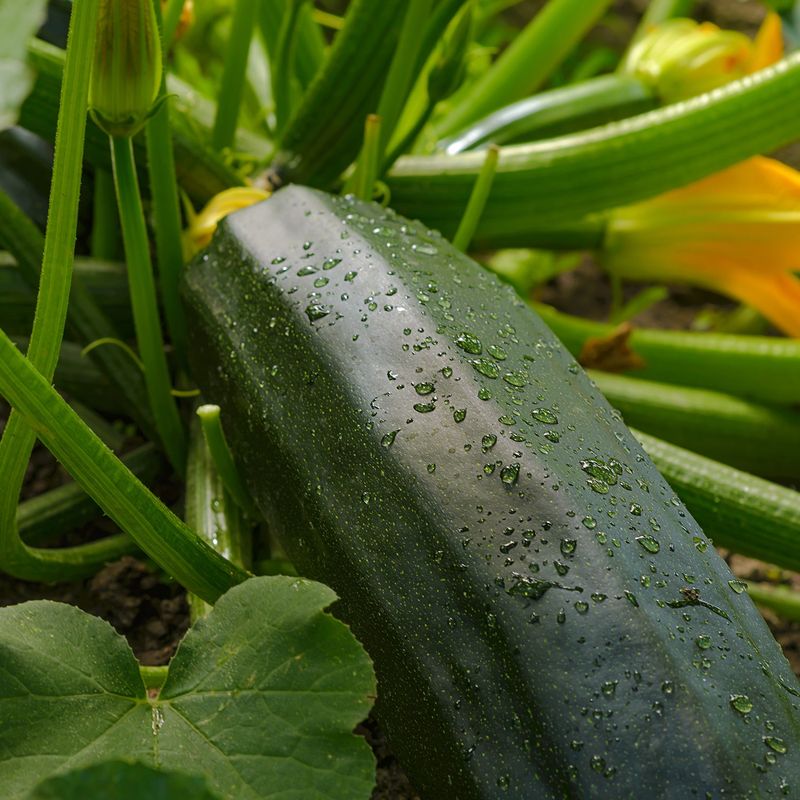
Midday is usually not ideal due to the heat, but a brief pause can be beneficial. Fertilizing when the sun is at its peak might sound counterintuitive, yet it can work under specific conditions.
Choose a cooler day and apply fertilizers with ample water to ensure they reach the roots without burning the foliage. This unconventional method suits gardeners with limited morning time.
While it demands careful attention to avoid leaf burn, it offers flexibility in a busy schedule, keeping your zucchini nourished and thriving.
11. Evening Nutrient Boost
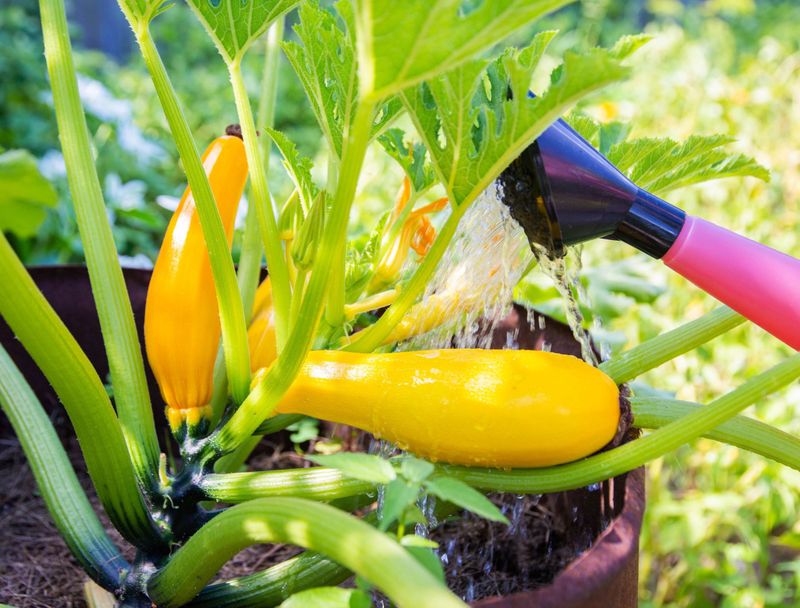
Evening casts a calming glow, perfect for a gentle nutrient boost. Fertilizing zucchinis in the evening can lead to effective nutrient absorption as plants are less stressed by heat.
The cooler temperatures prevent evaporation, aiding in nutrient uptake and retention. It’s an opportunity to connect with your garden, observing the results of your diligence.
Prepare an organic fertilizer mix that supports the plant’s nighttime growth processes. This tranquil time spent nurturing your zucchinis ensures they remain robust and fruitful.
12. Preemptive Fertilization for Pests
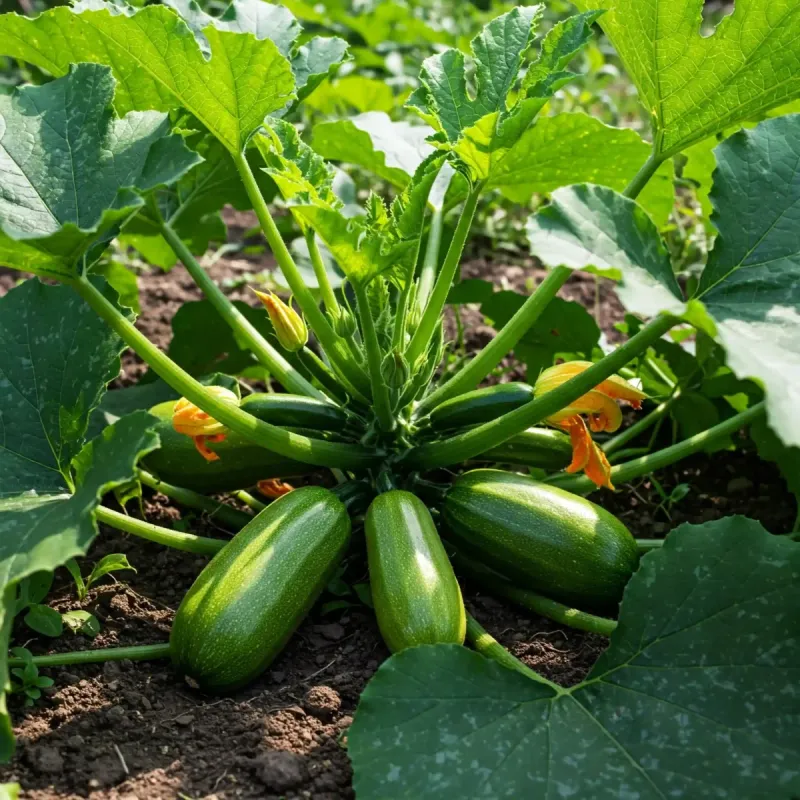
Fertilizing as a preventive measure before pests strike can bolster plant defenses. Strong, healthy plants are less susceptible to infestations.
Apply an organic fertilizer that enhances the plant’s immunity, deterring pests naturally. This proactive approach ensures zucchinis are resilient during pest-prone periods.
Regular monitoring and timely fertilization foster a thriving garden environment. This strategy requires vigilance but promises a rewarding, pest-free harvest, safeguarding your zucchinis’ health.
13. Fertilizing Before Mulching
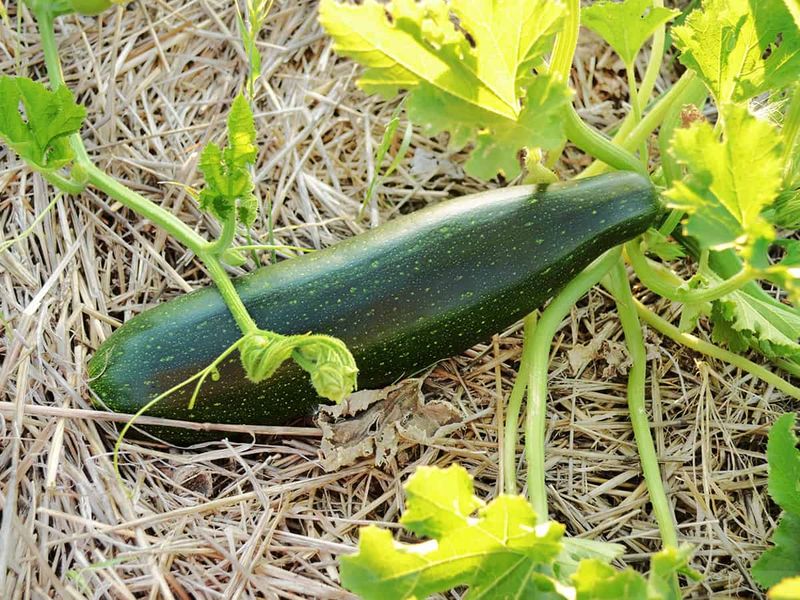
Applying fertilizer before mulching locks in essential nutrients. As mulch decomposes, it adds organic matter to the soil, complementing the fertilizer’s effects.
This tandem approach conserves moisture and improves soil structure, crucial for zucchini development. Choose a slow-release fertilizer to maximize benefits.
This technique not only boosts growth but also enhances root health, providing a stable environment for zucchinis to flourish. Carefully layering mulch preserves the soil’s nutrient-rich condition, promoting a bountiful crop.
14. Fertilizing During Transplant Shock
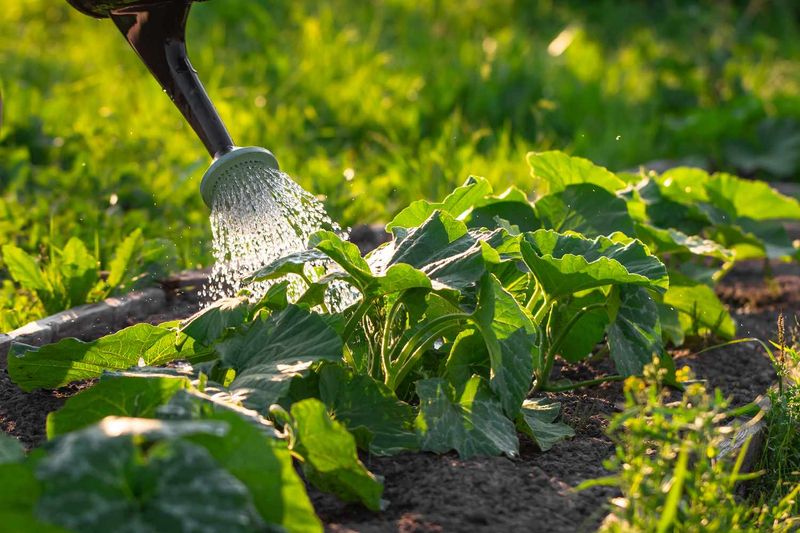
Transplanting can stress zucchini plants, but strategic fertilization eases the transition. Introducing a mild, organic fertilizer helps seedlings adapt to their new environment.
Focus on root health by using a phosphorus-rich formula to promote strong root development. This support minimizes shock and encourages quick recovery.
Attending to your plants during this vulnerable time ensures they establish well, leading to vigorous growth and abundant yields. It’s a nurturing gesture that reflects care and foresight.
15. Before Temperature Drops
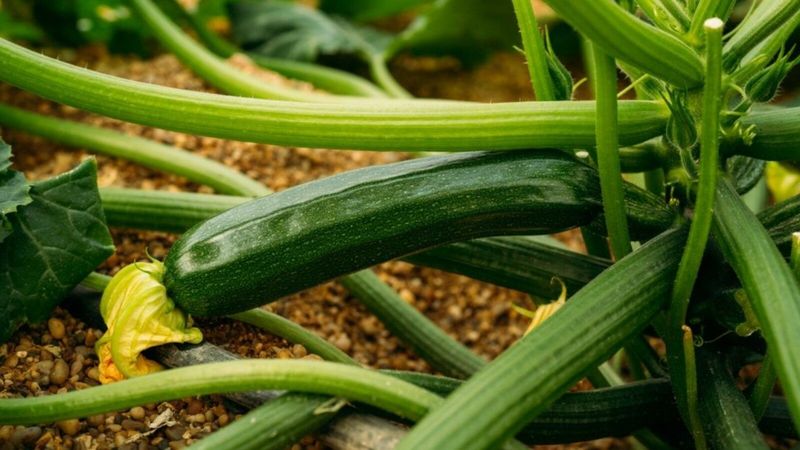
As temperatures drop, zucchinis require a nutrient reserve to withstand cooler conditions. Fertilizing before a cold spell strengthens plants and aids in their survival.
Opt for a potassium-rich fertilizer to bolster frost resistance. This preparation ensures your plants are ready to face the chill, maintaining their health and productivity.
By anticipating temperature changes, you secure the zucchinis’ endurance. This foresight protects against unexpected weather shifts, ensuring continuous growth and harvest readiness.
16. Post-Harvest Nutrient Restoration

After the final harvest, the soil requires replenishment to restore its fertility for future planting. Use a nutrient-rich fertilizer to refresh the soil’s profile.
This practice not only prepares the garden for the next cycle but also prevents soil depletion. Engage in soil testing to tailor the nutrient application to specific needs.
Proper post-harvest management ensures that zucchinis planted next season inherit a rich growing environment, sustaining the garden’s productivity through successive cycles.
17. During Drought Stress
Drought conditions pose a serious challenge. Fertilizing with a liquid solution during dry spells provides essential nutrients when water is scarce.
A foliar feed can bypass dried-up soil, delivering nutrients directly to the leaves. This method supports plant health even when environmental conditions are harsh.
Maintaining a regular fertilization schedule during drought ensures that zucchinis continue to thrive, despite the lack of water. This adaptive strategy helps sustain growth amidst adversity, securing the survival of your plants.