 Complete Gardening

Summer brings warmth and outdoor enjoyment, but it also invites unwanted pests. Proactive strategies can prevent these nuisances from multiplying and wreaking havoc. Here are 20 professional methods to control those pesky invaders and maintain a pest-free environment all summer long.
1. Eliminate Standing Water
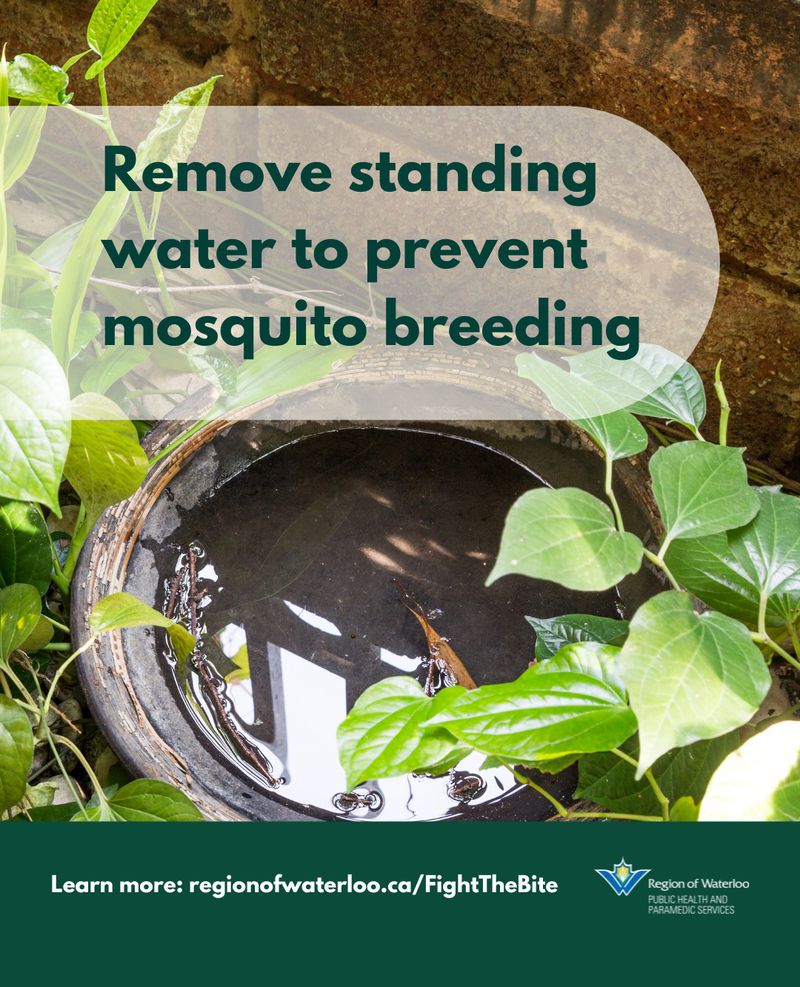
Standing water acts as a breeding ground for mosquitoes, leading to increased bites and potential disease spread. Regularly check birdbaths, gutters, and flowerpot saucers, as these are common places where water accumulates. Even the smallest pool can provide a haven for mosquito larvae.
Ensure to drain any collected water from these areas at least once a week to disrupt the breeding cycle. Consider using mosquito dunks for water features that can’t be drained.
By keeping these areas dry, you’ll dramatically reduce the mosquito population and enjoy a more pleasant summer outdoors.
2. Seal Entry Points
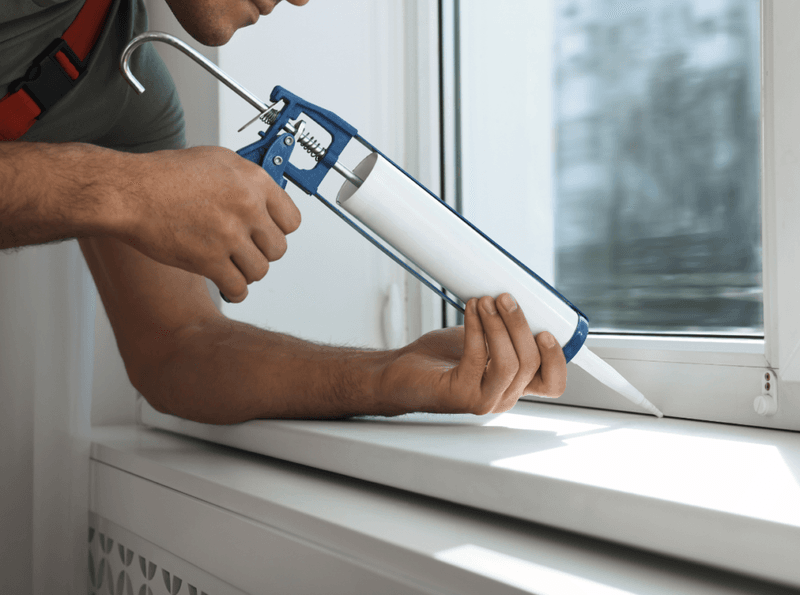
Small gaps and cracks can be an open invitation for ants, cockroaches, and spiders to invade your home. To keep these pests out, thoroughly inspect areas around windows, doors, and pipes for any openings.
Using a quality caulk, seal any discovered gaps to create a barrier against these sneaky intruders. Regular maintenance and inspection can help ensure the integrity of your home’s defenses.
By sealing these entry points, you can effectively stop these pests from setting up residence indoors, maintaining a clean and undisturbed home environment.
3. Use Yellow Bug Lights

White lights are notorious for attracting moths and flies, creating a swirling mass of insects at your doorstep. By replacing outdoor bulbs with yellow LED bug lights, you can significantly reduce this attraction.
The yellow spectrum is less visible to these insects, keeping them at bay and allowing you to enjoy your outdoor space without the nuisance of buzzing invaders.
Whether relaxing on your porch or hosting a summer evening gathering, these lights offer a simple yet effective solution to keep insects away and enhance your outdoor experience.
4. Deploy Sticky Traps
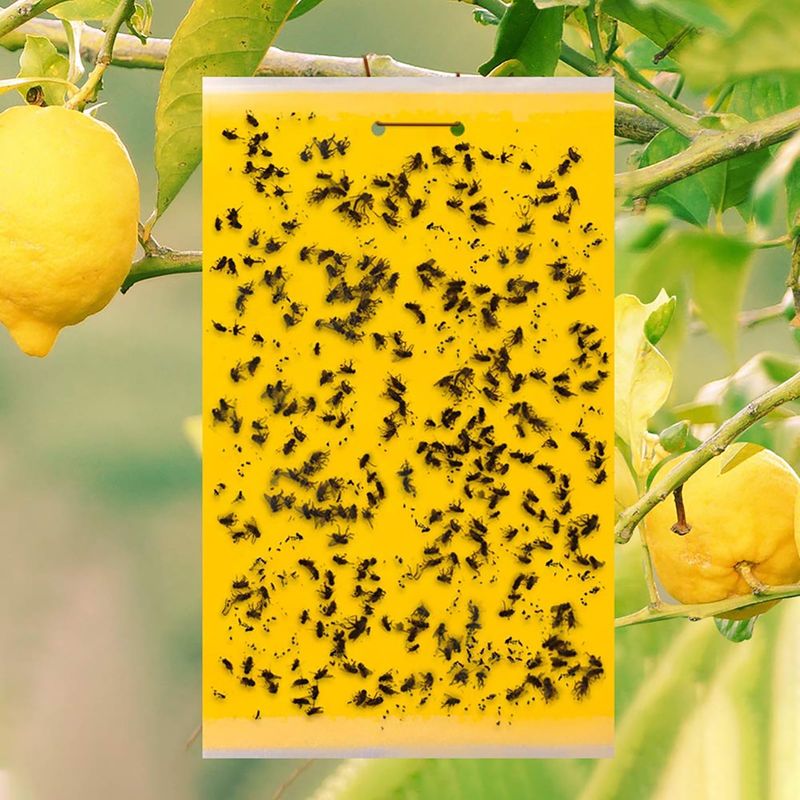
Sticky traps offer a clever and non-toxic way to catch flying insects like gnats, fruit flies, and whiteflies. These traps can be strategically placed near windows, plants, or trash bins where these pests are most active.
The bright colors of the traps attract the insects, while the adhesive surface ensures they aren’t going anywhere soon.
Regular monitoring and replacing of these traps will keep your space free from these tiny invaders. This method is especially useful for those seeking a chemical-free approach to pest control, keeping your home safe and serene.
5. Apply Diatomaceous Earth (DE)
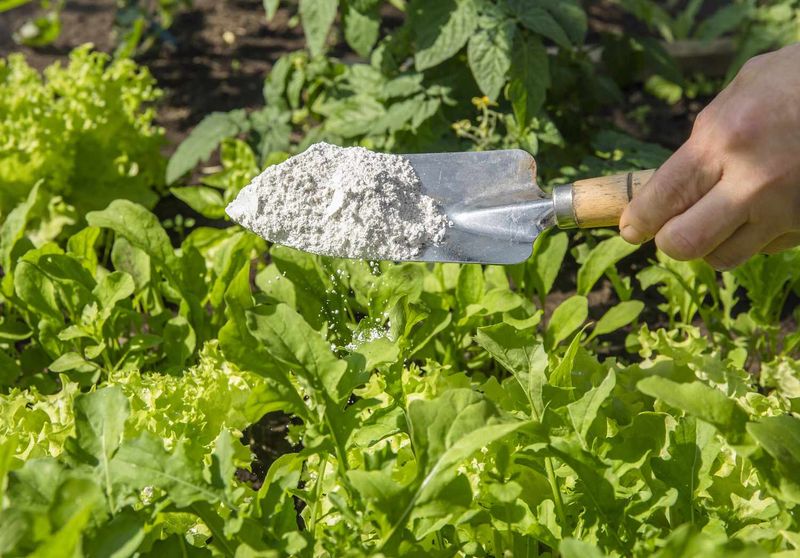
Diatomaceous earth provides an all-natural way to eradicate crawling insects like ants, roaches, and bed bugs. This powder works by dehydrating the insects, leading to their demise.
Apply it along baseboards, garden beds, and entryways where these pests frequently travel. Ensure it’s kept dry, as moisture can diminish its effectiveness.
This method is both safe and effective, providing peace of mind for those who prefer to avoid chemical pesticides. Regular application can maintain a pest-free environment and protect your home from these unwelcome guests.
6. Introduce Beneficial Insects
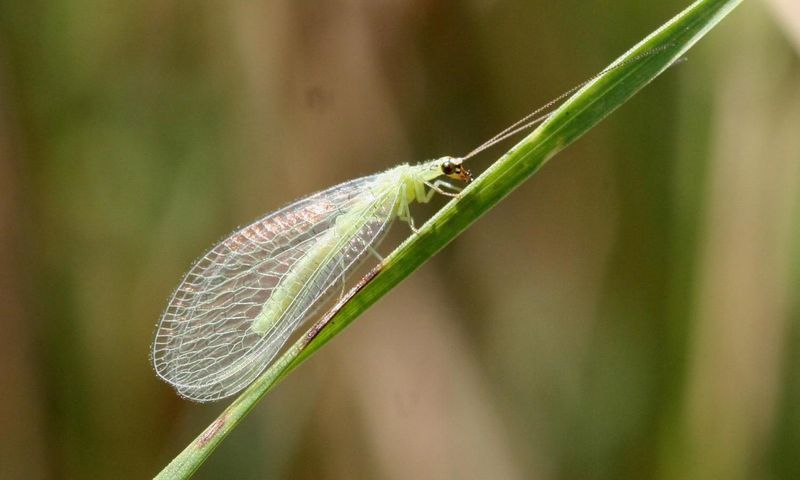
Nature’s allies, such as ladybugs and lacewings, offer a natural solution to pest problems. These beneficial insects are predators to aphids and mites, keeping your garden healthy and thriving.
Releasing them in gardens or greenhouses can significantly reduce pest populations without harmful chemicals. They work tirelessly, ensuring your plants are free from destructive invaders.
This harmonious approach not only supports a balanced ecosystem but also promotes a flourishing garden. Embracing these insect allies can transform your space into a vibrant, pest-free paradise.
7. Keep Trash Bins Sealed
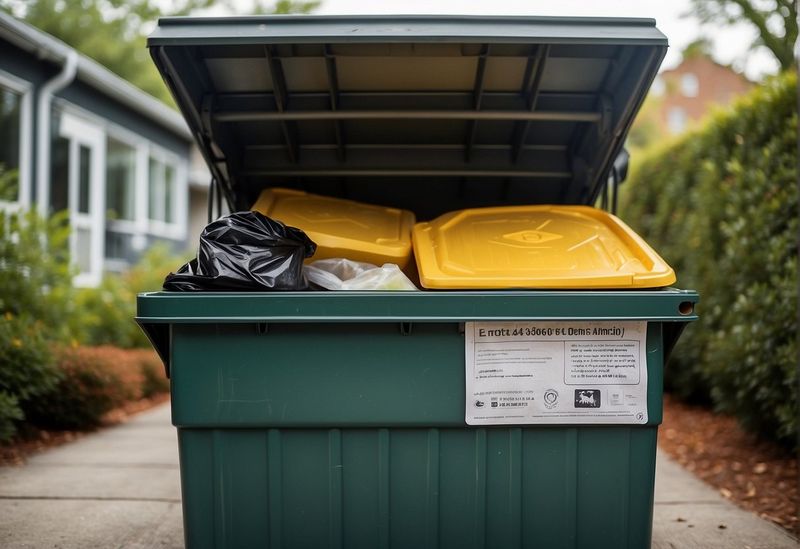
Open garbage bins can be a magnet for flies, roaches, and rodents, turning your home into a pest playground. To prevent this, always use lidded bins that seal tightly, keeping odors contained and pests out.
Regularly emptying these bins and cleaning them will further deter unwanted visitors. Consider placing them away from entrances to minimize attraction.
This simple yet effective practice keeps your outdoor areas and interior spaces hygienic and pest-free, providing a more pleasant and sanitary living environment for you and your family.
8. Use Essential Oil Sprays
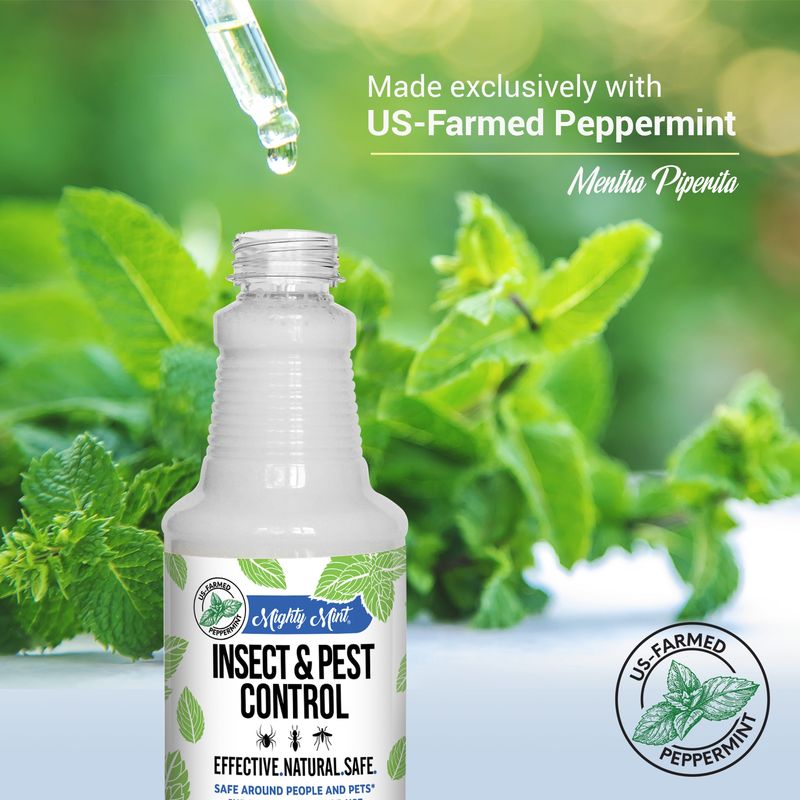
Essential oils like peppermint, eucalyptus, and citronella offer natural pest-repelling properties, making them an appealing alternative to chemical sprays. By mixing these oils with water, you can create a fragrant barrier around entry points.
Spray regularly around windows, doors, and other potential entryways to keep pests like spiders and ants at bay.
Not only do these oils deter pests, but they also leave your home smelling fresh and invigorating. This natural approach combines effectiveness with aromatherapy, enhancing your living space while safeguarding it from invaders.
9. Set Up Mosquito Dunks
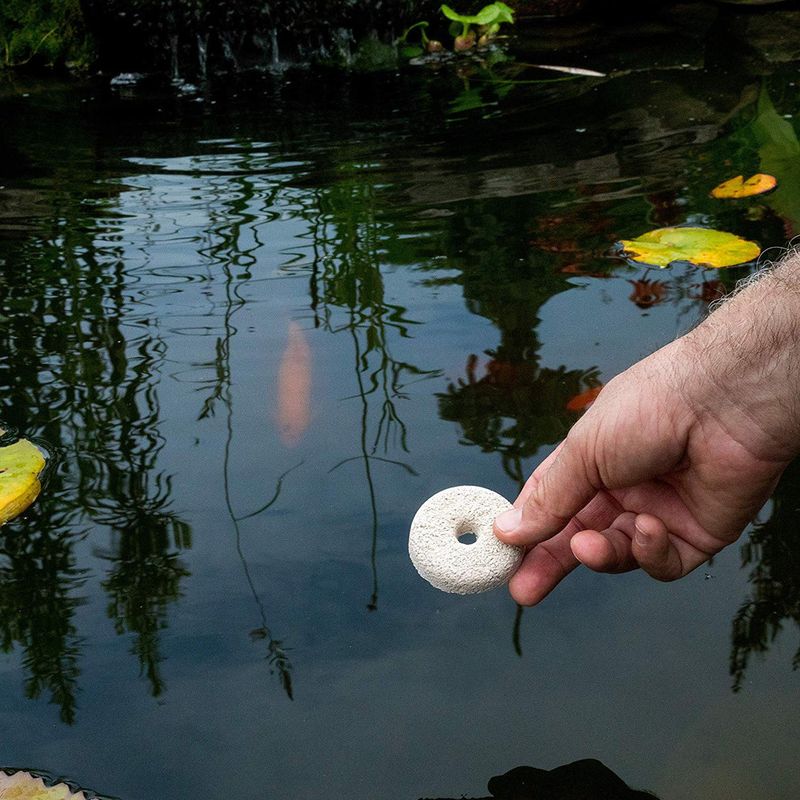
Managing mosquito populations around water features is crucial for a comfortable outdoor experience. Mosquito dunks provide a solution that targets mosquito larvae without harming plants or wildlife.
Simply place these dunks in ponds, fountains, or rain barrels, and let them work their magic. The active ingredient is safe for the environment yet lethal to mosquito larvae.
By using mosquito dunks, you maintain the beauty of your water features while keeping pesky mosquitoes in check, allowing you to fully enjoy your outdoor spaces without the constant buzz and bite.
10. Trim Overgrown Vegetation
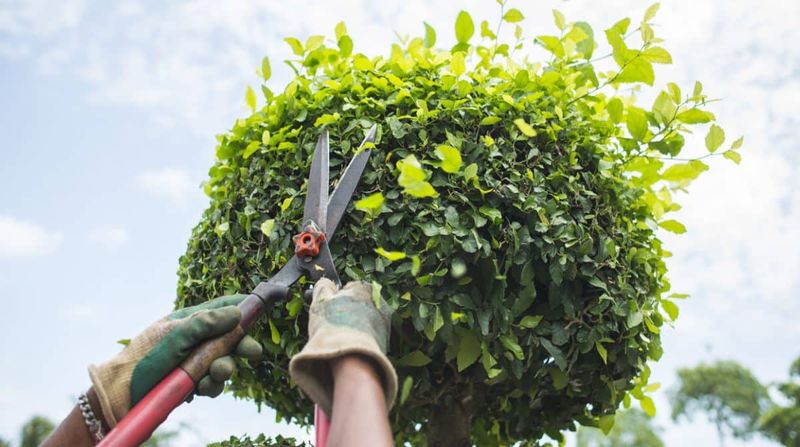
Overgrown shrubs and grasses can become lurking spots for ticks, mosquitoes, and even rodents. Regular trimming and maintenance keep your lawn and garden neat and less inviting to these pests.
Keep bushes trimmed away from the house to prevent easy access for critters. Mowing the lawn and clearing debris reduces hiding spots, creating a safer environment for outdoor activities.
This proactive approach not only beautifies your property but also significantly decreases the likelihood of pest infestations, providing a safe and enjoyable space for your family.
11. Use Boric Acid for Roaches & Ants
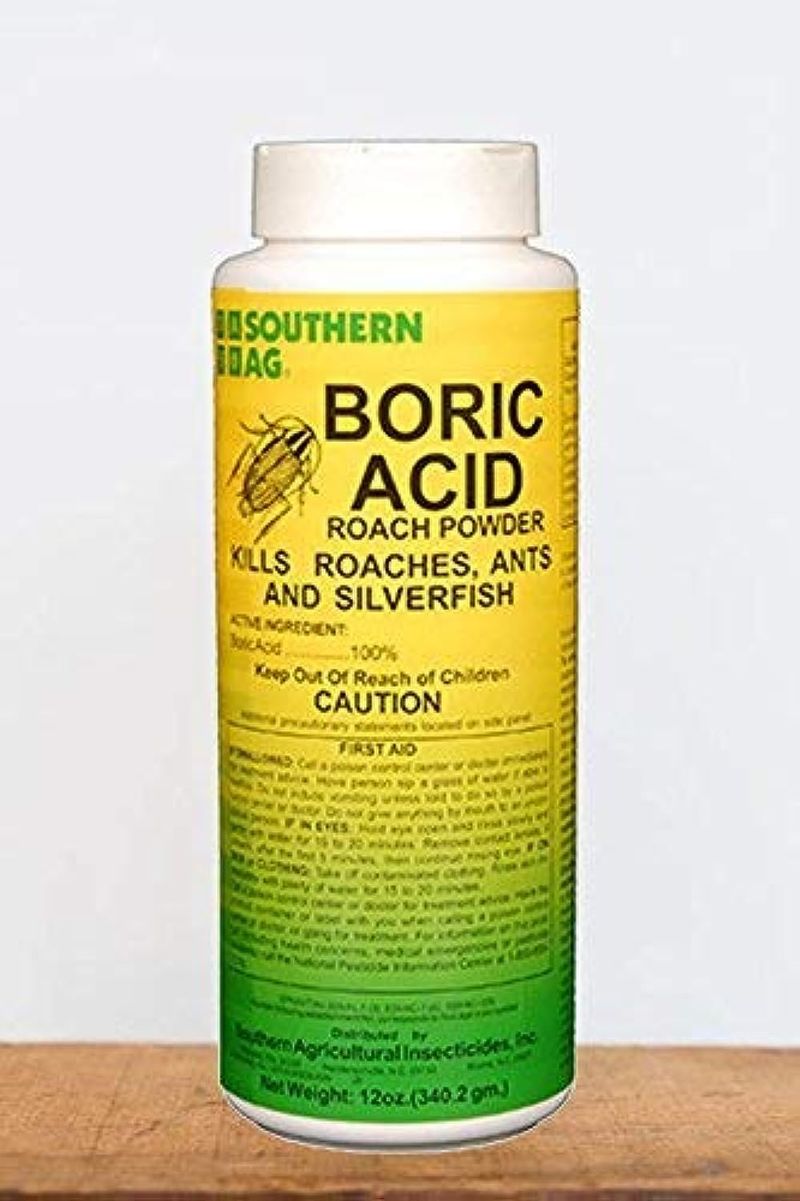
Boric acid serves as an effective deterrent for roaches and ants, turning them from unwelcome guests to nonexistent nuisances. This slow-acting poison is carried back to their nests, ensuring comprehensive control.
Apply it sparingly under appliances and along baseboards where these pests frequent. Its discreet application makes it a favored choice for those seeking an unobtrusive solution.
Routine use can keep your home consistently free of these persistent pests, providing peace of mind and a cleaner living environment. It’s a subtle yet powerful tool in your pest control arsenal.
12. Install Screens on Windows & Vents
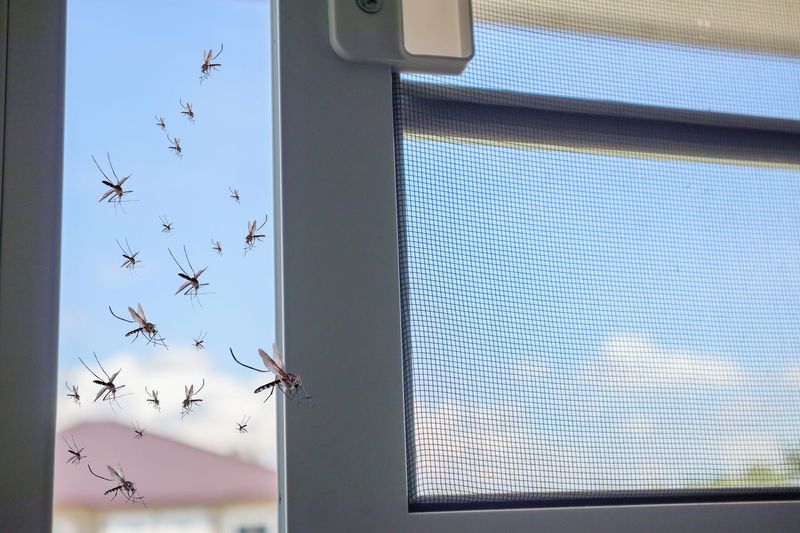
Windows and vents are common entry points for flies, mosquitoes, and wasps. To prevent these pesky intruders, installing sturdy screens is essential.
Ensure that all screens are in good condition, repairing or replacing any that are damaged. This barrier not only keeps insects out but also allows fresh air to circulate through your home.
Enjoy the summer breeze without the worry of pests invading your personal space. By maintaining these screens, you create a comfortable, insect-free indoor environment that enhances your quality of life.
13. Clean Pet Food Bowls Daily

Leftover food in pet bowls can attract ants and roaches, inviting them to feast regularly. To prevent this, clean your pet’s food bowls daily and store extra food in airtight containers.
This practice not only keeps pests at bay but also ensures your pet’s food remains fresh and hygienic.
A simple routine can make a significant difference in maintaining a pest-free home. Encourage responsible habits by involving family members in this daily task, promoting cleanliness and preventing unwanted visitors from taking up residence.
14. Use Beer Traps for Slugs & Snails
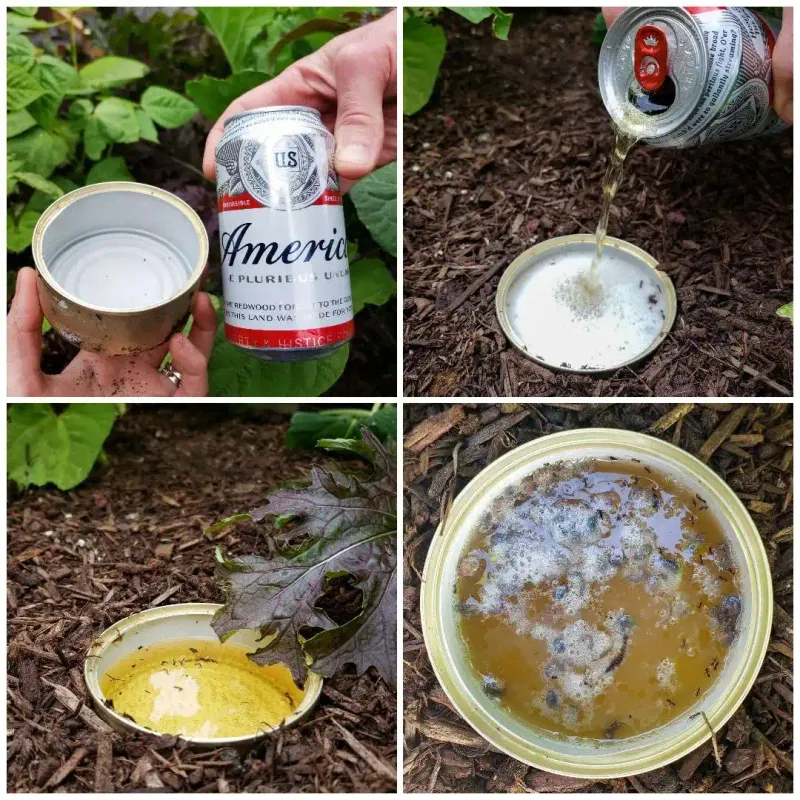
Slugs and snails are drawn to the yeast in beer, making it a clever trap for these garden pests. By burying small containers filled with beer in the soil, you create an irresistible lure that leads them to their downfall.
These traps are both simple to set up and effective in reducing slug and snail populations. This method is a gardener’s secret weapon, combining ingenuity with simplicity.
Maintain your garden’s health and vibrancy by incorporating this quirky yet efficient technique into your pest control routine.
15. Vacuum Regularly
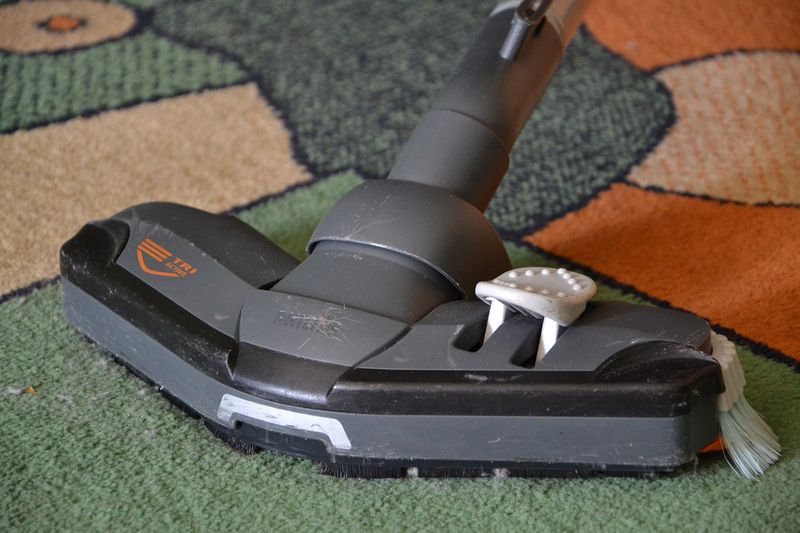
Regular vacuuming is a cornerstone in the fight against spiders, fleas, and their eggs. This routine not only cleans your home but also removes these pests from carpets and corners where they often hide.
Focus on areas under furniture and in pet zones, as they are hotspots for these unwelcome guests.
By incorporating regular vacuuming into your cleaning schedule, you keep your home fresh and significantly reduce the chance of pest infestations. It’s an easy and effective way to maintain a clean and comfortable living environment for everyone.
16. Apply Neem Oil to Plants
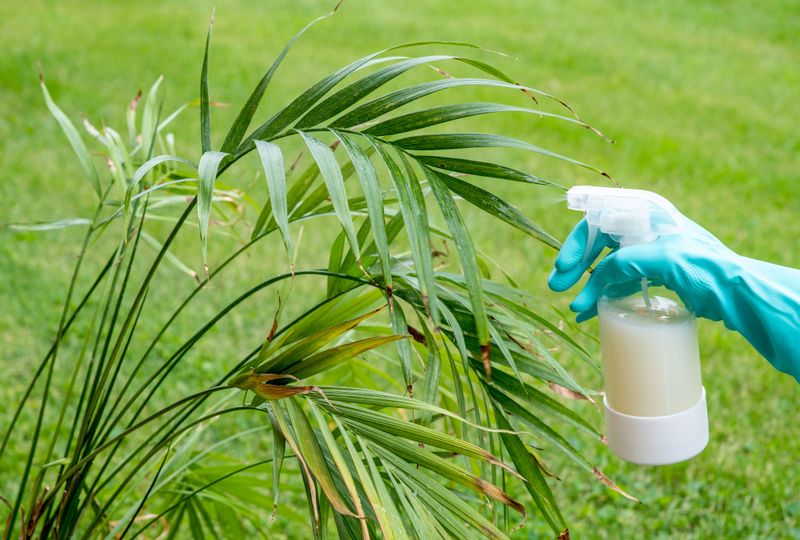
Neem oil disrupts the life cycle of aphids, whiteflies, and mites, offering a natural solution to garden pest control. By spraying diluted neem oil on plant leaves weekly, you provide ongoing protection.
This method is gentle on the environment and safe for beneficial insects, promoting a balanced ecosystem.
Regular application ensures your plants remain healthy and thriving, free from destructive pests. Embrace this sustainable approach to gardening, enhancing the beauty and productivity of your outdoor spaces without resorting to harsh chemicals.
17. Set Up Pheromone Traps
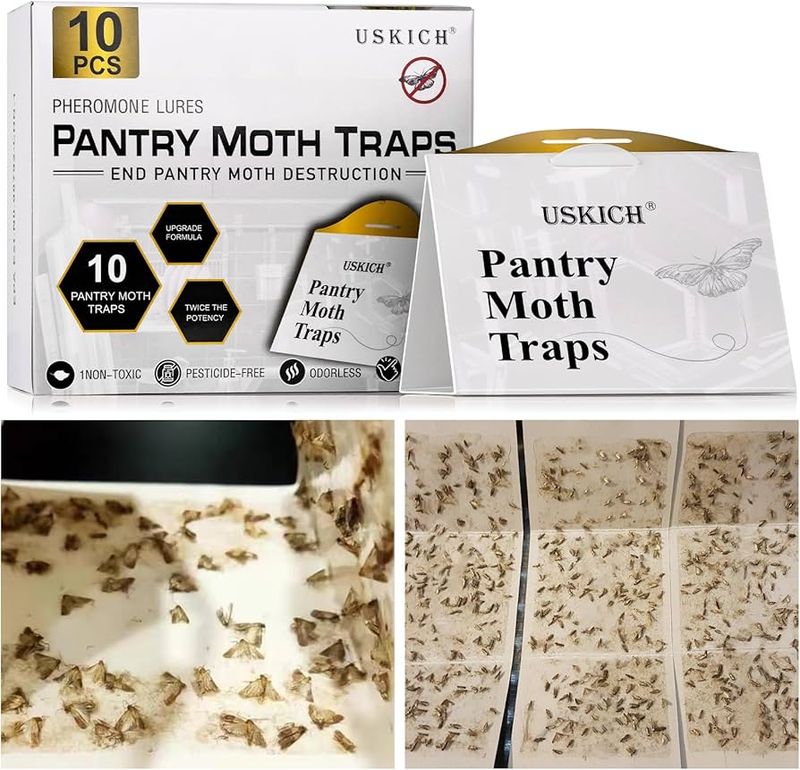
Pheromone traps are an innovative tool for luring and trapping specific pests like moths and beetles. These traps can be placed in pantries or near fruit trees where infestations are likely.
The pheromone’s scent attracts the pests, ensuring they enter the trap and can’t escape. Regular monitoring and replacing of these traps will maintain their effectiveness.
By using pheromone traps, you address pest issues at the source, reducing their population and safeguarding your food supply. It’s an intelligent approach to pest management that delivers results.
18. Use a Dehumidifier Indoors
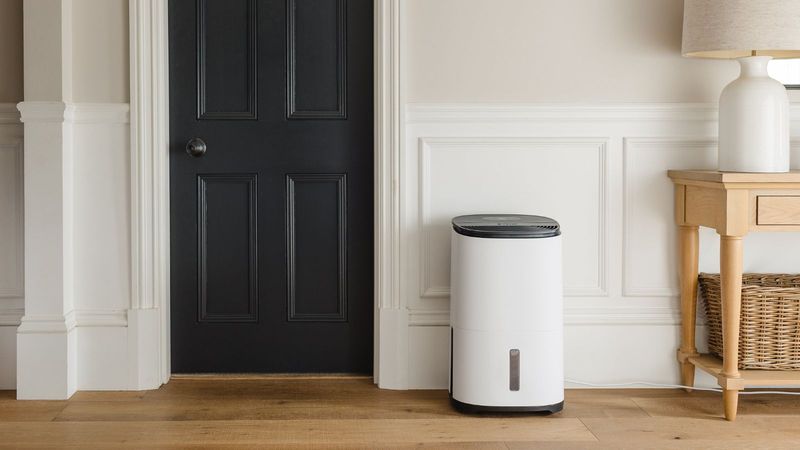
Reducing indoor humidity is key to deterring pests like silverfish and cockroaches, which thrive in moist environments. By using a dehumidifier, you can keep humidity levels below 50%, creating an inhospitable setting for these pests.
Place dehumidifiers in basements and bathrooms, areas prone to dampness. Regular monitoring ensures optimal performance and comfort.
Maintaining lower humidity not only prevents pest invasions but also improves air quality and overall comfort, making your home a healthier place to live.
19. Rotate Garden Crops

Rotating garden crops is a time-honored practice that prevents soil-borne pests from establishing themselves. By changing the location of your vegetable plants each season, you disrupt their life cycles and reduce infestations.
This practice not only controls pests but also improves soil health and productivity. Planning rotations in advance ensures a diverse and thriving garden year-round.
Embrace this agricultural wisdom to maintain a vibrant and resilient garden, free from the scourge of persistent pests. It’s a proactive strategy that benefits both plants and gardeners alike.
20. Hire a Professional Exterminator (If Needed)
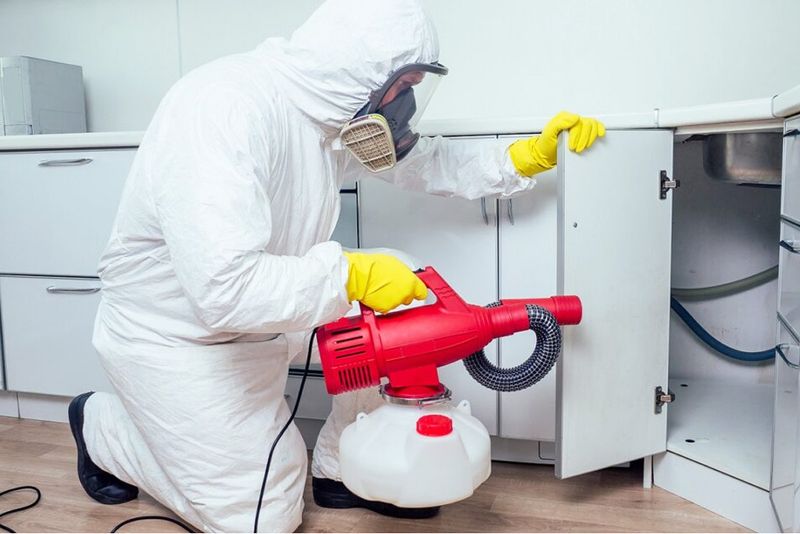
In cases of severe infestations, such as termites or bed bugs, professional help may be the best course of action. Exterminators possess the expertise and tools necessary to tackle these challenging situations effectively.
Scheduling preventive treatments before peak pest seasons can save time and stress later on. An experienced exterminator can assess the situation and deliver targeted solutions.
This professional intervention ensures thorough eradication and long-term prevention, giving you peace of mind and a pest-free home environment. Trusting the experts can make all the difference in challenging pest battles.