 Complete Gardening
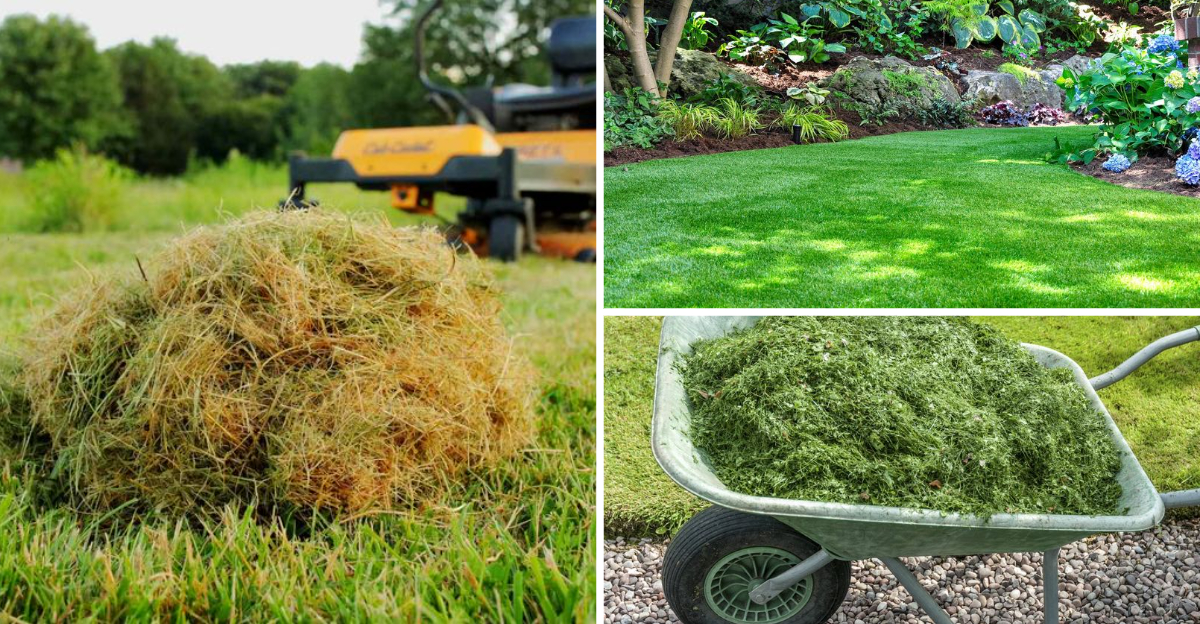
Mulching grass clippings is an environmentally friendly practice that offers numerous benefits for your lawn and the ecosystem. By returning the clippings to the soil, you not only enhance the growth of your grass but also contribute to a more sustainable environment. Here are 23 compelling reasons to start mulching your grass clippings today.
1. Nutrient Recycling
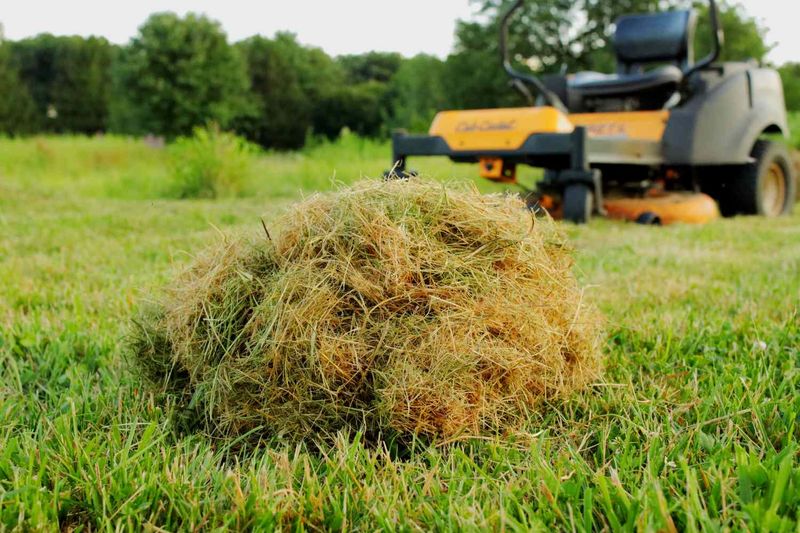
Grass clippings are a goldmine of nutrients, waiting to be recycled back into your lawn. When you mulch these clippings, you provide your grass with essential nutrients like nitrogen, phosphorus, and potassium. These elements are vital for healthy growth and help reduce the need for synthetic fertilizers.
By naturally returning nutrients to the soil, you create a sustainable cycle that promotes a greener, healthier lawn. This process not only saves money but also minimizes chemical runoff into nearby water bodies, preserving local ecosystems.
2. Moisture Retention
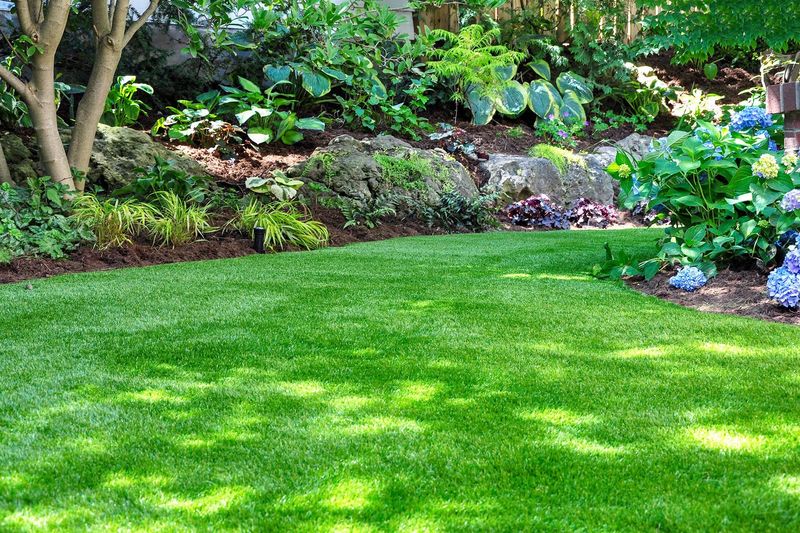
With mulching, your lawn becomes more adept at holding moisture, reducing the frequency of watering. The grass clippings act as a protective layer, shading the soil and reducing evaporation. This results in a more hydrated lawn, even during dry spells.
The moisture-retentive properties of mulched lawns are particularly beneficial in arid regions. They ensure that the grass remains lush and vibrant, without the constant need for irrigation. This not only conserves water but also reduces utility bills.
3. Weed Suppression
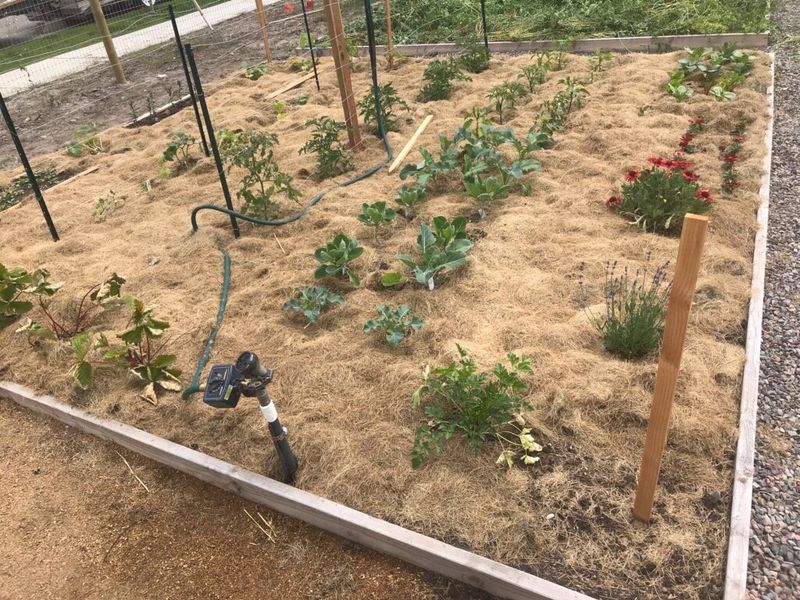
Mulching serves as a natural barrier against weeds. By covering the soil surface, grass clippings block sunlight that weeds need to sprout and thrive. This suppression leads to fewer unwanted plants competing with your grass for nutrients and space.
The reduction in weed growth means less time spent on manual removal or chemical treatments. It’s a natural way to maintain a pristine lawn, free from invasive species that often disrupt lawn aesthetics and health.
4. Soil Improvement
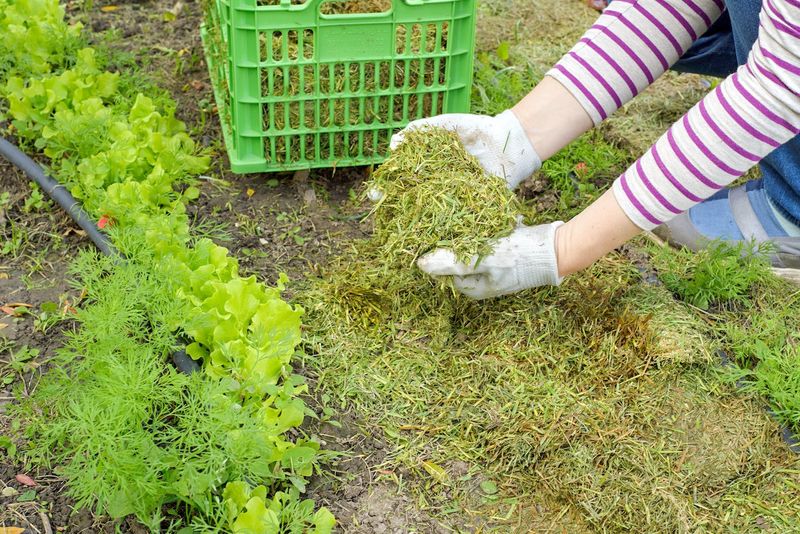
Mulched grass clippings decompose over time, enriching the soil with organic matter. This process improves soil structure, enhancing its ability to retain nutrients and water. Over time, you’ll notice a marked improvement in soil health, fostering a more robust lawn.
Healthy soil is the foundation of any thriving garden, and mulching is a simple yet effective way to develop it. This improvement translates to stronger grass roots, leading to a lawn that’s more resilient against pests and diseases.
5. Reduced Waste
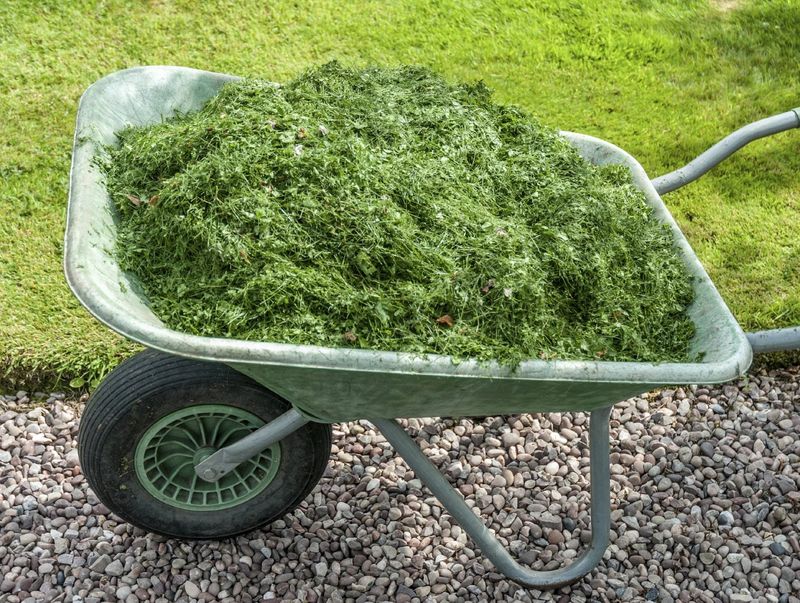
Mulching reduces the volume of waste sent to landfills. By using grass clippings as a natural fertilizer, you’re not only enhancing your lawn but also minimizing environmental impact. This practice is a step towards more sustainable gardening.
Instead of bagging and disposing of grass clippings, mulching allows these organic materials to serve a purpose. This reduction in waste aligns with eco-friendly gardening practices, promoting a greener planet for future generations.
6. Cost Savings
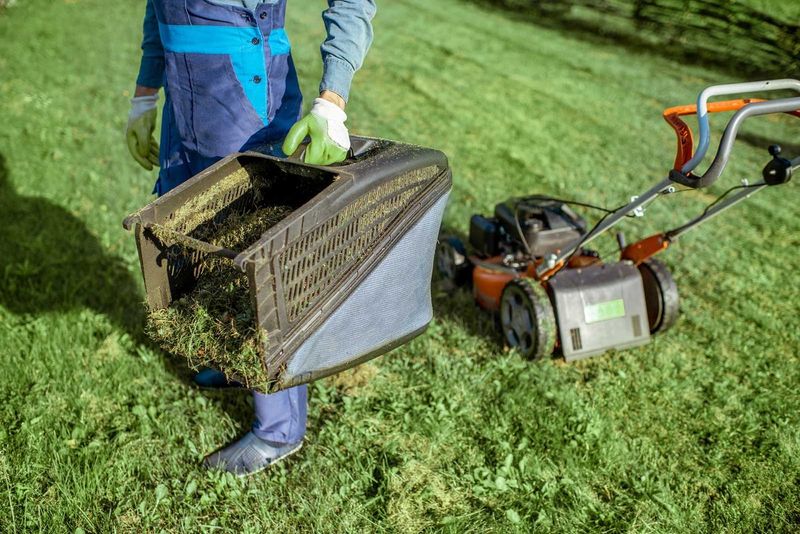
Mulching grass clippings can lead to significant cost savings over time. By reducing the need for fertilizers and water, you lower your gardening expenses. This practice makes lawn care more affordable without compromising quality.
In addition, the reduced need for lawn maintenance services contributes to these savings. Investing in mulching not only benefits your lawn’s health but also keeps your budget in check, making it a smart choice for any homeowner.
7. Enhanced Lawn Health
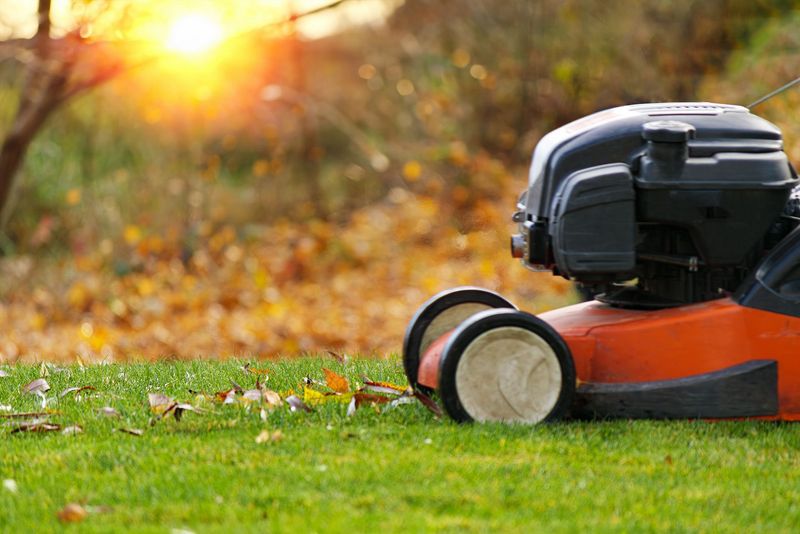
The practice of mulching contributes to the overall health of your lawn. By recycling nutrients and improving soil structure, your grass becomes stronger and less prone to disease. A healthy lawn is more aesthetically pleasing and requires less maintenance.
With robust grass growth, your lawn will resist pests and withstand foot traffic better. Mulching ensures that you enjoy a vibrant, lush lawn year-round, enhancing your outdoor living space.
8. Time Efficiency
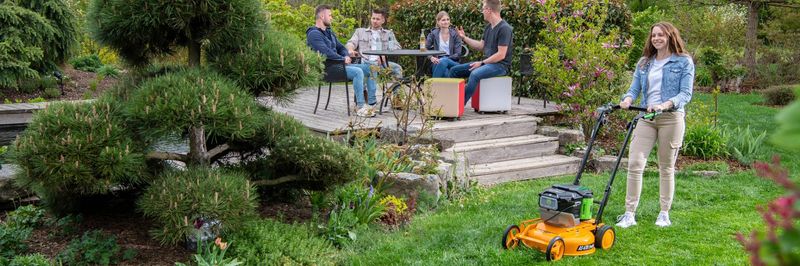
Mulching is a time-efficient approach to lawn care. With no need to bag grass clippings, you save time during mowing tasks. This efficient cycle allows for more leisure time while keeping your lawn in top condition.
Without the extra step of collecting and disposing of clippings, lawn care becomes a quicker and more enjoyable chore. Mulching streamlines your gardening routine, allowing you to focus on other outdoor activities or simply relax.
9. Environmental Benefits
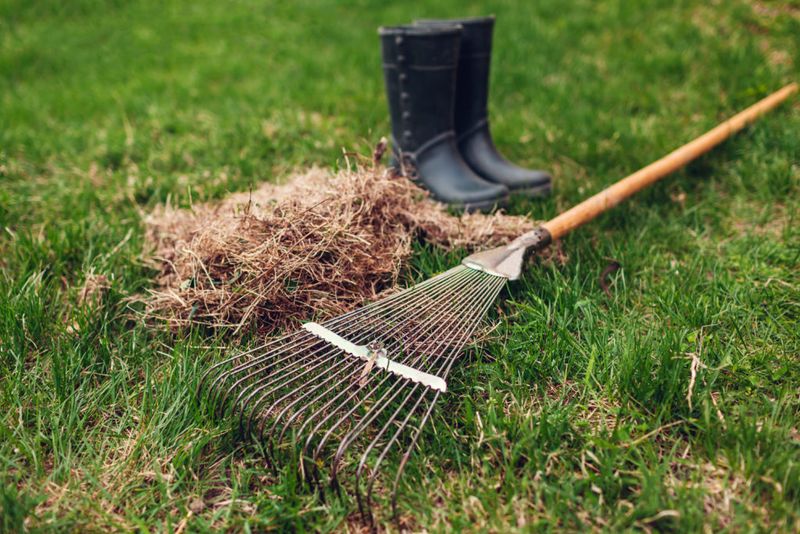
Embracing mulching brings several environmental benefits. By reducing chemical usage and waste, you contribute to a healthier planet. The practice supports biodiversity by providing habitat for beneficial insects and microorganisms.
This eco-friendly approach minimizes pollution and conserves resources, aligning with sustainable living principles. Mulching is a small step that collectively makes a big difference in preserving our environment for future generations.
10. Improved Lawn Appearance
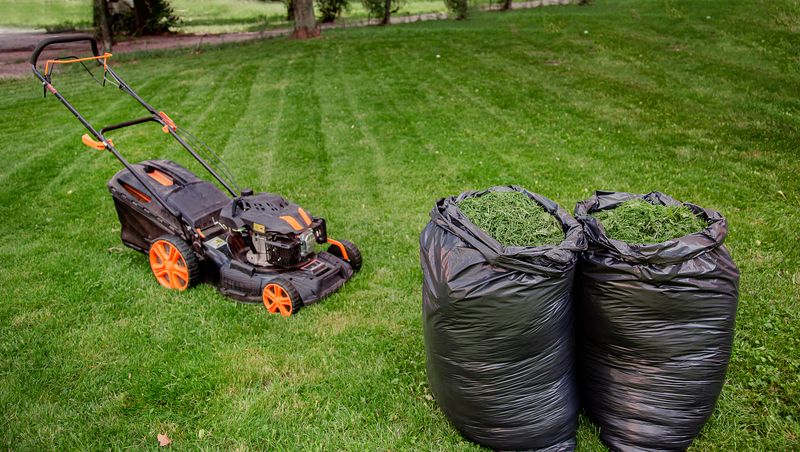
Mulching enhances the visual appeal of your lawn. By promoting even growth and rich color, your outdoor space appears more inviting. A well-mulched lawn is free from unsightly clippings and uneven patches.
The consistent trim provided by mulched clippings results in a uniformly green lawn, enhancing curb appeal. This improvement in appearance makes your property more attractive, whether for personal enjoyment or potential sale.
11. Reduced Carbon Footprint
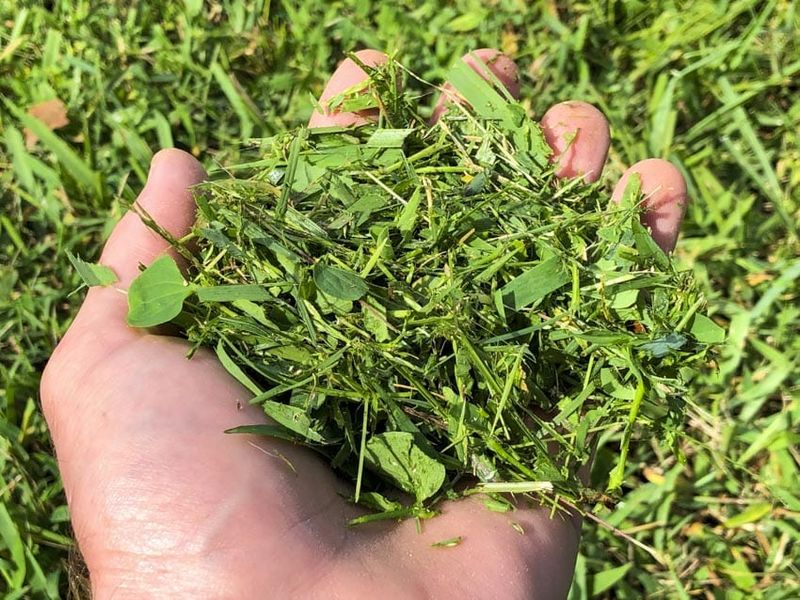
Mulching contributes to a lower carbon footprint by eliminating the need for frequent trips to dispose of grass clippings. This reduction in vehicle emissions is beneficial for the environment.
Additionally, by reducing chemical use, you limit the carbon emissions associated with fertilizer production and transportation. This practice aligns with global efforts to combat climate change and promotes a more sustainable lifestyle.
12. Ease of Practice
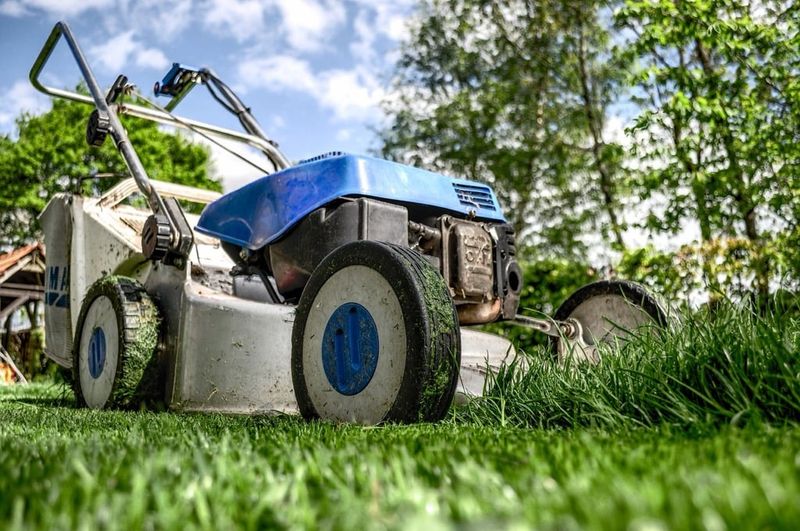
Mulching is an easy practice to adopt in your lawn care routine. With the right mower, you can seamlessly incorporate it into regular maintenance. This simplicity makes it accessible to all homeowners, regardless of gardening experience.
The ease of mulching encourages more people to adopt eco-friendly practices. It doesn’t require special skills or additional tools, making it a convenient choice for enhancing your lawn’s health naturally.
13. Natural Pest Control
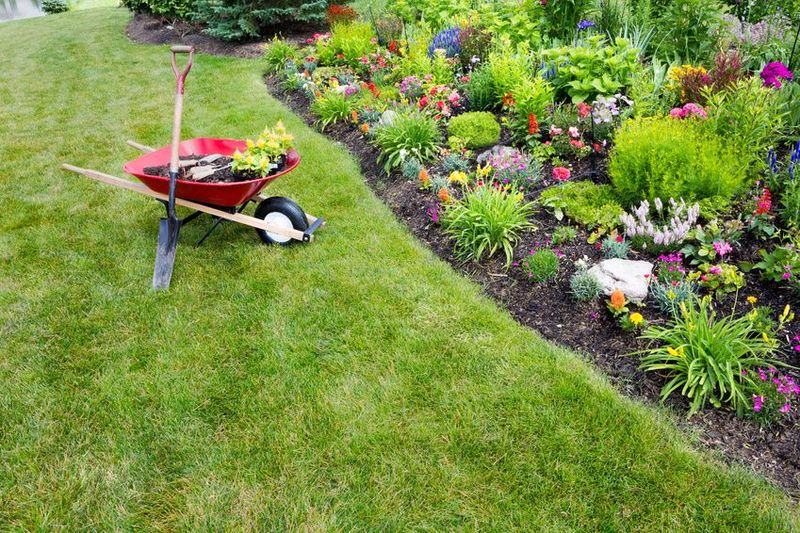
Mulching fosters an environment conducive to beneficial insects that naturally control pests. This balance reduces the need for chemical pesticides, promoting a safer and healthier lawn.
By encouraging a diverse ecosystem, mulching helps maintain natural pest control without harming the environment. This process keeps your lawn lush and vibrant, free from damage caused by harmful pests, while supporting local biodiversity.
14. Temperature Regulation
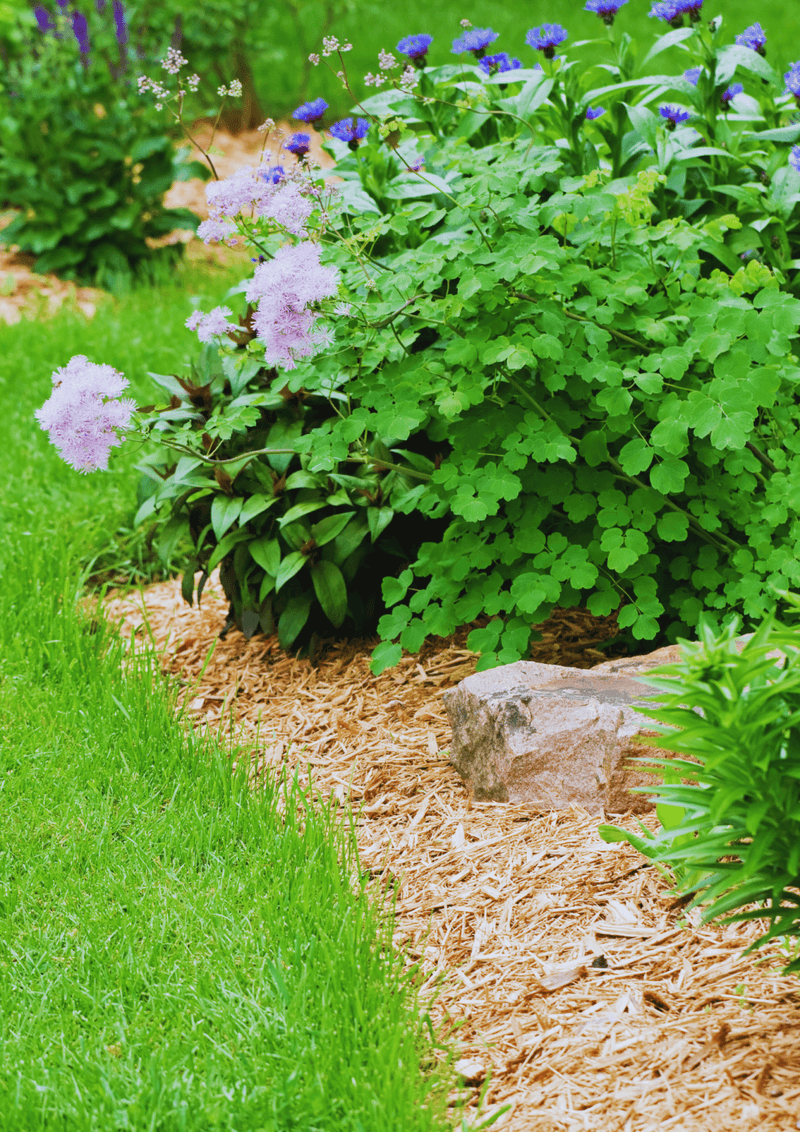
Mulched lawns benefit from natural temperature regulation. The layer of grass clippings insulates the soil, keeping it cooler in summer and warmer in winter. This helps protect grass roots from temperature extremes.
The insulation provided by mulching ensures consistent growth conditions, regardless of seasonal changes. This regulation promotes a healthier lawn year-round, with less stress on the grass and improved resilience.
15. Reduction of Thatch
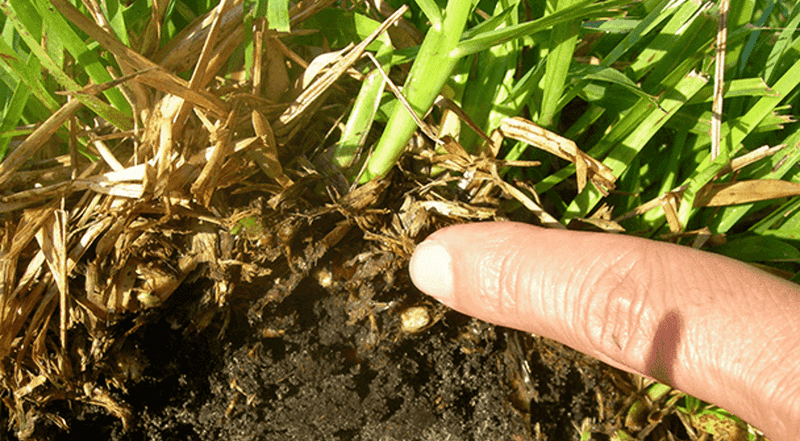
Mulching helps minimize thatch buildup, which can suffocate grass and hinder its growth. By breaking down clippings, mulching keeps thatch levels in check, allowing air and nutrients to reach the soil.
This reduction in thatch ensures that your lawn remains healthy and vigorous. Regular mulching prevents the accumulation of dense organic layers, which can lead to root problems and compromised lawn health.
16. Less Soil Erosion
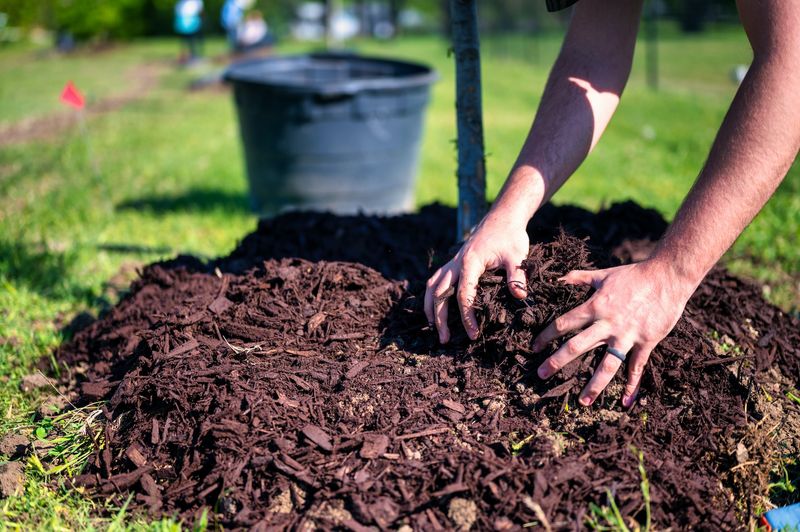
Mulching helps combat soil erosion by providing a protective layer over the ground. Clippings absorb the impact of rain, reducing runoff and maintaining soil integrity.
This protection is crucial in areas prone to erosion, where soil preservation is key. By maintaining soil structure, mulching supports healthy plant growth and prevents landscape degradation.
17. Increased Microbial Activity
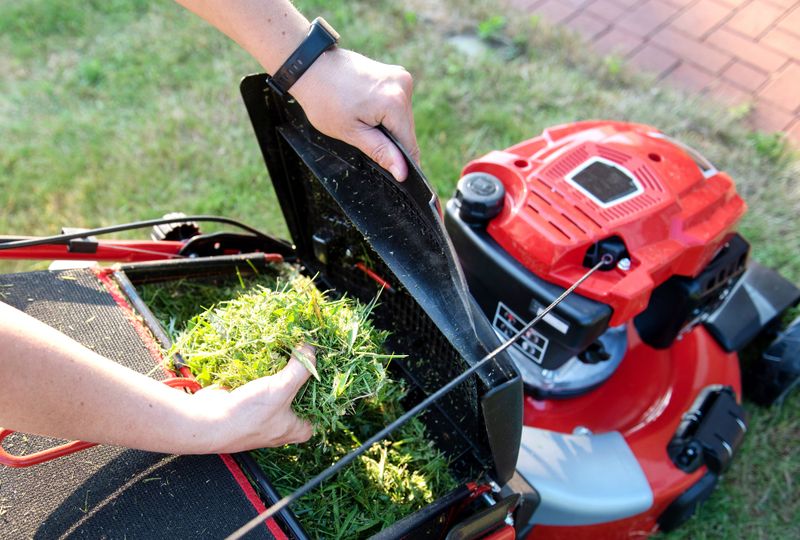
Mulching promotes a thriving community of soil microorganisms. These beneficial microbes break down organic matter and enhance nutrient availability, fostering a healthier lawn.
The increase in microbial activity improves soil fertility, supporting robust grass growth. This natural enrichment creates a balanced ecosystem, making your lawn more resilient to stress and disease.
18. Enhanced Root Development
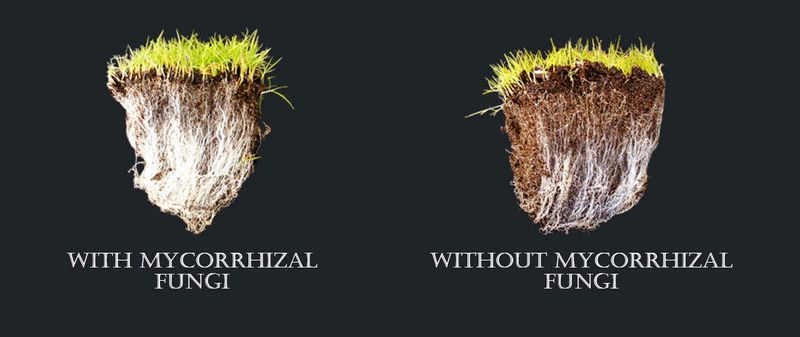
Mulching supports strong root development by improving soil conditions. The nutrients from decomposed clippings nourish roots, promoting deeper growth and stability.
This enhanced root system is vital for a lawn’s resilience against drought and pests. With stronger roots, your grass will thrive even in challenging conditions, maintaining its lush appearance.
19. Habitat for Beneficial Insects
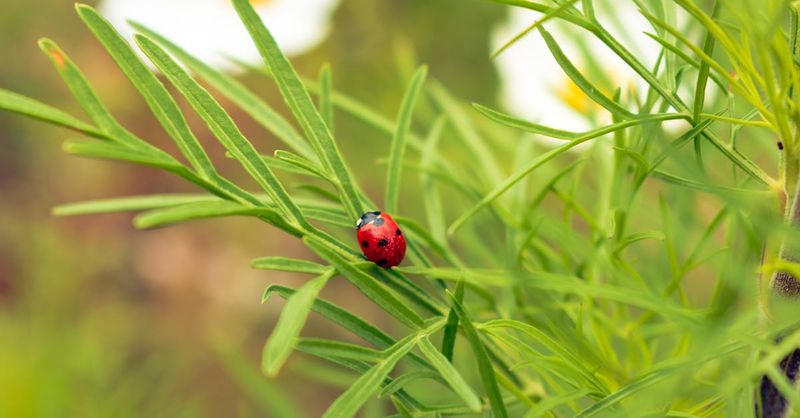
Mulched lawns provide habitat for beneficial insects like bees and earthworms. These creatures play a crucial role in pollination and soil health, enhancing your garden’s ecosystem.
By supporting these insects, you contribute to biodiversity and sustainable gardening. This balance leads to a healthier, more vibrant lawn, teeming with life and natural beauty.
20. Noise Reduction
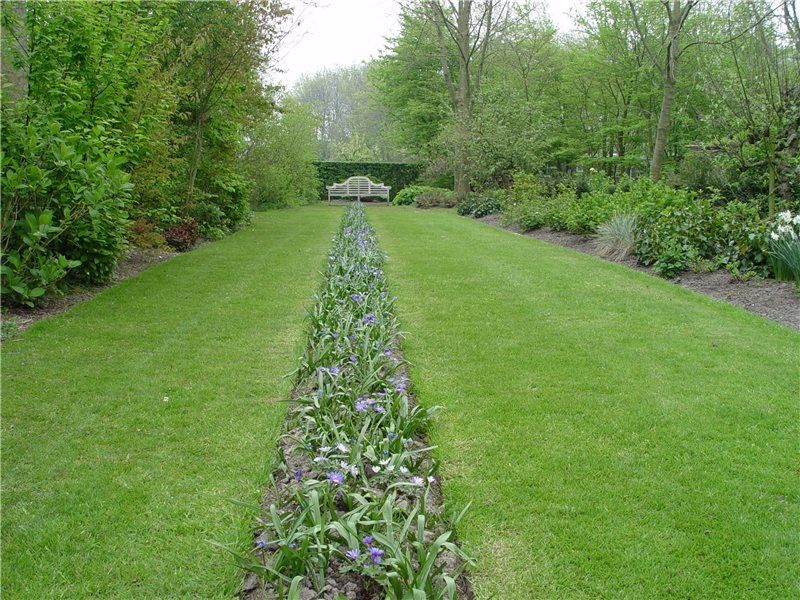
Mulching can contribute to noise reduction around your home. The dense grass and clippings absorb sound, creating a quieter outdoor environment.
This benefit is particularly valuable in urban areas, where noise pollution can be a concern. By mulching, you enhance your property’s tranquility, allowing for more enjoyable outdoor experiences.
21. Less Lawn Mower Maintenance
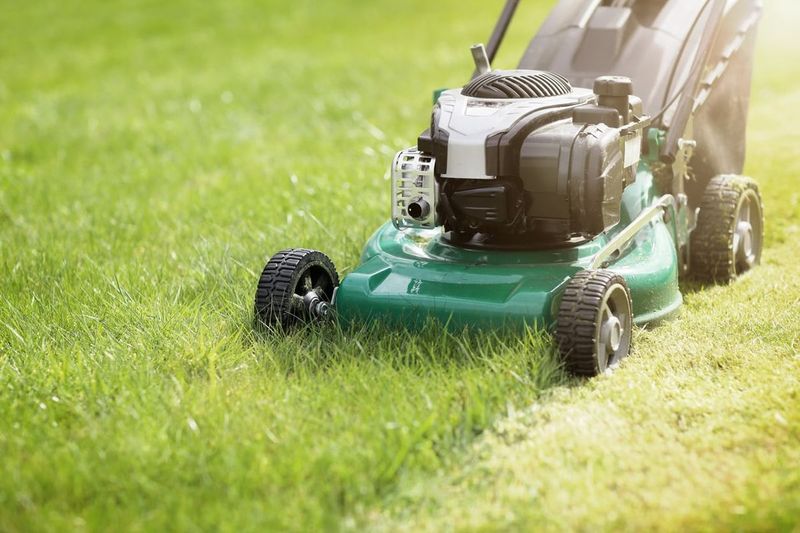
Mulching reduces the wear and tear on lawn mowers. Without the need to bag clippings, your mower experiences less strain, extending its lifespan.
This reduction in maintenance requirements saves time and money, making lawn care more convenient. By mulching, you ensure that your equipment remains in good condition, ready for efficient and effective use.
22. Aesthetic Appeal
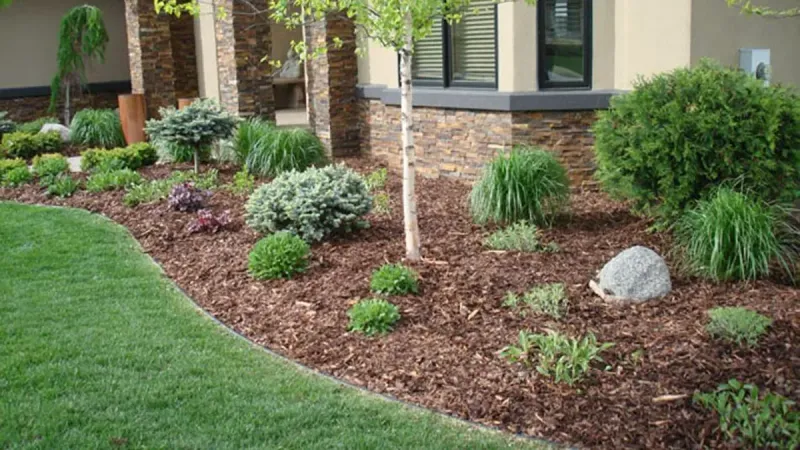
Mulched lawns boast a uniform, tidy appearance that enhances property appeal. The even distribution of clippings creates a seamless look, free from debris.
This aesthetic improvement makes your lawn a focal point of outdoor beauty, perfect for gatherings and enjoying nature. Mulching elevates your home’s curb appeal, making it more inviting and visually pleasing.
23. Promoting Biodiversity

By mulching, you promote biodiversity in your garden. The organic layer supports various plant and insect species, creating a dynamic and balanced ecosystem.
This biodiversity leads to healthier plant growth and natural pest control. Your lawn becomes a vibrant habitat, teeming with life and contributing to ecological balance.