
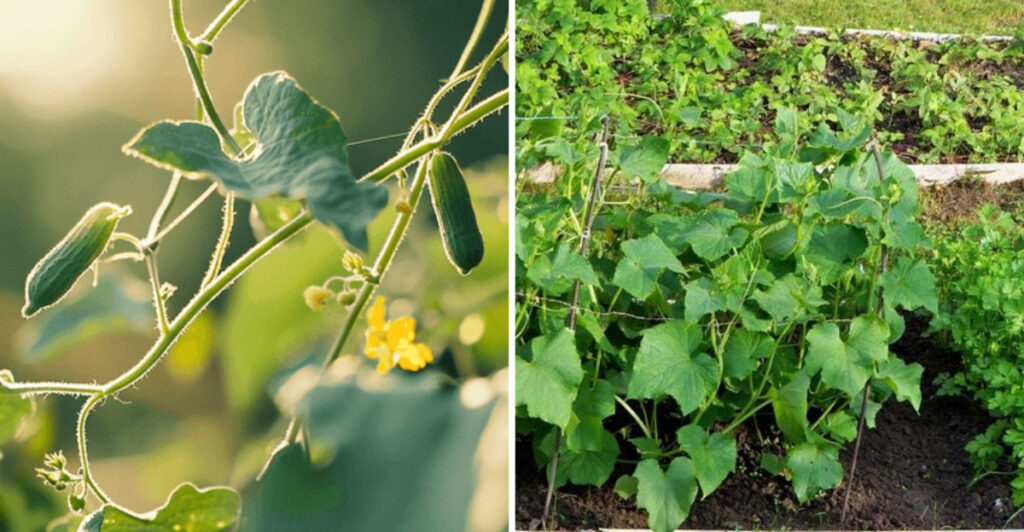
Planting cucumbers and peas together can create a harmonious and fruitful garden. This guide explores twenty compelling reasons why these two plants are a perfect pair, offering benefits that range from natural pest control to optimized space utilization. Whether you’re a seasoned gardener or a beginner, understanding this dynamic duo can enhance your gardening experience and yield. Discover the art of companion planting and see how cucumbers and peas can transform your garden into a thriving oasis.
1. Natural Pest Control
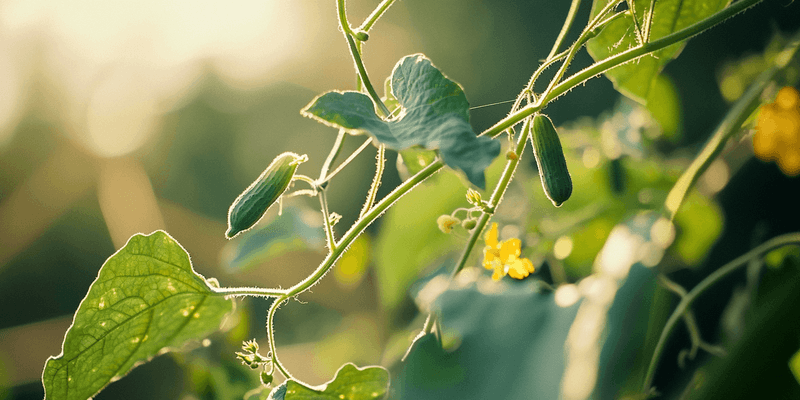
Cucumbers and peas offer excellent natural pest control. With their combined presence, they attract beneficial insects like ladybugs and bees, which help deter unwanted pests. This partnership creates a balanced ecosystem, minimizing the need for chemical pesticides.
Imagine a garden where nature does the work for you. By planting these two together, you foster an environment where harmony reigns, letting beneficial insects thrive.
It’s an organic gardener’s paradise, where pests are naturally kept at bay, and the garden flourishes without harmful interventions.
2. Optimized Space Usage
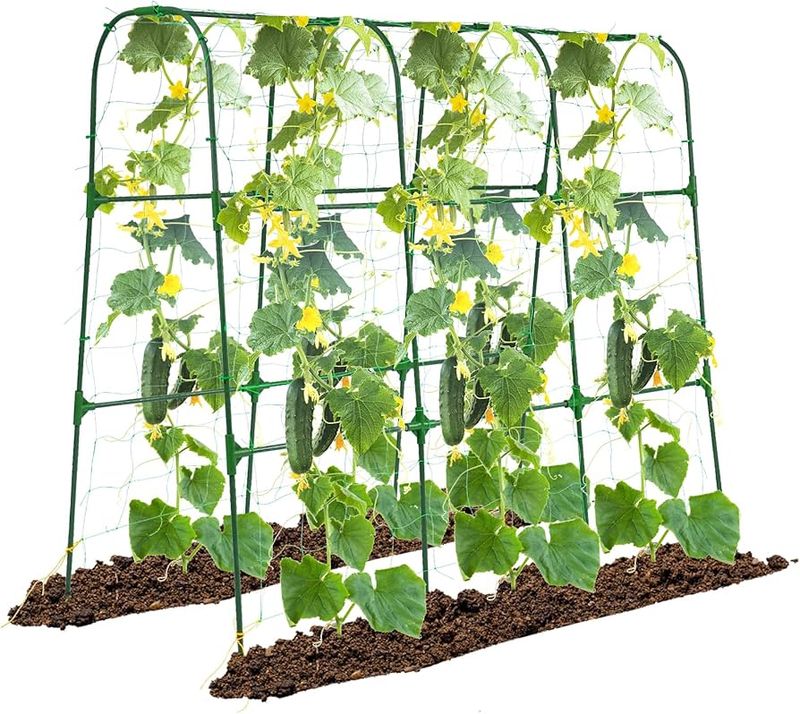
Maximizing garden space is a challenge, but cucumbers and peas make it easier. Peas grow vertically on trellises, while cucumbers sprawl below, creating a layered effect.
This not only optimizes space but also increases yield in small areas. It’s gardening efficiency at its finest, perfect for urban gardeners or those with limited space.
By pairing these plants, you’re utilizing every inch of your garden, making the most of vertical and horizontal spaces, resulting in a productive and visually appealing setup.
3. Enhanced Soil Health
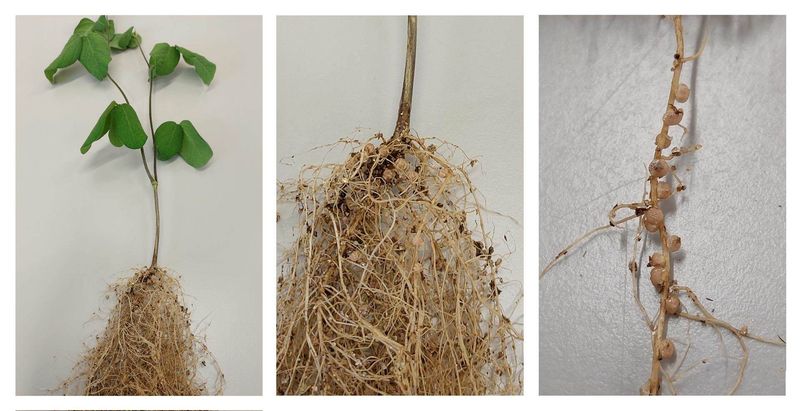
Peas are known for their nitrogen-fixing abilities, enriching the soil for neighboring plants like cucumbers. As legumes, peas pull nitrogen from the air and store it in their roots.
This process enhances soil fertility, promoting healthier growth in cucumbers. By planting them together, you create a self-sustaining system that nourishes itself.
It’s a symbiotic relationship where each plant supports the other, fostering a rich and fertile environment beneficial for future crops as well.
4. Mutual Support Structures
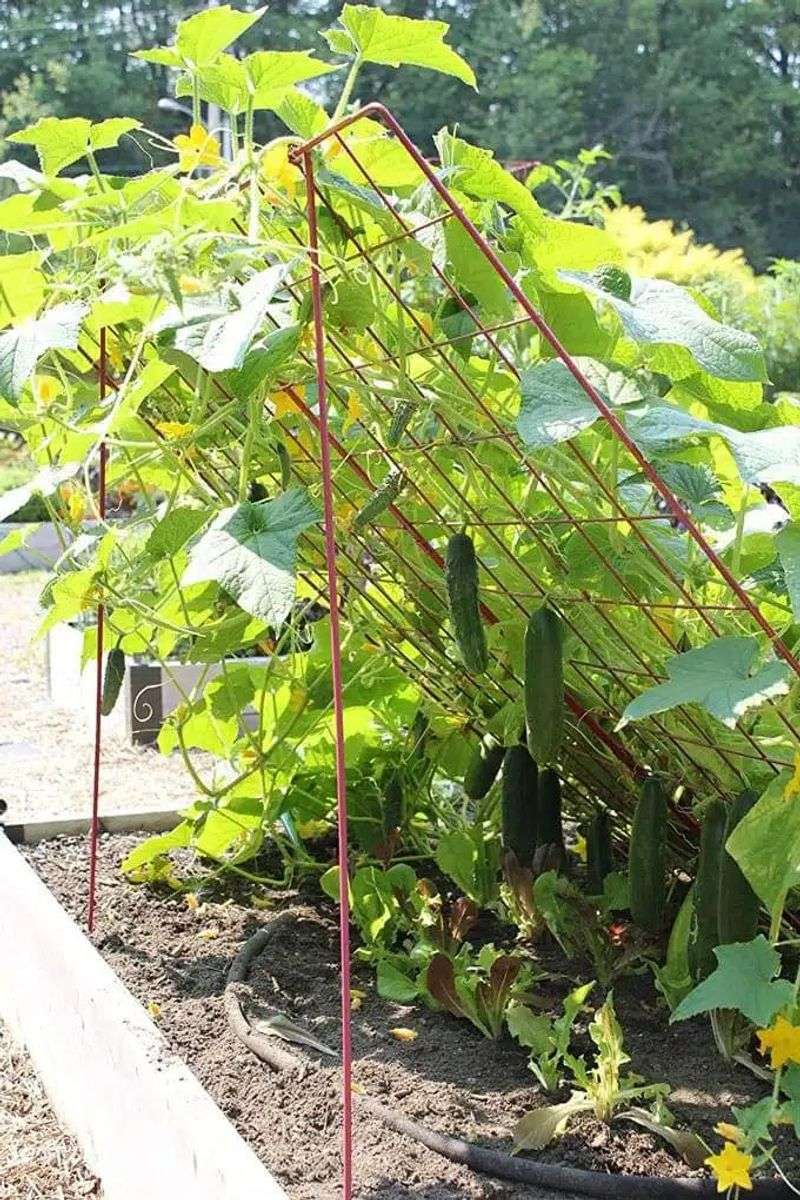
Cucumbers benefit from the sturdy structures that pea plants provide. As cucumbers grow, they often need support to prevent sprawling and rotting.
Peas, with their strong trellises, offer just that. This mutual support allows cucumbers to climb and reach sunlight, resulting in healthier plants and more abundant produce.
Together, they form a cooperative network, utilizing each other’s strengths to thrive and produce a bountiful harvest, making them a gardener’s dream team.
5. Increased Yield
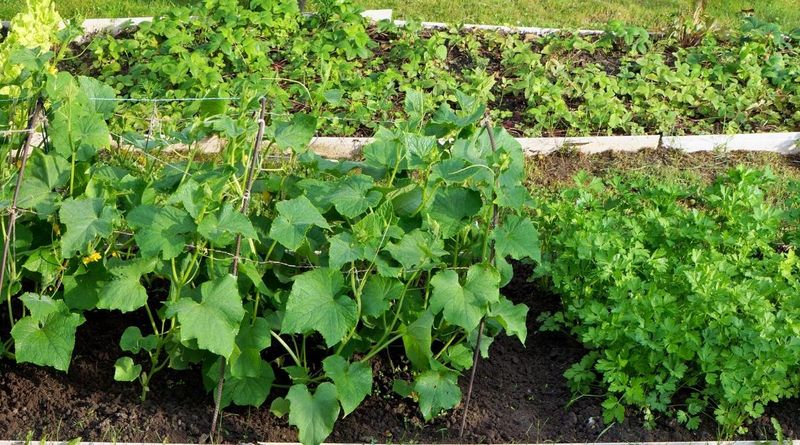
The synergistic relationship between cucumbers and peas often leads to increased yields. By sharing nutrients and space efficiently, both plants thrive.
This partnership means more fruits and vegetables per square foot of garden space. It’s a win-win situation for gardeners seeking productivity.
With their combined growth, you can enjoy a continuous supply of fresh, home-grown produce, enhancing your garden’s efficiency and your kitchen’s bounty.
6. Diverse Culinary Uses

Cucumbers and peas not only grow well together but also complement each other in the kitchen. Their fresh, crisp textures and flavors create delightful salads and side dishes.
Imagine incorporating both into a summer salad or a refreshing gazpacho. They’re not just gardening companions but culinary allies as well.
From soups to stir-fries, their versatility shines, making them a favorite among chefs and home cooks looking to add variety and nutrition to their meals.
7. Resilience to Weather Changes
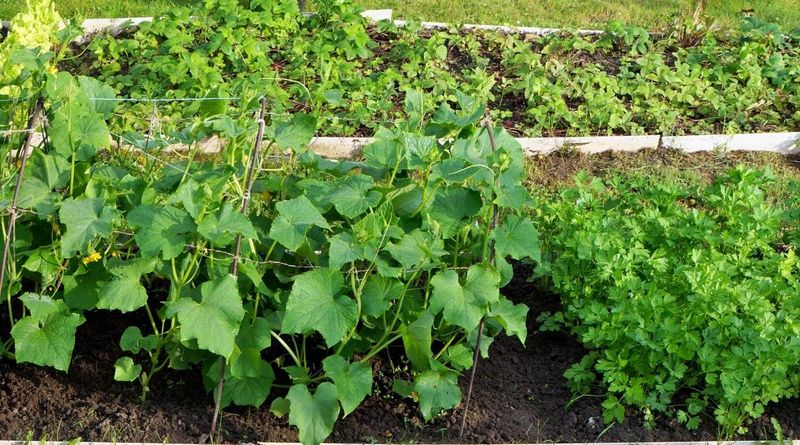
Together, cucumbers and peas exhibit remarkable resilience to weather changes. Peas thrive in cooler temperatures, while cucumbers love the warmth.
Planting both ensures a thriving garden through various seasons. Their adaptability makes them a reliable choice for unpredictable climates.
This resilience means less worry for gardeners, as these robust plants can weather the storms, providing stability and consistency in your garden’s output.
8. Pollinator Attraction
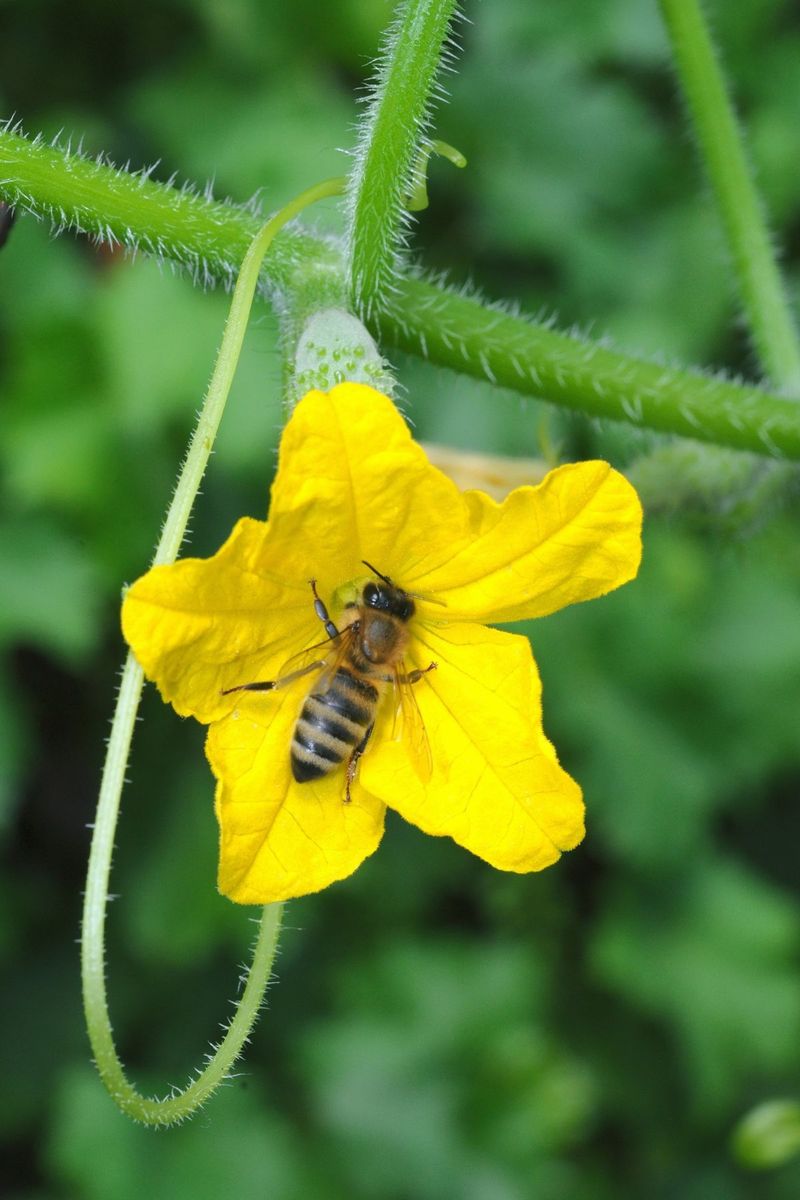
Cucumbers and peas play a vital role in attracting pollinators like bees and butterflies. Their flowers provide nectar, inviting these essential creatures into the garden.
This not only helps in their own pollination but also benefits other plants in the vicinity. A flourishing pollinator population enhances overall garden health.
It’s a natural boost for your garden’s productivity, with buzzing bees and fluttering butterflies adding life and vibrancy to your outdoor space.
9. Pest Diversion
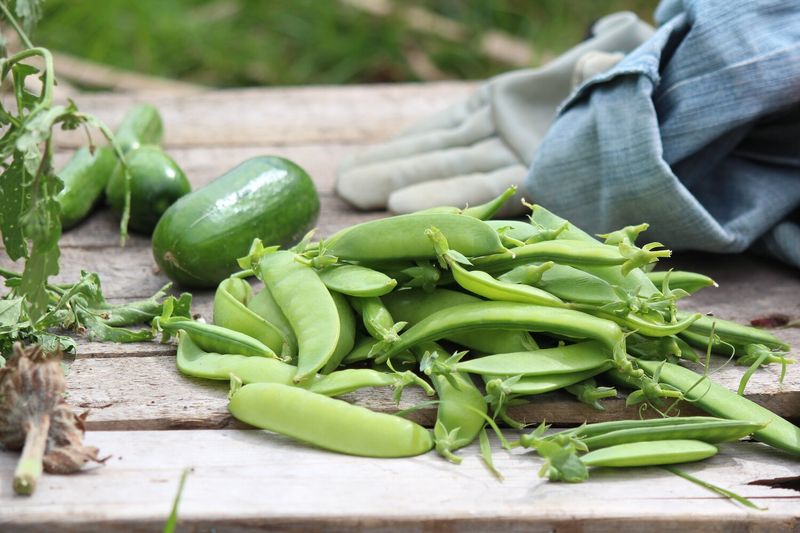
By planting cucumbers and peas together, you create a natural pest diversion system. Peas can attract aphids, which in turn draw beneficial insects that prey on them.
Cucumbers, meanwhile, have their own pest resistance properties. Together, they distract and manage garden pests effectively.
This strategy reduces the need for chemical interventions, promoting a healthier, more sustainable gardening practice that encourages biodiversity.
10. Cultural and Historical Significance
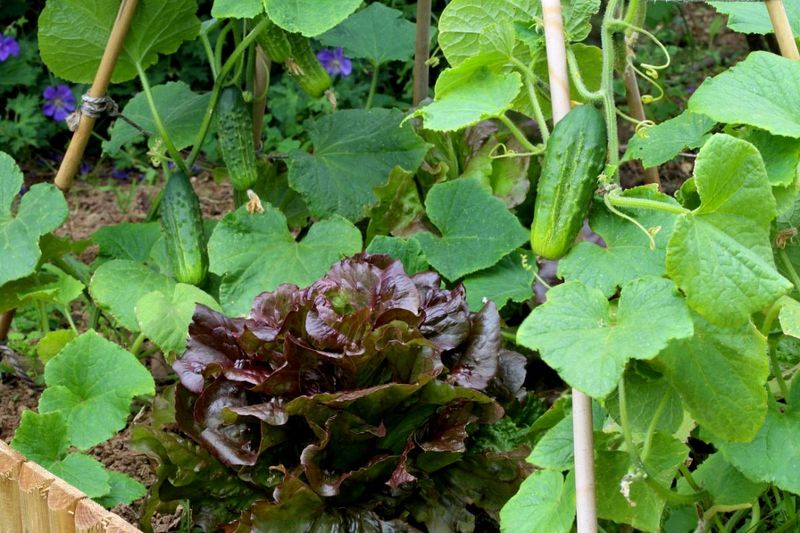
Throughout history, cucumbers and peas have been cultivated together. Ancient farming traditions often paired these plants for their complementary growth patterns.
This method of companion planting has cultural significance, reflecting the wisdom of past generations. It’s a testament to the enduring benefits of growing them side by side.
Embracing this historical practice connects modern gardeners to their roots, continuing a legacy of sustainable and effective gardening techniques.
11. Low Maintenance Combo
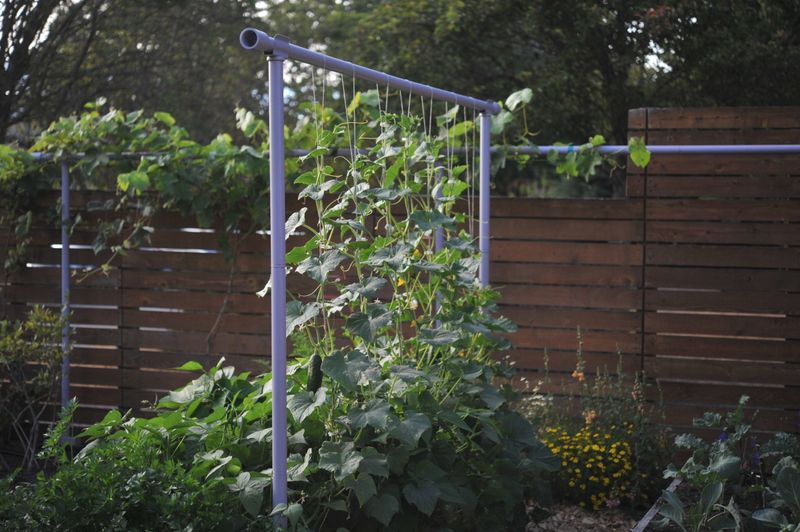
Cucumbers and peas are a low-maintenance duo. Both are relatively easy to grow, requiring minimal intervention once established.
Their combined growth means fewer weeds and less need for frequent watering or pest control measures. A perfect choice for busy gardeners.
With less time spent on maintenance, you can enjoy the fruits of your labor without being tied to constant gardening tasks, making them ideal for beginners and seasoned gardeners alike.
12. Appealing Aesthetic
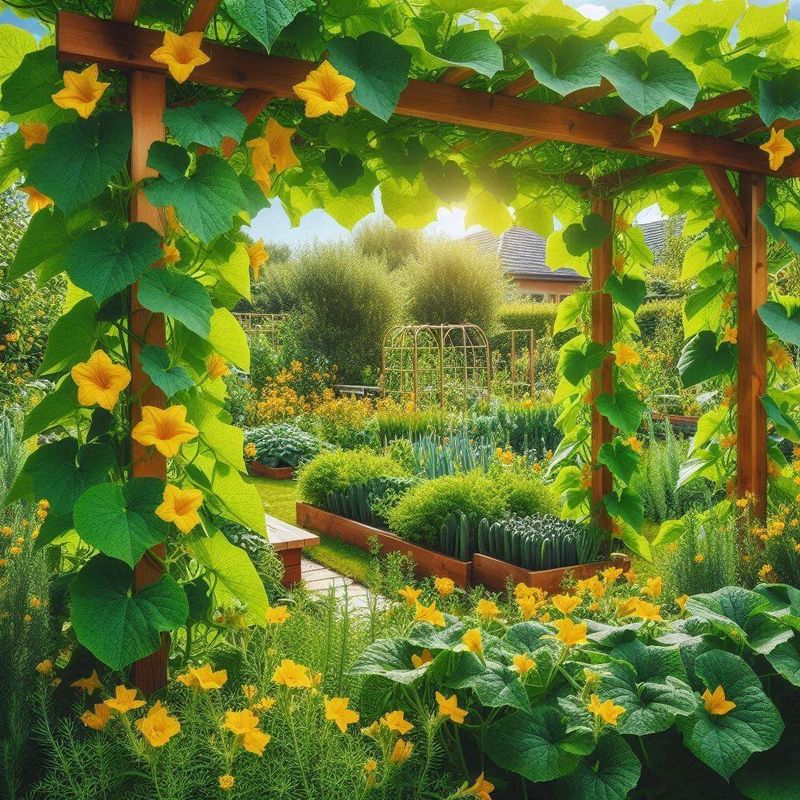
Aesthetically, cucumbers and peas create a visually pleasing garden. Their lush green foliage and delicate flowers offer a serene and attractive view.
This combination not only benefits the earth but also the eyes, making your garden a beautiful retreat. It’s an inviting space for relaxation and contemplation.
With their complementary colors and forms, cucumbers and peas enhance the garden’s visual appeal, turning it into a harmonious oasis.
13. Biodiversity Boost
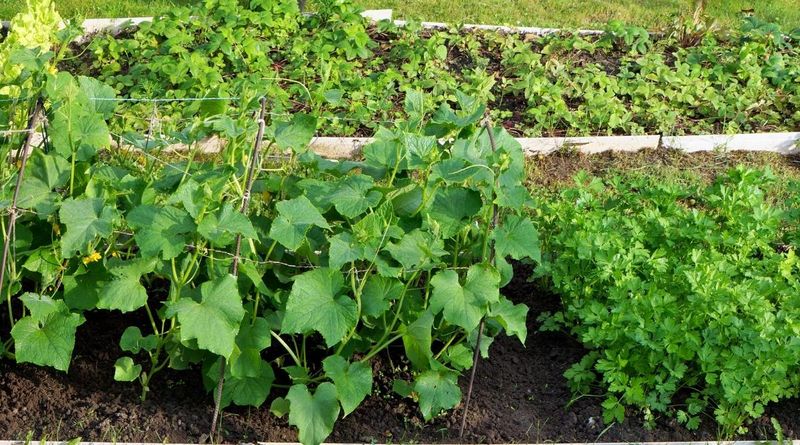
Planting cucumbers and peas together boosts biodiversity in your garden. Their presence attracts a variety of insects, birds, and beneficial microbes.
This diversity strengthens the garden ecosystem, promoting healthier plant growth and natural resilience against diseases.
Embracing this biodiversity creates a dynamic and living environment, where all elements work together to support a robust and flourishing garden.
14. Climate Adaptation Benefits
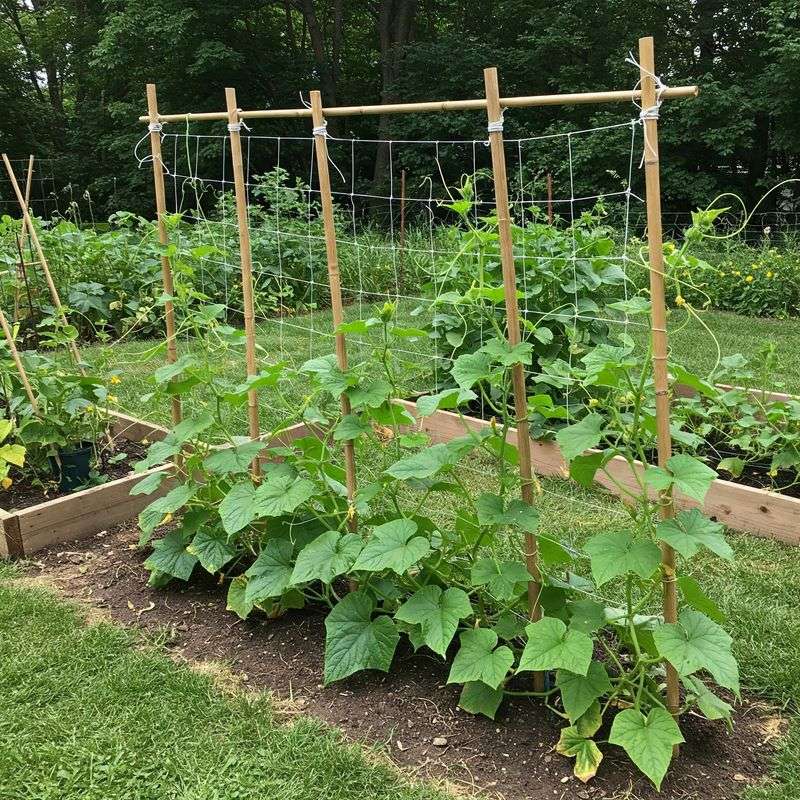
Cucumbers and peas offer climate adaptation benefits. Their complementary growth habits allow them to adjust to varying temperatures and conditions.
This adaptability makes them ideal for gardens in changing climates, where consistency is key. They represent a sustainable approach to gardening.
By planting them, you invest in a resilient garden that can withstand the challenges of climate change, ensuring ongoing productivity and environmental harmony.
15. Edible Beauty
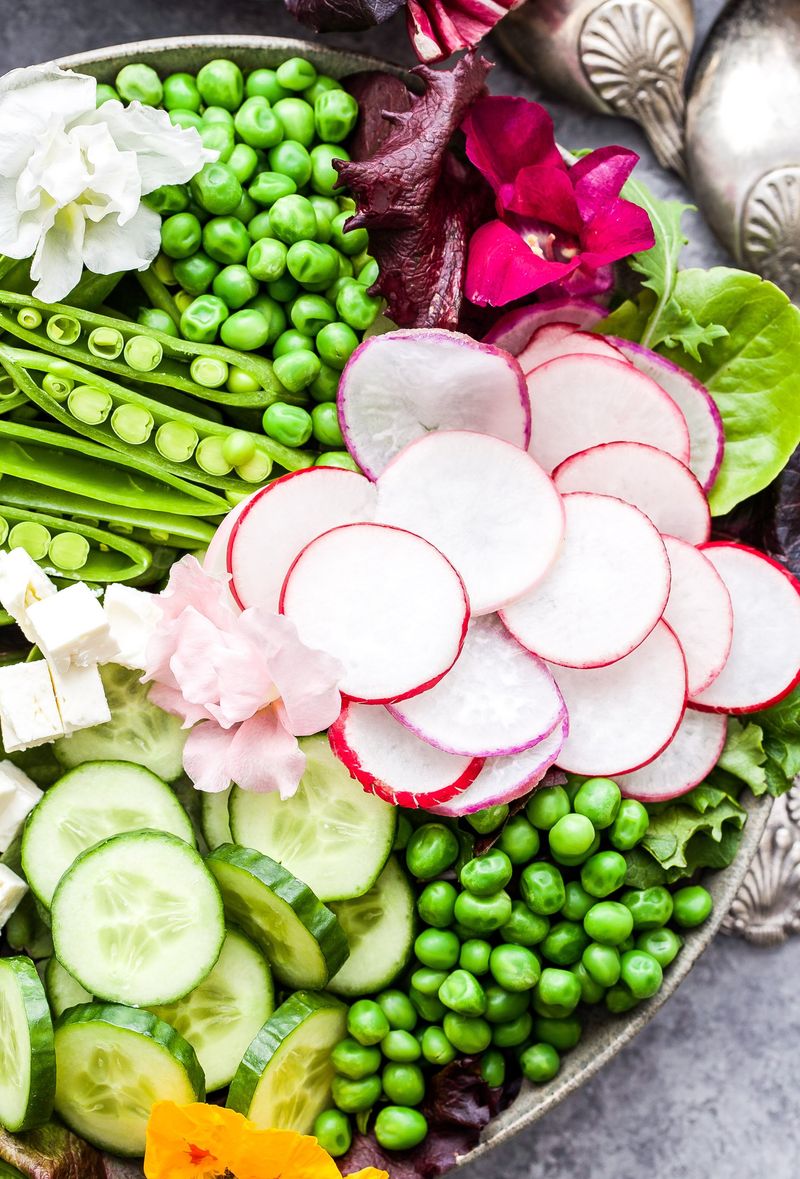
Cucumbers and peas bring edible beauty to your table. Their fresh flavors and textures enhance culinary creations.
Whether enjoyed raw or cooked, they add visual and nutritional appeal. Picture them in a fresh salad or as part of a decorative platter.
They’re more than just garden plants; they’re a feast for the senses, providing both aesthetic and culinary delights in one package.
16. Seasonal Harmony
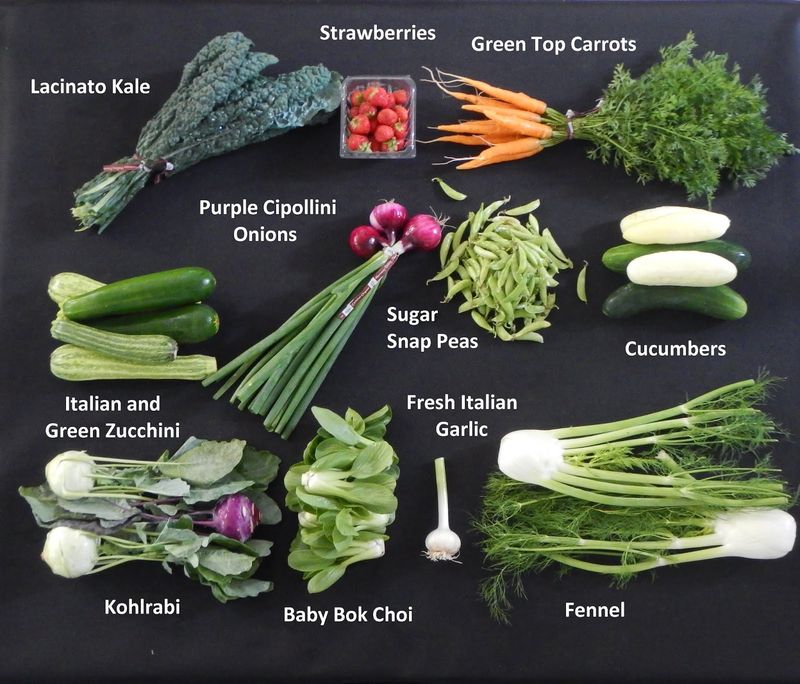
Cucumbers and peas thrive in different seasons, creating harmony in your garden year-round. Peas excel in the coolness of spring and fall, while cucumbers flourish in summer.
This staggered planting ensures continuous growth and harvests. It’s a rhythm that keeps your garden alive and productive throughout the year.
Such seasonal harmony ensures a steady supply of fresh produce, aligning with nature’s cycles for a balanced gardening experience.
17. Natural Mulching
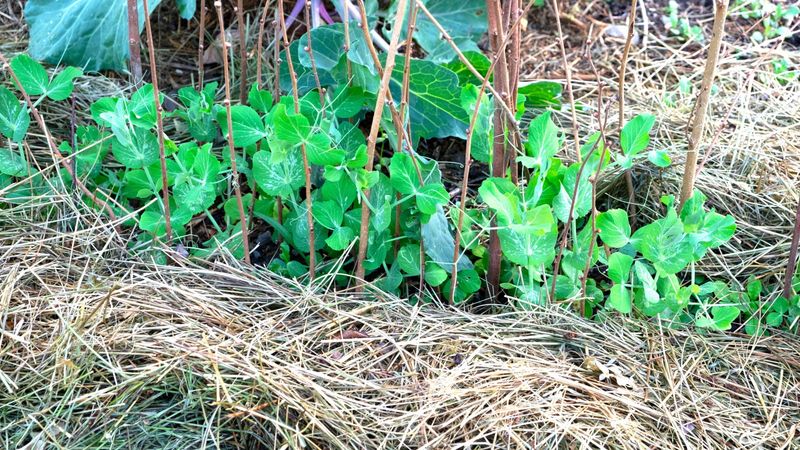
Together, cucumbers and peas provide natural mulching benefits. As they grow, their leaves cover the soil, reducing evaporation and retaining moisture.
This natural mulch suppresses weeds and maintains soil temperature, benefiting both plants and the overall garden environment.
It’s an eco-friendly way to enhance soil health and conserve water, aligning with sustainable gardening practices that protect and nurture the earth.
18. Gardening Efficiency
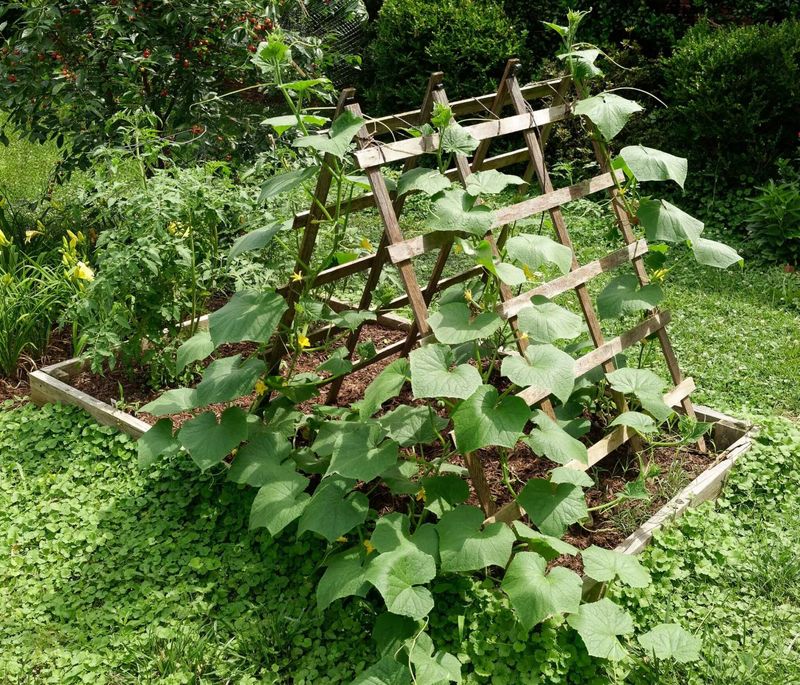
Planting cucumbers and peas enhances gardening efficiency. Their growth habits complement each other, making efficient use of space and resources.
This efficiency translates to less work and more yield, maximizing your gardening efforts. It’s a smart way to cultivate a productive and rewarding garden.
Enjoy the simplicity of an efficiently run garden, where every element cooperates to produce bountiful harvests with minimal effort.
19. Educational Opportunity
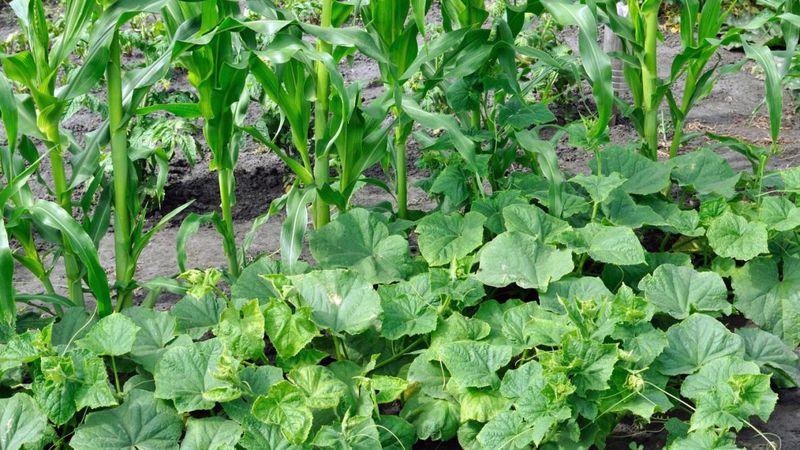
Cucumbers and peas offer educational opportunities for all ages. By observing their growth and interactions, gardeners can learn about plant biology, ecology, and sustainability.
It’s a living classroom, where lessons on nature unfold with each season. Perfect for families looking to engage children in gardening.
This hands-on experience fosters curiosity and knowledge, empowering future generations with an appreciation for the natural world and sustainable practices.
20. Community Building

Planting cucumbers and peas can foster community building. Whether it’s a shared garden or individual plots, these plants bring people together.
Working alongside others, you share tips, harvests, and experiences. It’s a bonding activity that strengthens community ties.
Through gardening, you build connections and friendships, creating a supportive network centered around shared goals and a love for nature.