 Complete Gardening
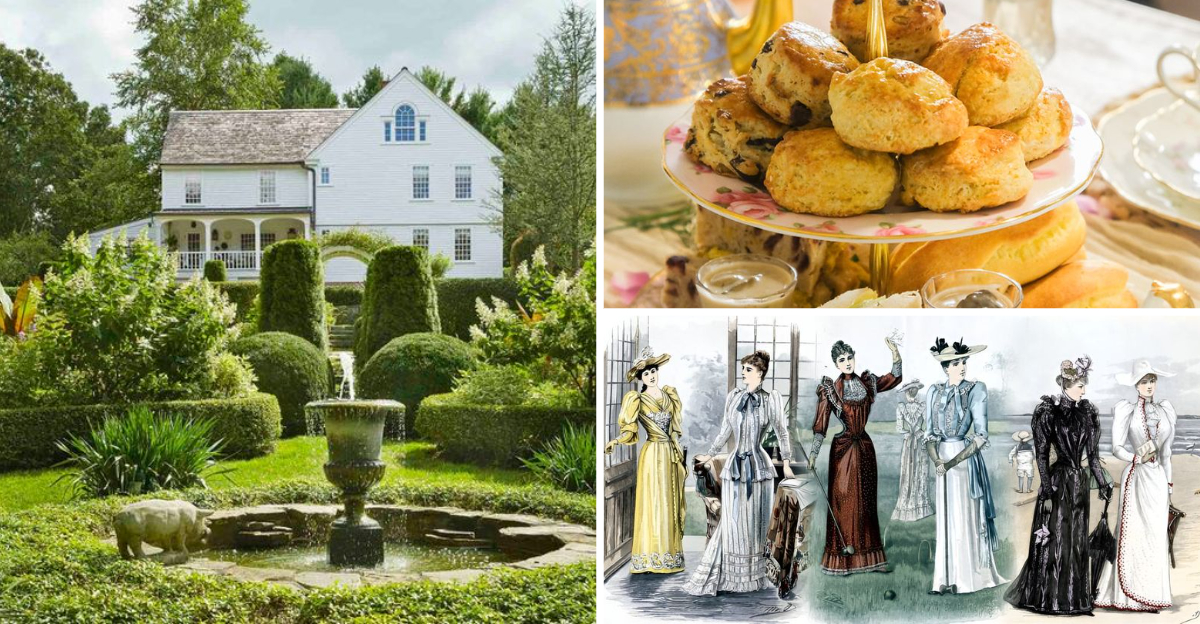
Step back in time to the year 1899 and immerse yourself in the elegance and charm of a Victorian garden party. These social gatherings were not just events but a celebration of sophistication, beauty, and grace. Held in the lush gardens of grand estates, Victorian garden parties were an epitome of class and a testament to the host’s social standing. In this guide, we will explore ten essential elements to recreate the authenticity and splendor of a garden party from the Victorian era. From fashion to entertainment, each aspect is crafted to perfection, ensuring an unforgettable experience.
Exquisite Invitations
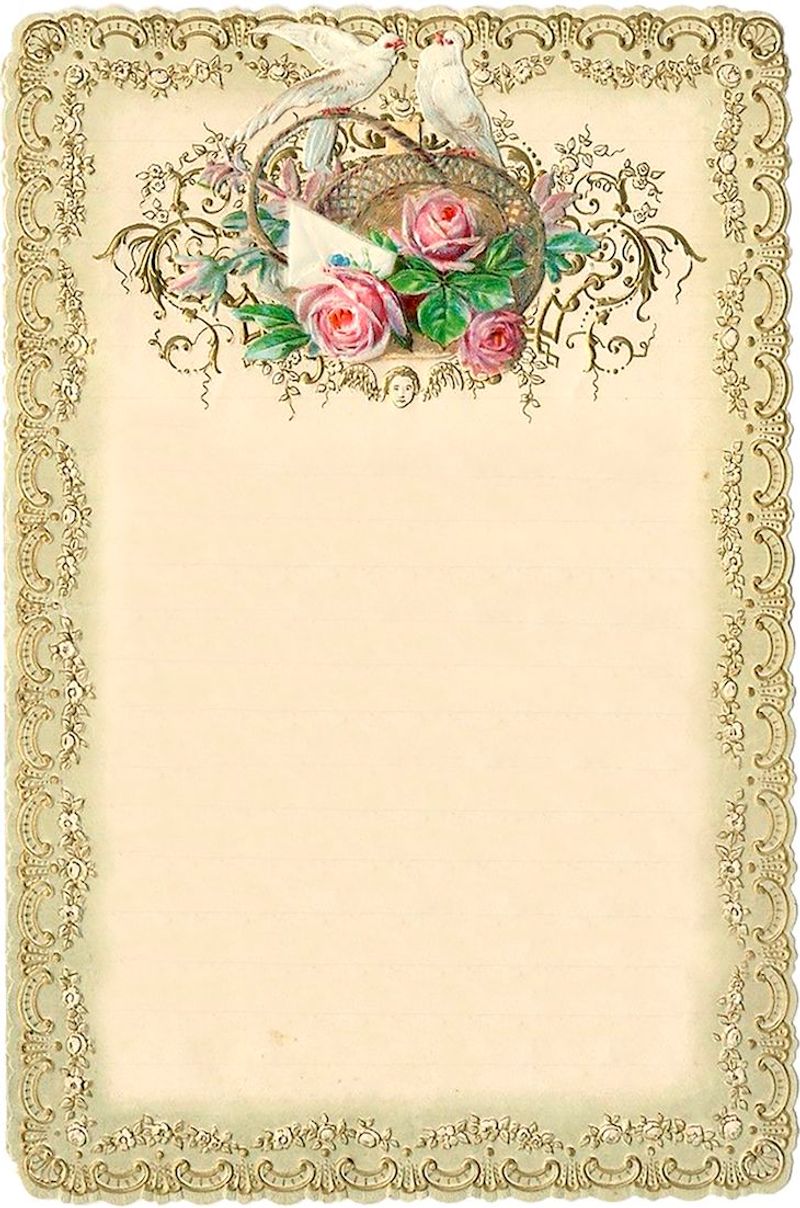
Imagine receiving an invitation so beautifully crafted that it becomes a keepsake. In 1899, invitations were a statement of the host’s taste. Adorned with intricate floral designs and elegant calligraphy, these invitations were often sealed with wax. The card itself, often made of thick, luxurious paper, set the tone for the event.
Guests felt honored to receive such a personal touch, and it sparked excitement for the upcoming gathering. The invitation was more than just a communication tool; it was an art form, an introduction to the magic that awaited.
Charming Garden Setting
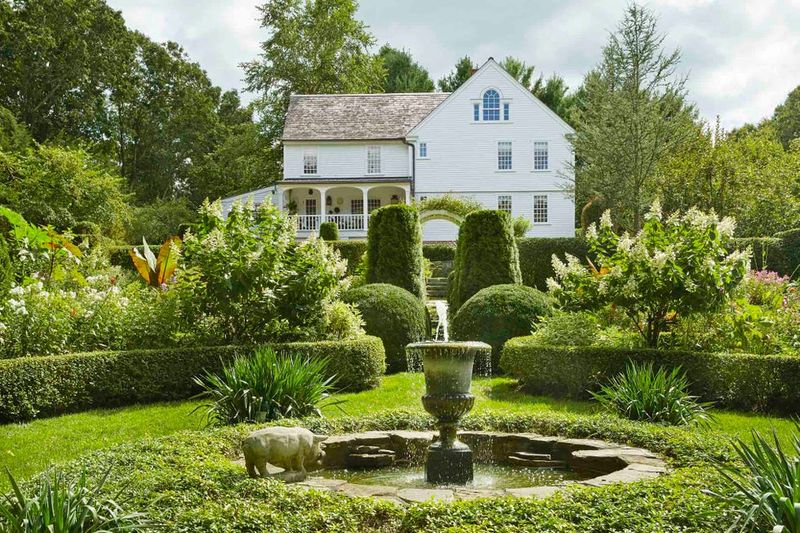
Step into a garden where nature is meticulously tamed yet beautifully wild. Victorian gardens were a reflection of harmony and balance. Manicured lawns, ornate fountains, and strategically placed statues were just the beginning.
The setting was often complemented by blooming rose bushes and climbing ivy, adding a touch of romance and color. A brilliant blue sky, accompanied by gentle breezes, completed the idyllic scene. This natural yet refined setting was not just a background but a participant in the event, contributing to the overall ambiance and delight of the guests.
Stunning Attire
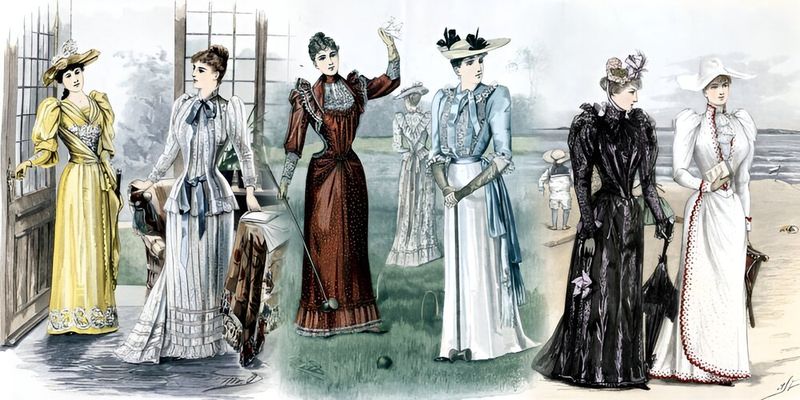
Fashion was at the heart of any Victorian gathering. Ladies in flowing gowns with lace and ribbons paraded gracefully, while gentlemen in tailored suits exuded sophistication. The clothing was not only a display of wealth but a celebration of craftsmanship.
Pastel colors, delicate fabrics, and intricate embroidery were in vogue. Accessories like parasols, hats, and gloves added finesse and charm. Dressing for a garden party was an art, a way to express individuality and status. It created a visual feast, enchanting the senses and elevating the spirit of the occasion.
Delectable Cuisine
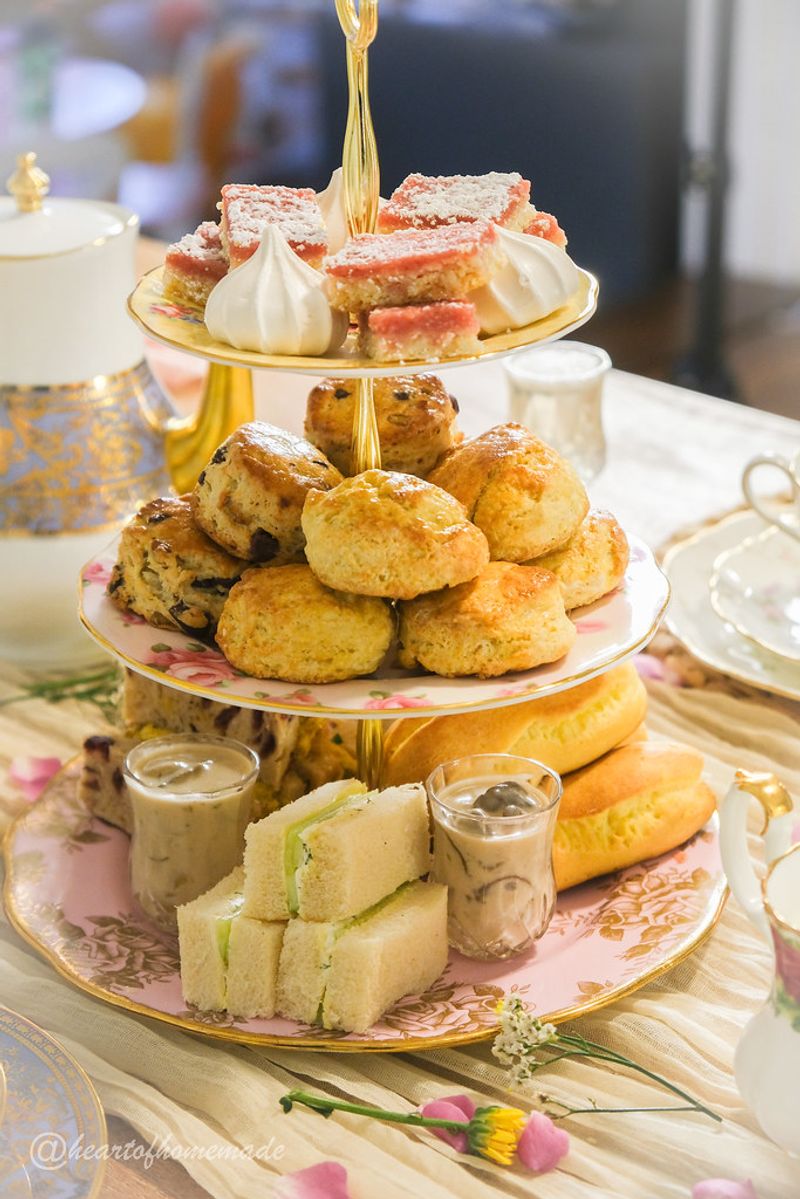
The culinary delights of a Victorian garden party were a feast for both the eyes and the palate. Artfully arranged on fine china, the menu included delicate sandwiches, flaky scones, and sumptuous cakes.
The emphasis was on quality and variety, with flavors that intrigued and satisfied. Tea, of course, was the centerpiece, served in ornate pots with matching cups. The presentation was as important as the taste, with each dish reflecting the creativity and skill of the chef. Sharing such exquisite dishes fostered conversation and camaraderie among guests.
Live Music Ensemble
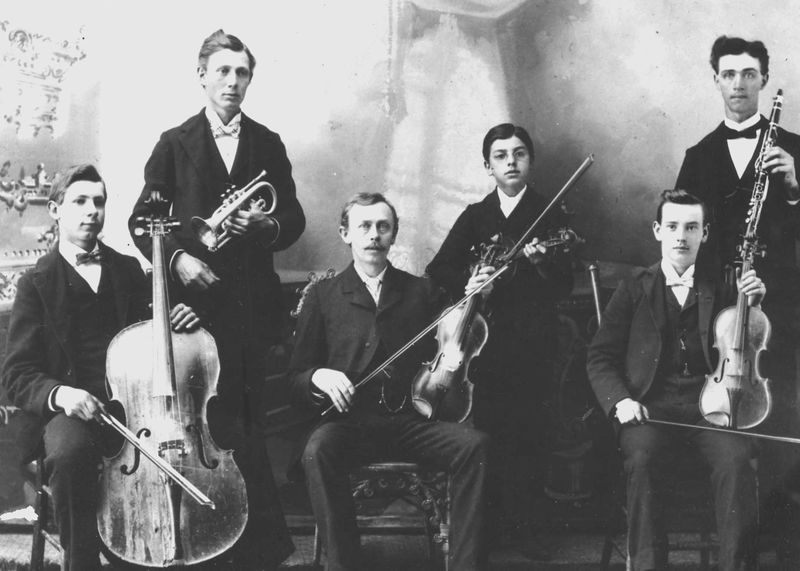
Music was the soul of a Victorian garden party. A small orchestra, often comprising string instruments, provided a melodious backdrop to the festivities. The tunes, carefully selected, ranged from classical to the popular melodies of the day.
Music enhanced the atmosphere, inviting guests to relax, converse, or even dance. The musicians, skilled and poised, added an element of sophistication and joy. Live music was not merely entertainment; it was an integral part of the experience, weaving together the various elements of the party into a harmonious whole.
Elegant Tea Service
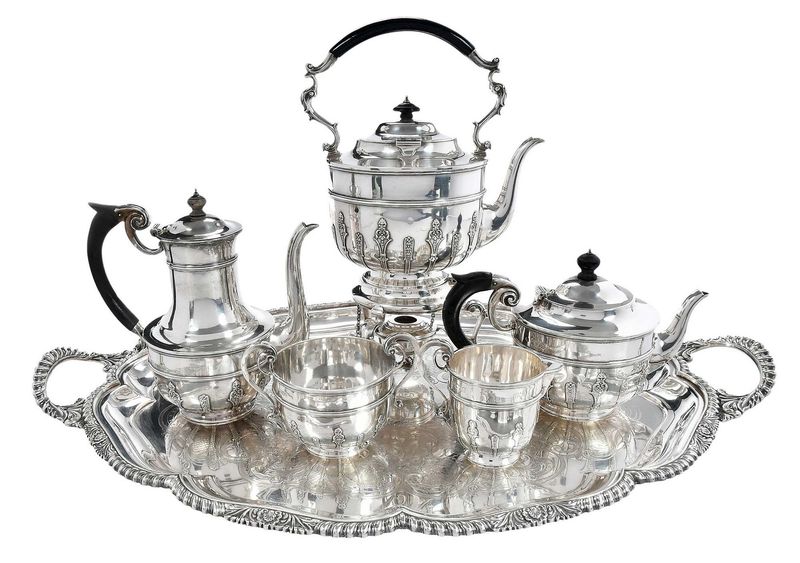
A proper Victorian garden party would be incomplete without a refined tea service. Silver teapots, delicate cups, and matching saucers graced tables adorned with lace. Sugar bowls and creamers added to the ensemble, sparkling in the sunlight.
Tea was served with precision and grace, often attended by servants dressed in crisp uniforms. The ritual of pouring and sipping tea was a cherished tradition, encouraging gentle conversation and leisurely enjoyment. It was a moment to pause and appreciate the finer things in life, elevating the gathering to an art form.
Entertaining Lawn Games
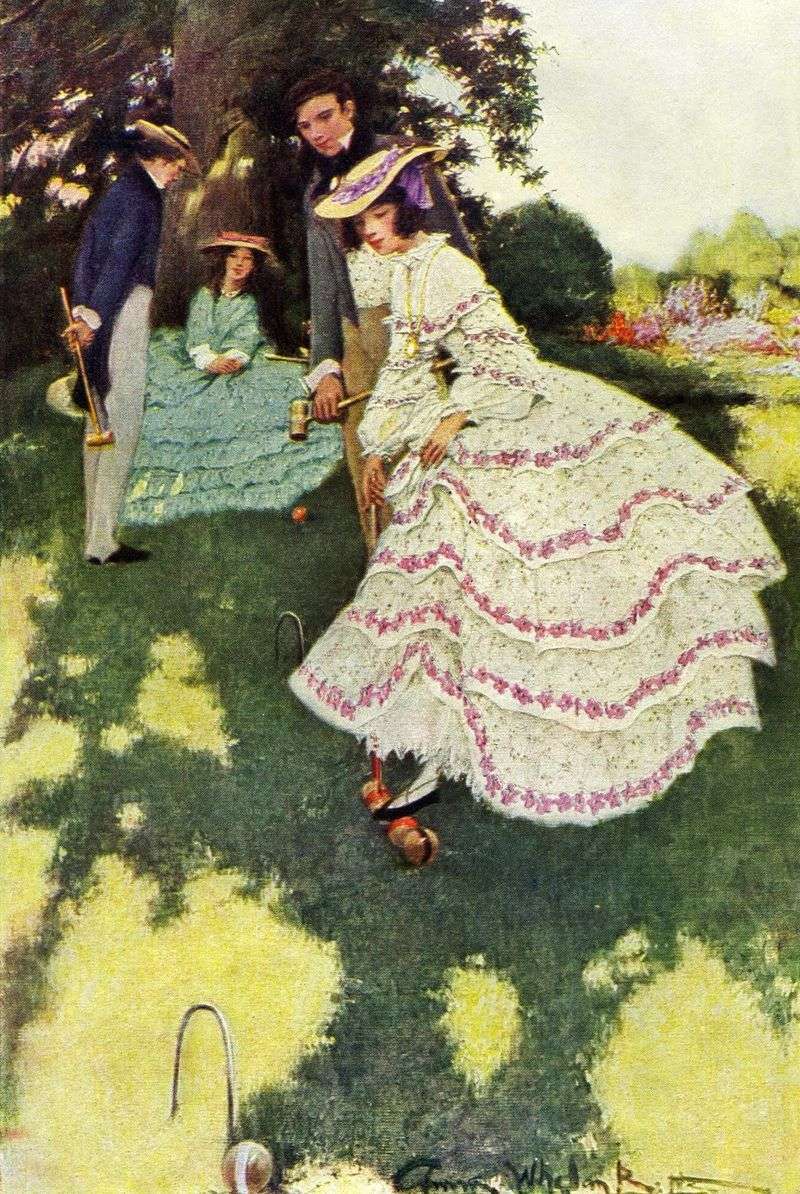
Lawn games like croquet and tennis were the perfect blend of sport and socializing. These activities allowed guests to engage in friendly competition while enjoying the splendid outdoor setting.
Men and women, often in teams, displayed their skills and sportsmanship. The games were not only about winning but building connections and sharing laughter. Croquet, with its strategic plays, and tennis, with its lively pace, provided entertainment and exercise. These games were a highlight, bringing energy and excitement to the serene garden atmosphere.
Floral Decorations
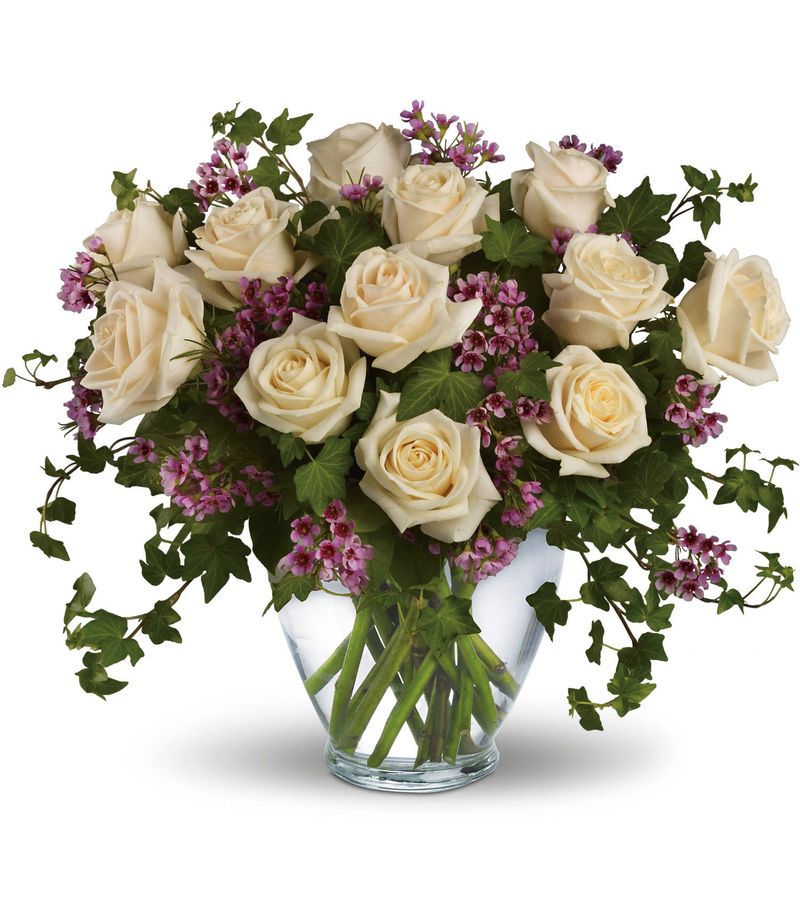
Flowers played a central role in setting the scene for a Victorian garden party. Arrangements of roses, lilies, and daisies were artfully placed on tables and along pathways, infusing the air with their delicate fragrance.
The choice of flowers and their placement reflected the host’s creativity and attention to detail. Floral decorations provided a visual delight, complementing the natural beauty of the garden. They symbolized the elegance and refinement of the era, adding color and life to the celebration. Guests were often mesmerized by the harmonious blend of nature and artistry.
Charming Pavilions
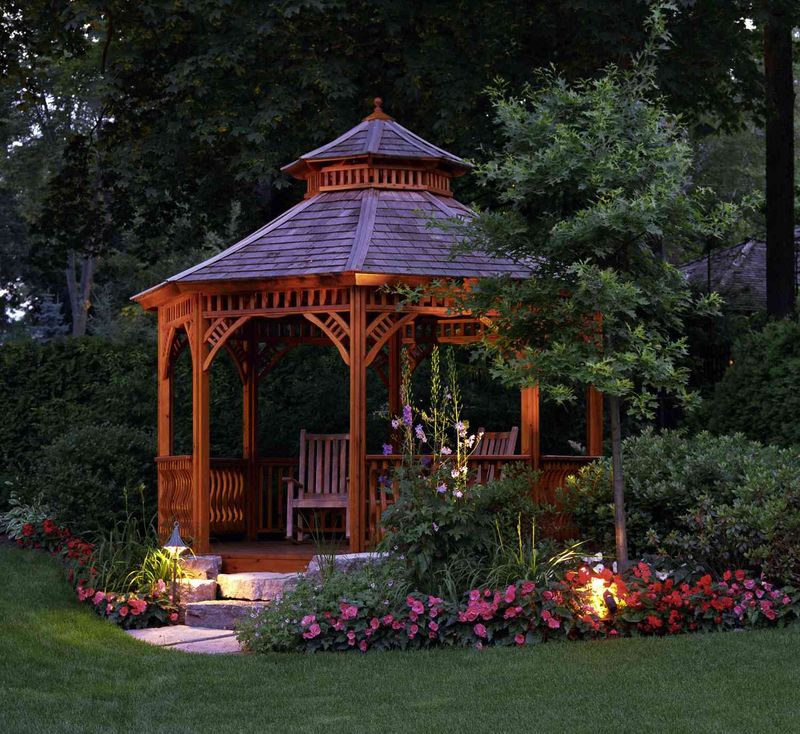
Pavilions offered a graceful retreat within the garden, providing shade and comfort. These charming structures, often adorned with ornate pillars and draped fabric, blended functionality with aesthetics.
Guests could gather here to escape the sun, engage in quiet conversations, or simply admire the garden view. Pavilions were not just shelters; they were symbols of elegance and hospitality. Their presence added dimension to the party, offering a cozy nook where guests could relax and enjoy the ambiance. It was a perfect blend of architecture and nature.
Thoughtful Party Favors
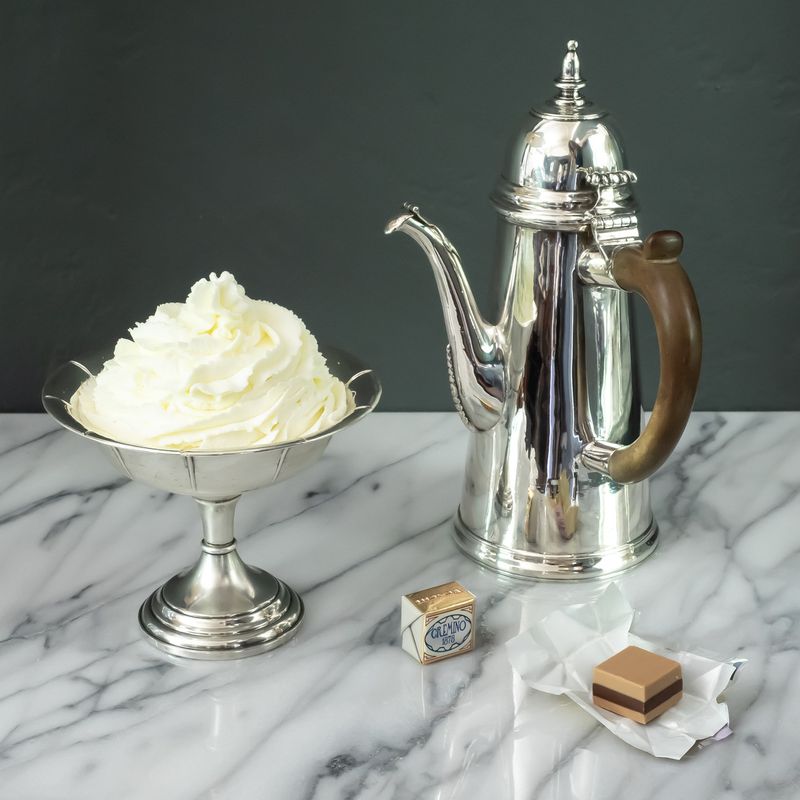
As the party drew to a close, guests were often surprised with thoughtful favors. A small box, containing handmade chocolates or sweet treats, served as a token of appreciation.
These parting gifts were more than mere gestures; they were a way to extend the joy of the gathering. A handwritten thank-you note accompanied the favor, adding a personal touch. Such tokens reflected the host’s generosity and attention to detail, leaving guests with a lingering sense of warmth and gratitude. It was a charming tradition, concluding the event on a sweet note.
Intriguing Parasol Display
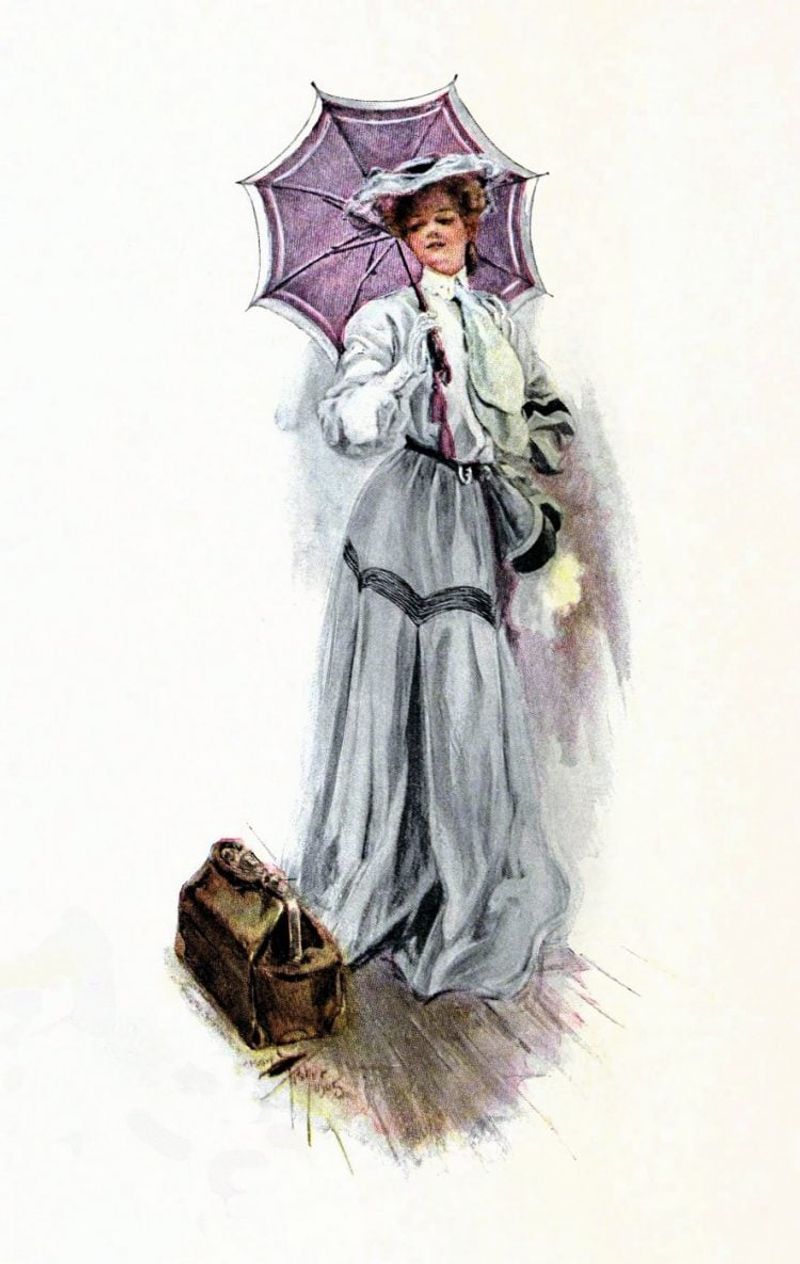
A garden party in 1899 would not be complete without a delightful display of parasols. Each guest, whether young or old, can find one to match their attire.
The parasols not only serve as protection from the sun but also as conversation starters. Imagine the lively discussions around these charming accessories.
Did you know? Victorian ladies often matched their parasols to their gowns, making them essential fashion statements.
Whimsical Hat Parade
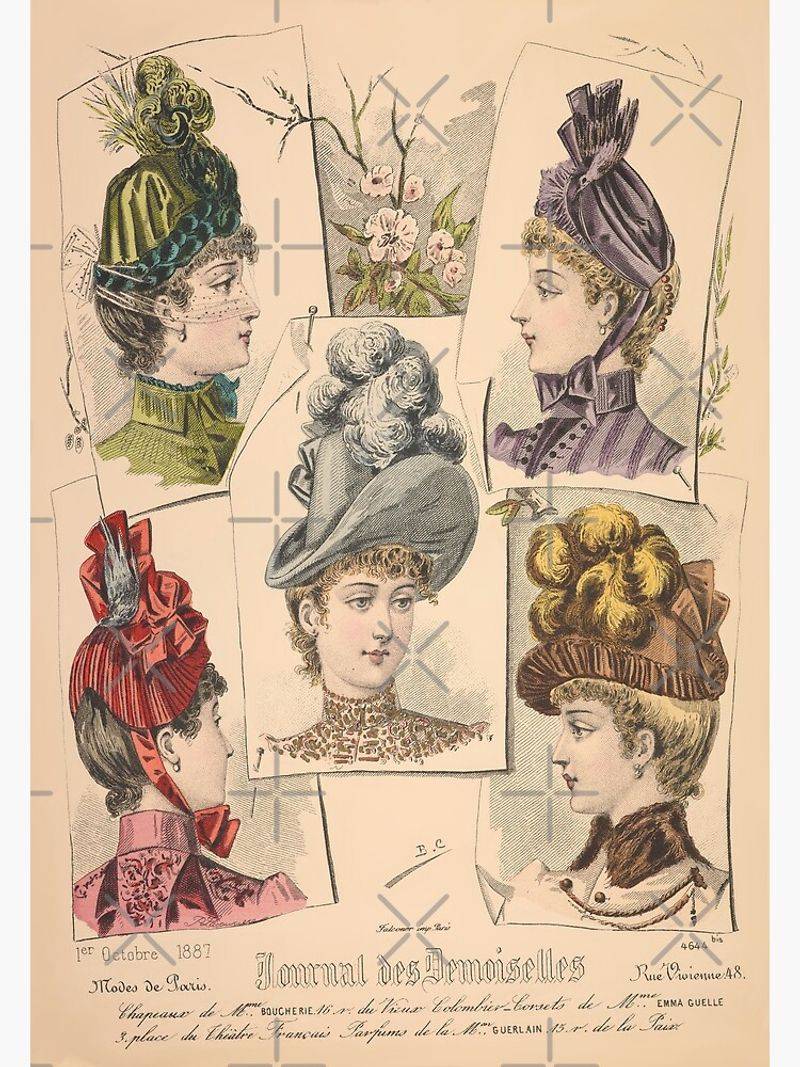
Picture a parade of hats, each more whimsical than the last. Guests at a Victorian garden party took pride in their headwear.
From towering feathers to delicate lace, hats were a symbol of status and creativity. This colorful parade becomes a highlight.
It was a chance for attendees to showcase their style. The anticipation of such a parade could captivate the imagination of any onlooker.
Charming Storytelling Nook
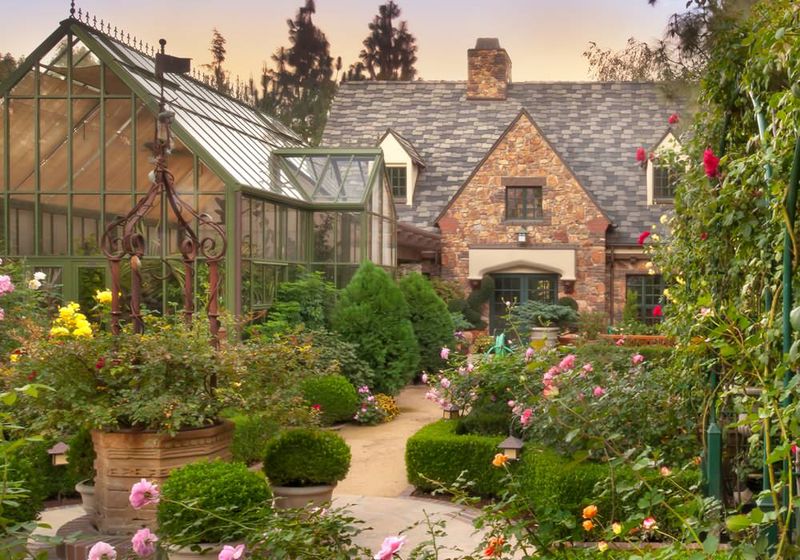
Nestled in a quiet corner, a storytelling nook offers enchantment to guests of all ages. The storyteller, often an elderly relative, captivates listeners with tales of adventure.
The ambiance created by the rustling leaves and chirping birds adds to the magic. This simple addition makes the garden party memorable.
Storytelling was a cherished activity, connecting generations and sparking the imagination.
Delightful Punch Bowl
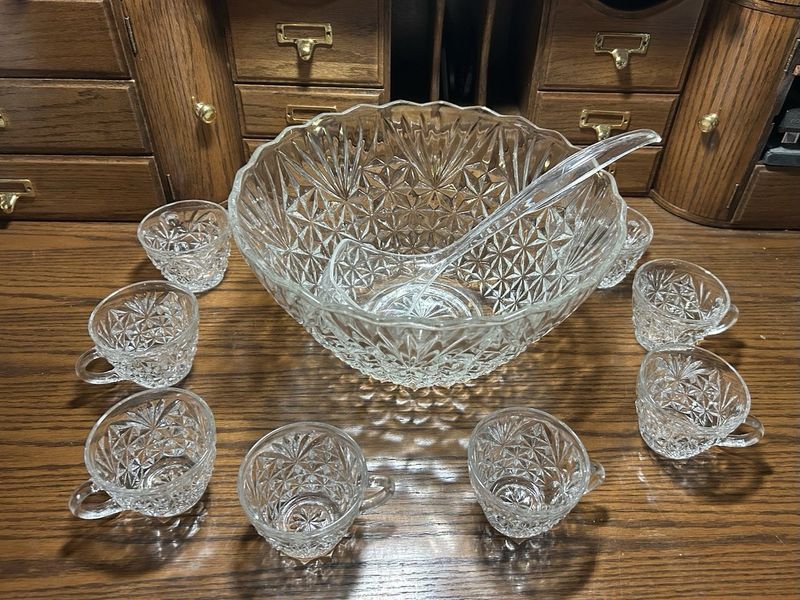
The punch bowl takes center stage at any Victorian gathering. Filled with a refreshing concoction of fruits, herbs, and spirits, it beckons guests to partake.
The delicate crystal glasses clink merrily as stories are shared and laughter fills the air. Punch recipes were often family secrets, passed down through generations.
This communal beverage is not just a drink but a symbol of hospitality and warmth.
Enchanted Lantern Pathway
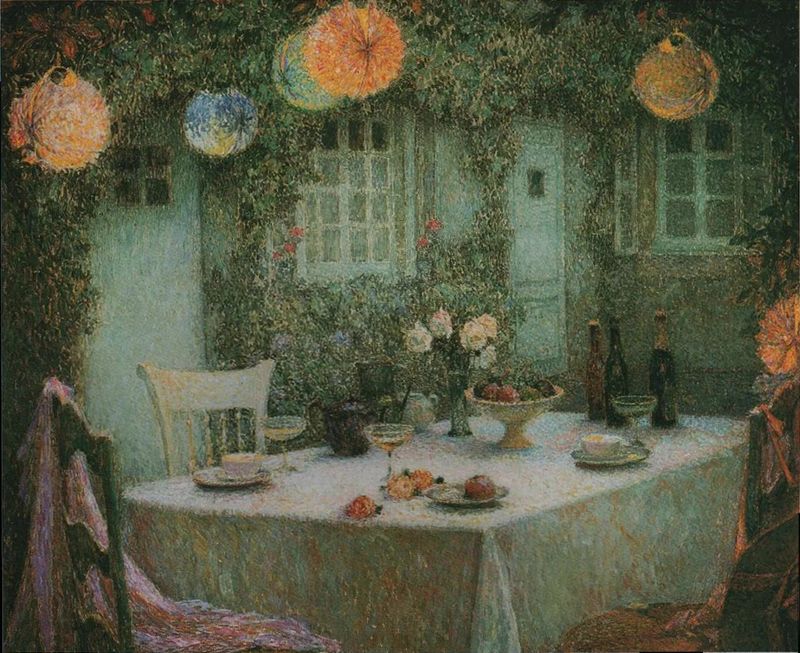
As dusk falls, an enchanted pathway lit by lanterns guides guests through the garden. The soft glow creates an atmosphere of wonder and romance.
These lanterns, often handcrafted, are hung with care along winding paths. They invite exploration and discovery.
Lantern-lit pathways were a hallmark of Victorian elegance, enhancing the garden’s natural beauty.
Quaint Poetry Recital
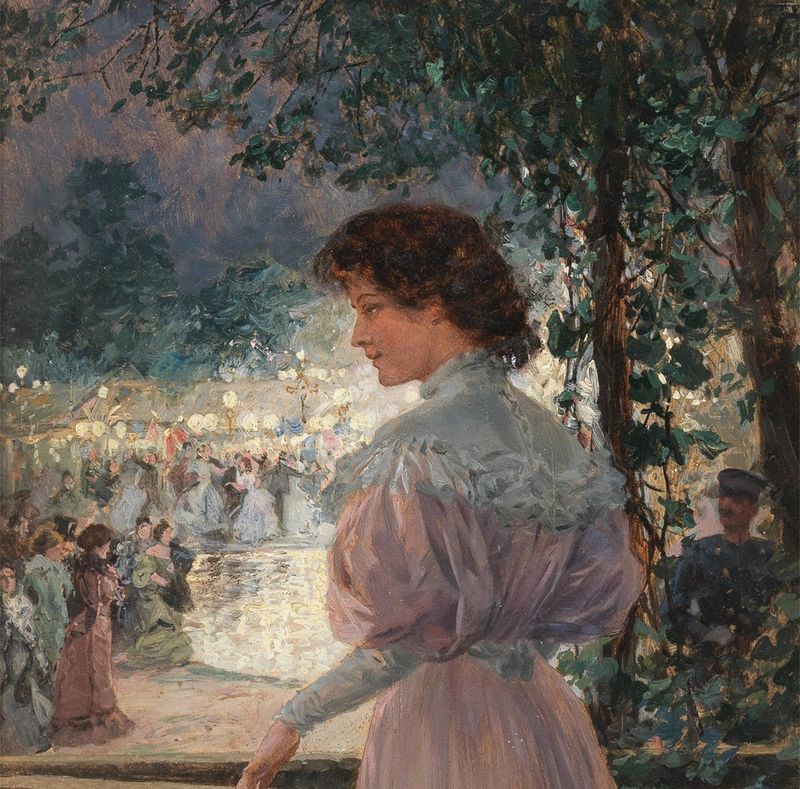
A poetry recital adds a touch of sophistication to the garden party. Gathered under a gazebo, guests listen intently as the poet shares verses of love and nature.
The recital can transform the garden into a sanctuary of thought and reflection. Each poem, a window into the era’s soul, resonates deeply.
Victorian poetry was celebrated for its beauty and emotional depth, making it a fitting entertainment choice.
Vintage Photography Station
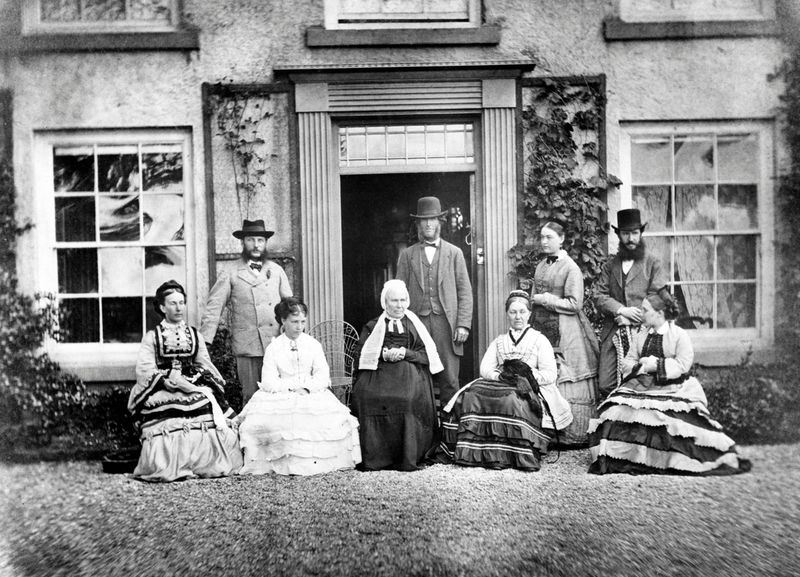
Capture the essence of the day with a vintage photography station. Guests pose in their finest attire, creating lasting mementos.
The photographer, with a keen eye for detail, ensures each frame tells a story. Photography was a novel luxury, cherished by all.
This station not only preserves memories but also adds an interactive element to the festivities.
Classic Gentlemen’s Corner
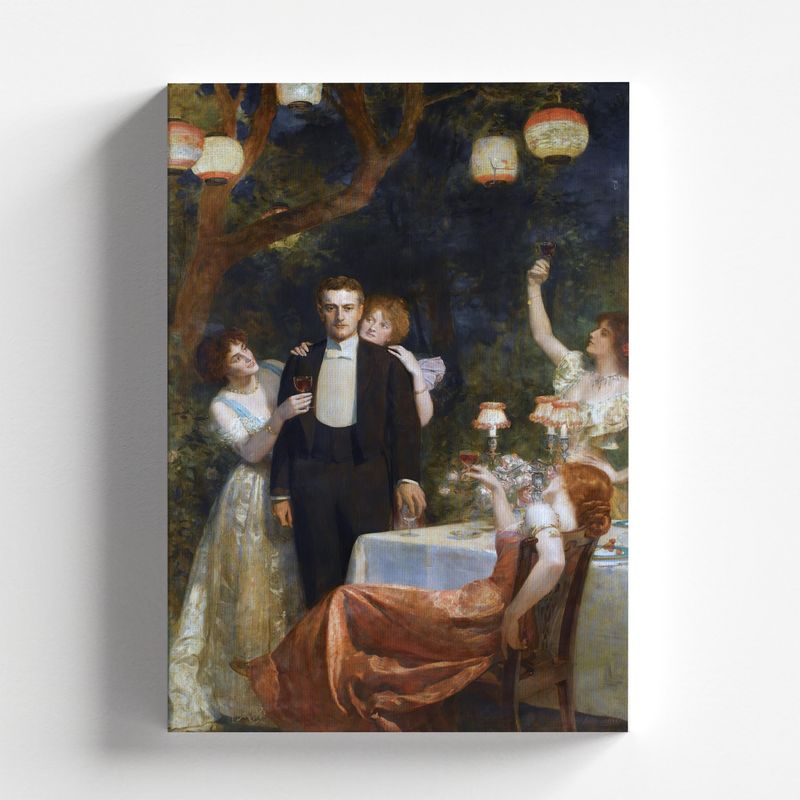
A gentlemen’s corner, tucked under a grand canopy, offers a retreat for conversation and camaraderie. Cigars and brandy are enjoyed as chess games unfold.
This area is a haven for those seeking a moment of reprieve from the main festivities. It symbolizes tradition and leisure.
Gentlemen’s corners were integral to Victorian social scenes, embodying a spirit of refinement.