
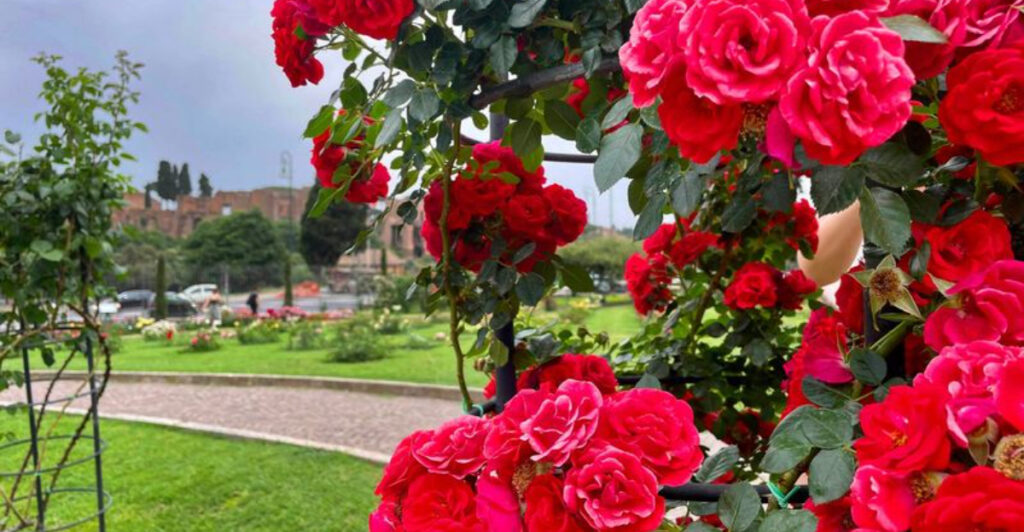
Discover the captivating world of gardening where symmetry and aesthetics meet in the most intriguing way. This blog post explores the fascinating idea that certain plants thrive best when grouped in odd numbers, enhancing their beauty and the overall harmony of gardens. From the structured elegance of Boxwood to the whimsical charm of Black-Eyed Susans, these plants reveal nature’s preference for odd-numbered arrangements. Let’s delve into these 20 remarkable plants and uncover how they transform gardens into enchanting landscapes when grown in unconventional numbers.
1. Lavender (Lavandula)
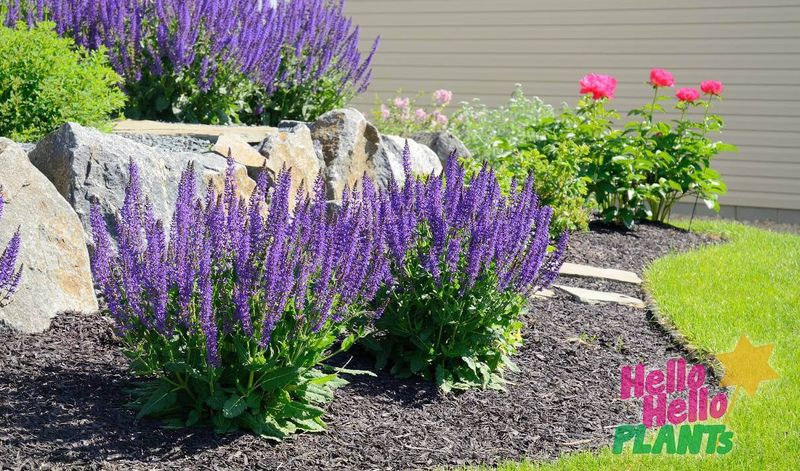
This enchanting plant thrives when grouped in odd numbers, enhancing its natural symmetry. These clusters create a balanced visual appeal that captivates the senses. Lavender’s soft purple blooms and silvery foliage stand out, offering a delightful contrast. Odd-numbered groupings evoke a sense of rhythm and flow, imitating nature’s organic patterns. Such arrangements are visually satisfying, providing a harmonious balance in garden spaces. The charm of Lavender is truly amplified in these odd-numbered clusters, transforming gardens into tranquil sanctuaries.
2. Boxwood (Buxus sempervirens)
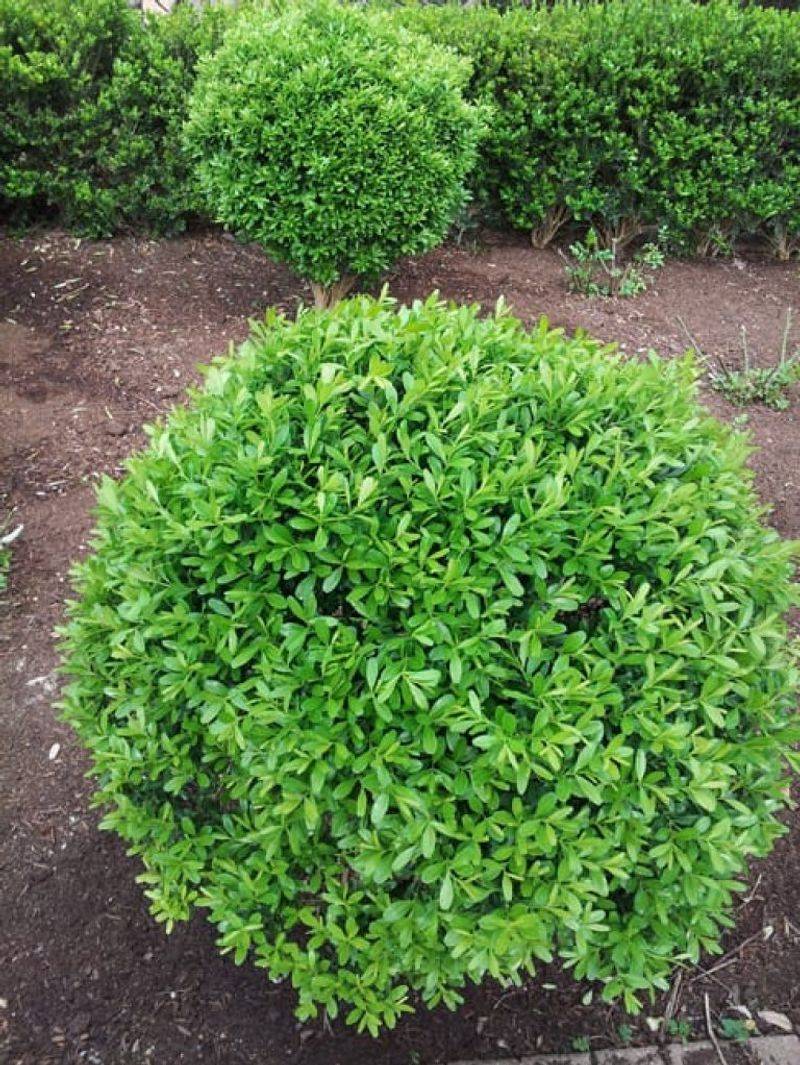
In formal gardens, Boxwood shines when planted in odd-numbered groupings. This evergreen shrub offers a lush, dense foliage that brings structure and elegance. Planting in threes or fives creates a balanced look, avoiding the stiffness of even numbers. Boxwood’s rich green hue and adaptable nature make it a favorite for hedges and topiary. Its symmetrical appeal is enhanced when grouped this way, creating visually appealing lines. Odd-numbered Boxwood clusters maintain a natural flow, allowing gardens to breathe and spaces to remain inviting. Such arrangements highlight the timeless beauty of Boxwood.
3. Ornamental Grasses (Miscanthus, Pennisetum)
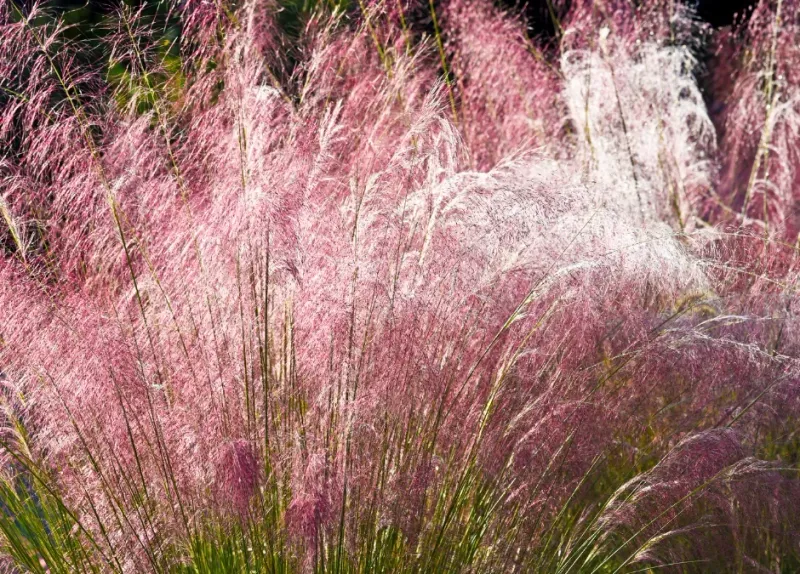
Ornamental Grasses, such as Miscanthus and Pennisetum, bring a touch of the wild to gardens. When planted in odd numbers, they mimic the untamed beauty of prairie landscapes. These grasses dance gracefully in the breeze, adding movement and texture. Their feather-like plumes and varying heights create a dynamic visual interest. Odd-numbered groupings add depth, allowing natural patterns to emerge. This approach transforms garden spaces, evoking a sense of untamed beauty and freedom. Ornamental Grasses thrive in these arrangements, contributing to a serene and harmonious environment.
4. Hydrangeas (Hydrangea macrophylla)
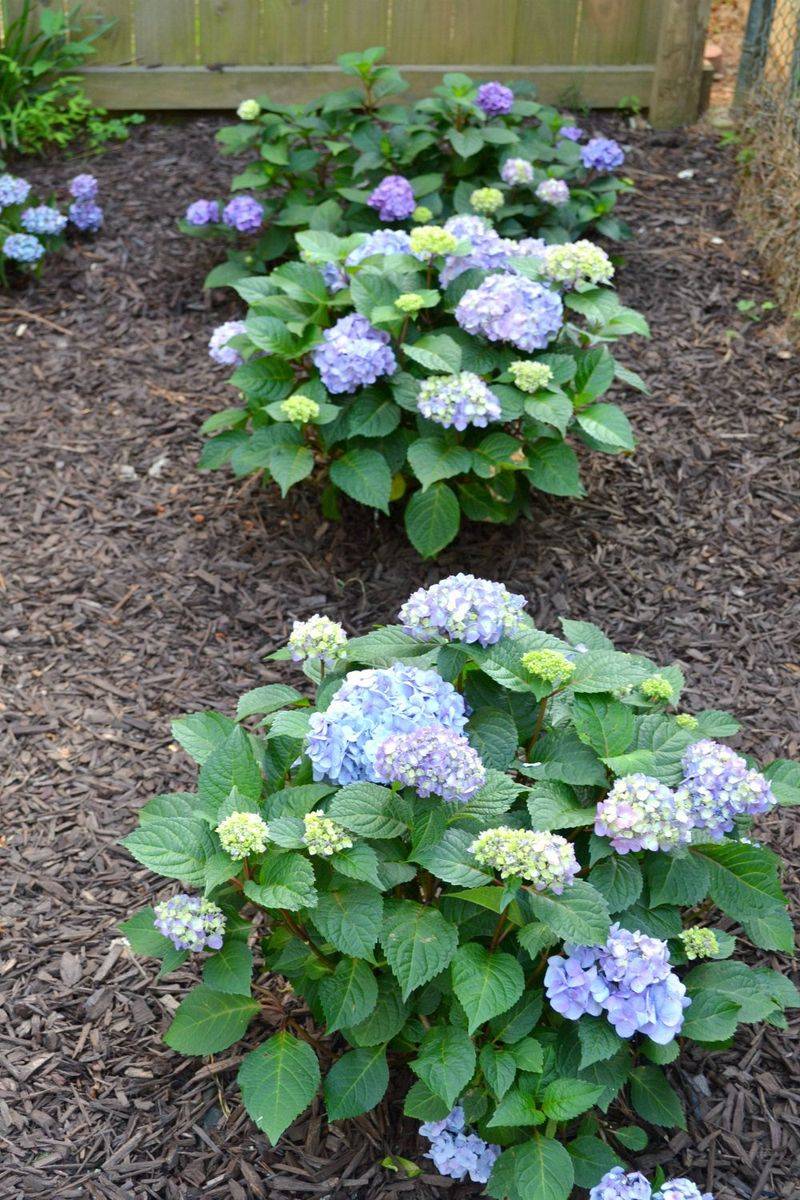
In the world of blooms, Hydrangeas hold a special place. Their vibrant colors and lush textures shine when planted in odd numbers. This approach prevents an overly rigid look, allowing each plant to express its uniqueness. Hydrangeas’ rounded flower heads and rich foliage create a plush, inviting appearance. Odd-numbered groupings allow them to spread gracefully, enhancing visual interest. The varied hues of pink, blue, and white offer a captivating palette. Such arrangements bring a sense of natural elegance to garden beds, making Hydrangeas a beloved choice for gardeners seeking harmony.
5. Black-Eyed Susans (Rudbeckia)
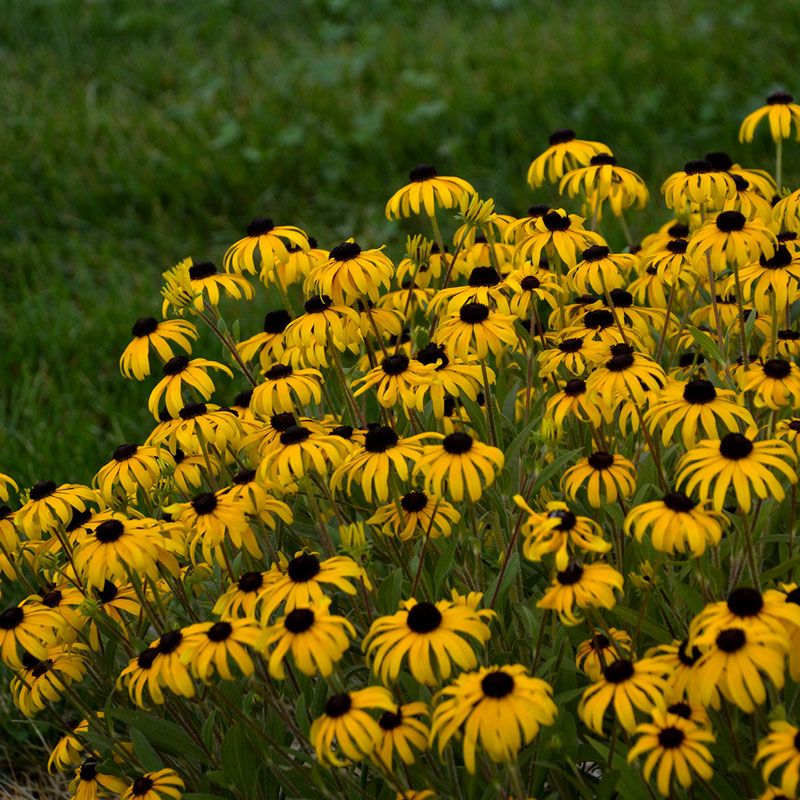
With their sunny disposition, Black-Eyed Susans bring joy to any garden. Planted in odd-numbered drifts, they create a meadow-like effect that’s both whimsical and rustic. These bright yellow flowers with dark centers stand out vividly against green foliage. The odd groupings enhance their wildflower appeal, offering a natural look reminiscent of open fields. Their cheerful blooms attract pollinators, adding life and movement. Such plantings bring an enchanting, carefree vibe to gardens, inviting a closer connection with nature. Black-Eyed Susans truly thrive in these joyful arrangements.
6. Hostas (Hosta spp.)
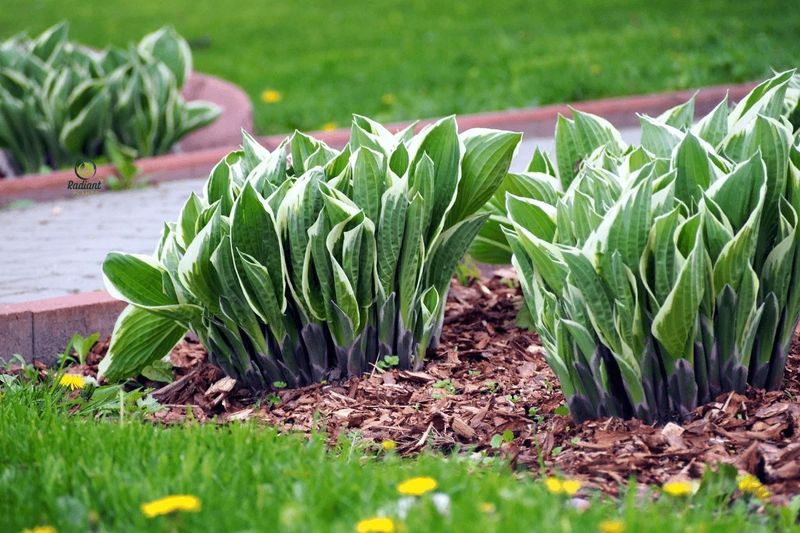
In shade gardens, Hostas are the stars, with their lush foliage creating an oasis of tranquility. Odd-numbered groupings of three or five prevent a “spotty” appearance, allowing each plant’s unique leaf pattern to shine. The diverse textures and shades of green and blue create a tapestry of visual interest. These groupings provide a sense of cohesion, making garden beds appear fuller and more integrated. Hostas’ adaptability and resilience make them ideal for such arrangements, ensuring a serene and balanced environment. Their presence is both calming and captivating in these settings.
7. Roses (Rosa spp.)
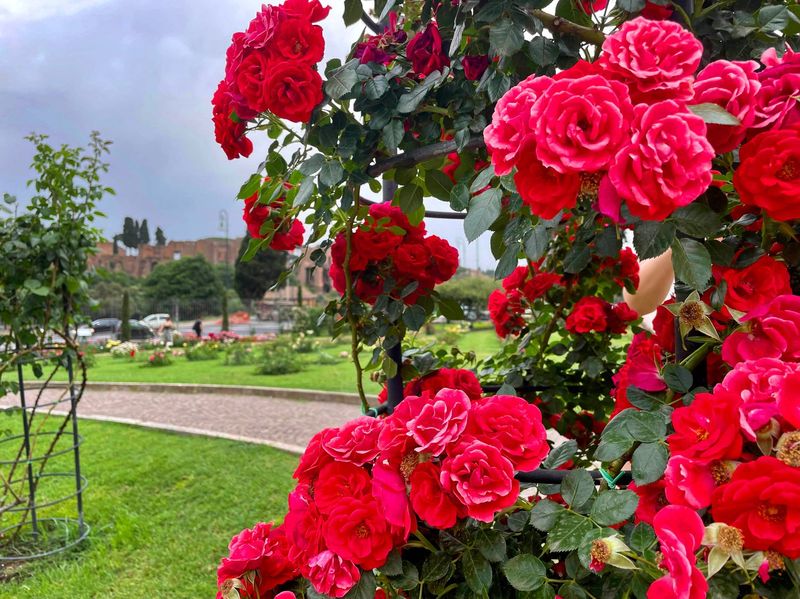
Roses, the quintessential symbol of love and beauty, find their full expression in odd-numbered arrangements. This approach avoids the artificial symmetry often associated with even groupings. The diversity in color and form becomes a visual symphony, with each bloom telling its own story. Odd-numbered plantings create a natural flow, enhancing the romantic allure of rose gardens. Their fragrant blooms and thorny stems add layers of texture and depth. Such arrangements invite admiration and wonder, transforming gardens into timeless spaces of elegance and passion.
8. Japanese Maple (Acer palmatum)
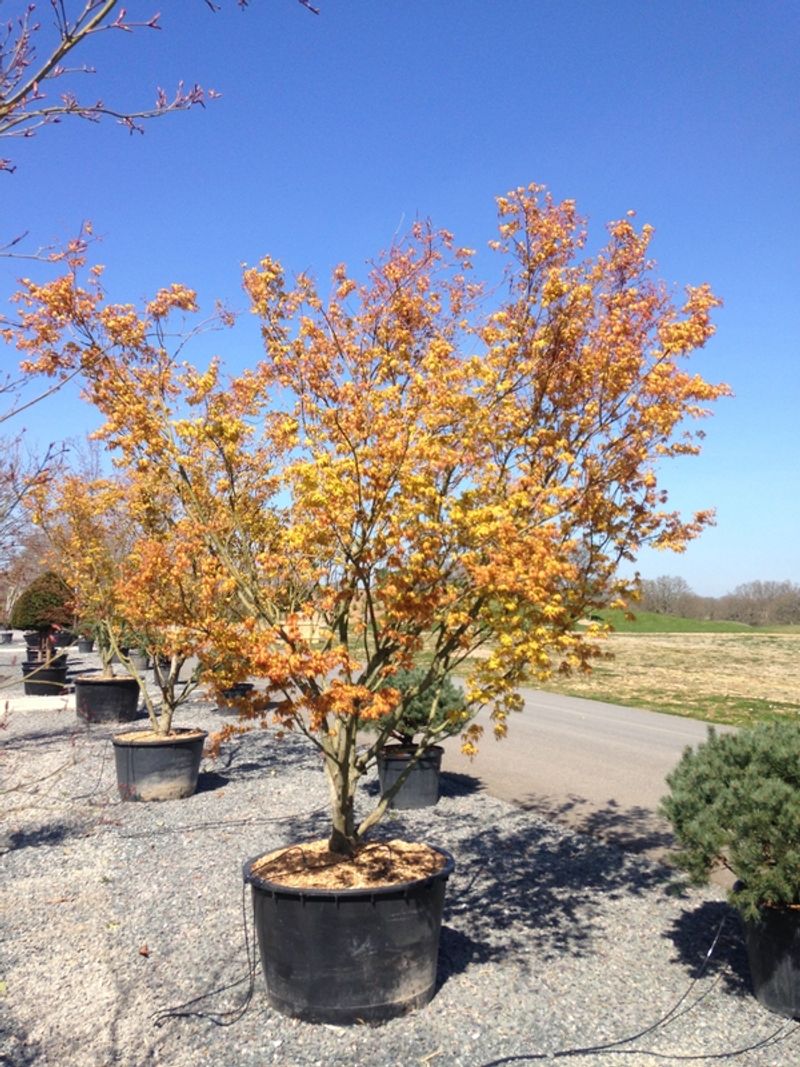
In Zen gardens, the Japanese Maple holds a place of honor. Its delicate foliage and striking colors are best appreciated in odd-numbered groupings. Such arrangements enhance the tree’s natural grace, creating an atmosphere of serenity and balance. The rich reds and greens contrast beautifully, offering a feast for the eyes. Odd-numbered plantings emphasize the tree’s sculptural form, adding depth to garden spaces. These trees become living art, embodying the principles of harmony and tranquility. Their presence in a garden evokes a sense of peace and contemplation.
9. Agave (Agave americana)
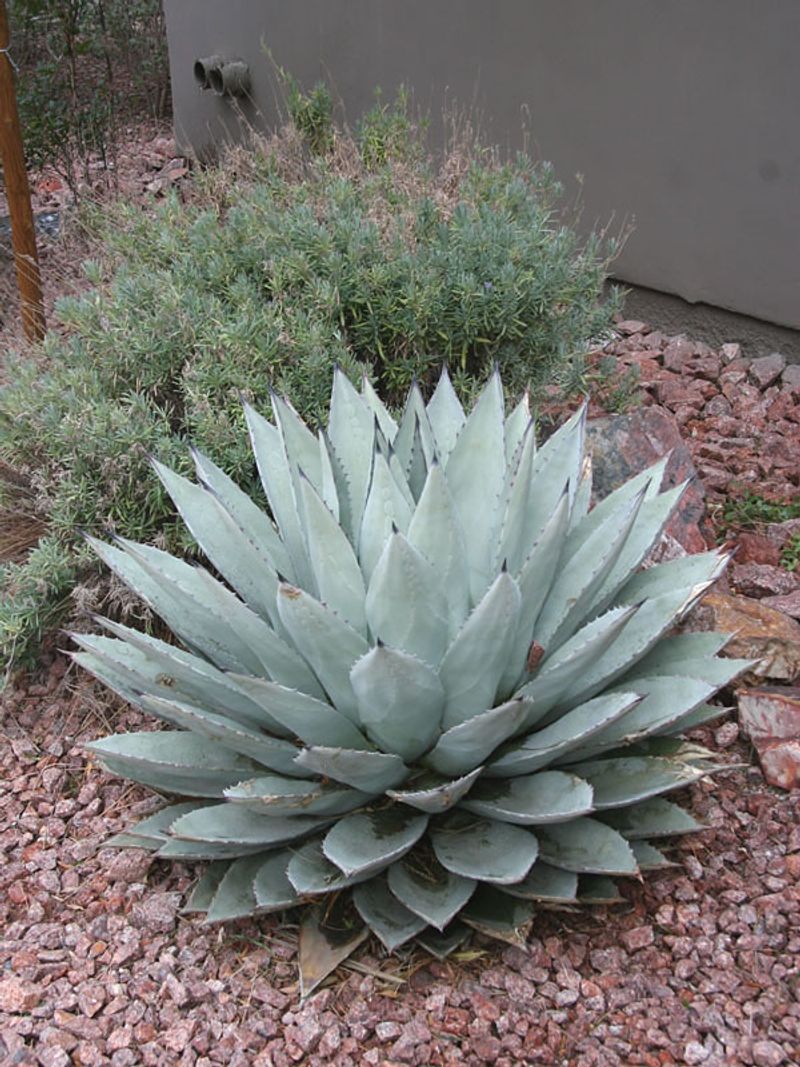
In arid landscapes, the Agave stands out as a dramatic focal point. Planting in odd-numbered trios enhances its architectural presence, creating striking compositions. The plant’s bold, spiky leaves radiate in all directions, forming a starburst pattern. These groupings add visual interest, breaking the monotony of desert terrains. The silvery-blue hue of Agave leaves contrasts beautifully with sandy backgrounds, creating a dynamic visual play. Odd-numbered arrangements allow each plant to stand out while contributing to a cohesive design. Agaves thrive in these settings, offering resilience and beauty.
10. Coneflowers (Echinacea)
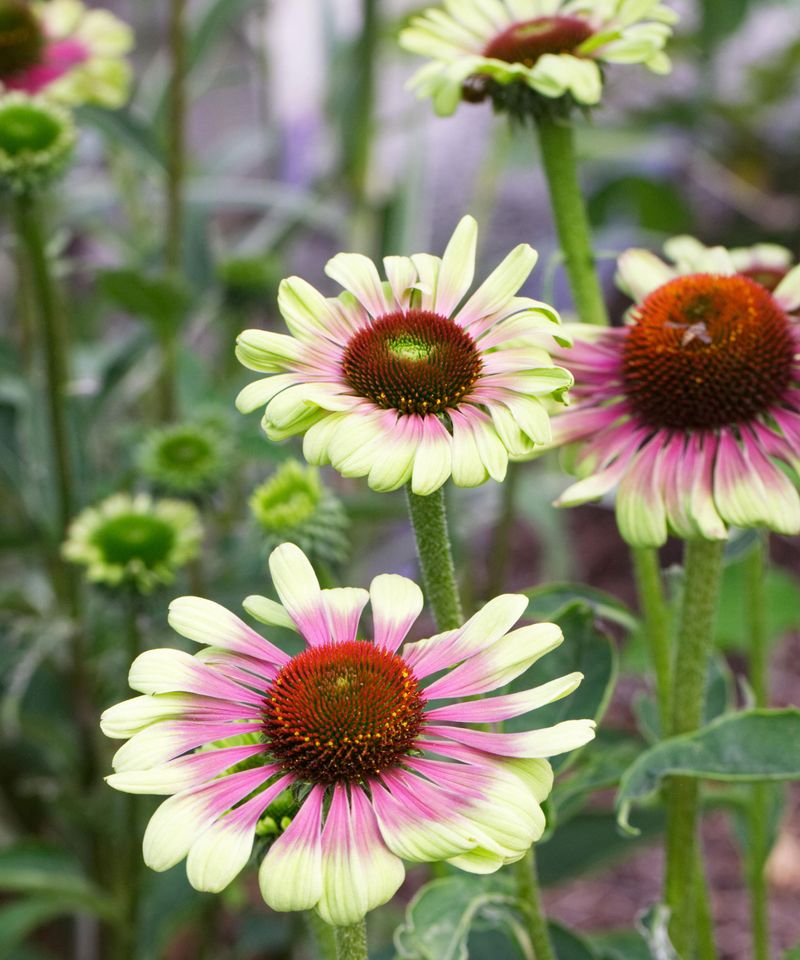
Coneflowers are nature’s gift to pollinators, with their bright, daisy-like blooms drawing butterflies and bees. When planted in odd numbers, these flowers create a lively, buzzing garden scene. Their vibrant colors and sturdy stems add vertical interest, while odd groupings enhance visual harmony. The plant’s distinctive cone-shaped centers offer an additional layer of texture. Such arrangements provide a feast for pollinators, supporting biodiversity. Coneflowers’ resilience and beauty make them a cherished addition to any garden, where they stand as beacons of life and color.
11. Yucca (Yucca filamentosa)
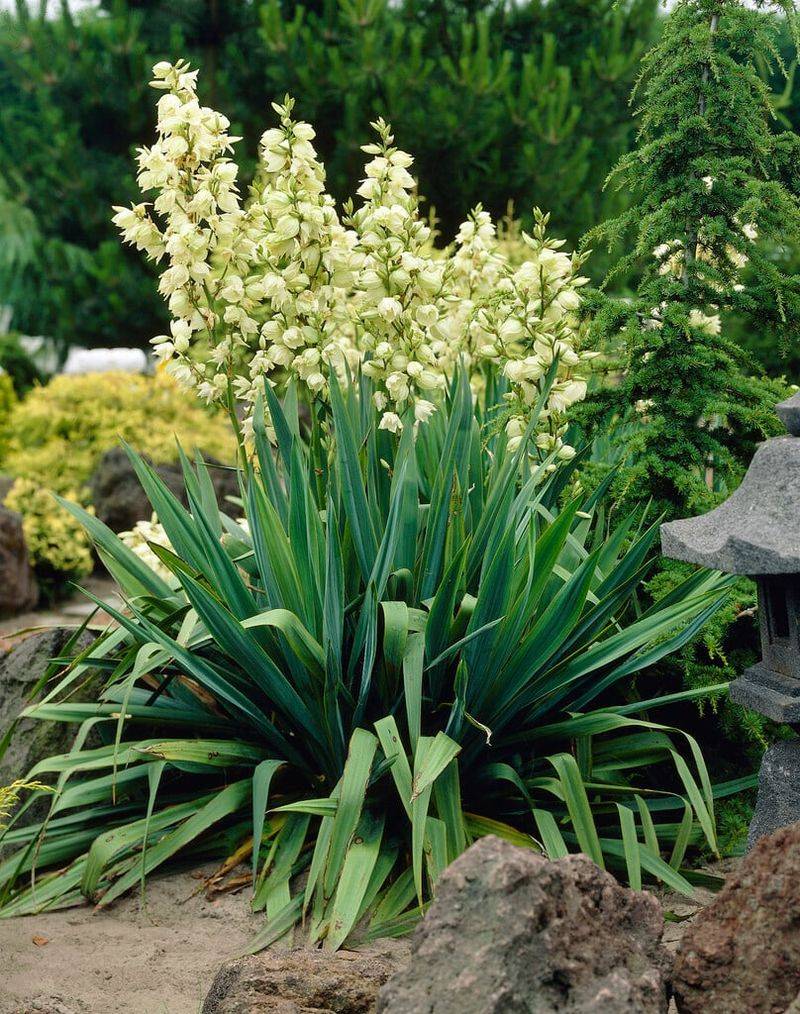
Yucca plants are known for their bold, architectural form, making them a standout choice in any landscape. When planted in odd-numbered groups, they create a striking visual statement. Their sword-like leaves and towering flower spikes add drama and verticality. These groupings enhance the plant’s natural symmetry, offering a dynamic contrast to softer garden elements. Yuccas thrive in minimalistic settings, where their bold silhouette can be fully appreciated. Odd-numbered arrangements ensure each plant’s unique characteristics are highlighted, contributing to a cohesive and visually stunning design.
12. Dwarf Alberta Spruce (Picea glauca ‘Conica’)
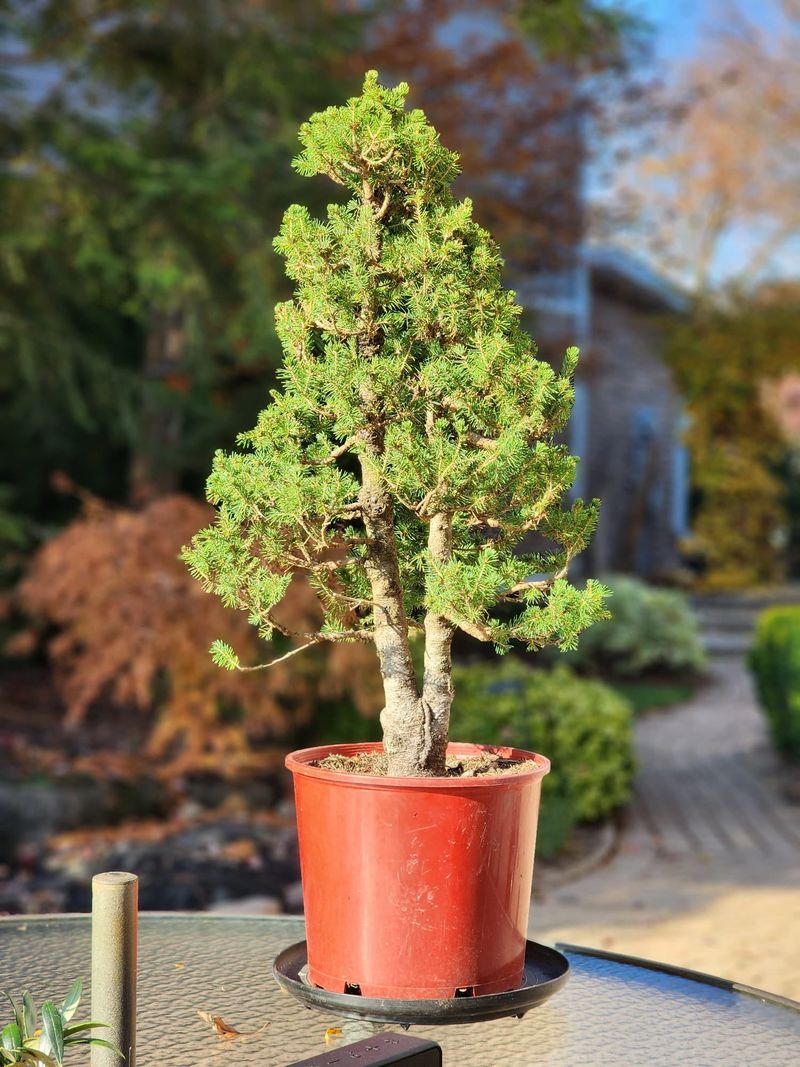
In formal gardens, the Dwarf Alberta Spruce brings structured elegance with its conical shape and compact growth. When planted in odd numbers, these trees enhance garden symmetry without appearing overly rigid. Their dense, evergreen needles provide year-round interest and texture. Odd-numbered groupings create a balanced, visually pleasing arrangement, allowing each tree to shine. These clusters add height and structure, complementing other garden elements. The Dwarf Alberta Spruce’s adaptability and classic form make it an ideal choice for enhancing the beauty of formal landscapes.
13. Russian Sage (Perovskia atriplicifolia)
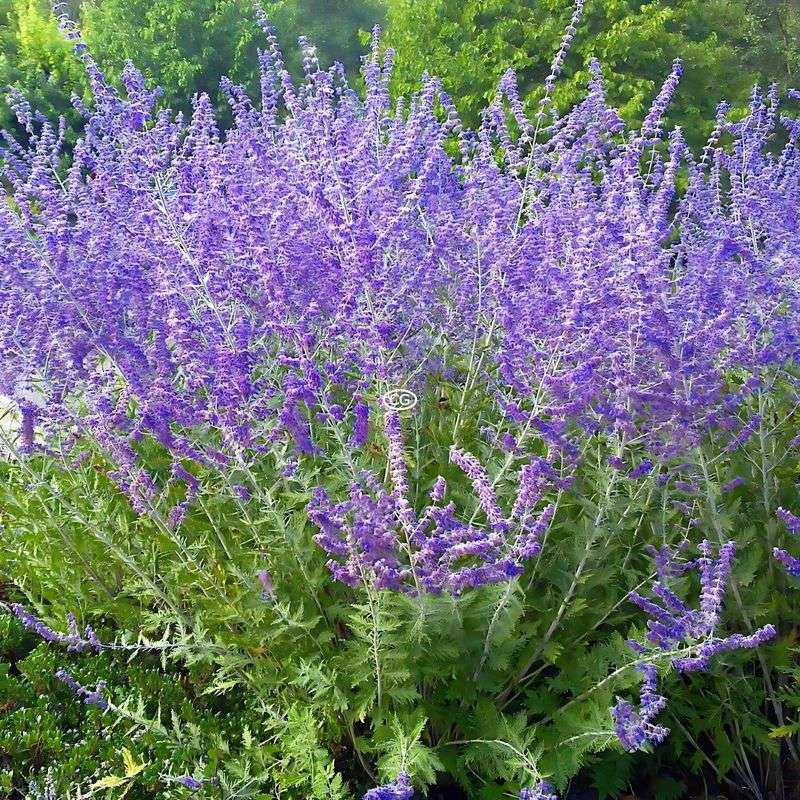
Russian Sage is a garden favorite, known for its airy purple blooms and aromatic foliage. When planted in odd-numbered drifts, it creates a soft, ethereal effect. The plant’s delicate, spiky flowers add vertical interest and a touch of whimsy. Odd groupings allow for a natural flow, avoiding the rigidity of even numbers. The silvery leaves provide a subtle contrast, enhancing the garden’s overall palette. Russian Sage thrives in these arrangements, bringing a sense of lightness and movement to borders and beds. Its presence adds a touch of wild beauty to landscapes.
14. Red Hot Poker (Kniphofia)
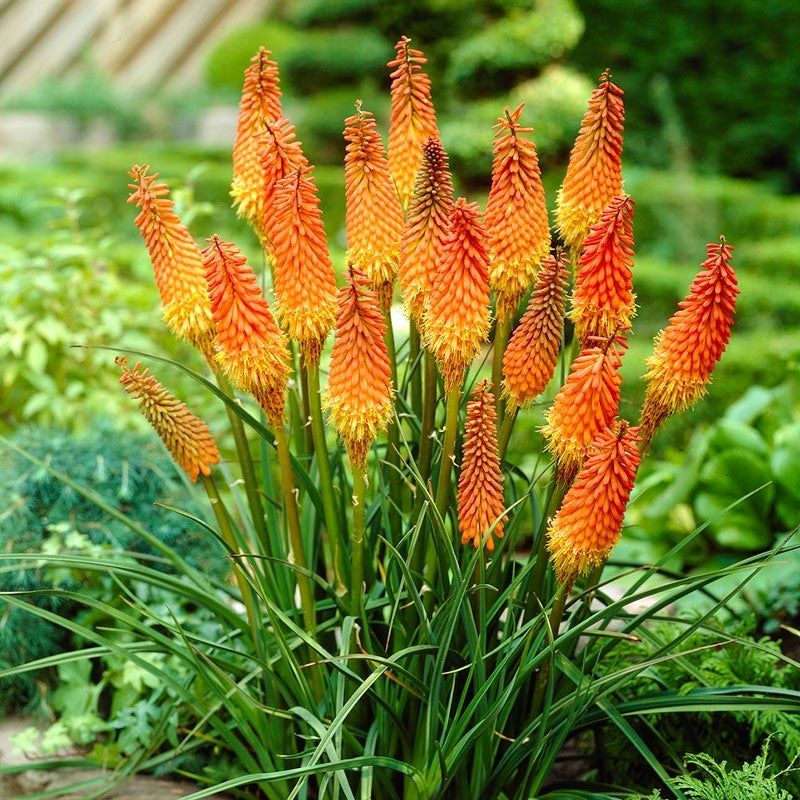
Red Hot Poker plants are vibrant showstoppers, known for their fiery flower spikes. When planted in odd-numbered groups, they create a lively, eye-catching display. Their bright colors stand out against green foliage, adding dynamic contrast. These groupings enhance the plant’s visual impact, offering a sense of rhythm and excitement. The tall, torch-like flowers sway gently, bringing movement and energy to garden spaces. Red Hot Pokers thrive in these settings, where their bold presence can be fully appreciated. Odd-numbered arrangements ensure a balanced yet striking garden design.
15. Coral Bells (Heuchera)
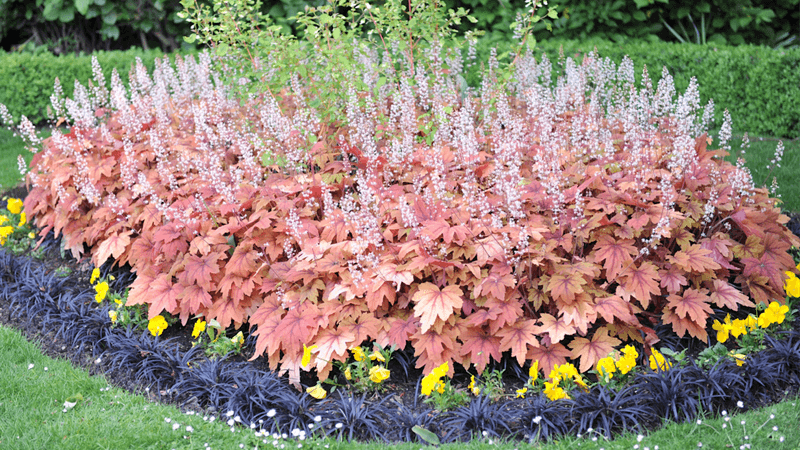
Coral Bells are prized for their stunning foliage, offering a range of colors and textures. Odd-numbered clusters allow these plants to showcase their full beauty. The rich purples, greens, and silvers create a vibrant tapestry that captivates the eye. Odd groupings enhance the visual dynamics, allowing each plant’s unique hue to stand out. These arrangements provide depth and interest, making garden beds appear more lush and inviting. Coral Bells’ versatility and charm make them a favorite for adding color and contrast to shaded areas. Their presence is both striking and harmonious.
16. Daylilies (Hemerocallis)
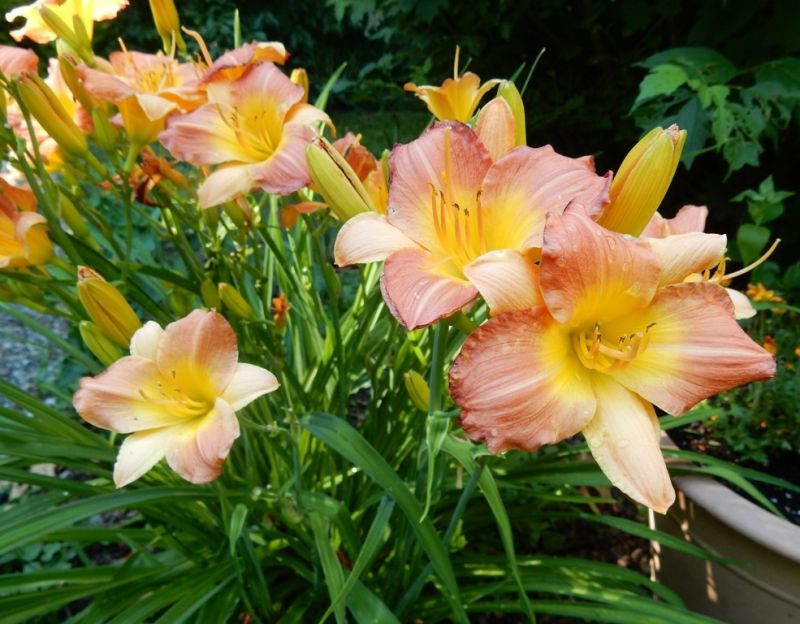
Daylilies are a gardener’s delight, with their vibrant blooms providing a burst of color. When planted in odd numbers, they prevent a “lined-up” appearance, allowing for a more natural flow. The trumpet-shaped flowers and strap-like leaves create a lush, inviting scene. Odd groupings enhance the plant’s visual appeal, offering a sense of movement and spontaneity. Daylilies thrive in these settings, where their resilience and beauty can shine. These arrangements bring warmth and vibrancy to garden spaces, making them a beloved choice for sunny borders and beds.
17. Fountain Grass (Pennisetum setaceum)
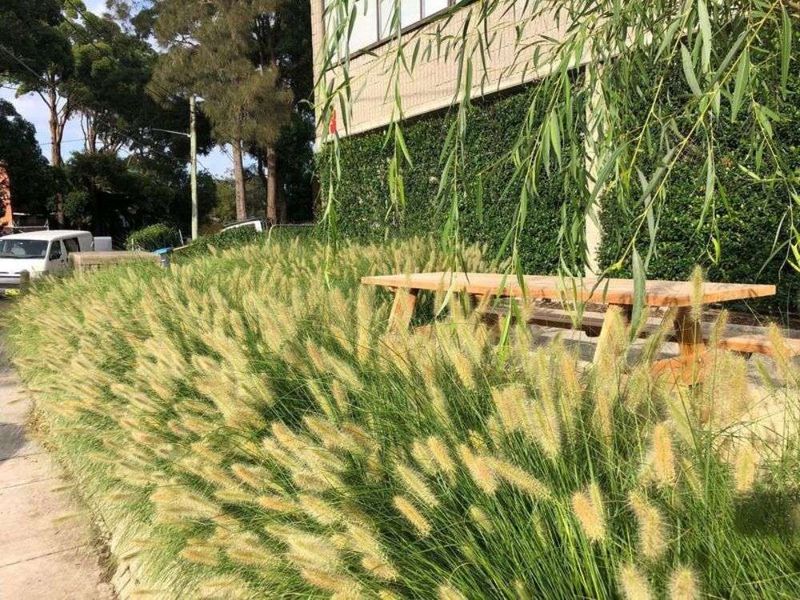
Fountain Grass adds elegance and movement to any garden, with its feathery plumes swaying gracefully in the breeze. Odd-numbered clusters enhance this natural dance, creating a mesmerizing display. The plant’s soft, cascading form adds texture and depth, offering a sense of serenity. These groupings allow for a harmonious flow, avoiding the stiffness of symmetrical plantings. Fountain Grass thrives in these arrangements, where its beauty can be fully appreciated. The gentle movement of its plumes adds a touch of grace, transforming garden spaces into tranquil retreats.
18. Sedum (Stonecrop)
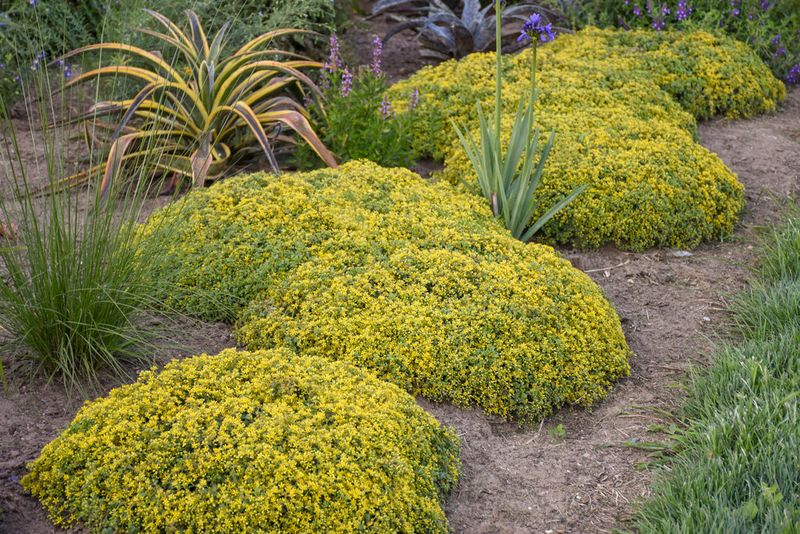
Sedum, or Stonecrop, offers a unique charm with its succulent leaves and vibrant blooms. When planted in odd-numbered trios, they create a natural-looking rock garden. The varied textures and colors of Sedum add depth and interest, enhancing the landscape’s overall appeal. Odd groupings provide a sense of spontaneity and balance, allowing each plant’s characteristics to shine. These arrangements make gardens appear more cohesive and organic, drawing the eye to their beauty. Sedum’s resilience and adaptability make it ideal for such settings, where it thrives and delights.
19. Alliums (Ornamental Onions)
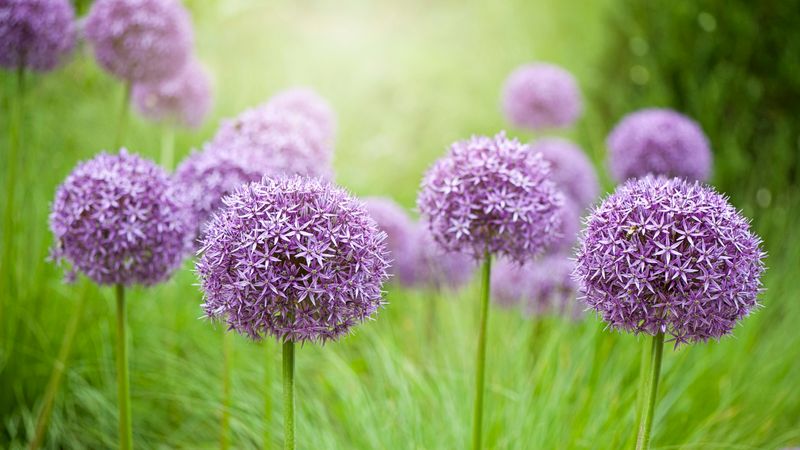
Alliums bring a touch of whimsy to gardens, with their spherical blooms adding a playful element. Odd-numbered clusters allow these flowers to stand out, creating a striking visual impact. The tall, slender stems and round flower heads provide vertical interest and a sense of movement. Odd groupings prevent a static appearance, allowing for a more dynamic design. Alliums’ unique form and vibrant colors make them a favorite for adding drama and intrigue to garden spaces. Their presence is both bold and enchanting, captivating all who pass by.
20. Bamboo (Phyllostachys spp.)
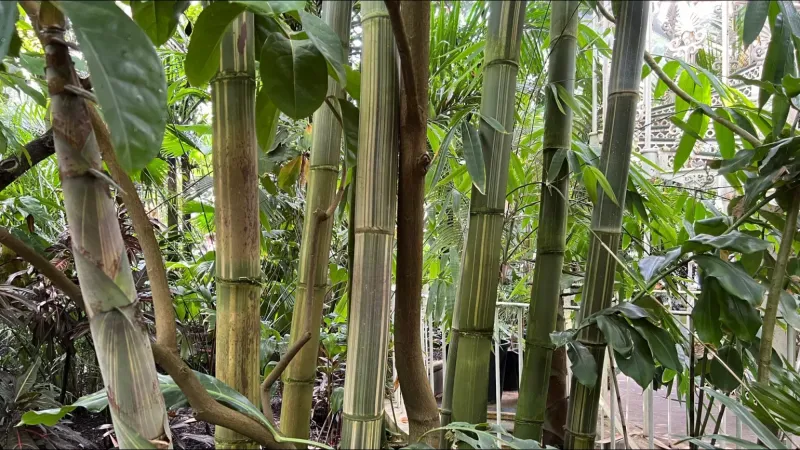
In Asian-inspired gardens, Bamboo creates a sense of tranquility and natural beauty. When planted in odd-numbered clumps, it appears more organic and harmonious. The tall, graceful stalks sway gently, adding movement and sound to the garden. Odd groupings enhance the plant’s natural appeal, offering a balanced yet dynamic composition. Bamboo’s versatility and rapid growth make it a popular choice for creating privacy screens and adding height. These arrangements provide a sense of enclosure and peace, transforming gardens into serene retreats. Bamboo’s presence is both calming and majestic.