
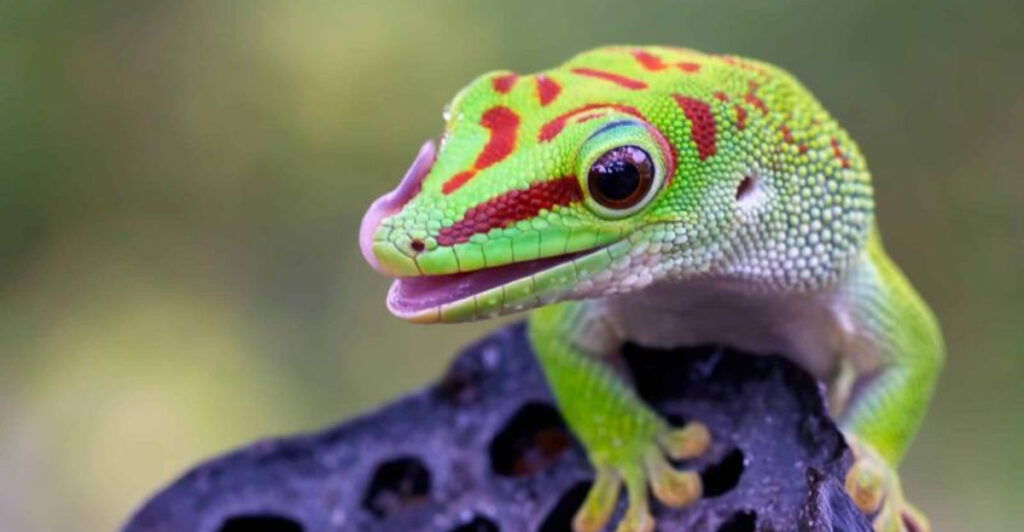
Most people think of lizards as insect-eating reptiles basking in the sun—but in certain parts of the world, especially on islands and in tropical environments, lizards and geckos are active pollinators.
Here are some fascinating facts about these unexpected plant partners:
1. They pollinate while feeding on nectar
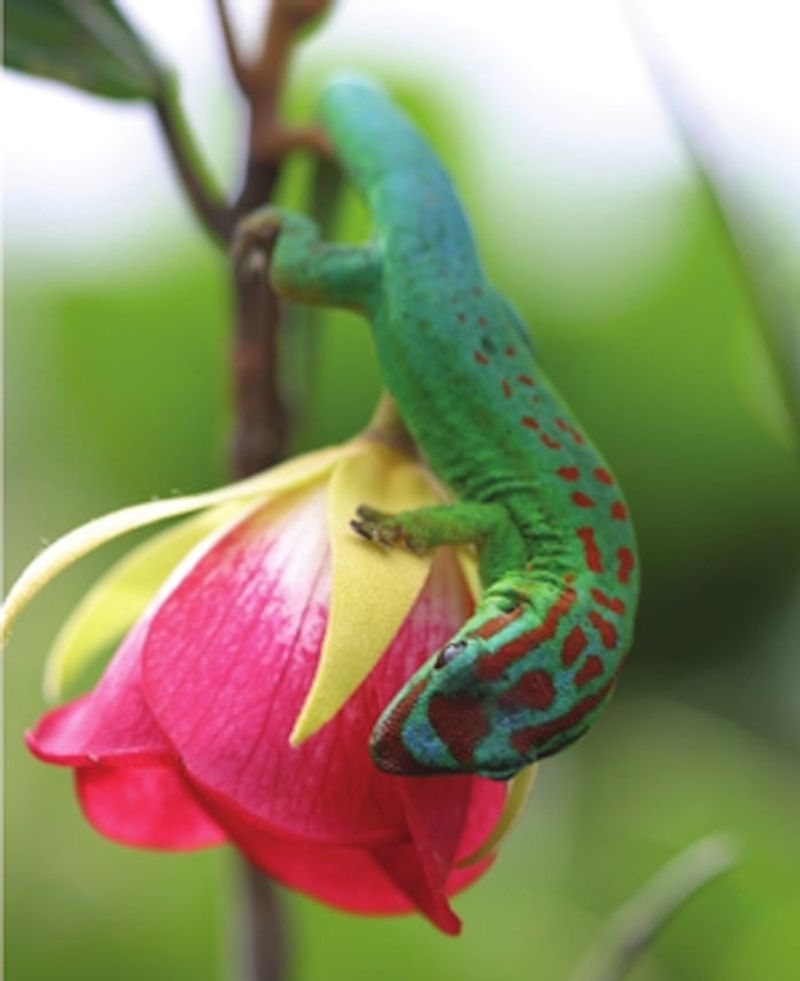
Lizards, while sipping nectar, inadvertently become pollinators. As they move from flower to flower, their bodies brush against pollen. This accidental transfer is vital for plant reproduction, especially in regions where traditional pollinators are scarce. Nectar provides them a sweet incentive, and in return, they help plants thrive. Interestingly, lizards have evolved to develop a taste for the sugary secretions of flowers. Who’d have thought these creatures, often associated with dry, arid habitats, would play such a pivotal role in the life cycle of plants?
2. They’re vital in island ecosystems
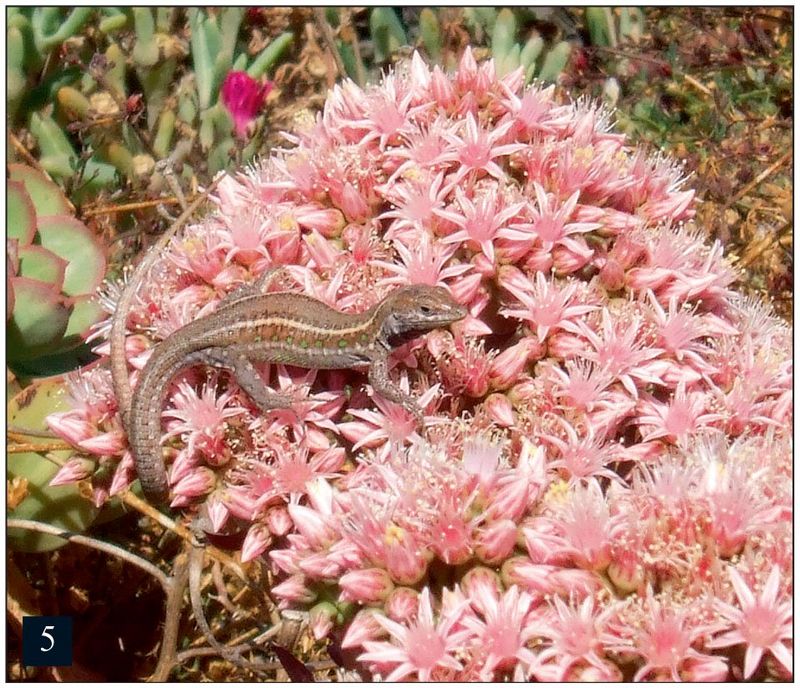
On isolated islands like Mauritius and Hawaii, lizards have emerged as essential pollinators. With limited access to other pollinators, these reptiles step up to the task. Their presence ensures the survival of numerous native plant species. Many island plants have developed a reliance on lizards, adapting structures and timings to suit these reptiles. Can you imagine a world where a tiny lizard becomes as crucial as a bee? It’s a fascinating interplay between animal and plant, showcasing nature’s adaptability.
3. They’re especially attracted to brightly colored flowers
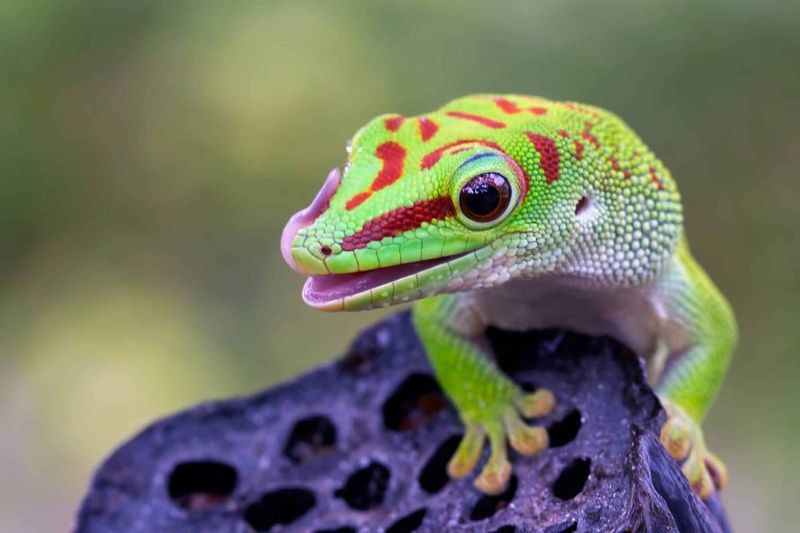
Brightly colored flowers, like reds and oranges, captivate lizards much like they do hummingbirds. The allure of vivid hues beckons these reptiles closer, ensuring that pollination occurs. The contrast of a lizard against a bright flower is not just visually striking but also part of nature’s strategy. Such colors stand out in their environment, increasing the chances of interaction. This behavior highlights the dynamic relationship between flora and fauna, where both have adapted to benefit mutually.
4. They’re messy eaters—which helps plants
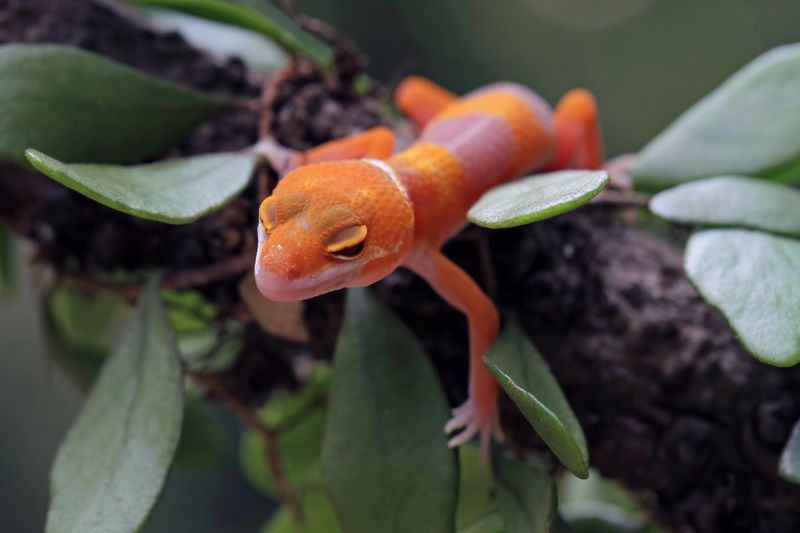
Unlike the meticulous bees, lizards are anything but tidy. Their messy feeding habits might seem counterproductive, but it’s surprisingly beneficial for plants. As they munch away, pollen sticks to their bodies, transferring between blooms. This chaotic approach aids in cross-pollination, ensuring genetic diversity. It’s a classic example of how unconventional methods can sometimes yield the most significant results. In the world of pollination, being messy actually has its perks.
5. They can help plants in tough environments
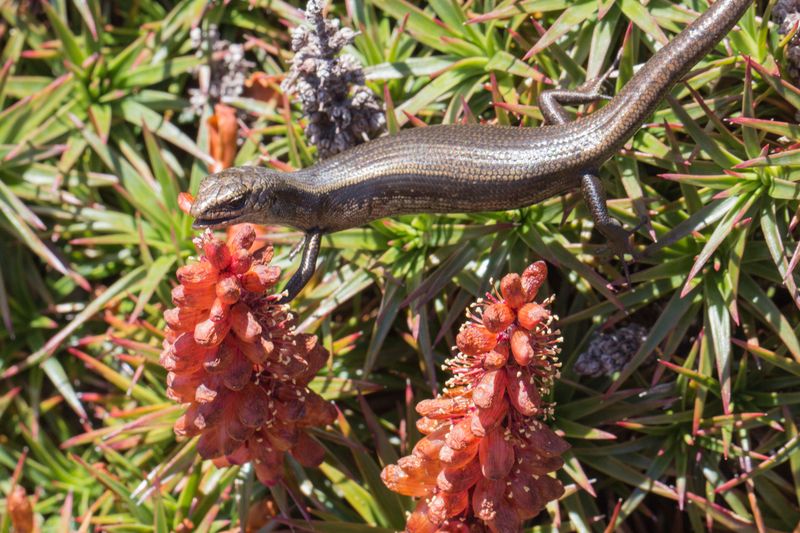
In areas where heat deters typical pollinators, lizards prove invaluable. These reptiles, accustomed to high temperatures, navigate tough terrains to reach nectar-laden flowers. Their resilience allows them to thrive where others falter. By sustaining plant life in these challenging locales, they maintain the delicate balance of ecosystems. This adaptability showcases the intricate connections in the natural world, where unexpected players often rise to prominence. Truly, these creatures are unsung heroes of their habitats.
6. Some flowers have evolved just for them
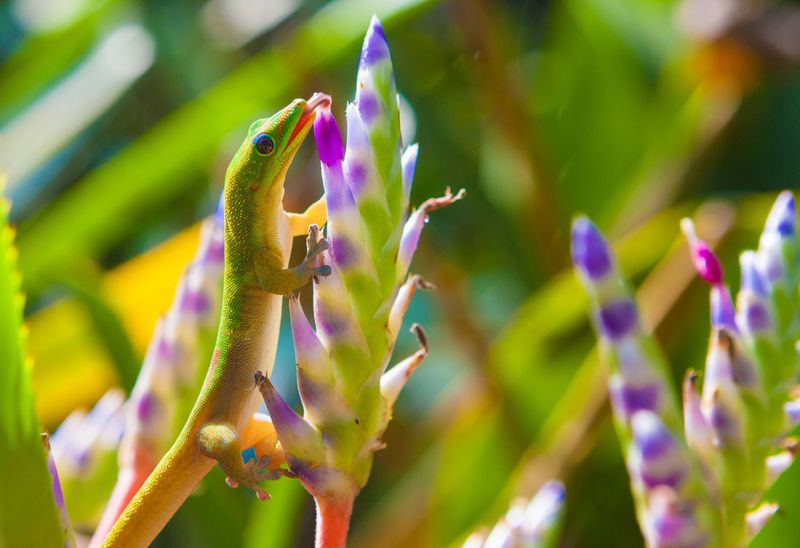
In the unique ecosystems of places like New Caledonia and Madagascar, certain flowers have evolved specifically to cater to lizard pollinators. These plants feature sturdy, low-lying blooms that accommodate the reptiles’ feeding habits. This evolution is a testament to the significant role lizards play in these environments. It’s a symbiotic relationship, where both plant and animal have adapted over time for mutual benefit. Such co-evolutionary tales are a reminder of nature’s intricate designs.