 Complete Gardening
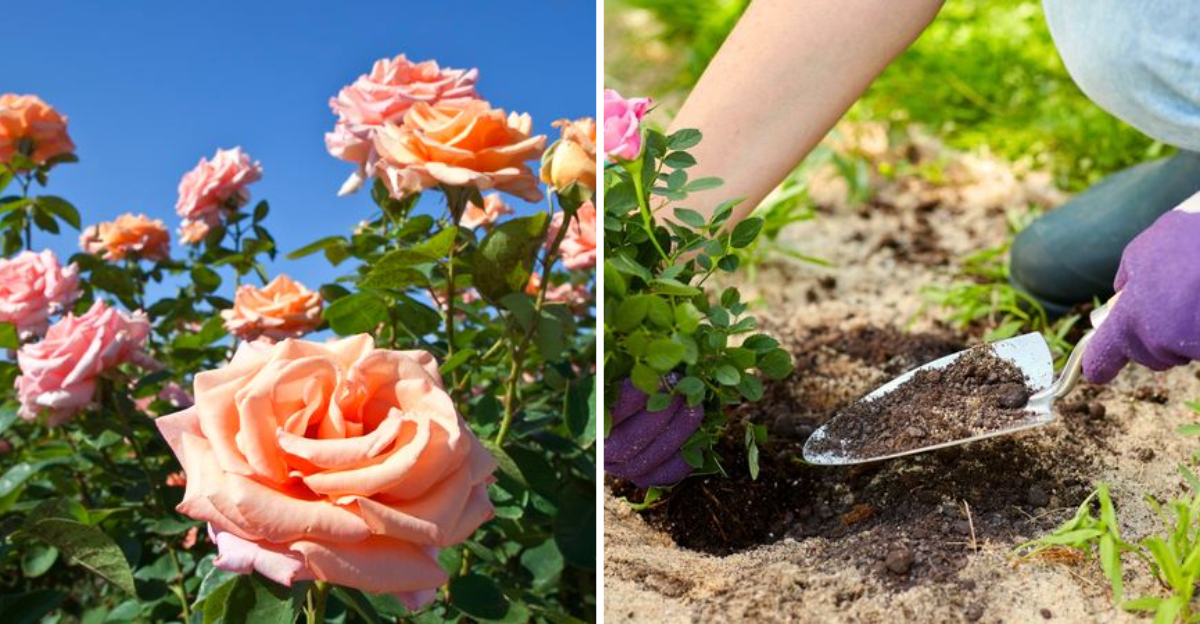
Creating a vibrant rose garden is an art that combines careful planning, regular maintenance, and a touch of creativity. From selecting the right varieties to understanding the soil and climate, every detail contributes to the blooming success of your garden. Whether you are a seasoned gardener or a novice, these 17 tips will guide you in cultivating a rose paradise.
1. Choose the Right Varieties

Selecting the right rose varieties is crucial for a thriving garden. Consider climate compatibility and maintenance level. Each variety offers unique benefits; hybrid teas are classic and elegant, while floribundas provide clusters of blooms. Grandifloras combine the best of both. Choose disease-resistant types to minimize care efforts.
Explore colors that match your aesthetic, from bold reds to soft pastels. Planting a mix ensures continuous blooms throughout the season. Research local varieties for best results. Getting this first step right sets the foundation for a stunning, colorful garden that delights season after season.
2. Understand Your Soil

Soil is the bedrock of any garden, especially for roses. Begin by testing pH levels; roses typically thrive in slightly acidic soil. Amend the soil with organic matter like compost or well-rotted manure to improve drainage and fertility.
A balanced soil ensures healthy root development, leading to robust plants. Monitor moisture levels to prevent overwatering. Healthy soil means fewer problems down the line, allowing your roses to flourish with minimal intervention. Remember, attention to soil quality provides the essential nutrients for your roses to achieve their full potential in beauty and bloom.
3. Plan Your Layout
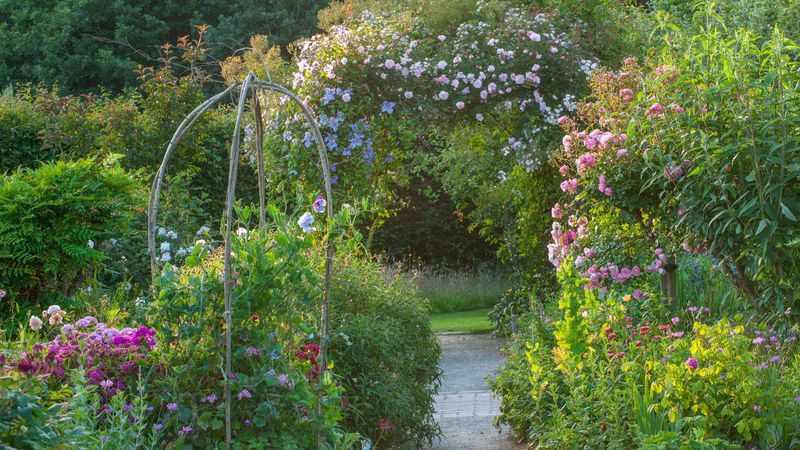
Creating a thoughtful garden layout enhances both aesthetics and maintenance. Consider spacing to allow air circulation, which reduces disease risk. Mix heights and types for visual interest. Pathways should be accessible for watering and pruning.
Incorporate companion plants to attract beneficial insects. Use structural elements like arches or trellises for climbing roses, adding vertical interest. Planning your garden layout ensures each plant gets sufficient sunlight and nutrients. It also allows for easy access, making tasks like deadheading and fertilizing straightforward. A well-designed garden is both beautiful and functional.
4. Regular Pruning
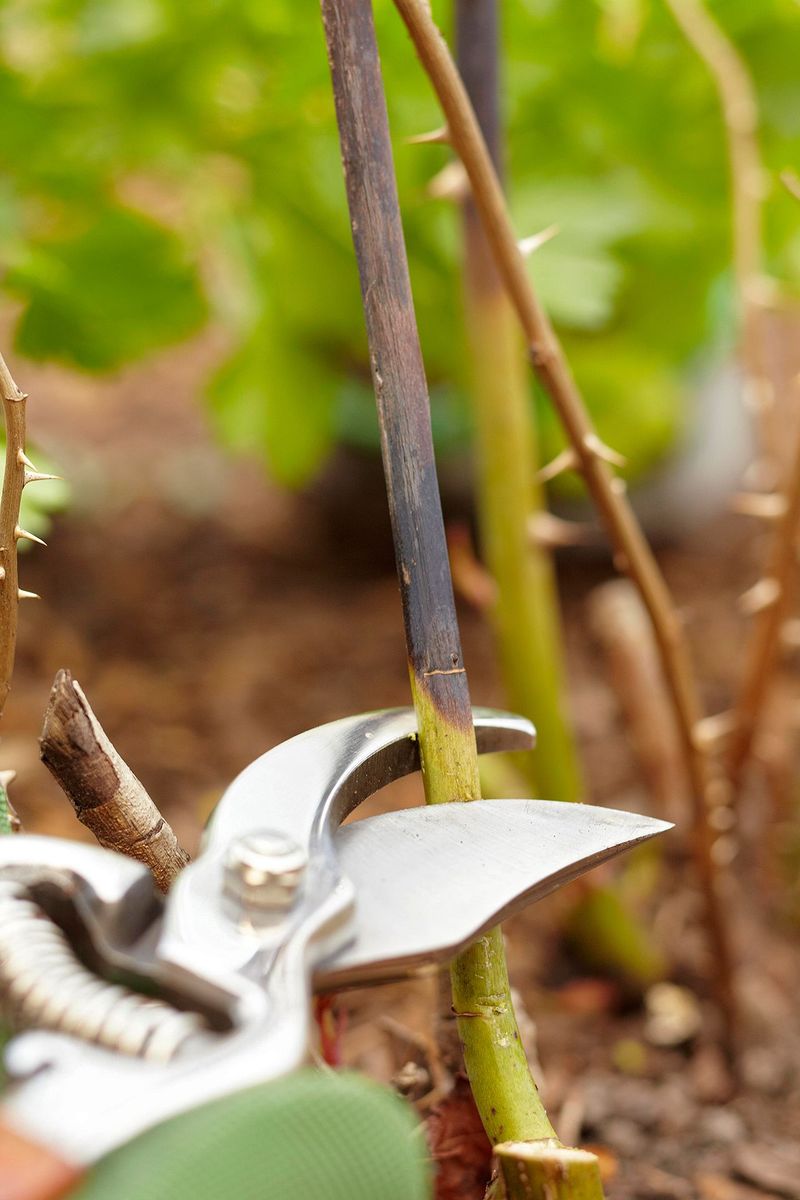
Pruning is vital for maintaining healthy rose bushes. It encourages growth, removes dead wood, and shapes the plant. Early spring is the typical pruning time, just as new growth begins. Focus on cutting at a 45-degree angle above outward-facing buds.
Remove any crossing branches to prevent disease. Regularly check for suckers at the base, as they divert energy. A well-pruned bush is less susceptible to pests and diseases. Pruning not only keeps your roses looking tidy but also promotes a more vigorous bloom. This practice is a cornerstone of rose care, ensuring longevity and beauty.
5. Water Wisely
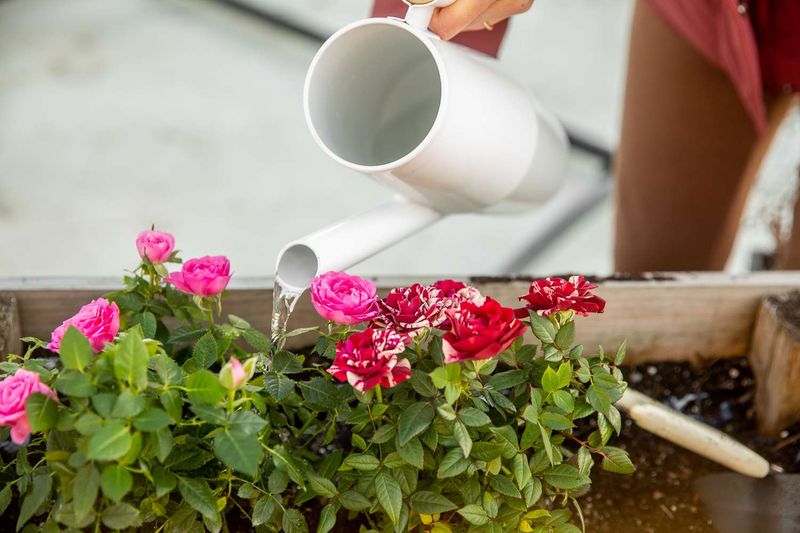
Watering roses requires a careful approach. They prefer deep, infrequent watering to encourage strong roots. Early morning is ideal, allowing leaves to dry and reducing mildew risk. Avoid overhead watering; focus on the base instead.
Mulching helps retain moisture, reducing the need for frequent watering. Adjust frequency based on weather conditions, with more during dry spells. Overwatering can lead to root rot, so monitoring soil moisture is essential. Wise watering practices not only conserve water but also ensure your roses receive optimal hydration. It’s a balance that leads to healthier, more resilient plants.
6. Fertilize for Success
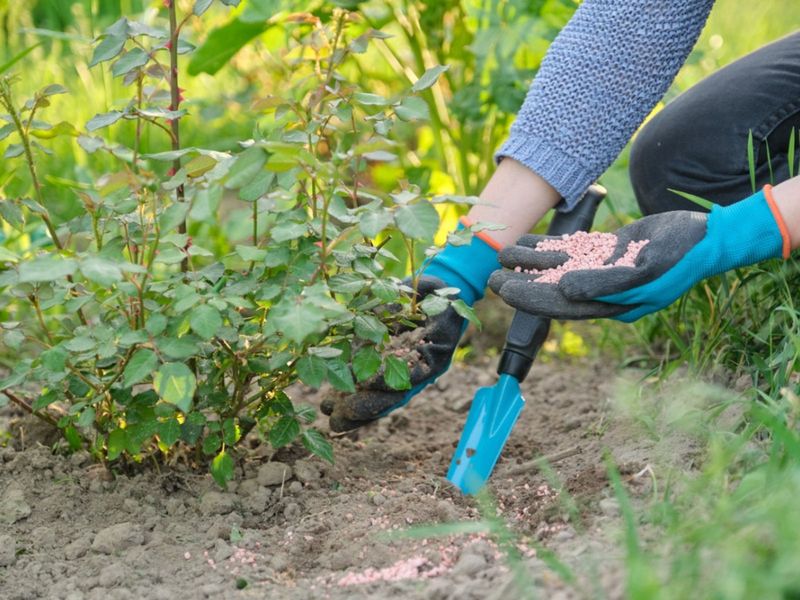
Fertilizing roses is essential for lush blooms. Use balanced fertilizers with essential nutrients like nitrogen, phosphorus, and potassium. Begin in early spring and follow up every 4-6 weeks during the growing season.
Organic options like fish emulsion or compost tea offer gentle nourishment. Always water before applying to prevent root burn. Monitoring your plants’ response helps adjust the feeding schedule. Well-fertilized roses exhibit vibrant blooms and healthy foliage. Proper nutrition is key to sustaining energy for continuous blooming. This regular care routine guarantees a garden filled with spectacular roses all season long.
7. Control Pests Naturally
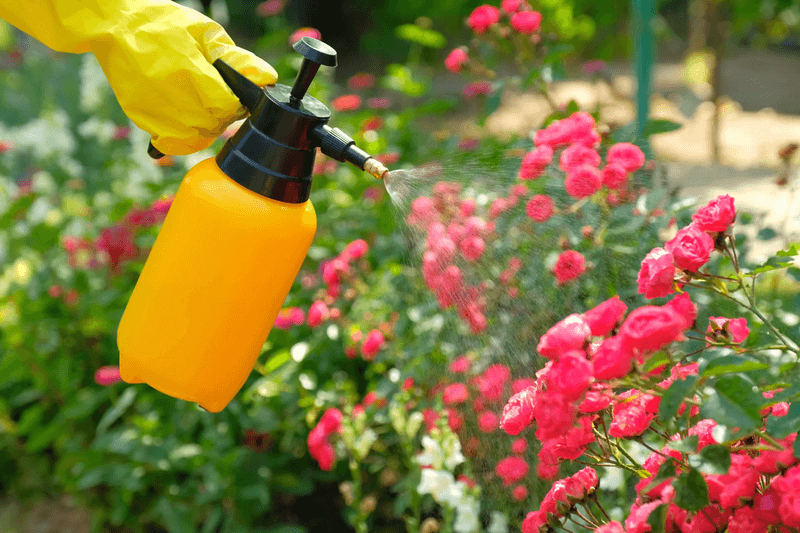
Roses can attract pests, but natural solutions offer effective control. Introduce beneficial insects like ladybugs and lacewings to keep aphids in check. Companion planting with garlic or marigolds deters harmful bugs.
Homemade sprays using neem oil or insecticidal soap provide a gentle yet effective treatment. Regular monitoring helps catch infestations early. Encouraging a balance of predator and prey keeps your garden healthy without harsh chemicals. Natural pest control supports an eco-friendly garden, ensuring blooms remain vibrant and leaves unblemished. These methods not only protect your roses but also sustain the surrounding environment.
8. Embrace Companion Planting
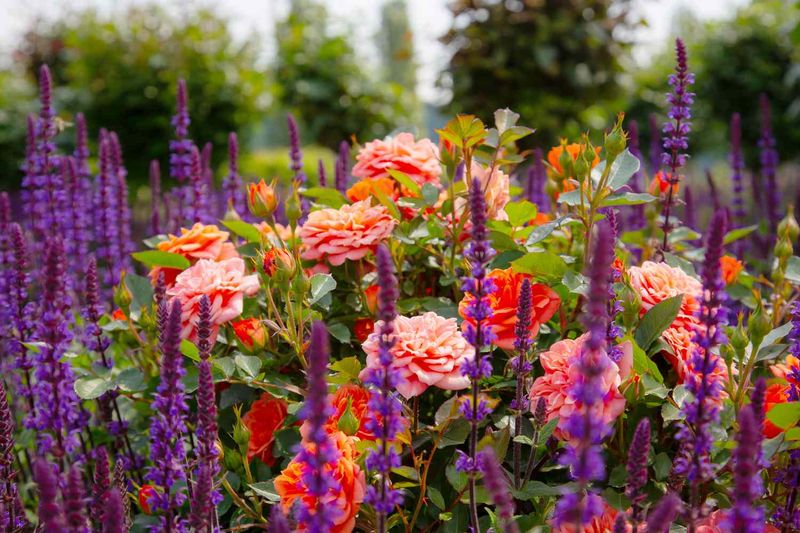
Companion planting enhances a rose garden’s health and beauty. Integrating plants like lavender or marigolds can repel pests naturally and add visual diversity. These companions attract beneficial insects, creating a balanced ecosystem.
Herbs like basil or thyme offer similar benefits and enrich the garden’s aroma. Besides pest control, companion plants improve soil health through nutrient exchange. Thoughtful pairing leads to a thriving garden where roses and their companions flourish together. Embracing this strategy provides an organic solution to common gardening challenges, enhancing both the aesthetic and the wellbeing of your rose garden.
9. Apply Mulch
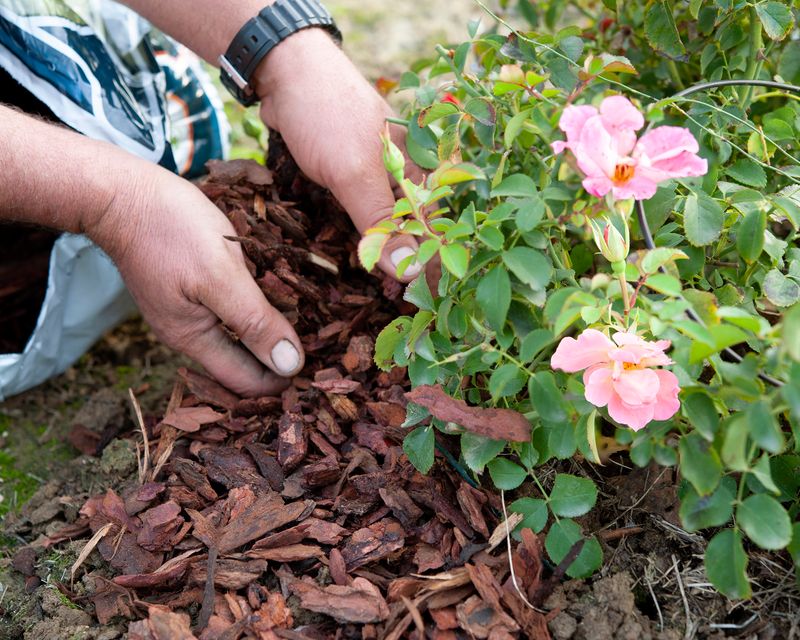
Mulching is an unsung hero in rose care. It conserves moisture, regulates soil temperature, and suppresses weeds. Organic options like wood chips or shredded leaves enrich the soil as they break down.
Apply a layer about 2-3 inches deep, keeping it away from the stems to prevent rot. Mulch creates a tidy appearance and reduces maintenance needs. It’s an investment that pays off in healthier, more resilient roses. This practice not only improves the garden’s appearance but also enhances plant vitality. Mulching is a simple yet effective way to support a thriving rose garden.
10. Protect from Harsh Weather

Weather can be unpredictable, so protection is vital. In colder climates, insulate bushes with burlap or mulch mounds before frost. Windbreaks can shield from harsh winds that damage branches.
In hot climates, provide shade during peak sun to prevent wilting. Adequate protection ensures your roses survive and thrive despite weather challenges. Anticipating these needs keeps your garden robust and blooming. Preparedness is key, allowing your roses to weather the elements gracefully. With thoughtful care, your garden remains a vibrant haven, regardless of Mother Nature’s whims.
11. Enjoy Seasonal Maintenance
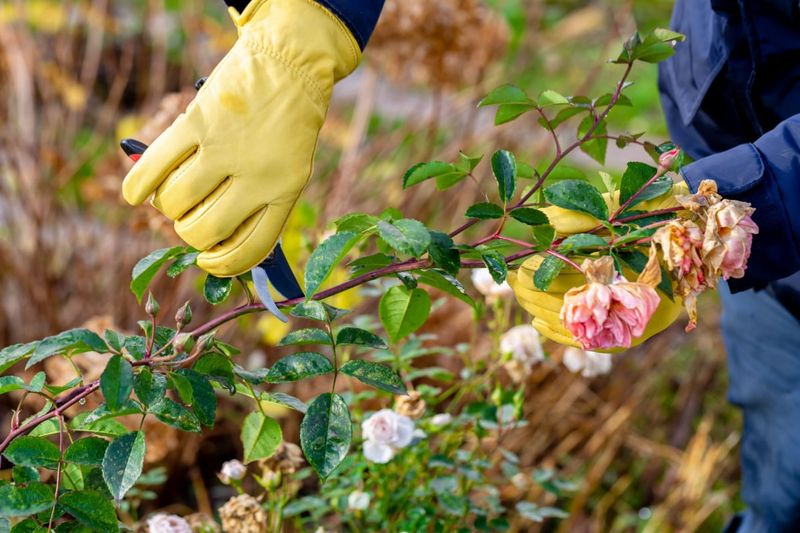
Seasonal maintenance ensures a year-round vibrant rose garden. Each season offers specific tasks: spring for planting and pruning, summer for deadheading, fall for fertilizing, and winter for protection.
Staying ahead of the calendar keeps the garden in optimal shape. Regular attention to seasonal needs minimizes surprises and maximizes blooming potential. This approach not only simplifies gardening tasks but also enhances plant health. By aligning care with seasonal cycles, your rose garden remains beautiful and thriving throughout the year, with blooms that captivate season after season.
12. Overcome Common Diseases
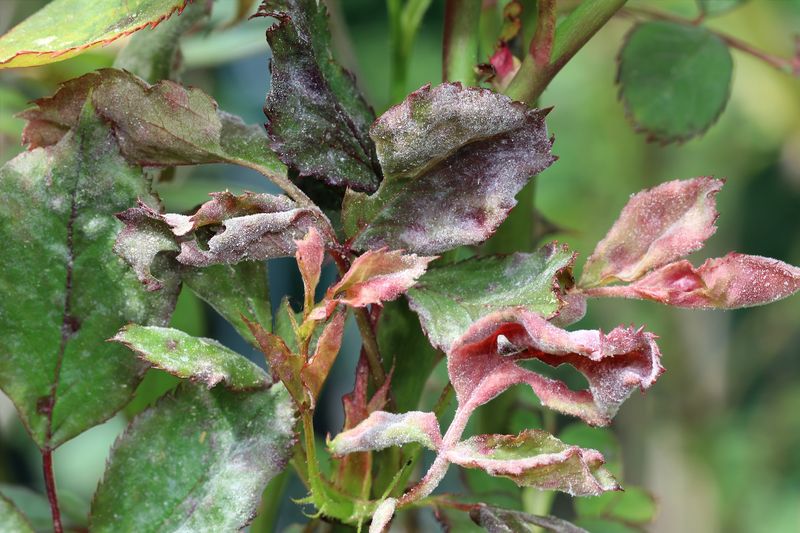
Roses are prone to diseases, but understanding symptoms aids in prevention. Black spot, powdery mildew, and rust are common issues. Choose resistant varieties and ensure proper spacing for air circulation.
Organic fungicides like sulfur or copper sprays offer protection. Regular inspection and prompt action deter disease spread. A vigilant approach keeps your garden healthy and thriving. Knowledge of diseases and proactive measures lead to a resilient garden. Overcoming these challenges strengthens your rose garden’s vitality, ensuring blooms remain unaffected by common threats.
13. Incorporate Diverse Colors
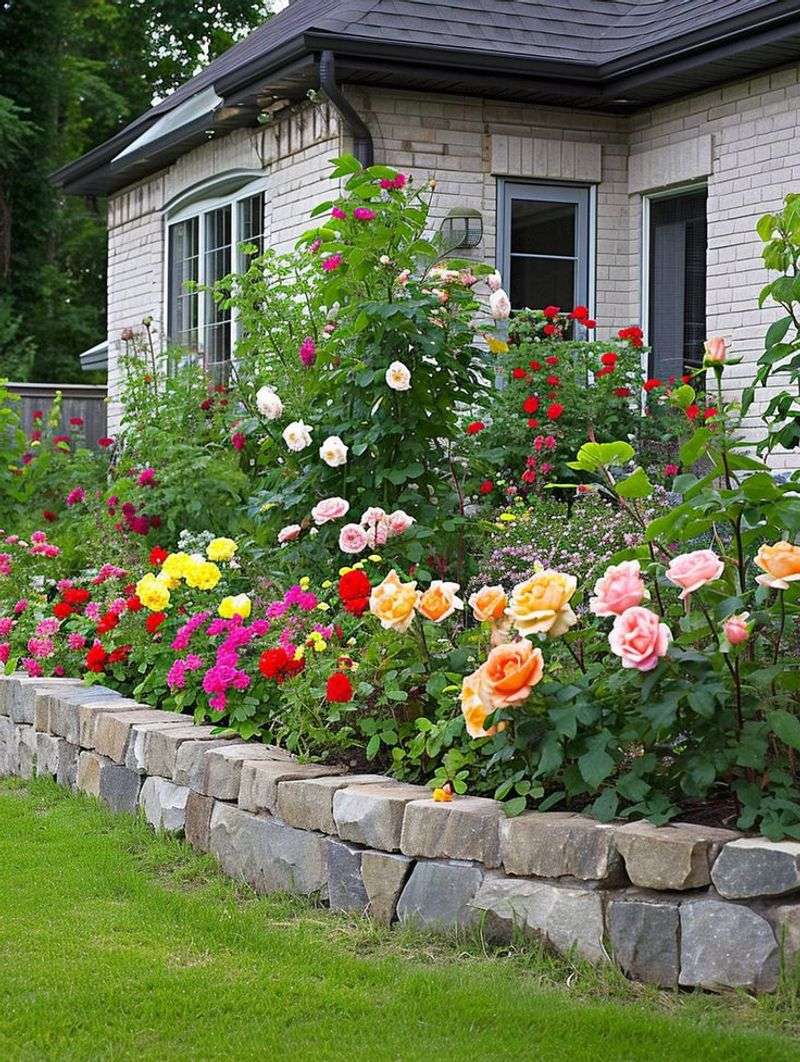
A garden of varied colors captivates the eye and soul. Mix hues like deep reds, cheerful yellows, and serene whites for visual delight. Color diversity attracts pollinators, enriching the ecosystem.
Consider planting in color blocks or mixing for a kaleidoscope effect. This enhances the garden’s aesthetic appeal and supports biodiversity. Thoughtful color selection elevates your garden’s beauty and ambiance. A vibrant palette not only pleases visually but also creates a lively, engaging space. Celebrating color diversity adds a unique charm to your rose garden, making it a true feast for the senses.
14. Implement a Water Feature
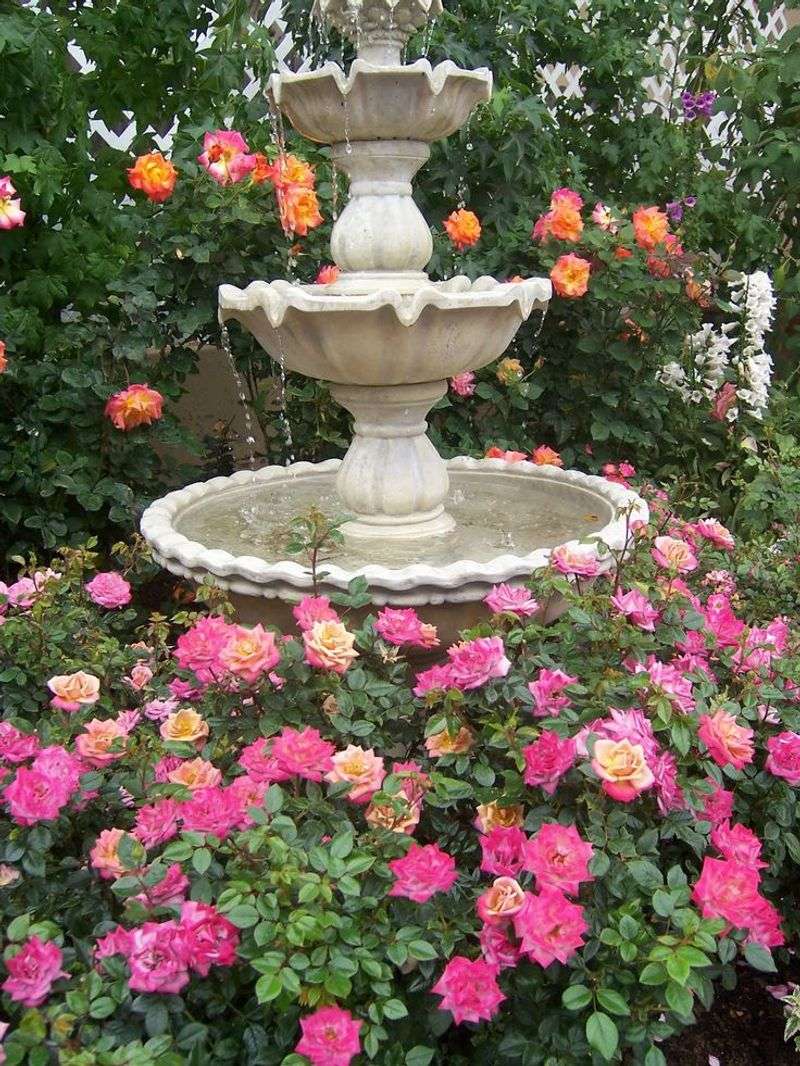
Adding a water feature enhances tranquility and charm. Fountains or small ponds create soothing sounds, attracting birds and beneficial insects. Position it as a focal point amidst your roses for maximum impact.
The gentle sound of water complements the garden’s beauty, creating a serene escape. Water features also increase humidity, benefiting the roses’ growth. This addition not only elevates the garden’s atmosphere but also encourages wildlife. Implementing a water feature enriches the sensory experience, transforming your rose garden into a peaceful haven.
15. Create Inviting Paths
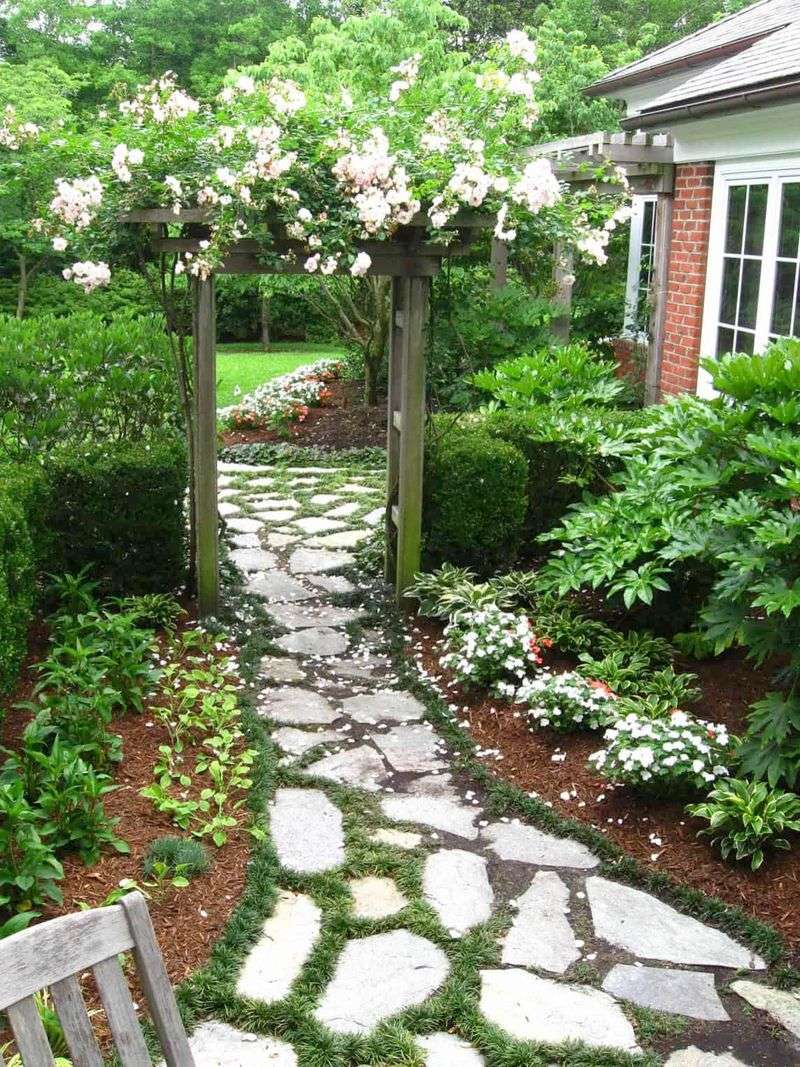
Paths invite exploration and bring structure to a garden. Use stepping stones or gravel for texture and accessibility. Curved paths lead to discovery, enhancing the garden’s mystery and charm.
Paths provide access for care tasks like watering and pruning. They also divide the garden into sections, allowing for themed plantings. Well-designed paths are both practical and aesthetically pleasing. Creating inviting paths transforms a rose garden into a journey, each turn revealing new beauty. It’s a thoughtful way to blend function with the garden’s enchanting allure.
16. Encourage Continuous Blooming
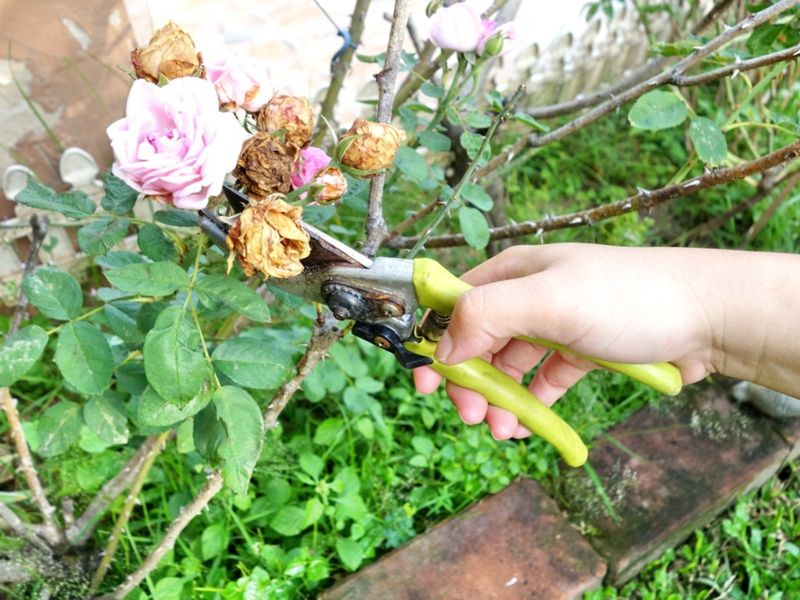
Deadheading ensures continuous blooming, keeping roses vibrant. Remove spent blooms to direct energy back to budding flowers. Regularly check bushes and cut just above a five-leaflet leaf.
Feeding and watering also play roles in sustained blooms. Consistent care results in a garden that flourishes tirelessly. Encouraging constant flowering means more color and joy throughout the season. This practice turns your garden into an ever-blooming wonderland, full of life and beauty. With dedication, your roses reward you with a continuous display of breathtaking blooms.
17. Implement Artistic Trellises
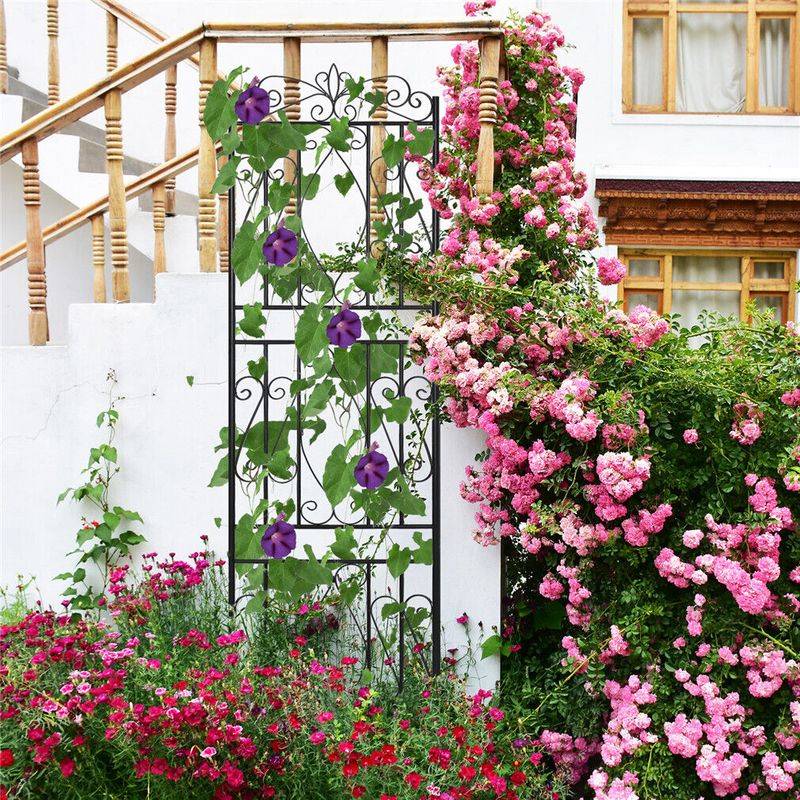
Transform your rose garden into a masterpiece with artistic trellises. These structures not only support climbing roses but also add a sculptural element to your space. Imagine delicate vines winding around intricately designed metal or wooden frameworks.
Choose trellises that reflect your personal style, be it modern minimalism or classic elegance. The interplay of shadows and light through the lattice creates a captivating display at different times of the day.
Did you know? Trellises date back to ancient Egypt, where they were used to cultivate grapevines. Incorporate this timeless technique to bring history and beauty together.