 Complete Gardening
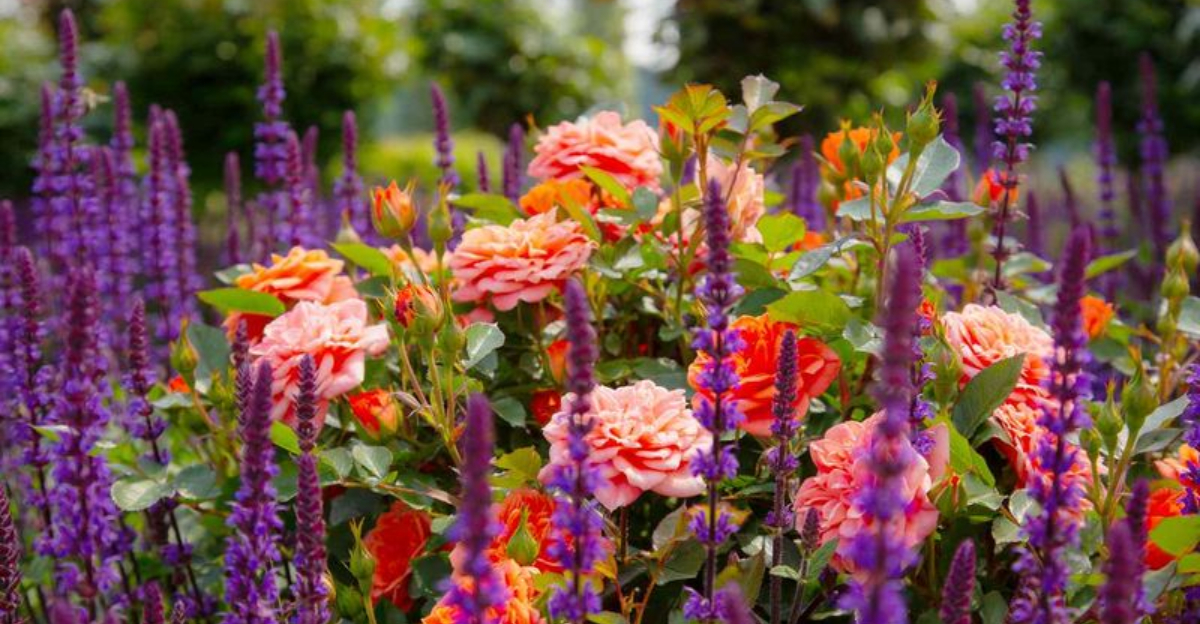
Companion planting is a fascinating gardening technique where different plants are grown together for mutual benefits. While some combinations are well-known, there are many unusual pairs that can lead to thriving gardens. These combinations can improve growth, repel pests, and create a beautiful garden tapestry. Discover 17 unusual companion planting combinations that are sure to surprise and inspire.
1. Tomatoes and Basil
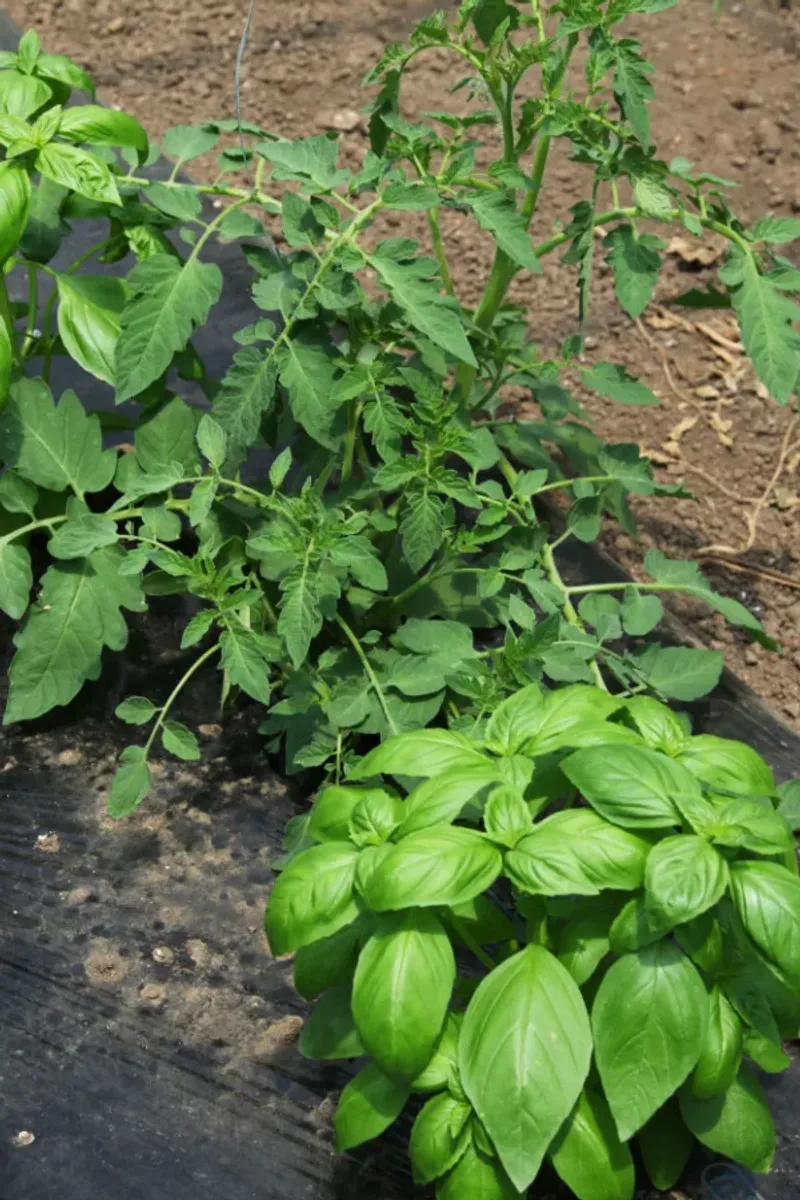
Tomatoes and basil are more than culinary partners; they’re a perfect garden duo. Planting these two together can enhance the flavor of tomatoes while keeping pests like aphids at bay. Basil’s aromatic oils act as a natural insect repellent.
This combo also makes efficient use of space, as basil’s low-growing nature complements the taller tomato plants. In addition, the vibrant green of basil juxtaposed with red, ripe tomatoes creates visual appeal in any garden setting. It’s a pairing that satisfies both the eyes and the palate.
Try this duo for a harmonious garden experience.
2. Carrots and Onions
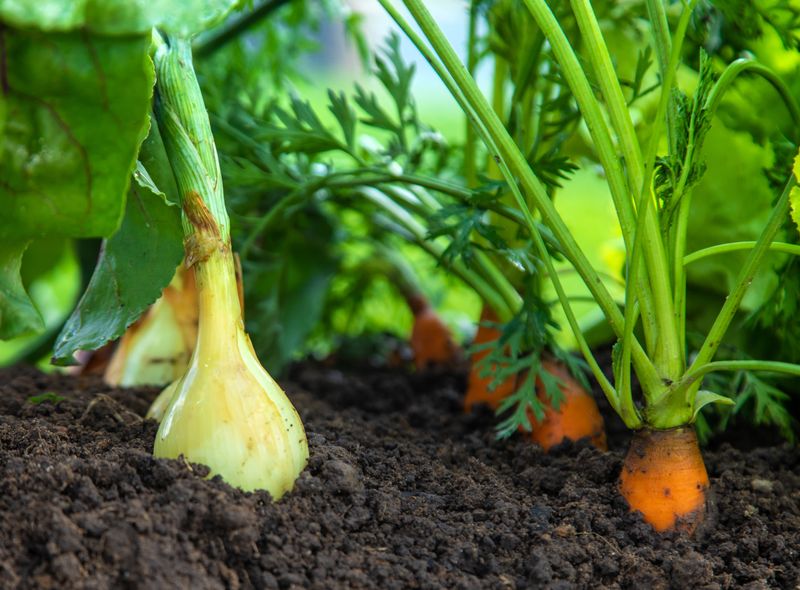
Carrots and onions, a dynamic underground duo, work wonders together. Onions emit a pungent smell that deters carrot flies, while carrots help aerate the soil for onion bulbs. This symbiotic relationship promotes healthy growth for both plants.
Carrots’ feathery leaves and onions’ straight, green shoots provide an interesting contrast above ground. This combination maximizes garden space by alternating between root depths.
Together, they form a natural pest control system, ensuring a bountiful harvest. Gardeners seeking to optimize space and yield will find this pairing both practical and rewarding.
3. Marigolds and Cabbage
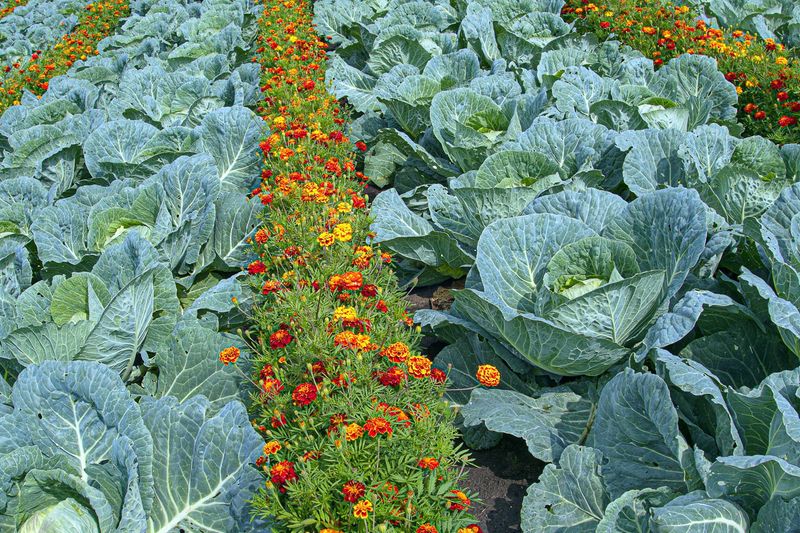
Marigolds and cabbage are an unexpected yet effective pair in the garden. Known for their bright, cheerful flowers, marigolds release chemicals that repel nematodes, protecting the cabbage roots.
This partnership not only enhances cabbage growth but also adds a splash of color to the vegetable patch. The marigold’s sunny blooms contrast beautifully with the deep green cabbage leaves, making it visually striking.
Gardeners looking for natural pest solutions and aesthetic appeal will appreciate this vibrant duo.
4. Corn and Beans
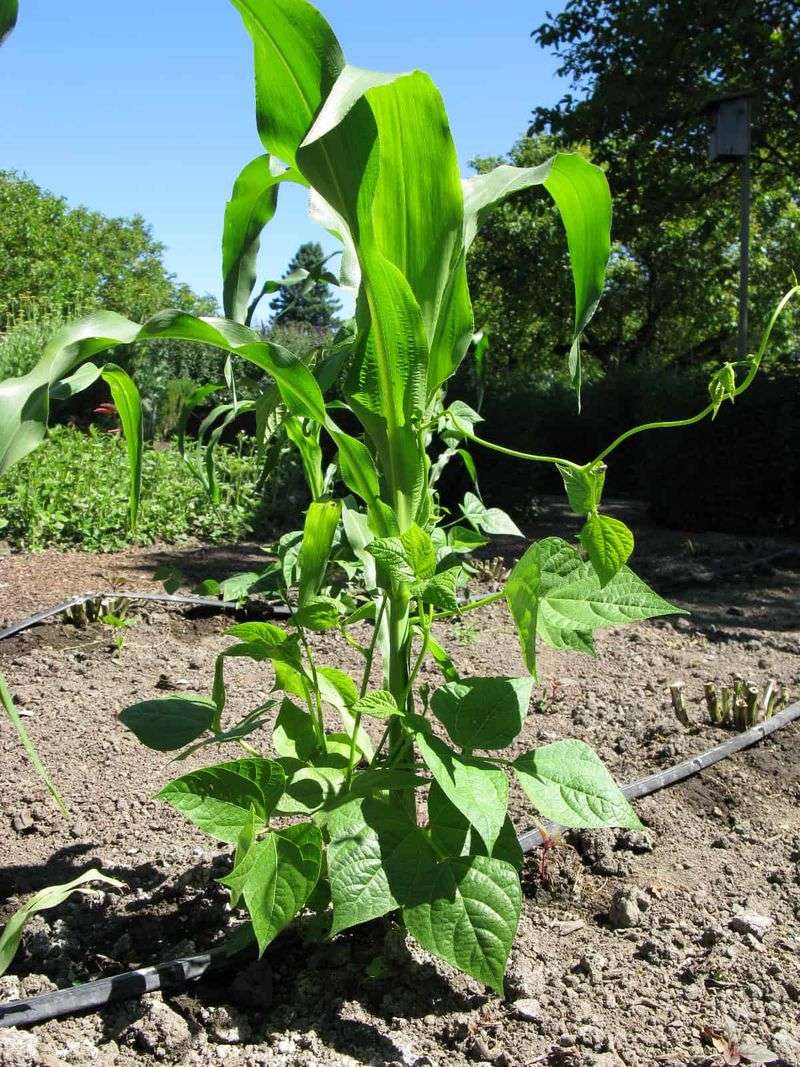
In the world of gardening, corn and beans are a legendary pair. Beans climb up the sturdy corn stalks, while fixing nitrogen in the soil to benefit the corn.
This symbiosis leads to healthier plants and better yields. The corn provides support, and the beans enrich the soil, creating a harmonious environment.
This age-old pairing is a testament to the wisdom of traditional gardening practices. It’s a classic combination that brings both beauty and bounty to any garden.
5. Radishes and Cucumbers
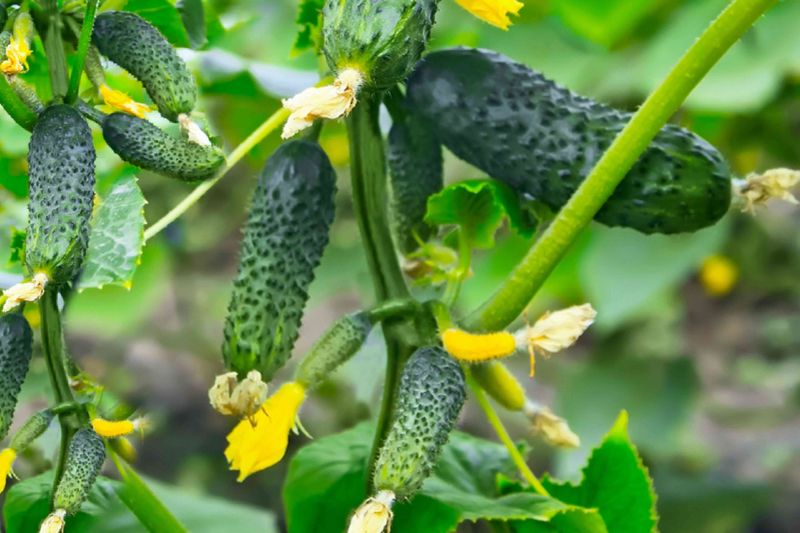
Radishes and cucumbers, though seemingly unlikely partners, create a thriving garden environment. Radishes mature quickly, breaking up the soil for cucumbers to spread their roots.
As radishes protect cucumbers from beetles and other pests, this duo ensures a healthy growth cycle. Their differing growth habits maximize garden space, with radishes being harvested early to make room for sprawling cucumbers.
This combination offers a practical solution for gardeners looking for efficient use of space and natural pest control.
6. Beets and Lettuce
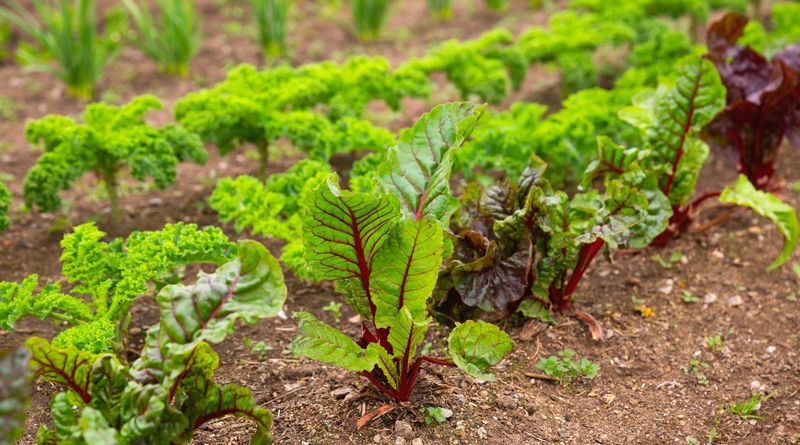
Beets and lettuce make a perfect pair in the garden. Beets’ deep roots aerate the soil, allowing lettuce to thrive above ground. This combination enhances nutrient uptake and supports vigorous growth for both plants.
The vibrant red of beet stems contrasts beautifully with the lush green of lettuce leaves. This pairing not only optimizes space but also brings a burst of color to the garden.
Gardeners who appreciate both aesthetics and functionality will find this combination rewarding.
7. Lavender and Rose
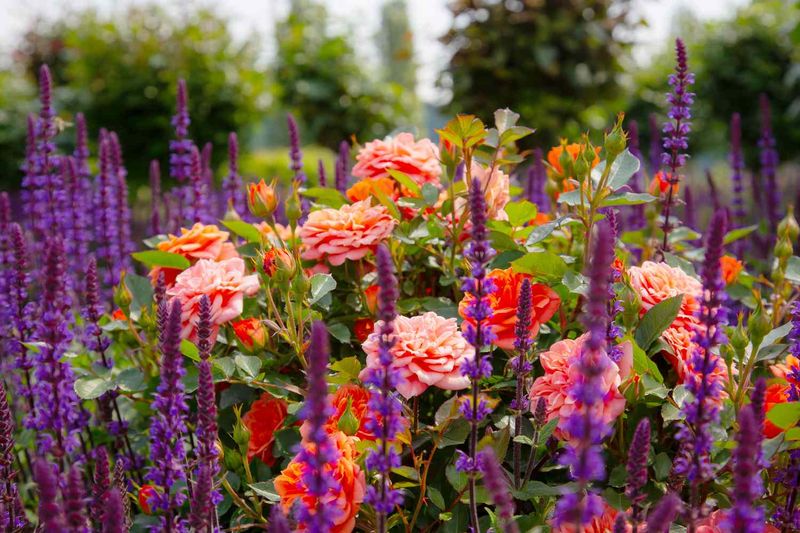
Lavender and roses, a match made in sensory heaven, form a fragrant garden duo. Lavender’s soothing scent and insect-repelling properties protect roses from pests and disease.
This partnership enhances the health and beauty of rose bushes, while lavender adds a calming aroma to the garden. The purple hues of lavender complement the diverse colors of rose blooms, creating a visual symphony.
For gardeners seeking a sensory delight, this combination offers both fragrance and beauty.
8. Garlic and Roses
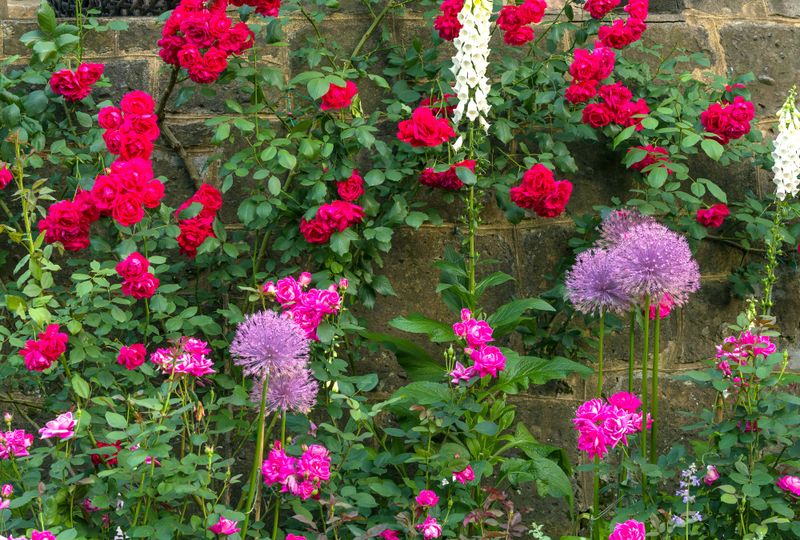
Garlic and roses, an unlikely yet effective pair, bring out the best in each other. Garlic’s strong aroma wards off aphids and other pests that threaten roses, promoting healthy blooms.
This combination not only protects roses but also enriches the air with a unique fragrance. The sturdy, green garlic stems provide structural contrast to the delicate rose petals.
For garden enthusiasts, this duo offers a perfect blend of utility and beauty, fostering a robust and visually appealing garden.
9. Spinach and Strawberries
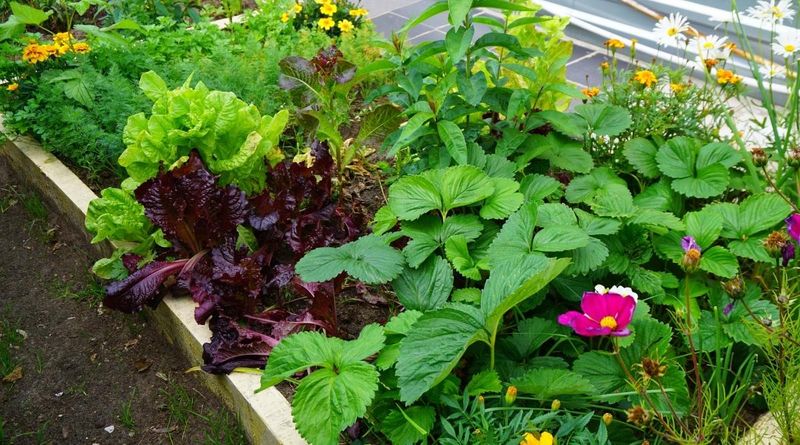
Spinach and strawberries may seem like an odd couple, but together, they create a thriving garden environment. Spinach provides ground cover, retaining moisture for strawberries during hot days.
In return, strawberries provide shade, keeping spinach cool and prolonging its growing season. This mutualistic relationship enhances growth and yields for both plants.
The vivid green of spinach paired with the red of strawberries offers a visual treat, making this combination a feast for the eyes and the palate.
10. Sunflowers and Cucumbers
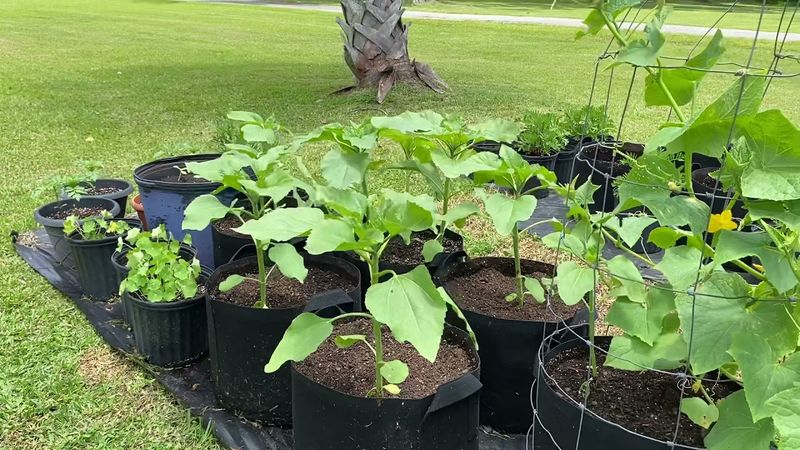
Sunflowers and cucumbers, towering companions, make a striking garden pair. Sunflowers offer natural shade and support for cucumber vines, creating a cool microclimate.
This combination helps cucumbers thrive while showcasing the sunflowers’ majestic beauty. The towering presence of sunflowers adds vertical interest, while cucumbers benefit from the protection against harsh sunlight.
Gardeners seeking to maximize space and beauty will find this partnership both practical and visually rewarding.
11. Nasturtiums and Squash
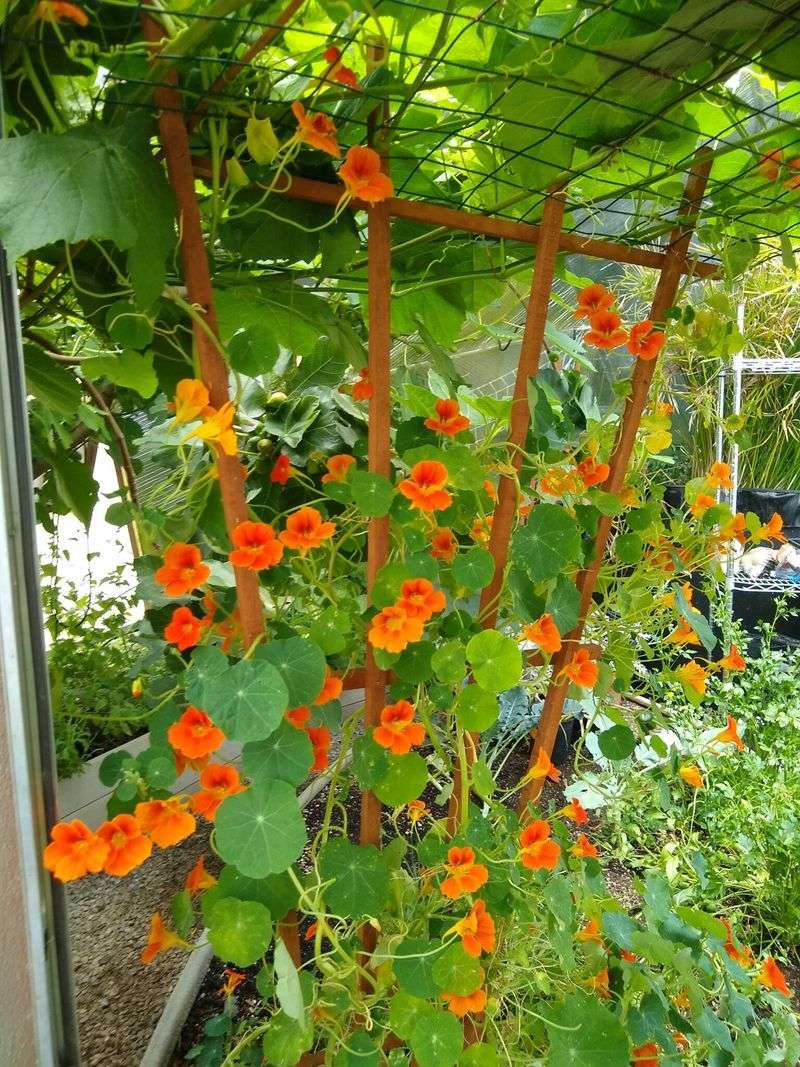
Nasturtiums and squash, a vibrant garden duo, work together to enhance growth and deter pests. Nasturtiums attract beneficial insects and repel squash pests, reducing the need for chemical interventions.
This combination not only protects squash but also adds a splash of color with nasturtiums’ bright blooms. The trailing vines of nasturtiums fill in gaps between squash plants, optimizing space and creating a lush garden tapestry.
For gardeners looking for a lively and productive garden, this pairing offers both beauty and utility.
12. Peas and Mint
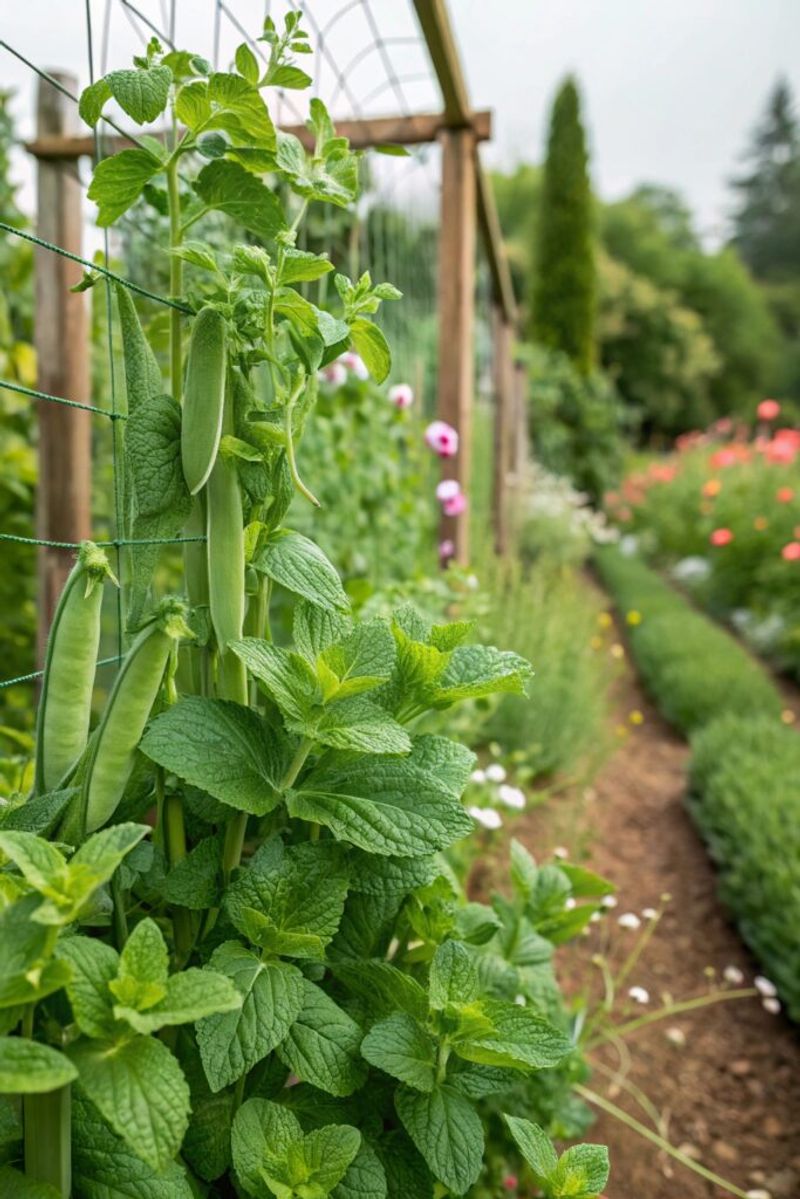
Peas and mint, although unusual companions, thrive together in harmony. Peas climb trellises, leaving room for mint to spread below, creating an efficient use of vertical space.
Mint’s strong aroma deters pests, protecting tender pea shoots. This combination enhances growth and yields, making it a gardener’s delight. The fresh scent of mint paired with the delicate pea blossoms provides a sensory treat.
Gardeners seeking to maximize space and enjoy a fragrant garden will find this duo both practical and rewarding.
13. Asparagus and Parsley
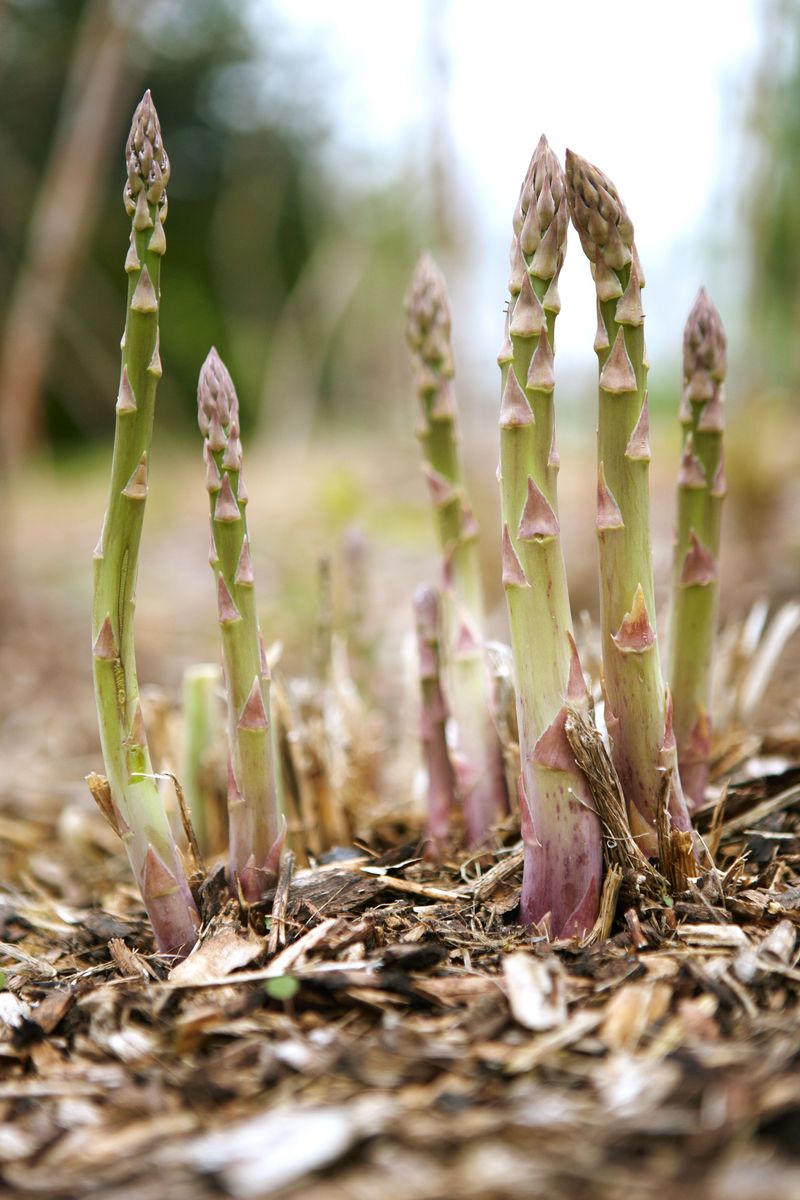
Asparagus and parsley, a harmonious garden pair, support each other’s growth. Asparagus provides natural shade for parsley, preventing it from wilting in the sun.
In return, parsley attracts beneficial insects that protect asparagus from pests. This symbiotic relationship promotes healthy and vigorous growth for both plants.
The feathery foliage of asparagus contrasts with the lush green of parsley, adding visual interest to the garden. Gardeners seeking a productive and visually appealing garden will appreciate this combination.
14. Borage and Tomatoes
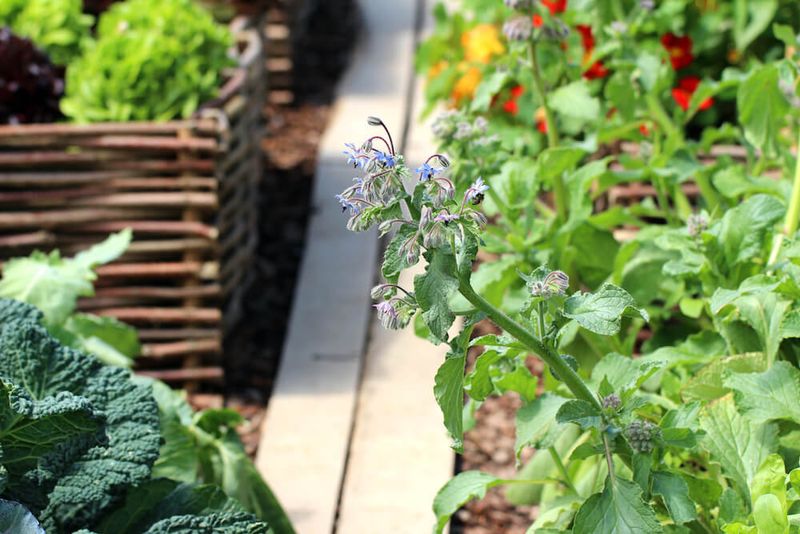
Borage and tomatoes, a surprising yet beneficial pair, enhance each other’s growth. Borage attracts pollinators and deters tomato pests, promoting healthier plants.
This partnership not only protects tomatoes but also improves their flavor. The star-shaped blue flowers of borage add a touch of whimsy to the garden, contrasting with the lush green tomato foliage.
Gardeners seeking a productive and visually interesting garden will find this combination both delightful and rewarding.
15. Cabbage and Dill
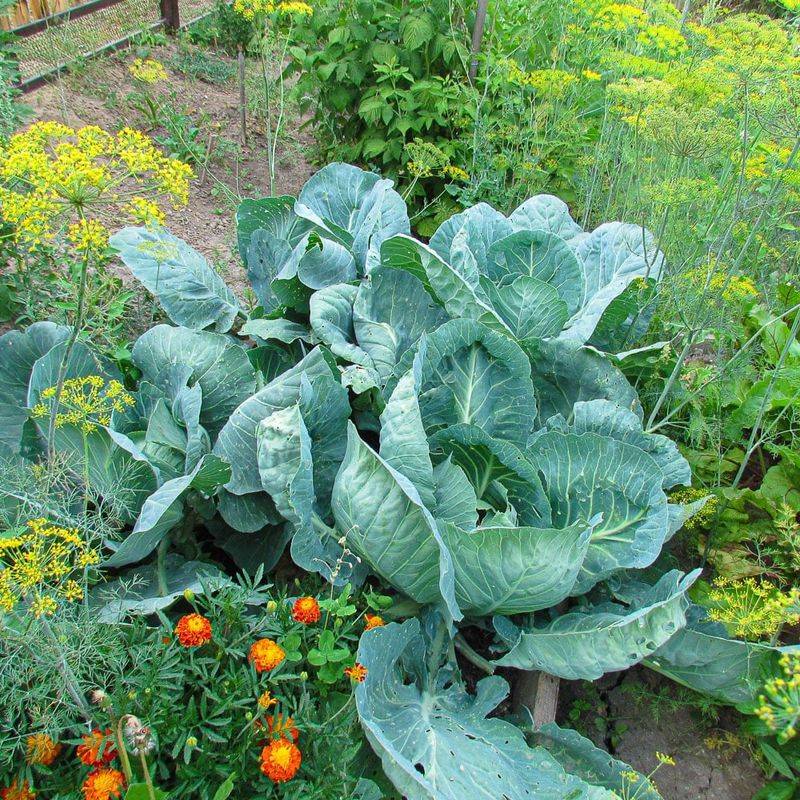
Cabbage and dill, an aromatic garden duo, create a harmonious growing environment. Dill attracts beneficial insects that prey on cabbage pests, protecting the cabbage heads.
This combination enhances growth and reduces the need for chemical interventions. Dill’s feathery foliage provides a delicate contrast to the sturdy cabbage leaves, adding visual appeal.
For gardeners seeking a natural pest control solution and a visually delightful garden, this pairing offers both functionality and beauty.
16. Chives and Carrots
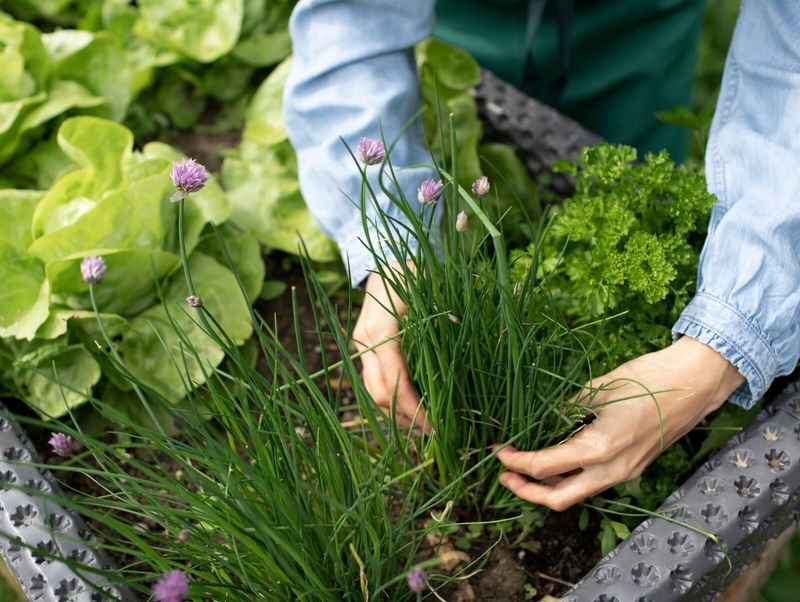
Chives and carrots, a flavorful garden pair, support each other’s growth and deter pests. Chives’ strong scent repels carrot flies, protecting the delicate carrot roots.
This combination not only enhances growth but also adds flavor to the garden. The slender, green chive stems contrast with the feathery carrot leaves, creating a textured garden landscape.
Gardeners seeking a practical and aromatic garden will find this duo both effective and visually pleasing.
17. Zucchini and Oregano
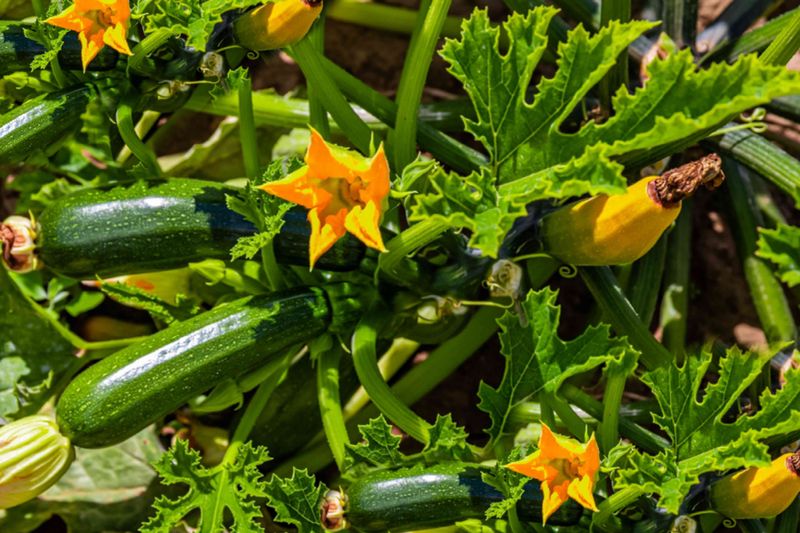
Zucchini and oregano, an unusual yet effective pair, enhance garden productivity. Oregano deters pests, protecting zucchini plants from common threats.
This combination promotes healthy growth and reduces the need for chemical pest control. The sprawling zucchini leaves contrast with the compact oregano foliage, adding diversity to the garden.
Gardeners seeking to optimize space and enjoy a productive garden will find this pairing both practical and rewarding.