
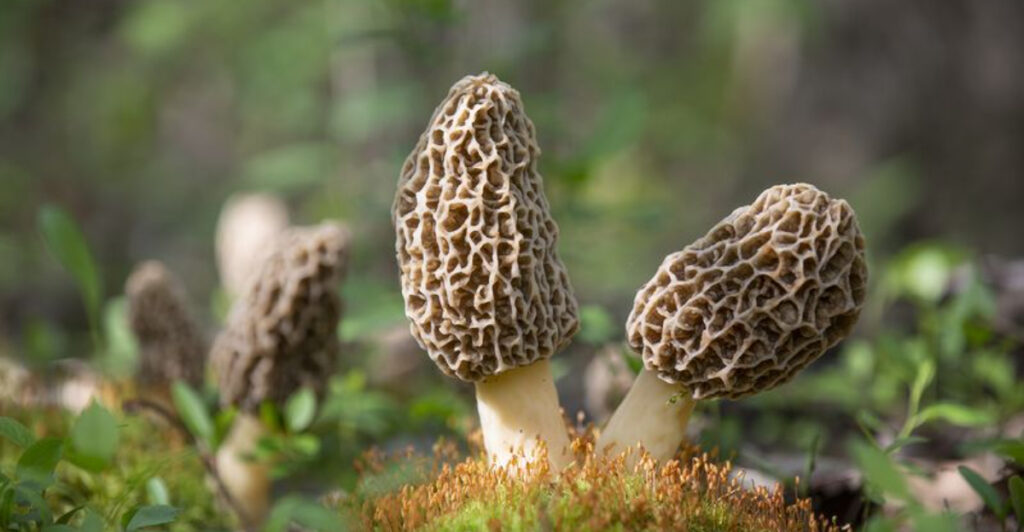
In recent years, a new trend has emerged among gardeners: the use of soil-transforming fungi as an alternative to traditional fertilizers. These remarkable fungi not only enhance soil quality but also support plant health and growth in diverse ways. From improving nutrient absorption to boosting disease resistance, these fungi are revolutionizing gardening practices. This blog post explores 13 fungi that are transforming gardens worldwide, each with its unique benefits and applications.
1. Mycorrhizal Fungi (Glomus spp.)
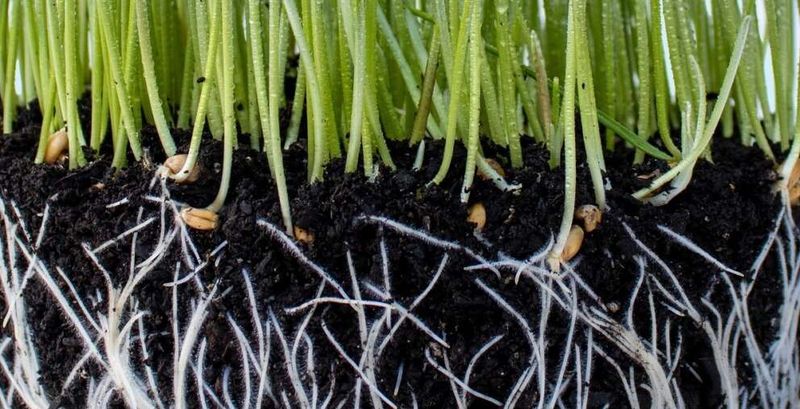
Mycorrhizal fungi form such networks, engaging in a symbiotic relationship with plant roots. They enhance nutrient and water absorption by up to 700%, providing a substantial boost to plant vitality. This natural alliance is particularly beneficial for tomatoes, peppers, and fruit trees, which flourish under their care. In the world of gardening, few partnerships rival the efficiency of mycorrhizal fungi. Their presence often leads to healthier, more resilient plants, transforming even ordinary gardens into flourishing ecosystems.
2. Trichoderma (Trichoderma harzianum)

Trichoderma harzianum is like a vigilant guardian, protecting plants from the shadows. Known for its ability to combat root diseases, this fungus also excels in breaking down organic matter and stimulating plant growth. Seedlings and plants prone to damping-off or root rot benefit enormously from its presence. By improving soil health and enhancing growth conditions, Trichoderma harzianum fosters an environment where young plants can thrive. Its protective nature ensures that gardens flourish, producing robust and resilient crops even in challenging conditions.
3. Wine Cap Mushrooms (Stropharia rugosoannulata)
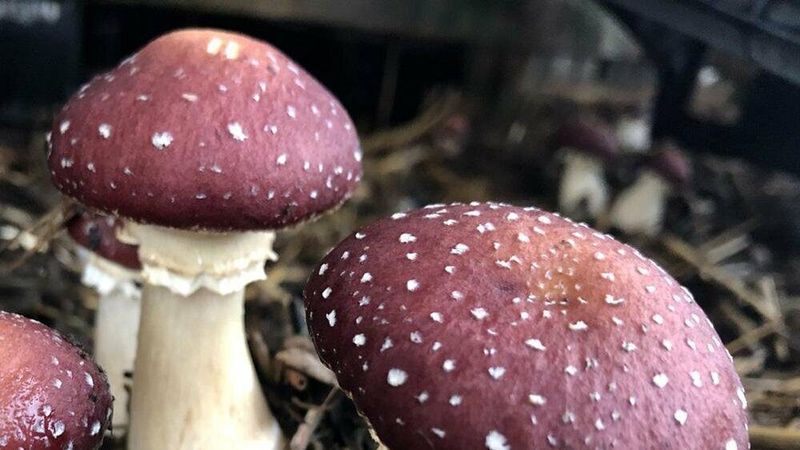
Wine Cap Mushrooms are the hidden composters of the garden. They work behind the scenes, accelerating the decomposition process of organic matter, all while producing delicious edible mushrooms. Ideal for no-till gardens and permaculture systems, Stropharia rugosoannulata enriches the soil with nutrients as it grows. This dual benefit of soil enhancement and mushroom production makes it a favorite among sustainable gardeners. The sight of these large, burgundy-colored caps poking through the soil is a testament to the transformative power of Wine Cap Mushrooms.
4. Oyster Mushrooms (Pleurotus spp.)
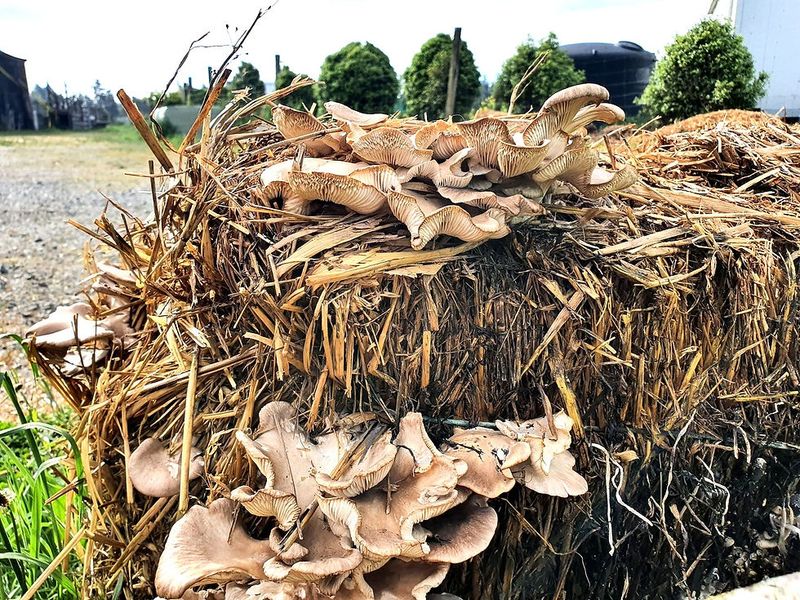
Oyster Mushrooms are nature’s recyclers, known for their ability to break down tough materials like straw and wood chips into rich, fertile soil. In sheet mulching and regenerative gardening practices, they play a crucial role by turning organic waste into valuable nutrients. The transformation they enable is both practical and magical, providing essential support for new plantings. Their elegant, wavy caps add a touch of beauty to gardens, while their soil-enhancing capabilities ensure sustained growth and vitality for surrounding plants.
5. Chaga (Inonotus obliquus)
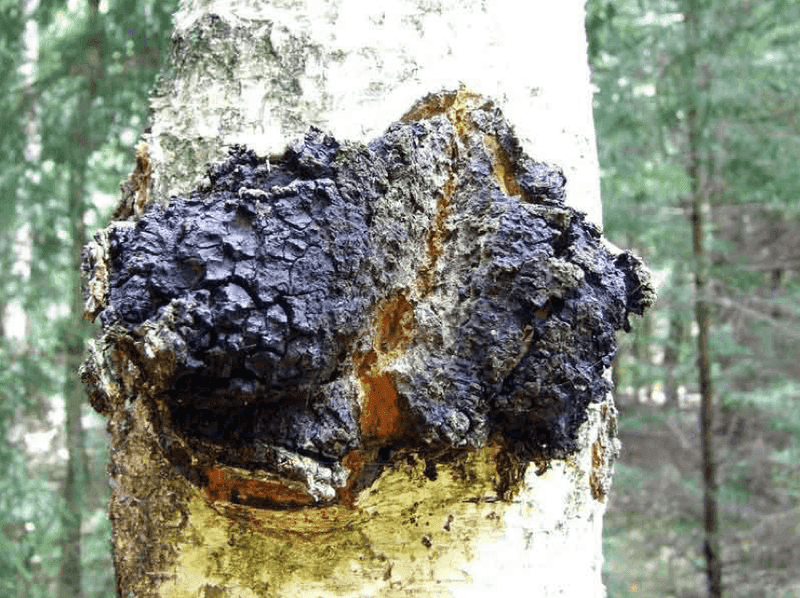
Chaga, often celebrated for its medicinal properties, also plays a vital role in the garden. It boosts soil immunity with its powerful antimicrobial compounds, offering protection against harmful fungal pathogens. This makes Chaga an invaluable ally for organic gardeners facing persistent soil health challenges. Its unique presence on birch trees and in the garden underscores its resilience and adaptability. With Chaga’s support, gardens not only survive but thrive, cultivating an environment where plants grow strong and disease-free.
6. King Stropharia (Stropharia aeruginosa)
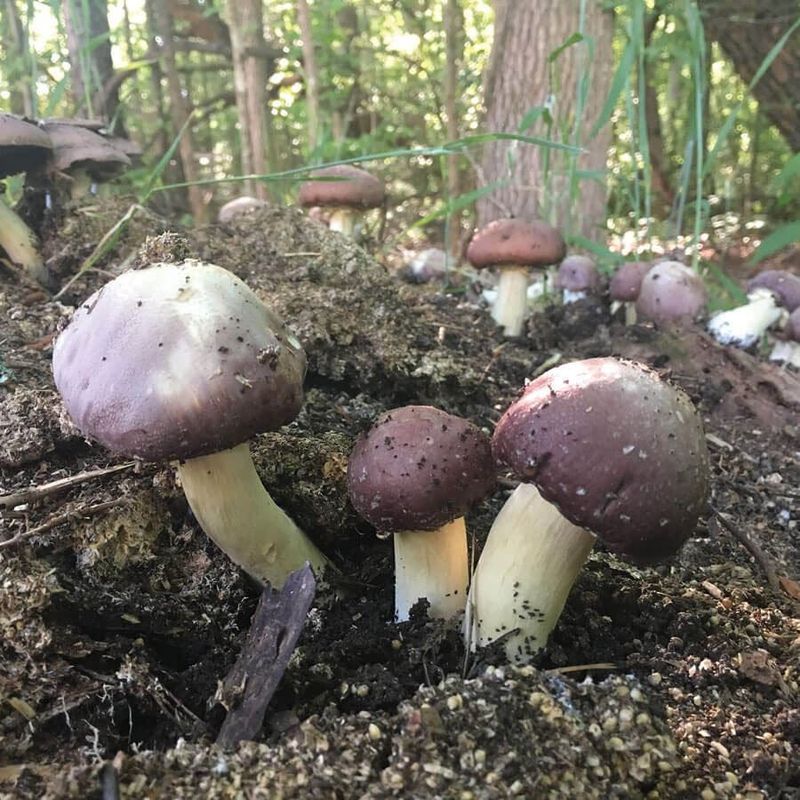
King Stropharia, with its striking blue-green cap, is a standout in any garden. Thriving in wood chips, it creates a living mulch that effectively suppresses weeds and enriches the soil. Ideal for pathways and orchard floors, Stropharia aeruginosa transforms garden spaces with its vibrant presence. This fungus not only beautifies but also enhances the health and vitality of the garden ecosystem. Its ability to coexist with and support plant life makes it a valuable addition to any gardener’s toolkit, providing both aesthetic and practical benefits.
7. Turkey Tail (Trametes versicolor)
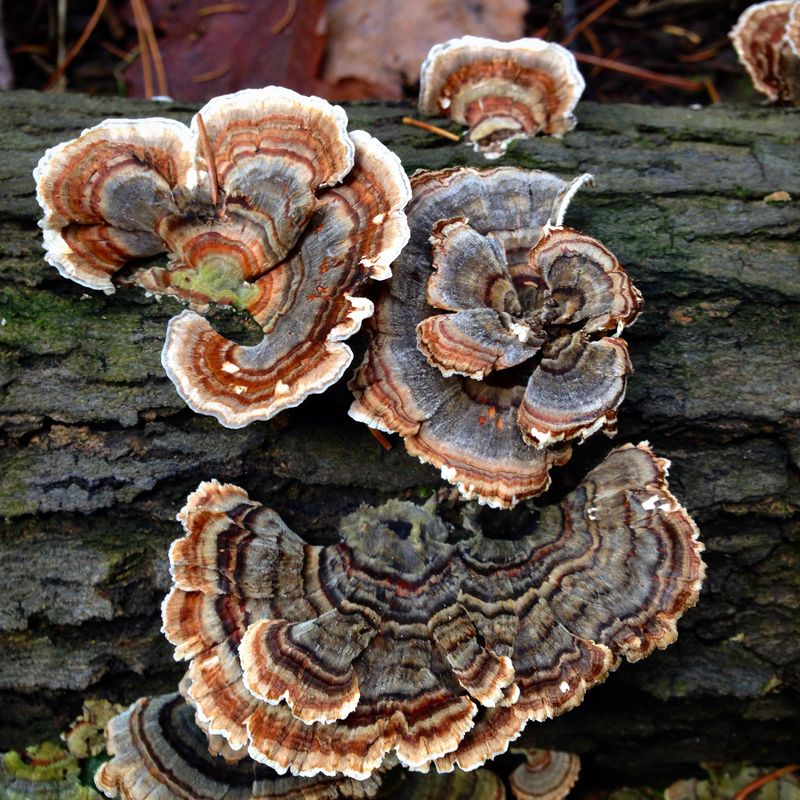
Turkey Tail mushrooms, with their colorful, fan-shaped caps, are nature’s artists, turning dead wood into a canvas of life. By decomposing woody debris, they enrich the soil with essential minerals, fostering a thriving environment for plant growth. Forest gardens and woody compost piles benefit greatly from their presence, as they enhance soil fertility and biodiversity. These mushrooms’ vibrant colors and shapes add visual interest to gardens, while their soil-enhancing actions ensure sustained ecological health and vitality.
8. Shiitake (Lentinula edodes)
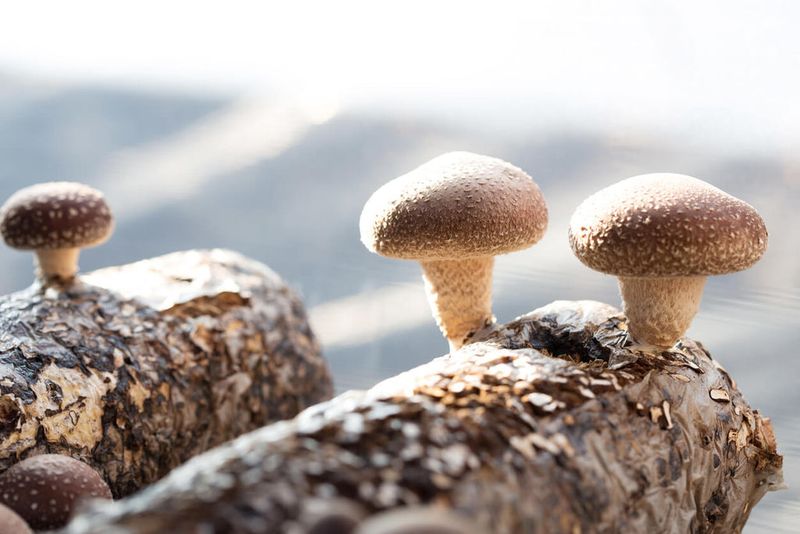
Shiitake mushrooms, renowned for their culinary appeal, also offer substantial benefits to garden ecosystems. By breaking down lignin in wood, they improve soil structure and nutrient availability. This capability makes them perfect for agroforestry and mushroom-growing gardens, where their soil-enriching actions support diverse plant life. Shiitake’s contribution to soil health goes beyond mere decomposition; they foster an environment where plants can thrive. Their presence in the garden signifies a commitment to sustainability and ecological balance, turning challenges into opportunities for growth.
9. Reishi (Ganoderma lucidum)
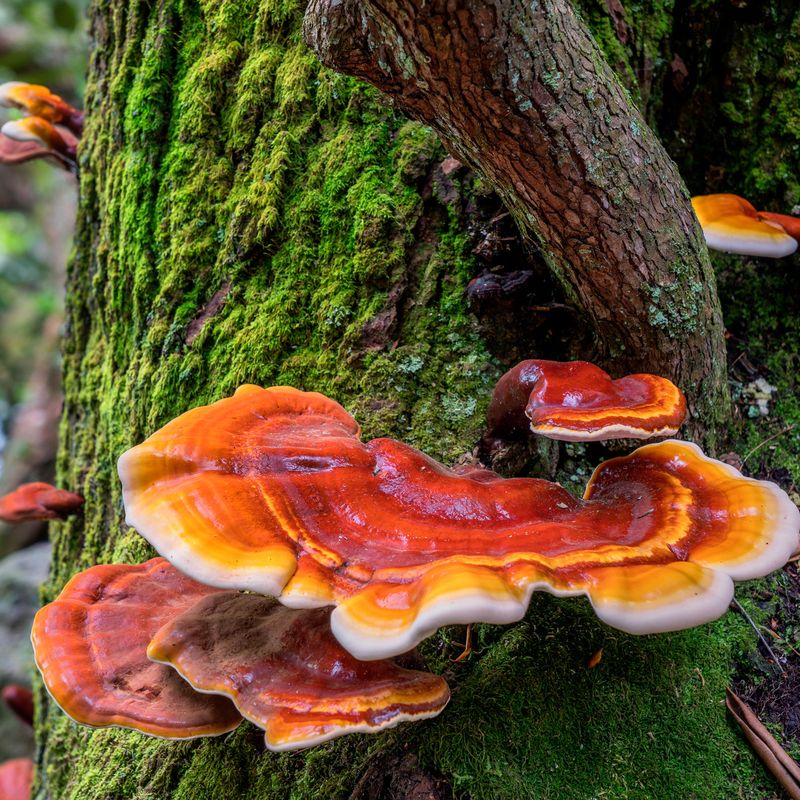
Reishi mushrooms, often called the “mushroom of immortality,” bring a touch of ancient wisdom to modern gardens. They enhance soil biodiversity and combat harmful microbes, fostering an environment where medicinal herbs and stressed soils can flourish. Their reddish-brown, kidney-shaped caps add a unique aesthetic to gardens, while their health-boosting properties support a thriving ecosystem. In gardens where resilience and vitality are priorities, Reishi stands out as a natural ally, offering both beauty and functional benefits to the soil and plants alike.
10. Porcini (Boletus edulis)
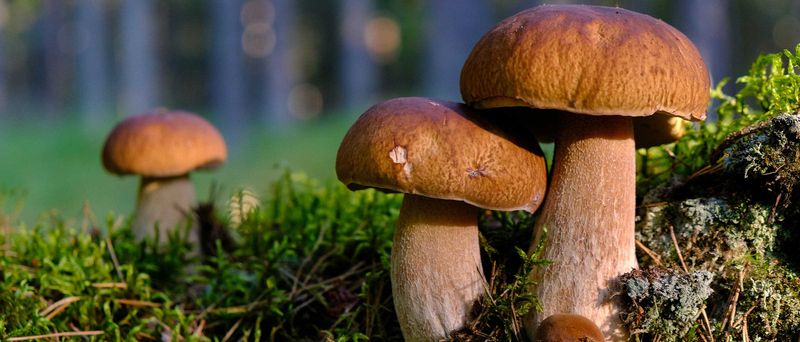
Porcini mushrooms are forest dwellers that bring a taste of the wild to gardens. By forming mycorrhizal bonds with trees, they boost growth and vitality, particularly in oak, pine, and chestnut plantings. Their presence in the garden fosters a symbiotic relationship that benefits both fungi and plant life. The robust, earthy aroma of Porcini in the garden hints at the rich, nutrient-dense soil they help create. For gardeners seeking to emulate forest ecosystems, Porcini offers an invaluable partnership that enhances plant health and soil quality.
11. Morel (Morchella spp.)
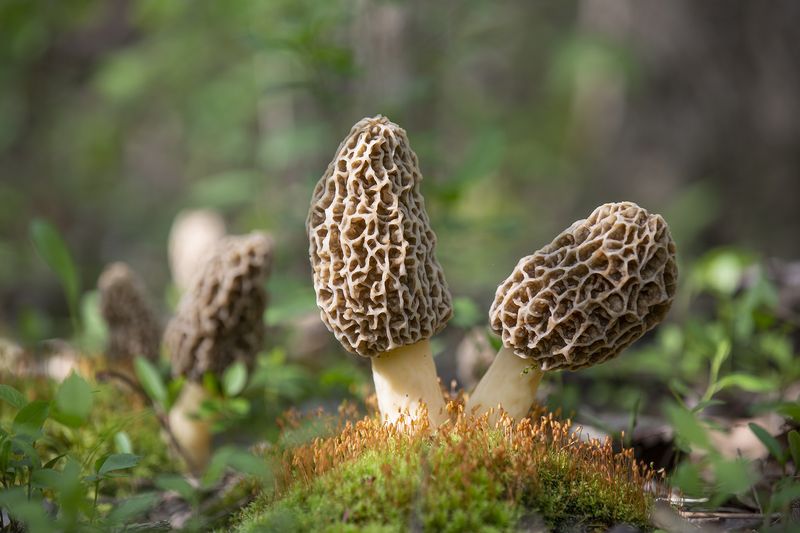
Morel mushrooms, with their distinctive honeycomb appearance, are masters of adaptation. They improve soil aeration and nutrient cycling, particularly in disturbed or post-fire areas. Orchards and burn sites benefit from the conditions Morels create, which promote healthy plant growth and resilience. Their unique look adds intrigue to gardens, while their soil-enhancing capabilities ensure that plants receive the support they need to thrive. In challenging environments, Morels offer a beacon of regeneration and vitality, transforming adversity into opportunity for growth.
12. Lion’s Mane (Hericium erinaceus)
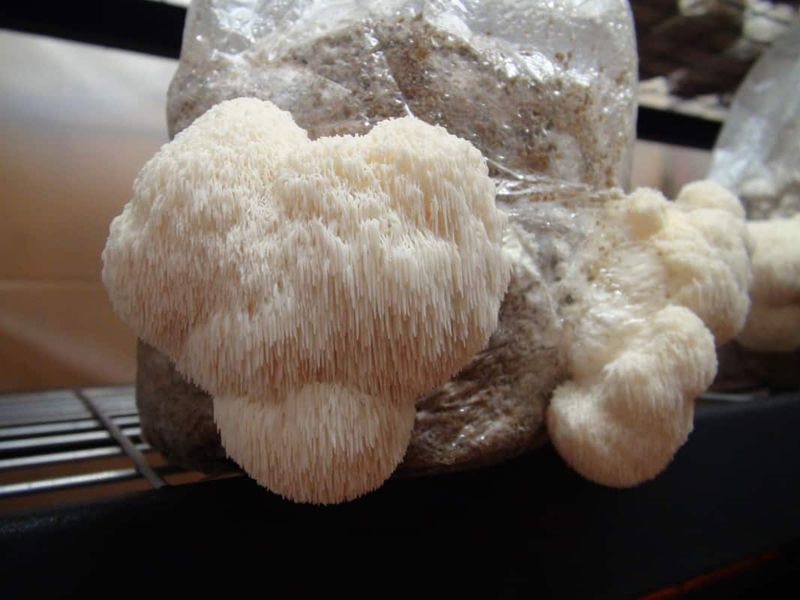
Lion’s Mane mushrooms, with their cascading icicle-like appearance, are more than just a visual delight. They excel at breaking down cellulose, speeding up the composting process in straw bale gardens and log-based plantings. This capability supports plant growth by enhancing soil fertility and structure. Lion’s Mane adds a touch of elegance to any garden, while its functional benefits ensure that plants are well-nourished and thriving. For gardeners interested in combining beauty with practicality, Lion’s Mane offers a unique solution that enhances both form and function.
13. Endophytic Fungi (Various species)
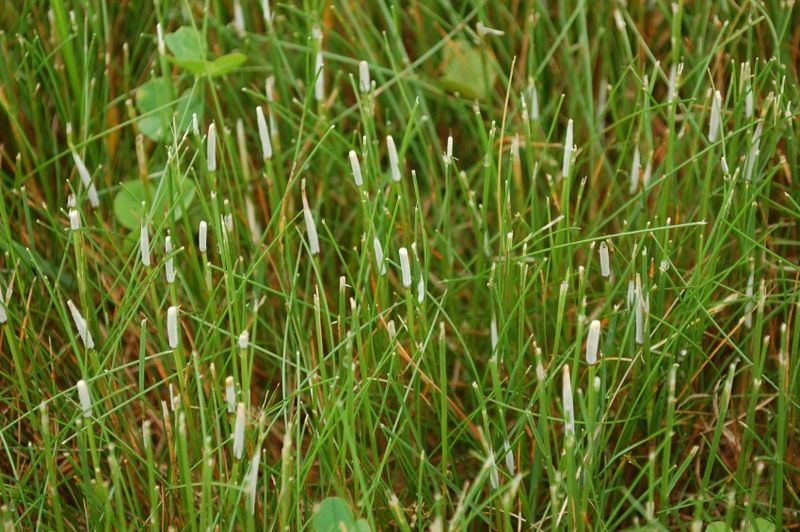
Endophytic fungi are the unsung heroes living inside plants, offering a protective embrace. They enhance drought resistance and pest defense, making them invaluable for grasses, grains, and stressed crops. These fungi work silently, without altering the plant’s appearance, yet their impact on plant health is profound. By fostering resilience from within, endophytic fungi ensure that plants can withstand environmental stressors. Their presence in the garden is a testament to nature’s ingenuity, providing a subtle yet powerful boost to plant vitality and ecological balance.