 Complete Gardening
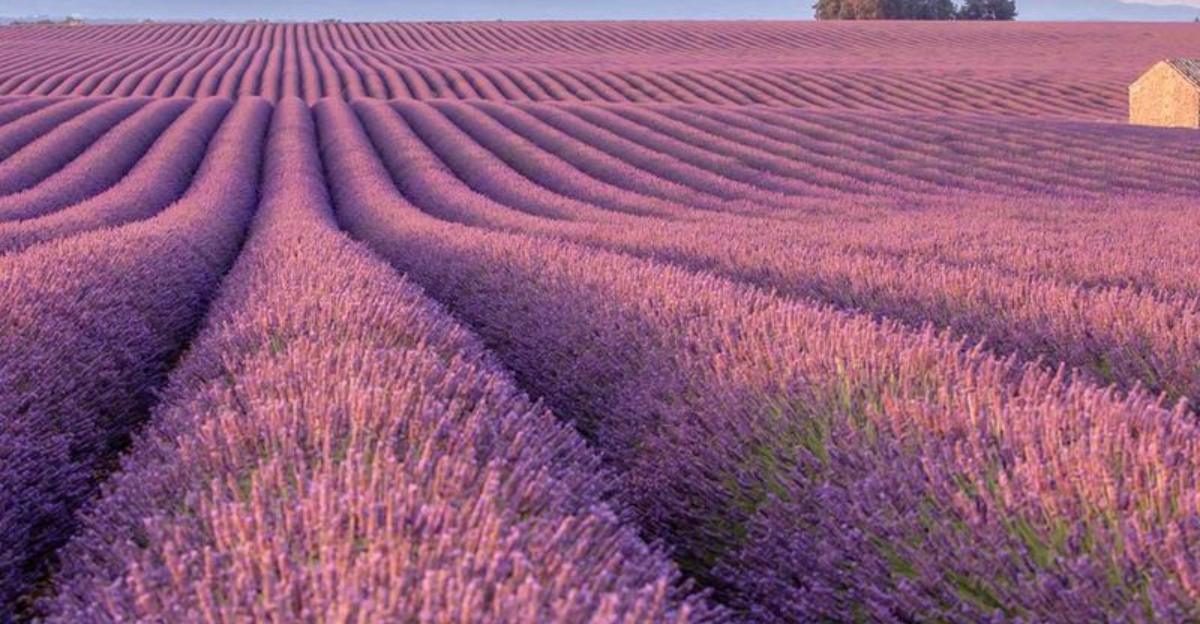
Choosing the right plants for your garden can be a daunting task. While purple trees add a splash of color, they might not always be the best option. In this article, we will explore seven types of purple trees to avoid and showcase thirteen stunning purple bloomers that offer vibrant beauty and ease of care, perfect for any garden enthusiast.
1. Tree to Avoid: Purple Leaf Plum
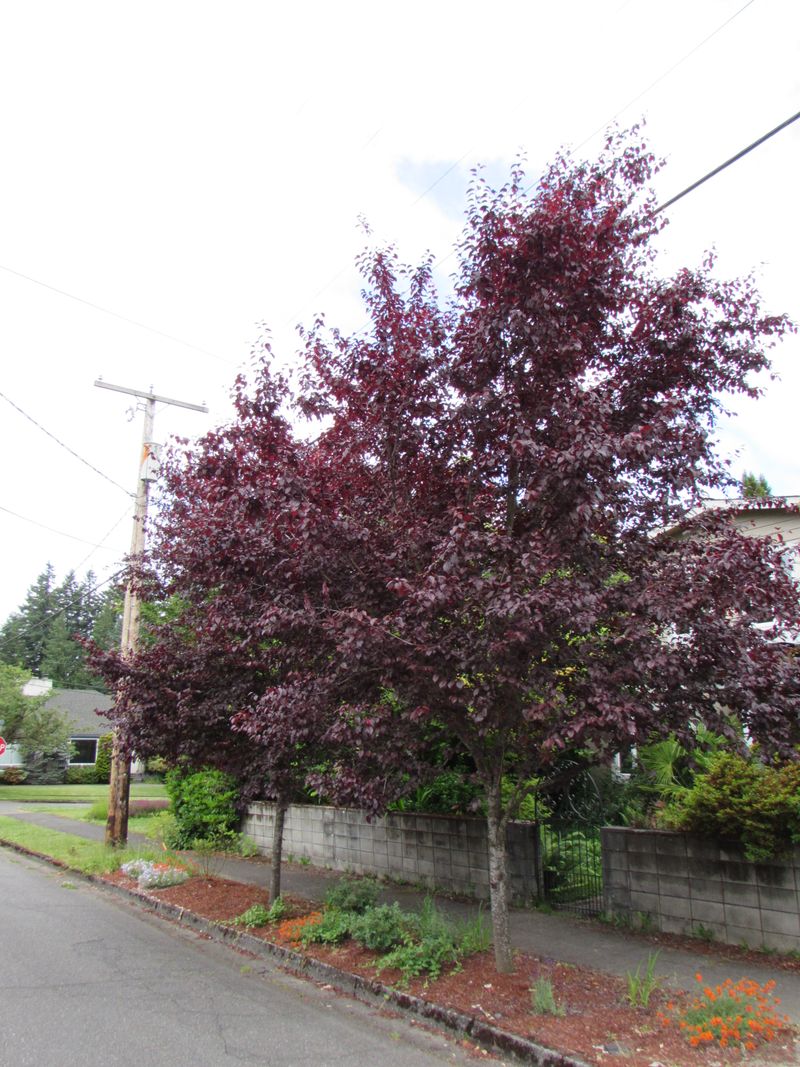
Despite its appealing name, the Purple Leaf Plum is often more trouble than it’s worth. Its leaves, though vibrant in spring, can quickly lose their luster with poor soil or weather conditions. Additionally, the small fruit it produces can be messy and less appealing.
The flowers, although initially charming, tend to fade quickly. This tree demands regular maintenance to control pests and diseases, making it less than ideal for the average gardener.
A tree with this many challenges might not be the best choice for those seeking low-effort beauty.
2. Tree to Avoid: Purple Robe Locust
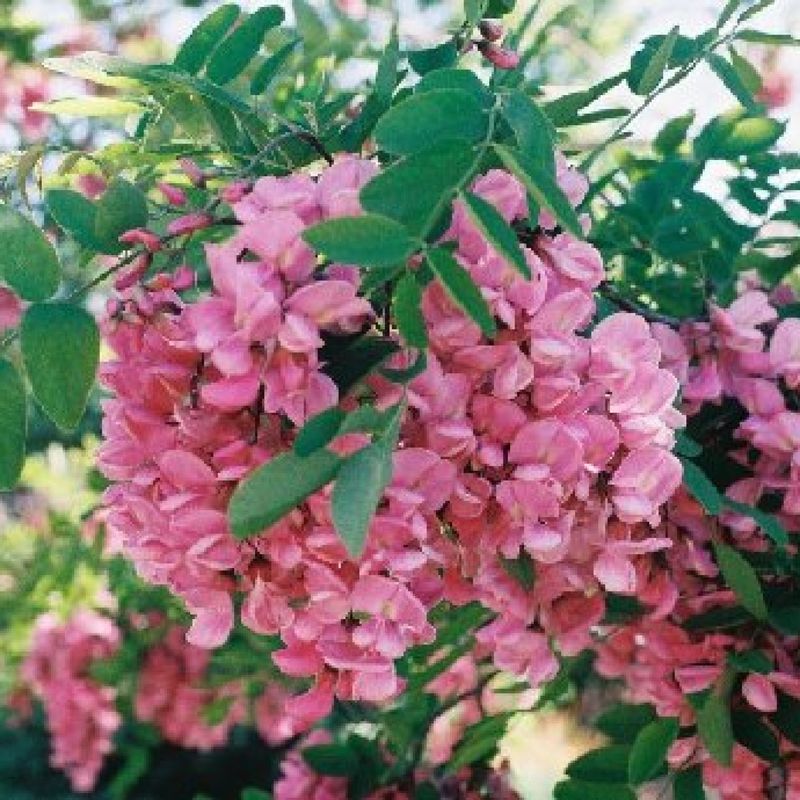
The Purple Robe Locust may seem attractive with its clusters of purple blooms, but its drawbacks are worth noting. This tree is notorious for its brittle branches that can break easily during storms, creating potential hazards.
Furthermore, its aggressive root system can invade and disrupt nearby structures, making it a poor choice for small gardens. The maintenance required to keep this tree healthy and safe often outweighs its aesthetic benefits.
Gardeners seeking a trouble-free experience might want to pass on this choice.
3. Tree to Avoid: Purple Smoke Tree
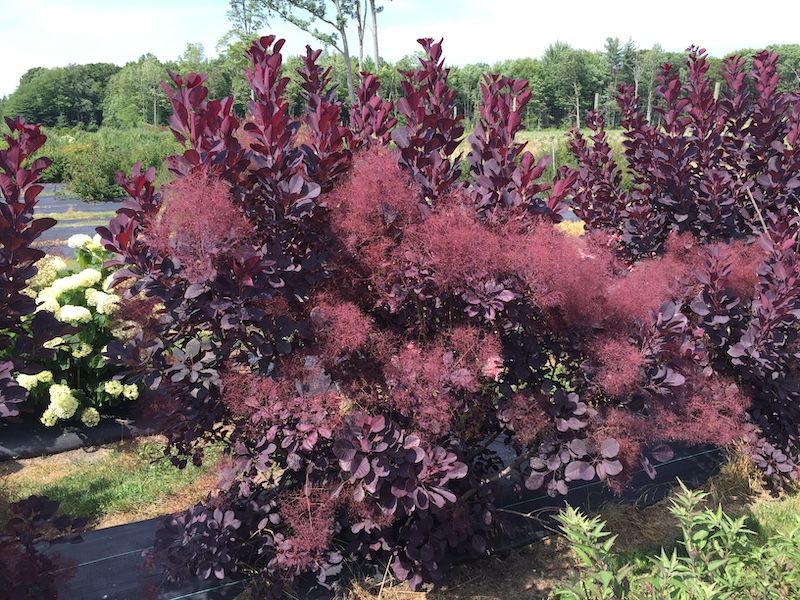
Though the Purple Smoke Tree has an intriguing name, its appeal can be quite limited. The smoky clusters that give the tree its name are often sparse and less visually impressive than anticipated. Its foliage can become dull and unremarkable without ideal conditions.
This tree requires specific care to thrive, including pruning and protection from pests. Such demands may not be suitable for someone looking for low-maintenance plants.
For those wanting more vibrant and hassle-free options, this might not be the tree to choose.
4. Tree to Avoid: Purple Orchid Tree
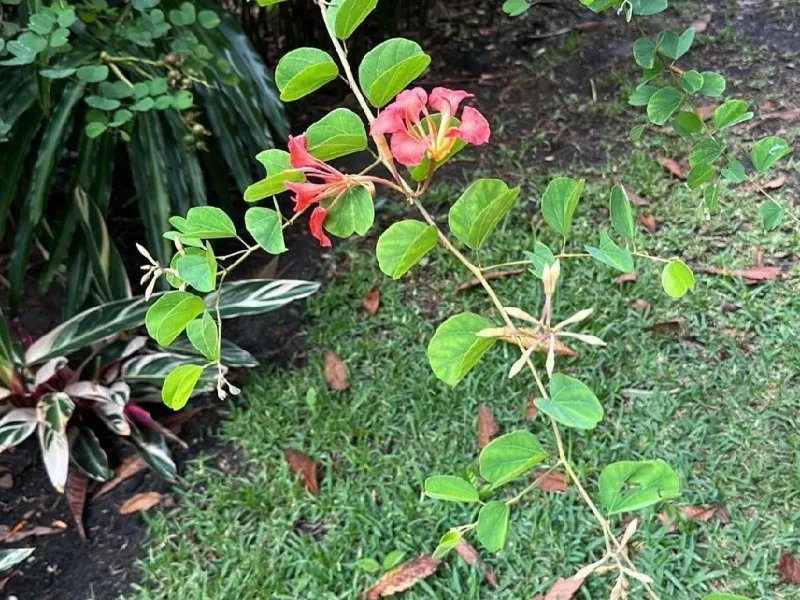
The Purple Orchid Tree might sound exotic, but it often fails to deliver consistent beauty. Its flowers can be sparse and short-lived, leaving much to be desired for those looking for a long-lasting display.
Additionally, this tree can be susceptible to pests and diseases, requiring frequent attention to maintain its health and appearance.
Planting this tree might lead to more headaches than enjoyment, especially for gardeners hoping for a more straightforward, colorful display in their landscapes.
5. Tree to Avoid: Purple Empress Tree
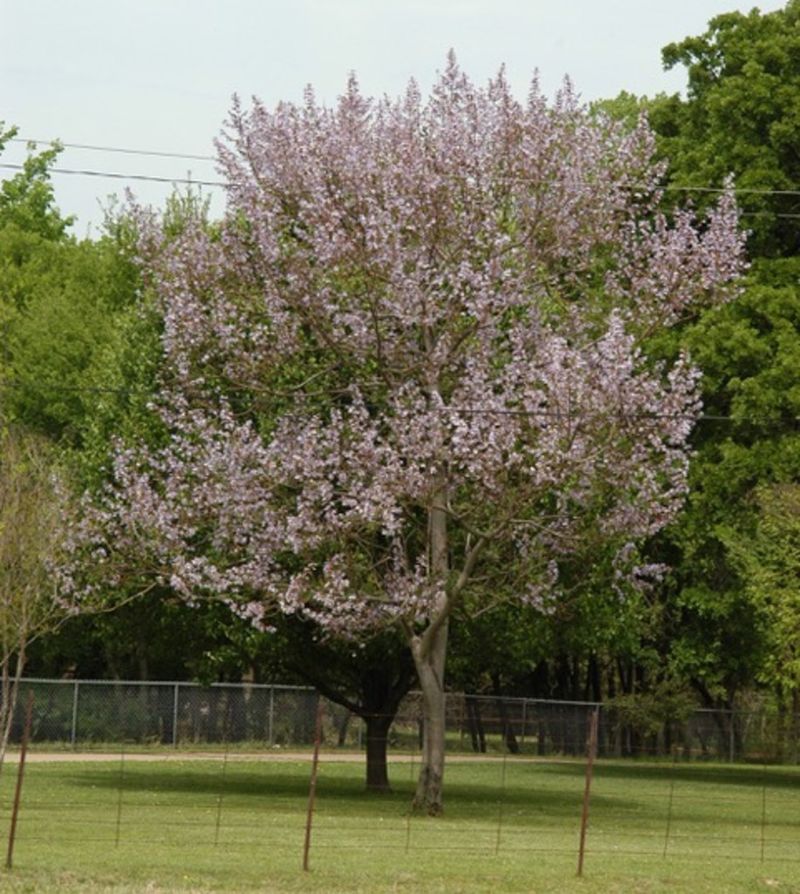
The Purple Empress Tree is often a case of style over substance. While it promises grand foliage, the reality can be oversized leaves that overshadow its sparse, less impressive blooms. Maintenance issues arise from its rapid growth, requiring constant pruning.
Moreover, this tree can be invasive, with roots that spread aggressively. Such characteristics can lead to problems in the garden, especially in small spaces.
Opting for this tree means committing to ongoing care that might not be worth its limited visual benefits.
6. Tree to Avoid: Purple Catalpa
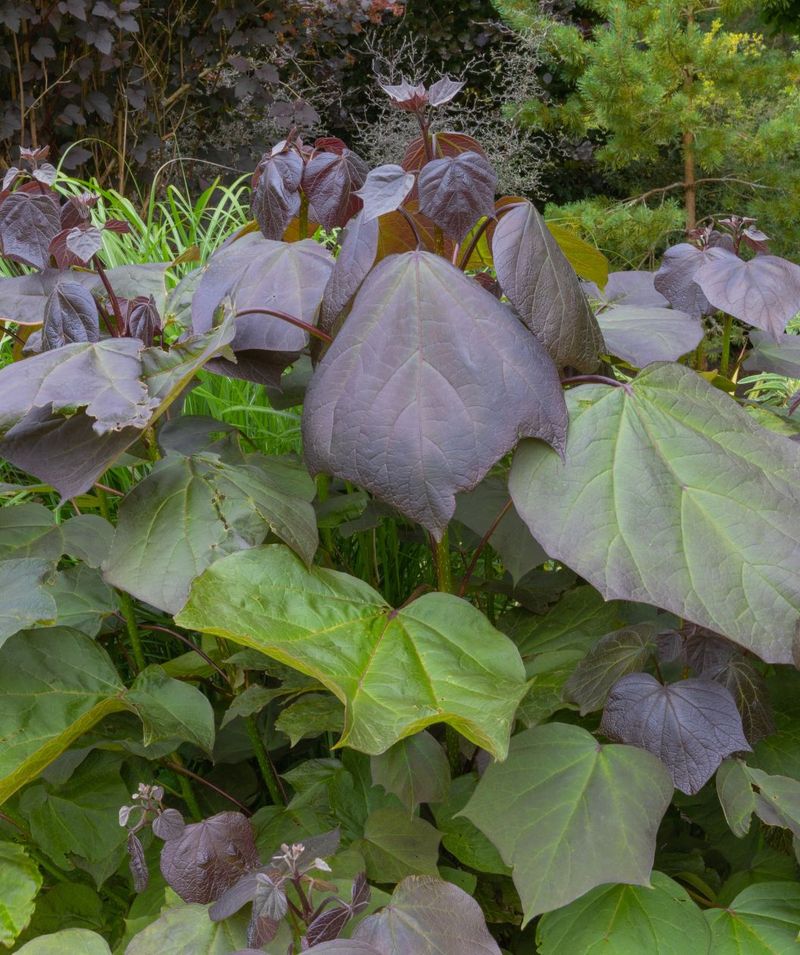
The Purple Catalpa might tempt with its promise of lush foliage, but the reality can be quite underwhelming. Large, drooping leaves overshadow the minimal blooms, leading to a less vibrant appearance.
This tree’s rapid growth demands regular pruning, adding to the workload of garden maintenance. Its roots can become invasive, posing a threat to nearby plants and structures.
For those seeking beauty without the baggage, this tree might not be the best option for a serene garden space.
7. Tree to Avoid: Purple Beech Tree
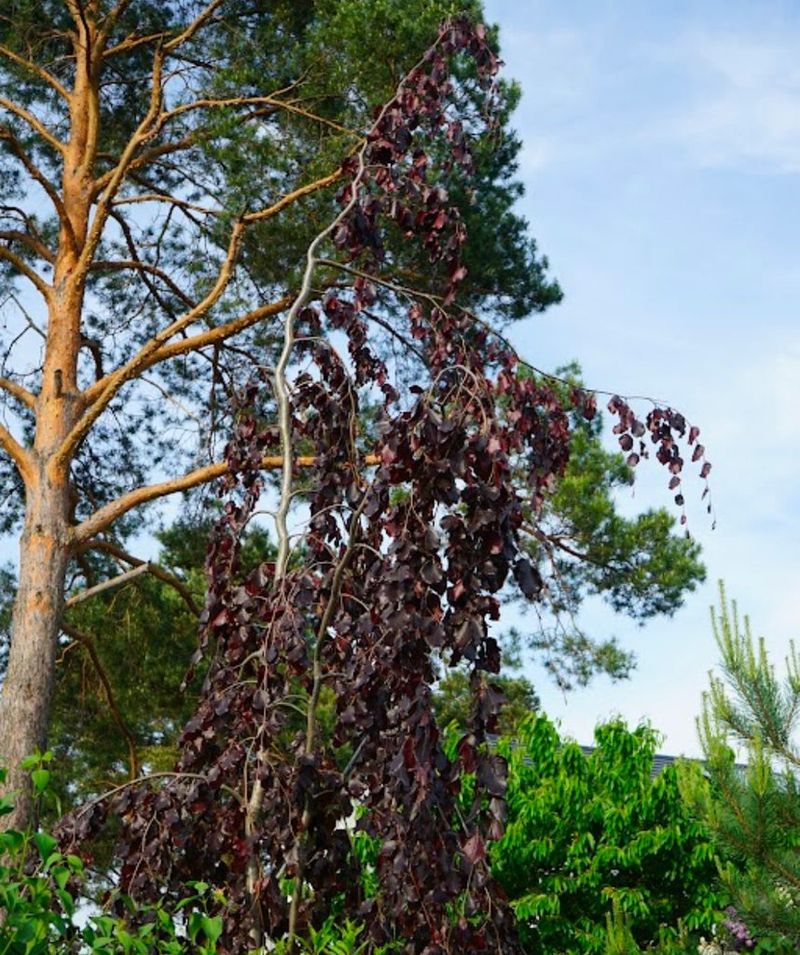
The Purple Beech Tree might catch the eye with its dark foliage, but it often presents challenges that overshadow its beauty. Dense leaves can block sunlight, making it difficult for other plants to thrive nearby.
Its slow growth may seem appealing, but it can lead to a lackluster presence in the garden. Moreover, this tree demands well-drained soil and protection from strong winds to maintain its health.
Given the care it requires, gardeners may find it more effort than it’s worth to maintain this tree’s appearance.
8. Stunning Bloomer: Lavender
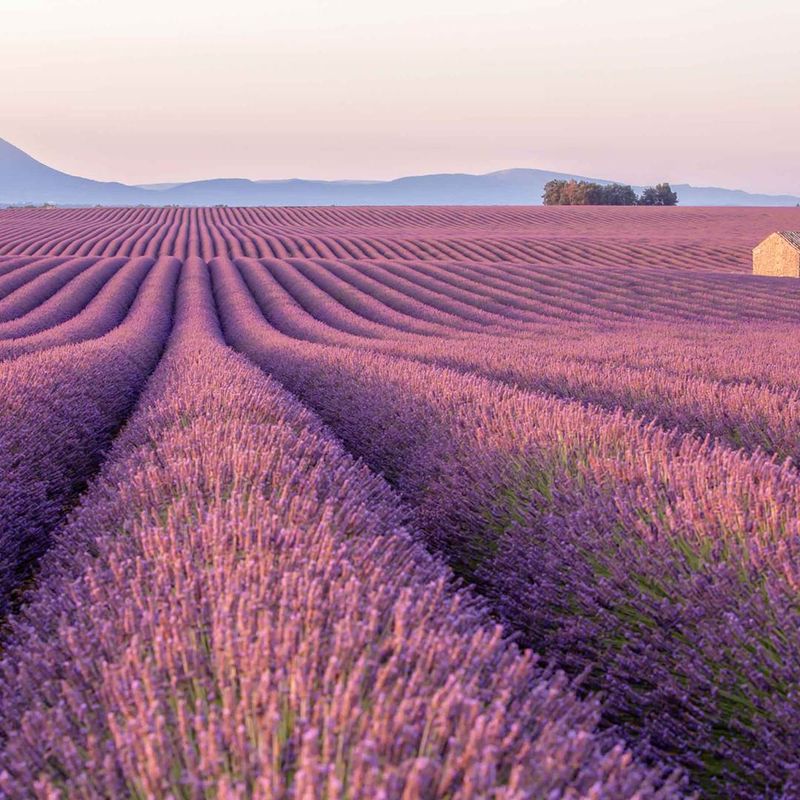
Known for its aromatic fragrance and vibrant color, lavender offers a sensory delight in any garden. Its hardy nature makes it a favorite among gardeners seeking low-maintenance beauty.
The dense, purple blooms attract pollinators, creating a lively and beneficial garden ecosystem. With its drought-resistant qualities, lavender thrives with minimal water, making it ideal for various climates.
This stunning bloomer not only enhances the visual appeal but also offers soothing aromas that relax and revitalize. Such versatility makes lavender a must-have for any garden enthusiast.
9. Stunning Bloomer: Wisteria
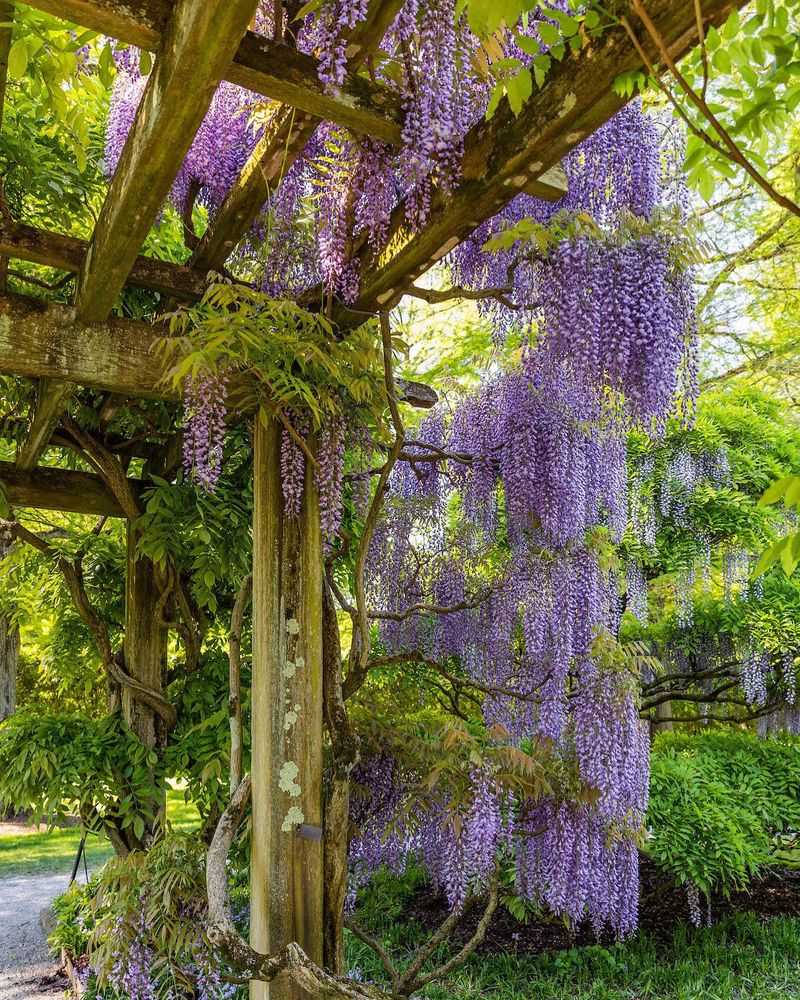
Wisteria enchants with its cascading clusters of purple blooms, transforming ordinary structures into breathtaking displays. Its vigorous growth covers trellises, fences, or walls with ease, providing a lush, floral spectacle.
This plant’s beauty does require some initial training, but its rewards are worth the effort. Once established, wisteria is relatively low-maintenance, thriving in well-drained soil with plenty of sunlight.
Gardeners seeking elegance and charm will find wisteria an enchanting addition, perfect for creating scenic garden views and romantic settings.
10. Stunning Bloomer: Purple Coneflower
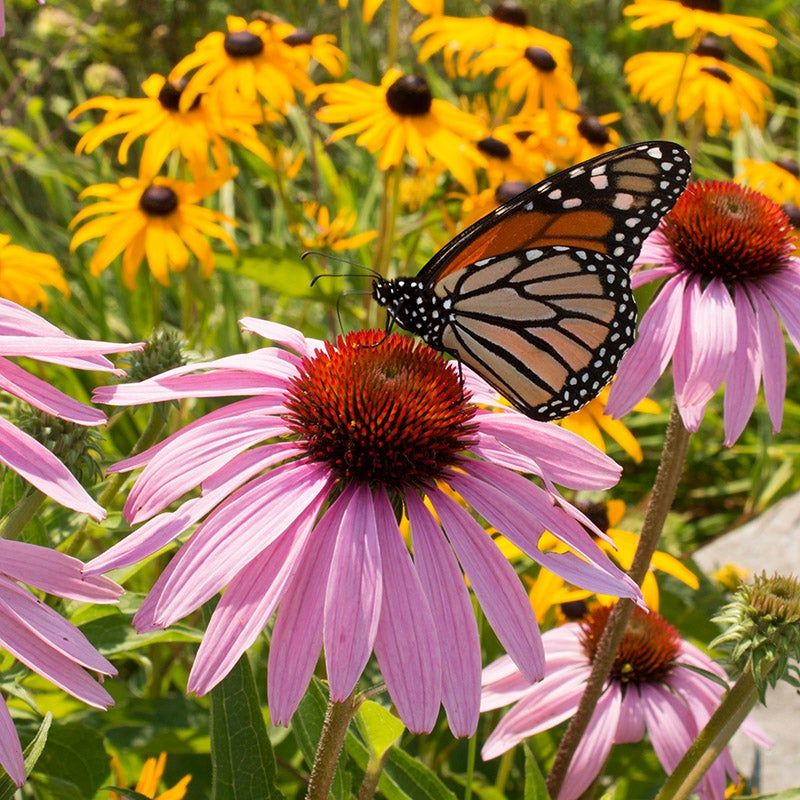
The Purple Coneflower stands out with its vibrant petals and distinctive dark centers, offering a striking visual in any garden. Known for its resilience, this plant thrives in various soil types and weather conditions.
Its ability to attract butterflies and bees enhances the garden’s ecosystem, making it not just beautiful but ecologically beneficial.
With minimal care, the Purple Coneflower blooms profusely throughout the summer, providing continuous color and interest. Its versatility and hardiness make it an ideal choice for gardeners of all experience levels.
11. Stunning Bloomer: Allium
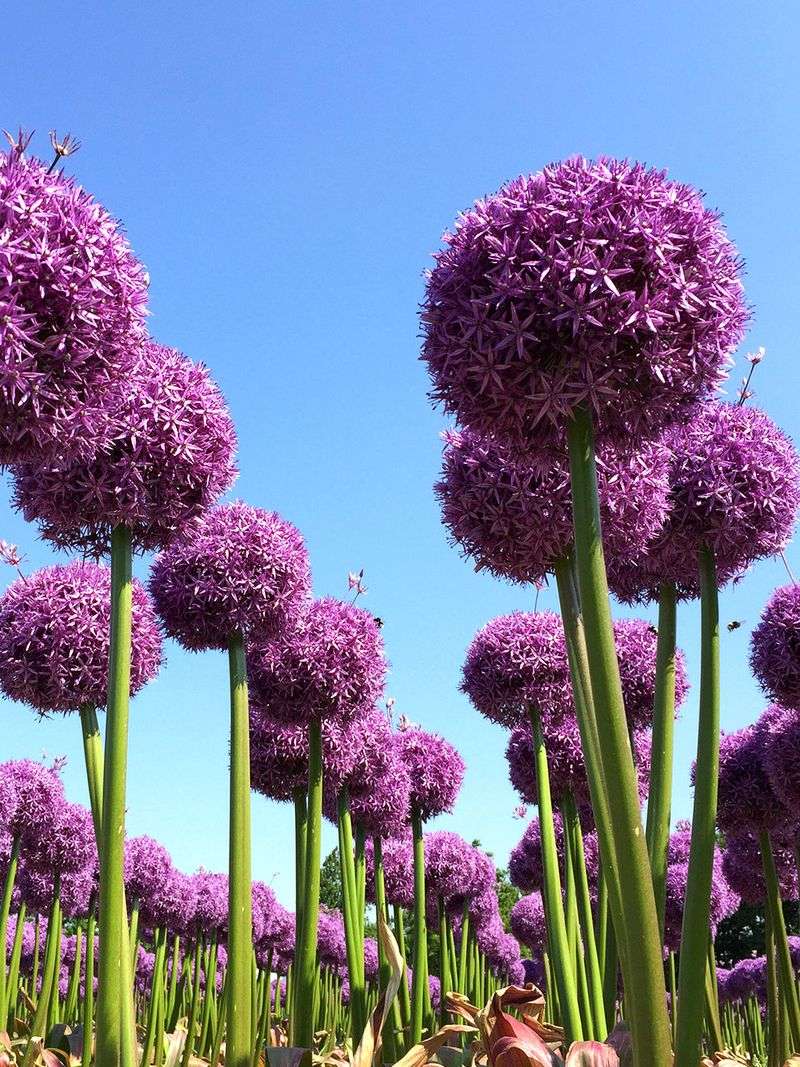
Alliums captivate with their spherical blooms that seem to float above the garden. These striking flowers add architectural interest and bold color to any landscape.
Requiring minimal care, alliums thrive in various soil types and are drought-resistant once established. Their unique shape makes them a favorite among garden designers seeking to add height and texture.
These stunning bloomers not only enhance visual appeal but also deter pests, making them a practical and beautiful choice for any garden.
12. Stunning Bloomer: Verbena
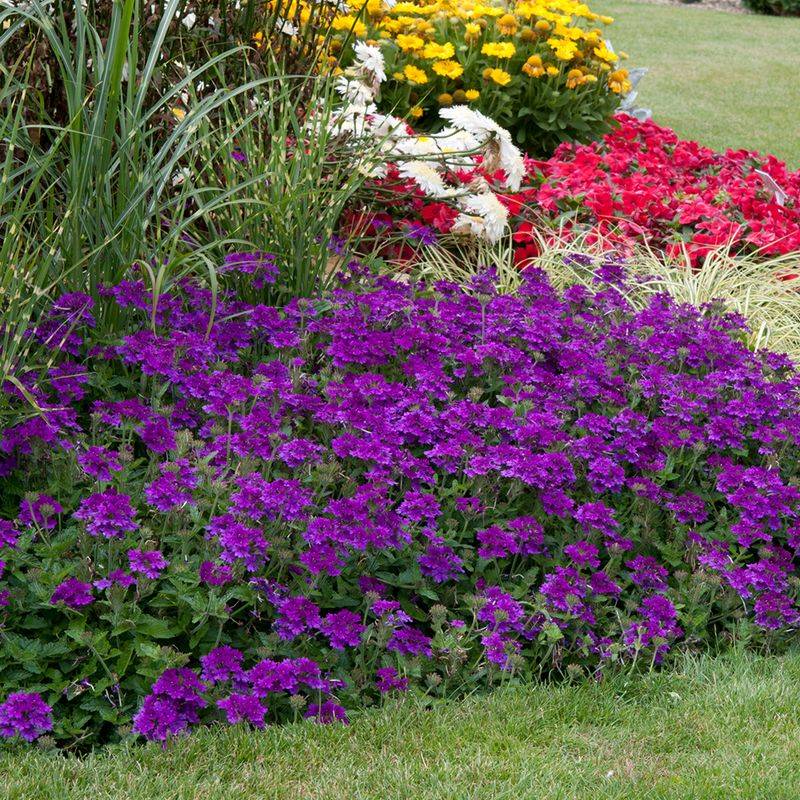
Verbena charms with its clusters of small, vibrant blooms, offering continuous color throughout the growing season. This low-maintenance plant is perfect for sunny spots, thriving in well-drained soil and requiring little water.
Its ability to attract butterflies adds a lively touch to the garden, enhancing biodiversity and beauty. Verbena’s trailing habit makes it ideal for hanging baskets, borders, or ground cover.
Gardeners seeking a pop of color with minimal effort will find verbena an excellent choice, adding vibrancy and life to their outdoor spaces.
13. Stunning Bloomer: Lilac
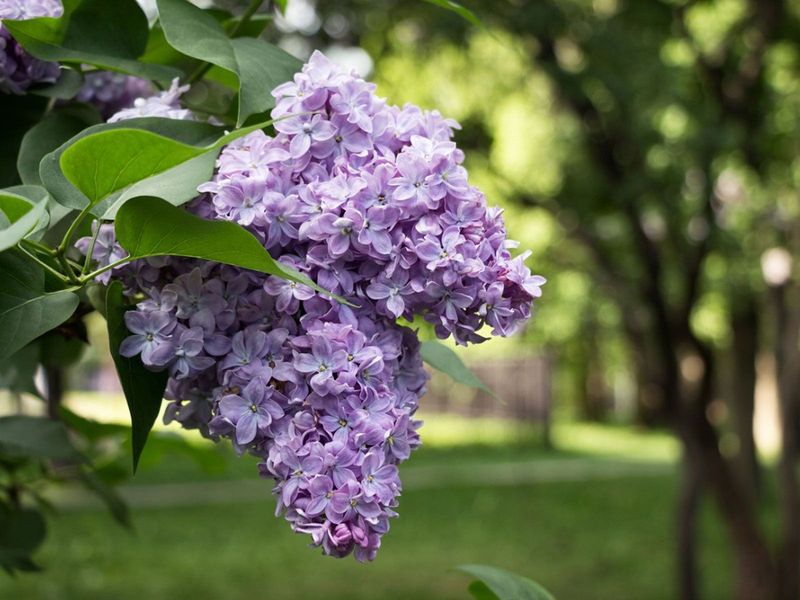
Lilacs delight with their lush clusters of fragrant blooms that evoke nostalgia and timeless beauty. Their rich scent and vibrant color make them a favorite for gardens seeking romantic charm.
This hardy shrub thrives in well-drained soil with full sun, offering a stunning display each spring. With minimal pruning, lilacs remain healthy, providing years of floral enjoyment.
The combination of beauty and fragrance makes lilacs an irresistible choice for any gardener looking to create a serene and inviting outdoor retreat.
14. Stunning Bloomer: Salvia
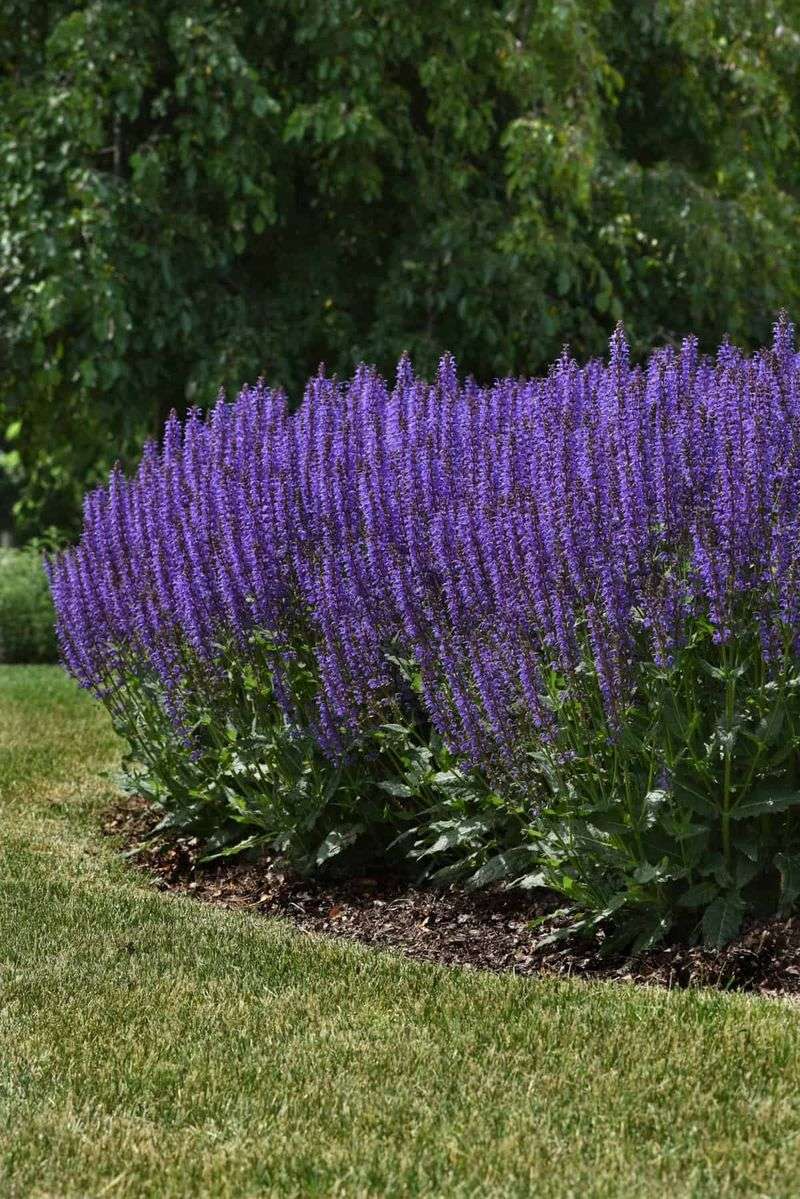
Salvia captivates with its tall spikes of vibrant blooms that sway gracefully in the garden. Known for its drought tolerance, salvia thrives in sunny locations with well-drained soil.
Its flowers attract pollinators, supporting a healthy garden ecosystem while adding color and movement. This resilient plant requires minimal care, making it ideal for gardeners seeking beauty with ease.
Salvia’s striking appearance and low maintenance make it a standout choice for borders, containers, or mixed plantings, enhancing any garden with its elegant presence.
15. Stunning Bloomer: Clematis
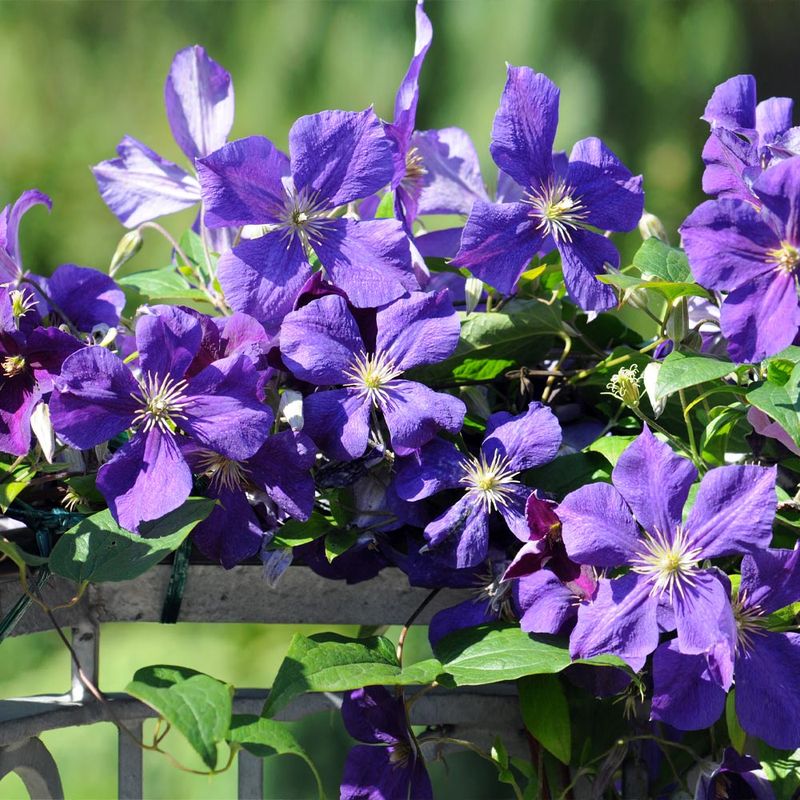
Clematis offers a spectacular display with its large, star-shaped blooms that adorn trellises and fences. This versatile climber is perfect for adding vertical interest and elegance to gardens.
Requiring moderate care, clematis thrives in well-drained soil with some afternoon shade. Once established, it rewards gardeners with a profusion of blooms.
The combination of beauty and adaptability makes clematis an appealing choice for those seeking to create dynamic and picturesque garden landscapes.
16. Stunning Bloomer: Hydrangea
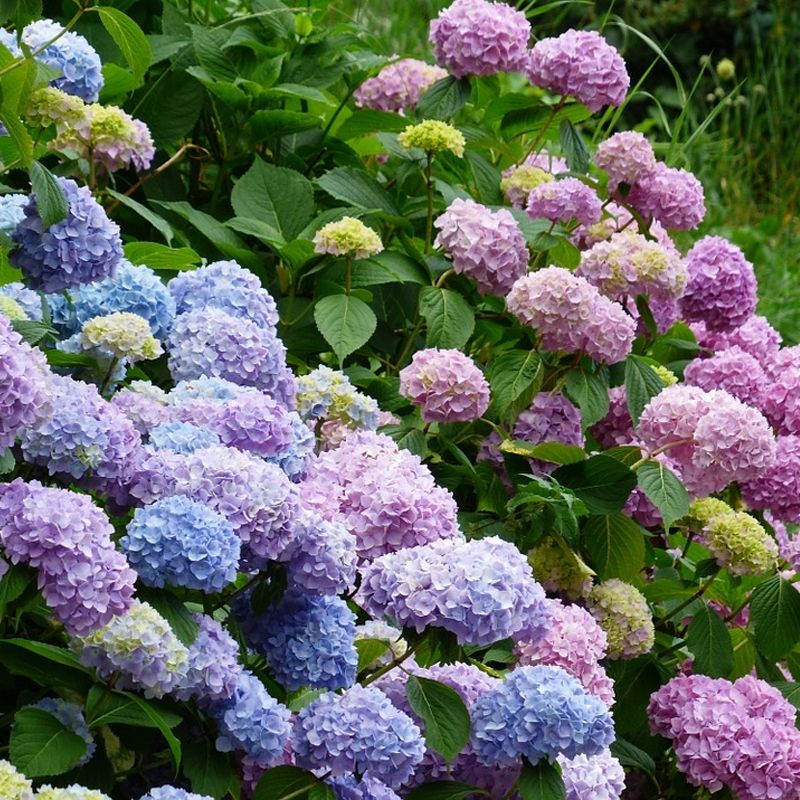
Hydrangeas amaze with their large clusters of vibrant flowers that create a lush and full appearance. Known for their ability to change color with soil pH, they offer a unique feature for garden enthusiasts.
These shrubs thrive in partial shade and well-drained soil, requiring regular watering to maintain their beauty. Their bold blooms offer a stunning display from summer through fall.
Gardeners seeking dramatic floral displays with a touch of intrigue will find hydrangeas an exceptional choice, adding elegance and charm to any outdoor space.
17. Stunning Bloomer: Foxglove
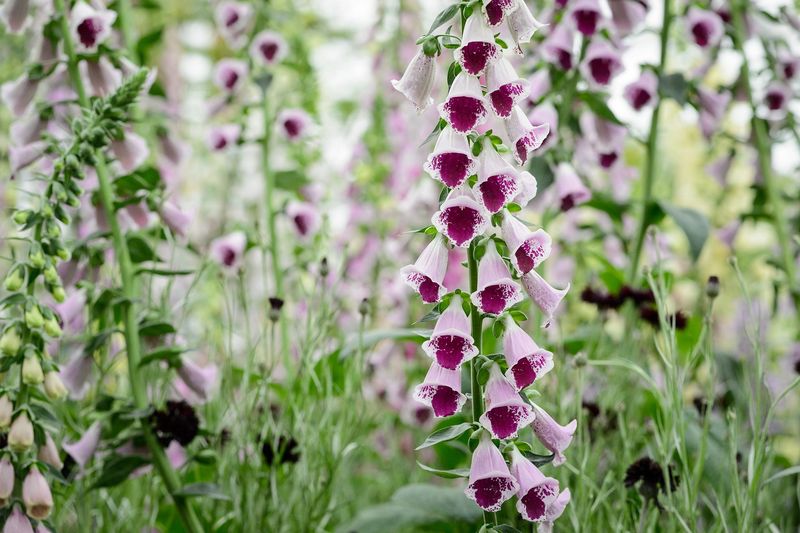
Foxglove captivates with its tall spikes of tubular flowers that add a touch of wild beauty to gardens. These biennials thrive in partial shade, offering a striking vertical element to landscapes.
Despite their enchanting appearance, foxgloves are toxic if ingested, so care is needed when planting around pets or children. However, their ability to attract pollinators adds ecological value.
With their vibrant presence and unique form, foxgloves are perfect for gardeners seeking to create a natural and captivating garden scene.
18. Stunning Bloomer: Iris
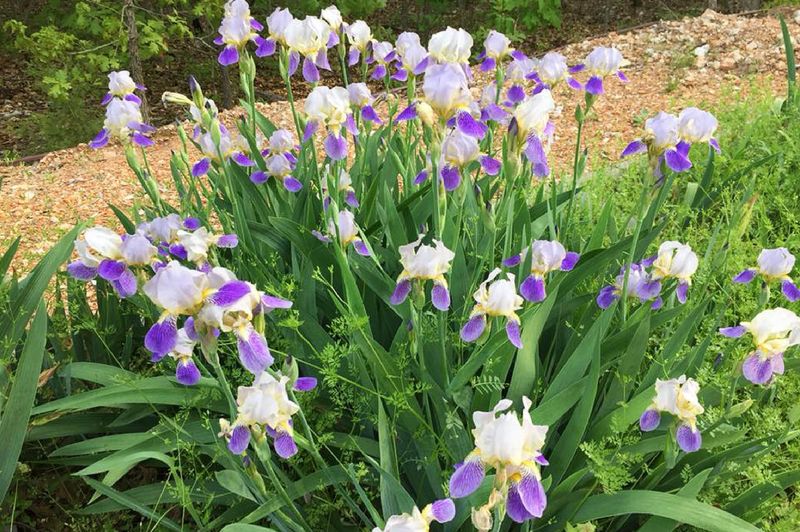
Irises bring elegance to gardens with their intricate blooms and graceful form. These perennials thrive in a variety of conditions, adapting well to different soil types and sunlight levels.
Known for their striking appearance, irises require minimal maintenance, making them ideal for gardeners seeking beauty without the hassle. Their flowers attract pollinators, enhancing the garden’s biodiversity.
With their timeless appeal and ease of care, irises make a superb addition to any garden, offering a touch of classic beauty and sophistication.
19. Stunning Bloomer: Aster
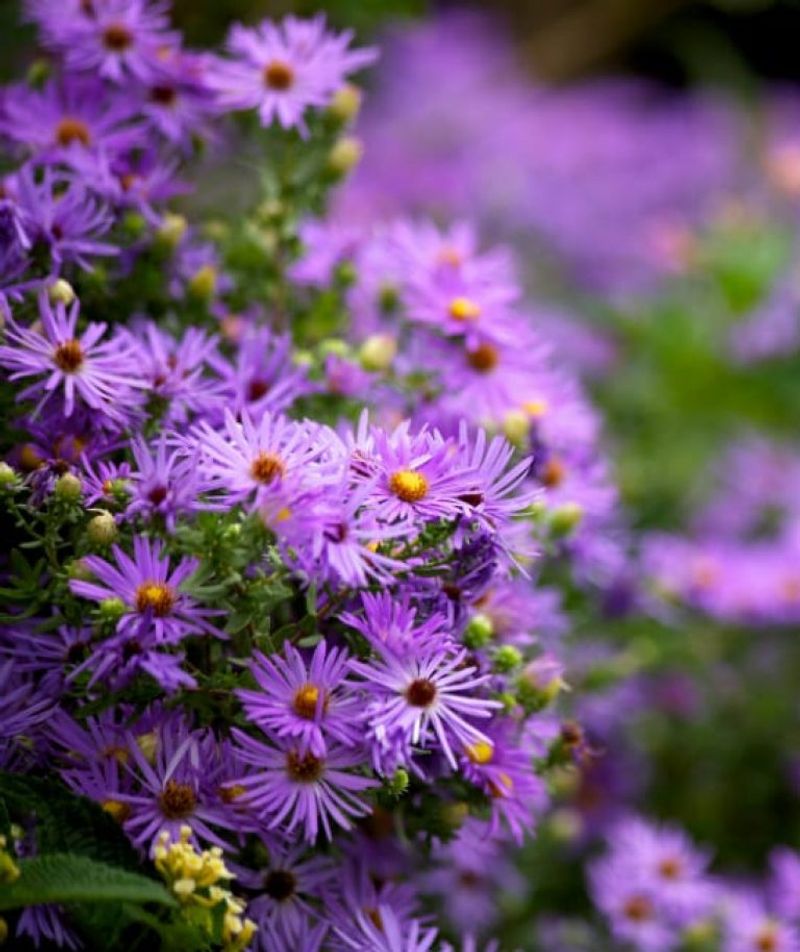
Asters bring a splash of autumn color with their delicate petals and vibrant centers. These hardy perennials thrive in various soil types, offering beauty and reliability.
The flowers attract butterflies and bees, adding life and movement to the garden as they bloom late into the season. Asters require little care, making them a favorite for low-maintenance gardeners.
With their cheerful presence and ecological benefits, asters are perfect for those seeking vibrant color and pollinator-friendly plants in their garden.
20. Stunning Bloomer: Liatris
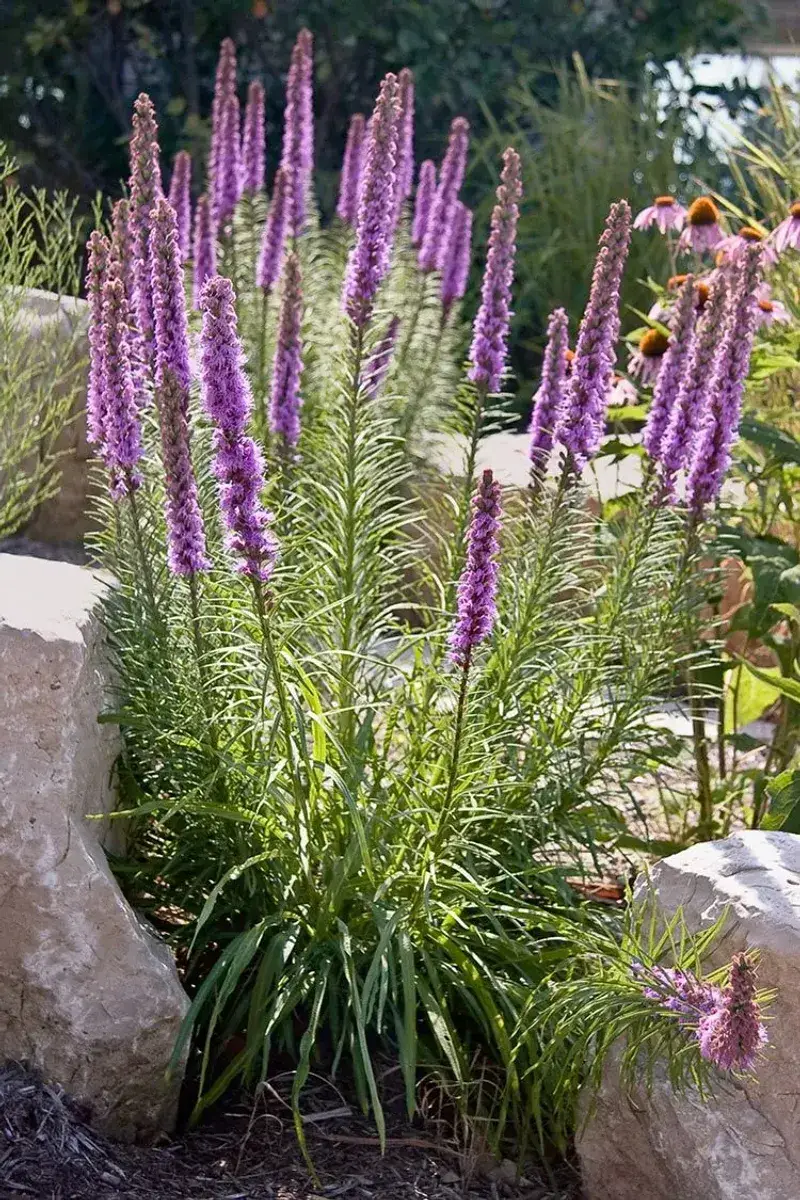
Liatris captivates with its tall, feathery spikes that add vertical interest to gardens. Known for its drought tolerance, liatris thrives in sunny conditions with well-drained soil.
This native plant attracts butterflies and bees, supporting local ecosystems while enhancing garden beauty. Its unique form and striking color make it a standout choice for borders or wildflower gardens.
Gardeners seeking to combine ecological value with visual appeal will find liatris a rewarding addition, offering a touch of the wild in cultivated spaces.