 Complete Gardening
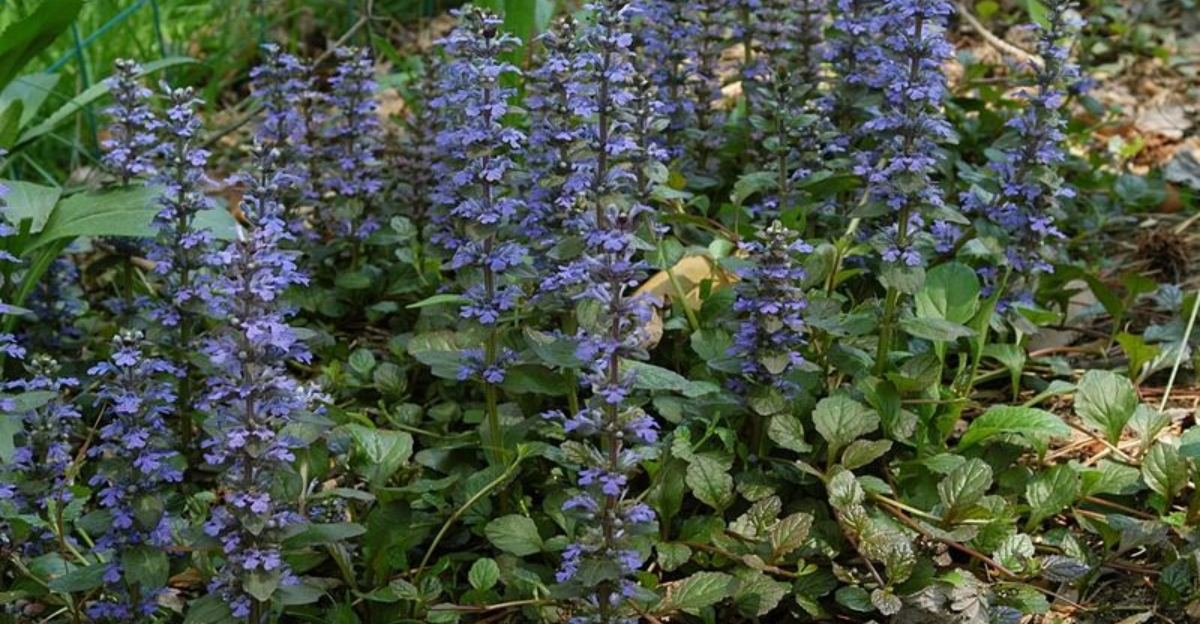
When grass proves too stubborn to grow, gardeners often turn to the reliable beauty of ground cover plants. These resilient plants can thrive in conditions where grass may fail, bringing vibrant colors and textures to any garden. From shady spots to sun-baked areas, there’s a ground cover to suit every need. Here’s a look at 15 stunning options that will transform your garden.
1. Creeping Thyme
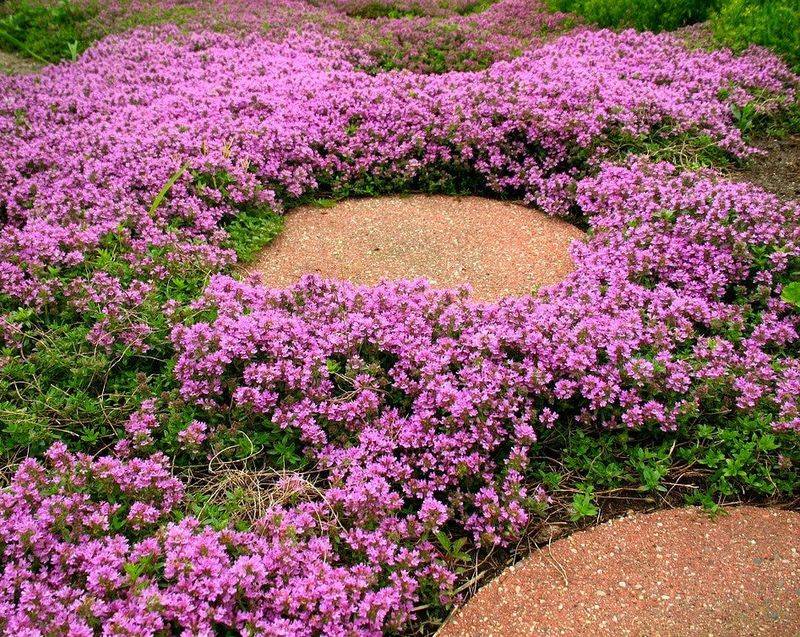
Creeping Thyme is a delightful herb that captures the essence of a summer garden. With its dainty purple flowers that emerge in late spring, it creates a charming ground cover that attracts pollinators.
Ideal for sunny spots, it releases a pleasant aroma when walked upon, making it perfect for pathways. Its hardiness allows it to thrive where grass struggles, ensuring a vibrant garden all year round.
Did you know? Creeping Thyme is edible and can be used to flavor culinary dishes, adding both beauty and utility to the garden.
2. Irish Moss
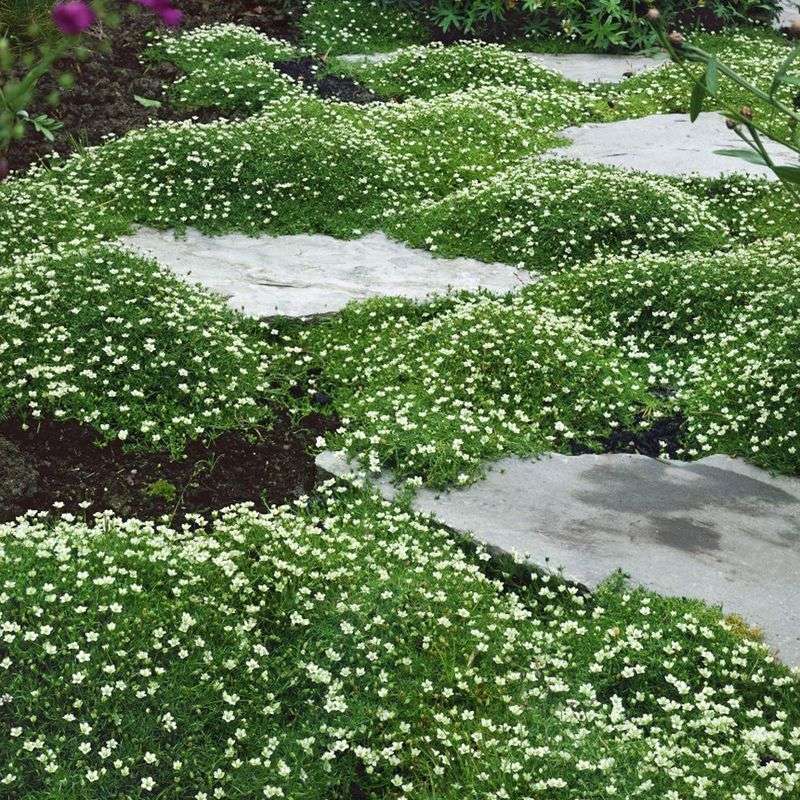
Irish Moss creates a lush, emerald blanket that evokes the mystique of the Irish countryside. Its tiny white flowers add delicate beauty to this robust ground cover, thriving in moist, shaded areas.
As an evergreen, it maintains its vibrancy year-round, providing a soft, cushiony effect that enhances any landscape. It’s perfect for filling gaps between stepping stones.
Fun fact: Despite its name, Irish Moss is not a true moss but a flowering plant, renowned for its gentle resilience and fairy-tale appearance in gardens.
3. Ajuga Reptans
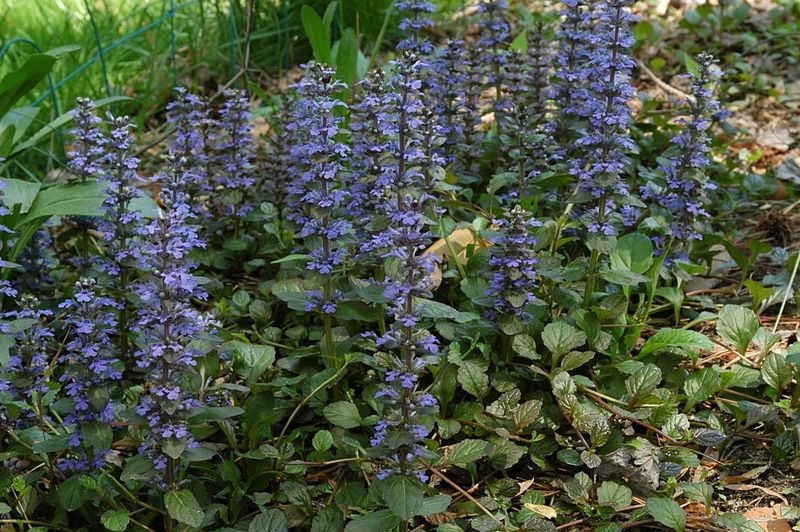
Ajuga Reptans, or Bugleweed, is a captivating ground cover with a touch of the exotic. Its glossy, dark leaves provide a stunning backdrop for the vivid blue flower spikes that appear in spring.
Perfect for partial sun, it swiftly carpets areas where grass languishes, offering both texture and color. Its robust nature makes it a favorite for gardeners seeking low-maintenance beauty.
Did you know? Ajuga Reptans can attract butterflies, adding a lively dimension to your garden with its enchanting blooms.
4. Sedum Spurium
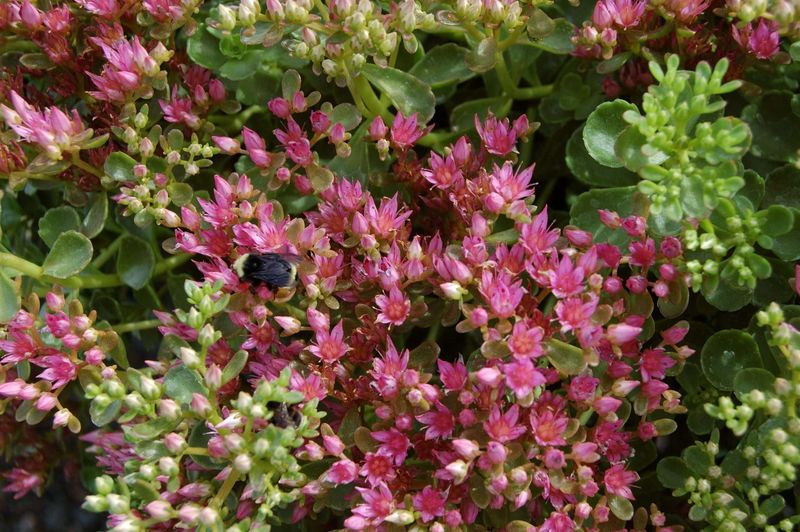
Sedum Spurium, known as Two-row Stonecrop, brings a touch of succulent charm to ground covers. Its fleshy leaves and red-pink flowers create an eye-catching display that thrives under the sun.
Resilient to drought and poor soil, it flourishes where grass cannot, providing a stunning and practical solution for gardeners. This adaptable plant is perfect for sunny slopes or rock gardens.
Interesting tidbit: Sedum Spurium has been used as a folk remedy, believed to possess healing properties and adding historical interest to its beauty.
5. Liriope Muscari
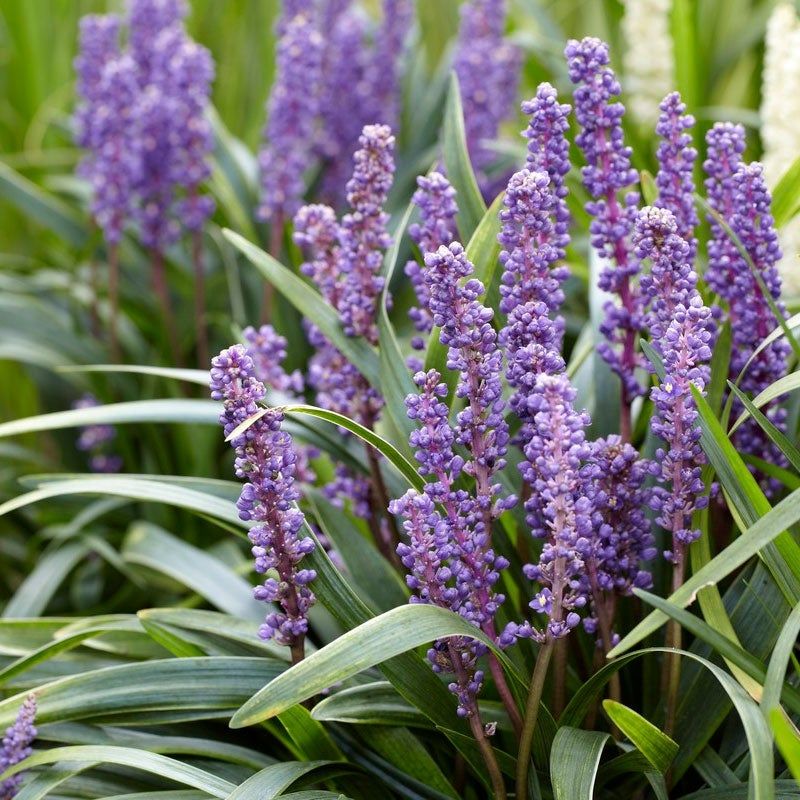
Liriope Muscari, often called Lilyturf, is an elegant choice for shaded areas. With its grass-like leaves and striking purple flower spikes, it offers a sophisticated ground cover solution.
Its ability to thrive in difficult conditions makes it a favorite where grass fails, adding a touch of grace to gardens. It’s perfect for borders or under trees.
Did you know? Liriope Muscari is often used in Asian gardens for its ornamental appeal and ability to symbolize longevity and resilience.
6. Pachysandra Terminalis
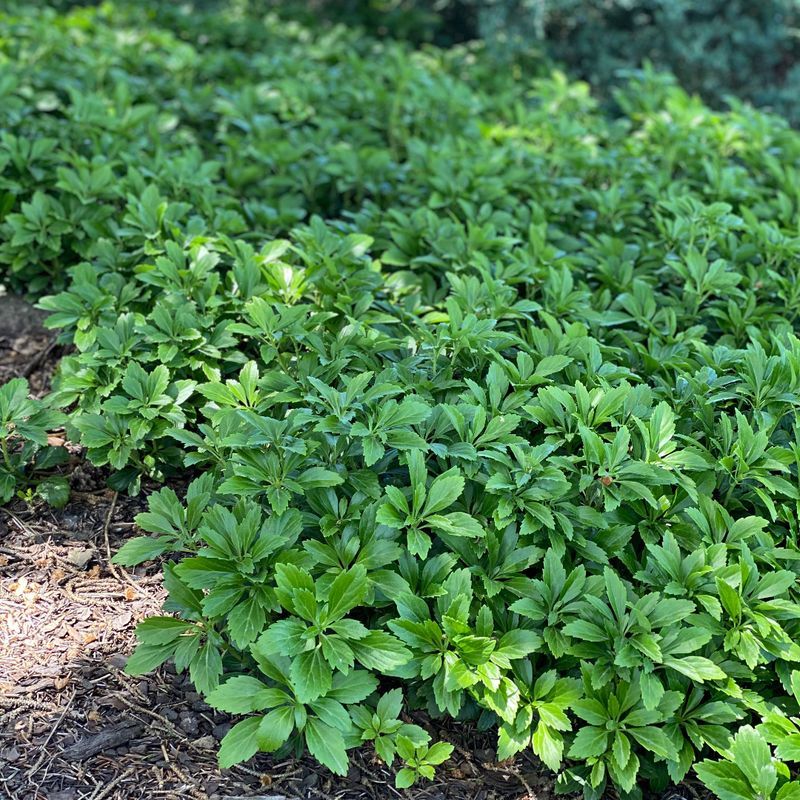
Pachysandra Terminalis, or Japanese Spurge, is a classic ground cover that thrives in shaded woodland gardens. Its glossy green leaves create a dense cover, highlighted by small white flowers.
This evergreen plant maintains its lush appearance throughout the year, making it an ideal choice for areas where grass struggles. It’s excellent for erosion control on shaded slopes.
Fun fact: Pachysandra Terminalis is often used in Japanese gardens, where its tranquil appearance complements the serene landscape design.
7. Vinca Minor
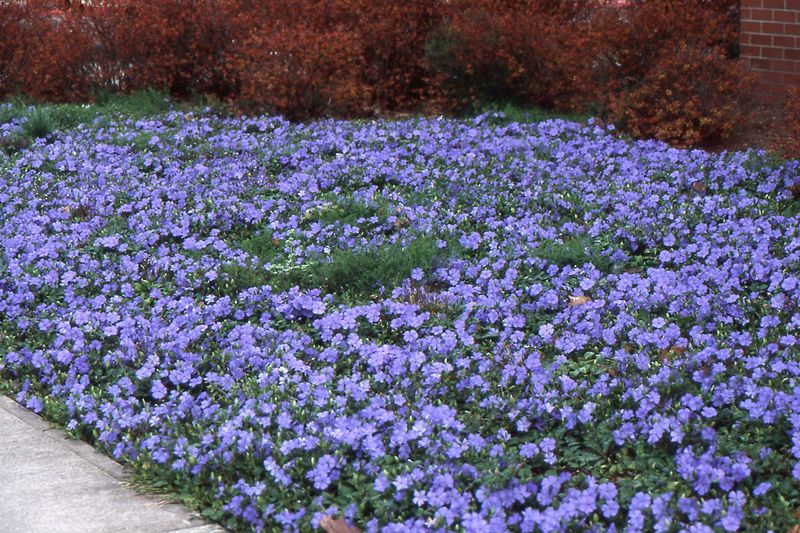
Vinca Minor, or Periwinkle, brings a touch of classic beauty to gardens with challenging ground. Its glossy leaves and charming periwinkle blue flowers create a soothing ground cover.
Thriving in shaded areas, it spreads quickly, filling spaces where grass cannot. It’s perfect for covering slopes or creating a lush border.
Did you know? Vinca Minor is often used for medicinal purposes, believed to have properties that enhance well-being, adding to its garden appeal.
8. Houttuynia Cordata
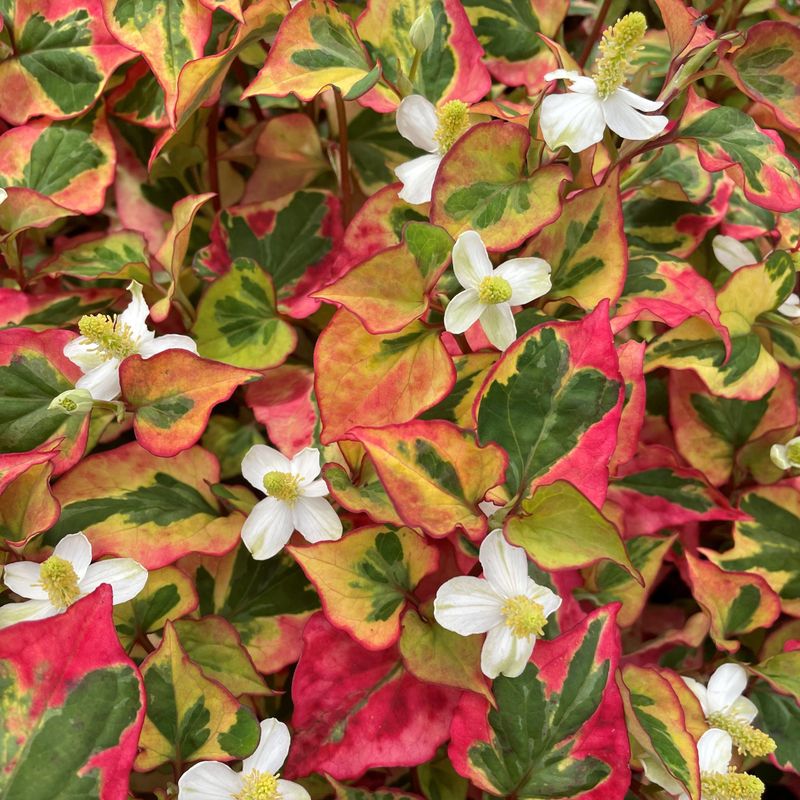
Houttuynia Cordata, known as Chameleon Plant, adds a splash of color with its variegated leaves. The heart-shaped foliage displays hues of red, green, and cream, creating a lively ground cover.
Thriving in moist, semi-shaded areas, it offers a unique aesthetic where grass fails to flourish. It’s perfect for adding visual interest to water features or shaded borders.
Interesting note: Houttuynia Cordata is used in Asian cuisine, known for its distinct flavor and culinary versatility, enhancing its garden intrigue.
9. Mazus Reptans
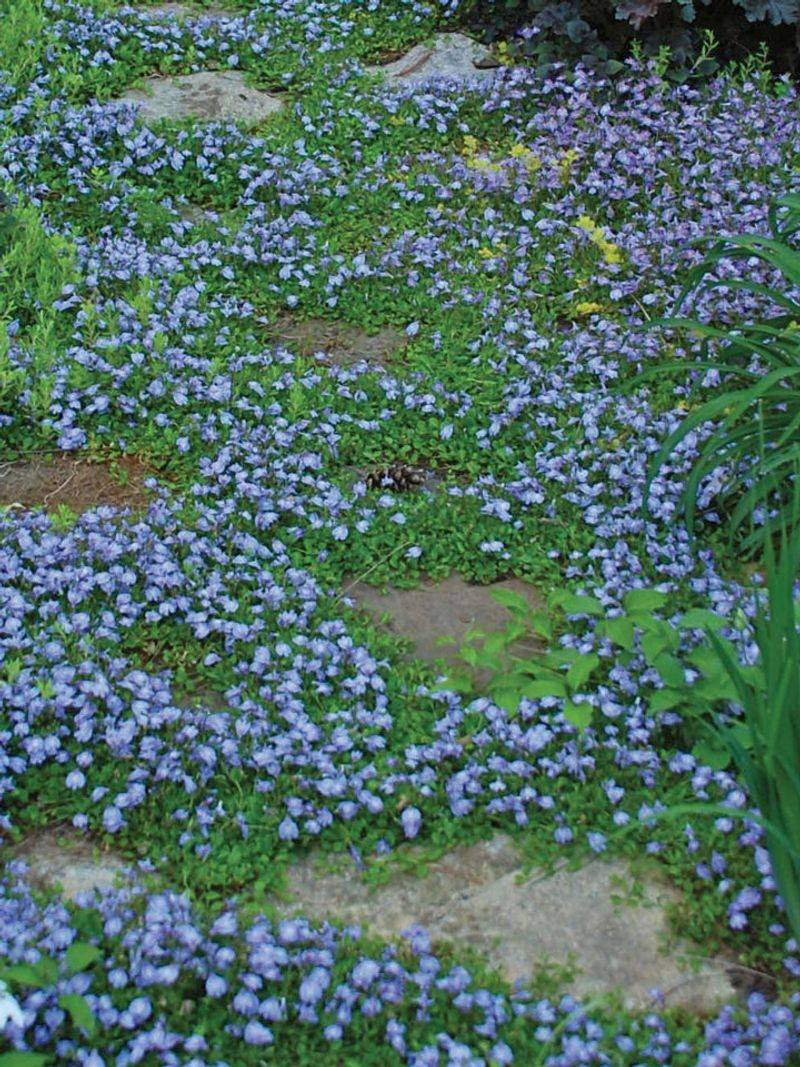
Mazus Reptans, or Creeping Mazus, offers a cheerful splash of color with its purple-blue flowers. These blooms, with sunny yellow centers, create a vibrant ground cover in moist areas.
Ideal for filling spaces between stepping stones, it thrives where grass struggles, providing a lush carpet effect. Its rapid spread and low growth make it perfect for small gardens.
Did you know? Mazus Reptans is admired for its tenacity, able to withstand foot traffic and continue flourishing, making it both practical and beautiful.
10. Lysimachia Nummularia
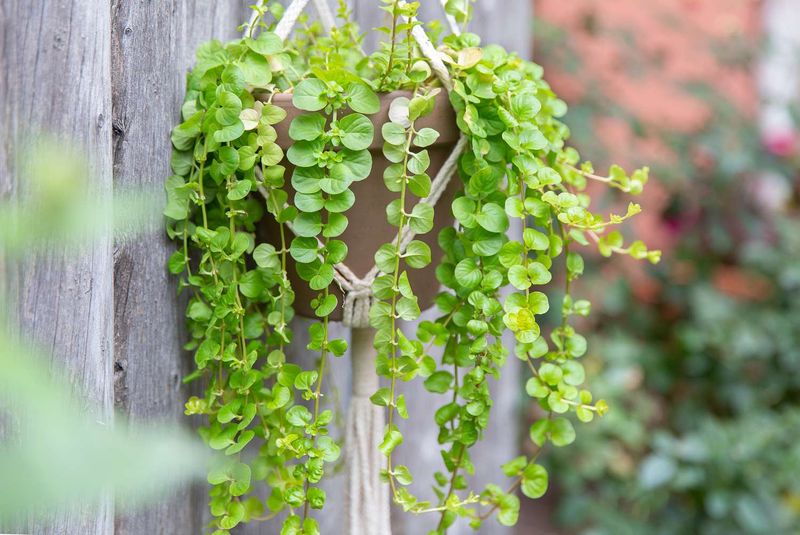
Lysimachia Nummularia, known as Creeping Jenny, brightens gardens with its golden foliage. Its round leaves on trailing stems create a radiant ground cover that thrives in moist soil.
This plant is perfect for hanging baskets or edging ponds, where its color adds warmth. It’s resilient, growing where grass falters, and its cascading nature adds a flowing elegance.
Fun fact: Creeping Jenny is often used in fairy gardens, bringing a whimsical touch with its vibrant, sun-like leaves and charming spread.
11. Heuchera
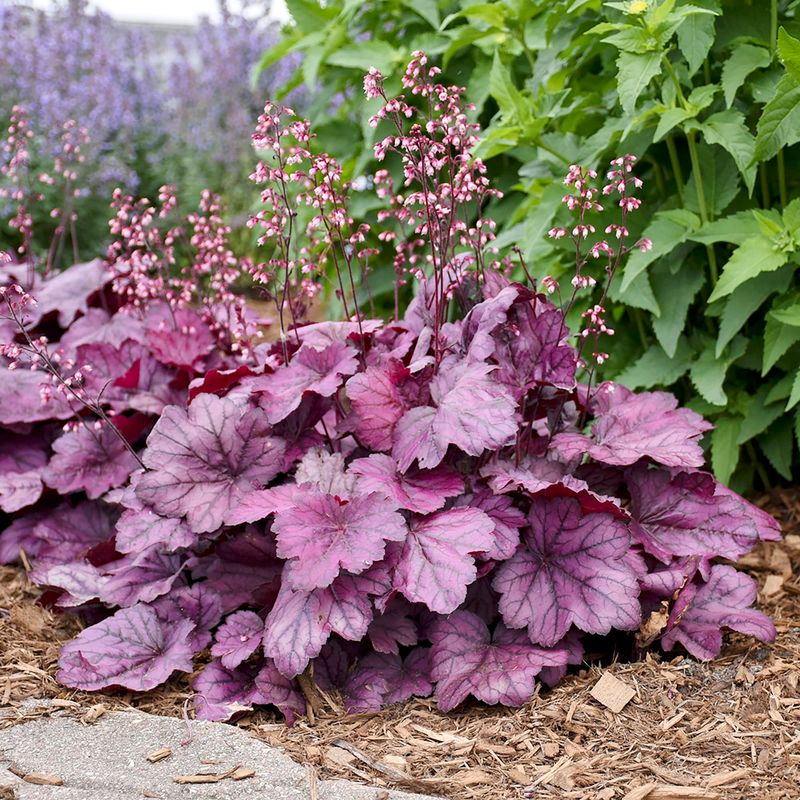
Heuchera, or Coral Bells, is a gardener’s delight with its ruffled leaves in various shades. From purple to bronze, its foliage provides a rich tapestry, complemented by small white flowers.
Thriving in partial shade, it offers a versatile ground cover solution where grass may not thrive. This plant is perfect for adding depth to borders and mixed plantings.
Did you know? Heuchera’s leaves have been admired since Victorian times, often featured in ornamental gardens for their stunning variety and texture.
12. Sagina Subulata
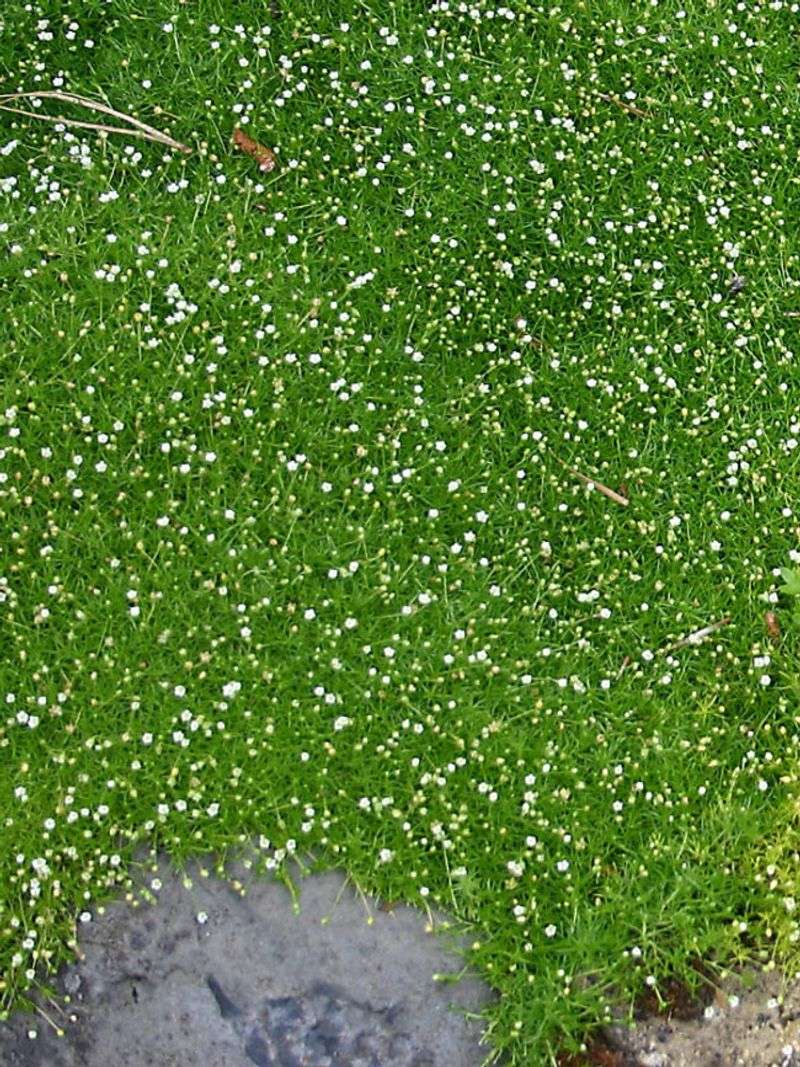
Sagina Subulata, or Scottish Moss, provides a gentle, moss-like appearance that enhances any garden path. Its tiny white flowers add a sprinkle of elegance to this soft ground cover.
Perfect for filling crevices or lining pathways, it thrives in areas where grass cannot grow. Its low-maintenance nature makes it a favorite for gardeners seeking a serene landscape.
Fun fact: Despite its name, Scottish Moss is not a true moss, but its delicate look has made it a popular choice for rock gardens worldwide.
13. Lamium Galeobdolon
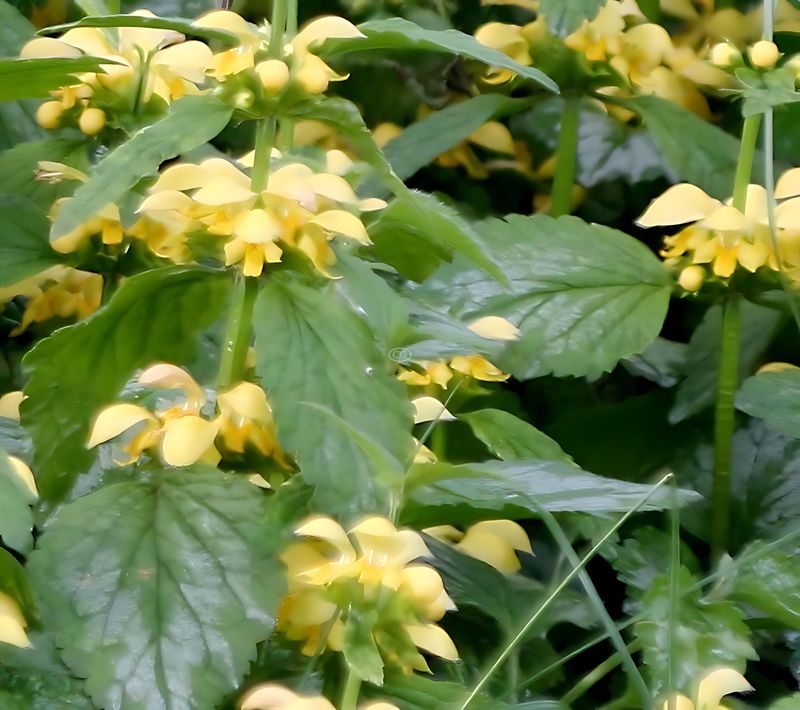
Lamium Galeobdolon, or Yellow Archangel, brings a touch of woodland charm. Its silver-marked leaves and bright yellow flowers create a striking ground cover for shaded areas.
This plant spreads rapidly, providing an effective solution where grass may not succeed. It’s perfect for adding texture and color to woodland gardens.
Did you know? Lamium Galeobdolon is often used in historical gardens for its medieval appeal, linking modern gardens with ancient landscapes.
14. Artemisia ‘Silver Mound’
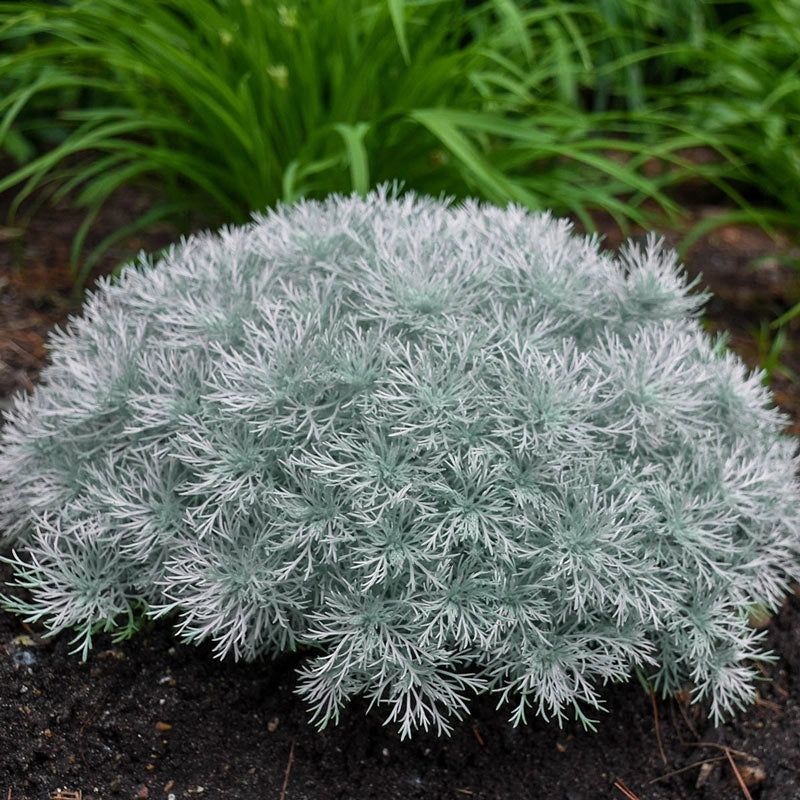
Artemisia ‘Silver Mound’ dazzles with its feathery, silvery foliage, providing an elegant ground cover in sunny areas. Its mound-like form adds a touch of sculptural beauty to gardens.
This plant thrives where grass does not, offering a low-maintenance option with visual appeal. It’s ideal for borders or creating contrast in mixed plantings.
Interesting fact: Artemisia ‘Silver Mound’ is named for its silvery color, reminiscent of moonlight, and is often used in gardens designed for evening enjoyment.
15. Polygonum Capitatum
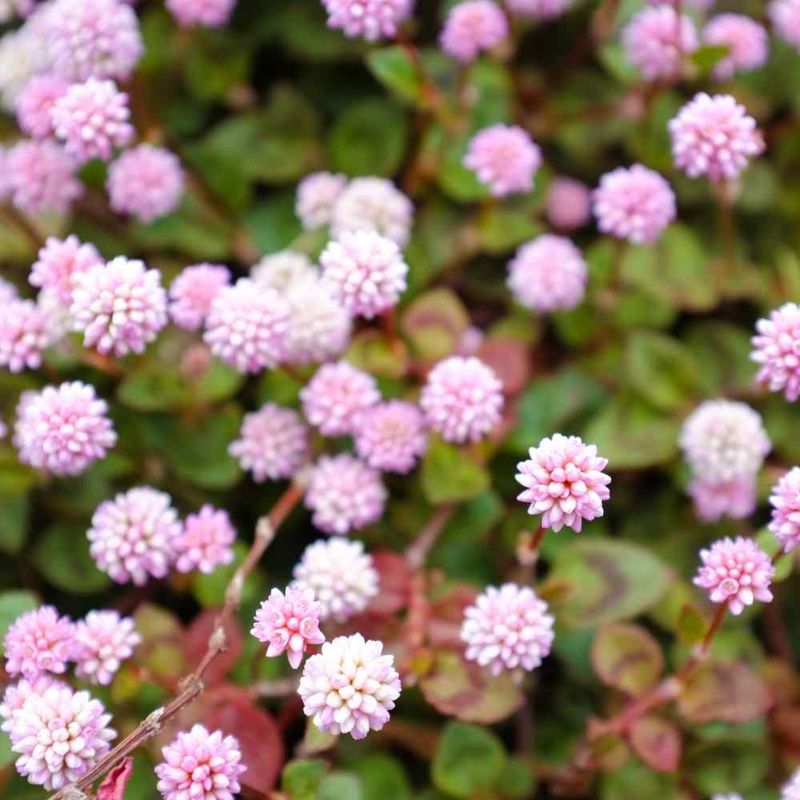
Polygonum Capitatum, or Pink Knotweed, offers a vibrant tapestry with its colorful flower heads and red-spotted leaves. This ground cover thrives in challenging conditions.
Perfect for adding a pop of color where grass fades, it spreads easily, creating a lush appearance. It’s ideal for covering bare patches or adding interest to borders.
Did you know? Polygonum Capitatum is used in traditional medicine, adding a layer of intrigue to its ornamental charm, blending beauty with historical significance.