 Complete Gardening
Gardening enthusiasts often face the dilemma of choosing between expensive perennials and those that propagate effortlessly. While some perennials come with hefty price tags and high maintenance, others are not only cost-effective but multiply without much effort. This guide will help you navigate these choices, ensuring that your garden flourishes both in beauty and economy. Discover which plants to skip and which to embrace as you cultivate your dream garden.
1. Tree Peony
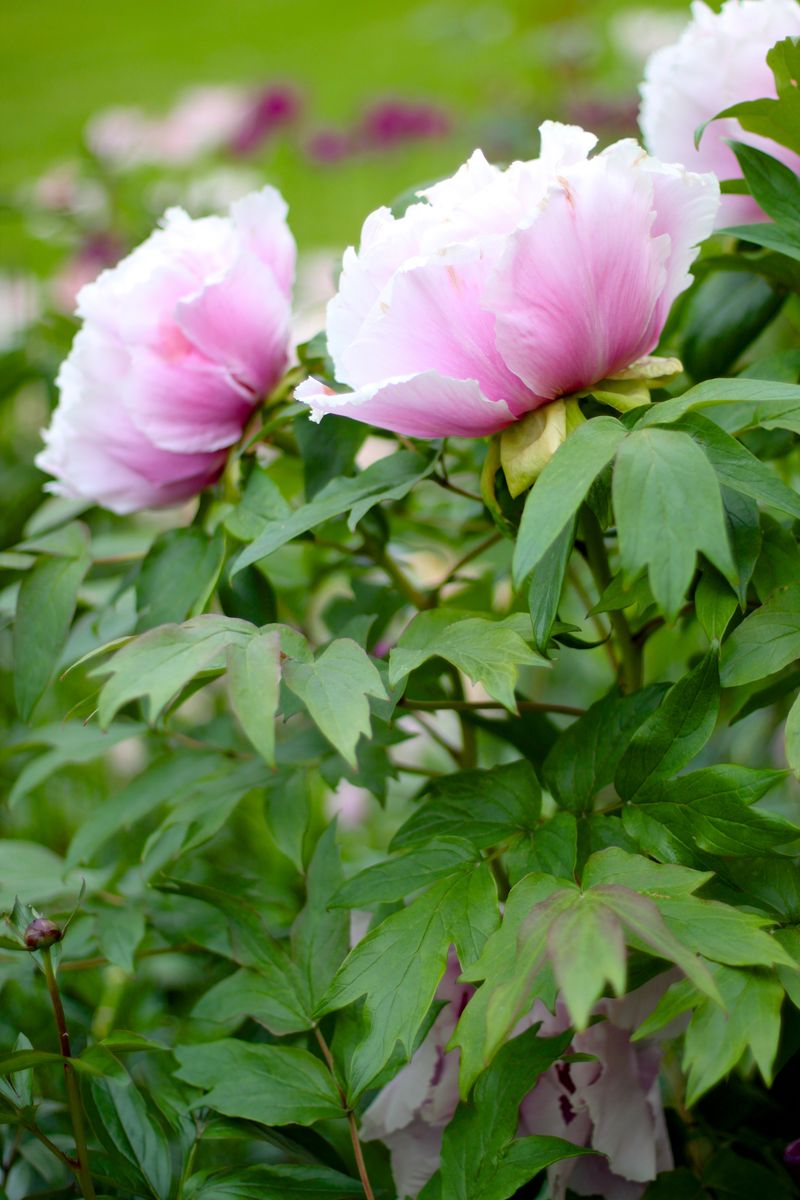
Tree peonies are the aristocrats of perennials, admired for their exquisite blooms. With petals that seem to whisper elegance, they captivate any onlooker. However, these beauties come at a price. Their initial cost is steep, and they demand specific care to thrive. Planting them involves careful soil preparation and protection from harsh climates. Despite their price, they seldom multiply, making them a costly addition. Gardeners often seek them for their aesthetic, but their demands can outweigh the benefits. Consider if the visual allure is worth the ongoing investment in time and resources.
2. Japanese Maple
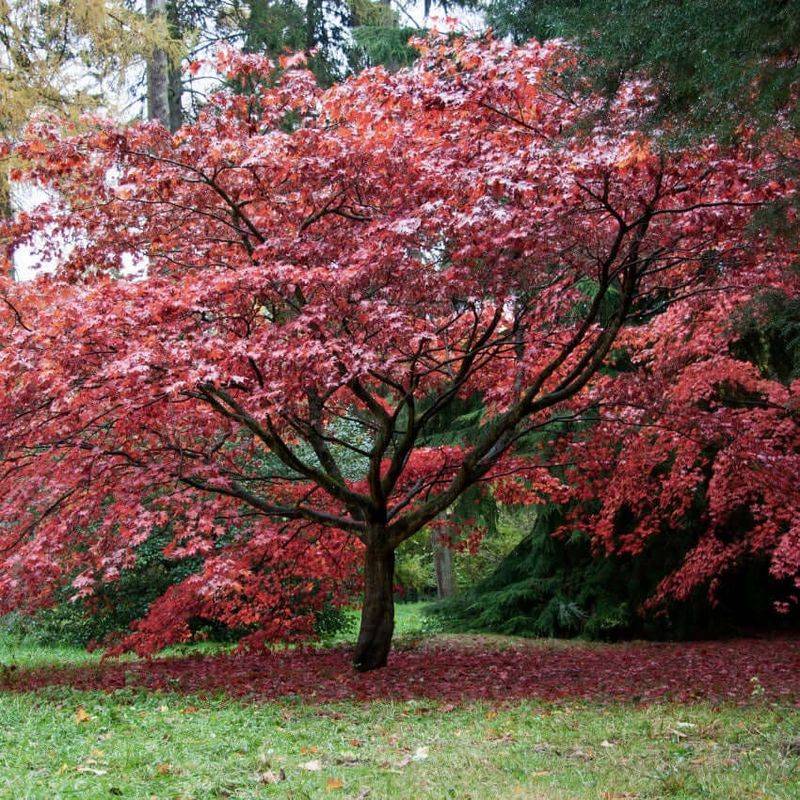
Japanese Maples are celebrated for their elegant, feathery leaves that dance with the wind. These trees add a touch of sophistication to any landscape. Yet, their charm does not come cheap. The initial investment is significant, and they require careful pruning and protection from frost. They grow slowly, making propagation rare. Enthusiasts adore them for their unique appearance, but the long-term care can be daunting. Evaluate if their dramatic flair justifies the financial and time commitment. Many gardeners find their exclusivity both a blessing and a challenge.
3. Hellebore
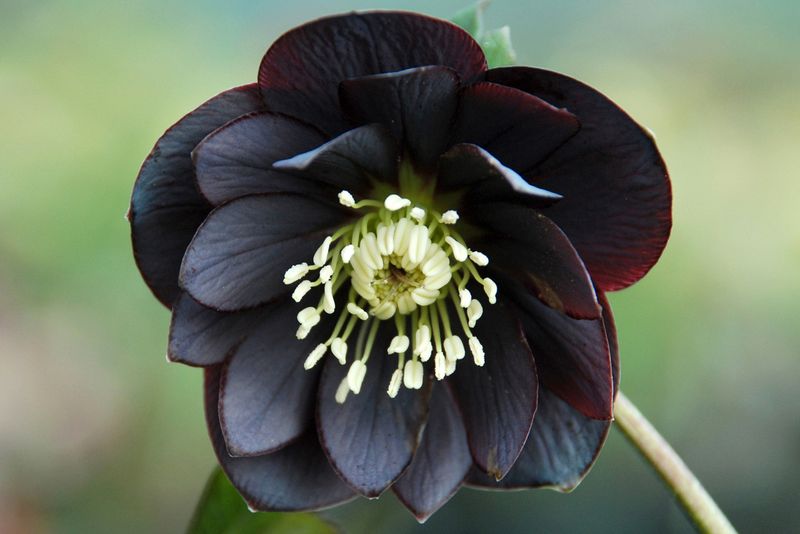
Hellebores, often called the ‘Winter Rose,’ enchant with their subtle hues during colder months. They bring color when few others bloom. However, this winter charm is costly. The initial purchase is high, and they require specific shade conditions to thrive. Their slow propagation means you won’t see an increase in numbers quickly. While their winter bloom is a draw, consider their needs and cost. Gardeners prize them for their resilience in cold, but they can be finicky, requiring patience and careful attention to flourish.
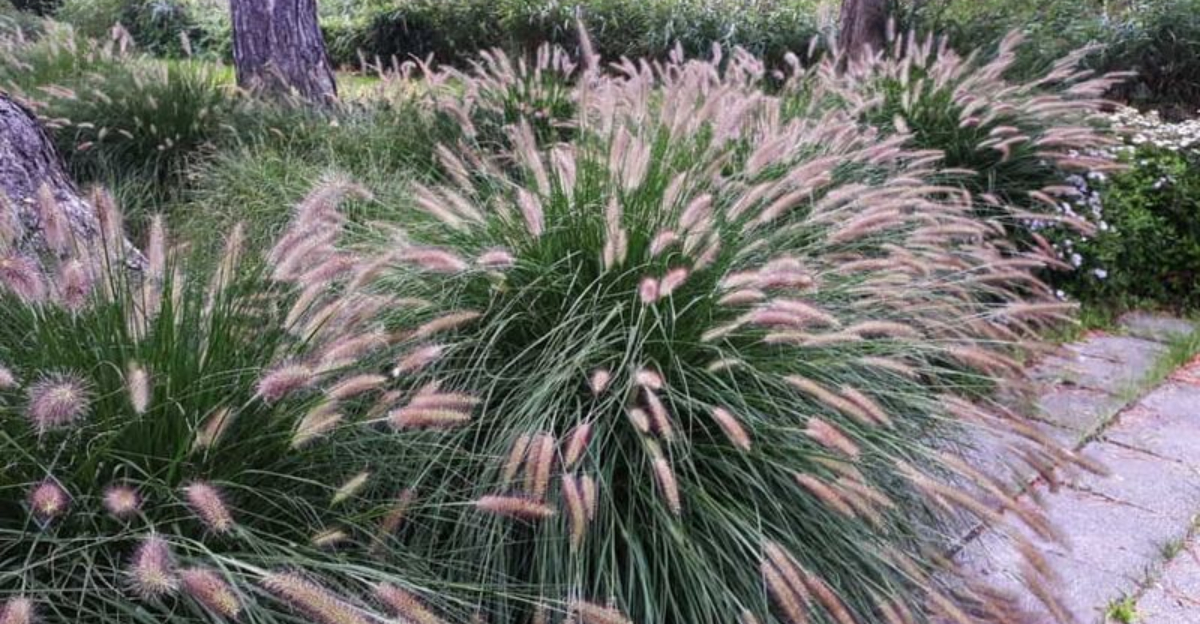
4. Ornamental Grasses
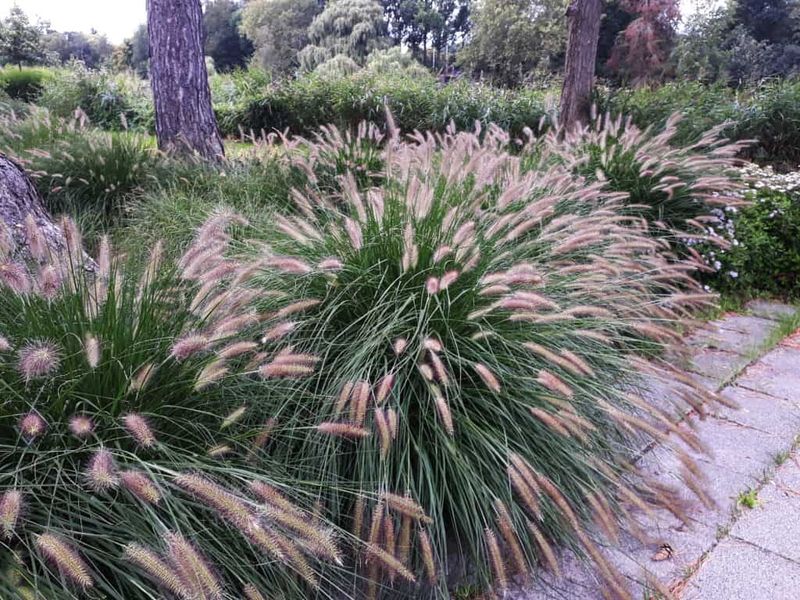
Ornamental grasses offer texture and movement, bringing a dynamic element to garden design. Their elegant sway is mesmerizing. Yet, establishing them can be costly and time-consuming. Initial purchases require patience as they take time to establish properly. Growth is not rapid, and expansion is limited. While they bring a unique aesthetic, their maintenance and cost can be prohibitive. Gardeners often weigh their visual appeal against the ongoing effort needed. They are a lesson in patience, offering beauty only after careful nurturing and investment.
5. Bamboo
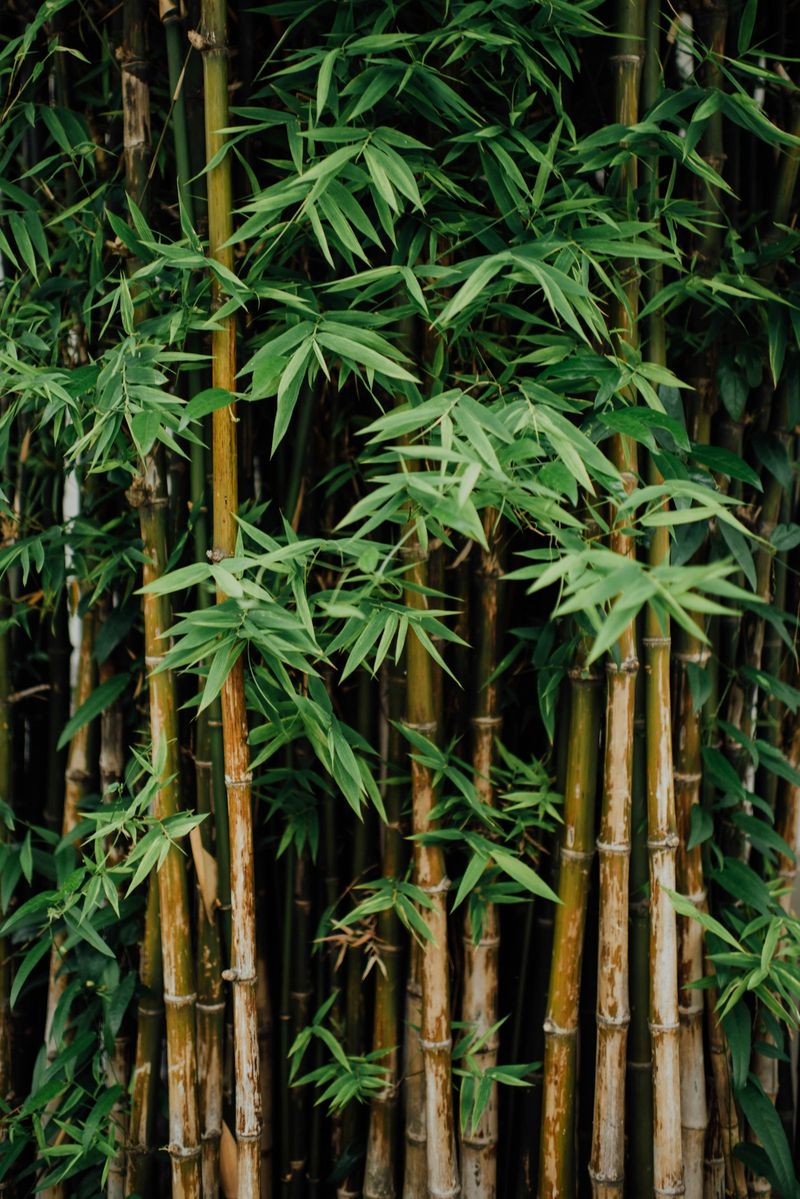
Bamboo is highly sought after for its versatility and exotic look. Its towering stalks create a striking visual, often used for privacy screens. However, its cost and care can be significant. The fast-growing nature can become invasive, requiring regular maintenance to control. Initial investment is high, and managing its spread demands time. Some find its rapid growth appealing, yet it can easily overwhelm a space. Carefully plan if bamboo’s aesthetic and functionality suit your garden’s goals. It is both a marvel and a potential challenge for dedicated gardeners.
6. Daylilies
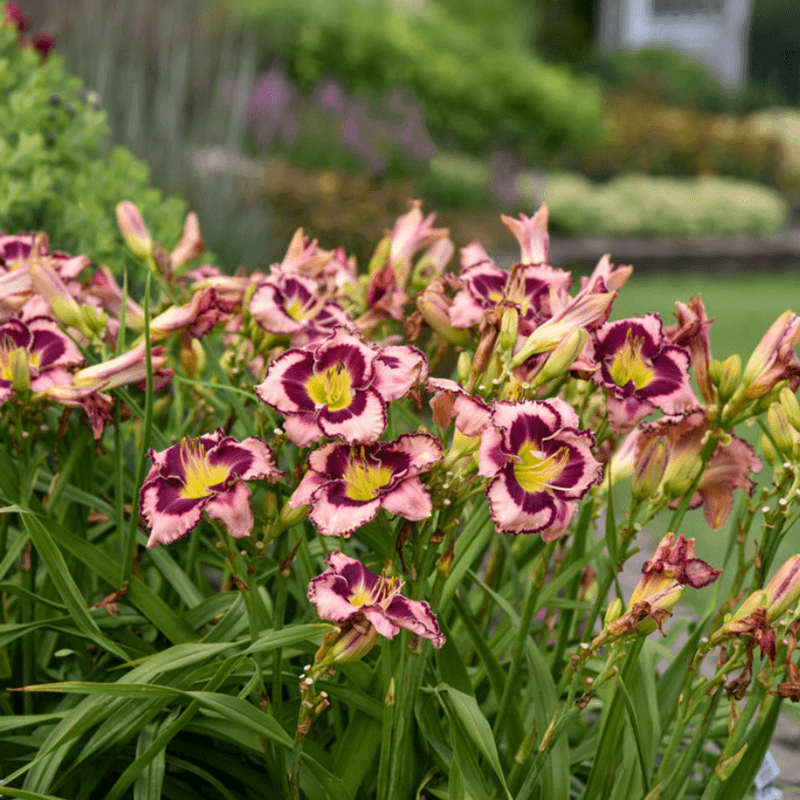
Daylilies are a gardener’s delight, known for their resilience and ability to adapt. These perennials multiply with ease, filling spaces with vibrant blooms. Each flower lasts merely a day, but the plant continually renews, offering ongoing beauty. They require minimal care, making them ideal for beginners and seasoned gardeners alike. Their ability to thrive in various conditions adds to their appeal. Daylilies symbolize effortless beauty and abundance, a garden staple for those seeking low-maintenance charm. Their cheerful presence brightens any landscape with minimal effort required.
7. Hostas
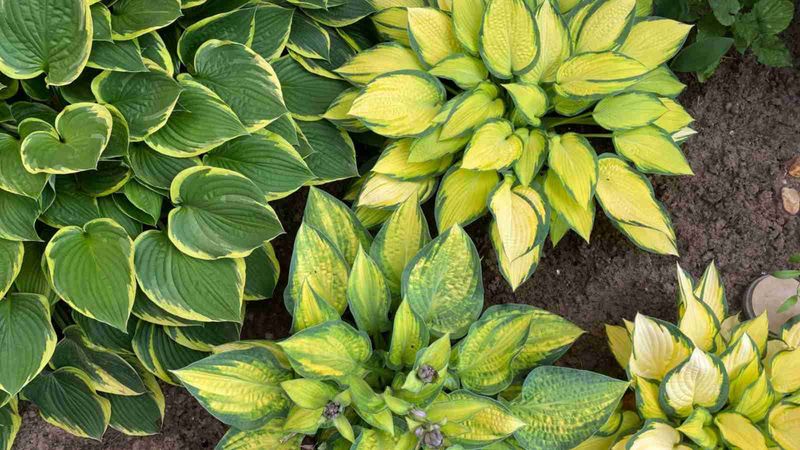
Hostas, with their broad, variegated leaves, are the unsung heroes of shaded gardens. They multiply generously, creating a lush, green carpet with minimal effort. Known for their endurance, they handle shade with grace. As they mature, hostas divide naturally, allowing gardeners to spread their beauty throughout the garden. This ease of propagation makes them a favorite. Their variety in leaf color and texture adds depth to any shady patch. Hostas offer a tranquil, easygoing presence, transforming quiet corners into verdant retreats effortlessly.
8. Sedum
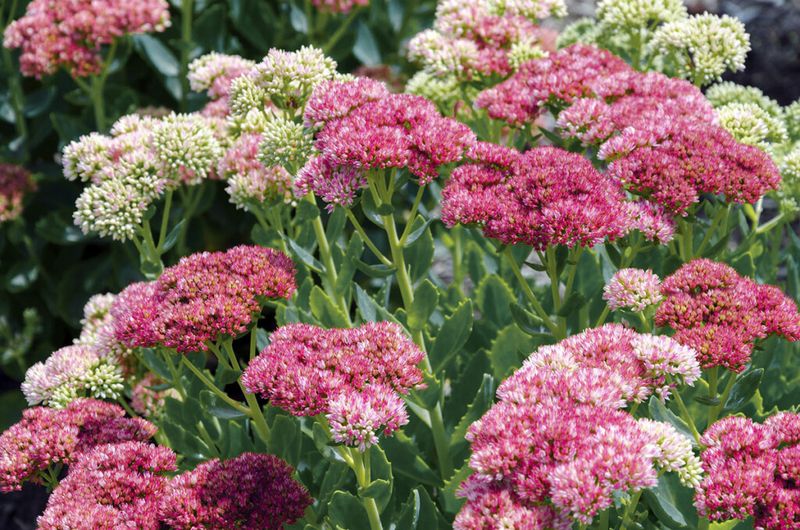
Sedums are hardy perennials that thrive where others might falter. Known for their succulent leaves and star-shaped blooms, they bring color and texture to dry spots. These plants are champions of propagation, spreading with ease and requiring little care. Their drought resistance makes them ideal for low-water gardens. Enthusiasts appreciate their ability to cover ground quickly, filling gardens with vitality. Sedums embody resilience and simplicity, thriving in neglected areas. Their carefree nature and colorful presence are perfect for gardeners seeking low-maintenance, high-impact planting solutions.
9. Yarrow
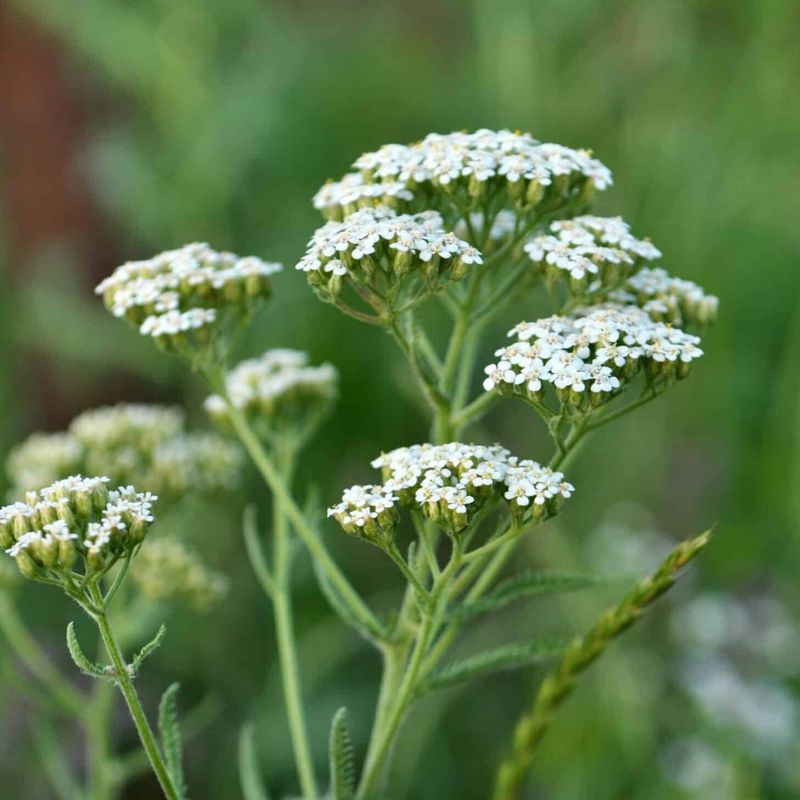
Yarrow, with its delicate clusters of flowers, is a resilient perennial beloved for its ability to thrive in poor soils. This plant multiplies readily, spreading its cheerful blooms across meadows and gardens alike. Known for its medicinal properties, yarrow has been used in herbal remedies for centuries. Its ability to attract beneficial insects adds ecological value. As a free-spreading plant, yarrow offers both beauty and utility. Its carefree growth habit makes it an excellent choice for gardeners seeking a touch of natural elegance and wildlife-friendly planting.
10. Ferns
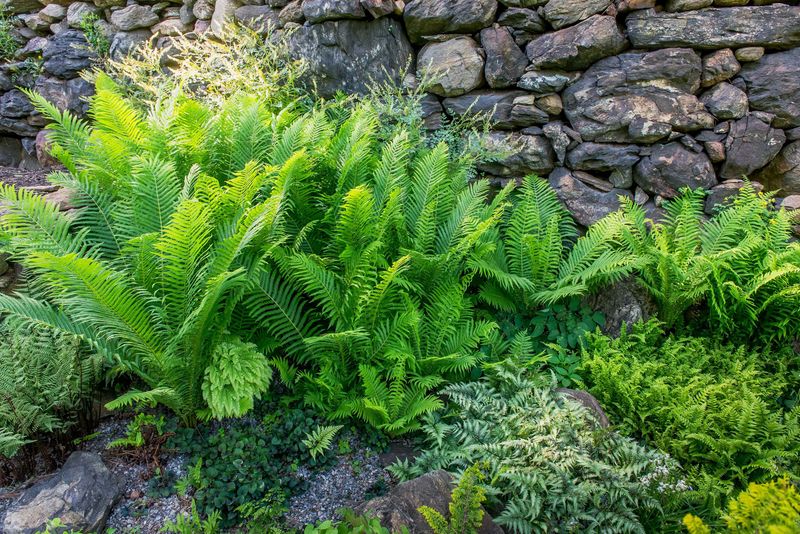
Ferns are the epitome of elegance and grace in the plant world. These perennials multiply effortlessly, filling shaded areas with their feathery fronds. Known for their ability to thrive in low-light conditions, ferns require little attention, making them ideal for busy gardeners. Their ancient lineage adds a touch of history to modern gardens. Whether lining a shady pathway or filling a woodland garden, ferns bring tranquility and texture. They are a testament to the beauty of simplicity, transforming overlooked spaces into verdant, serene escapes.
11. Lamb’s Ear
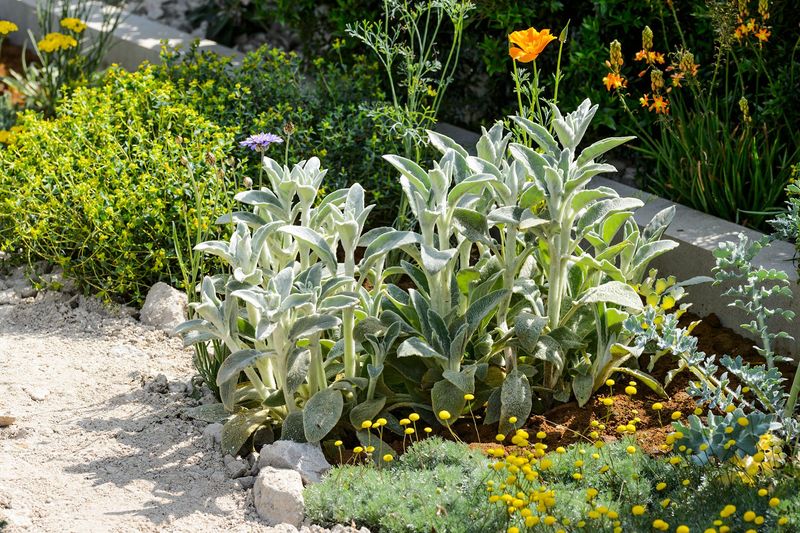
Lamb’s ear, with its velvety-soft leaves, invites touch and admiration. This perennial spreads easily, creating carpets of silvery foliage that add softness to the garden. Its ability to thrive in poor soil conditions makes it a practical choice. Children and adults alike delight in its tactile appeal. As it spreads, lamb’s ear requires minimal care, making it perfect for low-maintenance gardens. Its subtle presence complements bold blooms, offering a textural contrast. This plant embodies quiet charm and resilience, a gentle touch amidst vibrant displays.
12. Black-eyed Susan
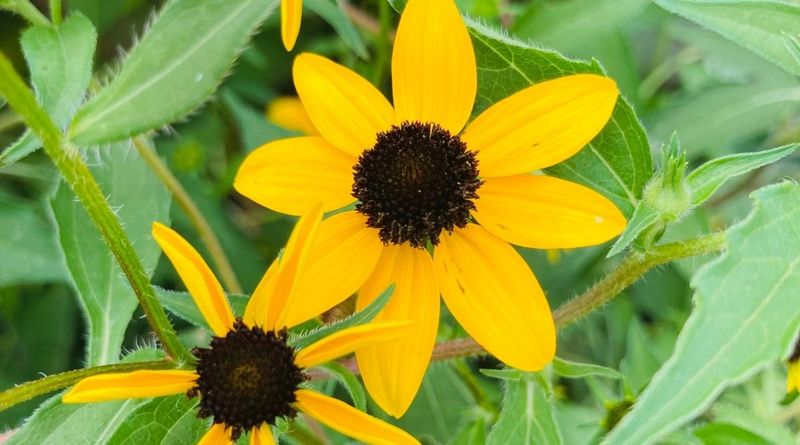
Black-eyed Susans are synonymous with summer, their bright yellow blooms embodying the season’s warmth. These perennials spread with enthusiasm, filling spaces with cheerful color. Known for attracting butterflies, they add life to any garden. Their resilience in various conditions ensures they thrive with little intervention. As they multiply, they create a vibrant tapestry that requires minimal care. Black-eyed Susans are a celebration of nature’s bounty, bringing warmth and vibrancy to gardens everywhere. Their easy-going nature makes them perfect companions for both seasoned gardeners and newcomers.
13. Coneflower
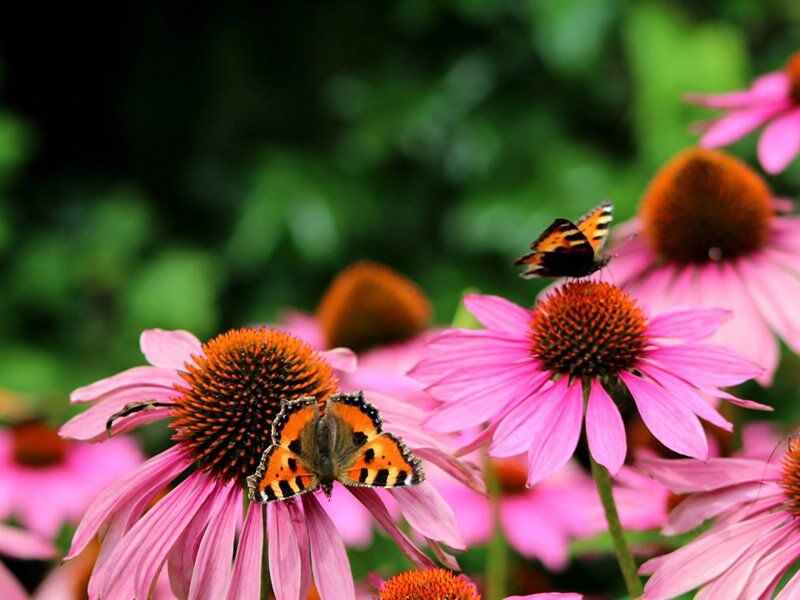
Coneflowers, with their striking petal arrangement, are a favorite among pollinators and gardeners alike. These perennials multiply readily, spreading their vibrant blooms across gardens. Their drought tolerance and hardiness make them a reliable choice for various conditions. As coneflowers propagate, they support local ecosystems, attracting bees and butterflies. Gardeners appreciate their low-maintenance nature and long-lasting blooms. Coneflowers are a harmonious blend of beauty and utility, offering ecological benefits and visual appeal. Their cheerful demeanor and adaptability make them a garden staple, beloved for their enduring charm.
14. Bee Balm
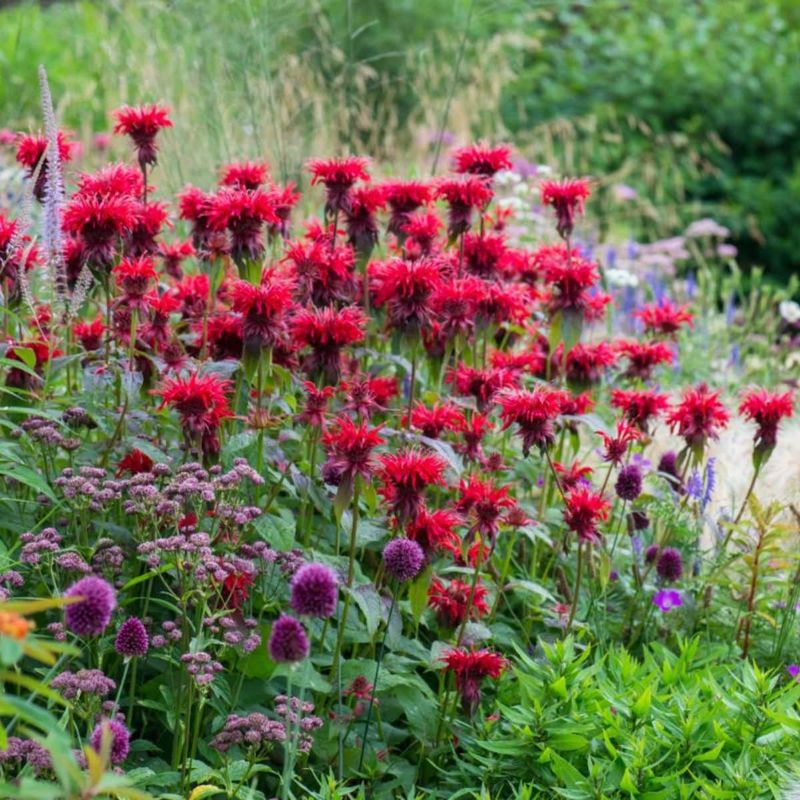
Bee Balm is a vibrant perennial that attracts pollinators with its vivid flowers and aromatic leaves. This plant multiplies vigorously, spreading joy and color. Its ability to thrive in various conditions makes it a gardener’s favorite. Bee Balm’s bold presence enlivens any garden, offering nectar-rich blooms that support wildlife. Its ease of propagation adds to its appeal, making it a practical and beautiful choice. This plant embodies the spirit of growth and community, welcoming bees and butterflies with open petals and an open heart.
15. Rudbeckia
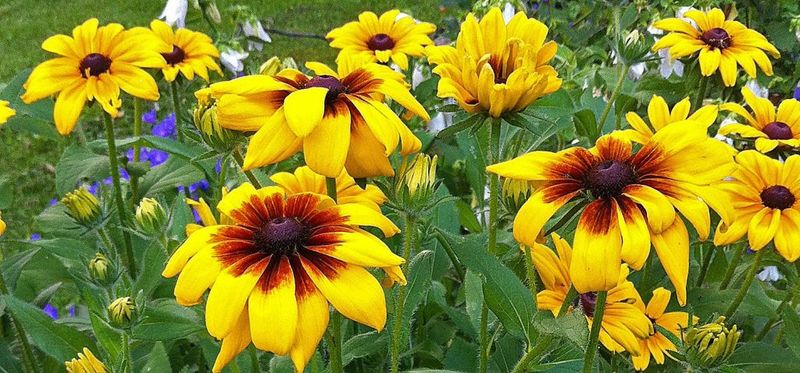
Rudbeckia, often mistaken for Black-eyed Susans, brings warmth and cheer to gardens with its golden blooms. These perennials spread easily, creating vibrant patches that require little upkeep. Known for their hardiness, Rudbeckias withstand varying climates with grace. Gardeners cherish their ability to attract pollinators and their long-lasting display. As they multiply, they offer a joyful presence, turning gardens into sunlit havens. Rudbeckias are a testament to nature’s generosity, providing beauty and ecological support effortlessly, making them a cherished addition to any garden.
16. Ajuga
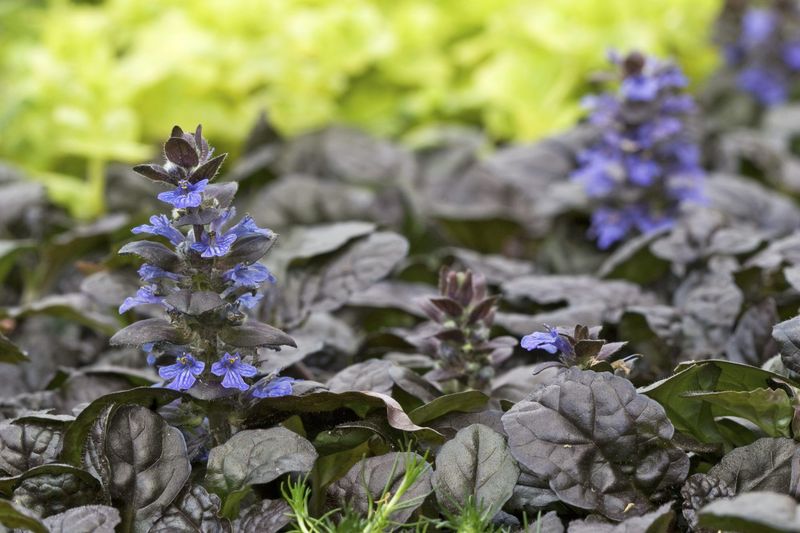
Ajuga, or bugleweed, is a resilient ground cover known for its glossy leaves and striking flower spikes. This plant spreads rapidly, covering bare patches with ease. Its ability to thrive in shaded areas makes it versatile for various garden settings. Ajuga’s low maintenance and vibrant presence make it a favorite for gardeners looking to fill spaces quickly. The plant’s adaptability and lush appearance add depth and color to gardens. Ajuga is a practical choice, offering beauty and coverage without demanding much in return.
17. Creeping Jenny
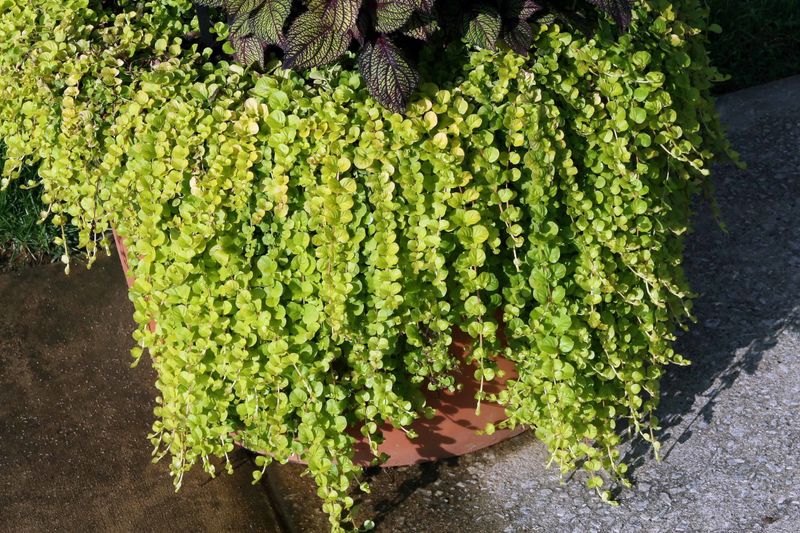
Creeping Jenny, with its trailing vines and vibrant foliage, adds a whimsical touch to gardens. This perennial spreads quickly, creating a lush carpet of green that brightens any space. Its ability to cascade over edges and fill gaps makes it ideal for creative landscaping. Despite its delicate appearance, Creeping Jenny is robust and requires little maintenance. Gardeners value its adaptability and cheerful presence. This plant is a testament to nature’s artistry, offering both aesthetic appeal and practical ground coverage with minimal care requirements.
18. Catmint
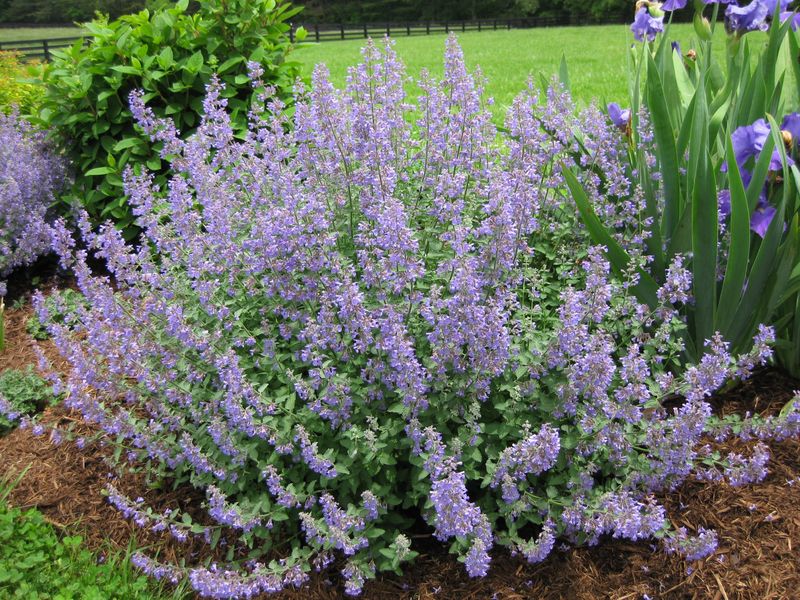
Catmint, with its aromatic foliage and charming flowers, is a joy for gardeners and wildlife alike. This perennial spreads with ease, creating soft mounds of color. Its drought resistance and low maintenance make it an ideal choice for busy gardeners. Catmint’s appeal extends to pollinators, attracting bees with its nectar-rich blooms. The plant’s whimsical nature adds a playful touch to gardens, enchanting both humans and felines. Catmint is a delightful blend of practicality and beauty, offering a serene yet lively presence that enriches any garden.