
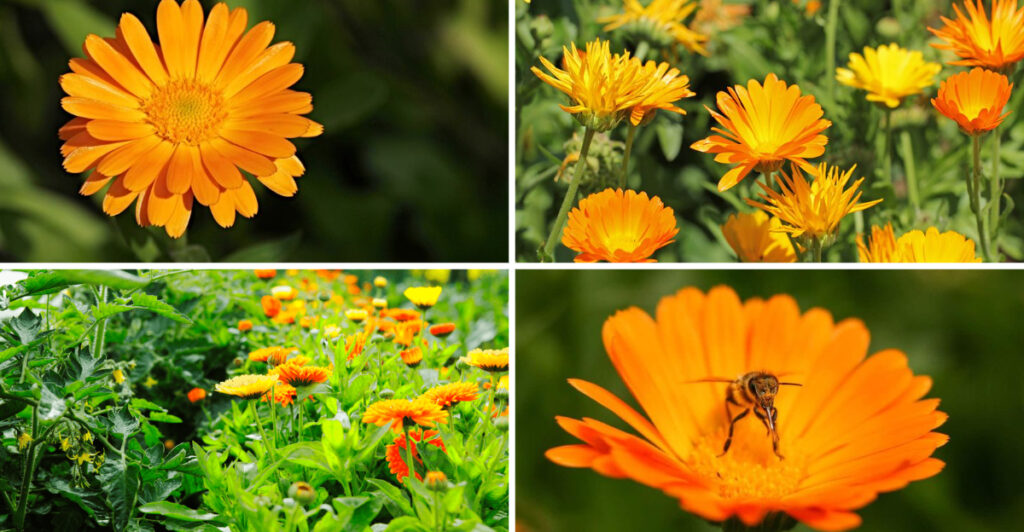
Calendula, often known as pot marigold, is more than just a pretty face in the garden. Its sunny blooms and versatility make it an ideal choice for growing near your front door. Each of its vibrant yellow and orange flowers holds a wealth of benefits—from attracting pollinators to providing natural remedies. Discover these compelling reasons to add calendula to your entryway garden, enhancing both beauty and utility. Let this hardy and cheerful plant welcome you home every day, offering a touch of nature’s best right at your doorstep.
1. Natural Pollinator Magnet
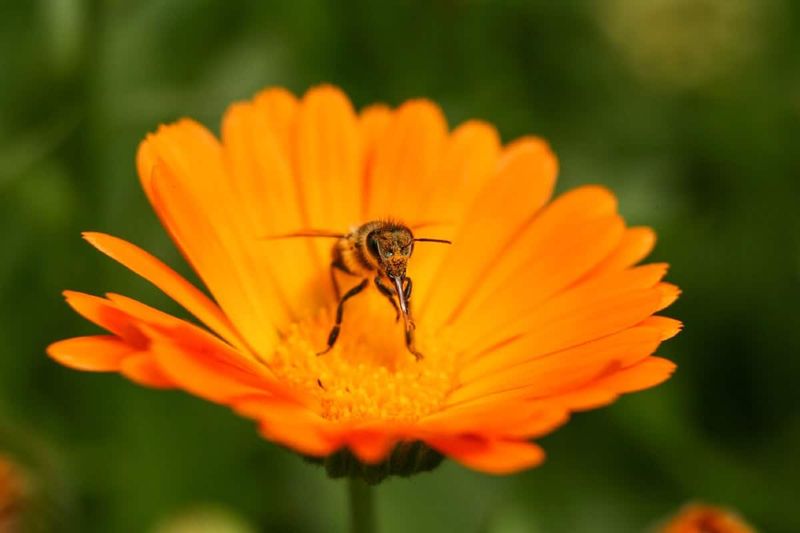
Calendula’s bright blooms act like a beacon for pollinators such as bees and butterflies. These essential insects are drawn to the plant’s vibrant yellow and orange flowers. By planting calendula near your front door, you provide a vital food source for these creatures, helping to support local biodiversity.
The health of your garden can improve as these pollinators also visit other plants, boosting fruit and vegetable yields. Imagine, as you step outside, the buzz of bees and flutter of butterfly wings greeting you.
It’s a small way to connect with nature and support the ecosystem.
2. Medicinal Marvel
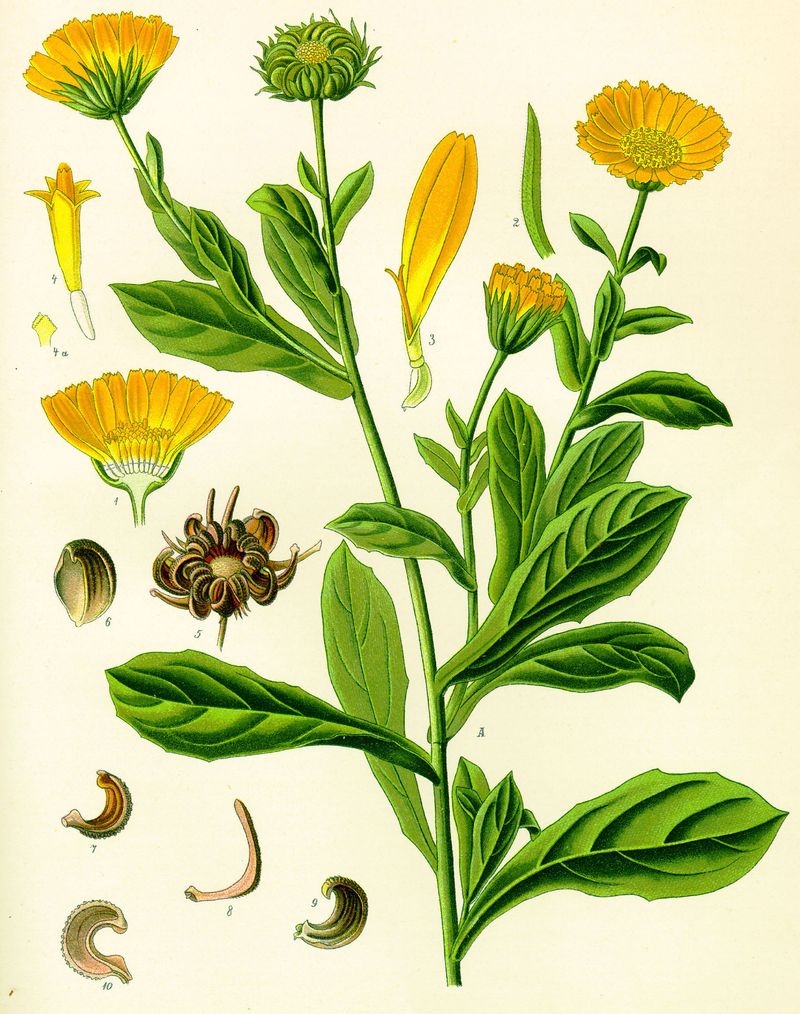
Calendula isn’t just a feast for the eyes; it’s a time-honored herbal remedy. The petals have anti-inflammatory and antimicrobial properties, making them an excellent choice for homemade salves and lotions.
Imagine creating your own natural skincare products right from your garden. This plant has been used for centuries to treat minor cuts, burns, and skin irritations.
Cultivating calendula at your doorstep allows easy access to these healing petals, connecting you to ancient practices of natural medicine and providing a sustainable option for personal care.
3. Culinary Delight
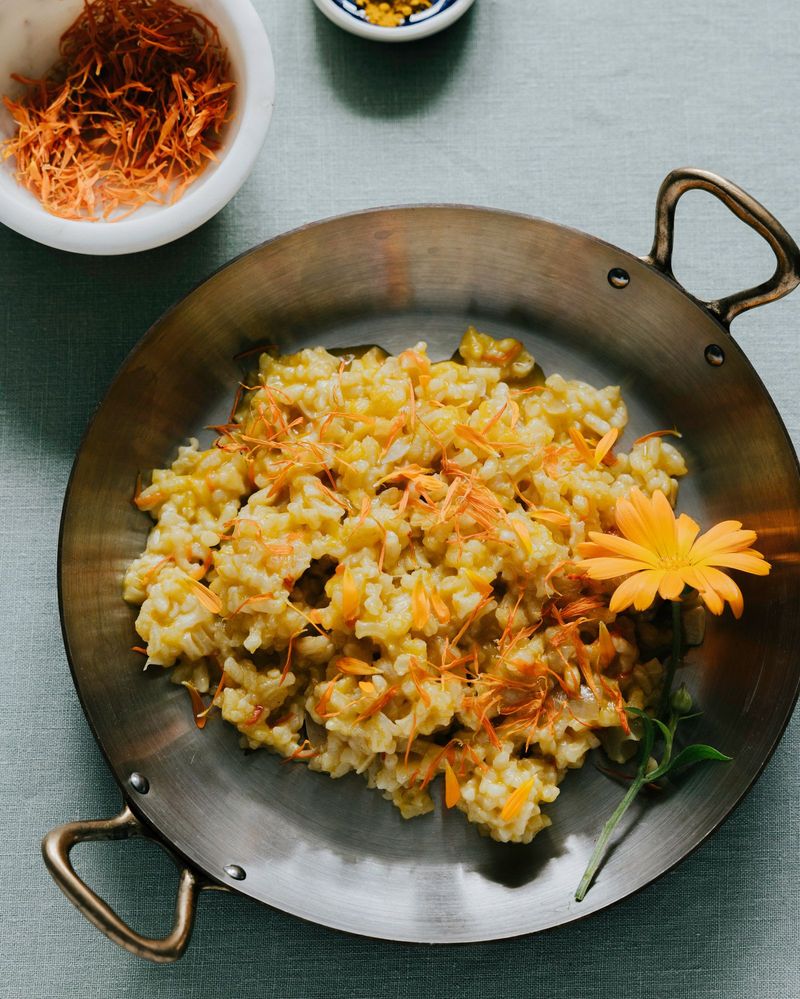
Sprinkling calendula petals over dishes adds a splash of color and a hint of spice. Known as the “poor man’s saffron,” these flowers are edible and can enhance salads, soups, and breads.
Their slightly tangy flavor makes them a unique addition to your culinary repertoire. Growing calendula by your front door means fresh petals are always at hand.
They not only beautify your meals but also surprise your guests with their unexpected taste. Embrace a touch of gourmet flair in your everyday cooking with this versatile plant.
4. Pest Deterrent
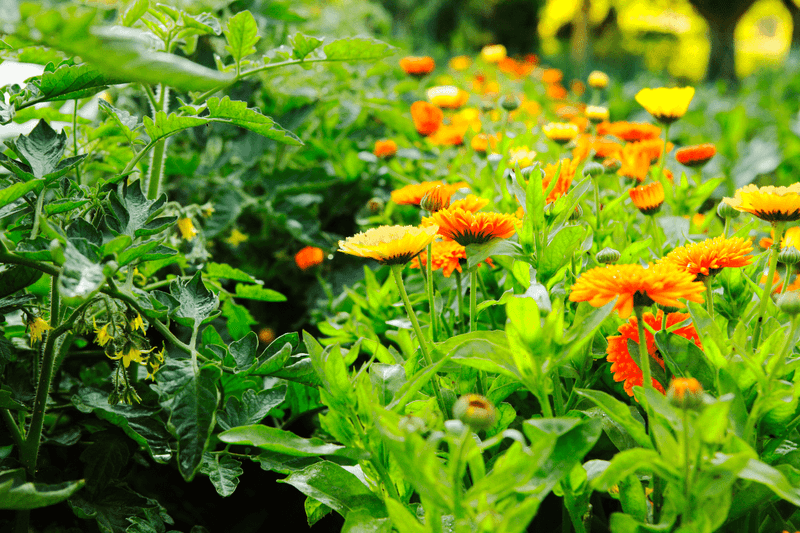
Calendula acts as a natural pest deterrent, keeping harmful insects at bay without chemicals. Its presence can repel aphids, nematodes, and other pests that threaten garden plants.
Planting calendula by your front door helps protect the rest of your garden, creating a healthier environment for your other plants. This eco-friendly approach to pest management supports a balanced ecosystem.
Imagine a garden where plants thrive and pests flee, all thanks to the bright and cheerful calendula. It’s a simple step towards sustainable gardening.
5. Vibrant Visual Appeal
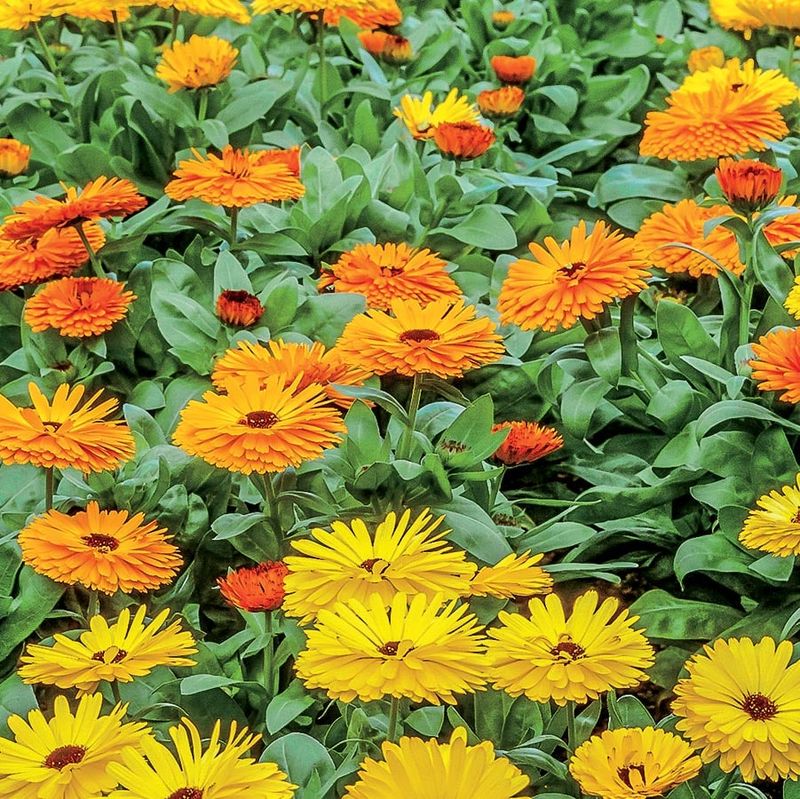
The cheerful hues of calendula bring a burst of color to any garden. Their radiant yellow and orange flowers create an inviting and lively entrance to your home.
As you walk up to your door, the vibrant blooms can lift your spirits and welcome guests with warmth and charm. This plant’s continuous blooming cycle ensures a steady display of color throughout the growing season.
By placing calendula near your front door, you enhance curb appeal and create a visually pleasing landscape that complements any style of home.
6. Easy to Grow
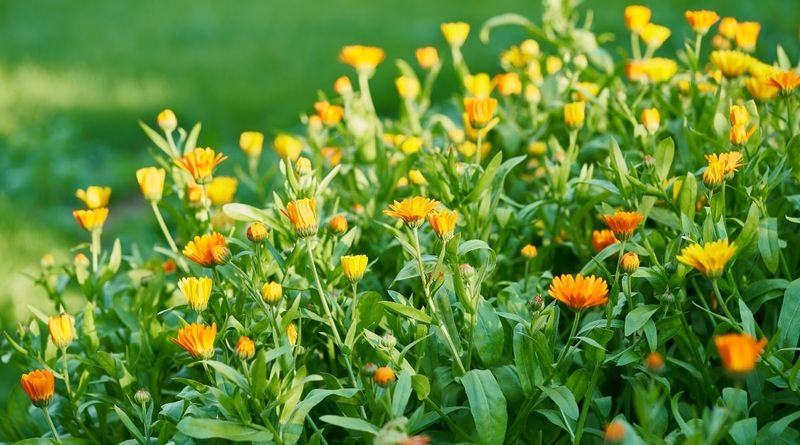
Calendula is known for its ease of cultivation, making it perfect for both novice and experienced gardeners. It thrives in various soil types and requires minimal care.
From seed to bloom, this plant grows quickly and robustly, even in challenging conditions. By having calendula at your front door, you can enjoy a low-maintenance garden that still offers beauty and benefits.
For those with busy lives, it’s a practical choice that doesn’t sacrifice aesthetic appeal. Imagine tending to a garden that rewards you with minimal effort.
7. Symbol of Positivity
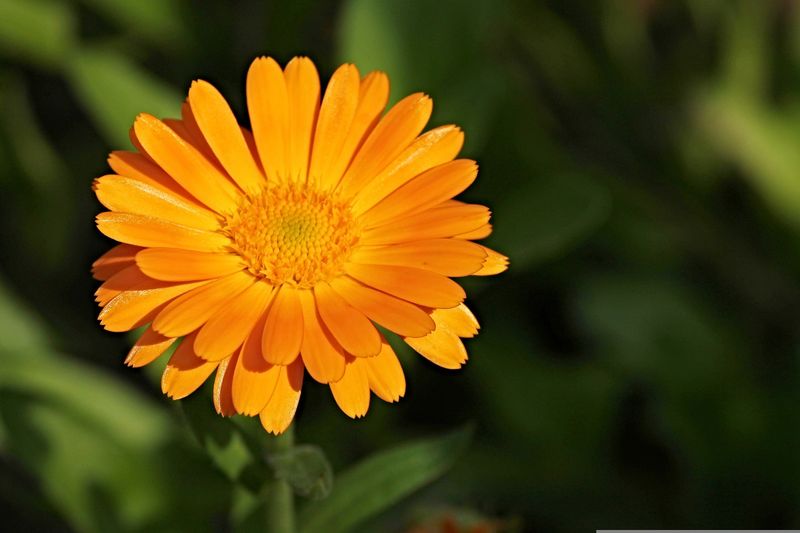
Calendula is often associated with joy and positivity, symbolizing success and happiness. Its presence by your front door can serve as a daily reminder of these uplifting qualities.
Imagine starting each day with a glimpse of sunshine from your garden. The symbolism of calendula adds emotional value to your home, making it more than just a decorative element.
It’s a natural way to bring good vibes and positive energy into your life, influencing your mood and outlook every time you pass by.
8. Beneficial for Pets
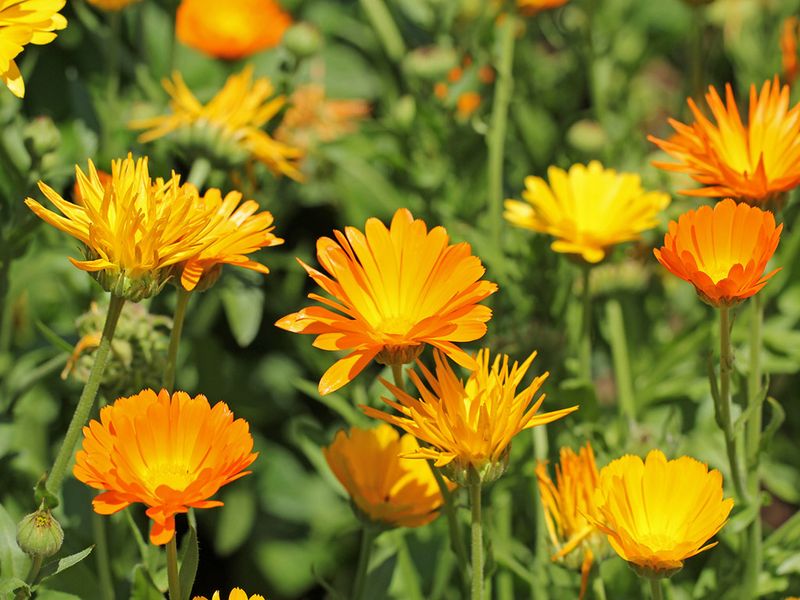
Calendula is safe for pets, offering a natural alternative for treating minor skin irritations in dogs and cats. If you have pets, growing calendula can be a smart choice.
The soothing properties of its flowers are gentle on animal skin, providing a home remedy that’s easy to access. Imagine a garden that not only pleases the eye but also cares for your furry friends.
With calendula at your front door, you have a pet-friendly garden that supports the health and comfort of your beloved companions.
9. Rich in History

Calendula’s rich history dates back to ancient civilizations, where it was valued for its medicinal and symbolic uses. Did you know that the Romans used it in rituals and medieval monks in manuscripts?
By planting calendula, you bring a piece of history into your garden. This connection to the past adds depth and character to your outdoor space, linking you to centuries of human experience.
It’s more than just a plant; it’s a living testament to human ingenuity and the timeless appeal of nature’s bounty.
10. Seasonal Longevity
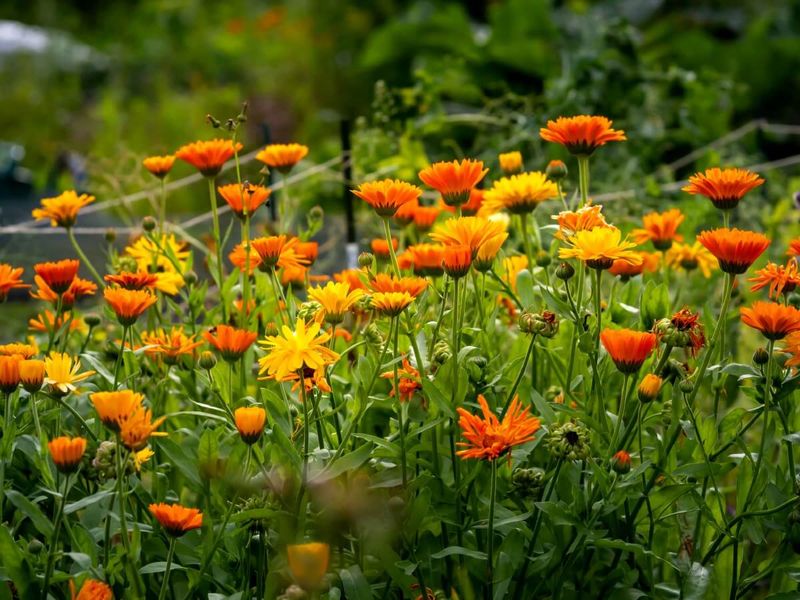
Calendula is known for its long blooming season, providing color from early spring to late autumn. This longevity ensures that your garden remains vibrant and inviting for most of the year.
Imagine a front door adorned with flowers that persist through changing seasons, offering a consistent display of beauty. The extended bloom time allows you to enjoy the visual appeal without frequent replanting.
Adding calendula to your garden offers a reliable source of color, making it a staple for any landscape design.
11. Natural Dye Source
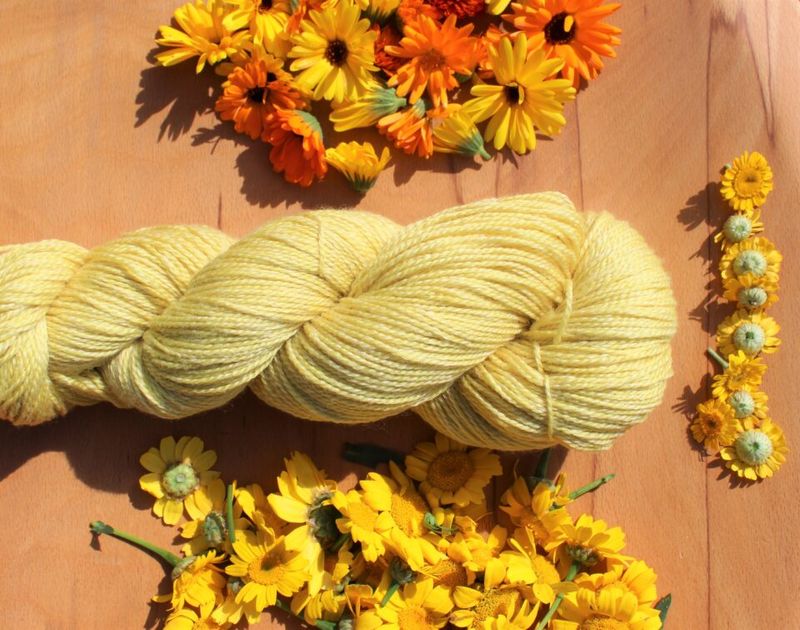
Calendula’s flowers can be used to create natural dyes, offering a sustainable option for crafting and textiles. If you enjoy DIY projects, this plant provides a unique opportunity to experiment with colors.
The dye extracted from calendula petals yields a range of hues from golden yellows to soft oranges. Imagine crafting personalized items with colors derived straight from your garden.
This eco-friendly option not only supports creativity but also reduces reliance on synthetic dyes, making your craft endeavors more environmentally conscious.
12. Aromatic Essence

Calendula’s subtle fragrance adds a gentle aroma to your garden, enhancing the sensory experience. Its scent is calming and can create a peaceful atmosphere around your home.
Imagine relaxing by your front door, enveloped in the soothing scent of calendula. This aromatic addition to your garden can improve your mood and provide a serene escape from daily stress.
By planting calendula, you integrate a natural aromatherapy element into your surroundings, promoting well-being and tranquility.
13. Edible Flower Garnish
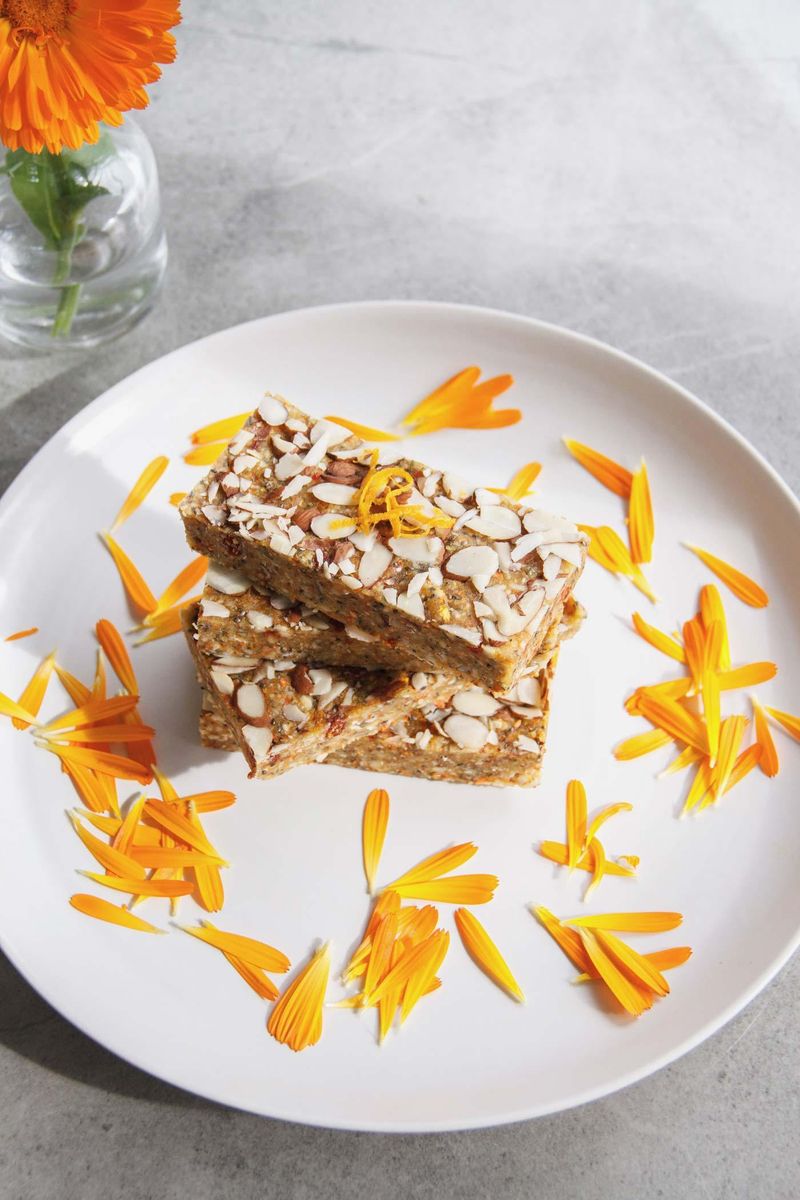
Calendula flowers make a delightful edible garnish for culinary creations. Their bright petals can transform ordinary dishes into visually stunning presentations.
Imagine serving a salad or dessert adorned with these eye-catching blooms. The petals add a slight peppery flavor, enhancing both taste and appearance.
Having calendula at your front door ensures you always have fresh garnishes at your fingertips, elevating everyday meals into gourmet experiences. This plant enhances culinary creativity in the most delightful way.
14. Companion Planting

Calendula is an excellent companion plant, beneficial to various vegetables and herbs. Its presence can improve soil health and deter harmful pests, promoting a healthier garden ecosystem overall.
Imagine a thriving garden where plants support each other naturally. Growing calendula near your front door can enhance the vitality of your entire garden, ensuring robust growth and bountiful harvests.
This symbiotic relationship makes calendula an invaluable addition to any gardener’s toolkit, fostering a more sustainable and productive growing environment.
15. Wildlife Friendly
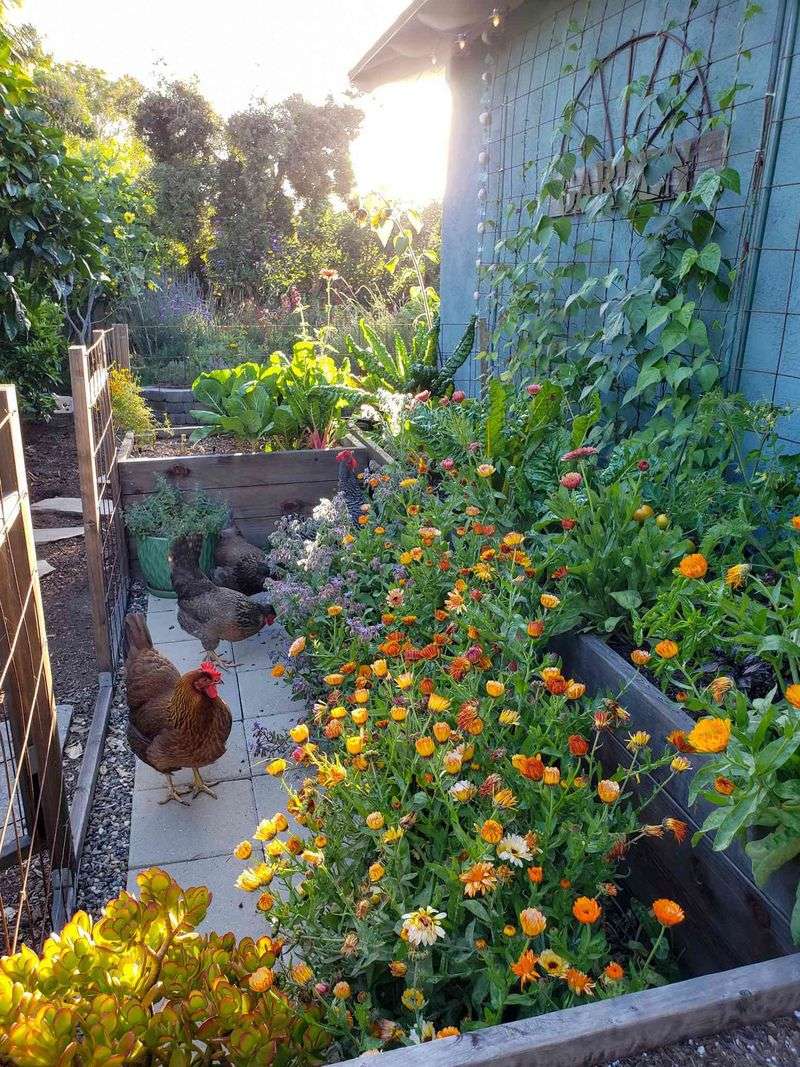
Calendula’s seeds and flowers attract various wildlife, creating a haven for birds and small mammals. Planting it by your front door can transform your garden into a lively ecosystem.
Imagine watching birds flock to your garden, providing a natural spectacle and enhancing biodiversity. This plant helps support local wildlife, contributing to a balanced and thriving environment.
By welcoming calendula, you invite nature into your space, fostering a connection with the world around you.
16. Resilient Beauty
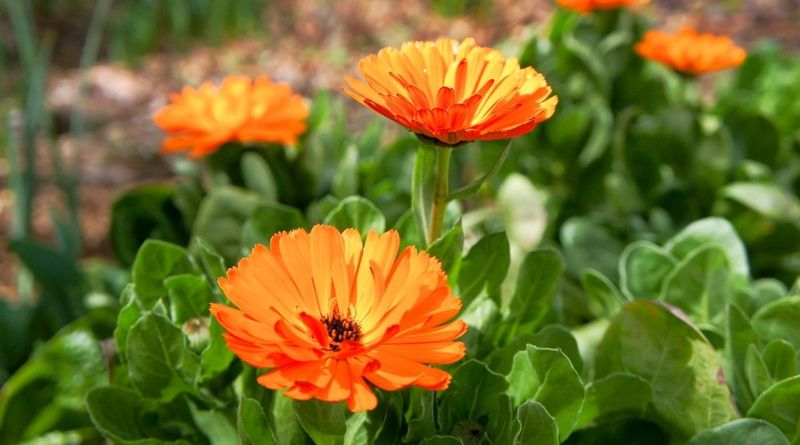
Calendula is known for its hardiness, thriving in less-than-ideal conditions. Its resilience allows it to withstand drought, poor soil, and varying temperatures, making it a reliable choice for any garden.
Imagine a plant that flourishes where others might falter, providing beauty despite the odds. By planting calendula near your front door, you ensure a vibrant display of flowers regardless of weather conditions.
This toughness makes calendula a practical and attractive option for gardeners seeking reliability and perseverance in their plants.
17. Cultural Significance

Calendula holds cultural significance in various traditions and celebrations. It’s often used in festivals and ceremonies for its symbolic meanings of love, passion, and creativity.
Imagine incorporating a plant into your garden that carries rich cultural stories from around the world. By planting calendula near your front door, you embrace these cultural connections, adding depth to your home garden.
This plant not only enhances your outdoor space aesthetically but also enriches it with global heritage and meaning.
18. Sustainable Beauty
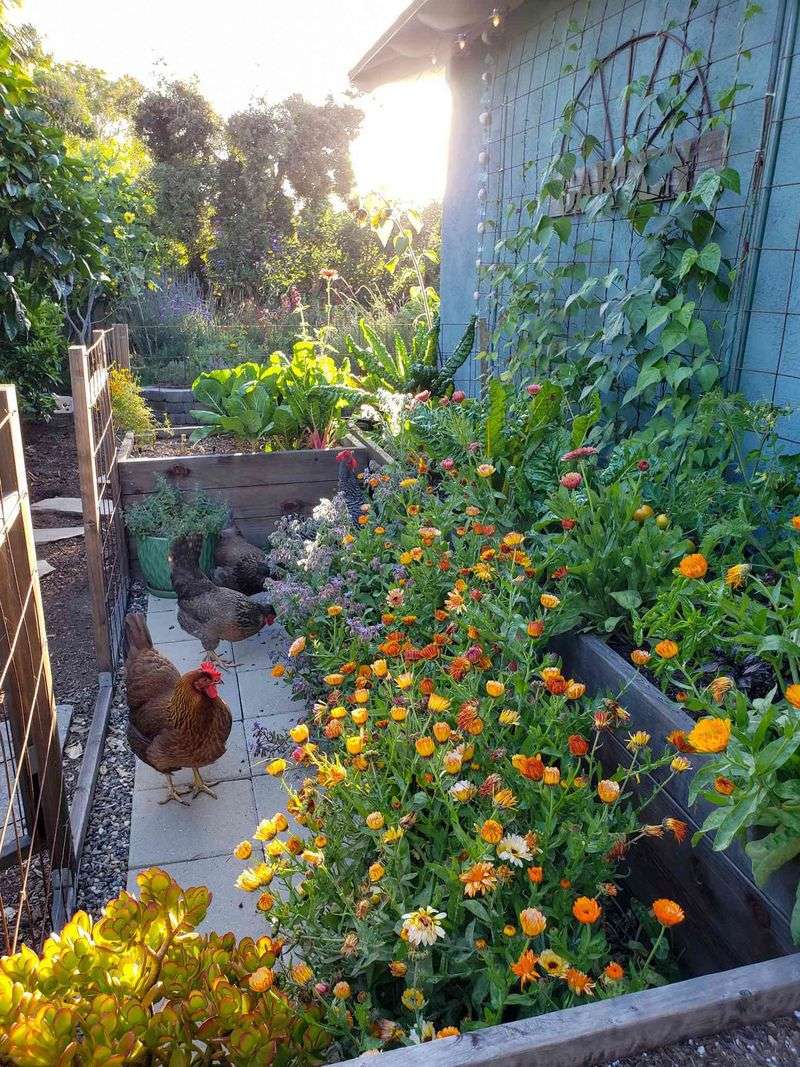
Calendula is a sustainable choice for environmentally conscious gardeners. Its low maintenance and minimal water requirements make it an eco-friendly option.
Imagine a garden that thrives with little intervention, reducing your ecological footprint. Planting calendula near your front door supports sustainable gardening practices, promoting conservation and environmental stewardship.
This plant symbolizes a commitment to preserving nature while enjoying its beauty, making it an ideal choice for those looking to create a greener future.
19. Poetry in Bloom
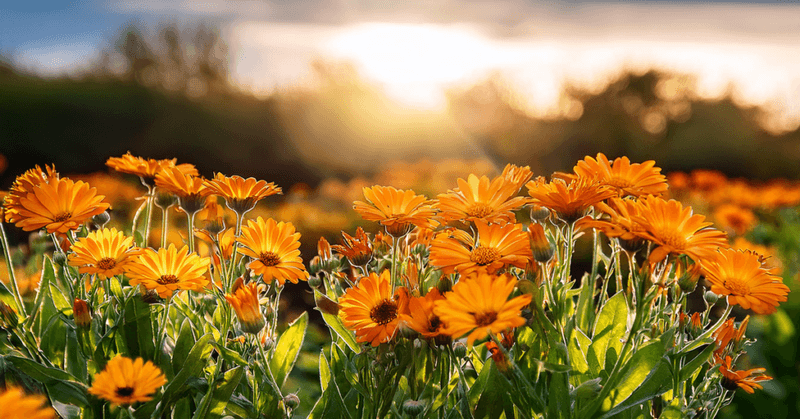
Calendula has inspired poets and artists for centuries with its radiant beauty and symbolic meanings. Imagine strolling past your front door, each flower a verse in nature’s poetry.
The sight of calendula can evoke creativity, providing an inspirational backdrop for writing, painting, or meditation.
By planting calendula, you invite the muses of art and literature into your home, making your garden a sanctuary for imagination and expression. This poetic presence can transform an ordinary space into something extraordinary.
20. Natural Soap Ingredient
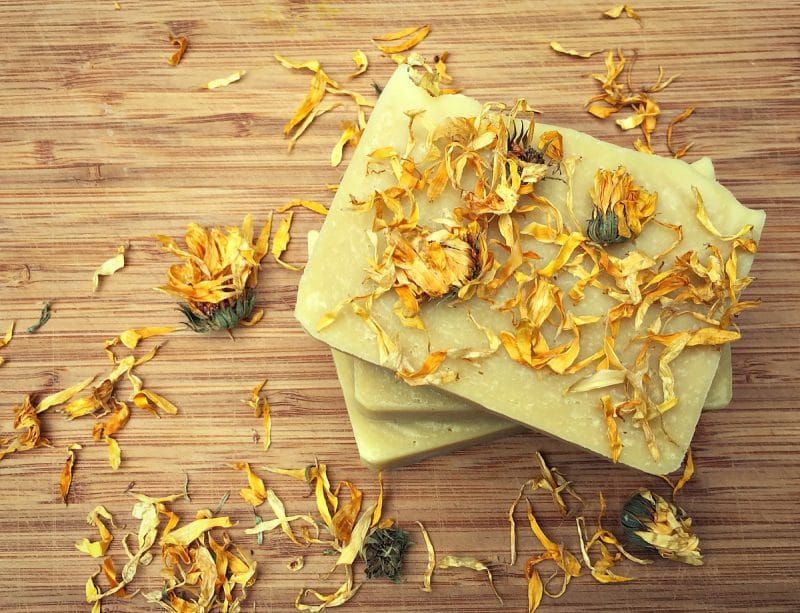
Imagine washing your hands with soap crafted from your very own garden. Calendula petals make an excellent natural ingredient for soap, offering skin-soothing properties that your hands will thank you for. Their gentle essence is perfect for sensitive skin, providing a calming wash.
Crafting soap with calendula is not just about practicality; it’s also about the joy of self-sufficiency. This beautiful plant allows you to blend creativity with wellness, creating a unique, fragrant bar right at home.
Did you know calendula has been used in skincare for centuries? Its benefits are both time-tested and delightful.