
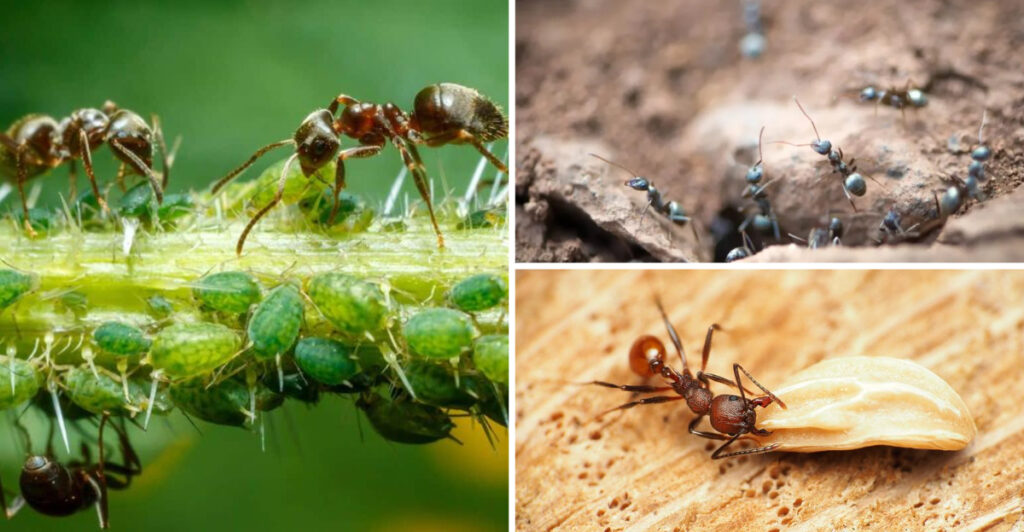
Ants might often be seen as pests, but their presence in your garden is more beneficial than you might think. Not only do they play a crucial role in ecological balance, but they also aid in various gardening processes that benefit plants and soil alike. While it’s common to try and eradicate them, embracing their presence can lead to a thriving garden ecosystem.
1. Natural Pest Control
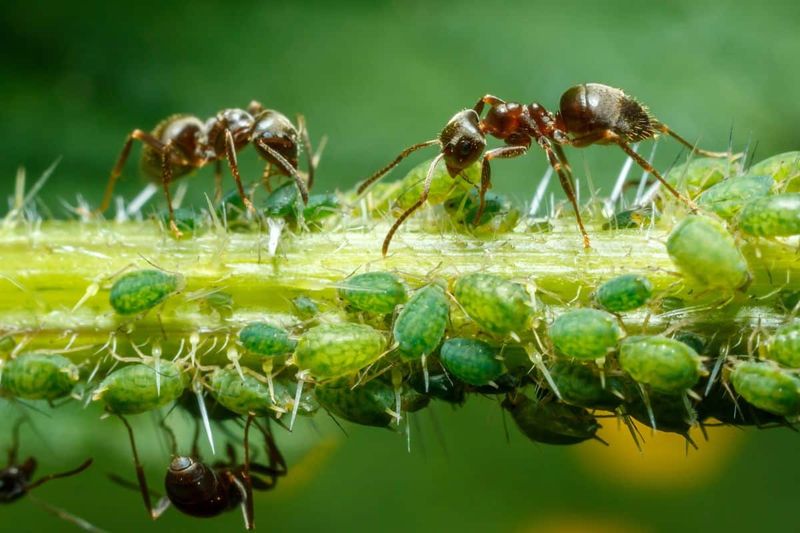
Did you know ants act as vigilant guardians of your garden ecosystem? By preying on common pests like aphids and caterpillars, they help maintain a natural balance.
Their diligent work reduces the need for chemical pesticides, promoting a healthier environment for plants and beneficial insects. Ants patrol the garden tirelessly, seeking out and removing potential threats.
Their population control strategies are both effective and organic. While often overlooked, these tiny defenders contribute significantly to sustainable gardening practices, ensuring your plants thrive without harmful chemicals.
Embrace the natural pest control services that ants provide.
2. Soil Aeration
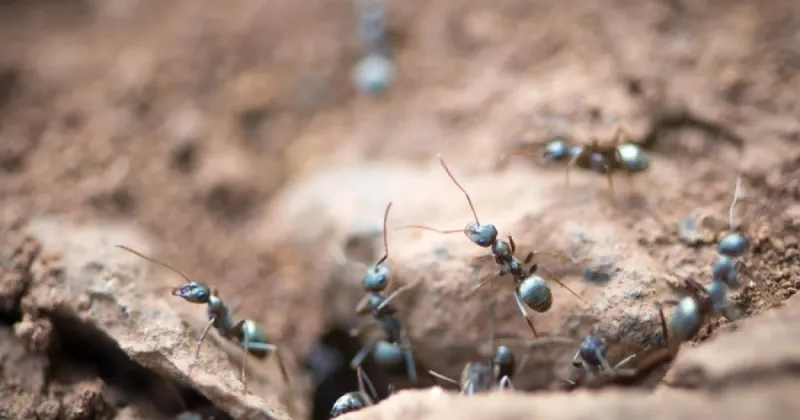
Ants are not just industrious workers; they are also incredible aerators of the soil. As they burrow and create intricate tunnel systems, they enhance soil structure.
These tunnels improve air circulation and water infiltration, crucial for plant health. By aiding in compost breakdown, they release nutrients back into the soil.
This natural tilling process benefits root growth and microbial activity. With ants acting as tiny ploughs of the earth, you enjoy a more fertile and robust garden.
Their presence is a testament to nature’s ability to self-sustain and nurture.
3. Seed Dispersal
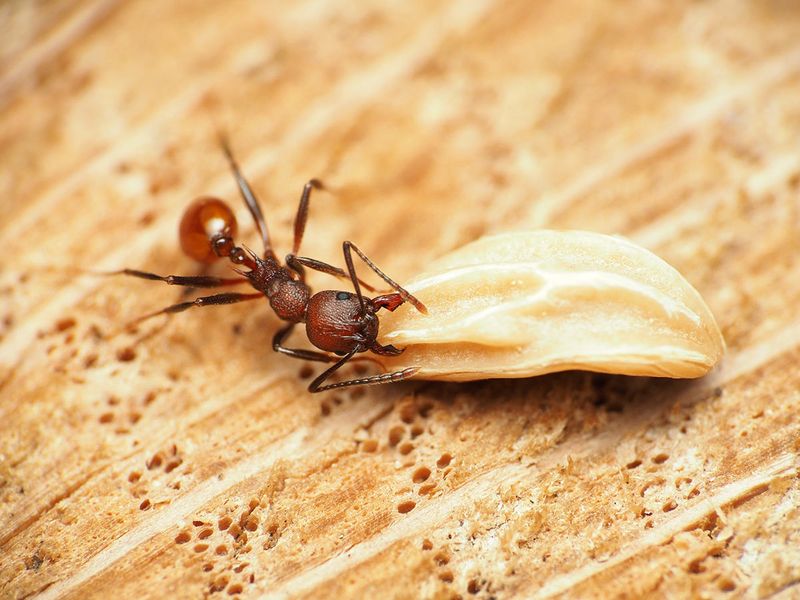
With keen precision, ants play an unexpected role in plant propagation. As they forage for food, ants accidentally aid in seed dispersal.
Many plants have evolved to rely on ants for spreading seeds, a process known as myrmecochory. This symbiotic relationship promotes plant diversity and growth in your garden.
Ants transport seeds to nutrient-rich locations, increasing germination success. This natural mechanism helps maintain vibrant and diverse plant communities.
By quietly supporting the circle of life, ants contribute to the thriving tapestry of your garden landscape.
4. Nutrient Cycling
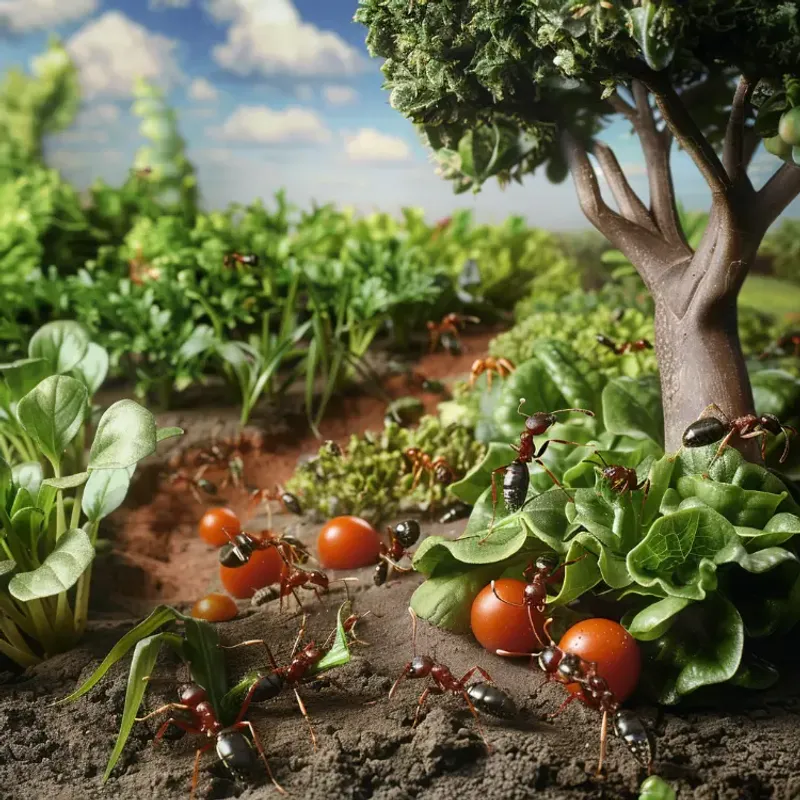
Ants are remarkable recyclers within the garden ecosystem. By breaking down organic matter, they facilitate nutrient cycling and soil enrichment.
Their relentless activity ensures that dead plant material and other decomposing matter are efficiently processed. This action returns valuable nutrients to the soil, promoting plant growth.
Ants’ efforts in nutrient recycling are a key component of healthy ecosystems, aiding in the sustainable management of garden resources. Their role extends beyond mere survival, contributing significantly to the regenerative processes that support life.
5. Companion Planting
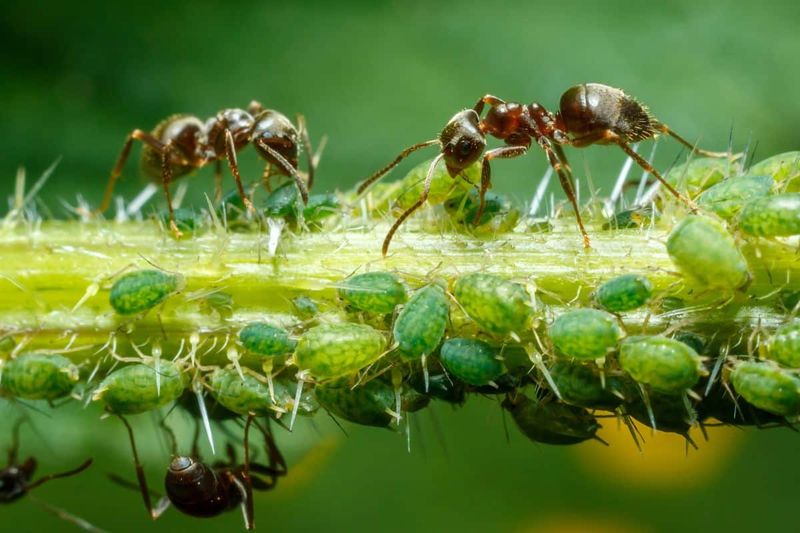
Can ants be your garden’s unlikely ally in companion planting? Absolutely! Their interactions with certain plants can enhance growth and resilience.
By tending to aphid populations, ants can indirectly protect plant health. Additionally, their presence fosters a balanced ecosystem, encouraging beneficial insects to thrive.
This harmonious relationship often leads to improved plant performance and yield.
Ants contribute to a dynamic garden environment where plants and insects coexist in mutual benefit. Their role is a testament to the interconnectedness and adaptability of nature’s systems.
6. Pollination Assistance
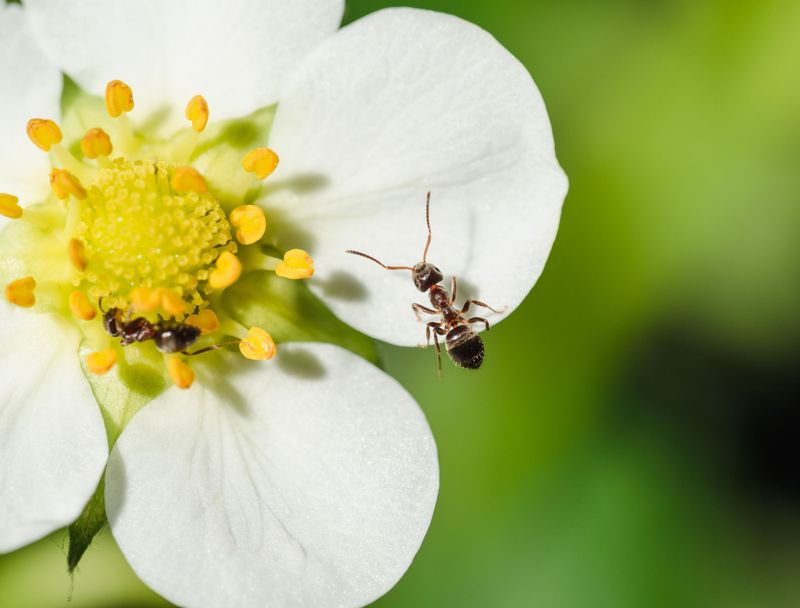
While bees and butterflies are celebrated pollinators, ants also play a minor yet vital role in assisting pollination. As they move from plant to plant in search of nectar, they inadvertently transfer pollen.
This supplementary pollination activity can support fruit and seed production, enhancing biodiversity in the garden.
Though not as efficient as their winged counterparts, ants’ contribution to pollination is still valuable. Their presence enriches the intricate web of interactions that sustain a healthy garden ecosystem, proving that even the smallest creatures can make a difference.
7. Defense Mechanisms
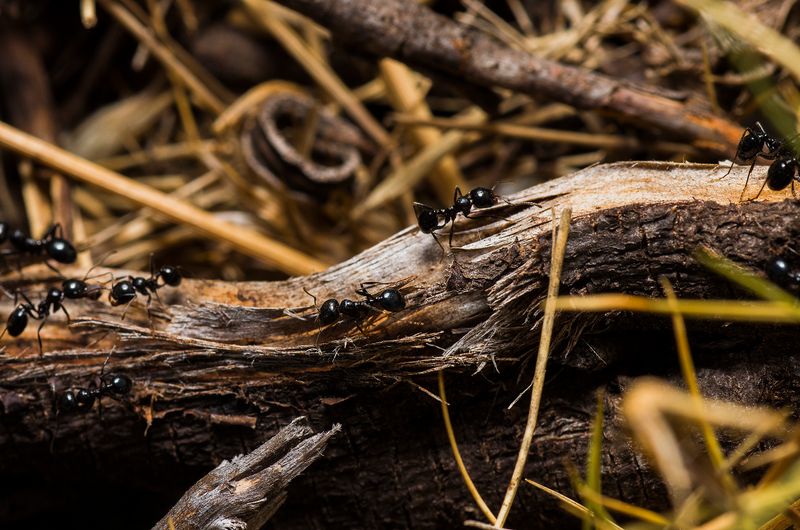
Ants are nature’s little soldiers, forming strategic defenses to protect their territory. In doing so, they also protect your garden plants from invaders.
Their territorial behavior acts as a deterrent to larger pests that may harm vegetation. Their fearless nature in defending the colony can indirectly safeguard plant health.
By establishing protective perimeters, ants ensure a stable environment where plants can flourish without fear of extensive damage. This natural defense mechanism highlights the multifaceted roles ants play in maintaining garden harmony.
8. Soil Fertility Enhancement
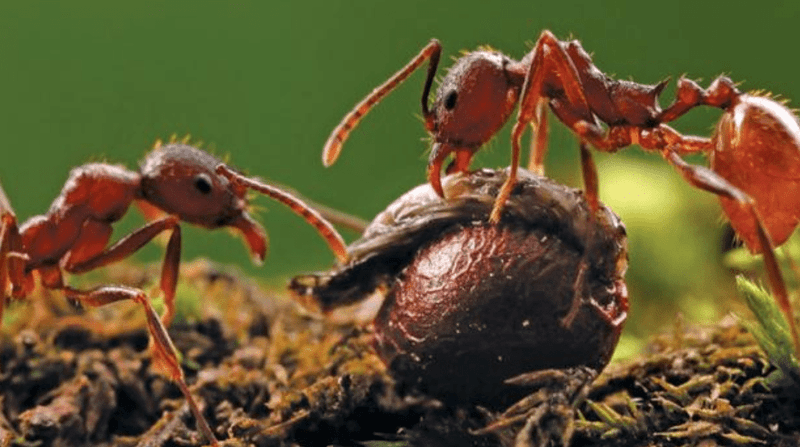
Ants are unsung heroes in boosting soil fertility. Their activity helps decompose organic matter, releasing essential nutrients into the ground.
This enriches the soil, creating an optimal environment for plants to grow. Their natural recycling processes support a thriving ecosystem, minimizing the need for synthetic fertilizers.
Ants’ contribution to soil fertility exemplifies nature’s efficiency and ingenuity. They work tirelessly to enhance the garden’s health, demonstrating that sometimes the smallest creatures have the most significant impact on ecological balance.
9. Biodiversity Support
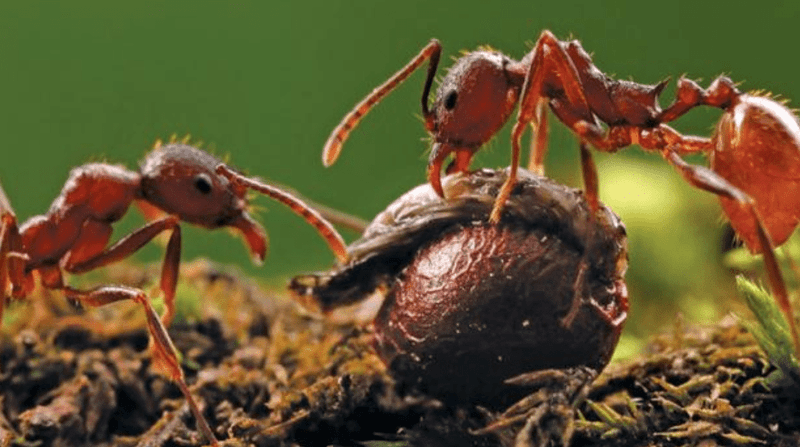
Ants, often underestimated, are vital supporters of biodiversity in the garden. Their presence encourages a variety of species to coexist, creating a balanced ecosystem.
By attracting and interacting with different insects, ants contribute to ecological diversity. This dynamic environment fosters resilience, reducing the impact of diseases and pests.
A garden buzzing with life is a testament to ants’ role in promoting biodiversity. Their intricate social structures and interactions illustrate the complexity and beauty of natural ecosystems, where every species has a role to play.
10. Garden Soil Enrichment
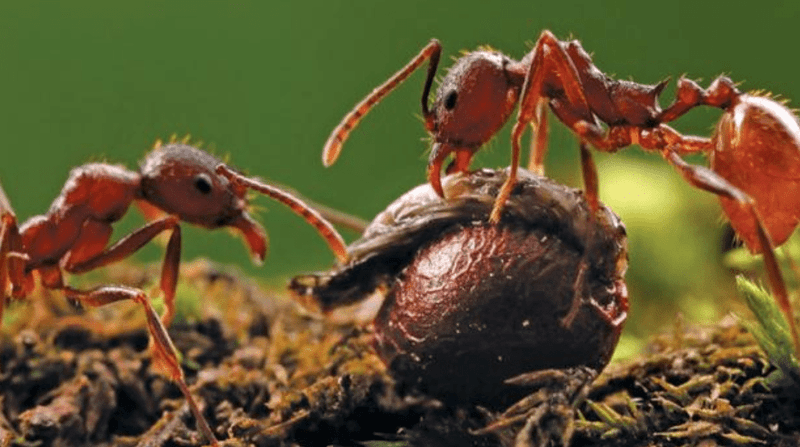
In the world of soil health, ants are industrious enhancers. Their activity aids in the breakdown of organic matter, enriching the soil with vital nutrients.
This natural process supports robust plant growth and a healthy garden ecosystem. Ants’ constant movement and soil manipulation improve nutrient availability, facilitating stronger root systems.
Their contribution to soil enrichment underscores their essential role in ecological health. By working with nature, ants ensure a fertile and flourishing garden, demonstrating the interconnectedness of life in the soil.
11. Enhanced Plant Growth
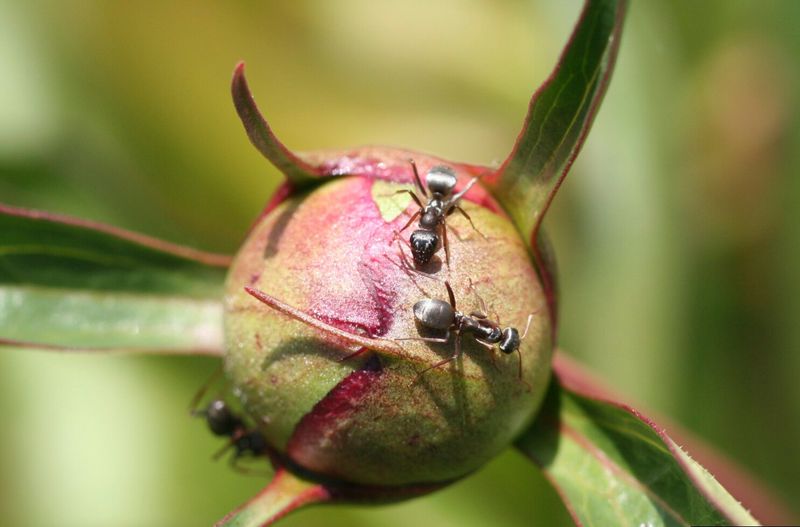
Ants have a surprising influence on plant growth. By improving soil structure and aiding in nutrient cycling, they create optimal conditions for plants to thrive.
Their presence encourages stronger and more resilient plant development. Additionally, their interactions with other insects can lead to reduced pest pressure, further promoting growth.
Ants’ contributions to enhanced plant growth reveal the subtle yet powerful ways they influence garden ecosystems. Their role exemplifies the synergy between organisms, highlighting the importance of each species in maintaining ecological balance.
12. Ant-Made Fertilizer
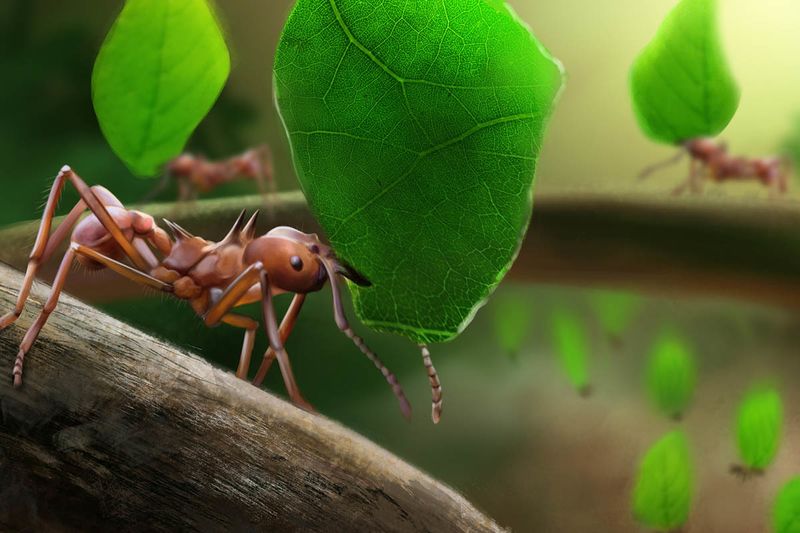
Ants are nature’s tiny farmers, producing natural fertilizer as they process organic material. This activity enriches the soil, providing plants with essential nutrients.
Their constant foraging and decomposition work enhance soil quality, reducing the need for artificial fertilizers.
Ants’ ability to transform garden waste into vital resources showcases the elegance of natural processes. Their role in creating ant-made fertilizer illustrates the efficiency of nature’s cycles, where even the smallest creatures contribute to the larger ecosystem.
13. Ecological Balance
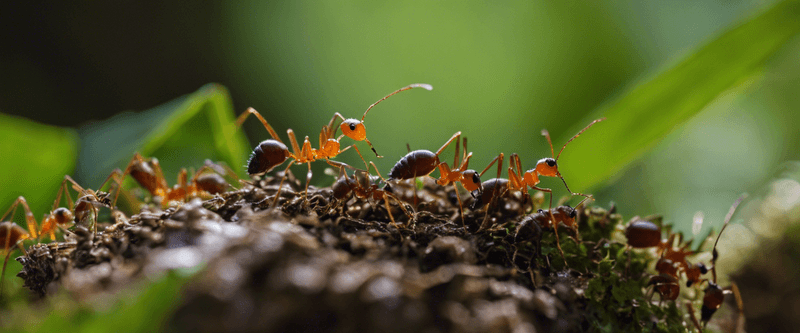
Ants are key players in maintaining ecological balance in the garden. By managing pest populations and contributing to nutrient cycling, they ensure a stable environment.
Their interactions with plants and other insects foster a harmonious coexistence, promoting biodiversity. This balance leads to healthier ecosystems, where each species thrives in its niche.
Ants’ role in ecological equilibrium highlights their importance in sustaining natural order. Their presence is a testament to the intricate relationships within the garden, where every organism has a purpose in maintaining harmony.
14. Microhabitat Creation
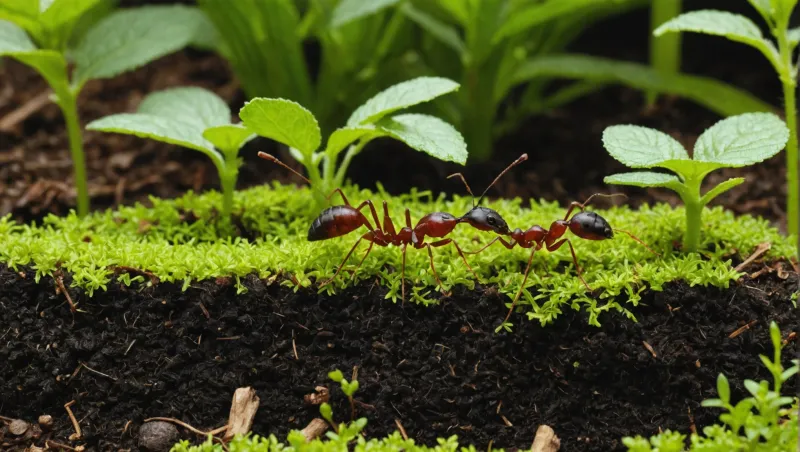
Ants are architects of the microscopic world, crafting microhabitats within the soil. These tiny homes provide shelter and breeding grounds for numerous microorganisms.
This microhabitat diversity supports a complex web of life, including beneficial fungi and bacteria that aid plant health.
By creating these spaces, ants enhance soil fertility and structure, contributing to a thriving garden ecosystem. Their role in microhabitat creation underscores the fascinating complexity and interdependence of garden life, where even the smallest structures have a significant impact.
15. Community Interactions
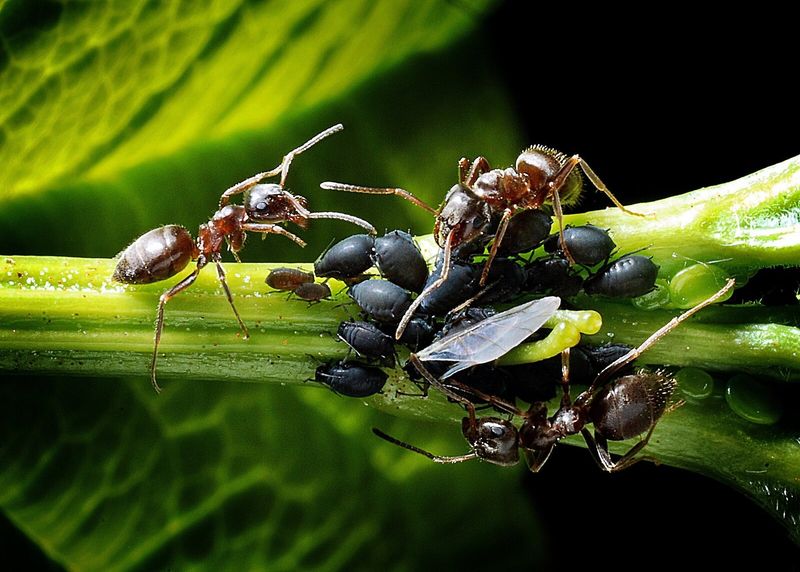
Ants are social insects that engage in numerous community interactions within the garden. Their relationships with other species strengthen ecological connections.
By forming mutualistic partnerships, such as protecting aphids in exchange for honeydew, ants enhance biodiversity. These interactions create a dynamic and balanced ecosystem.
Ants’ community involvement highlights the fascinating networks of cooperation and competition that exist in the garden. Their role in fostering these interactions demonstrates the complexity and resilience of natural systems, where every species contributes to overall harmony.
16. Ants as Natural Architects
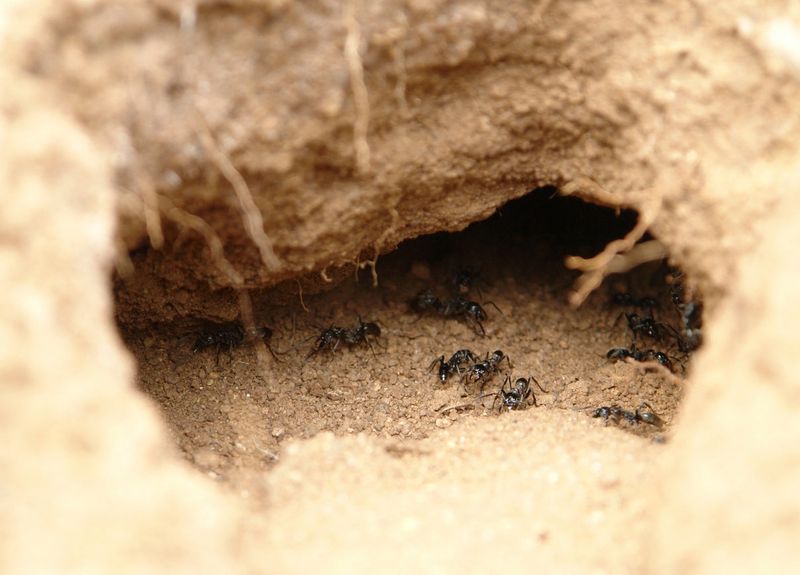
In the world of nature’s builders, ants stand out as natural architects. Their mound-building activities create complex tunnel systems, which help water and air infiltrate deep into the soil, improving its structure.
This architectural skill means your plants can access the moisture and nutrients they need, even during dry spells. Ants’ continuous digging breaks up hard soil layers, making your garden more resilient and fertile.
Did you know? Certain ant species have been observed to construct super highways in the soil, facilitating the growth and expansion of their colonies while benefiting plant roots.