
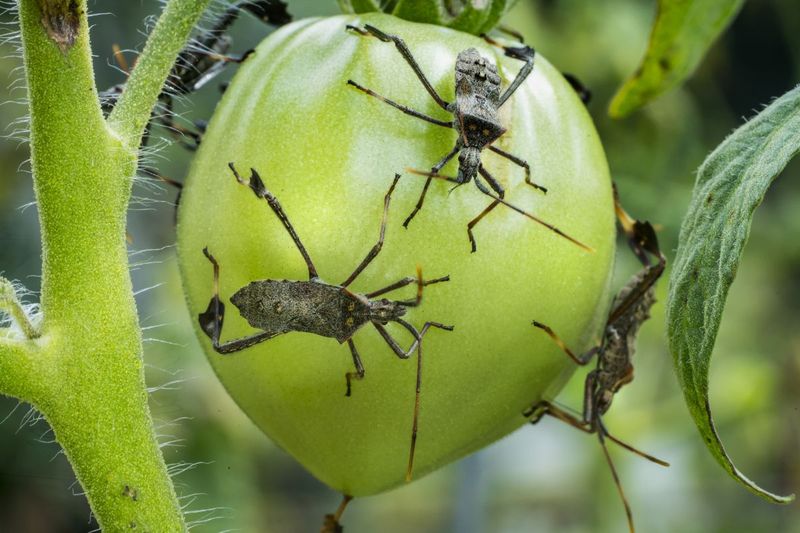
Something is chewing its way through California backyard gardens this summer, and if you grow both tomatoes and pomegranates, you may have already spotted the damage. Reports of an insect moving between these two crops have been making the rounds, but the story is a bit different from what the alarming headlines suggest. The pest most likely behind these sightings is the California leaffooted bug, a well-established garden visitor – not a newly arrived invader. Knowing what you are actually dealing with changes everything about how you respond.
The “new pest” headline needs a correction
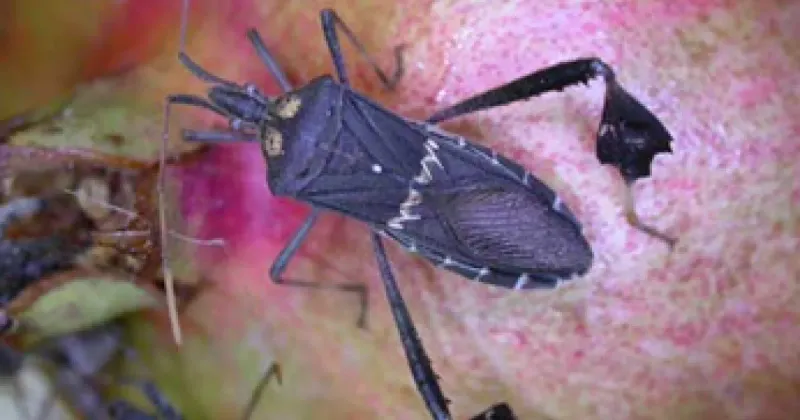
Headlines warning about a mystery pest “jumping” between tomatoes and pomegranates have caught the attention of California gardeners, but the framing deserves a closer look. The insect most likely behind these reports is Leptoglossus zonatus, commonly called the California leaffooted bug. UC IPM’s homeowner guidance on leaffooted bugs documents it as a recurring pest of tomatoes, pomegranates, nuts, and ornamentals – not a recent arrival to the state.
The word “jumping” in some coverage is headline shorthand, not a literal description of behavior. Leaffooted bugs move among host plants by walking and flying. Adults commonly travel from weeds and other vegetation into gardens when fruit becomes available, and two to three generations may develop during spring and summer. That movement can make the pest feel sudden or mysterious, but it reflects normal seasonal activity rather than an outbreak of something new.
Calling this a new pest or an active spreading infestation is not supported by current evidence. UC IPM’s guidance on this species was updated in 2014, and the pest has been documented in California gardens for years. A single adult appearing on your pomegranate after spending time on a nearby tomato plant is not cause for alarm – it is the insect doing what it has always done.
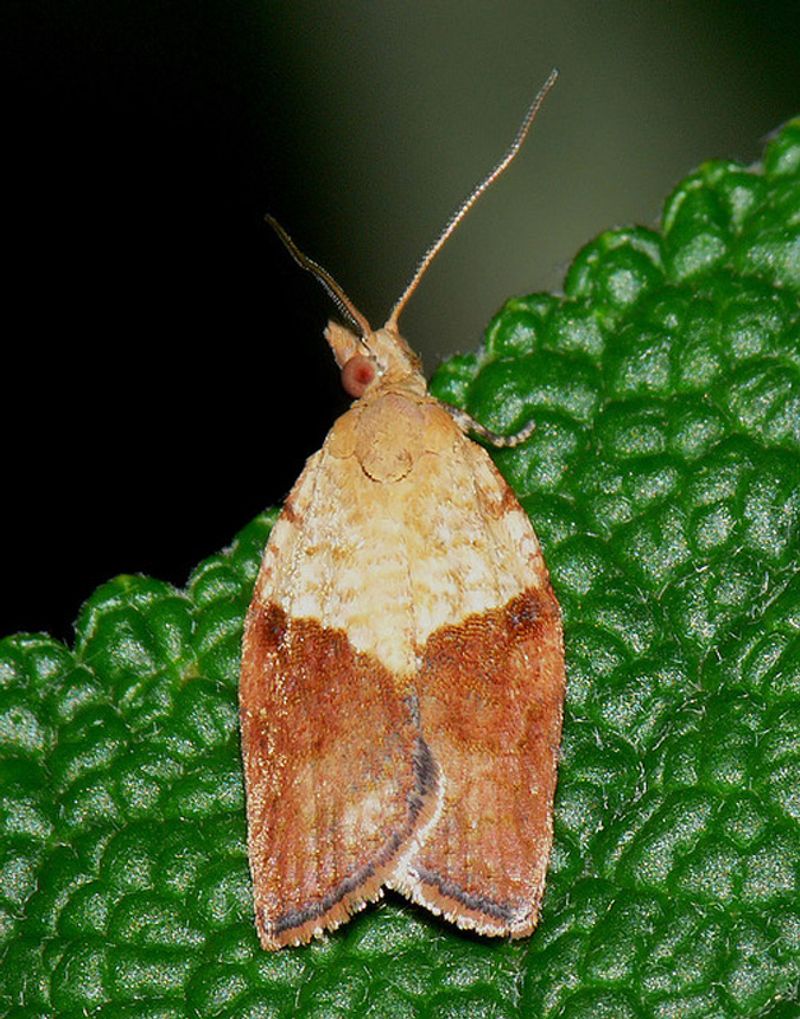
There is a separate invasive species worth knowing about: the false codling moth, which can attack both tomatoes and pomegranates and remains a CDFA detection and eradication concern. However, CDFA’s pest profile for false codling moth records only a single male detection in California – trapped in Ventura County on July 24, 2008. That history does not support a current residential infestation narrative. The two pests are distinct, and conflating them leads to very different and potentially counterproductive responses.
For most California homeowners, the leaffooted bug is the more likely culprit, and understanding it accurately is the first step toward managing it well.
Identify the bug before choosing a response
Before reaching for any control method, take a moment to confirm what you are looking at. Rushing to spray or remove every insect on your tomato or pomegranate plant can wipe out the very predators that would otherwise help you.
Adult leaffooted bugs are roughly three-quarters to one inch long, with a gray to dark gray body. UC IPM’s pomegranate leaffooted bug guide describes a pale zigzag band running across the back, yellow spots near the shoulders, and distinctive leaf-like expansions on the hind legs that give the insect its common name. Once you know what to look for, adults are fairly recognizable.
Nymphs are smaller and lack the leaf-shaped leg expansions of adults. They tend to cluster together on stems, twigs, or fruit, especially when young. Egg masses appear in neat strands, often laid along leaves or small twigs. Spotting a tight cluster of reddish-orange nymphs is one of the clearest early signs that leaffooted bugs have found your plants.
The identification step matters because several other insects share similar size and body shape. Assassin bugs, for example, are true bugs that prey on garden pests – killing them sets back your yard’s natural defenses. Stink bugs and leafhoppers can also be mistaken for leaffooted bugs at a glance. Some of these look-alikes are beneficial; others require different management approaches entirely.
A practical habit: photograph the insect before doing anything else. A clear photo showing the body shape, leg structure, and any markings will help you confirm the species, either by comparing it to UC IPM’s published images or by sharing it with your local UC Cooperative Extension office. If the insect looks genuinely unfamiliar and does not match any common California species, that photo becomes valuable for reporting purposes, which a later section covers in detail.
Identification is not a formality. For a wildlife-friendly yard, it is the most protective thing you can do before taking action.
Match scouting to the season and the crop
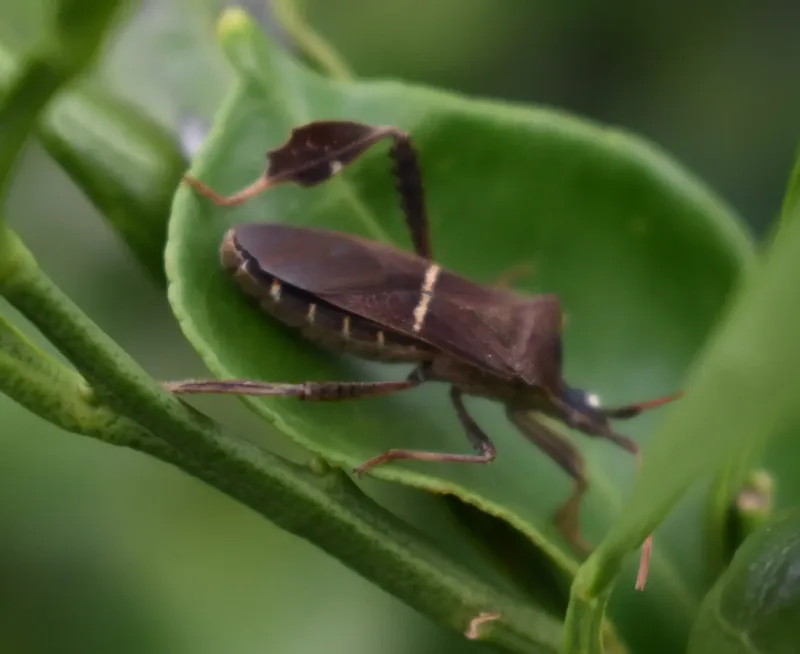
Timing your scouting to the pest’s actual seasonal pattern makes the work more useful. Leaffooted bugs can produce two to three generations during spring and summer in California, so activity during July and August is plausible. That said, the period of greatest concern for pomegranate growers tends to come a bit later. UC IPM’s pomegranate-specific guidance places the strongest scouting emphasis from mid-August through October, when populations often build as fruit approaches harvest.
If you are reading this in midsummer, now is a reasonable time to begin regular checks – but the pressure on pomegranates is likely to increase as the season progresses.
Tomatoes and pomegranates do not experience the same kind of damage, and knowing the difference helps you assess how urgently to respond. On tomatoes, feeding can abort very young fruit entirely. Medium-sized tomatoes may develop depressions, discoloration, or hardened spots beneath the skin. Mature tomatoes that are nearly ready to pick often show only slight cosmetic blemishes from feeding, which in a backyard setting may be entirely tolerable.
Pomegranate damage can be harder to spot from the outside. Internally, feeding may cause arils to brown or wither, and secondary infections can lead to soft rot or black internal rot. A pomegranate that looks fine on the outside may have significant internal damage – so do not rely on external appearance alone when evaluating fruit near harvest. Fruit showing internal decay or rot should not be eaten regardless of how it looks on the surface.
UC IPM does not provide a formal treatment threshold for leaffooted bugs on pomegranates. An occasional adult on your tree is considered tolerable; concern rises when numbers begin to build, particularly in late summer and fall. On tomatoes, a few adults wandering through a healthy plant rarely justify immediate intervention. The goal of scouting is to catch egg masses and clustered nymphs early, when removal is easiest, not to react to every adult you happen to see.
Remove clustered nymphs and egg masses first
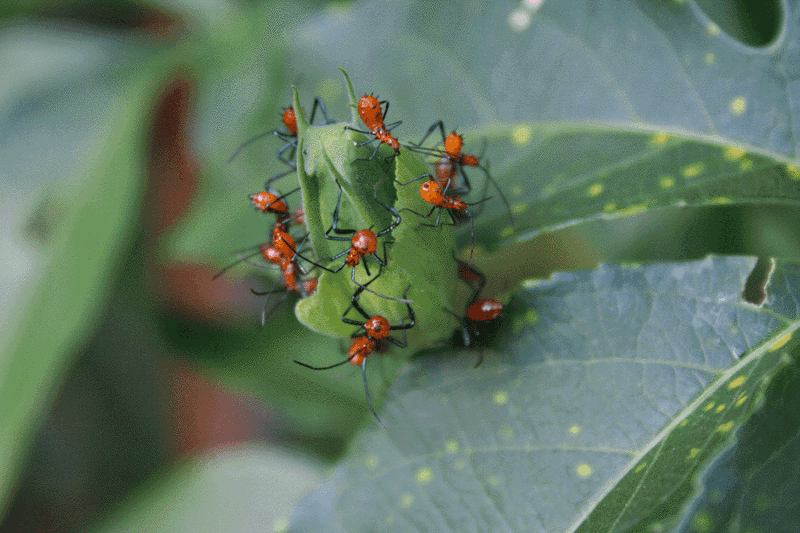
Catching leaffooted bugs early matters most when nymphs are still clustered together and egg masses are intact. A fresh cluster of nymphs on a single branch is far easier to address than a population of mobile adults spread across multiple plants. Building a simple inspection routine into your morning garden walk is the most practical thing you can do right now.
UC IPM recommends inspecting plants daily or several times per week, focusing on the undersides of leaves, fruit clusters, twigs, and any visible egg masses. Morning is the best time for this because leaffooted bugs are less mobile in cooler temperatures, making them easier to catch and remove before they scatter.
For egg masses, check along leaf midribs and small twigs for neat, barrel-shaped eggs lined up in a strand. Removing and destroying these before they hatch eliminates the problem before it starts. Scrape them into a sealed bag or drop them into soapy water – do not leave them on the ground nearby.
When you find nymphs or adults, handpicking into a container of soapy water is effective and avoids any chemical exposure to the rest of your garden. Wear gloves: handled leaffooted bugs release an unpleasant defensive odor that lingers on skin. A dedicated handheld vacuum can also collect nymphs quickly from stems and foliage without direct contact.
On pomegranates, nymphs can be dislodged from branches with a stick, a firm shake of the branch, or a strong stream of water from a hose. This works better on nymphs than on adults, and you may need to repeat it every one to two weeks as new generations emerge or adults move in from surrounding vegetation. Knocked-off nymphs rarely make it back onto the plant if you follow up with a soapy water rinse on the ground below.
None of these steps require pesticides, and all of them are safe for the bees, parasitic wasps, and other beneficial insects working in your garden at the same time.
Use targeted sanitation without stripping the yard
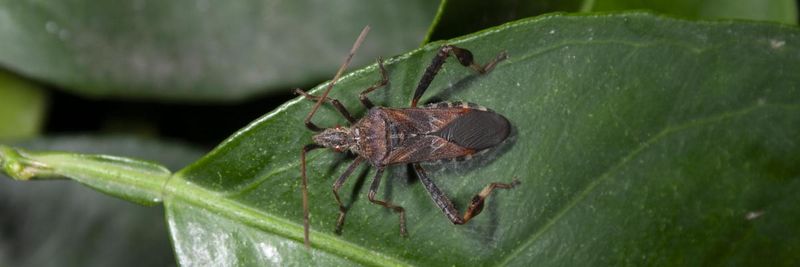
Reducing where leaffooted bugs shelter and overwinter near your fruit plants is one of the quietest and most effective things you can do between active infestations. The key word is “targeted” – this is not an invitation to clear every plant or weed within sight.
Fallen, cracked, split, or abandoned fruit left on the ground gives leaffooted bugs both a food source and a place to congregate. Collecting and disposing of dropped pomegranates and damaged tomatoes regularly removes that attraction. Old pomegranate fruit left on the tree or ground through winter can serve as overwintering habitat, so clearing it before spring is worth the effort. UC IPM’s agricultural pomegranate guidance also notes that woodpiles, bark, outbuildings, and plant debris near fruit plants can provide shelter for adults through cooler months.
Nearby weeds can serve as a food source that sustains leaffooted bug populations before fruit ripens, and managing vegetation close to your tomato and pomegranate plants is reasonable. Mowing or pulling weeds within a few feet of fruiting plants is a practical, targeted step. What to avoid is blanket herbicide use or stripping all vegetation from your yard – that approach can eliminate habitat for the beneficial insects and wildlife your garden depends on.
Natural enemies do meaningful work against leaffooted bugs when given the chance. Egg-parasitic wasps lay their own eggs inside leaffooted bug egg masses, preventing them from hatching. Tachinid flies parasitize adults. Birds, spiders, and assassin bugs all prey on various life stages.
Keeping your yard hospitable to these organisms – with some flowering plants, undisturbed ground cover, and minimal pesticide pressure – pays ongoing dividends that no spray schedule can fully replace.
Avoiding persistent broad-spectrum insecticides is the single most effective way to protect this network of natural controls. Once it is disrupted, rebuilding it takes time, and the leaffooted bugs will still arrive next season.
Reserve barriers and pesticides for justified cases
Physical removal and sanitation handle most leaffooted bug pressure in a home garden without any additional intervention. When those steps are not enough, two additional options exist: physical barriers and, as a last resort, pesticides. Both come with conditions that matter for a wildlife-friendly yard.
Row covers can prevent leaffooted bugs from reaching plants, but only if installed before adults arrive and lay eggs. Once bugs are already on the plant, a cover traps them in rather than keeping them out. Row covers also exclude pollinators and beneficial insects, which creates a real trade-off for flowering plants. They work best as a preventive measure on young tomato transplants before fruit sets, or on pomegranate trees before populations begin to build in late summer – but they are not a universal solution and require consistent monitoring of what is happening underneath.
Pesticides are rarely necessary in home gardens because leaffooted bug damage is often cosmetic, and homeowner-available products tend to have only temporary effects on mobile adults. UC IPM notes that small nymphs are the most susceptible life stage, making that window – when nymphs are still clustered and young – the most appropriate time to consider a product if physical removal has not kept numbers in check.
Broad-spectrum pyrethroid products can be highly toxic to bees, parasitic wasps, and other beneficial insects. Using them against a pest that rarely requires chemical control puts the rest of your garden’s natural defenses at risk. If you decide treatment is necessary, use only products with a label that specifically covers the crop and the residential site where you are applying. Do not borrow directions from agricultural orchard guidelines – those labels, rates, reentry intervals, and preharvest intervals are written for commercial settings and are not automatically legal or safe for home use.
California’s pesticide regulations add another layer of consideration. New neonicotinoid regulations effective January 1, 2024 restrict certain products on food and feed crops. Always read the full label before purchasing, avoid applying to open flowers or areas where bees are actively foraging, and follow California Department of Pesticide Regulation rules for your specific situation. The label is the law.
Report a genuinely unusual suspected invasive pest
Knowing when to call in outside help is just as important as knowing how to manage a familiar pest on your own. Most leaffooted bug sightings in California gardens do not require a government report – they call for the kind of practical management described in the sections above. But occasionally, a gardener finds something that does not match any recognizable local species, and that situation is worth taking seriously.
False codling moth is one example of a pest that warrants a report if you genuinely suspect it. The moth can attack both tomatoes and pomegranates and has a broad host range that makes it a significant concern for California agriculture. CDFA’s false codling moth fact sheet explains the pest’s biology and why it is treated as a detection and eradication priority. However, CDFA’s pest profile records only a single confirmed California detection – one male moth trapped in Ventura County on July 24, 2008.
That history does not indicate a current widespread residential infestation.
California also maintains an eradication-area regulation for false codling moth. Title 3, CCR Section 3591.22 provides regulatory authority for a rapid response if the pest is detected – but the existence of that regulation means the state is prepared to act, not that the moth is already present in residential gardens across the state.
If you find an insect that looks genuinely unfamiliar and does not match the leaffooted bug description, here is what to do. Take clear photographs from multiple angles, including one with a ruler or coin placed next to the insect for scale, and note the location and surrounding plants. If possible, carefully secure a specimen in a sealed container to prevent it from escaping or spreading. Then report it through CDFA’s pest reporting system or call the CDFA hotline at 1-800-491-1899.
Early reporting of a genuinely new invasive pest is where the phrase “early detection” truly earns its weight.
Respond selectively and keep the yard’s natural defenses
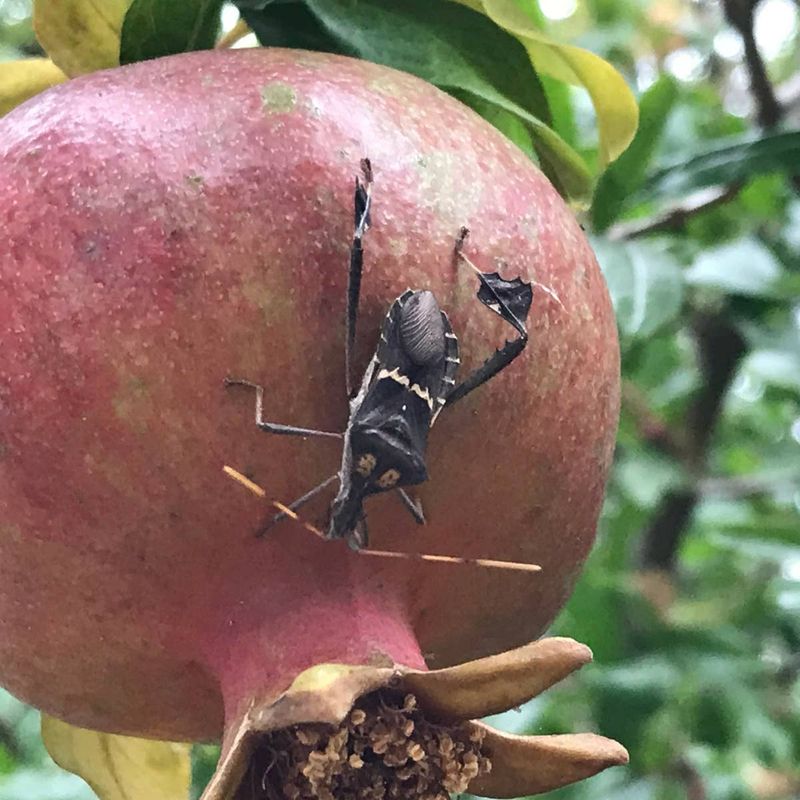
The pest moving through California tomato and pomegranate gardens this season is almost certainly the leaffooted bug – an established, recurring visitor that walks and flies among host plants as fruit ripens, not a newly arrived invader spreading in alarming ways. That distinction shapes the entire response.
Start by confirming the identification. Then build a regular inspection habit, focusing on egg masses and clustered nymphs in the morning when bugs are least mobile. Remove what you find by hand, knock nymphs from branches, and practice targeted sanitation near fruiting plants without stripping the surrounding habitat that supports birds, wasps, spiders, and other natural allies. Tolerate minor damage when appropriate, especially on mature fruit where a small blemish does not compromise the harvest.
UC IPM’s homeowner leaffooted bug resource supports this measured, step-by-step approach and remains the most reliable reference for California gardeners.
If you encounter an insect that looks genuinely unfamiliar and cannot be matched to any common California species, photograph it, secure a specimen if possible, and report it to CDFA. That kind of alert response is exactly what the state’s early detection system depends on. For routine leaffooted bug sightings, though, the yard that keeps its natural defenses intact will handle the next generation of bugs better than one that has been sprayed into silence.