 Complete Gardening
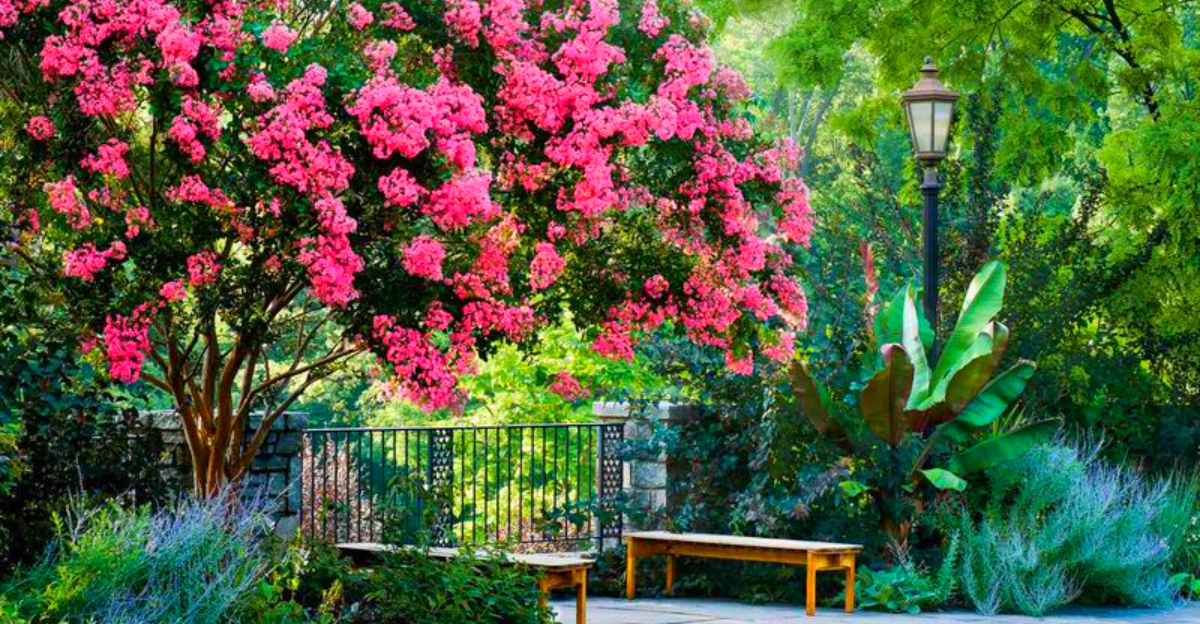
Creating a beautiful Alabama garden doesn’t require a green thumb or hours of daily maintenance. With the right plant choices, your backyard can burst with color and life throughout every season. Alabama’s unique climate offers amazing opportunities for both native species and adaptable varieties that thrive with minimal care while providing maximum visual impact.
1. Daylilies: The Workhorses of Southern Gardens
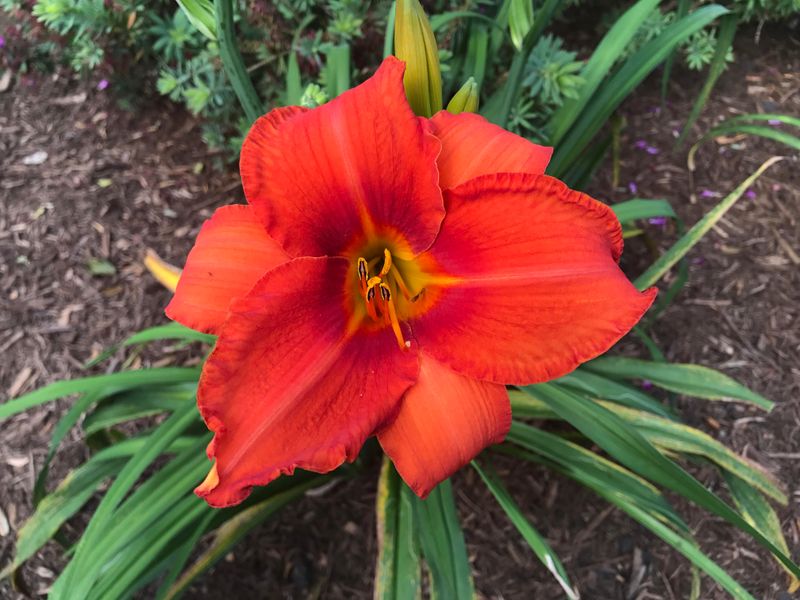
Forget high-maintenance drama queens – daylilies are the reliable friends every gardener needs. Each bloom lasts just one day, but these perennials produce flowers continuously throughout summer.
Available in countless colors from sunny yellow to deep burgundy, they adapt to both full sun and partial shade. Perfect for beginners, daylilies multiply naturally and forgive occasional neglect while delivering spectacular results year after year.
2. Coneflowers: Butterfly Magnets with Staying Power
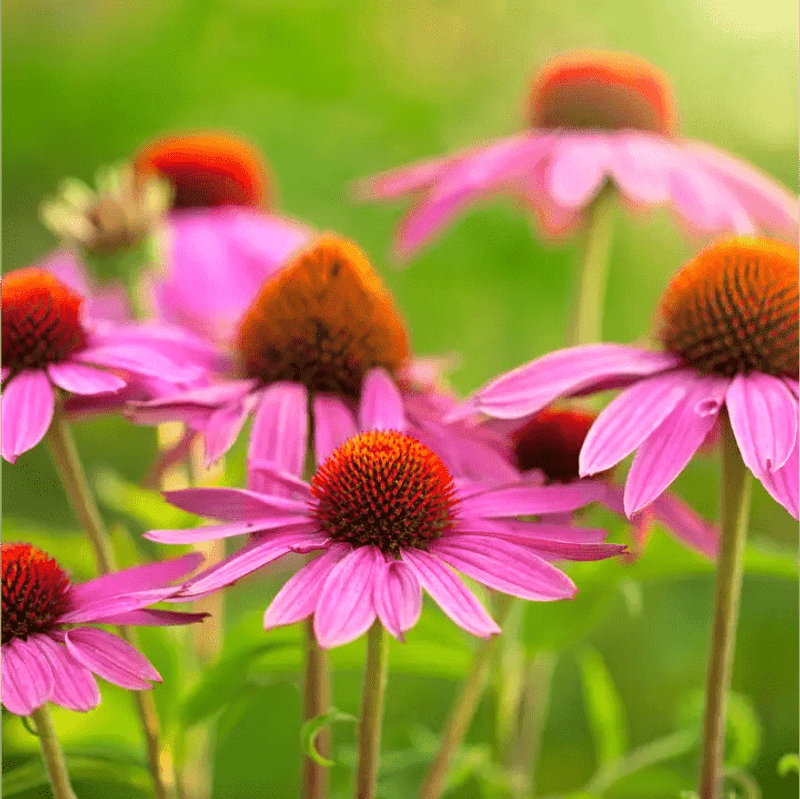
Purple coneflowers transform any garden into a butterfly paradise while requiring almost zero fuss. These drought-resistant champions bloom from early summer through fall, creating stunning purple displays.
Native to Alabama, they naturally resist pests and diseases that plague other flowers. After blooming, leave the seed heads intact – goldfinches love the seeds, and you’ll enjoy watching wildlife feast in your backyard throughout winter months.
3. Black-Eyed Susans: Sunshine in Every Season
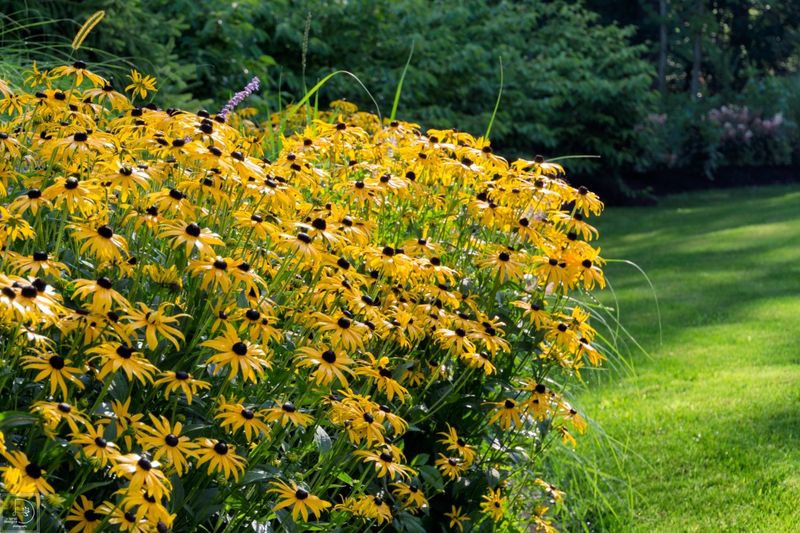
Bright yellow petals surrounding dark chocolate centers make black-eyed Susans impossible to ignore. These cheerful natives spread naturally, creating larger displays each year without any extra effort from you.
Blooming from summer into fall, they handle Alabama’s heat and humidity like champions. Cut them back after the first frost, and they’ll return stronger next spring, bringing reliable sunshine to even the shadiest garden corners.
4. Azaleas: Spring’s Grand Finale
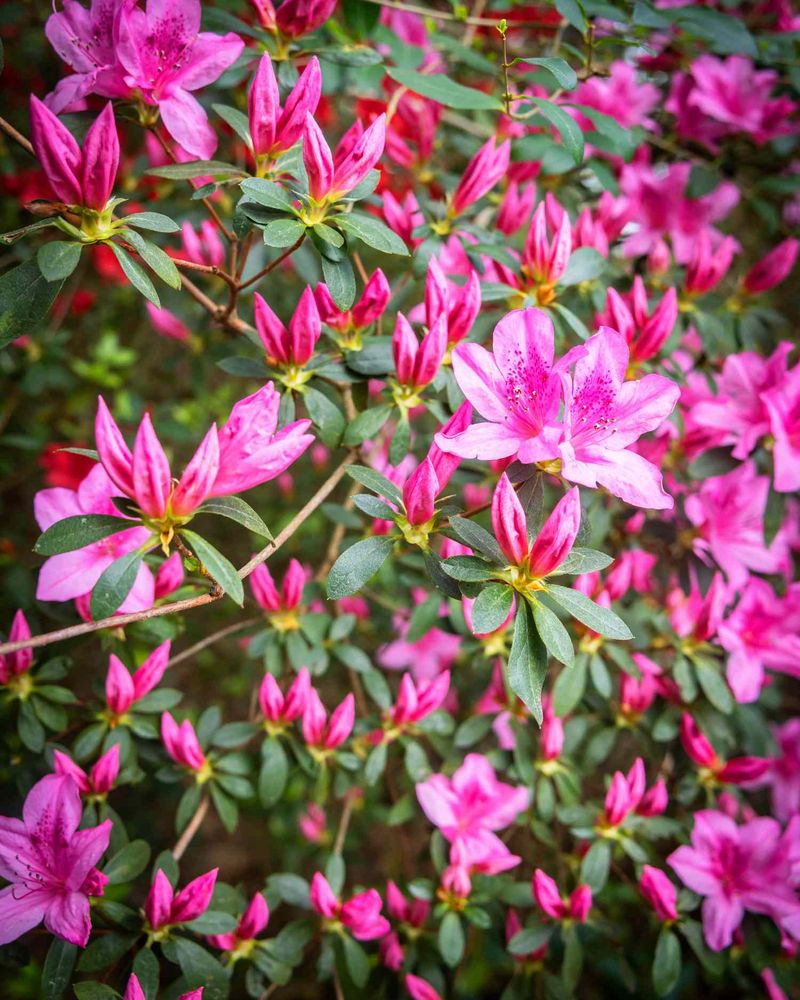
When azaleas bloom in early spring, they create such spectacular displays that neighbors will stop to admire your garden. These Southern classics prefer morning sun with afternoon shade protection.
Choose evergreen varieties for year-round structure, then watch them explode in pink, white, or red flowers each March and April. Plant them in slightly acidic soil, mulch well, and enjoy decades of reliable spring magic with minimal maintenance required.
5. Hydrangeas: Big Blooms, Bigger Impact
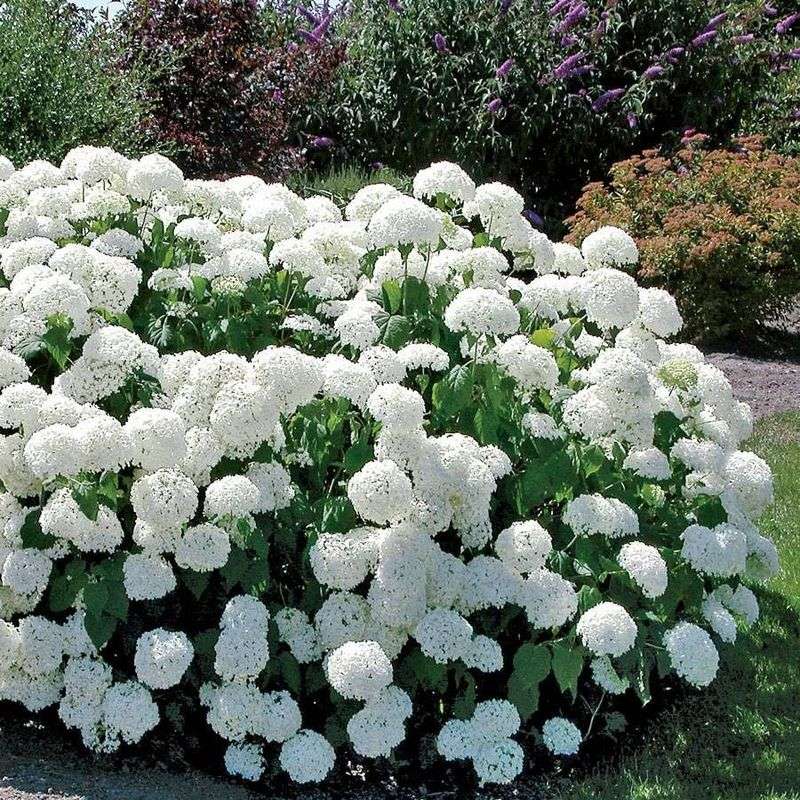
Nothing says Southern charm quite like massive hydrangea blooms nodding in summer breezes. Annabelle hydrangeas produce dinner-plate-sized white flowers that age to soft green tones.
Plant them where they’ll receive morning sun and afternoon shade for best results. These reliable performers bloom on new wood, so you can cut them back each winter without worrying about losing next year’s spectacular flower show.
6. Gardenias: Fragrance That Stops Traffic
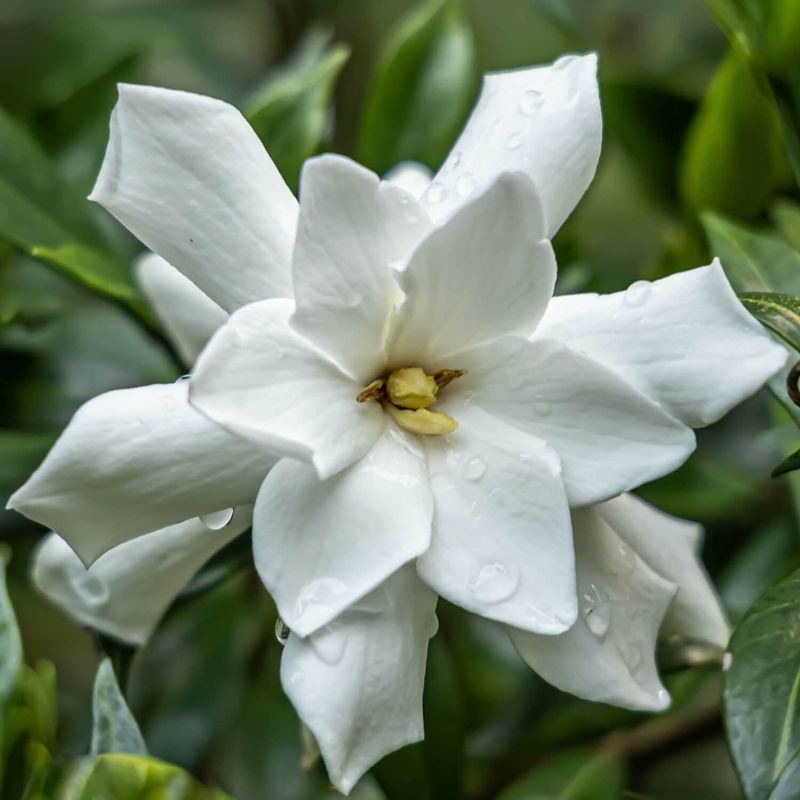
One gardenia bloom can perfume an entire backyard with its intoxicating fragrance. These evergreen shrubs produce glossy dark green leaves year-round, then surprise you with creamy white flowers in late spring.
Plant them near windows or patios where you can enjoy their incredible scent. They prefer consistent moisture and acidic soil, rewarding proper care with blooms so fragrant that evening garden walks become pure aromatherapy sessions.
7. Hostas: Shade Garden Superstars
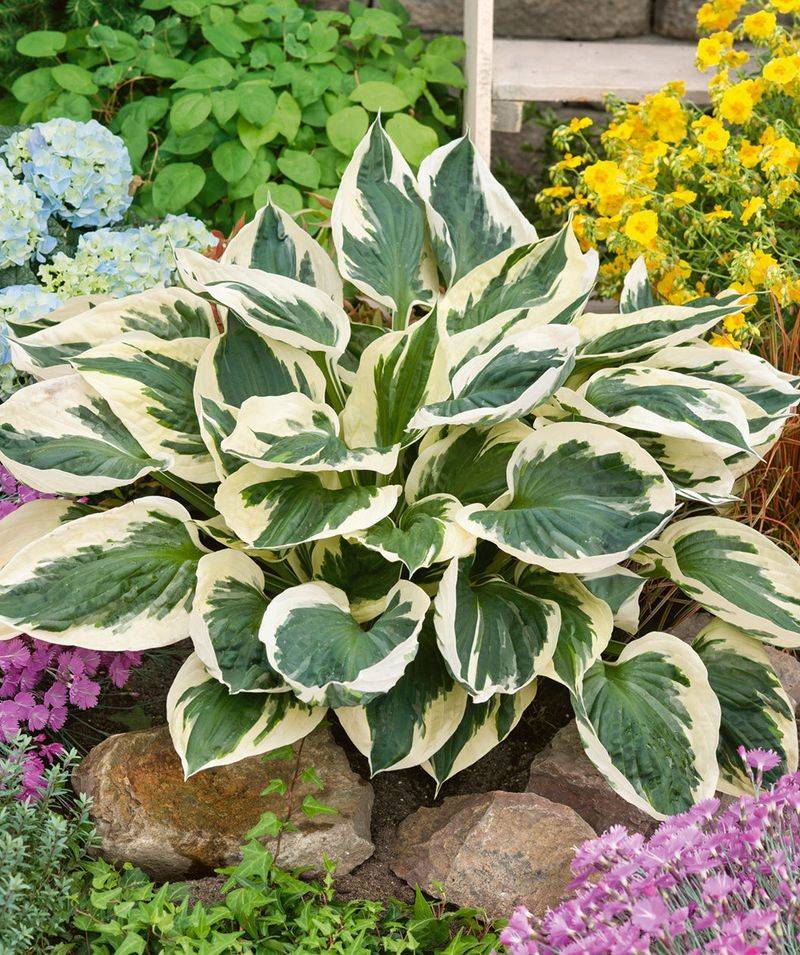
Transform dark, difficult areas into lush retreats with hostas’ dramatic foliage displays. These shade-loving perennials come in countless leaf patterns, from solid green to cream-variegated varieties.
Once established, hostas return bigger and better each spring, requiring only occasional watering during dry spells. Their tall flower spikes attract hummingbirds in summer, while their bold leaves provide structure and visual interest throughout the growing season in challenging shady spots.
8. Caladiums: Tropical Color Without the Commitment
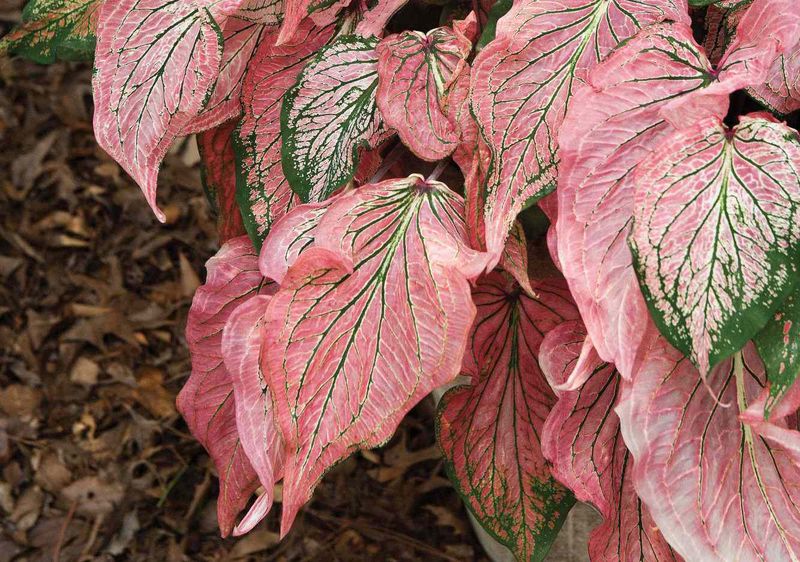
Heart-shaped caladium leaves painted in pink, white, and green combinations bring tropical flair to Alabama gardens. These heat-loving beauties thrive in our humid summers when other plants wilt.
Plant bulbs after soil warms in late spring, then enjoy months of colorful foliage in shade or filtered light. Dig up bulbs before first frost and store them indoors, or treat them as annuals for hassle-free seasonal color.
9. Crape Myrtles: Four-Season Beauty Trees
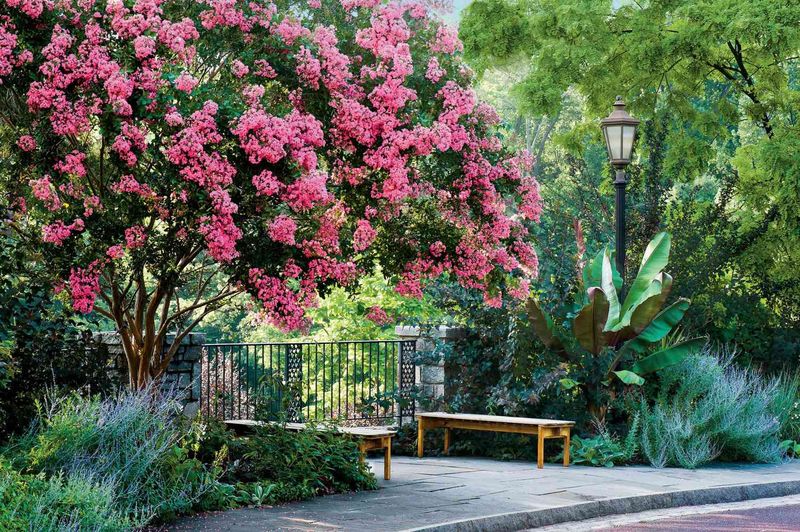
Crape myrtles earn their keep through every season with summer flowers, fall color, winter bark interest, and spring’s fresh green emergence. These small trees handle Alabama heat while producing clusters of ruffled blooms.
Choose from white, pink, red, or purple varieties to match your color scheme. Proper pruning in late winter encourages better flowering, while their naturally attractive bark and branching pattern provide winter garden structure when other plants rest.
10. Lantana: Heat-Loving Butterfly Buffets
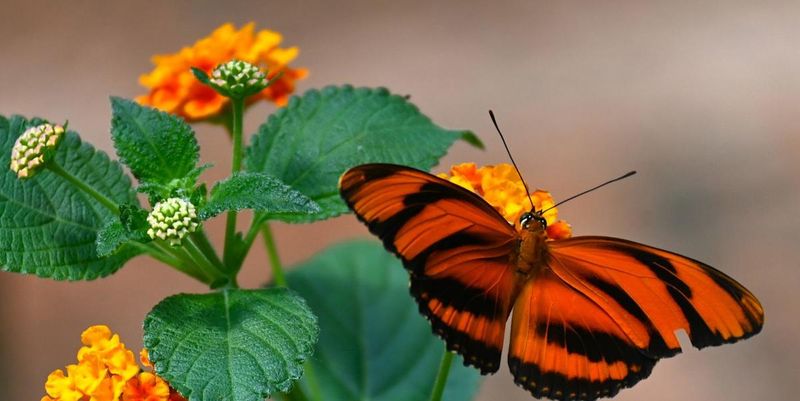
Lantana laughs at Alabama’s scorching summers while producing continuous flowers that butterflies absolutely adore. These tough performers bloom in color combinations like yellow-orange, pink-white, and solid purple varieties.
Drought-tolerant once established, lantana requires minimal care beyond occasional deadheading to encourage more blooms. Plant them in full sun locations where you can watch the constant parade of butterflies, bees, and hummingbirds they attract throughout summer.
11. Pansies: Cool Weather Champions
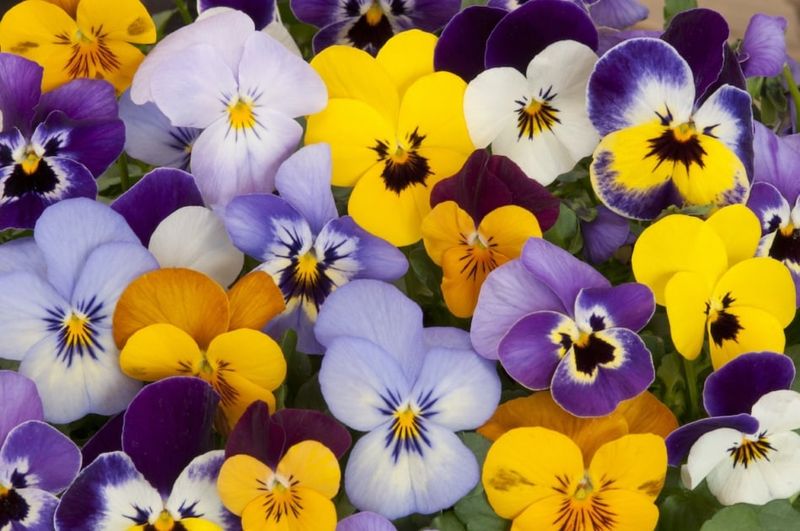
While other flowers retreat from Alabama’s cool months, pansies step up with cheerful faces in purple, yellow, white, and multicolored combinations. Plant them in fall for months of winter and spring color.
These cool-season annuals actually prefer Alabama’s mild winters to blazing summers, blooming continuously until heat arrives in late spring. Perfect for containers, borders, or mass plantings, pansies provide reliable color when gardens need it most.
12. Southern Magnolias: Majestic Living Landmarks
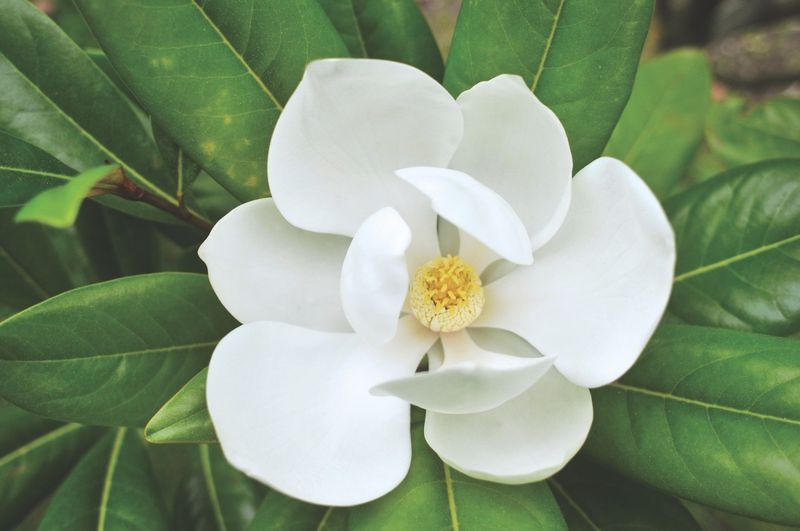
Southern magnolias create living landmarks that define Alabama landscapes for generations. These magnificent evergreens produce dinner-plate-sized white flowers with lemony fragrance each summer.
Their glossy green leaves with rusty undersides provide year-round beauty and privacy screening. While slow-growing initially, established magnolias become family heirlooms that increase property value while creating shade, wildlife habitat, and unforgettable fragrant memories for decades to come.