 Complete Gardening
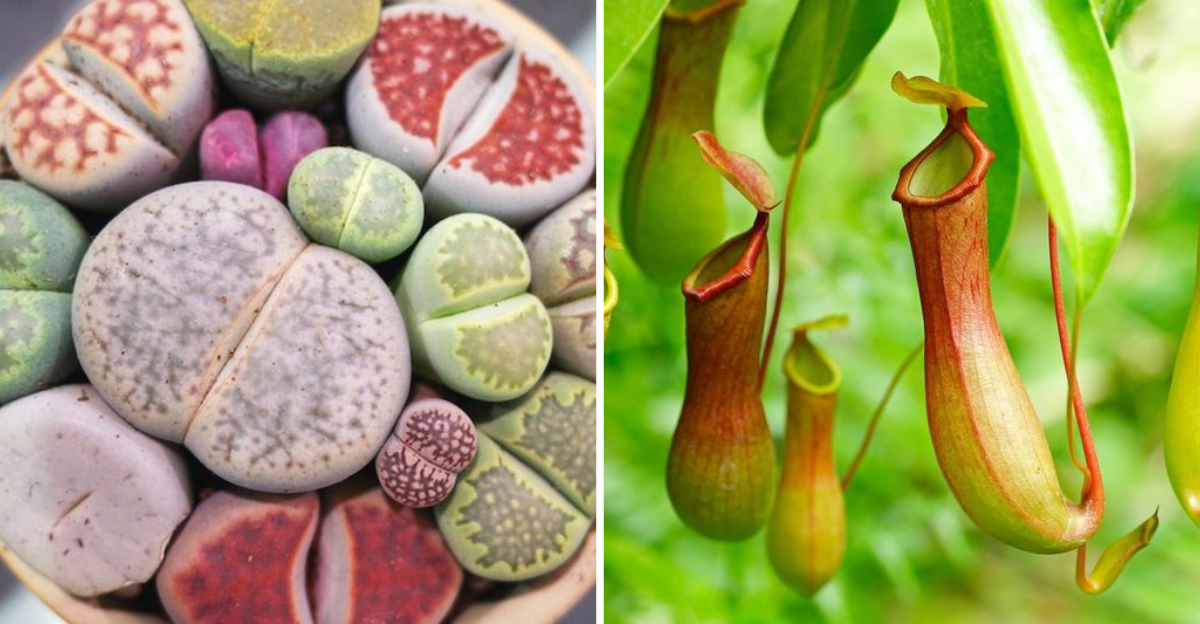
Exploring the realm of horticulture unveils a treasure trove of plants that appear to have been plucked from an alien landscape. These plants boast unusual shapes, colors, and textures, yet they’re surprisingly easy to cultivate in your own garden. Whether you’re an experienced gardener or a novice, these alien-looking plants offer a unique way to add intrigue to your green space. Their resilience and minimal care requirements make them perfect for anyone wanting to explore botanical wonders without a steep learning curve.
Lithops (Living Stones)
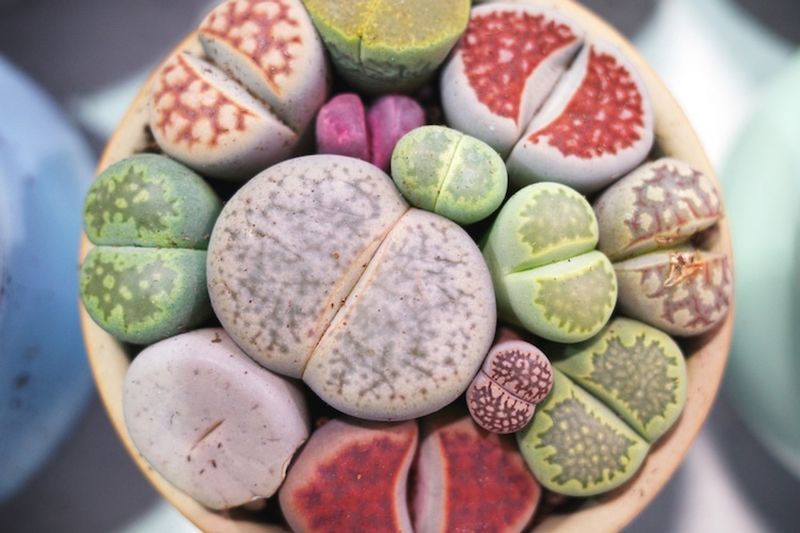
Lithops, often dubbed “living stones,” are captivating succulents that blend seamlessly with rocky landscapes. Their stone-like appearance serves as natural camouflage, protecting them from herbivores. These quirky plants thrive in bright sunlight and require minimal watering, making them perfect for busy individuals.
A fascinating fact about Lithops is their ability to store water in their fleshy leaves, allowing them to survive in arid environments. As they grow, they split open to reveal new leaves, a phenomenon that adds an element of surprise to their cultivation.
Lithops are truly a conversation starter in any collection.
Venus Flytrap
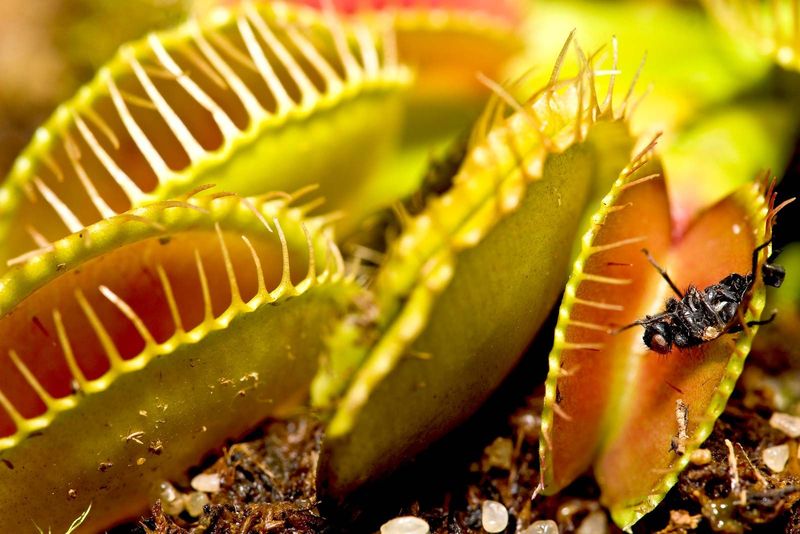
The Venus Flytrap, with its jaw-like leaves, is an iconic carnivorous plant that intrigues both young and old. Native to the subtropical wetlands of the Carolinas, it has adapted to nutrient-poor soils by trapping insects for sustenance.
Each trap is lined with hair-like sensors that, when triggered, snap shut, capturing its prey. This dramatic feeding process fascinates many, making it a favorite among plant enthusiasts.
Despite its exotic appearance, the Venus Flytrap is easy to grow indoors, requiring only sunlight and distilled water, and offers a glimpse into the world of carnivorous plants.
Air Plants (Tillandsia)
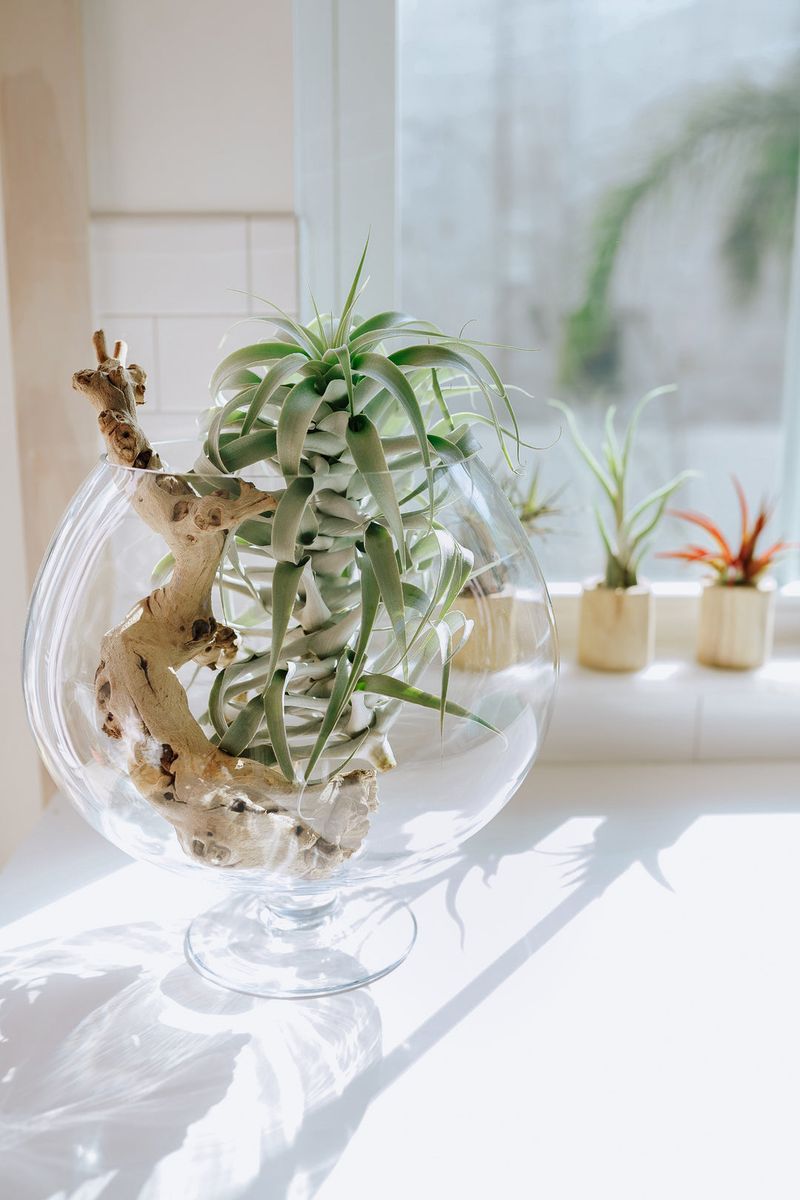
Air plants, or Tillandsia, defy gravity with their ability to grow without soil. They absorb moisture and nutrients through their leaves, making them versatile additions to any space. Display them on driftwood, in terrariums, or suspended in air for a modern touch.
These plants are native to forests, mountains, and deserts, showcasing their adaptability. Their minimal care involves misting and occasional soaking, ideal for those with a busy lifestyle.
With their distinctive appearance and low-maintenance nature, air plants bring a touch of the extraordinary to any home.
Dragon Tree (Dracaena Marginata)
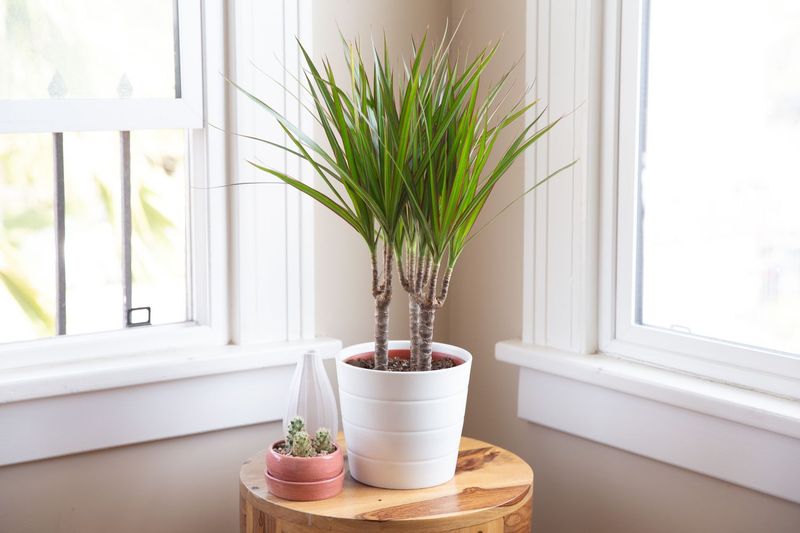
With its spiky leaves and slender trunk, the Dragon Tree adds a touch of drama to indoor spaces. Known for its air-purifying qualities, this plant is not only visually striking but also beneficial for home environments.
Originating from Madagascar, the Dragon Tree thrives in indirect sunlight and is drought-tolerant, making it a great choice for novice gardeners. Its red-edged leaves provide a pop of color, enhancing contemporary decor.
The Dragon Tree’s resilience and striking form have made it a popular choice for interior landscapes around the world.
Pitcher Plant
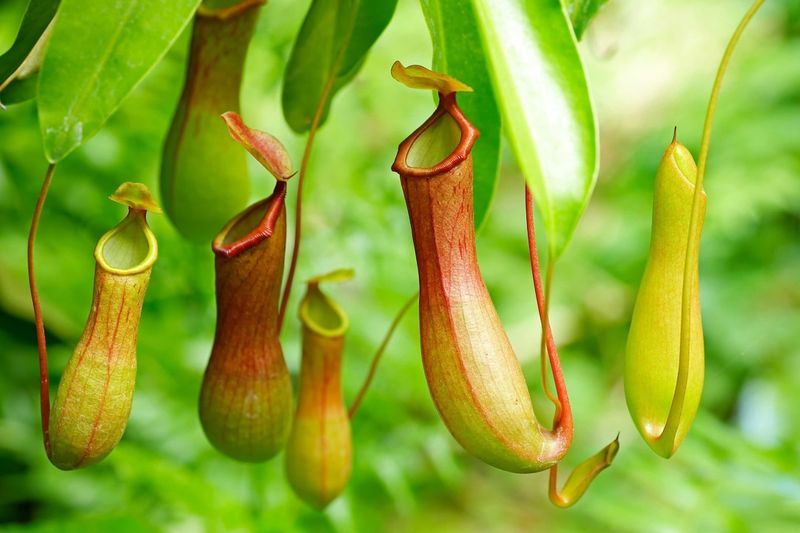
Pitcher Plants are carnivorous wonders with tubular leaves that lure insects into their watery depths. Found in nutrient-poor soils, they have evolved to derive nutrients from their prey, showcasing nature’s ingenuity.
These tropical plants require high humidity and indirect sunlight, making them perfect for terrariums or humid environments. Their unique shape and feeding mechanism captivate onlookers, turning ordinary spaces into exotic retreats.
A Pitcher Plant not only adds a visual spectacle to your collection but also demonstrates the fascinating adaptability of life.
Bunny Ear Cactus
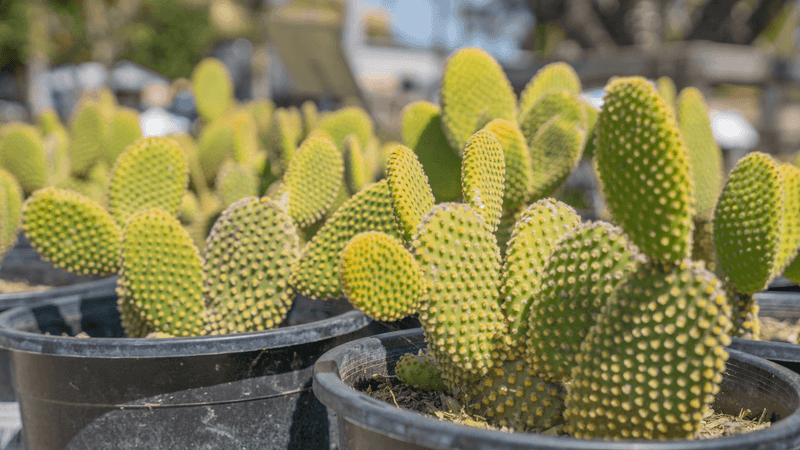
The Bunny Ear Cactus, with its charming pad-like structures, resembles the ears of a rabbit. This whimsical appearance makes it a delightful addition to any cactus collection. Native to Mexico, it thrives in bright sunlight and requires minimal water.
The plant’s pads are covered with tiny glochids that can irritate, so handling with care is advised. Despite its alien look, the Bunny Ear Cactus is low-maintenance, perfect for beginners seeking an exotic touch.
Its playful form and ease of care make it a popular choice for those new to cacti.
Staghorn Fern
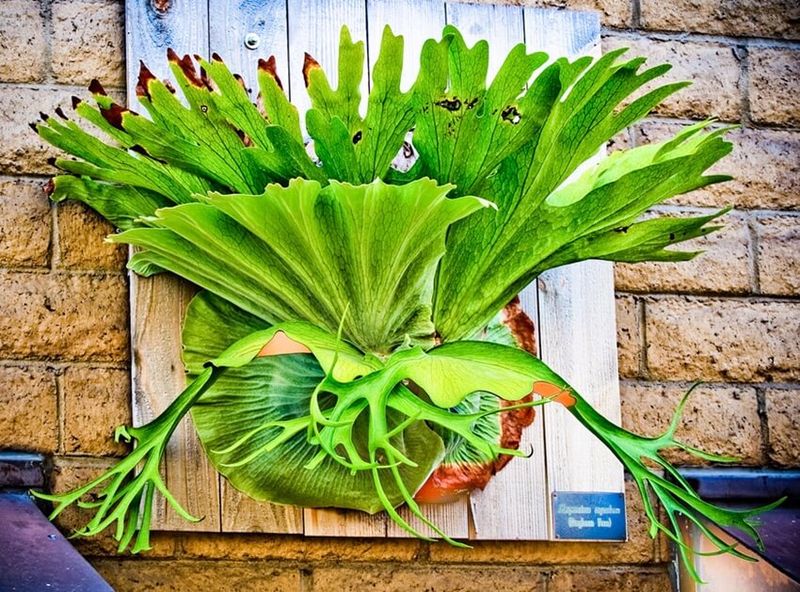
Staghorn Ferns are known for their antler-like fronds that create a striking, sculptural effect. Unlike typical ferns, they prefer to be mounted on boards or hung in baskets, turning them into living art pieces.
These ferns thrive in indirect light and high humidity, making them well-suited for bathrooms or kitchens. Their unique appearance and growth habit captivate plant lovers, offering a touch of the wild indoors.
Staghorn Ferns aren’t just plants; they transform spaces, adding a sense of adventure and creativity to home decor.
Hoya Kerrii (Sweetheart Plant)
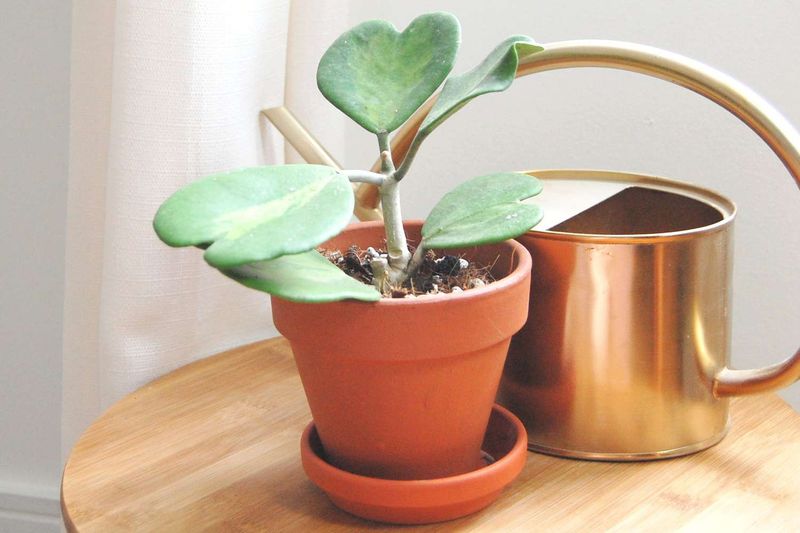
Imagine a plant that wears its heart on its leaves. The Hoya Kerrii, known as the Sweetheart Plant, boasts charming heart-shaped leaves that make it a delightful addition to any home.
Euphorbia Tirucalli (Pencil Cactus)
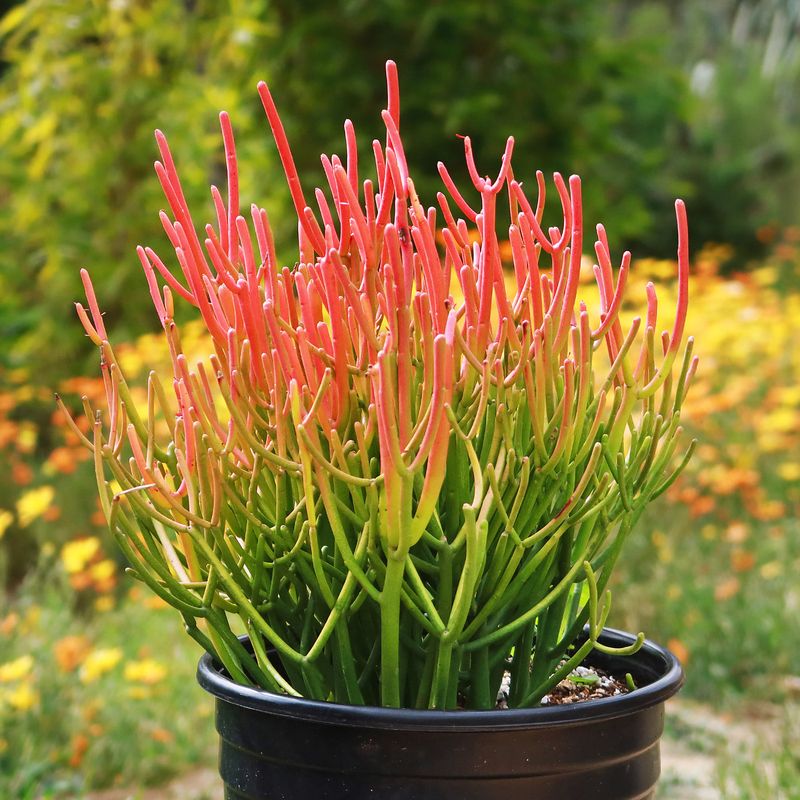
With its striking pencil-thin branches, the Euphorbia Tirucalli, or Pencil Cactus, stands out in any plant collection. Despite its exotic appearance, it’s low maintenance.
Stapelia Gigantea (Starfish Flower)
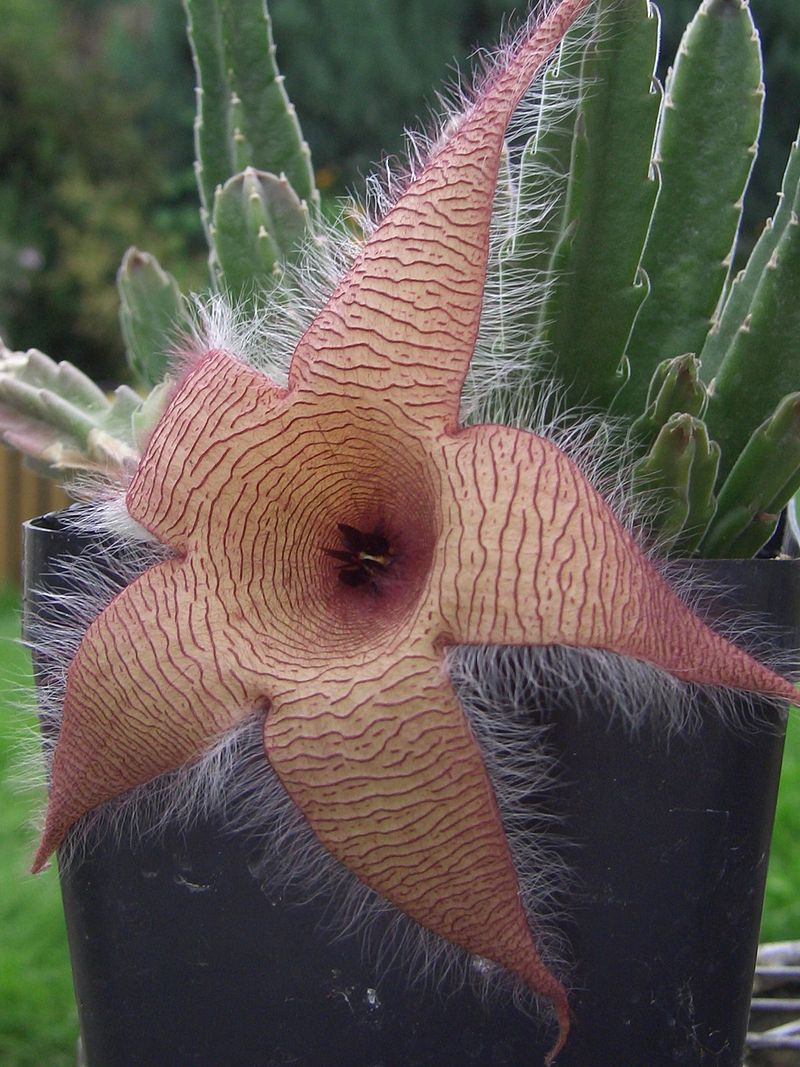
This plant isn’t just known for its star-like blooms. The Stapelia Gigantea, or Starfish Flower, can surprise with a unique aroma, often compared to rotting meat.
Crassula Umbella (Wine Cup)
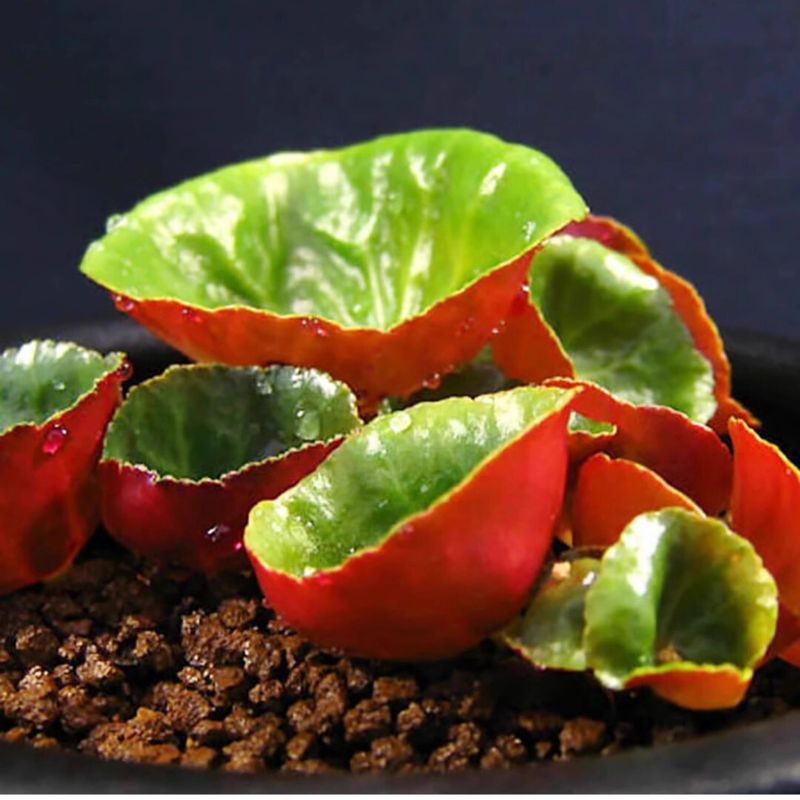
The Crassula Umbella, with its curious cup-shaped leaves, might remind you of an alien spacecraft. These plants are perfect for adding a touch of the extraordinary to your garden.
Ceropegia Woodii (String of Hearts)
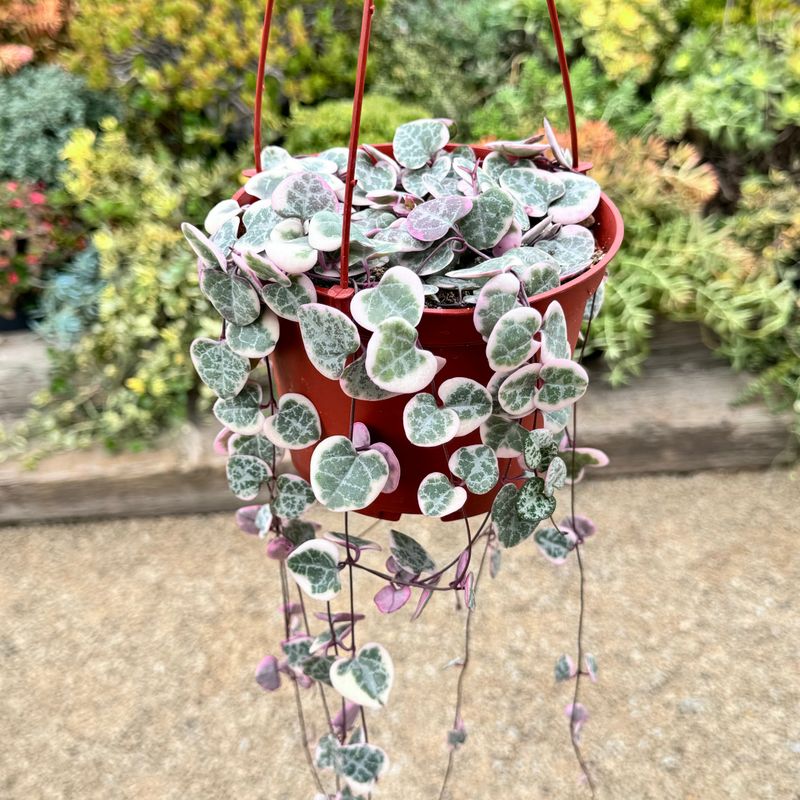
Cascading gracefully, the Ceropegia Woodii, or String of Hearts, offers a whimsical charm. Its trailing vines and heart-shaped leaves make it perfect for hanging baskets.
Mimosa Pudica (Sensitive Plant)
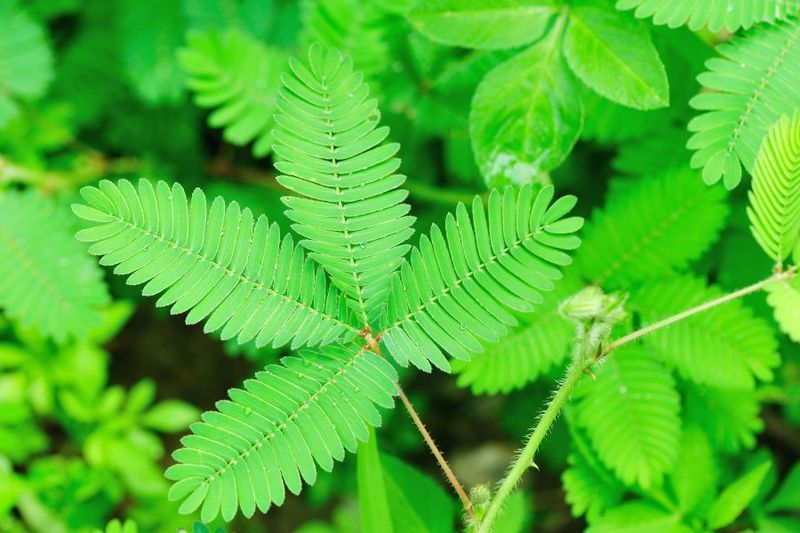
Touch the leaves of the Mimosa Pudica, and watch them fold inwards as if by magic. This sensitive plant is a wonder to behold and a joy to grow.
Senecio Peregrinus (String of Dolphins)
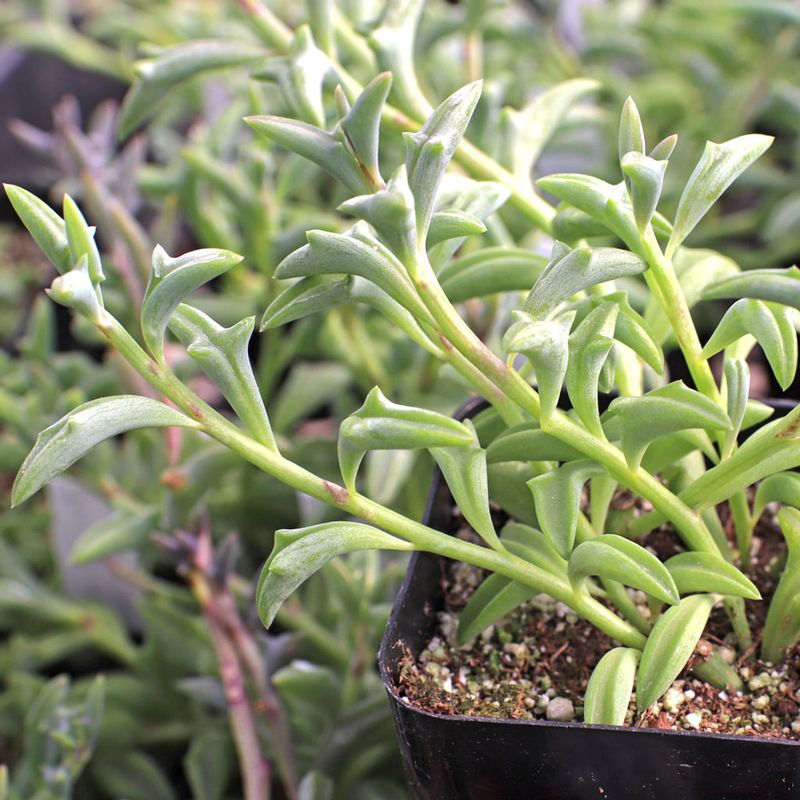
Each leaf of the Senecio Peregrinus seems to leap like a playful dolphin. This whimsical plant adds a splash of fun and imagination to any plant collection.
Oxalis Triangularis (False Shamrock)
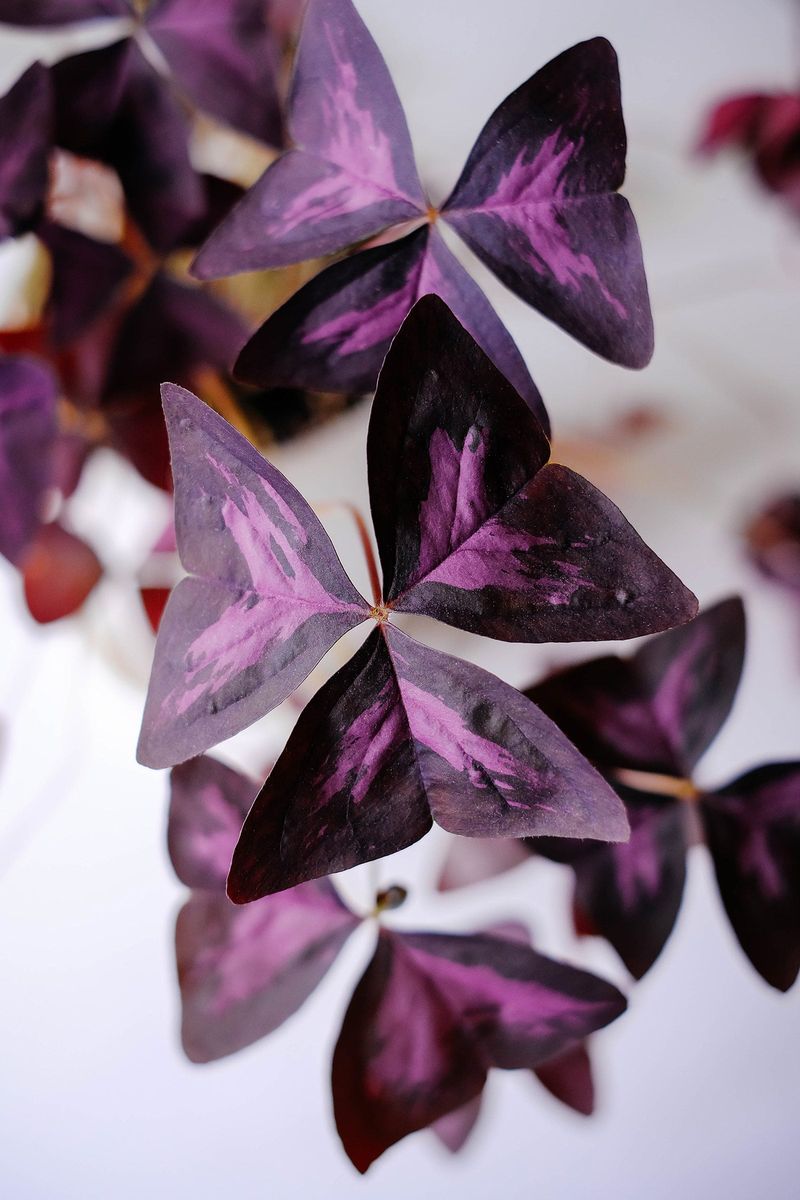
The Oxalis Triangularis, known as the False Shamrock, boasts striking purple leaves that open and close with the light. Its mesmerizing movement brings life to any space.
Asplenium Nidus (Bird’s Nest Fern)
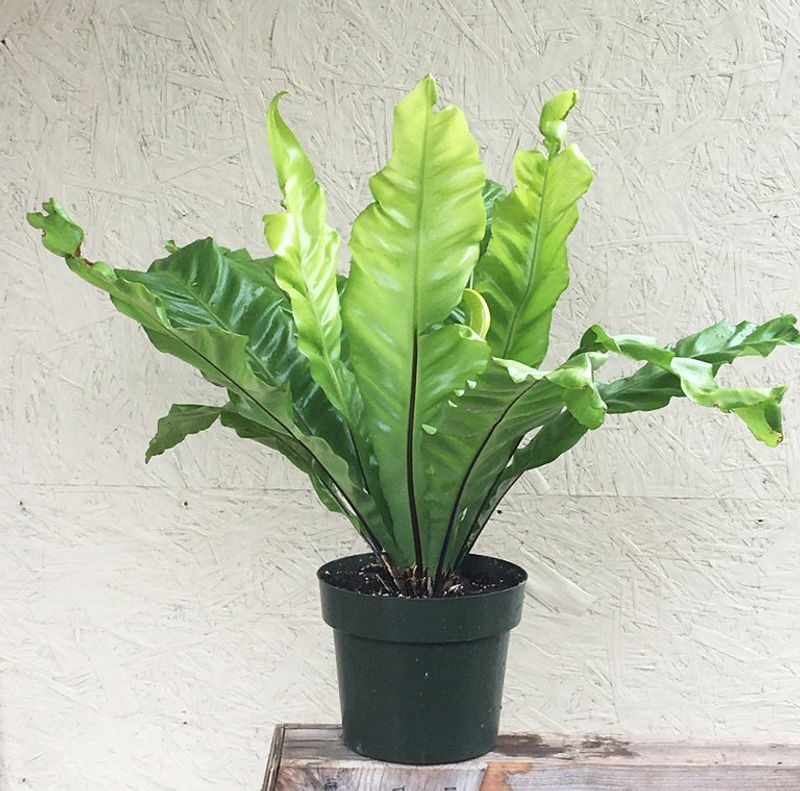
The Bird’s Nest Fern, with its wavy fronds and central rosette, resembles something from another planet. This tropical plant thrives with minimal care.