 Complete Gardening
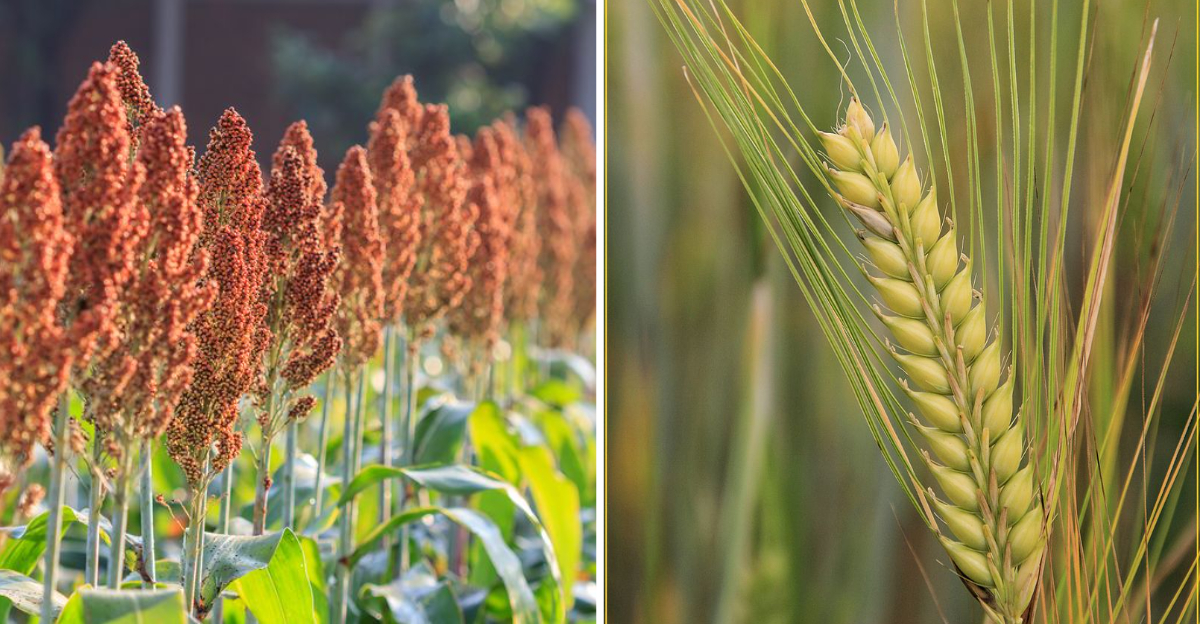
Growing ancient grains in your backyard is a delightful and rewarding experience. These time-honored crops bring history to life and offer a sustainable way to enrich your diet. Whether you’re looking to connect with nature or simply enjoy the benefits of homegrown superfoods, these grains are worth exploring.
Amaranth
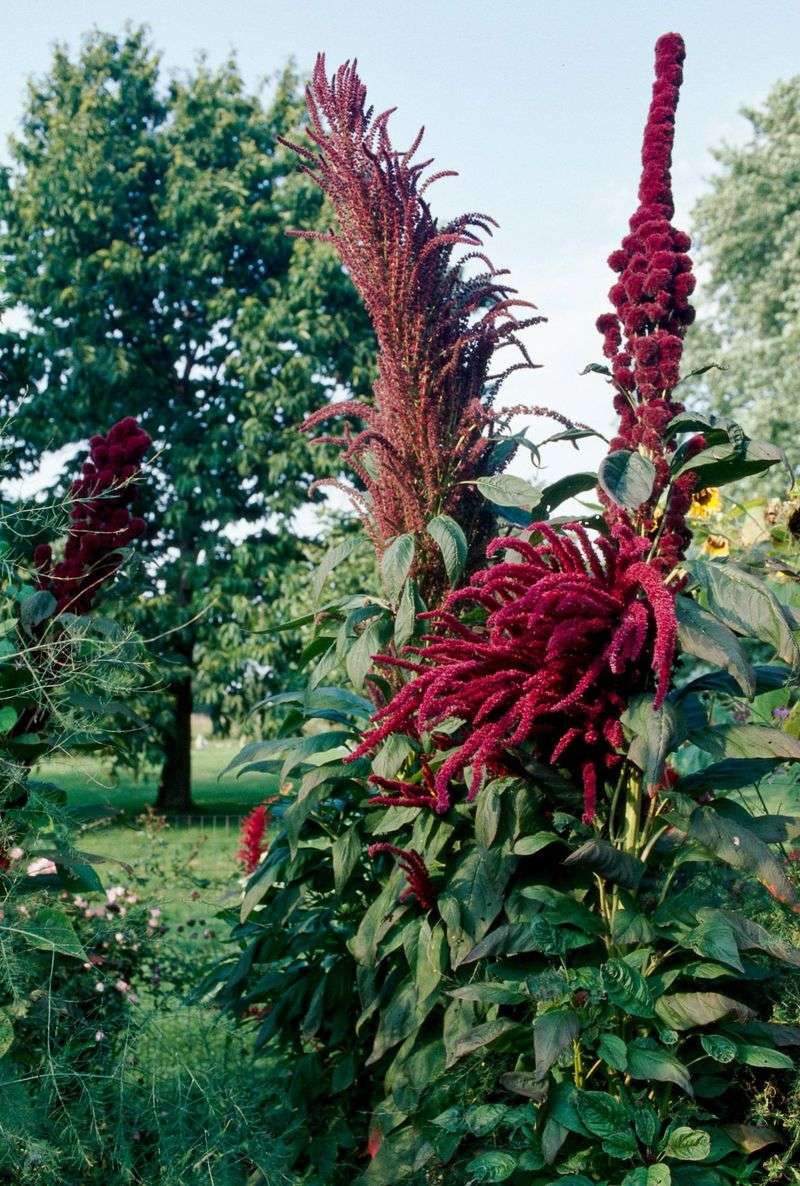
Amaranth, once a staple for the Aztecs, is a resilient grain that adapts well to backyard gardens. Its vibrant red and green leaves add a splash of color, making it not only a nutritious choice but also an ornamental delight. Amaranth thrives in warm climates and requires minimal care, making it perfect for beginner gardeners.
Known for its high protein content, this ancient grain is gluten-free and rich in essential amino acids. Amaranth seeds can be popped like popcorn or used in soups and salads. Its versatility and nutritional value make it a must-have.
Quinoa
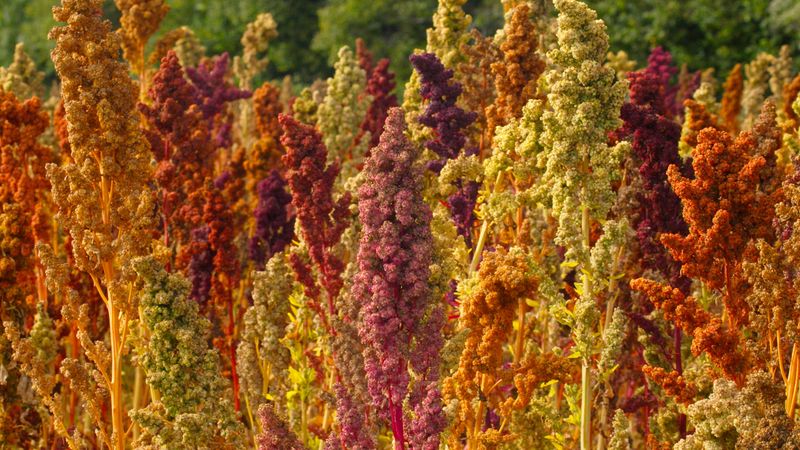
Quinoa, often dubbed a “superfood,” is celebrated for its nutritional benefits and ease of cultivation. Native to the Andes, quinoa thrives in various climates, making it accessible to many backyard enthusiasts. This pseudo-grain is drought-resistant and prefers well-drained soil, ensuring a hassle-free growing experience.
Quinoa seeds boast a complete protein profile and are packed with vitamins and minerals, offering a nutritious boost to meals. Harvesting quinoa is a rewarding process, as the plants produce vibrant, colorful seed heads. Embrace this grain for a healthy, sustainable garden.
Millet
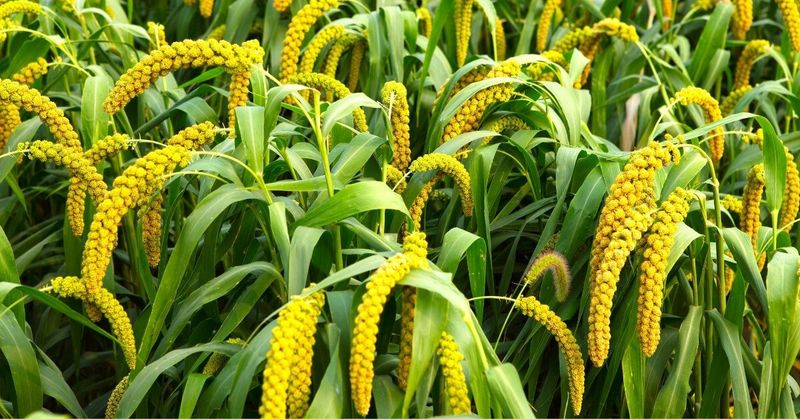
Millet, a staple in ancient civilizations, is a hardy grain perfect for home gardens. Its resilience to drought and heat makes it an appealing choice for those in challenging climates. Millet grows quickly and requires little maintenance, providing an easy and rewarding gardening experience.
This tiny grain is highly nutritious, offering a rich source of fiber and essential nutrients. Millet is versatile, used in porridges, breads, and even as birdseed. Its adaptability and health benefits make it a cherished addition to any garden. Welcome millet for a taste of history.
Spelt
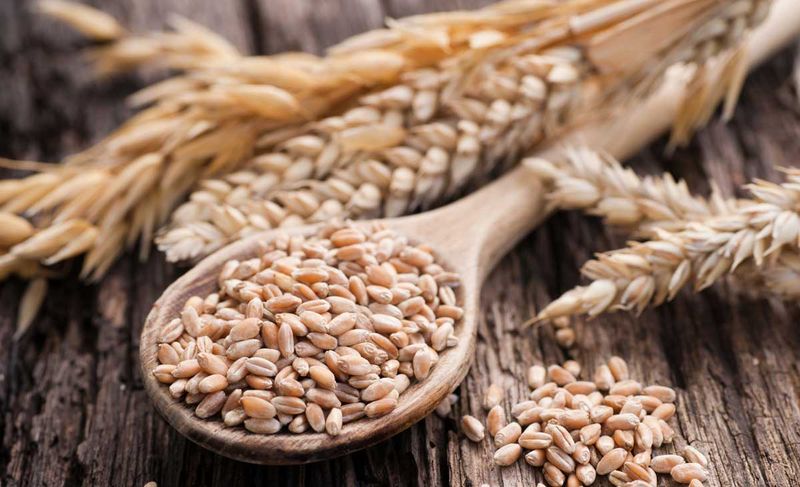
Spelt, an ancient wheat variety, offers a unique blend of flavor and nutrition. Its deep roots trace back to the Bronze Age, connecting modern gardens with ancient traditions. Spelt thrives in temperate climates and requires minimal fertilization, making it an accessible choice for backyard growers.
This grain is known for its nutty taste and high protein content. Spelt flour is a popular alternative to regular wheat, suitable for baking breads and pastries. Embrace the rustic charm of spelt in your garden, and enjoy its wholesome rewards.
Einkorn
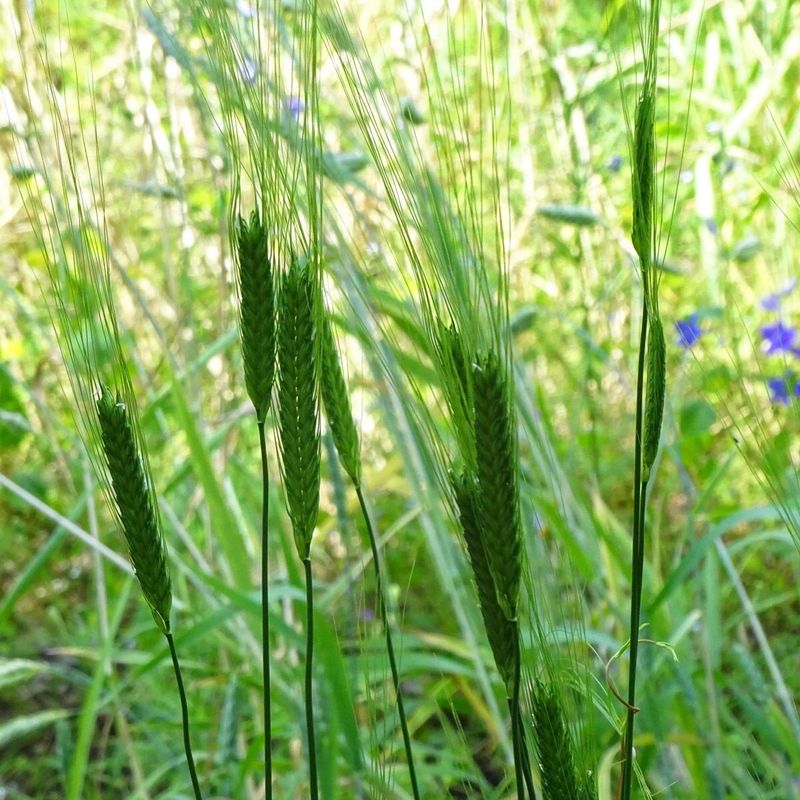
Einkorn is the oldest known wheat, cherished for its simple, natural form. Its ancient origins trace back to early agriculture, offering a glimpse into the agricultural past. Einkorn is resilient and adaptable, flourishing in various soil types and climates.
Rich in vitamins and antioxidants, einkorn is a nutritional powerhouse. Its unique flavor enhances baked goods, adding depth and richness. Growing einkorn connects gardeners to a timeless tradition, inviting a sense of connection to history. Discover the beauty and simplicity of einkorn in your backyard.
Khorasan Wheat

Khorasan wheat, often sold under the brand name Kamut, is an ancient grain with a rich history. Its large, plump kernels offer a buttery flavor that distinguishes it from modern wheat varieties. Khorasan wheat is drought-tolerant and grows well in various soil conditions, making it ideal for diverse gardens.
This grain is packed with nutrients, including protein, fiber, and essential minerals. Its unique taste and texture make it a favorite for bread and pasta. Cultivating khorasan wheat adds a touch of elegance and tradition to home gardens, blending past and present.
Sorghum
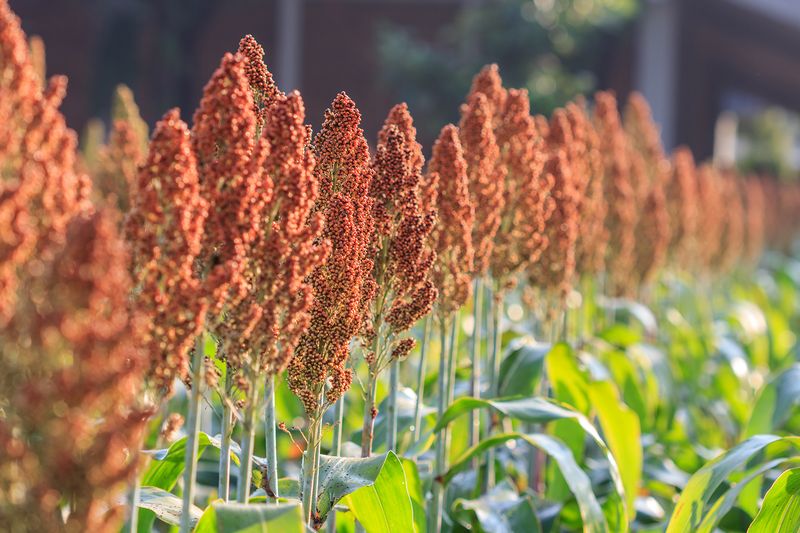
Sorghum is a versatile and sustainable grain cherished for its resilience and adaptability. Originating from Africa, sorghum thrives in hot, arid environments, making it perfect for eco-conscious gardeners. This ancient grain requires little water, offering a low-maintenance growing experience.
Rich in antioxidants, sorghum is gluten-free and highly nutritious, used in flours, syrups, and even as animal feed. Its robust nature and culinary versatility make sorghum an appealing choice for backyard cultivation. Celebrate sustainability and flavor with sorghum in your garden.
Emmer Wheat
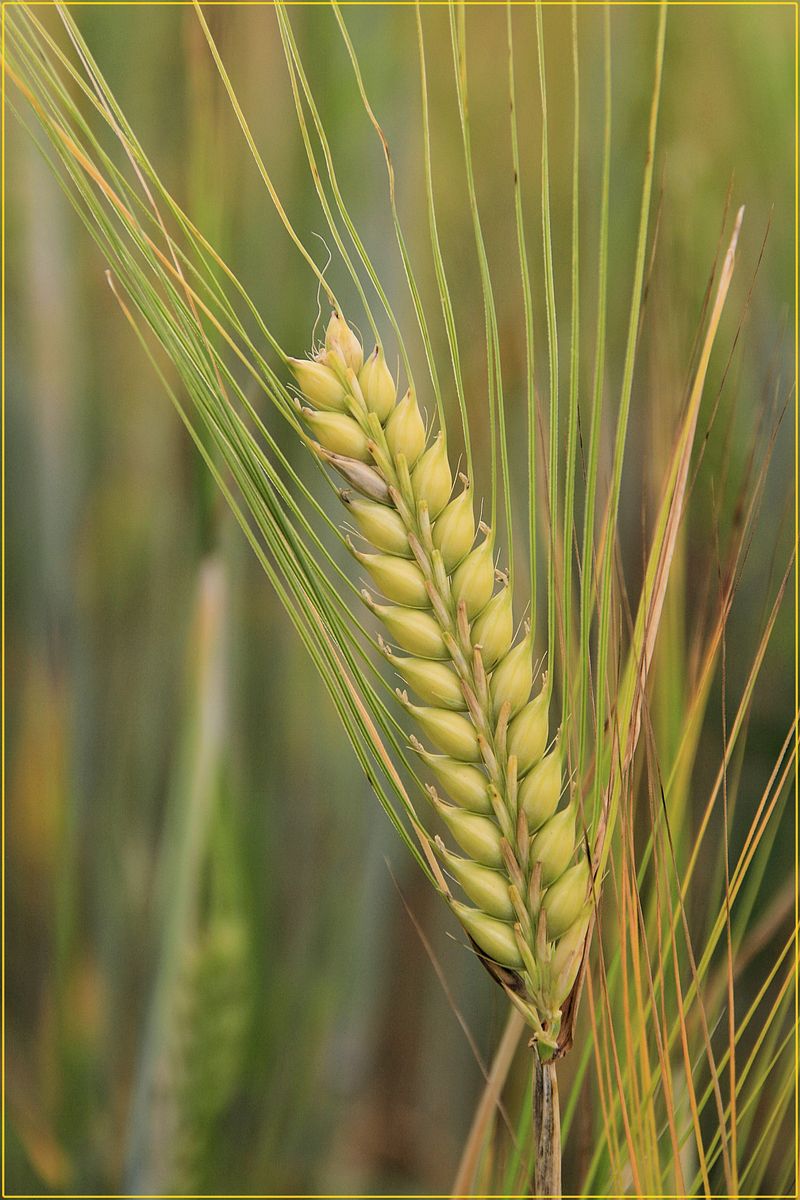
With a history dating back to ancient Egypt, Emmer wheat stands tall. Known for its resilience, it graces gardens with a touch of history. This grain, boasting a nutty flavor, adds depth to any dish. Enthusiasts prize its hardy nature, perfect for backyard growth.
Imagine kneading a dough made from flour that once fed pharaohs. Emmer’s rich heritage is woven into every bite. This grain truly embodies the essence of ancient cultivation.
For garden lovers, Emmer offers more than just food; it offers a connection to a storied past and sustainable future.
Teff
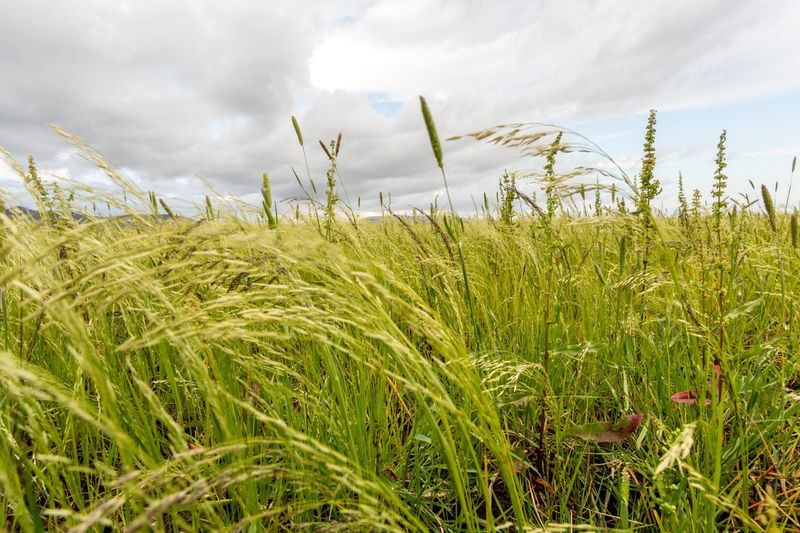
Originating from Ethiopia, teff is a tiny powerhouse. Famed for its nutritional profile, it thrives in various climates. Its versatility and adaptability make it ideal for home gardens.
Teff’s minuscule seeds pack a punch, offering calcium, iron, and protein in abundance. Imagine harvesting these grains, once central to Ethiopian culture, now flourishing in your backyard.
This grain invites gardeners to explore ancient flavors. Its small size belies a robust history, adding a unique twist to garden-grown grains.
Farro
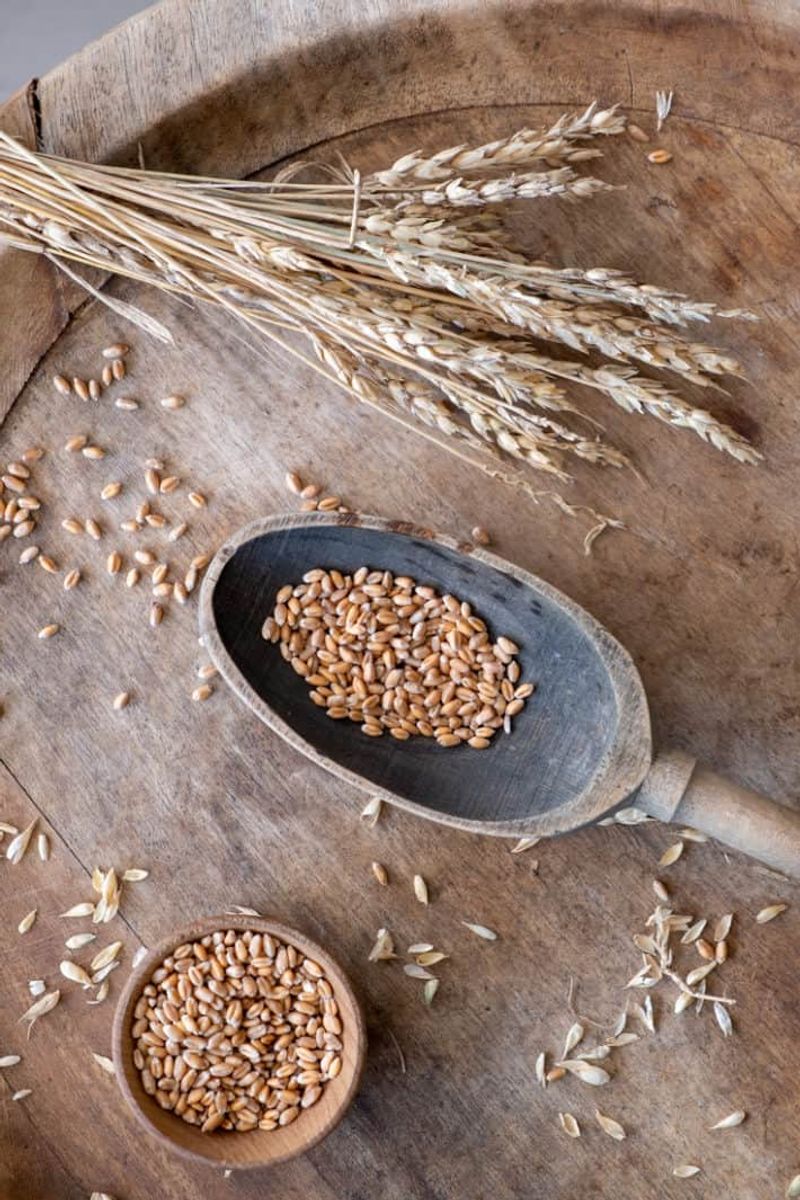
Known as the “mother of all wheat,” Farro is a staple of ancient Roman diets. Its chewy texture and nutty flavor make it a favorite amongst chefs and home cooks alike.
Growing Farro in your backyard is akin to cultivating a slice of history. It thrives in well-drained soil, basking in the glory of sunlight. Every grain harvested tells a tale of empires past.
For those seeking a garden that feeds both body and soul, Farro offers a timeless connection to culinary traditions.
Freekeh
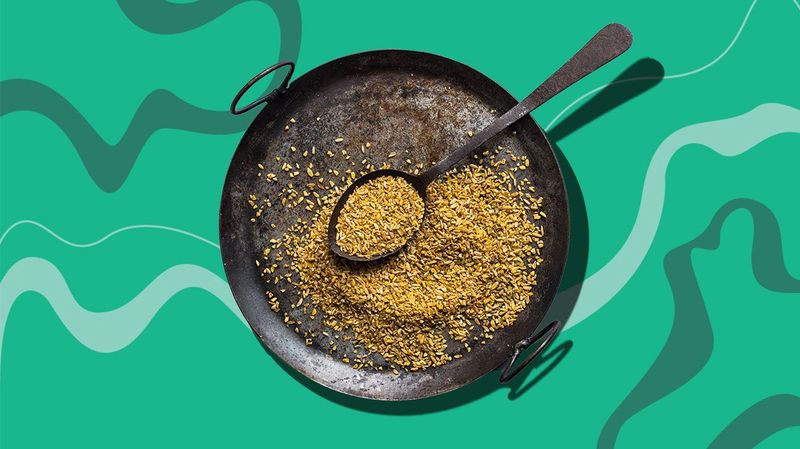
Freekeh, an ancient grain hailing from the Middle East, brings a smoky allure to the table. Harvested while still green and roasted, it offers a unique flavor profile.
Backyard gardens benefit from its hardy nature, as Freekeh stands resilient against pests. Its story is as enticing as its taste, with origins tracing back to the Levant.
A symbol of cultural heritage, Freekeh invites gardeners to taste the past. Every spoonful echoes with traditions of ancient feasts and communal gatherings.
Rye
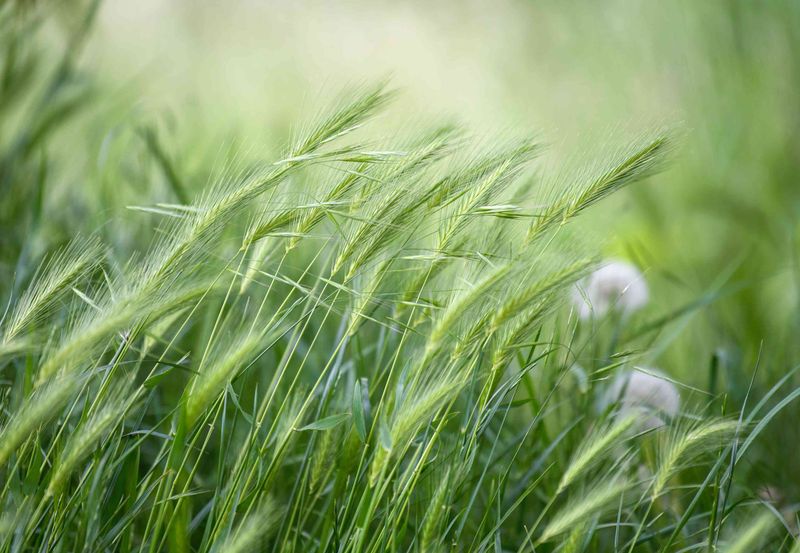
Rye, a staple of Eastern European cuisine, offers a robust addition to any garden. Its deep, earthy taste is a testament to its ancient origins.
Renowned for its adaptability, rye flourishes in poor soils and harsh climates. This makes it perfect for backyard gardeners seeking hardy plants.
Cultivating rye links modern gardeners to ancient bread-making traditions. Each harvest promises a journey through time, as you bake with grains enjoyed by generations. Its resilience and flavor ensure its continued place in gardens worldwide.
Barley
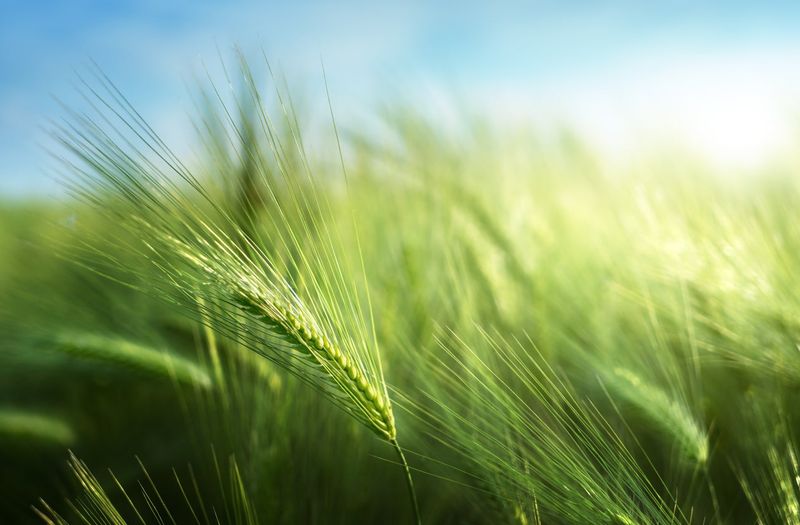
Barley, one of the oldest cultivated grains, boasts a rich history. Favored by ancient civilizations for its versatility, it remains a culinary staple.
In backyard gardens, barley’s resilience is unmatched. It thrives in various climates, making it a preferred choice for many gardeners.
This grain’s contribution to beer and soup recipes is well-known, but its cultivation offers more. Barley connects gardeners to an agrarian past, where each stalk tells a story of ancient fields and feasts.
Triticale

Triticale, a hybrid of wheat and rye, combines the best of both worlds. Its development aimed to harness the strength of rye and the yield of wheat.
Gardeners appreciate triticale’s robustness and adaptability. It stands as a testament to agricultural innovation, bridging ancient grains with modern needs.
In a backyard setting, triticale offers depth and diversity. This grain captures the essence of human ingenuity and agricultural progress, providing a unique addition to any garden. Each kernel carries the promise of past and present combined.
Fonio
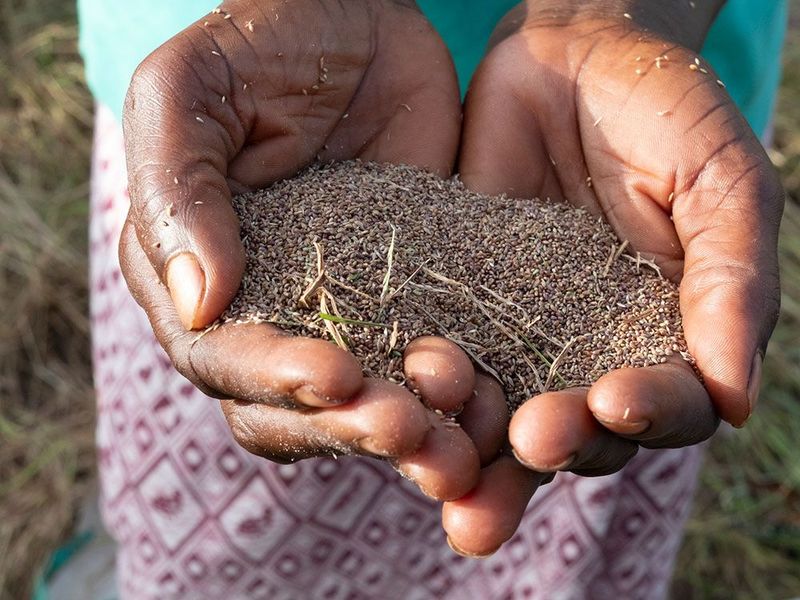
Fonio, revered in West Africa, is often called the “seed of the universe.” Its quick growth and nutritional value make it a valuable addition to gardens.
This grain, with its delicate texture, invites culinary exploration. Fonio’s resilience to drought speaks to its robust nature, ideal for diverse growing conditions.
Incorporating fonio into a backyard garden celebrates biodiversity. Its cultivation bridges cultural connections, inviting gardeners to partake in a global culinary tradition. Each harvest is a step towards sustainable gardening and heritage preservation.
Ragi (Finger Millet)
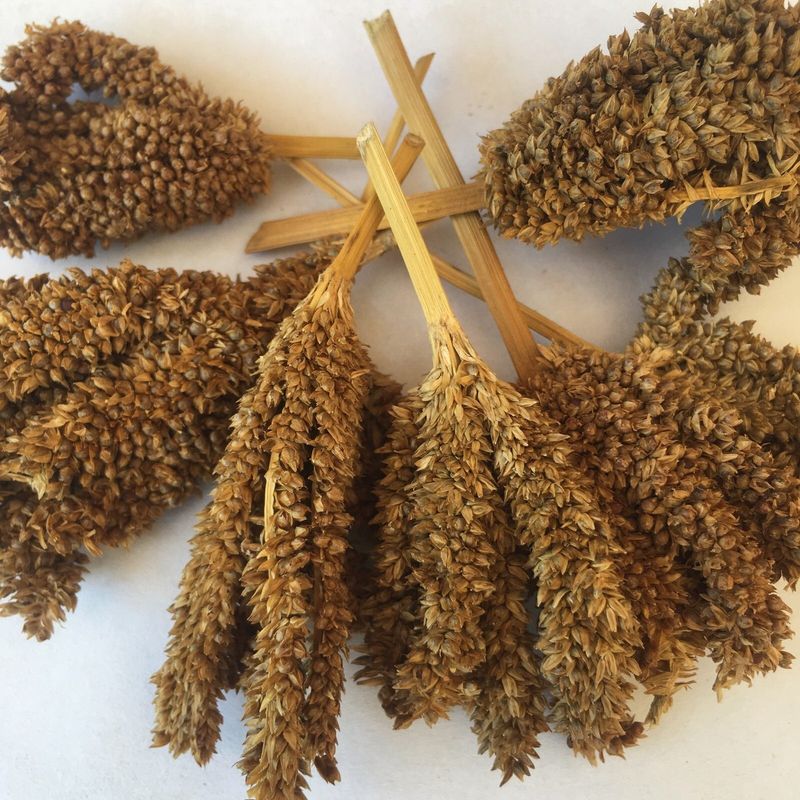
Ragi, or finger millet, hails from the Indian subcontinent. Known for its nutritional benefits, it has been a staple for centuries.
In gardens, ragi is appreciated for its drought tolerance and ease of cultivation. Its grains, rich in calcium and iron, support sustainable diets.
Ragi’s presence in a backyard garden ties modern cultivation to ancient agricultural practices. This grain not only feeds but also narrates a story of endurance and cultural significance. Its cultivation is a nod to time-tested traditions and future food security.
Buckwheat
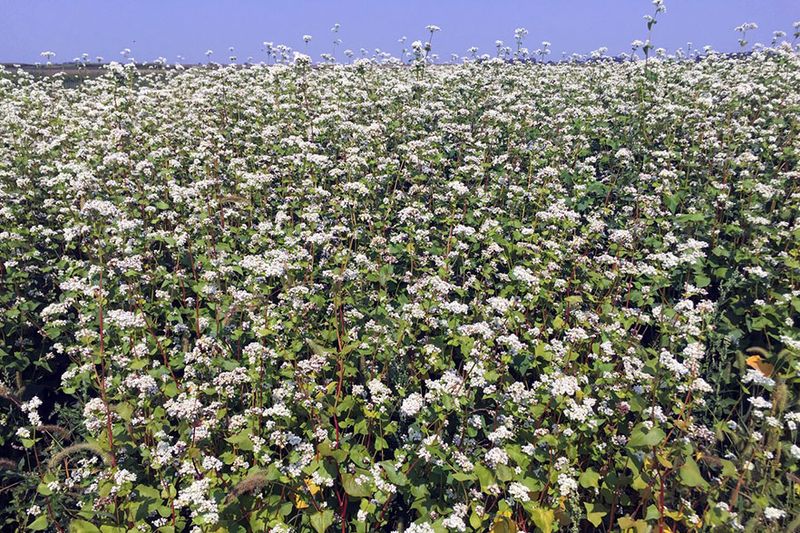
Contrary to its name, buckwheat is not a wheat but a seed. Its presence in gardens dates back to ancient Asia, where it thrived in various conditions.
Buckwheat’s quick growth and adaptability make it a gardener’s delight. Its seeds, rich in nutrients, offer health benefits that have been cherished for centuries.
This grain’s cultivation invites a deeper understanding of ancient agricultural practices. In the backyard, buckwheat stands as a testament to nature’s bounty, offering sustenance and a glimpse into historical farming techniques.