 Complete Gardening
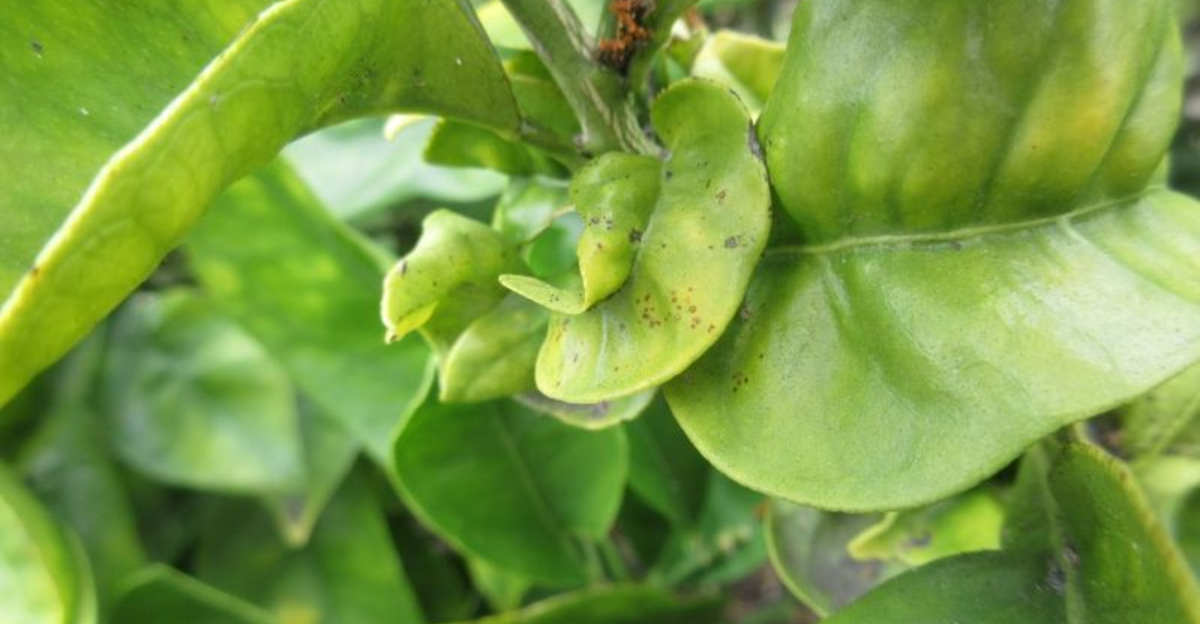
Watering plants is an essential part of keeping them healthy, but determining the right amount can be challenging. Are you overwatering or underwatering? This guide will help you recognize the signs quickly, ensuring your plants thrive.
1. Leaf Color Changes
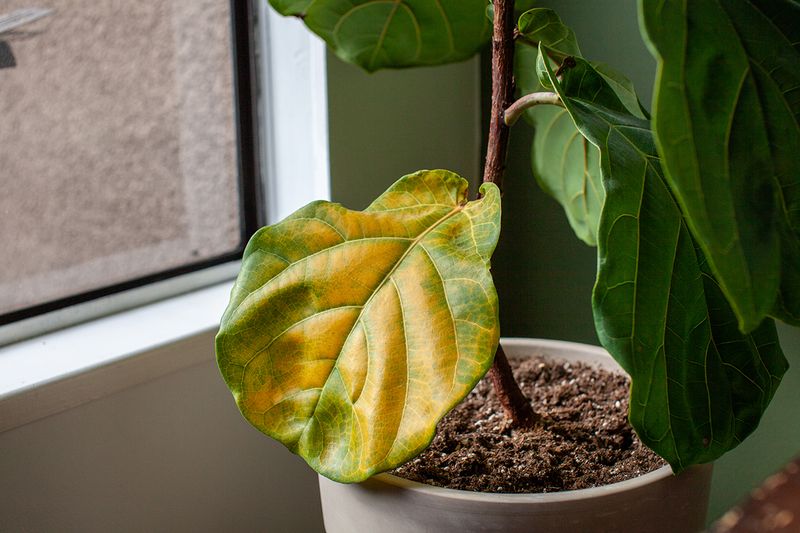
The color of a plant’s leaves can reveal much about its watering needs. Overwatered plants often exhibit yellowing leaves due to root suffocation. In contrast, underwatered plants may have crispy, brown edges.
Observing these color changes can help diagnose watering issues quickly.
Ensure you adjust your watering habits accordingly to maintain vibrant, healthy foliage.
2. Soil Moisture Test
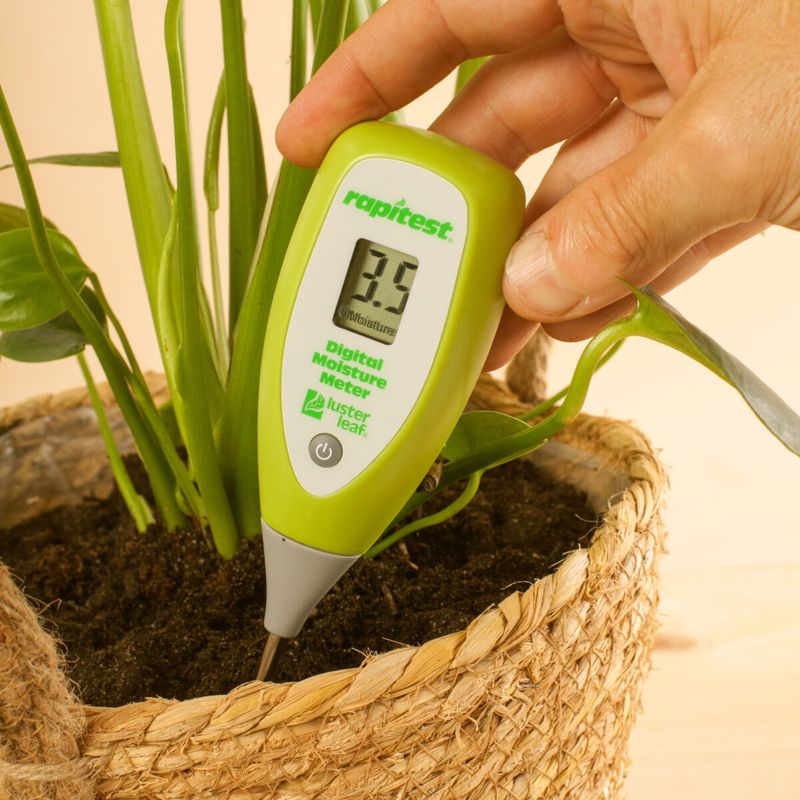
One of the most straightforward methods to determine if you’re overwatering or underwatering is the soil moisture test. Insert your finger about an inch into the soil. Moist soil suggests enough water, while dry soil signals a need for hydration.
For an accurate reading, consider using a moisture meter.
These devices provide precise data, helping you maintain optimal soil conditions for plant health.
3. Wilting Leaves
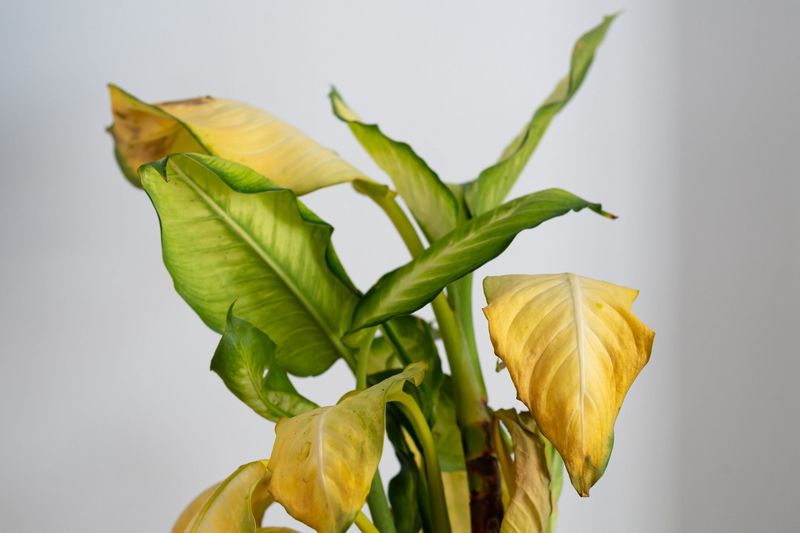
Wilting can be a sign of both overwatering and underwatering. Overwatered plants may wilt due to root rot, while underwatered plants wilt from lack of moisture.
Examine the soil to pinpoint the issue—soggy for overwatering, parched for underwatering.
Adjust your watering routine to prevent persistent wilting and ensure robust plant growth.
4. Root Inspection
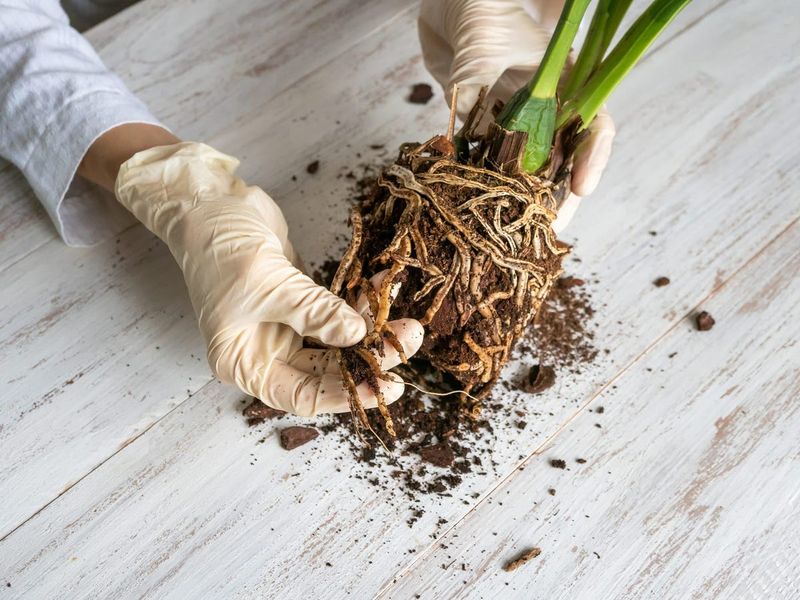
Checking the roots provides critical insight into watering habits. Healthy roots are white and firm, whereas overwatered plants might show black, mushy roots.
Carefully remove the plant from its pot to inspect. If you find damaged roots, reduce watering.
Encourage recovery by ensuring proper drainage to prevent future issues.
5. Plant Growth Rate
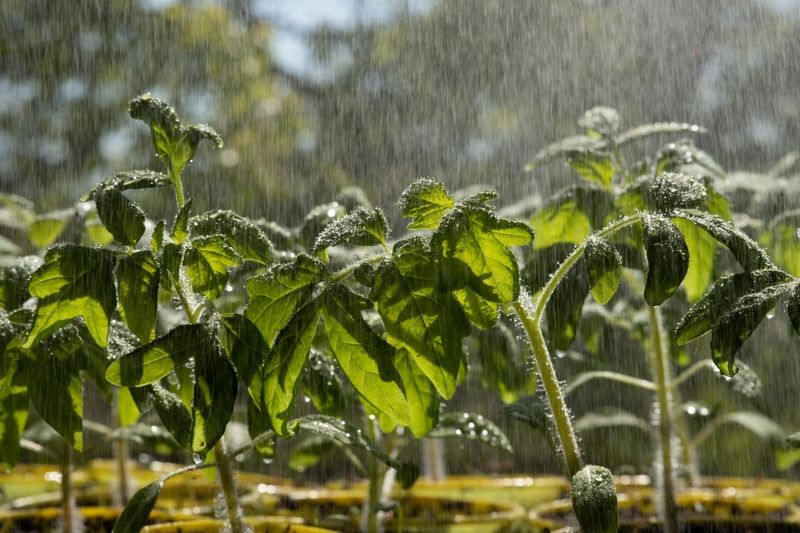
A plant’s growth rate can indicate watering adequacy. Stunted growth may mean underwatering, while excessive watering can hinder nutrient uptake, also slowing growth.
Monitor your plant’s development over time to identify anomalies.
Adjusting your watering schedule can help align growth with expectations for each species.
6. Curling Leaves
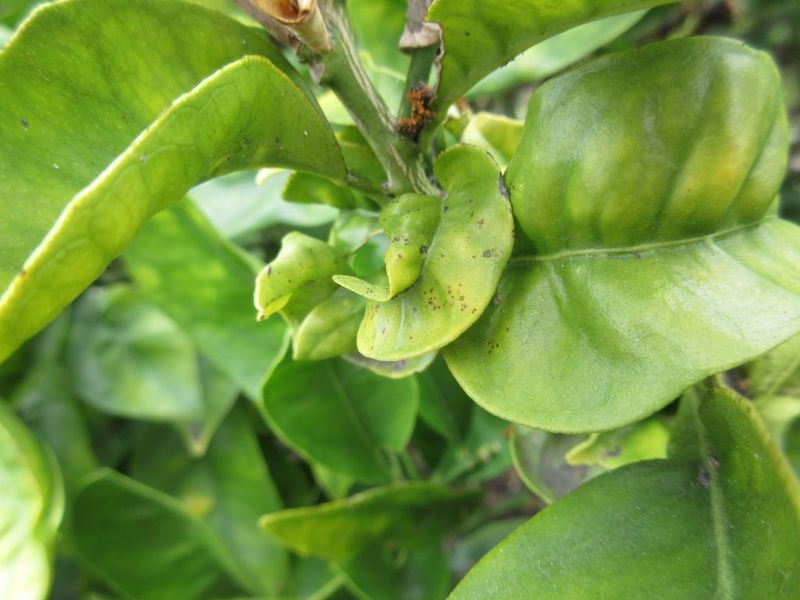
Curling leaves can be a clear signal of improper watering. When plants are thirsty, their leaves may curl upwards, trying to conserve water. Alternatively, overwatering can lead to similar symptoms, as the roots become soggy and unable to absorb oxygen.
Understanding the cause requires a closer inspection of the environment and soil conditions. Are the leaves crispy and dry, or soft and mushy? Each observation provides clues to the underlying issue.
Adjusting your watering schedule based on these observations can help restore the plant to its natural, healthy state.
7. Yellowing Borders
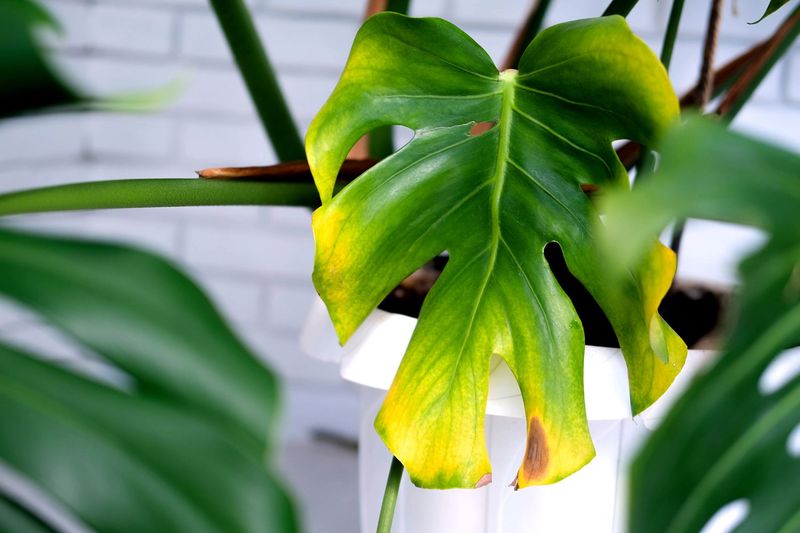
Notice the yellowing borders of your plant’s leaves? This could point to a watering imbalance. When underwatered, plants may exhibit this symptom as their edges become stressed and discolored.
Conversely, overwatering can cause nutrient leaching, leading to similar yellowing. Carefully monitoring these changes helps in determining the right action.
Consider both the frequency and quantity of watering, and make adjustments as needed to restore vibrancy to your plants.
8. Leaf Drop
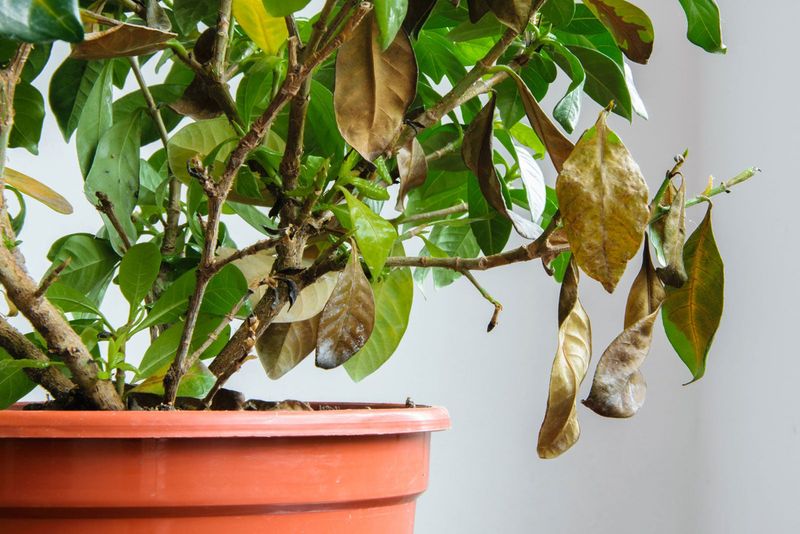
Leaf drop is a noticeable response to stress, often linked to watering practices. When underwatered, plants may shed leaves to preserve moisture for survival.
On the flip side, overwatering can suffocate roots, causing a similar shedding reaction. Observing when and how leaves are dropping might provide insights into correcting your routine.
Balancing the watering frequency and adapting to seasonal changes can prevent such stress-induced reactions in your plants.
9. Cracked Soil Surface
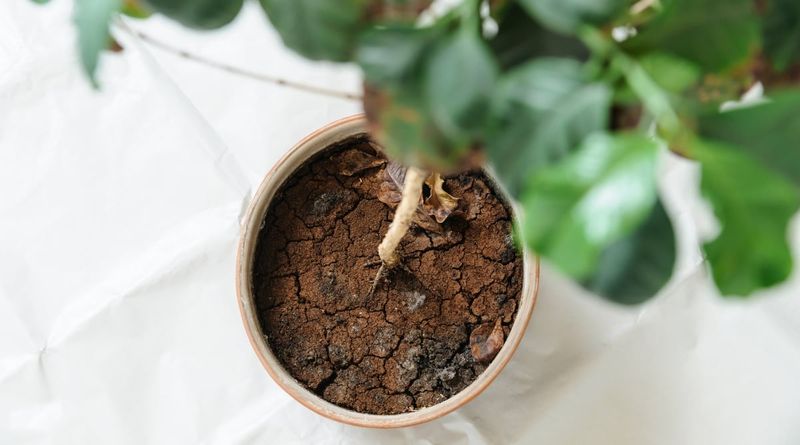
Surface cracks in soil are a telltale sign of underwatering. As moisture depletes, the soil contracts and hardens, forming visible fissures.
This condition indicates a need for more frequent watering, especially during hot, dry spells. However, it’s crucial to ensure water penetrates deeply to benefit the roots.
A consistent watering routine that adequately hydrates the soil can prevent further cracking and support overall plant health.
10. Mold Growth
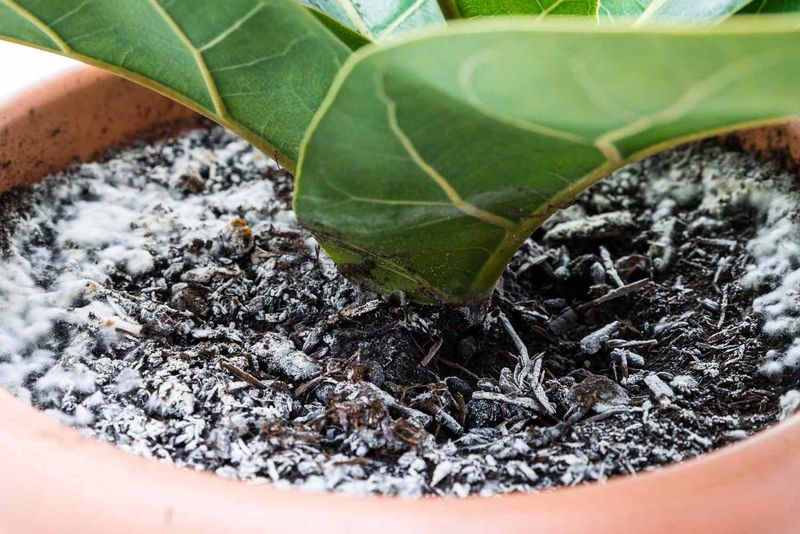
Mold on soil surfaces often signals overwatering. Excess moisture creates a breeding ground for mold and fungal growth, compromising plant health.
This issue can be exacerbated by poor drainage or humidity. Ensuring pots have drainage holes and removing excess water can mitigate this problem.
By adjusting watering habits and improving ventilation, you can reduce mold growth and enhance plant vitality.
11. Drooping Stems
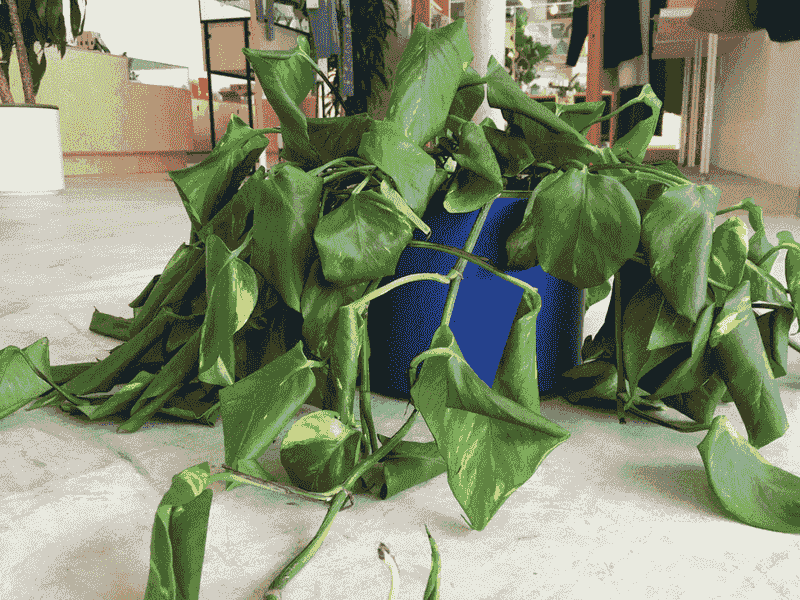
Drooping stems often indicate stress from watering issues. In underwatered plants, stems may droop as a last resort to conserve remaining moisture.
Conversely, overwatering can lead to weak, waterlogged stems that struggle to hold up their weight. Assessing the soil’s moisture content can guide appropriate adjustments.
Regular monitoring and timely watering based on these observations can help revive drooping plants and promote sturdy growth.
12. Fungus Gnats
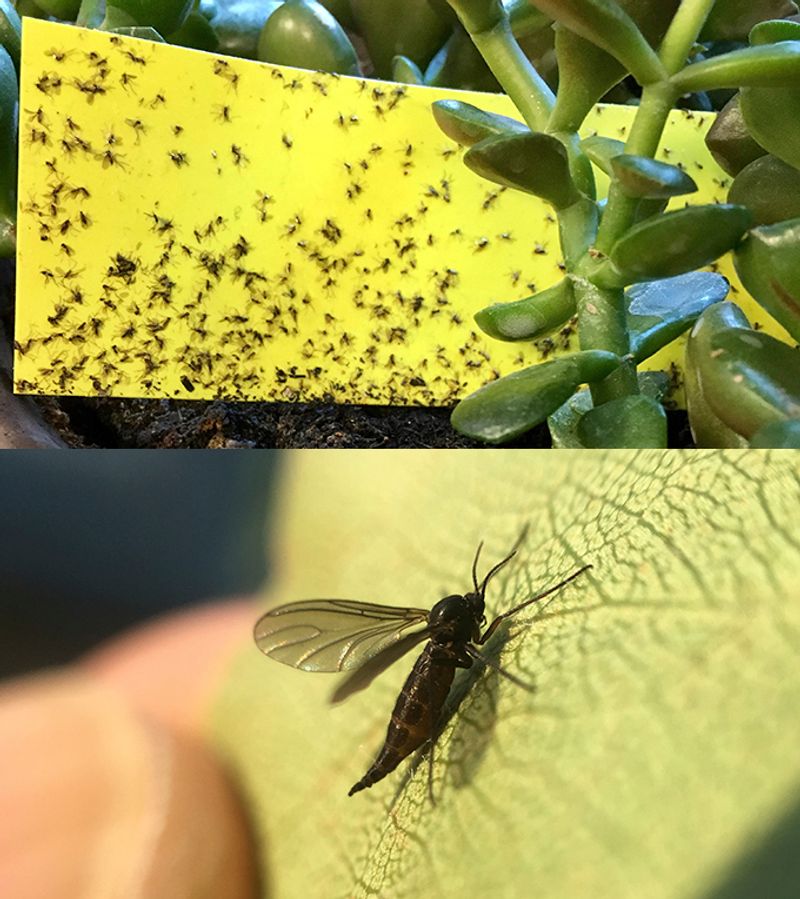
Fungus gnats thrive in overly moist environments, making them a common issue in overwatered plants. These small, flying insects lay eggs in wet soil, leading to larvae that can harm plant roots.
Identifying and reducing gnat infestations involves allowing the soil to dry out between waterings and using sticky traps for control.
Addressing the root cause of overwatering can eliminate these pests and improve plant health overall.
13. Brittle Leaves
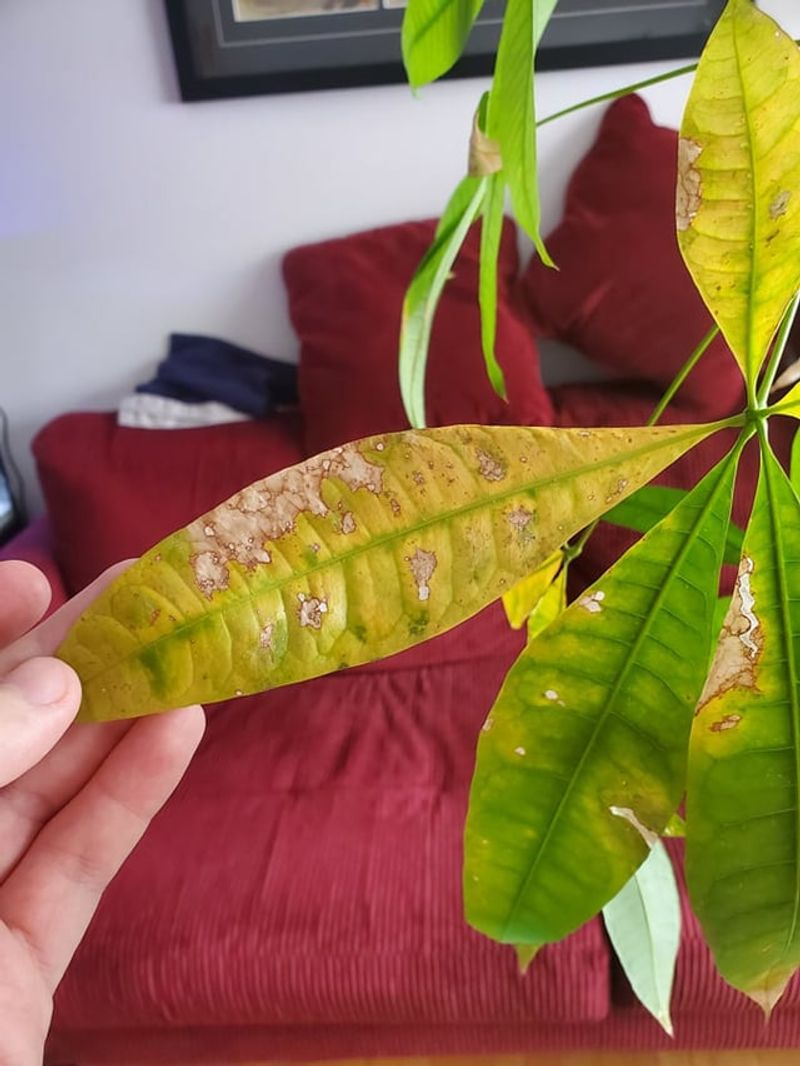
Brittle leaves are a common sign of underwatering, where leaves become dry and fragile due to insufficient moisture.
This condition can be exacerbated by environmental factors such as low humidity and high temperatures. Providing consistent and adequate watering can help alleviate this issue.
Observing changes in leaf texture and adapting your watering routine accordingly will maintain your plants’ health and appearance.
14. Swollen Roots
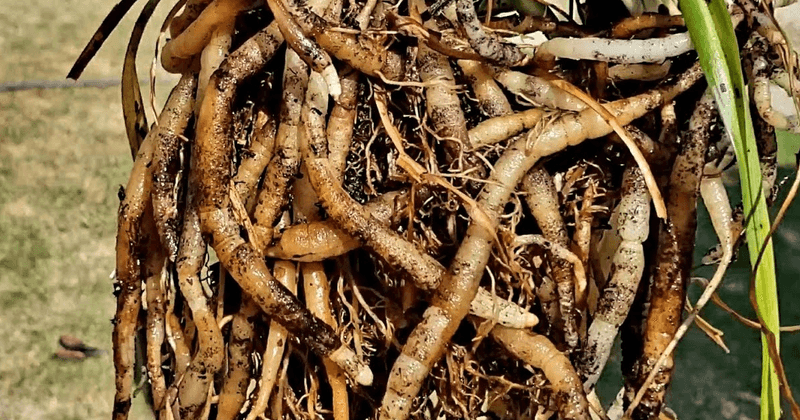
Swollen roots can be a hidden indicator of overwatering. The roots absorb excessive water, leading to swelling and potential root rot.
Identifying swollen roots often requires repotting or inspecting the plant’s root system. Ensuring proper drainage and reducing watering frequency can prevent further damage.
By addressing these hidden signs early, you can protect your plants from irreversible harm.
15. Leggy Growth
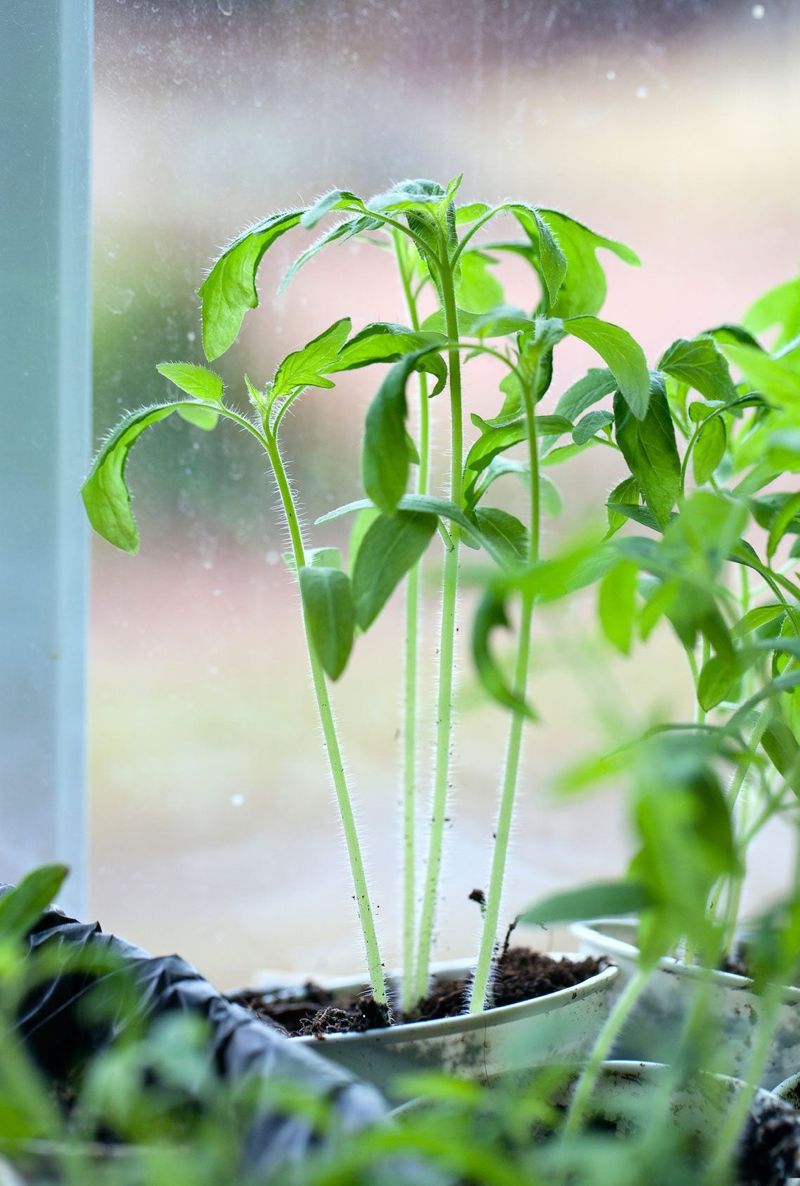
Leggy growth occurs when plants stretch towards light, often due to inconsistent watering. Underwatered plants may develop elongated stems as they reach for moisture sources.
On the other hand, excessive watering can wash away nutrients, leading to weak, spindly growth. Balancing watering schedules and ensuring proper light conditions can encourage healthier development.
Taking note of these growth changes allows for timely adjustments, fostering robust and bushy plants.