 Complete Gardening
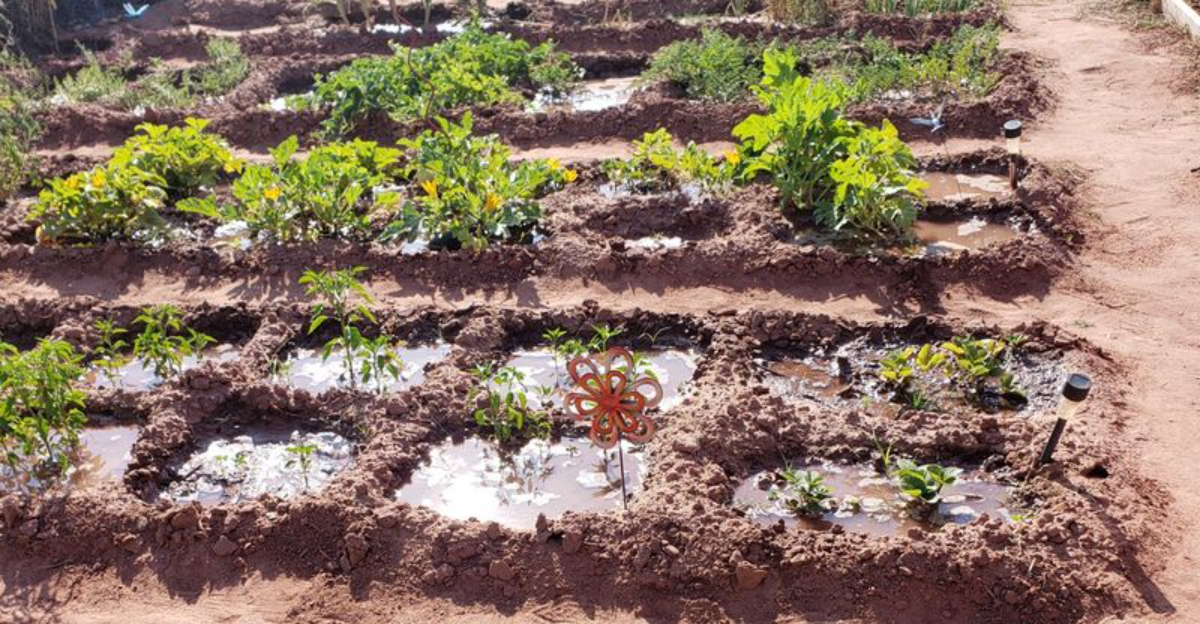
Arizona’s scorching desert climate seems impossible for growing gardens, but ancient communities discovered brilliant water-saving tricks centuries ago. These time-tested methods helped Native American tribes and early settlers cultivate thriving plants without modern irrigation systems. Today, these forgotten techniques can transform your backyard into a flourishing oasis while slashing your water bill dramatically.
1. Clay Pot Irrigation Using Ollas
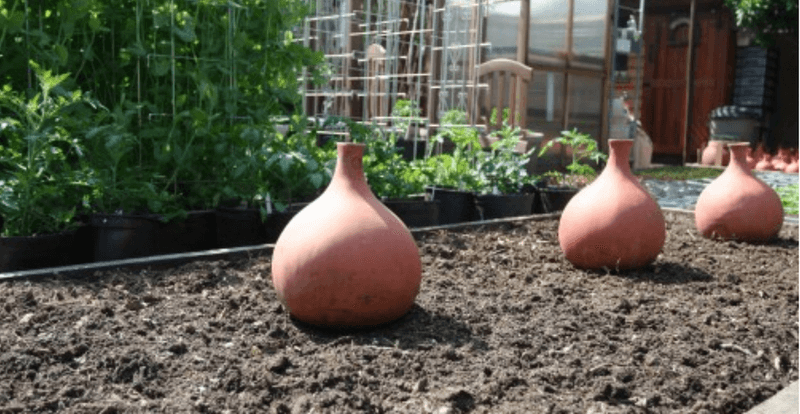
Buried treasure takes on new meaning with ollas, unglazed clay pots that act like underground water dispensers. These ancient vessels slowly seep moisture directly into plant roots through their porous walls.
Simply bury an olla near your plants, fill it with water, and cover the opening. The clay naturally releases water as soil dries out, creating a self-regulating irrigation system.
Plants receive steady hydration without waste from evaporation or runoff. This method reduces water usage by up to 70% compared to traditional sprinkler systems.
2. Rock Mulch and Stone Heat Storage
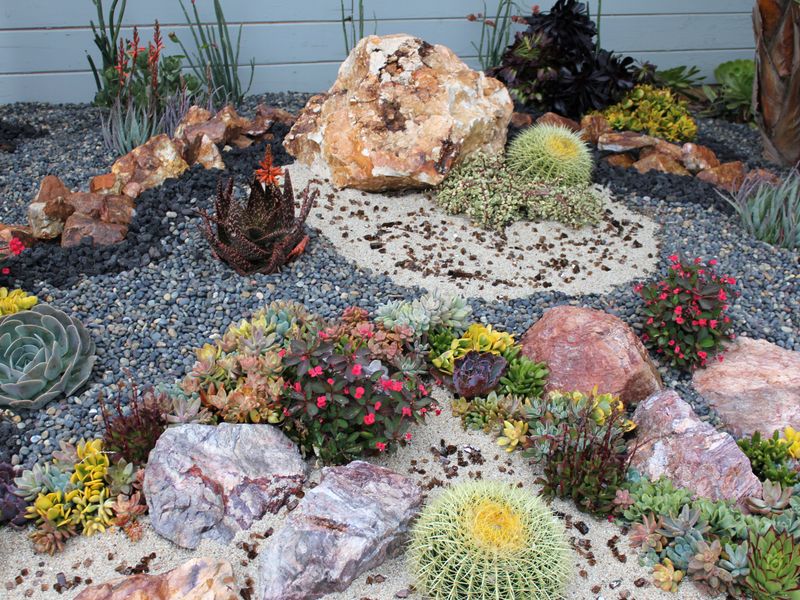
Desert rocks aren’t just decoration—they’re natural climate control systems that early settlers learned to harness. Light-colored stones reflect harsh sunlight during scorching afternoons while absorbing heat energy.
At night, these heated rocks release warmth gradually, protecting plants from temperature drops. The stone layer also prevents soil moisture from evaporating quickly in dry desert air.
Choose flat rocks about fist-sized and arrange them around plant bases. This creates a protective barrier that moderates soil temperature and conserves precious water naturally.
3. Zuni Waffle Gardens for Maximum Water Retention
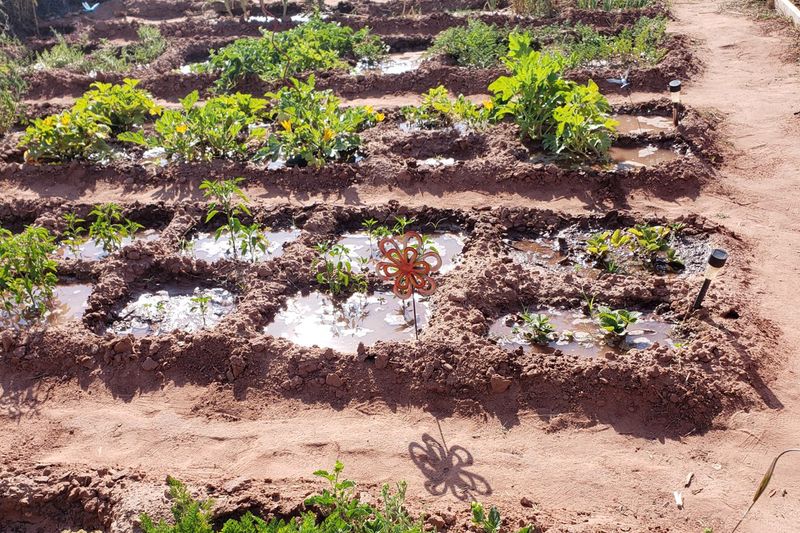
Picture a giant waffle made of dirt, and you’ll understand this ingenious Zuni farming technique. Sunken square plots surrounded by raised earthen walls create natural water catchment areas.
Rainwater flows into these depressions and stays trapped instead of running away. The raised borders also provide wind protection and create beneficial microclimates for plants.
Each waffle square holds moisture like a shallow reservoir, allowing plants to access water long after storms pass. This design works especially well for corn, beans, and squash in desert conditions.
4. Terraced Hillside Water Harvesting
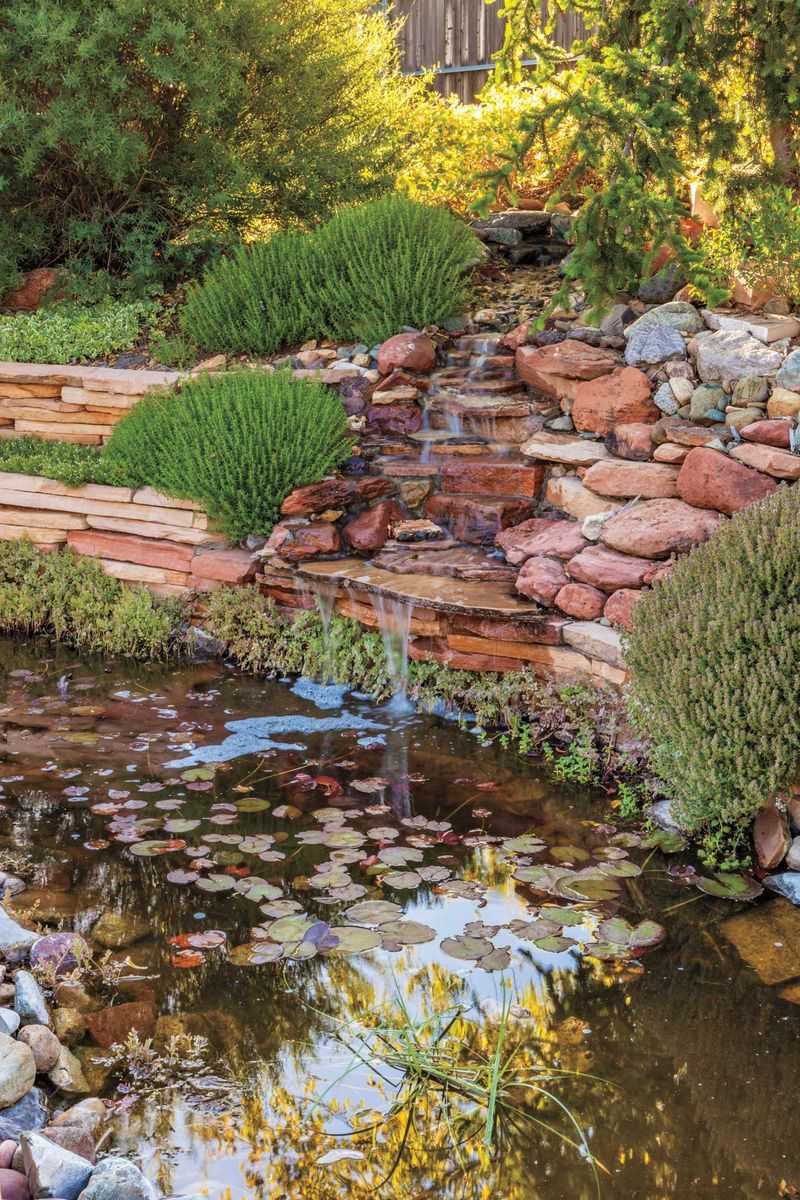
Ancient farmers transformed sloping land into stepped gardens that capture every precious drop of rainfall. These terraced systems work like stairs, with each level collecting water that would otherwise rush downhill.
Build low stone or earth walls across slopes to create flat planting areas. Water pools behind each terrace, soaking deep into soil instead of washing away.
Start at the top of your slope and work downward, making each terrace slightly lower than the previous one. This gravity-fed system requires no pumps or hoses to function effectively.
5. Shade Cloth and Living Windbreaks
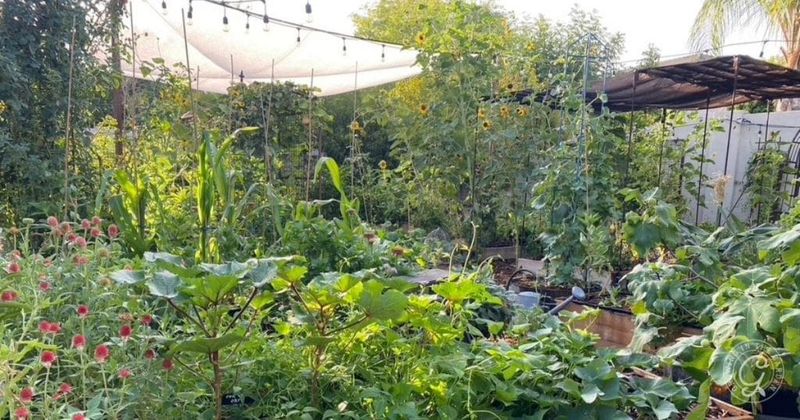
Smart desert gardeners create their own weather by building protective barriers against sun and wind. Woven reed mats or modern shade cloth filter intense sunlight while allowing air circulation.
Living windbreaks using drought-tolerant shrubs provide year-round protection from drying desert winds. These natural barriers reduce water loss through plant leaves by up to 50%.
Position shade structures on the south and west sides of gardens where afternoon sun hits hardest. Windbreaks work best when planted perpendicular to prevailing wind directions.
6. Rainwater Collection in Underground Cisterns
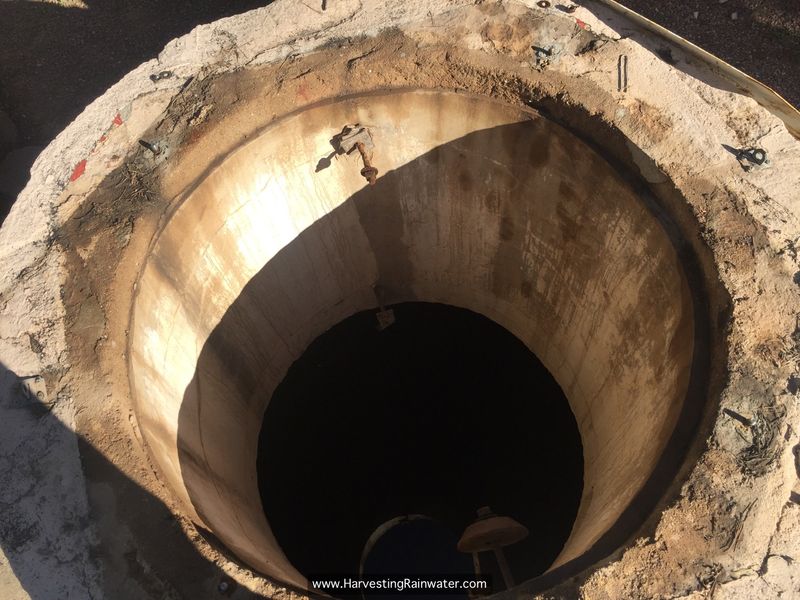
Long before modern plumbing, desert communities carved underground storage tanks called cisterns to hoard precious rainwater. These hidden reservoirs stay cool and prevent evaporation losses.
Dig a deep hole and line it with clay or modern waterproof materials. Connect roof gutters or collection surfaces to funnel rainwater into your cistern.
Cover the opening to keep water clean and prevent evaporation. Even small amounts of desert rainfall add up over time, providing backup water supplies during extended dry periods.
7. Companion Planting with Desert-Adapted Species
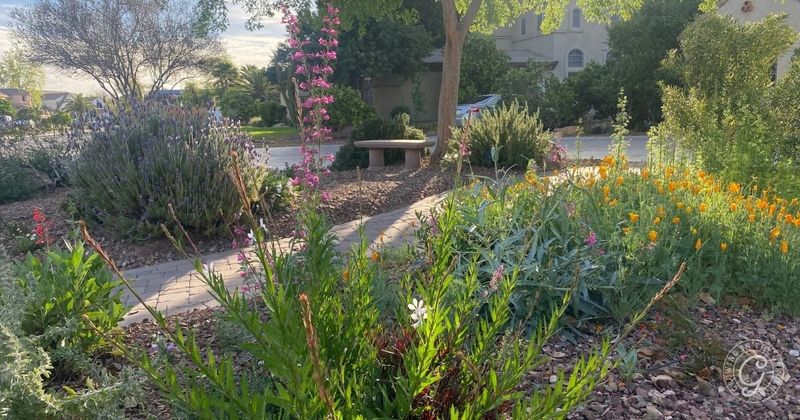
Native desert plants make excellent garden bodyguards, protecting more delicate crops from harsh conditions. Mesquite trees fix nitrogen in soil while providing filtered shade for vegetables below.
Prickly pear cactus creates natural fencing that blocks wind and reflects light upward to benefit neighboring plants. Desert broom shrubs act as living mulch, dropping leaves that retain soil moisture.
These partnerships reduce water needs while creating diverse ecosystems that support beneficial insects and birds naturally. Choose native species that complement your garden goals and growing conditions.