 Complete Gardening
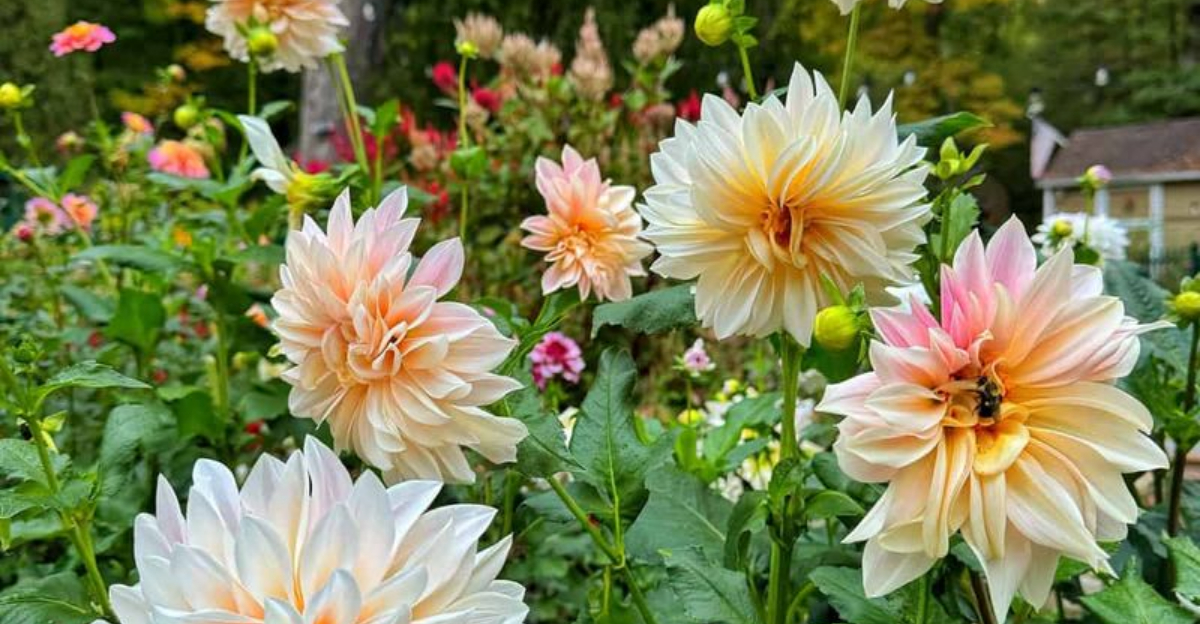
Dahlias are beautiful and rewarding additions to any garden, but as a beginner, you might encounter a few pitfalls. This guide aims to help you navigate the common traps and ensure your dahlias thrive.
From proper timing and watering practices to dealing with pests and winter care, we cover essential tips to make your dahlia-growing experience successful and enjoyable.
Prepare to enhance your gardening skills with these insights, and watch your dahlias bloom with vibrant beauty.
1. Planting Too Early or in Cold Soil
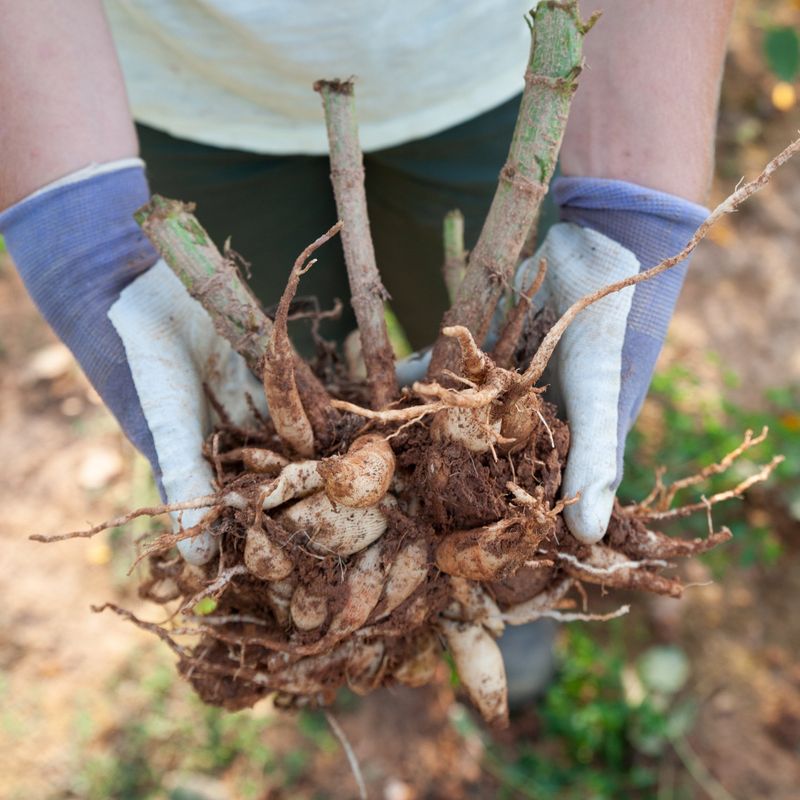
Planting dahlias too early, when the soil is cold and wet, can lead to tuber rot and poor germination. It’s crucial to wait until soil temperatures consistently reach around 60°F (15.5°C).
This ensures that the tubers are in a warm and welcoming environment to begin their growth journey.
Cold, wet conditions are less than ideal for dahlias, which prefer warmth and well-draining soil.
Monitor the soil temperature and weather conditions closely in early spring, and exercise patience. Your diligence will pay off with robust plants and abundant blooms.
2. Overwatering Tuber Starts
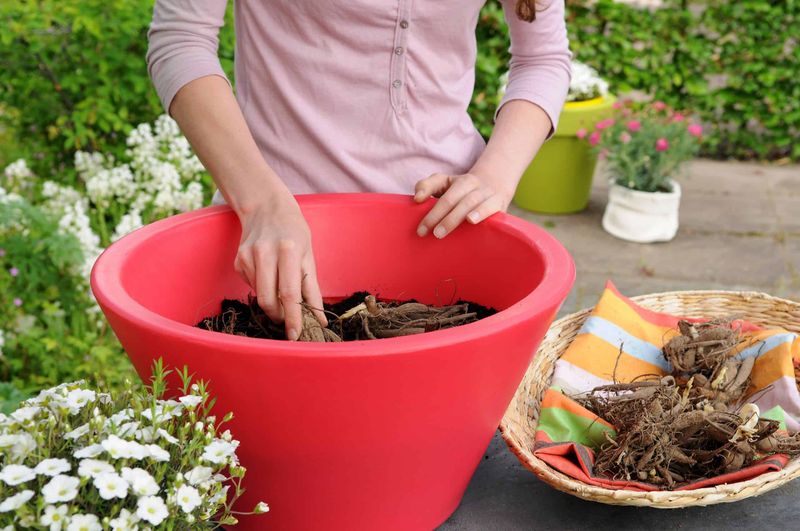
Before the sprouts of dahlias emerge, the tubers require minimal moisture. Overwatering during this stage can lead to rot, a common mistake among beginners. It’s best to water sparingly until you observe green growth above the soil.
Once the dahlias start sprouting, you can begin to water them more frequently. However, it’s essential to strike a balance, ensuring the soil is moist but not waterlogged.
This careful approach will help your dahlias develop strong roots and healthy foliage, preparing them for future bloom.
3. Insufficient Sunlight
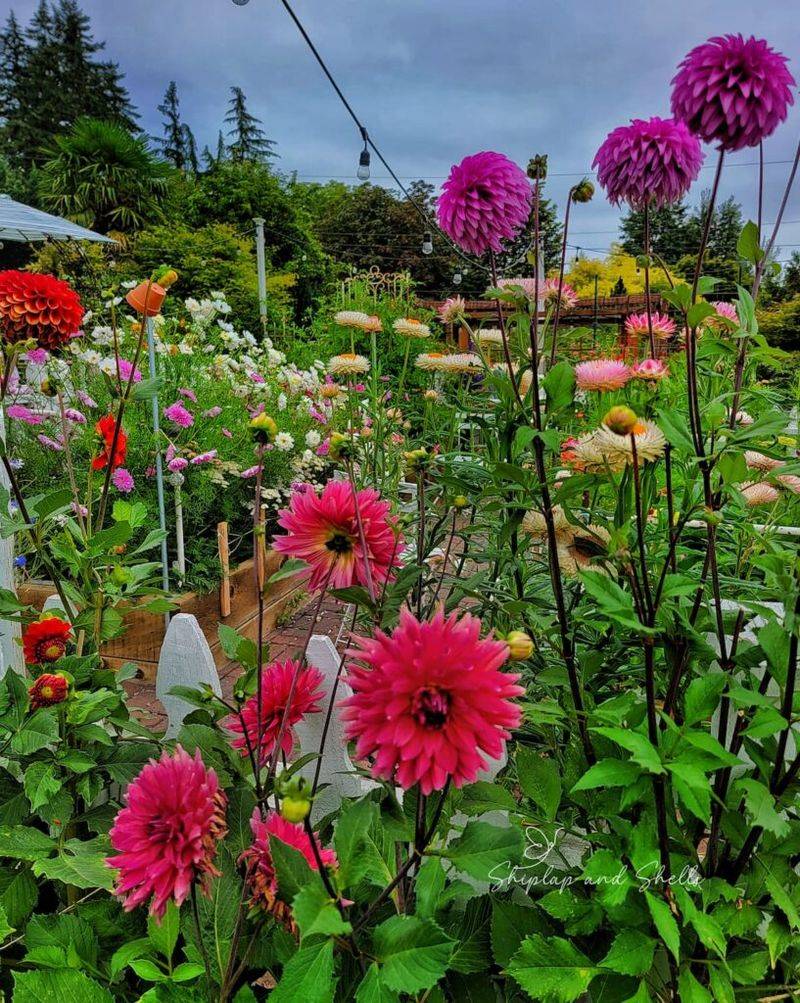
Dahlias thrive best in full sun, requiring at least 6–8 hours of daily sunlight. Planting them in shaded areas can result in weak stems, fewer blooms, and increased susceptibility to diseases. Therefore, selecting the right location is key.
Observe your garden throughout the day to identify areas that receive ample sunlight. Position your dahlias in these sunlit spots to promote strong growth and vibrant blooms.
A sun-kissed location will reward you with healthy plants and a colorful floral display that stands out.
4. Poor Soil Drainage
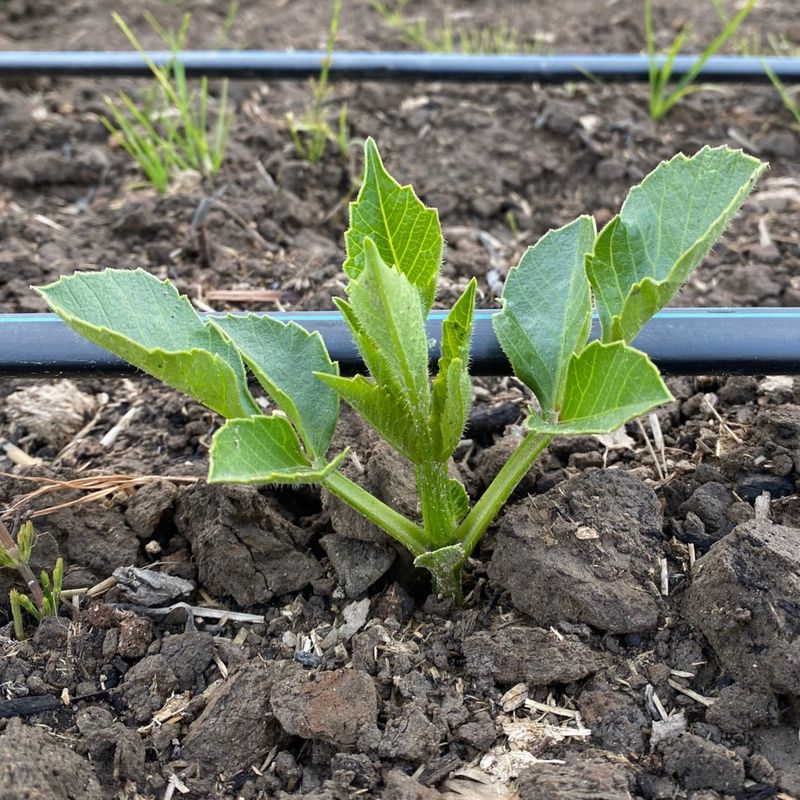
Dahlias are susceptible to root damage and tuber rot if planted in poorly draining soil. It’s essential to ensure that water doesn’t pool around the roots.
Amending the soil with compost can improve drainage, or consider using raised beds if your native soil is heavy clay.
By providing a well-draining environment, you protect your dahlias from the adverse effects of standing water, allowing their roots to breathe and thrive.
Evaluate your garden’s soil conditions before planting, and make necessary adjustments to support healthy dahlia development.
5. Lack of Support or Staking
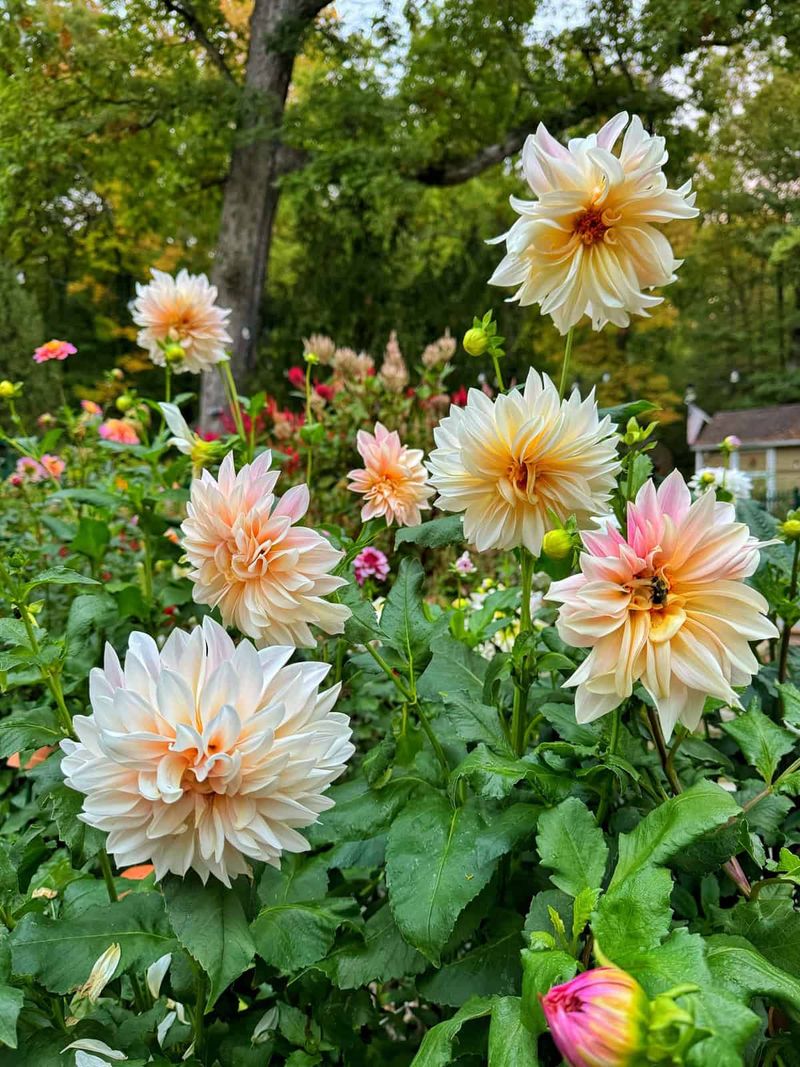
Many dahlia varieties grow tall with large, heavy flower heads, making them prone to stem breakage without adequate support. Proper stakes, cages, or supports prevent damage from high winds or heavy rain.
Install stakes or other supports at planting time, allowing plants to grow into them naturally. As your dahlias develop, gently tie stems to supports using soft ties or garden twine.
This proactive care ensures that your dahlias stand strong and continue to bloom beautifully despite challenging weather conditions.
6. Crowding the Plants
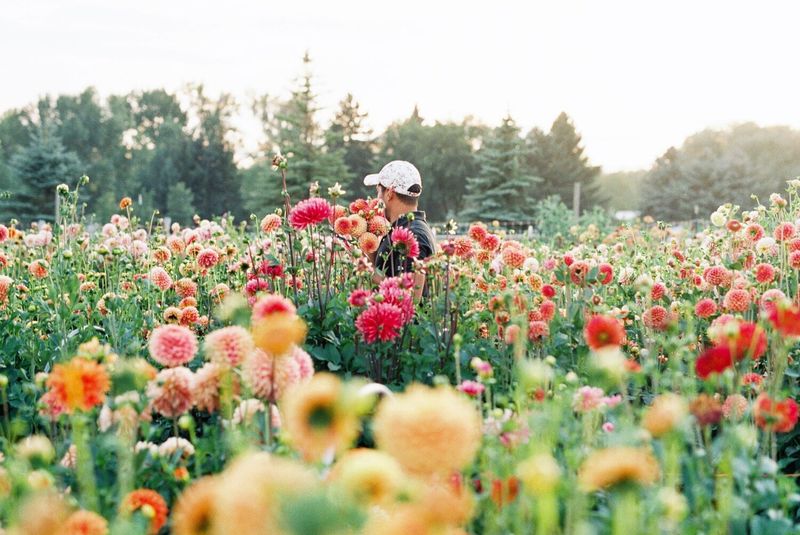
Providing adequate spacing, typically 18–24 inches apart, is crucial for healthy dahlia growth. Overcrowding can lead to insufficient air circulation, increasing vulnerability to pests and fungal issues.
Plan your garden layout carefully, considering the mature size of each dahlia variety you plant. Proper spacing allows sunlight to reach all parts of the plant and permits air to circulate freely.
This thoughtful arrangement minimizes disease risk and supports optimal growth, resulting in a thriving, beautiful dahlia display.
7. Ignoring Pests and Diseases
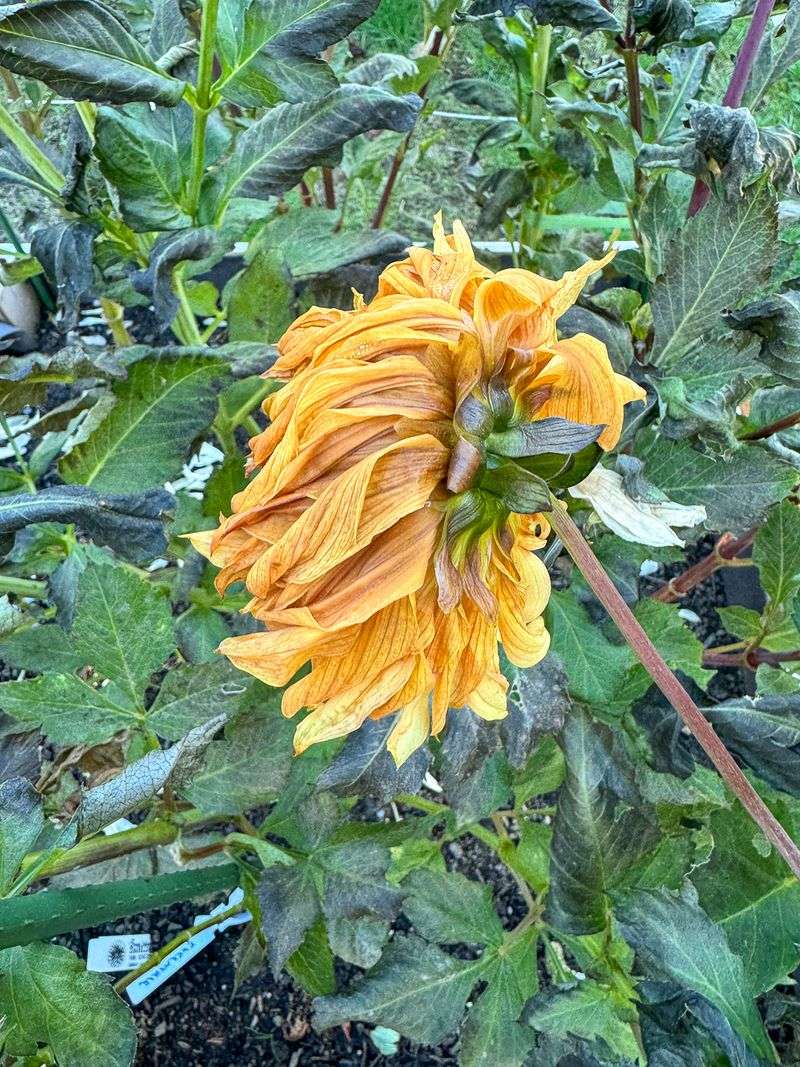
Common pests such as aphids and spider mites, along with diseases like powdery mildew, can harm dahlias if left unchecked. Regular inspection and prompt action are key to keeping plants healthy.
Consider using organic or chemical controls, depending on your preference, to manage any issues that arise.
Early detection is vital; by catching problems early, you can prevent them from spreading and causing significant damage. Vigilant care will ensure that your dahlias remain healthy and continue to flourish.
8. Overfertilizing with Nitrogen
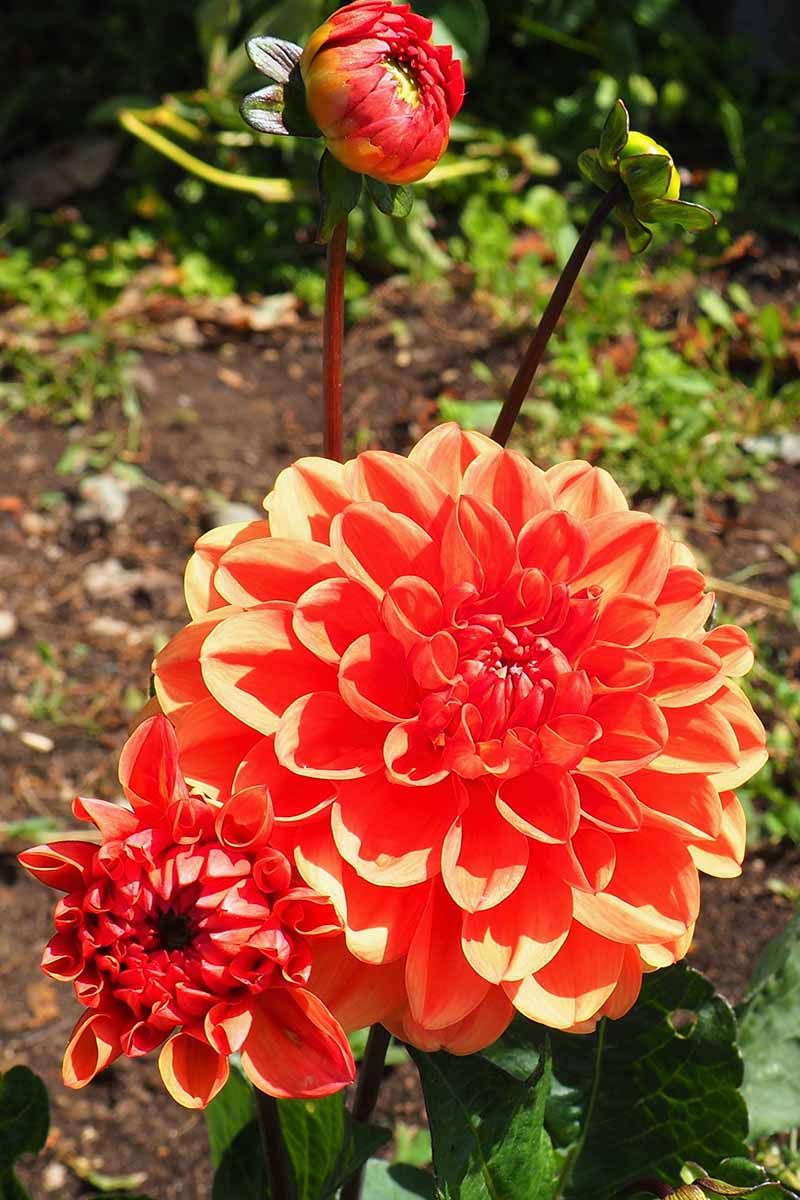
Excessive nitrogen fertilization fosters leafy growth at the expense of blooms, leaving your dahlias less vibrant. Instead, opt for a balanced fertilizer or one slightly higher in phosphorus and potassium to encourage flowering.
Read fertilizer labels carefully to select products that meet your dahlias’ nutritional needs. Applying the right fertilizer encourages lush blooms and healthy plants, enhancing the overall beauty of your garden.
With a balanced feeding regimen, your dahlias will produce their best floral displays, delighting you throughout the growing season.
9. Forgetting to Deadhead or Pinch
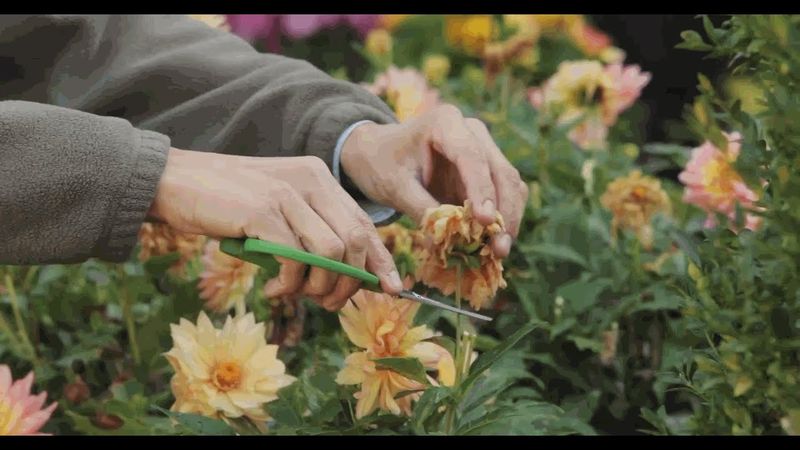
Deadheading, or removing spent blooms, encourages dahlias to produce more flowers. Forgetting this simple task can result in fewer blooms over time. Pinching out the center shoot when the plant reaches about 8–12 inches tall promotes bushy growth.
Both practices enhance the plant’s overall appearance and flower production. Regularly inspect your dahlias and remove dead blooms to keep them vibrant. By incorporating deadheading and pinching into your routine, you’ll enjoy a fuller, more colorful garden display.
10. Neglecting Tuber Care in Winter
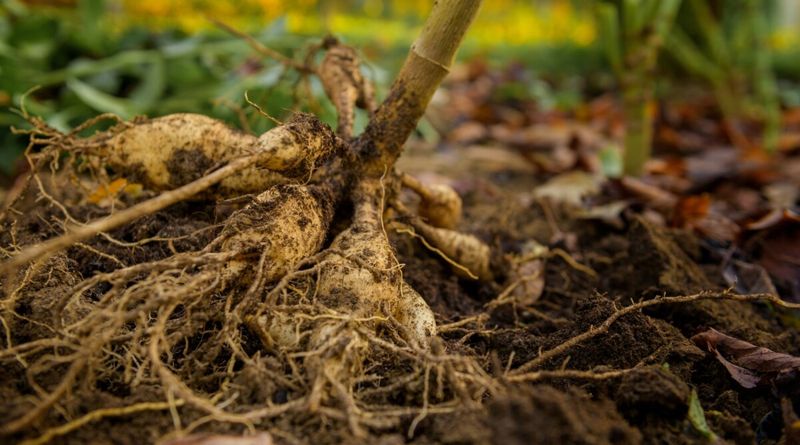
In cold climates, dahlias are not winter-hardy and require special care to survive. After the first frost, dig up the tubers, let them dry, and store them in a cool, dark place.
Proper storage protects them from rotting and prepares them for replanting the following year. Monitoring temperature and humidity levels in storage is important to prevent mold and decay.
By caring for your dahlia tubers during winter, you’ll ensure a successful replanting and enjoy their beauty for years to come.