
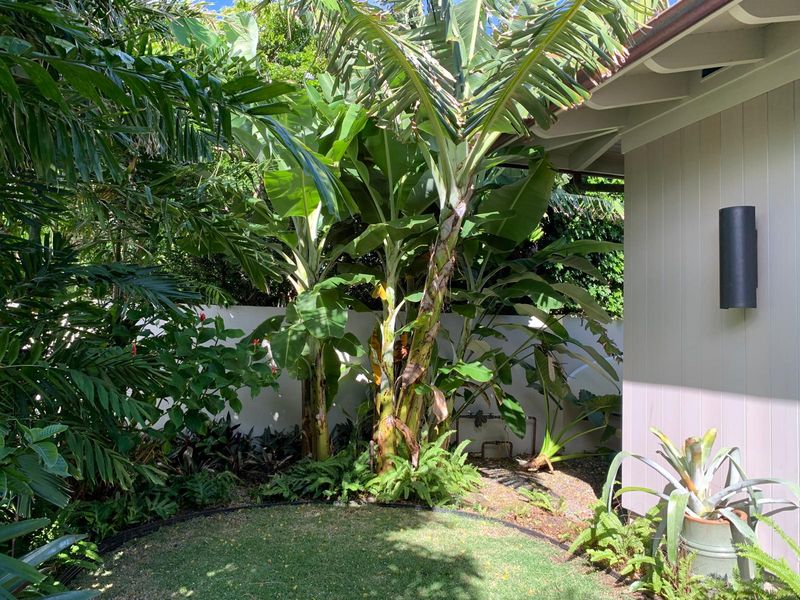
Picture a row of big, paddle-shaped leaves swaying along your property line instead of a plain green hedge. Banana plants can give a Florida yard that lush, tropical look, and they may even grow fruit you can eat.
They also need space, steady care, and a little luck with the weather. Here is what to weigh before you put one in the ground.
A banana planting can offer greenery and possible fruit
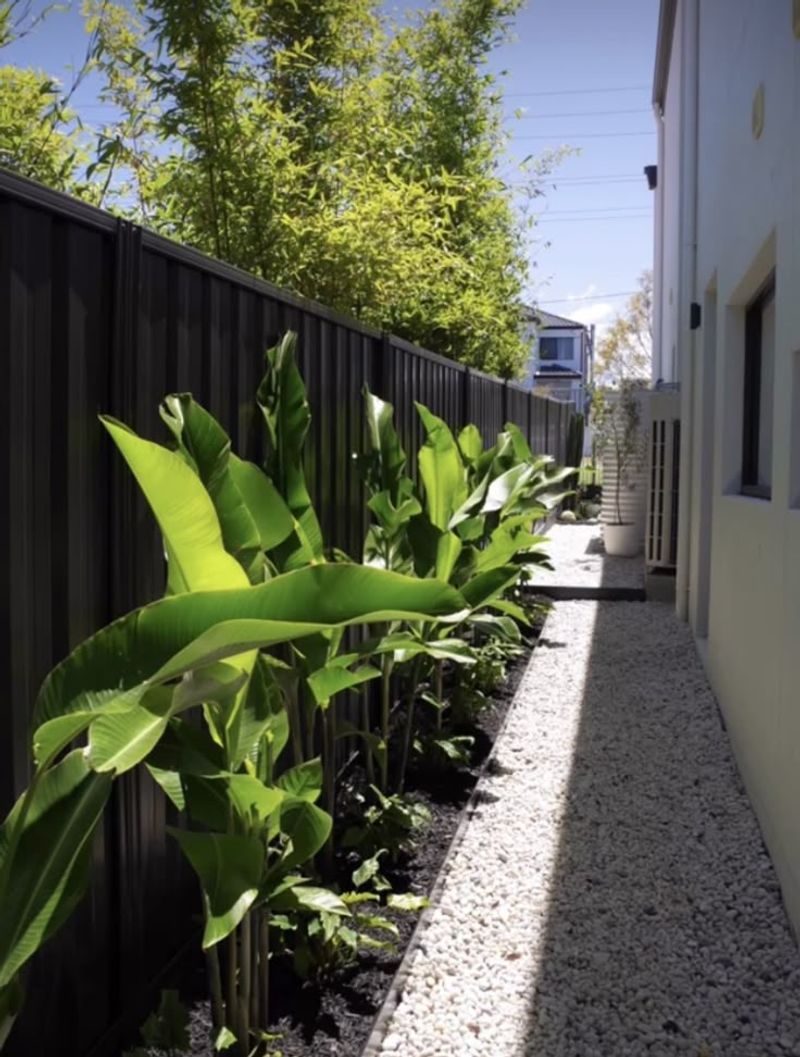
Few plants look as bold as a banana. Each leaf can be long and broad, and a group of them makes a leafy wall of green that breaks up the view of a neighbor’s yard or a busy street.
In a Florida yard, that big-leaf look says tropical in a way a trimmed hedge rarely does.
There is a second possible payoff. UF/IFAS banana growing guidance describes bananas as plants that can be grown in Florida home landscapes for fruit, and notes they can be used as a screen that shades outdoor walls.
So one planting could give you greenery, shade, and a few homegrown bunches.
Notice the words can and may in all of that. A banana planting is a possible benefit, not a promise.
Fruit depends on the site, the weather, and how well the plants are looked after, and a leafy screen can have gaps when conditions turn rough.
Think of bananas as a lively, fast-growing planting that suits a favorable yard, rather than a swap for a dependable evergreen hedge. The sections below cover how the plants grow, what they need, and what can go wrong, so you can decide whether the trade makes sense along your boundary.
If you like the idea of a yard that feels like a tropical getaway, and you have room to spare, bananas are worth a serious look.
Bananas grow as spreading mats, not hedge shrubs
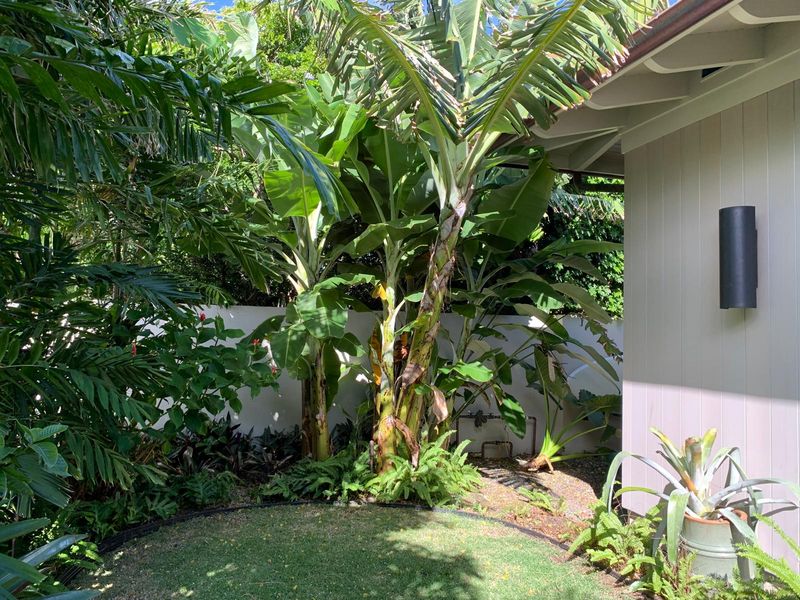
Despite the tall, thick look, a banana is not a tree. It is a fast-growing herbaceous plant, which means it has soft tissue instead of true wood.
According to UF/IFAS, what looks like a trunk is a pseudostem, made of tightly wrapped leaf bases.
New pseudostems rise from an underground stem called a rhizome. Over time those shoots form a spreading mat, so one plant becomes a clump that keeps widening.
That is very different from a hedge shrub, which you can shear into a neat, narrow line and hold there for years.
The mat habit is why bananas ask for room. The same UF/IFAS guidance says mature roots can reach 6 to 10 feet beyond the mat.
Treat that as a planning clue about how much open ground the clump will use, and not as a sign that roots harm fences. The sources do not say that.
Here is a practical way to picture it. A boxwood hedge stays where you put it, while a banana row drifts outward and sends up new stems each season.
You will be thinning and cutting, not just trimming.
If you want a tidy, thin, always-the-same boundary, a conventional hedge fits better. If you can give bananas elbow room and enjoy a looser, jungle-style edge, the mat habit works in your favor.
Sun, drainage, and spacing shape the planting
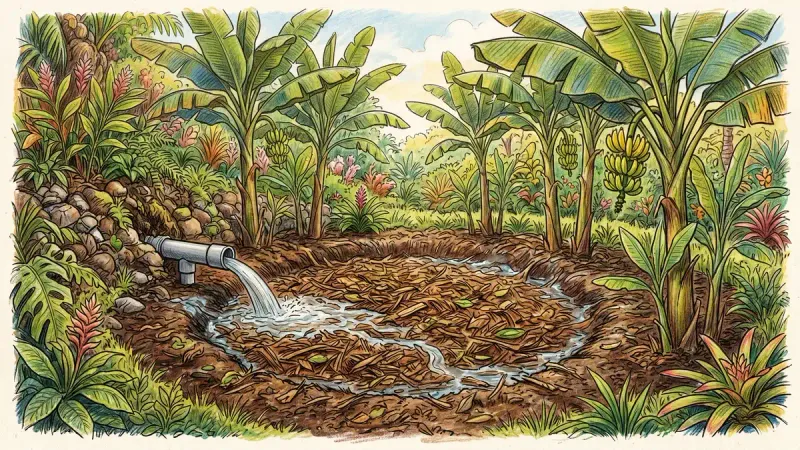
Start with light. For fruit production in Florida, UF/IFAS advises full or near-full sun and a warm site that does not flood.
A shady fence line may give you leaves but little chance of a harvest.
Water is the balancing act. Bananas want steady moisture, and UF/IFAS estimates about 1 to 1.5 inches of water per week during dry periods.
They are also vulnerable to poorly drained or flooded soil, which matters in sandy Florida yards that drain fast in some spots and pool after storms in others.
A simple test: after a hard rain, watch where water lingers. If a low corner stays soggy for long, skip it for bananas.
Spacing is where many people go wrong. UF/IFAS recommends at least 8 feet between dwarf or small varieties and at least 12 feet between large varieties.
Those are plant-to-plant distances. They are not fence setbacks, and nothing in the guidance tells you how far from a fence to dig.
The advice does say to plant away from other trees, structures, and power lines. That keeps the mat from crowding or tangling with things that could cause trouble later.
Before you buy plants, sketch your yard and mark the sunniest, best-drained stretch. Then count how many plants fit at the right spacing.
The answer may be fewer than you imagined, and that is a useful thing to learn before planting day.
Cold and wind can interrupt the screen
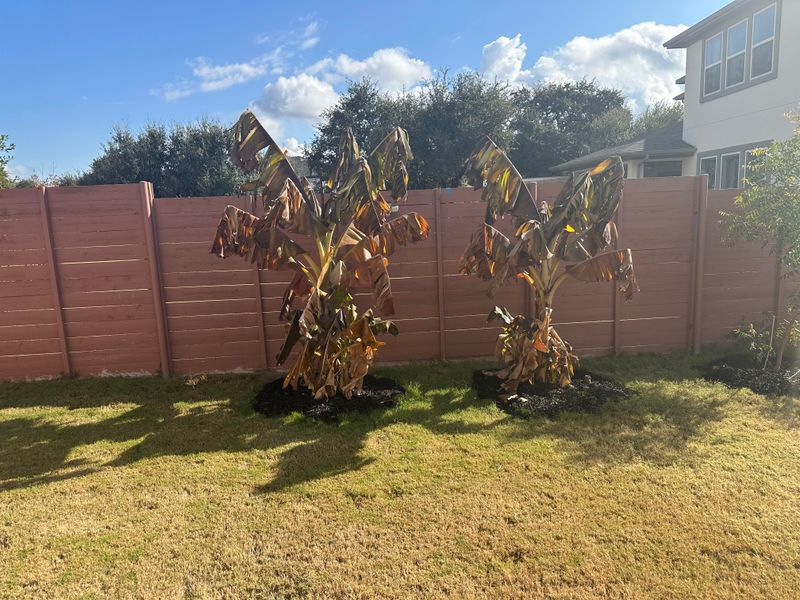
A hedge that goes bare in January is a problem when privacy is the goal, and bananas can do exactly that. UF/IFAS reports that growth slows below 60 degrees F and stops at 50 degrees F.
Freeze damage can occur at or below 32 degrees F, which can leave brown, collapsed leaves.
After cold injury, plants may regrow from the underground rhizome. That is encouraging, but regrowth is not the same as keeping a steady screen.
You may wait weeks or months for leaves to fill back in, and your view may be open in the meantime.
Wind is the second threat. Those big leaves catch air, and they tend to split into ribbons in strong gusts.
A UF/IFAS environmental guide says winds above about 25 mph can topple tall cultivars, and winds above about 45 mph can topple short ones.
In practice, a shredded look after a storm is common, and it can make the planting look rough even if the plant survives. Watch for leaning pseudostems too, since they signal a plant that may need replacing.
If you need privacy every day of the year, plan a backup, such as a fence, lattice, or evergreen shrubs mixed into the row. Bananas can add the lush layer on top, while something sturdier holds the line when the weather turns.
Fruit takes time, and each pseudostem fruits once
Homegrown bananas are a waiting game. UF/IFAS estimates 10 to 24 months from planting to mature fruit when plants get appropriate care.
That range is wide because sun, water, soil, variety, and weather all push the timing around.
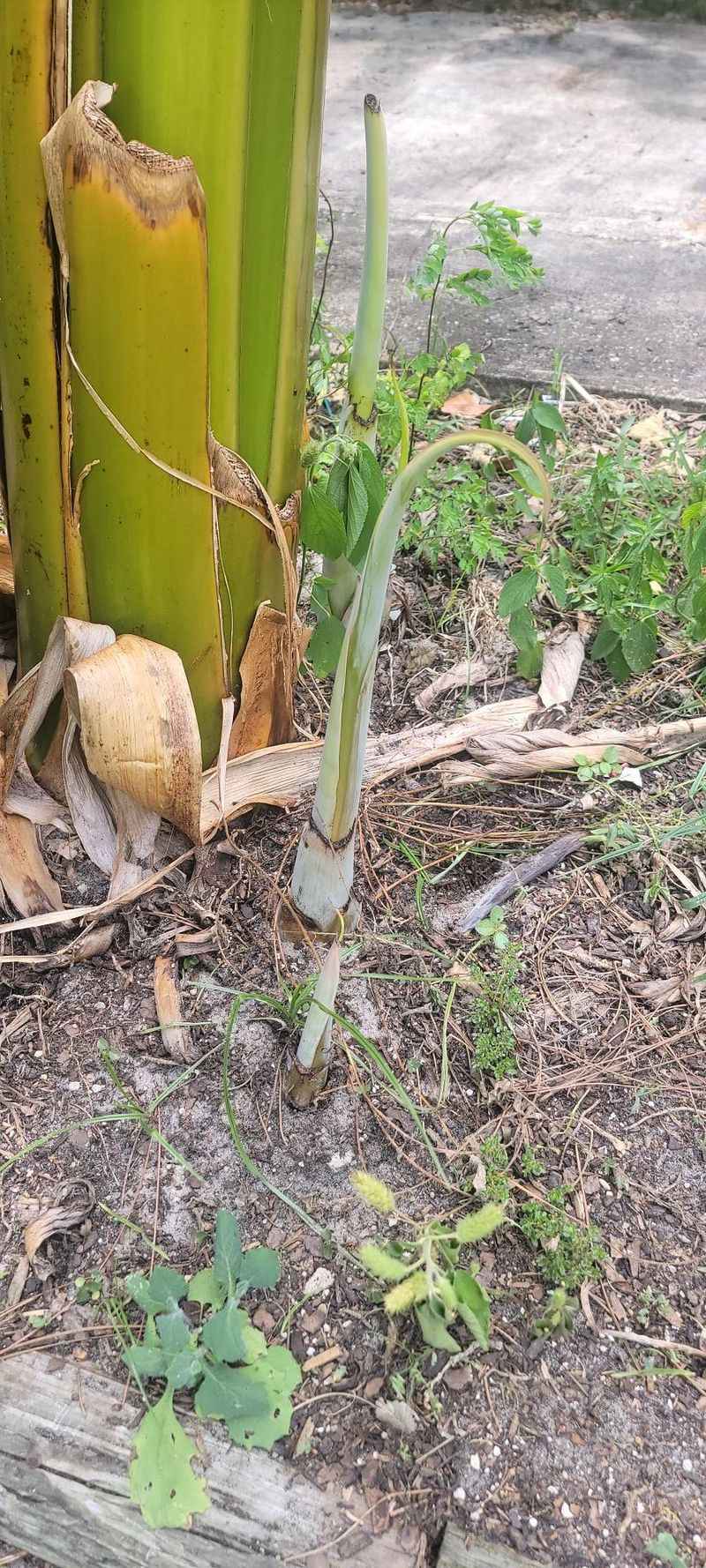
Each pseudostem fruits only once. After you harvest the bunch, that stem is finished, so growers cut it back.
It will not make another crop.
The mat keeps going because of the suckers, the new shoots that rise beside the old stem. Growers keep selected suckers for later crops and remove the extras.
Letting too many pseudostems grow can hurt fruit production, so thinning is part of the job.
A diagnostic clue helps here. If your row looks full of leaves but never flowers, check for crowding, too little sun, or a cold snap that knocked growth back before fruit could form.
None of this means a row along the property line will give you a harvest. A plant that is frozen back or wind-torn may never reach fruit, and a shaded or soggy site makes it less likely still.
Treat any bananas as a bonus. If they arrive, you will have earned them with patience, pruning, and steady watering.
Check utilities and property restrictions before digging
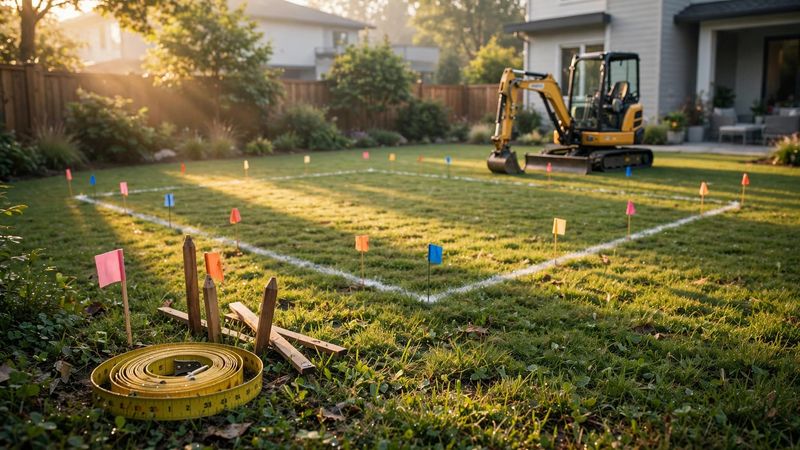
A property edge can hide more than you expect. Buried lines for power, water, gas, or communications often run near boundaries, and a planting row may sit on an easement or right of way.
Do not assume a fence line is free for planting.
Contact 811 before any ground-disturbing work, and that includes planting. The City of Tallahassee Utilities explains this in its Call Before You Dig guidance.
Those instructions are Tallahassee’s local process, so if you live elsewhere in Florida, check the requirements that apply to your location.
Easements deserve their own look. They give a utility or another party certain rights over part of your land, and they can limit what you may plant there.
A UF/IFAS handbook on easements and rights of way is a helpful place to learn the basics.
A short checklist can save headaches. Look over your survey or plat, ask your city or county about local rules, and read any HOA restrictions.
Then call 811 and wait for the lines to be marked.
It is a little paperwork before the fun part, but a banana row is hard to move once the mat spreads. Better to learn the limits on day one.
Choose bananas for the yard, not as a guaranteed hedge
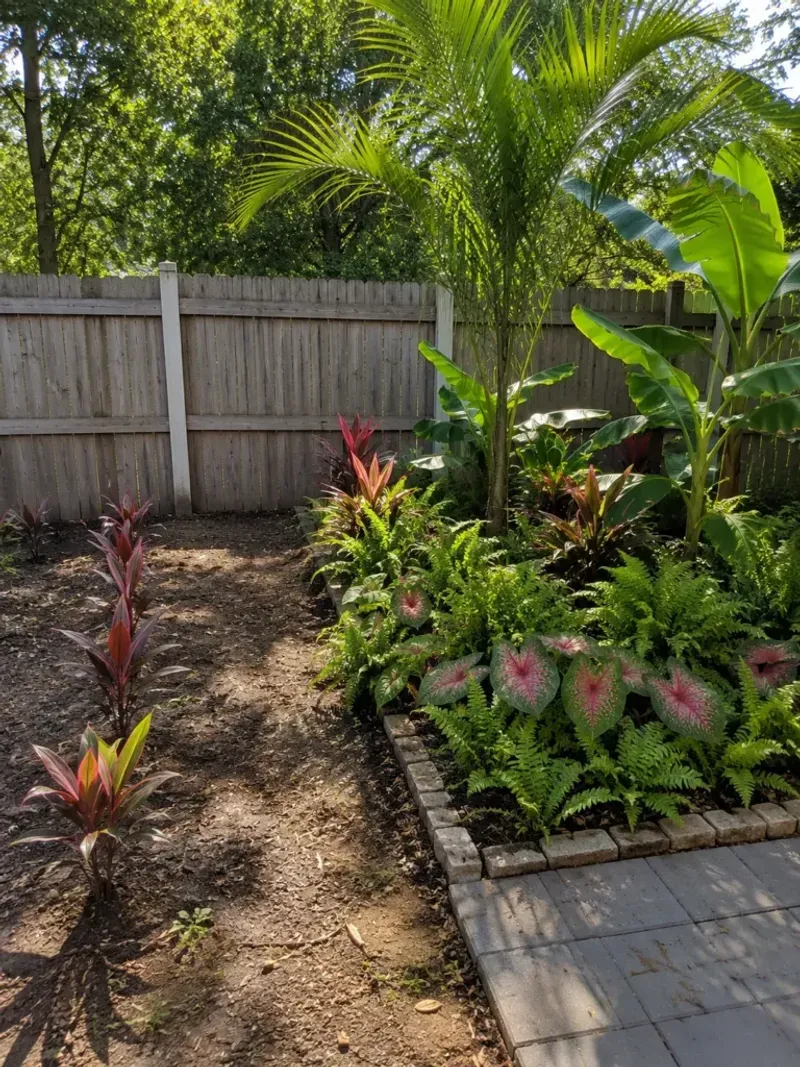
Bananas suit a sunny, well-drained Florida yard where you have room for a spreading mat and time for pruning, thinning, and watering. You get a bold leafy look and the chance of fruit.
You also take on cold, wind, and the wait described by UF/IFAS. They are not a proven year-round privacy hedge.
Think of them as a tropical showpiece with a possible snack attached, not a wall that never changes.