
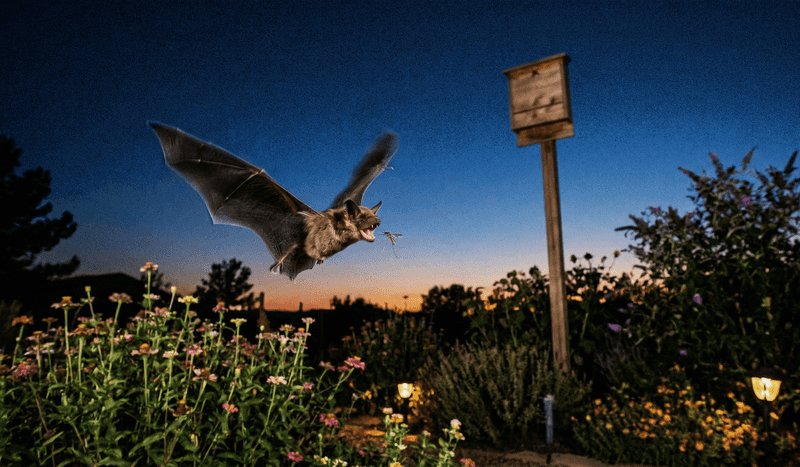
A small bat tucked under your eaves might be doing quiet work in your yard after dark. Bats eat night-flying insects, and moths are on the menu for some species.
But the big claims you may have heard are bigger than the proof. Here is what bats can and cannot do for your garden, and how to handle them wisely.
Bats can help control night-flying insects
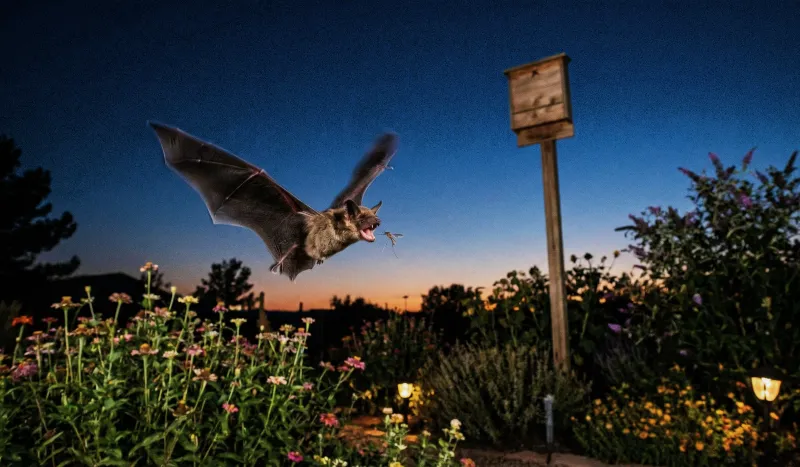
Most California bat species eat insects, according to the California Department of Fish and Wildlife. After sunset, they hunt over yards, creeks, and open spaces for flying prey.
Moths are among the night-flying insects some bats catch.
That gives bats a real place in a healthy landscape. UC IPM notes that bats may provide some control of insect pests in the landscape.
The word to notice is “may.” It describes a possible benefit, not a guaranteed result for any one yard.
Diet also varies. Different bat species favor different prey, and what a bat eats depends on what is flying nearby on a given night.
A bat in a coastal neighborhood may hunt very different insects than one in an inland valley or a foothill community.
So the fair way to think about it is simple. Bats are helpful neighbors that take part in the nighttime insect world.
They are not a pest-control service you can order up, and your tomato plants should not depend on them. Treat any garden benefit as a pleasant bonus.
Thousands of insects does not mean thousands of garden moths
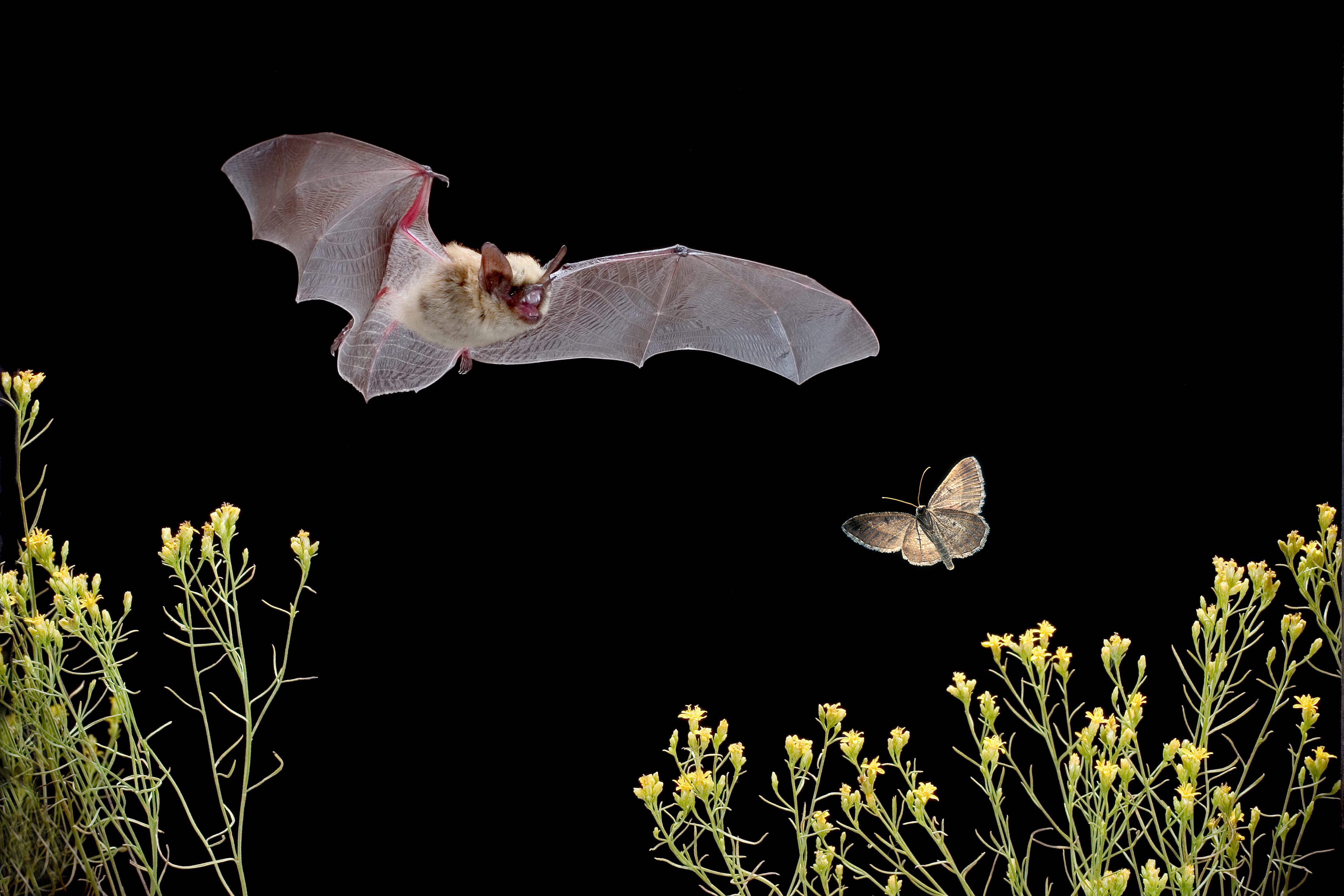
You may have seen the claim that one bat eats thousands of insects in a night. CDFW does say a bat can eat thousands of insects in a night.
That is a broad statement about insects in general.
It does not say those insects are moths. It does not say they are garden pests, and it does not describe what every bat eats.
A bat under your eaves might eat far fewer, or hunt far from your yard. The title-style promise of thousands of garden moths is simply not backed up.
A more specific example comes from the USGS, which reports that one little brown bat can eat about 4 to 8 grams of insects nightly. That figure is for one species, measured in grams of insects rather than a count of moths.
There is another reason for caution. The National Park Service cautions that widely repeated big feeding numbers can be inflated by stretching results from captive or limited feeding trials.
Wild bats have other choices, including beetles as well as moths.
The takeaway is practical. Enjoy the idea that bats eat insects, but skip any exact number for your own yard.
Adult moths are not the caterpillars damaging your plants
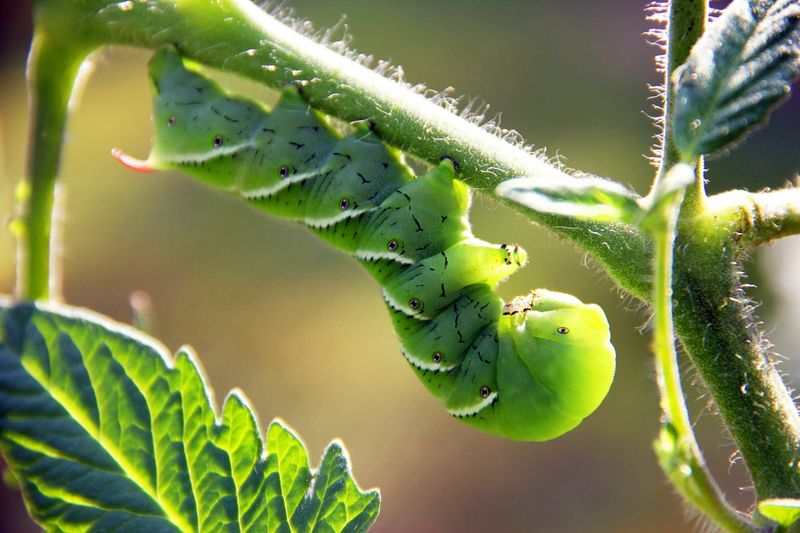
Gardeners rarely worry about moths themselves. The trouble comes from their young.
Hornworms and cutworms are caterpillar stages of moths, and the damage you see on leaves and stems comes from those caterpillars.
According to UC IPM’s hornworm page, hornworm eggs are laid on leaves. The UC IPM cutworm page describes cutworms as nocturnal larvae, and their adult moths lay eggs on or near plants.
Here is where the popular story slips. A bat that snatches a flying adult moth is working on one stage of the life cycle.
That does not show that bats eat the eggs stuck to leaves or the caterpillars already chewing on your plants.
It also does not show that bats prevent damage in a home garden. A moth may lay eggs before a bat ever catches it, and many moths are never caught at all.
If you grow tomatoes, peppers, or vegetable starts, keep checking plants by hand for caterpillars, chewed leaves, and cut seedlings. Bats may be a small help overhead, but regular garden scouting is still the dependable tool.
Crop studies show potential, not a backyard guarantee
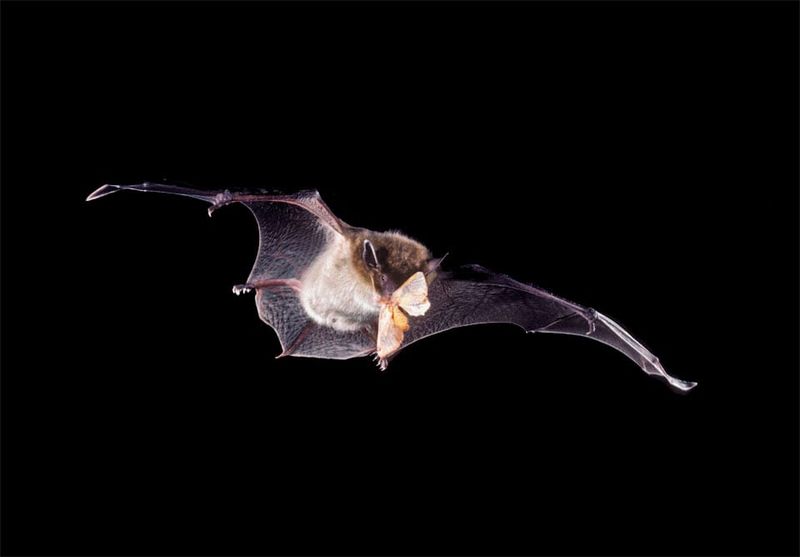
The best evidence for bats as pest fighters comes from farms. Researchers studying Brazilian free-tailed bats found that the bats ate corn earworm moths, and that their feeding tracked changes in pest numbers, as described in a study by Krauel and colleagues.
A later corn-field experiment went further. The Maine study found that bats suppressed corn earworm larvae and plant damage.
Together, these results support a limited point: in some crop systems, bats can provide pest-control services.
Notice the limits. Those studies looked at corn earworm in corn fields.
They did not test cutworms, hornworms, or damage in a California homeowner’s vegetable bed.
A backyard is a very different place. It is smaller, has different plants, and has its own mix of moths and other prey.
A result from a field of corn cannot be copied over to your tomatoes.
Think of the research as a good reason to respect bats, not a promise about your yard.
A bat near the eaves may be outside, not inside
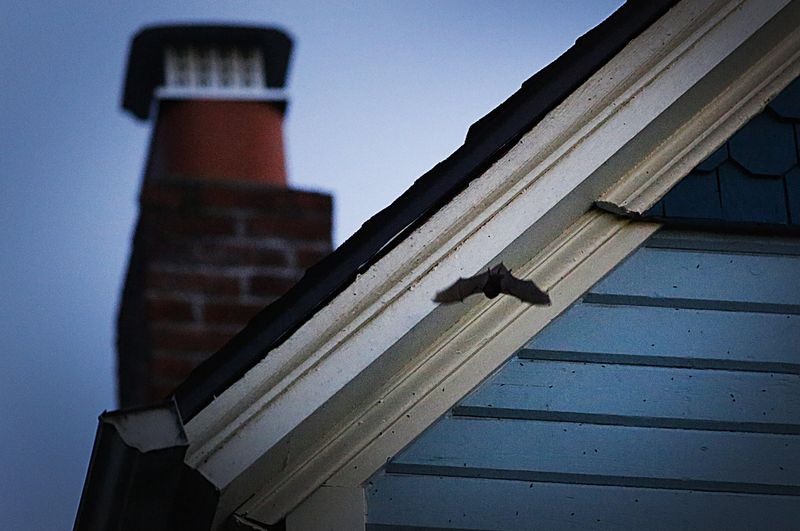
Seeing a bat near your roofline does not mean a colony has moved into your house. “Under the eaves” can mean two different things. A bat may be roosting in an outside crevice, or it may be going in and out of a gap into a wall or attic void.
That difference matters. CDFW guidance separates bats simply roosting outdoors from bats inside a building.
A lone sighting is not proof of a household problem or a reason for eviction.
UC IPM says that bats in barns or other outdoor buildings may cause no harm. Colonies in dwellings are different and can call for exclusion when problems appear, such as piled-up droppings, odor, or noise.
Not every roost causes those problems, though. Look for clues instead of guessing.
Droppings collecting below one spot, a musky smell indoors, or scratching and squeaking in the walls point toward bats inside. A single bat tucked in an exterior gap, with no sign or sound indoors, points to an outdoor roost.
If you cannot tell which situation you have, watch from a distance at dusk and note where bats come and go.
Leave an undisturbed outdoor roost alone and keep your distance
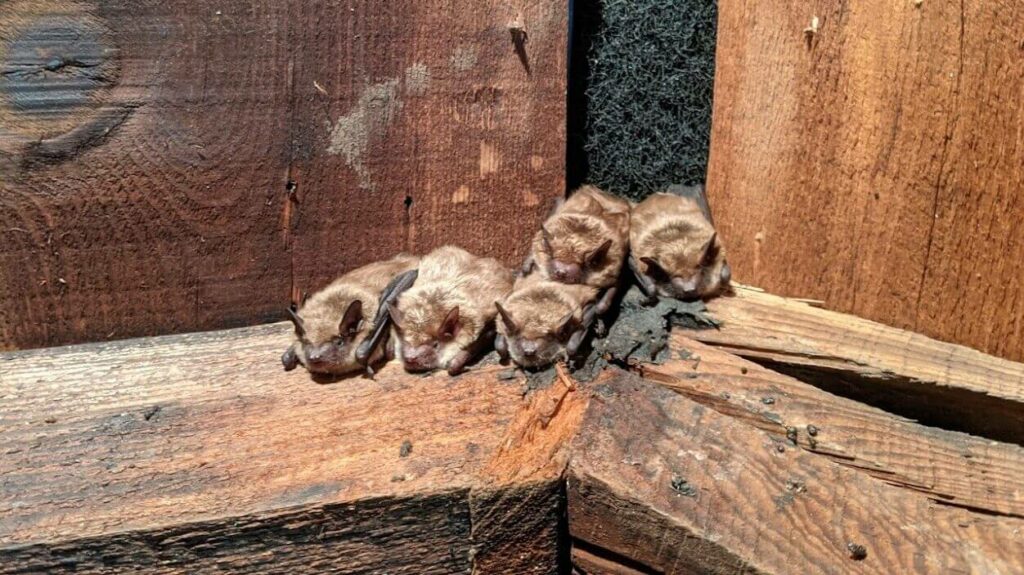
A quiet outdoor roost usually calls for patience. CDFW says an undisturbed outdoor roost does not typically pose a safety risk.
If the bats are not bothering anyone, the simplest choice is to leave them be.
Keep your distance anyway. Never touch a bat, and keep children and pets away from roosting spots.
Bats that are handled may bite or scratch.
Droppings need care too. Avoid breathing dust from bat droppings, and do not sweep or blow them dry beneath a roost.
Staying out of the area is the easiest precaution.
If a person or pet is bitten or scratched, or may have had contact with bat saliva, contact your local health department promptly. UC IPM’s bat guidance also stresses caution around these animals.
Do this even if the wound looks small, because a bite can be easy to miss.
These steps are about safe coexistence only. They are separate from removing bats from a building, which is a different job with its own rules.
If exclusion is needed, do not seal the opening yourself
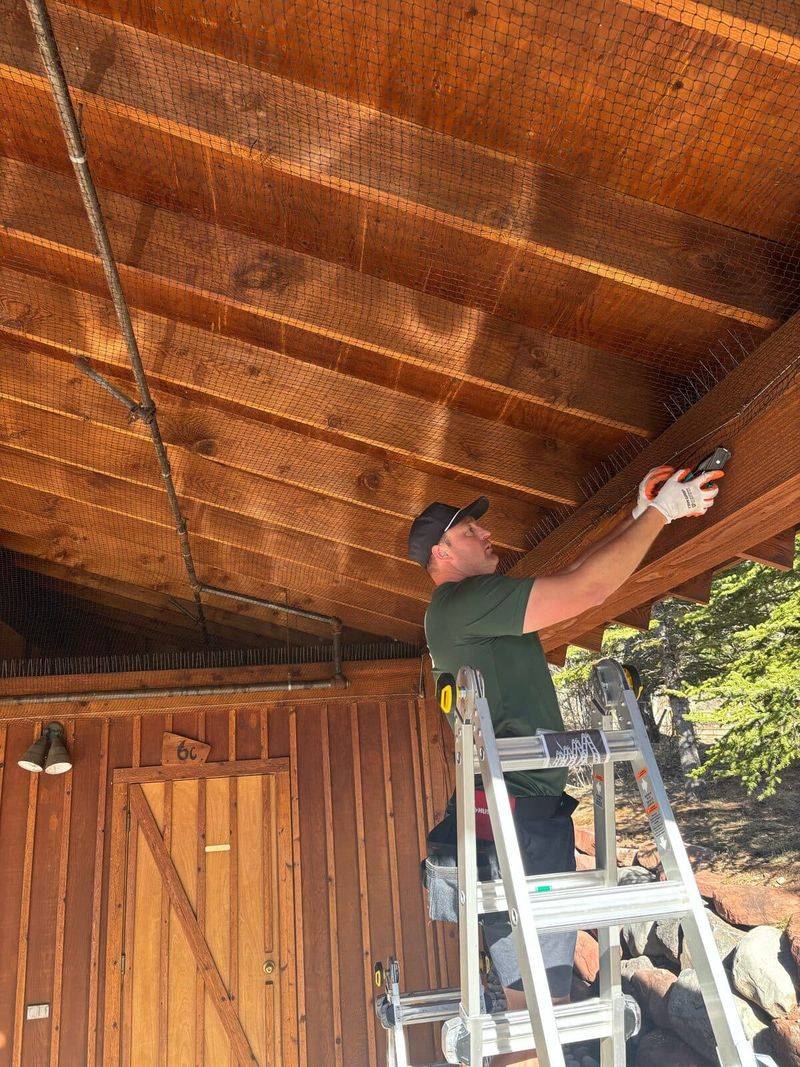
Sometimes bats really do move into the living space. When they occupy a dwelling and cause problems like droppings, odor, or noise, exclusion may be appropriate.
Exclusion means helping bats leave and then closing the entry so they cannot return.
The danger is in doing it the wrong way. Sealing an opening while bats remain inside can trap them, and they may die or push deeper into your home.
Bat Conservation International advises care and proper methods for bats in buildings.
Timing matters most. UC IPM warns against excluding colonies while flightless young may be present.
In California that is usually May through September, and late fall is generally a better time. That range is typical, not a universal schedule.
Young bats cannot fly out on their own. If their mothers are shut out, the pups can starve inside the walls.
Because timing and methods depend on the roost and local requirements, contact CDFW or a qualified bat-exclusion professional. Do not improvise with caulk, foam, or netting.
Treat the garden benefit as a possibility, not a promise

Leave a problem-free outdoor roost alone, keep checking your plants for caterpillars, and call an expert if bats are inside and need to go. A bat house is no sure fix either.
UC IPM says it is unlikely to draw bats out of a nearby building, and there is no clear proof it cuts garden insect problems.
Bats are worth respecting for what they are, not for a number someone made up.