 Complete Gardening
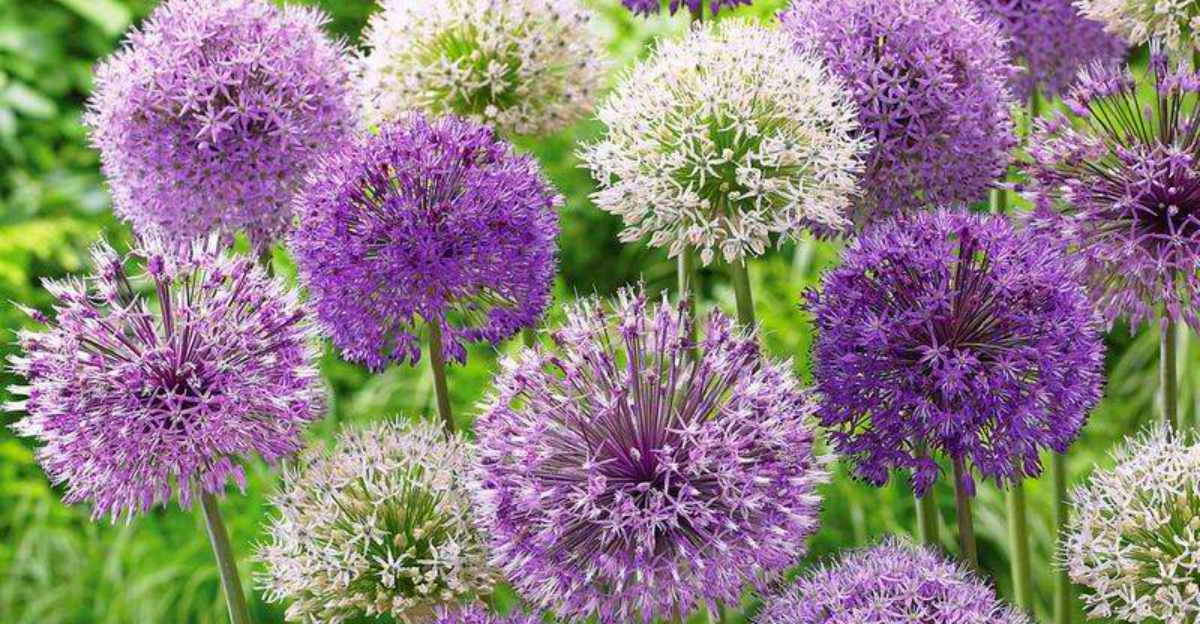
Connecticut’s spring landscape bursts into vibrant life with the right selection of flowering bulbs. Planting the ideal bulbs not only enhances the beauty of gardens but also ensures a seasonal spectacle that is both enchanting and rewarding. This guide explores ten of the best bulbs to plant, offering a variety of colors, textures, and blooming times to create a continuous display from early to late spring.
1. Tulip
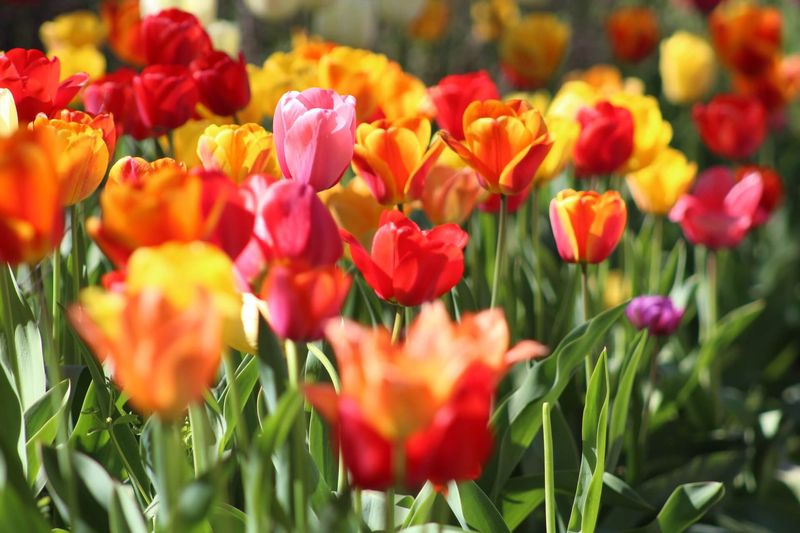
Tulips are a classic spring favorite, known for their vibrant colors and elegant shapes. With origins tracing back to Central Asia, tulips have become a gardener’s delight worldwide. In Connecticut, they thrive when planted in well-drained soil, bursting into hues of red, yellow, and purple.
Their ability to complement any garden design makes them indispensable for spring landscapes. Tulips require a cold winter period to bloom, making Connecticut’s climate ideal. Plant them in the fall for a resplendent spring show.
Fun Fact: The tulip mania in the 17th century saw these flowers affecting stock markets and economies, proving their lasting allure.
2. Daffodil
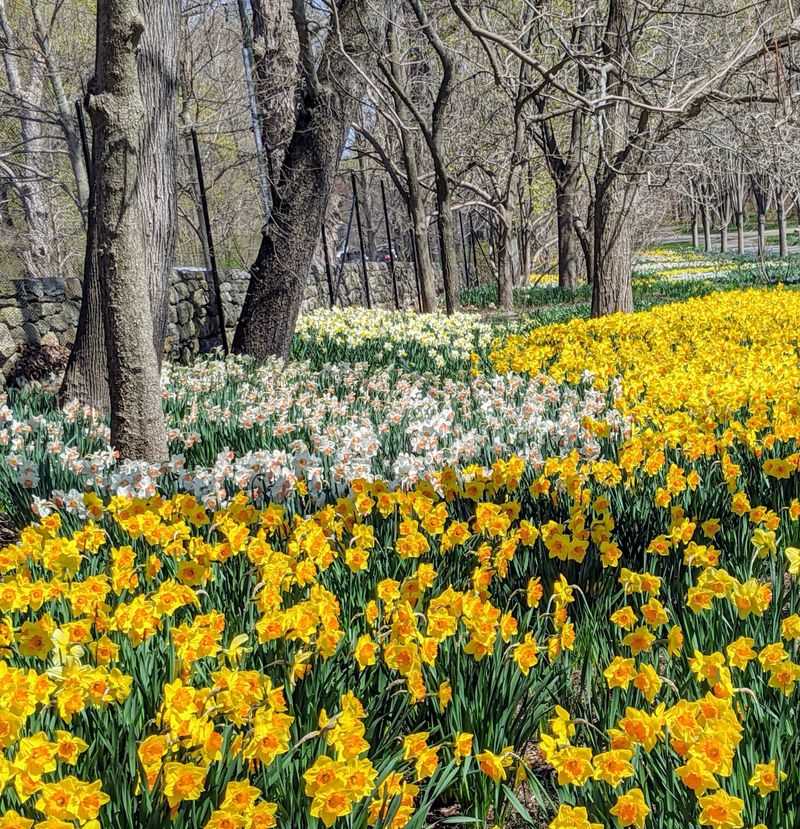
Heralding the arrival of spring, daffodils are synonymous with renewal and hope. Their cheerful yellow petals stand out, adding brightness to any garden corner. Originating from the Mediterranean region, they are hardy and adaptable.
In Connecticut, daffodils naturalize well, multiplying over the years to create perennial beauty without much effort. Their ability to resist deer and pests makes them a practical choice for local gardeners.
Daffodils come in various shapes and sizes, ensuring a diverse display. Did you know? In England, they symbolize good fortune and are often associated with the poet William Wordsworth.
3. Crocus
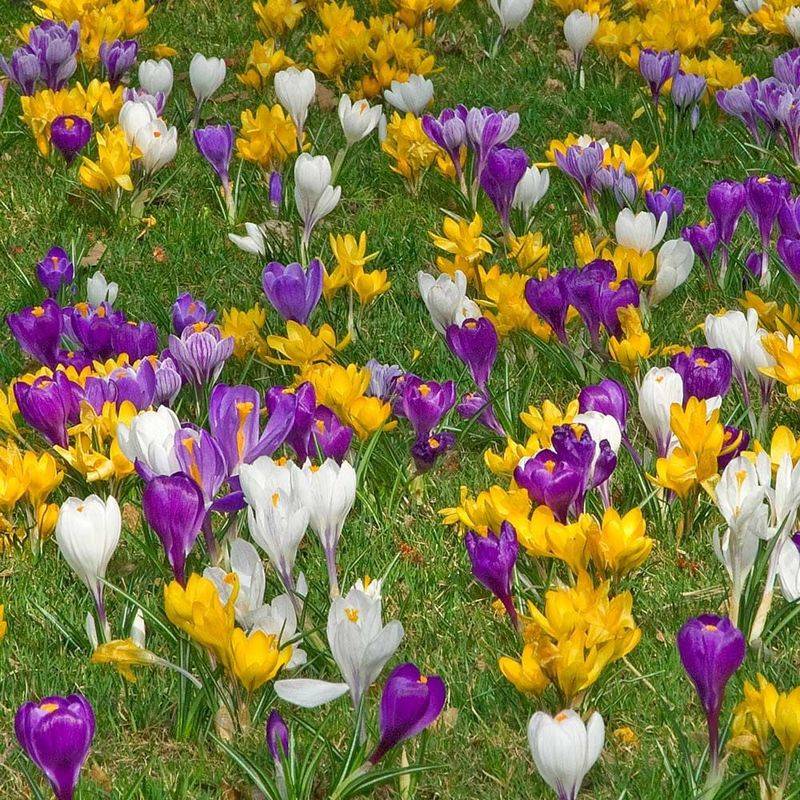
The crocus is often the first sign of spring, peeking through late winter snow with delicate blooms. Native to the Alps, these flowers bring a touch of alpine charm to Connecticut gardens. Their low-growing nature makes them perfect for borders or rock gardens.
Crocuses come in shades of purple, white, and yellow, creating a striking contrast against the winter landscape. Planting in well-drained soil ensures their vibrant emergence year after year.
Their early bloom provides much-needed color and hope after winter’s grayness. Fun Fact: Crocus sativus, a relative, is the source of the world’s most expensive spice, saffron.
4. Hyacinth
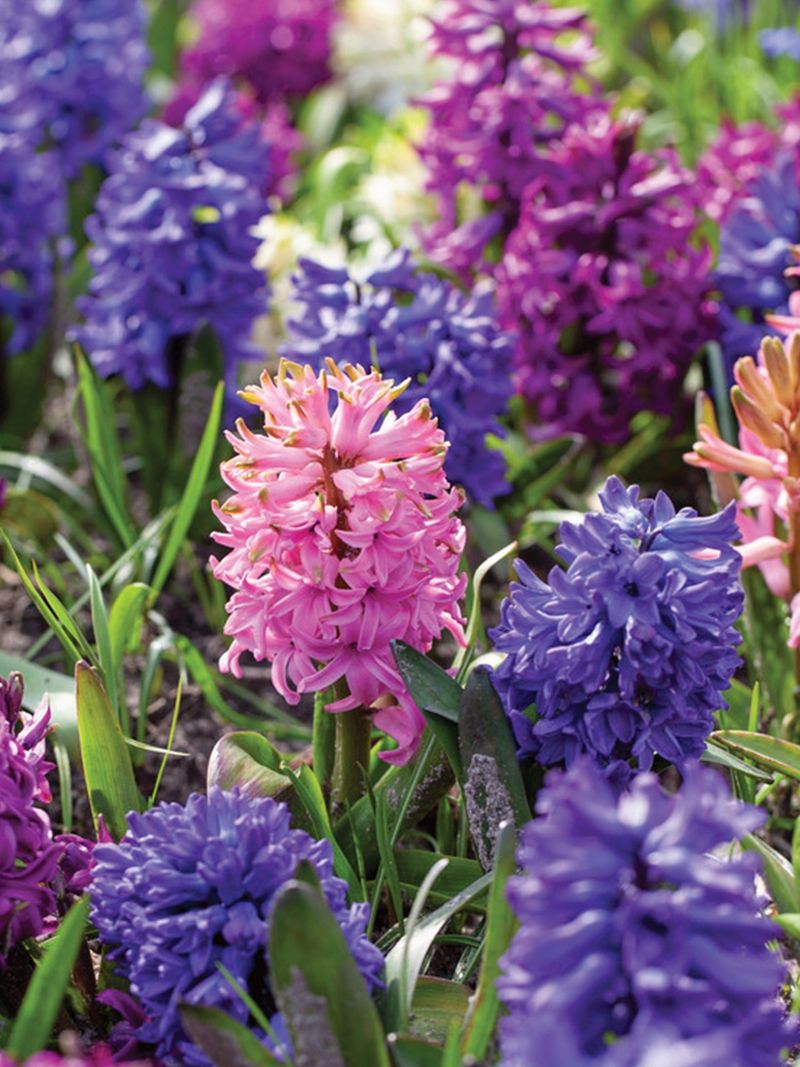
Hyacinths are cherished for their intense fragrance and dense, colorful blooms. Originating from the eastern Mediterranean, they have been cultivated for centuries for both beauty and scent.
In Connecticut, their sweet aroma is a spring delight, often planted near walkways or entryways to maximize enjoyment. The rich colors of pink, blue, and white hyacinths create a visual feast and can be used in both formal and informal garden settings.
Hyacinths prefer well-drained soil and full sun to partial shade. A quirky history bit: Hyacinths were once used in ancient perfumes and were considered a symbol of peace and power.
5. Snowdrop
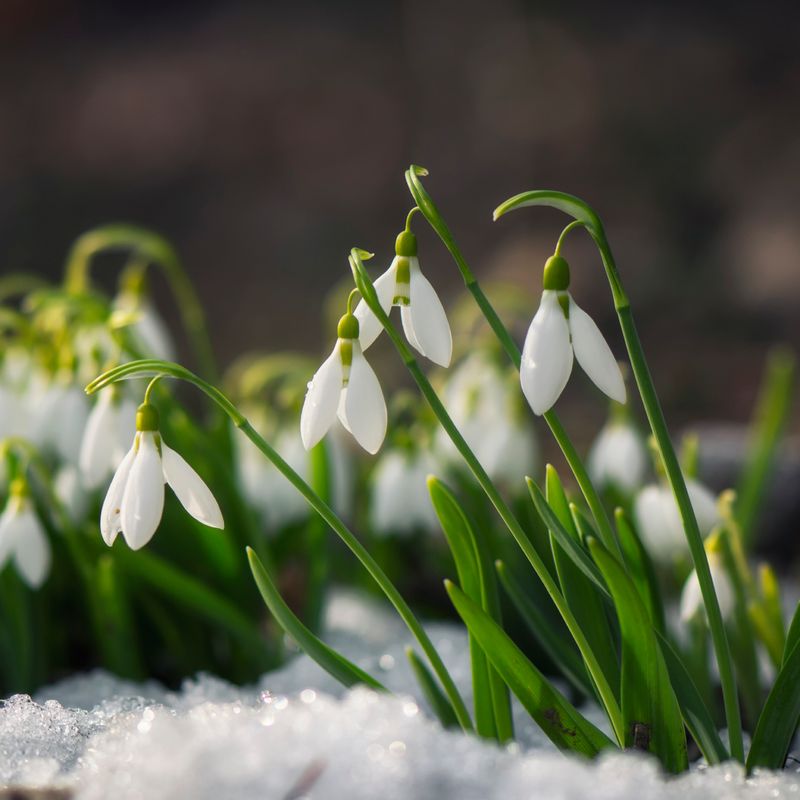
Snowdrops are the gentle harbingers of spring, often blooming while snow still blankets the ground. These delicate white flowers originate from Europe and Asia, symbolizing purity and hope.
In Connecticut, they thrive in shaded areas with moist, well-drained soil, making them perfect for woodland gardens. Their understated elegance adds a touch of serenity to any landscape.
Snowdrops are resilient, able to withstand late winter chills. These flowers hold a cultural significance in many countries, marking the transition from winter to spring. Did you know? They have been celebrated in literature and folklore for centuries.
6. Bluebell
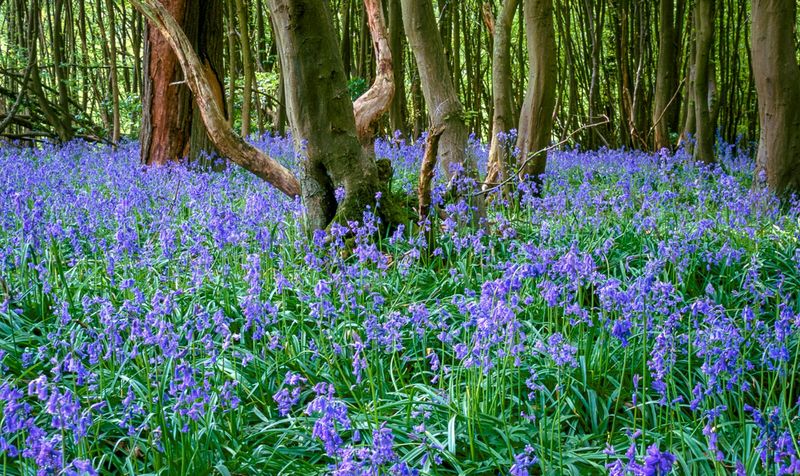
The enchanting bluebell is known for creating stunning carpets of blue in woodlands. Native to the Atlantic coasts of Europe, they thrive in Connecticut’s shaded, moist environments.
Bluebells prefer rich, well-drained soil and are best planted in areas with dappled sunlight. Their charming bell-shaped flowers nod gently in the breeze, creating a peaceful and magical garden ambiance.
Often associated with fairy lore, bluebells add a whimsical touch to gardens. A fun tidbit: In folklore, they were said to ring to summon fairies to gatherings.
7. Allium
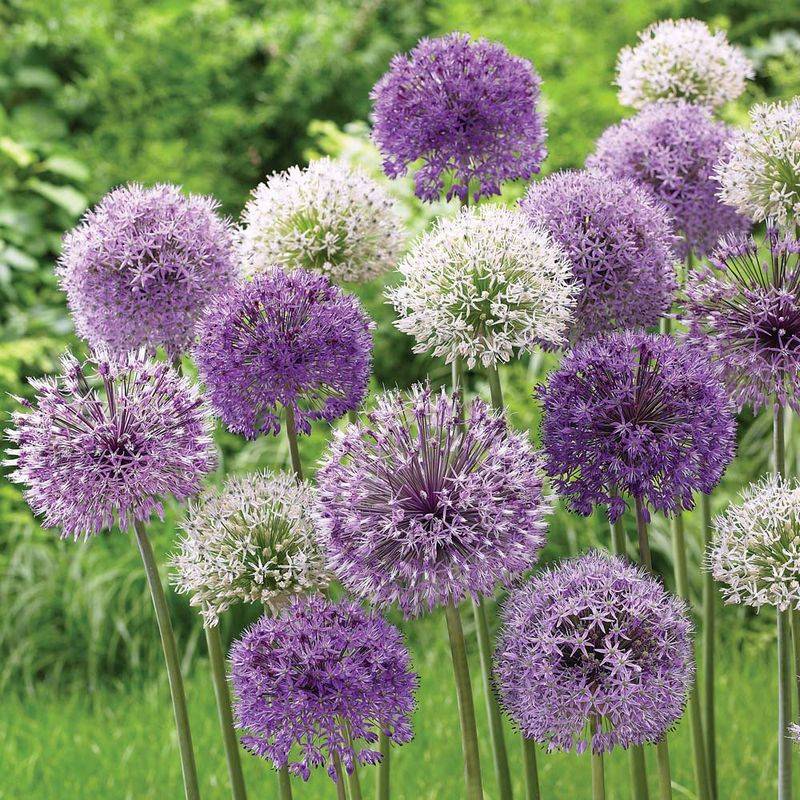
Alliums are striking bulbs known for their spherical flower heads and towering stature. Native to Central Asia, these ornamental onions are both architecturally stunning and easy to grow.
In Connecticut, they serve as eye-catching focal points in gardens, with tall stems that sway gracefully in the breeze. Plant them in masses for a dramatic effect or intersperse them among other perennials for variety.
Their deer-resistant nature makes them a wise choice for local gardeners. Fun Fact: Alliums are close relatives of garlic and onions, adding both beauty and a hint of culinary interest to gardens.
8. Iris
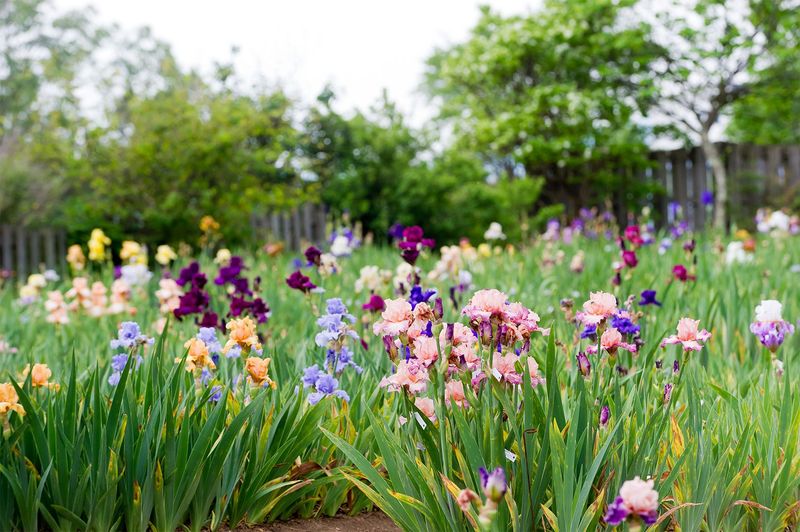
Irises are celebrated for their intricate and colorful blooms, symbolizing faith and wisdom. Their diverse forms and colors make them versatile additions to any garden. Native to the temperate regions, they adapt well to Connecticut’s climate.
Irises prefer sunny locations with well-drained soil, offering a dazzling display from late spring to early summer. Their sword-like foliage adds texture and interest even after blooming.
A historical tidbit: The iris is named after the Greek goddess of the rainbow, reflecting its array of vibrant colors. This flower has inspired artists and gardeners alike for centuries.
9. Anemone
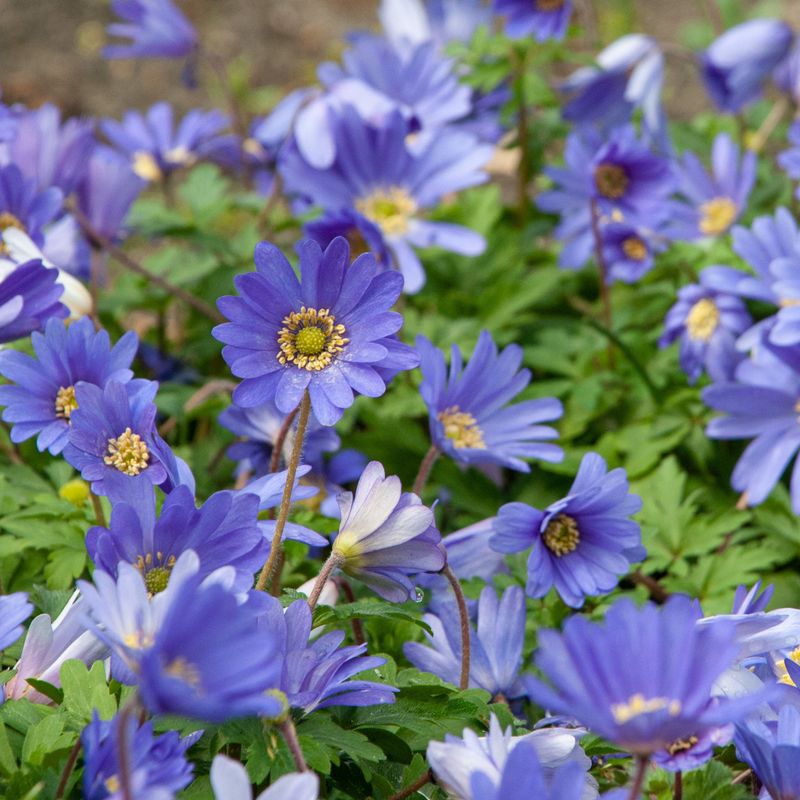
Anemones, often called windflowers, capture the essence of spring with their vibrant yet delicate blooms. Native to temperate climates, they bring a lively splash of color to Connecticut gardens.
These flowers thrive in sunny spots with well-drained soil, offering a cheerful display from early to mid-spring. Anemones’ daisy-like appearance and variety of colors make them delightful additions to borders and containers.
Fun Fact: The name ‘anemone’ comes from the Greek word for wind, symbolizing their gentle sway in the breeze. Their beauty has been admired in art and literature for ages.
10. Fritillaria
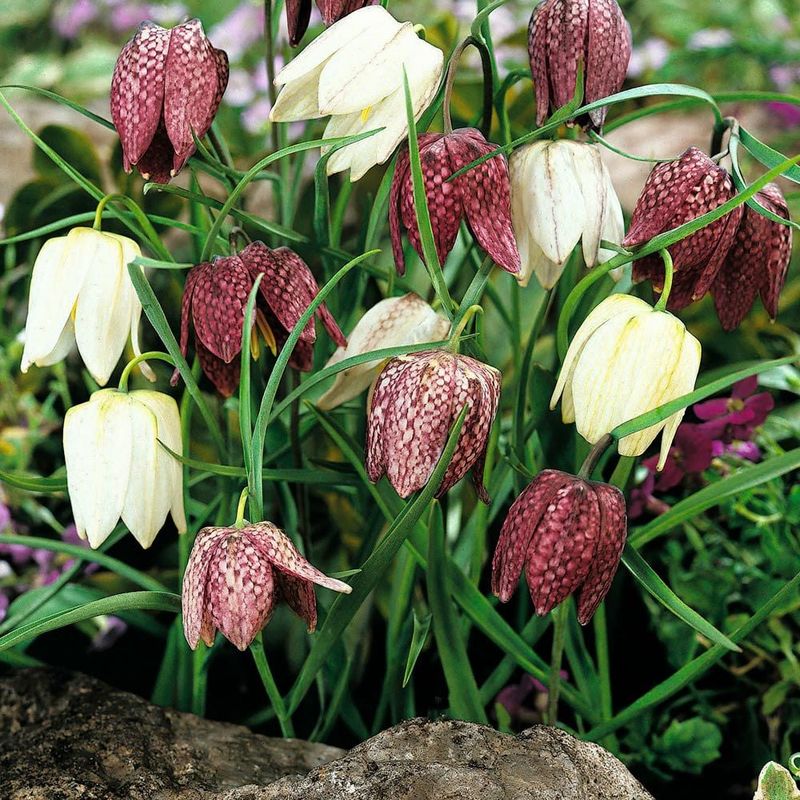
Fritillarias stand out with their unique bell-shaped flowers and intricate checkered patterns. Originating from the Northern Hemisphere, they are a distinctive choice for Connecticut gardens.
These bulbs prefer cool, well-drained soil and partial shade, adding an exotic touch to garden beds. Fritillarias bloom in mid to late spring, offering a splash of color with their striking appearance.
A quirky fact: The name ‘Fritillaria’ comes from the Latin word ‘fritillus,’ meaning dice box, which refers to the checkered pattern on the petals. They are a conversation starter in any garden setting.