 Complete Gardening
Sloped yards in West Virginia present a unique gardening challenge, requiring plants that not only stabilize the soil but also thrive in the local climate. The right groundcover can transform a problematic slope into a lush, attractive landscape. Here are ten excellent choices for groundcovers that suit the terrains of West Virginia.
1. Creeping Juniper
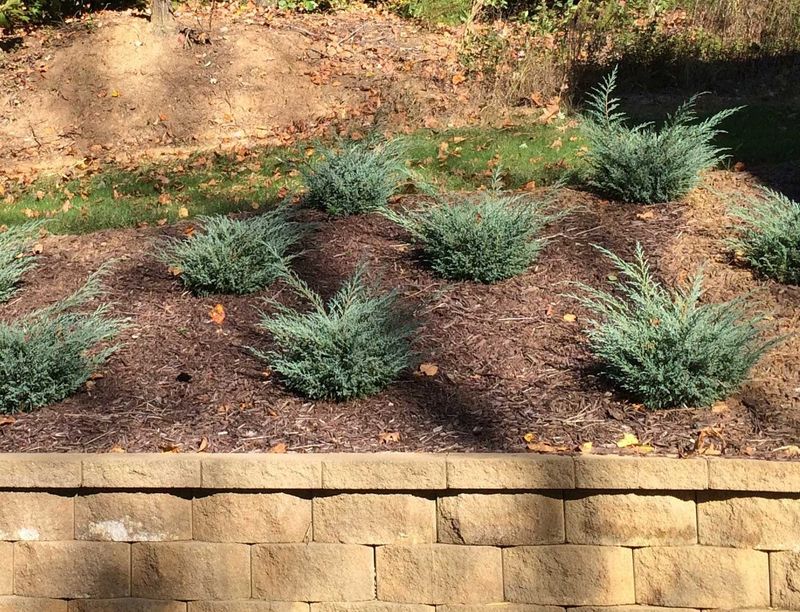
Creeping Juniper is a resilient plant that thrives on slopes, offering year-round beauty with its evergreen foliage. This hardy groundcover is perfect for preventing soil erosion, making it a favorite for sloped landscapes. Its blue-green needles provide a soft, feathery texture that contrasts beautifully with rock gardens or other shrubs.
Historically, junipers have been used as a symbol of protection, and their natural adaptability makes them ideal for challenging terrains. The plant’s low-maintenance nature and resistance to deer make it especially suited for West Virginia’s diverse wildlife.
2. Periwinkle (Vinca Minor)
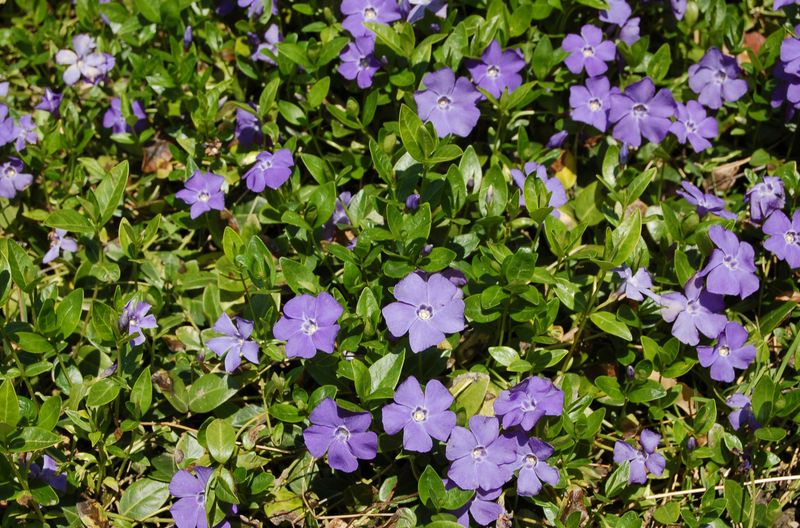
With its charming, periwinkle-blue flowers, Vinca Minor adds a splash of color to any slope. Often referred to as Periwinkle, this plant is celebrated for its ability to cover large areas quickly, providing a lush and colorful carpet.
Periwinkle is not only decorative but also functional, as it helps to control erosion and suppress weeds on sloped terrains. Its glossy leaves and petite blossoms are a cheery sight in the spring and maintain their appeal throughout the year.
3. Creeping Phlox
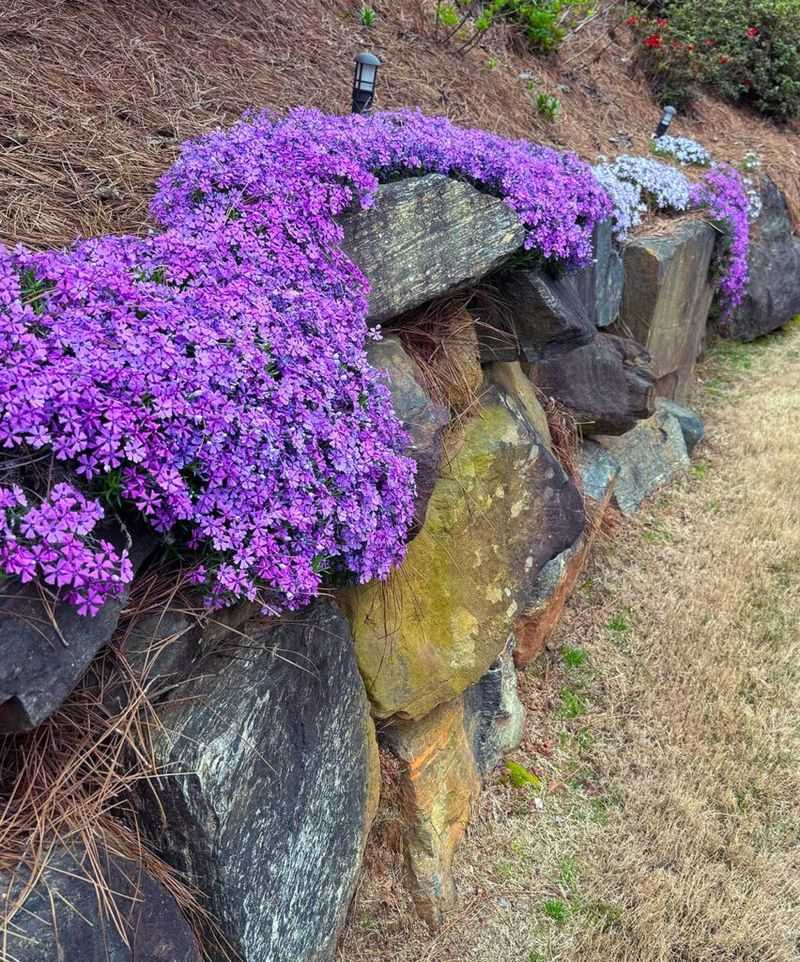
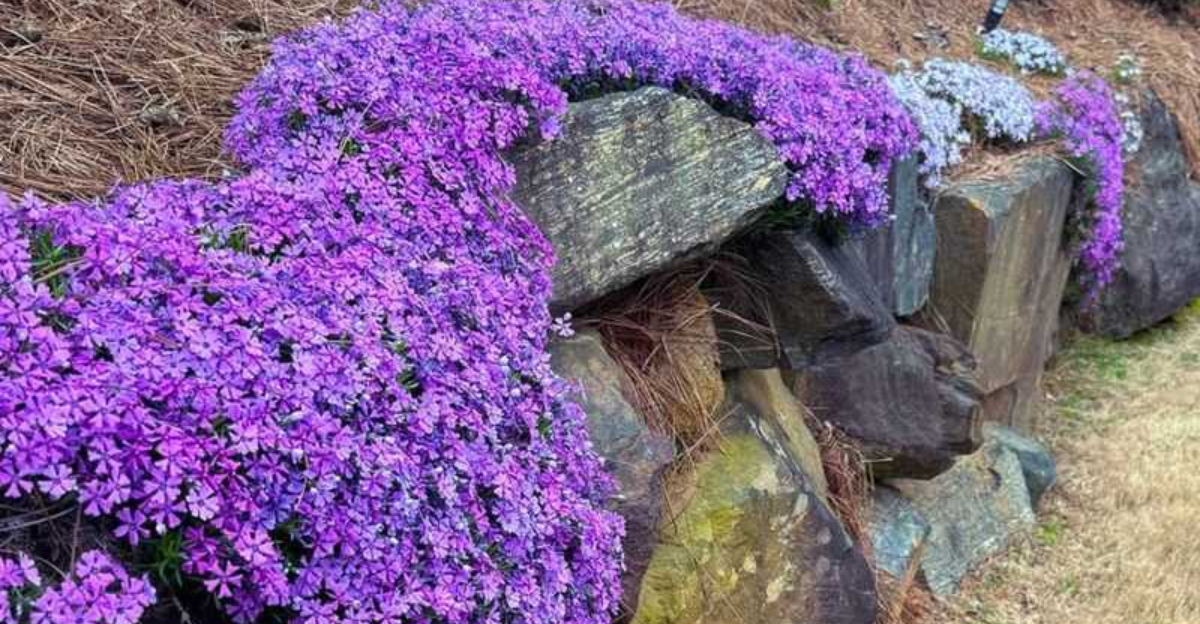
Creeping Phlox offers a stunning spring display, with its vibrant flowers creating a colorful mat that spreads effortlessly across slopes. This groundcover is not only visually appealing but also a fantastic option for erosion control.
The plant’s dense growth habit ensures that weeds are kept at bay, while its low stature and spreading nature make it ideal for covering large areas. Its resistance to pests and adaptability to various soil conditions further enhance its suitability for West Virginia gardens.
4. Ajuga (Bugleweed)
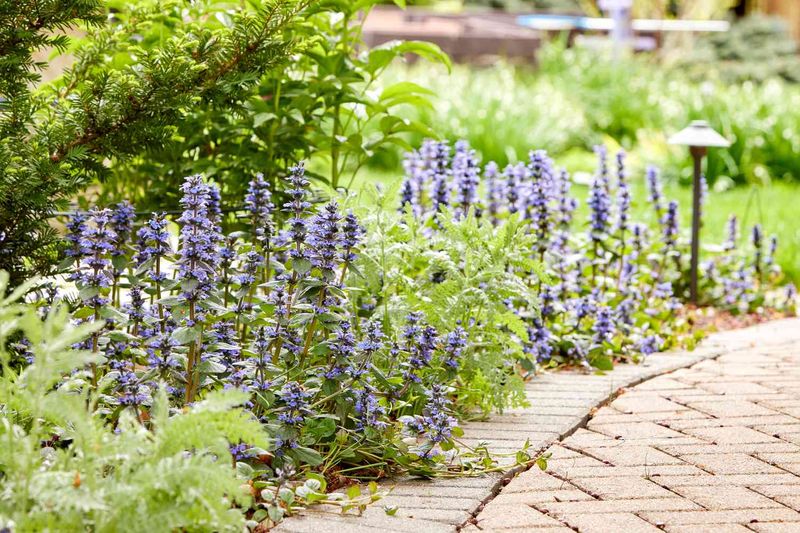
Ajuga, also known as Bugleweed, is a versatile groundcover known for its striking foliage and vibrant flower spikes. This plant thrives in various light conditions, making it a flexible choice for different slope exposures in West Virginia.
The deep purple and bronze tones of its leaves provide an eye-catching contrast to its blue flower spikes. Ajuga’s ability to form a dense mat aids in soil stabilization, and its rapid spread can quickly cover bare patches, transforming them into lush landscapes.
5. Creeping Thyme

Creeping Thyme is a fragrant and hardy groundcover that thrives on sunny slopes. Known for its aromatic foliage and small purple flowers, it creates a sensory delight as well as a visual one.
This groundcover’s ability to withstand foot traffic makes it an excellent choice for pathways that traverse sloped areas. Its low-growing nature and drought tolerance further enhance its appeal for gardeners seeking low-maintenance solutions in West Virginia.
6. Liriope (Lilyturf)
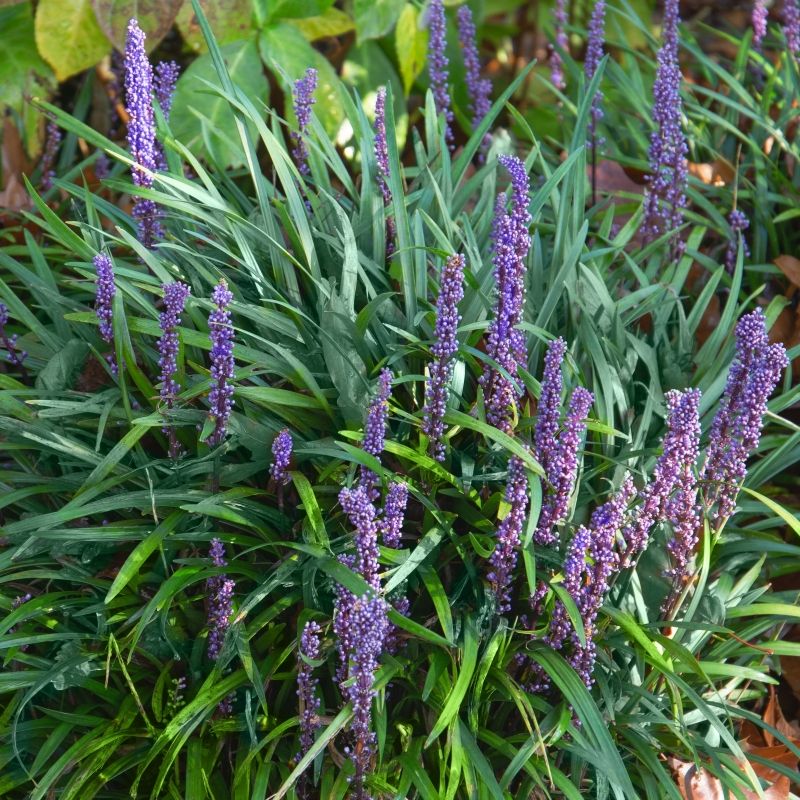
Liriope, commonly known as Lilyturf, is a striking groundcover that brings both texture and color to sloped areas. Its tall flower spikes and grass-like leaves provide a unique architectural element to garden design.
This plant is particularly appreciated for its ability to thrive in both sun and shade, making it a flexible choice for various slope orientations. Liriope’s resilience to different soil types and its capacity for suppressing weeds make it a practical and attractive option for West Virginia’s hilly terrains.
7. Sweet Woodruff
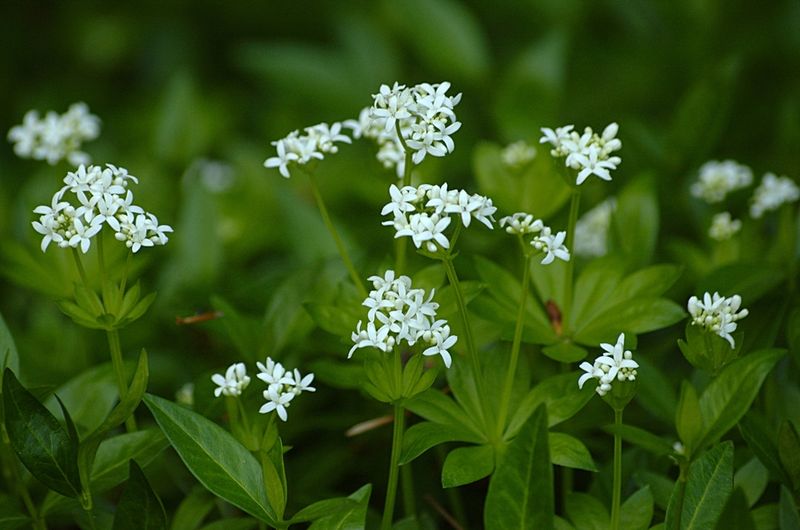
Sweet Woodruff is a charming groundcover that flourishes in shaded areas, making it ideal for slopes under tree canopies. Its whorls of star-shaped white flowers and fragrant foliage create a serene and enchanting garden scene.
This plant’s historical use as a natural deodorizer and its ability to suppress weeds add to its garden-friendly attributes. Sweet Woodruff’s delicate appearance belies its robust nature, making it a valuable addition to any West Virginia slope.
8. Pachysandra
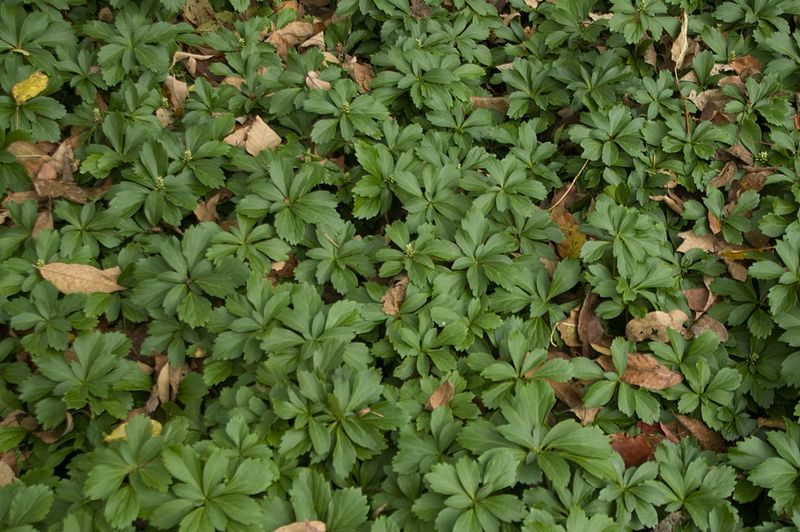
Pachysandra is a popular choice for shaded slopes, known for its ability to form a dense, evergreen mat that suppresses weeds and prevents erosion. Its glossy leaves provide a year-round backdrop of green, enhancing the garden’s appeal even in winter.
This hardy groundcover is low-maintenance and deer-resistant, making it particularly suited for West Virginia’s wooded areas. Its subtle white flowers in spring add an understated elegance to this practical plant.
9. Bearberry (Arctostaphylos uva-ursi)
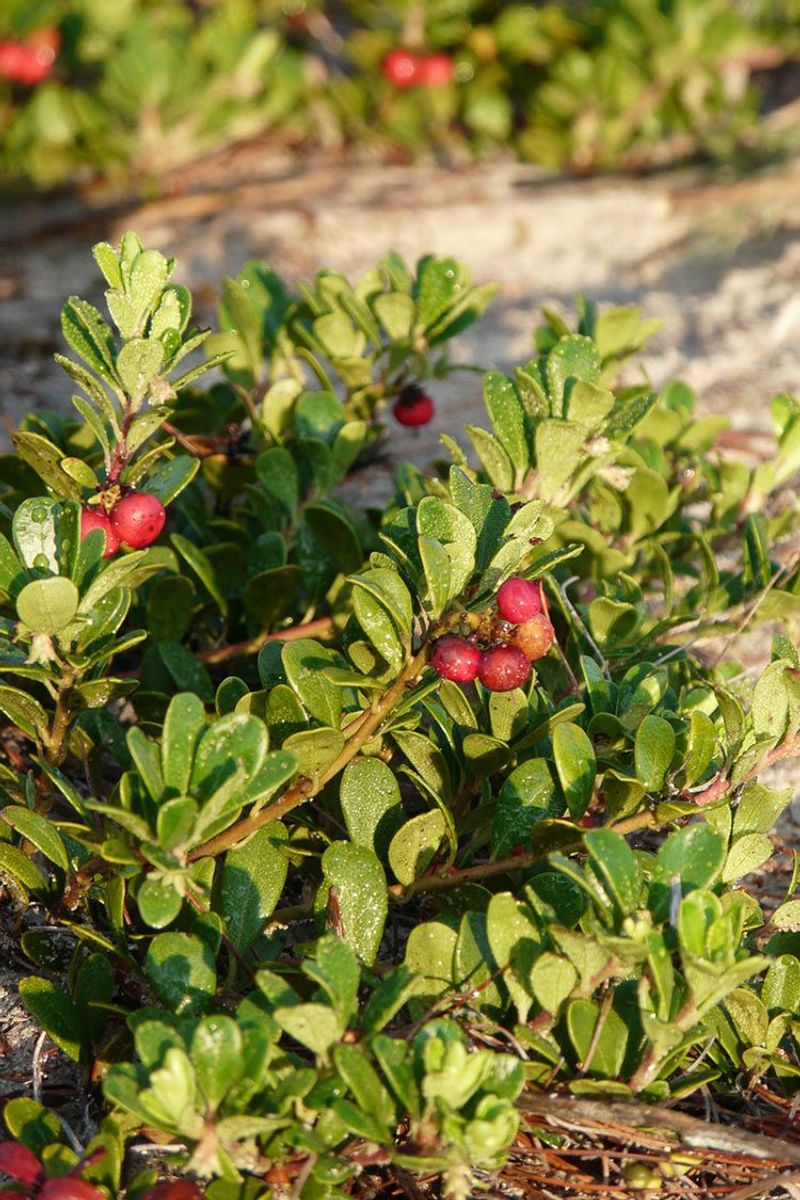
Bearberry is an ideal choice for rocky or sandy slopes, offering year-round interest with its glossy leaves and bright red berries. This native plant’s ability to thrive in poor soils makes it perfect for challenging terrains.
Its low-growing habit and evergreen foliage help control erosion while adding color and texture to the landscape. Bearberry’s resilience and beauty make it a standout choice for West Virginia gardeners seeking a tough yet attractive groundcover.
10. Helleborus (Lenten Rose)
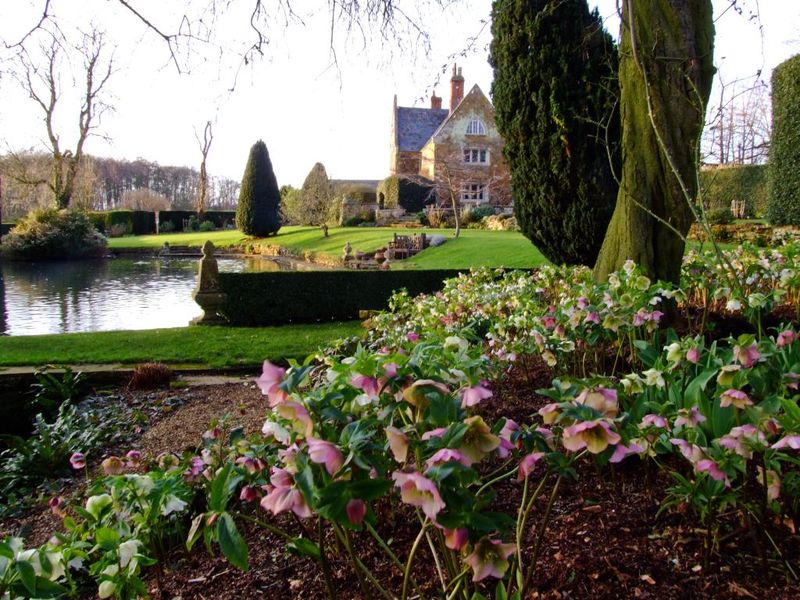
Helleborus, or Lenten Rose, brings early spring joy with its nodding blooms and evergreen foliage. This plant thrives in shaded areas, adding color and life to slopes that receive dappled sunlight.
Its ability to bloom through late winter snow makes it a garden favorite for early season interest. Helleborus’s tolerance of various soil types and its deer-resistant nature make it an excellent choice for West Virginia’s diverse landscapes.