 Complete Gardening
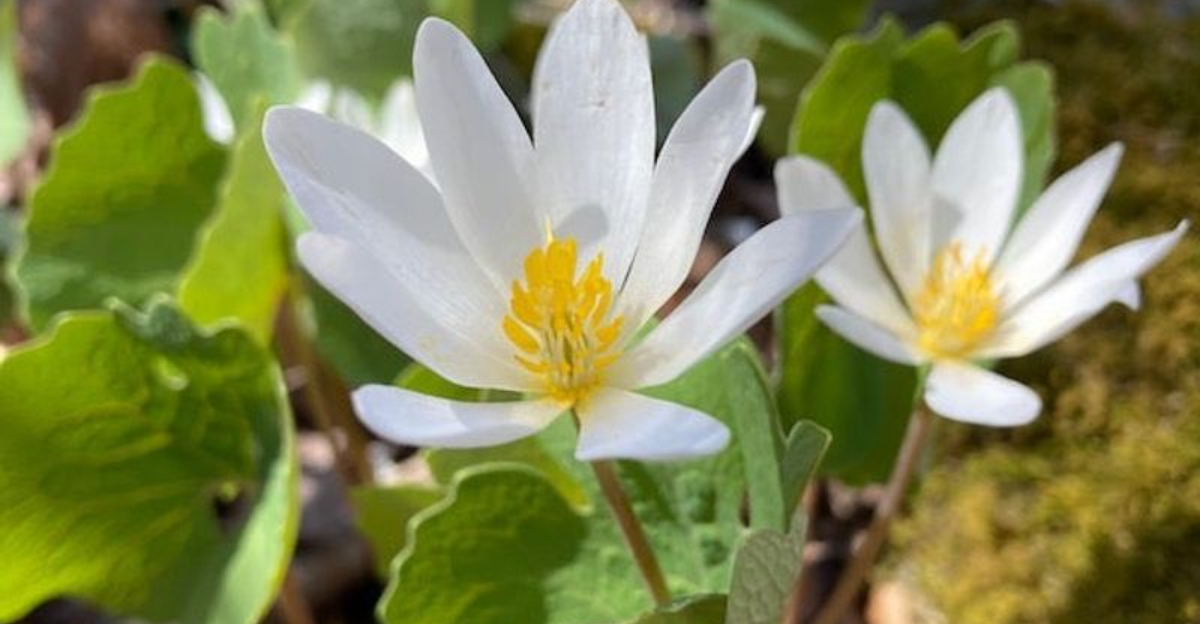
Connecticut’s shade gardens offer a unique opportunity to incorporate native perennials that thrive in low-light conditions. These plants not only adapt well to shaded areas but also bring ecological benefits, supporting local wildlife and biodiversity.
1. Wild Ginger

Wild Ginger, with its heart-shaped leaves, creates a lush ground cover in shaded gardens. Its subtle fragrance and unique root structure make it both practical and beautiful.
In spring, small brownish flowers appear close to the ground, adding a mysterious charm. Historically, Native Americans used it for medicinal purposes.
2. Solomon’s Seal
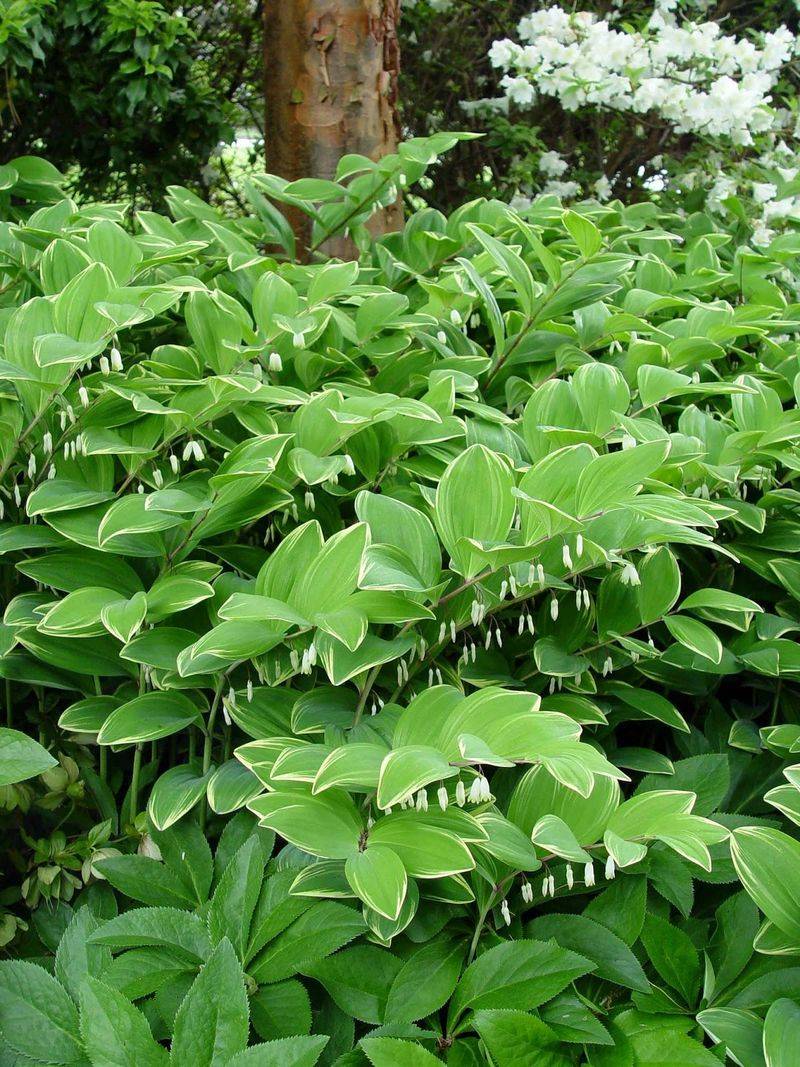
Solomon’s Seal brings elegance with its arching stems and white, bell-shaped flowers. Its graceful form adds movement to any shady nook and is perfect for gardeners seeking serenity.
The plant has a storied history, often associated with healing in folklore. It transitions beautifully to golden hues in fall.
3. Foamflower
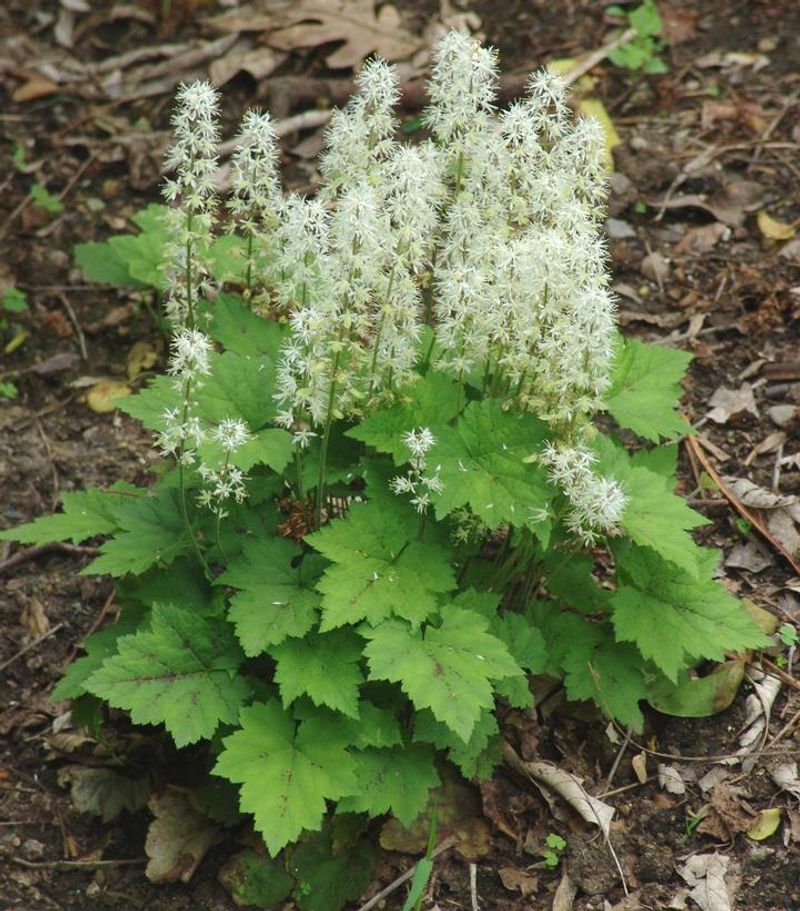
Foamflower is beloved for its airy, frothy blooms that seem to dance atop the foliage. Its vibrant, mottled leaves provide visual interest even after the flowers fade.
As a native ground cover, it supports local pollinators while offering a soft aesthetic edge to pathways.
4. Jacob’s Ladder
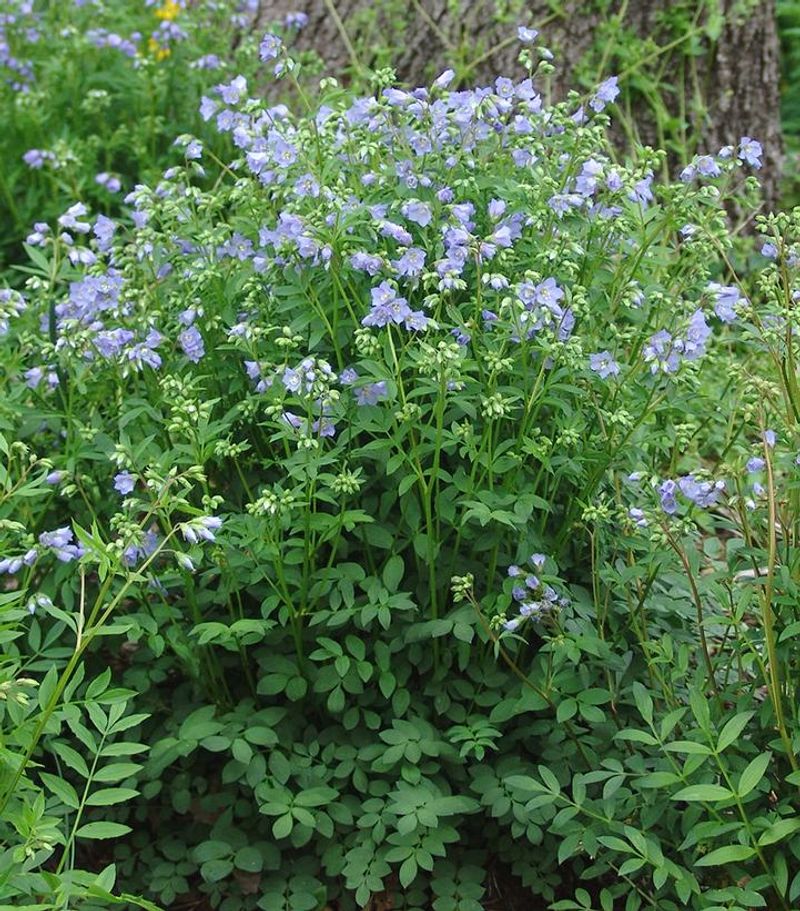
Jacob’s Ladder is named for its pinnate leaves resembling a ladder. This perennial offers clusters of blue flowers that stand out in shaded areas.
Known for its adaptability, Jacob’s Ladder thrives in the moist, cool spots of Connecticut gardens, attracting a variety of butterflies.
5. Virginia Bluebells
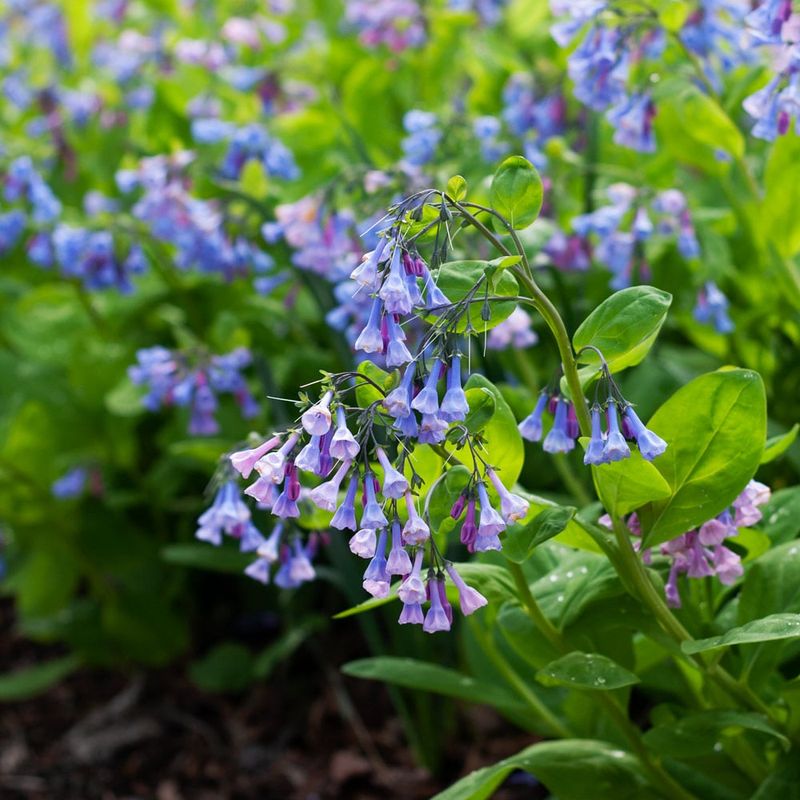
Virginia Bluebells are a sight to behold with their nodding, blue-pink flowers. They announce the arrival of spring with vibrant color transitions.
These perennials prefer the damp, shaded woodlands and make a stunning backdrop for early spring bulbs.
6. Maidenhair Fern
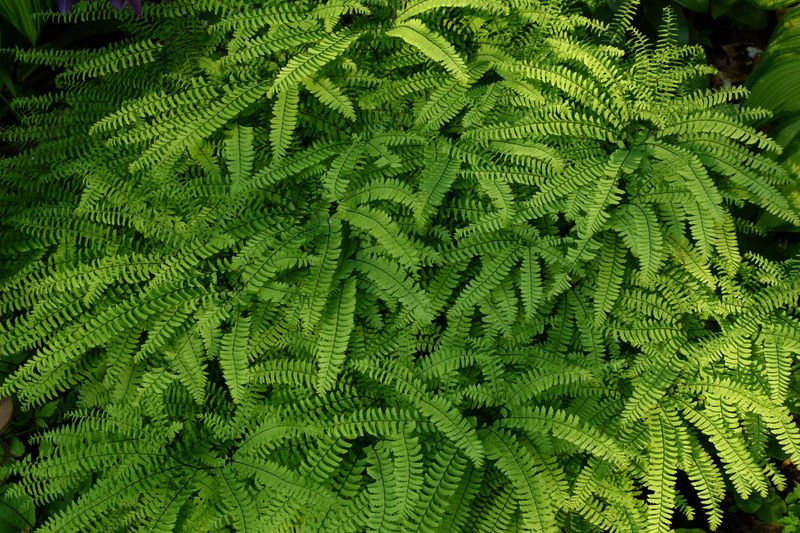
The Maidenhair Fern captivates with its delicate fronds and fan-like appearance. It’s a masterpiece of nature that thrives in the shaded, moist areas.
Its feathery texture offers contrast to bolder plants and adds a touch of elegance to any garden.
7. Bloodroot
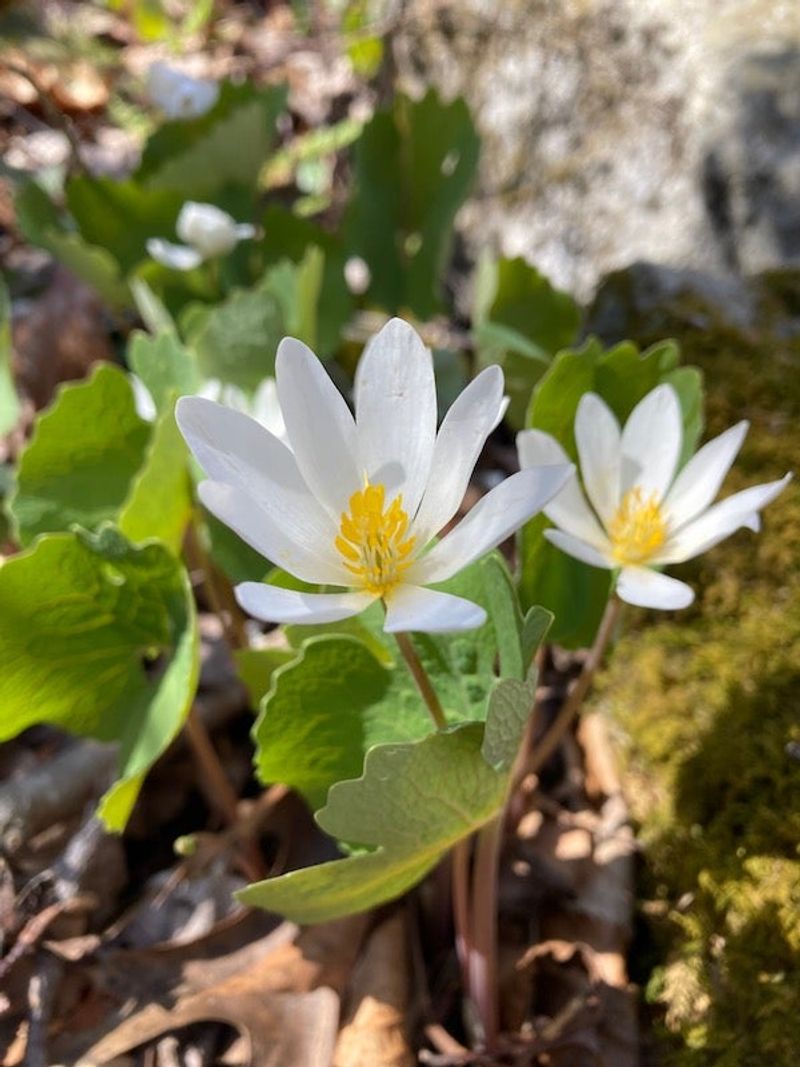
Bloodroot is an early spring ephemeral with striking white flowers and golden centers. Its fleeting beauty is matched by its interesting name, derived from its red sap.
This plant often emerges before the trees fully leaf out, offering one of the earliest signs of life in shaded gardens.
8. Trillium
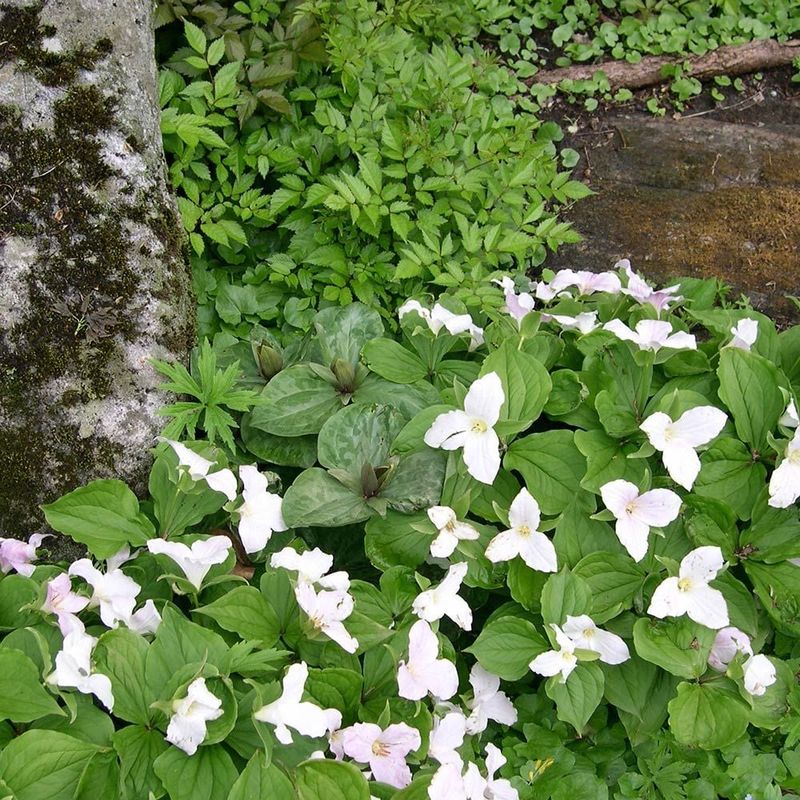
Trillium’s three-petaled flowers make it a sought-after plant for shade gardens. It symbolizes simplicity and natural elegance, thriving in forested areas.
Each species of Trillium can paint a different picture, from white to deep red flowers, all captivating in their own right.
9. Dutchman’s Breeches
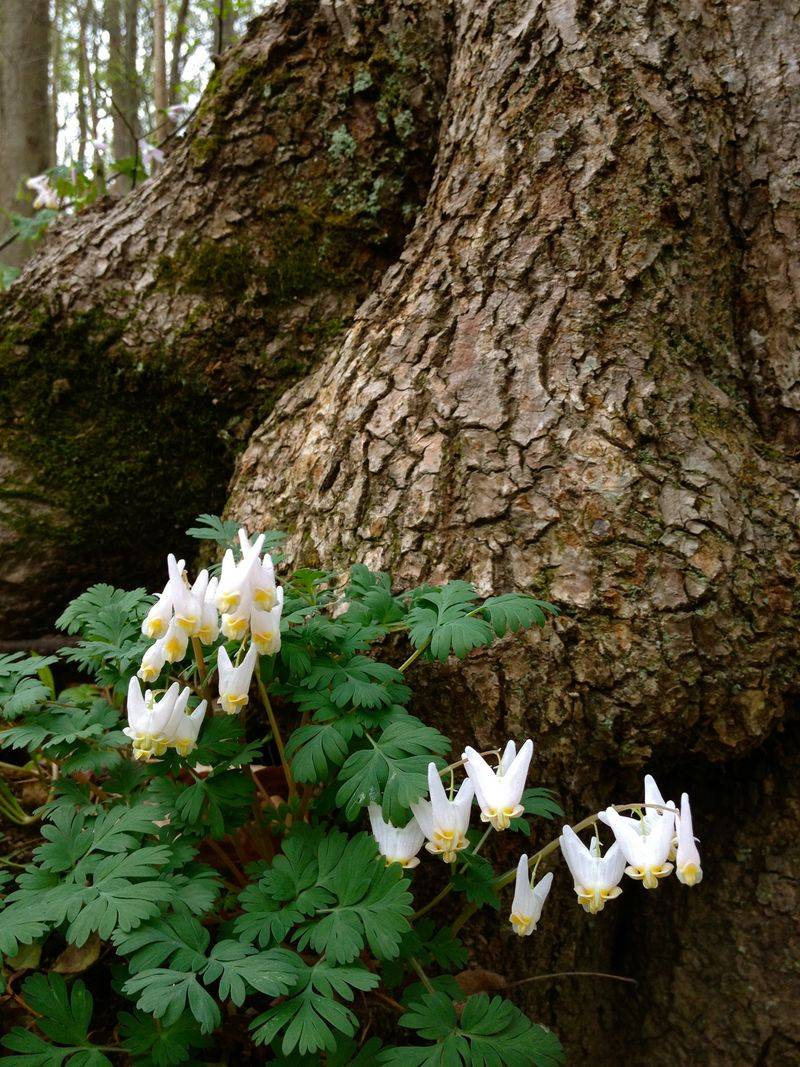
Dutchman’s Breeches offer a whimsical touch with their pantaloon-shaped flowers. Their unique appearance is a conversation starter in any garden.
This plant prefers the rich, well-drained soils of shaded areas, and its historical use by indigenous peoples adds cultural depth.
10. Celandine Poppy
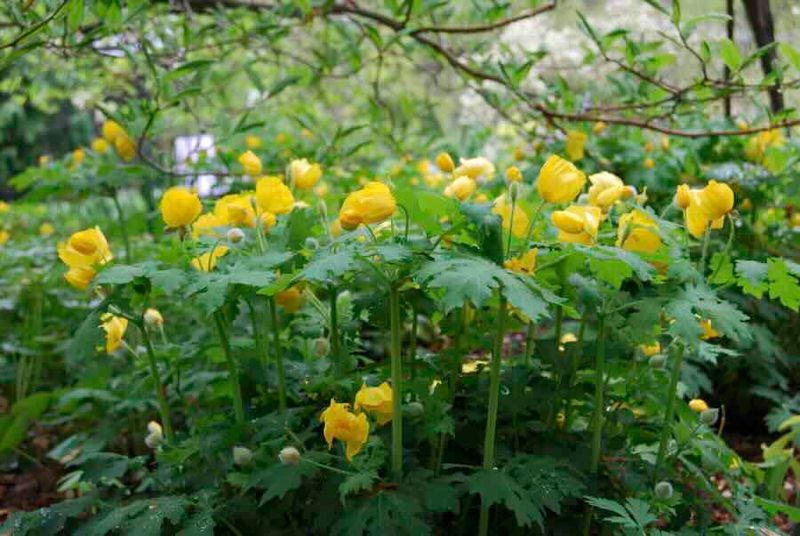
The Celandine Poppy lights up shade gardens with its cheerful yellow blooms. It’s an excellent choice for adding color contrast against green backdrops.
With a long blooming period, it provides lasting beauty and supports local pollinators throughout the season.